
Review · KATHMANDU
Everest Base Camp Luxury Lodge Trek
The best part of the Everest Base Camp Luxury Lodge Trek is that it pairs a serious high-altitude walk with a softer landing: comfortable Kathmandu hotels, better available lodges, private transfers, porters, and time to see Sherpa villages rather than simply race uphill. You reach both Everest Base Camp and Kalapatthar, with views toward Everest, Lhotse, Cho Oyu, and Makalu.
I like the careful acclimatization stops at Namche Bazaar and Dingboche, and I like the cultural side trip to Bhaktapur, Pashupatinath, Boudhanath, and other Kathmandu sites. The main caution is altitude: this is still a demanding trek reaching 5,364 meters, and luxury lodges do not make the air any thicker.
Key points at a glance
- Everest Base Camp and Kalapatthar: You visit the famous base camp and climb to a sunrise viewpoint above Gorakshep.
- Two acclimatization days: Namche and Dingboche give your body time to adjust before the highest sections.
- Comfort without losing the trail experience: The package includes The Everest Hotel in Kathmandu, available lodges, meals, porters, and private road transfers.
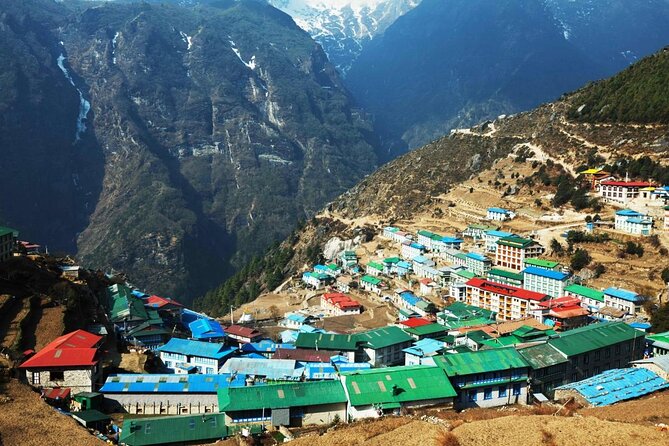
- Sherpa culture along the route: You pass through Phakding, Namche, Tengboche, Pangboche, Dingboche, and other mountain communities.
- Guidance from an organized local team: Planning support is led by Pradip Karki, with guides such as Nima Sherpa, Nima Dorji Sherpa, Tendi Sherpa, or another requested English or other language-speaking guide.
- Important flight planning: In April, May, October, and November, Lukla flights may use Ramechhap, about five hours from Kathmandu.
What you are really paying for at $3,840
The price is $3,840 per person for about 15 days. That is a large sum, but it covers far more than a basic walking package. You get airport transfers in a private air-conditioned vehicle, three nights at The Everest Hotel, the Kathmandu sightseeing day, Lukla flights, permits, TIMS, a guide, porters in a two-to-one ratio, trek meals, lodge accommodation, staff costs, and a first-aid kit.
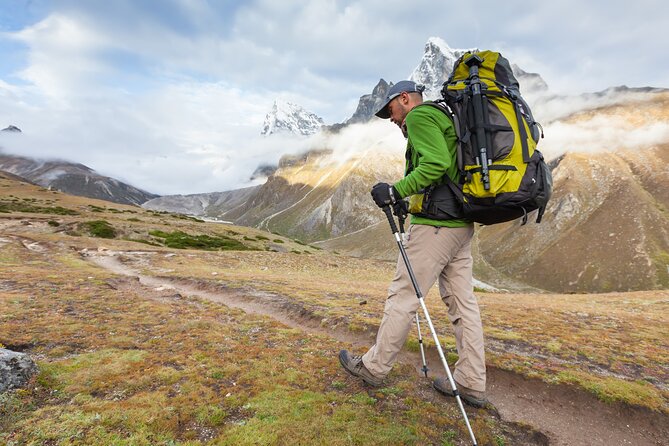
That package matters in the Everest region. Flights can be complicated, permits need to be handled correctly, and porters carry the main luggage while you walk with a smaller day pack. You also receive a duffel bag, T-shirt, map, and achievement certificate.
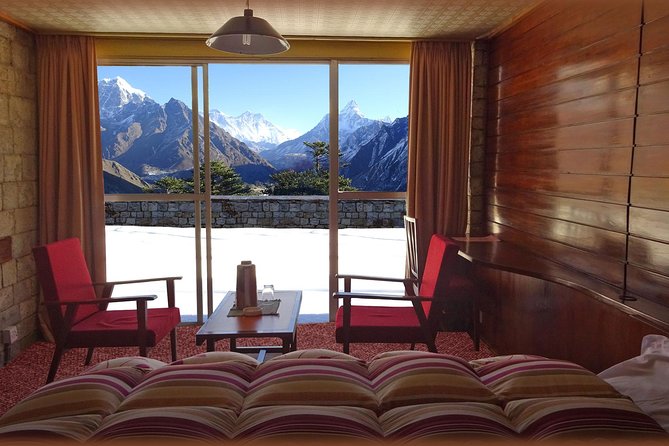
The word luxury needs a little context. You are not getting resort comfort at 4,000 or 5,000 meters. Lodge rooms may be simple, hot showers and hot water cost extra, and charging camera batteries is not included. Here, luxury means the best available local lodge, organized support, better meals, and less administrative work.
You still pay for your Nepal entry visa, international flights, sightseeing entry fees, drinks, snacks, laundry, personal calls, gear, insurance, and tips. Travel insurance with emergency evacuation above 5,500 meters is essential, not an optional extra to treat casually.
More Everest Base Camp Treks in Kathmandu:
- Everest Base Camp Trek – 14 Days
★ 5.0 · 1,499 reviews - Everest Base Camp Trek
★ 5.0 · 842 reviews - Everest Base Camp Helicopter Tour landing at Everest View Hotel
★ 5.0 · 668 reviews
Kathmandu begins with temples and preparation
Your arrival day is practical. Staff collect you at the airport, take you to the hotel, help with documents and permits, and introduce you to the guide at a welcome dinner. You have time to walk around the local market and check any missing trekking gear before leaving the city.
The second day gives you a useful cultural start. The program includes Bhaktapur Durbar Square, Pashupatinath Temple, Boudhanath Stupa, and the wider Kathmandu heritage circuit, with Swayambhunath, the Monkey Temple, also included in the stated city tour plan.
Bhaktapur is especially worthwhile for its old brick courtyards, Palace of 55 Windows, carved wood, temples, and stone figures. Pashupatinath gives you a look at one of Nepal’s most important Hindu sites beside the Bagmati River. Non-Hindus cannot enter the main temple, but you can view the complex and observe the surrounding religious activity.
At Boudhanath, prayer flags, monasteries, and Tibetan Buddhist shops surround one of the world’s largest stupas. This day is not filler. It helps you understand the Hindu and Buddhist traditions that shape the villages ahead.
The late afternoon group discussion is where you should ask direct questions about pace, meals, luggage, altitude symptoms, and flight changes. The company has organized solo trips, family groups, and larger parties, including one group of 18 adults with an average age around 55. That suggests the format can work for different ages, but your own walking ability still matters more than the group’s age.
Lukla to Phakding: a short first walk
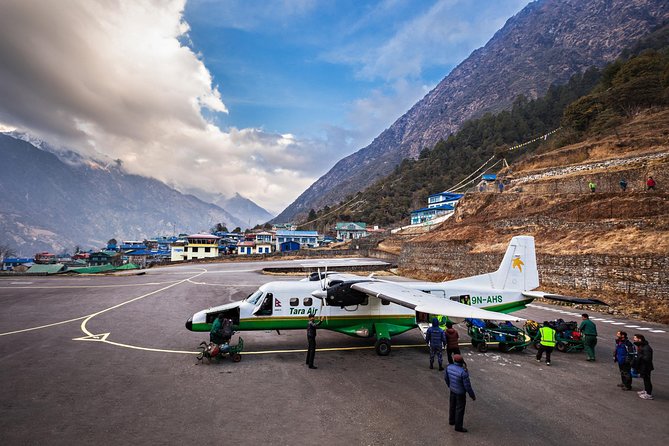
The trek begins with an early flight to Lukla. From there, you walk through Chaurikharka village and along the Dudh Koshi toward Phakding at about 2,652 meters.
This first day takes around five hours and gives you a gentle introduction to the trail. You may see Mt. Khumbila, a sacred peak that remains unclimbed. The night is planned at Sherpa Shangrila Resort or a similar upscale lodge.
Flight timing is a real practical issue. During April, May, October, and November, direct Kathmandu to Lukla flights may not operate, so you could first drive about five hours to Ramechhap. A helicopter option is listed at an additional $300. Build patience into your plans because mountain flights depend on conditions and operating schedules.
Namche Bazaar brings the first real climb
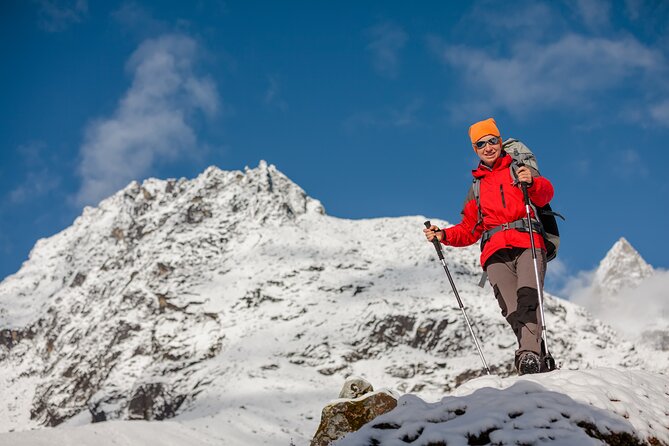
The walk from Phakding to Namche takes about seven hours. You follow pine forest and the Dudh Koshi, cross the Hillary Suspension Bridge, enter Sagarmatha National Park, and then face the steep climb into Namche Bazaar.
The park is a UNESCO World Heritage Site, and the route may offer sightings of Himalayan thar, pheasants, red pandas, or Himalayan bears. Wildlife is never guaranteed, so enjoy the forest and river even if the animals stay out of sight.
Namche is the busiest settlement on the route and functions as the main trading and resting center for the Khumbu region. The comparison to Mini Thamel gives you the general idea: there are shops, lodges, and plenty of activity, but the mountain setting changes the mood entirely.
The steep final climb can feel harder than its distance suggests. Walk slowly, drink regularly, and do not try to prove anything on this day. The planned lodging is Namche Hotel or a similar property.
A few more treks around Kathmandu worth a look
- Annapurna Luxury Circuit Trek
★ 5.0 · 9 reviews - Luxury Everest Base Camp Trek -11 Days
★ 5.0 · 7 reviews - 14 Days Luxury Annapurna Base Camp Trek
★ 5.0 · 6 reviews - Everest Base Camp Luxury Lodge Trek – 15 Days
★ 5.0 · 2 reviews
Namche and Khumjung: the right place to slow down
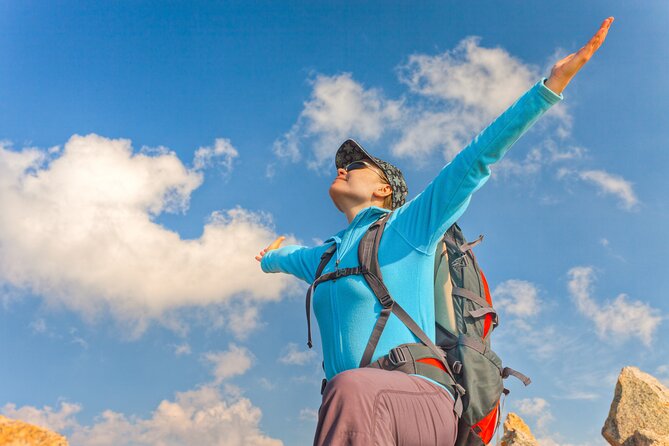
The first acclimatization day is one of the strongest parts of the plan. You can take a short sunrise walk for views toward Everest, Lhotse, Ama Dablam, and Thamserku, or hike toward Khumjung village.
Khumjung adds cultural depth to the walk. You may visit the Edmund Hillary School and a monastery associated with a reported yeti scalp. The excursion is listed at about six hours, but the point is not to pile on distance. It is to climb a little, return to Namche, and let your body adjust before the higher trail.
The lodging is Khumbu Lodge or a similar option. You should use this day to check your boots, socks, water supply, and layers. A comfortable lodge is useful, but sensible preparation matters more.
Tengboche and Pangboche: monasteries above the river
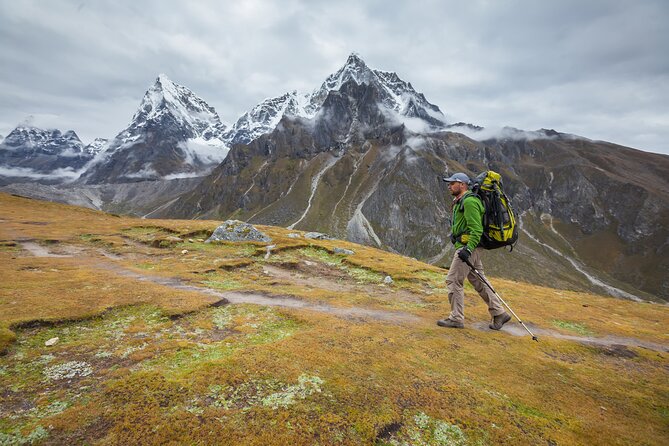
From Namche, the trail turns toward Tengboche. The route includes steep sections, riverbanks, and forest, so the walk demands steady pacing. Tengboche Monastery is the largest in the Everest region, and the schedule aims to arrive around its usual 3:00 PM opening time.
The monastery is also a superb viewpoint. Ama Dablam, Thamserku, and Khumbila frame the area, and the setting gives the trek a strong spiritual character without requiring you to be religious.
You stay at Rivendell Lodge. The exact lodge can change, since the package promises the best available accommodation rather than one fixed property. That flexibility is normal in the Everest region, where rooms and flight schedules can shift with demand and conditions.
The next day takes you through Debuche and Pangboche, with a visit to Pangboche Monastery, one of the older monasteries in the area. Rhododendron and conifer forests gradually give way to more open high-altitude terrain. After crossing the Imja and Lobuche rivers, you reach Dingboche at about 4,360 meters.
Dingboche’s fields of barley, potatoes, and buckwheat show how Sherpa communities farm at the edge of what seems possible. The planned night is at Good Luck Hotel.
Dingboche gives your lungs another chance
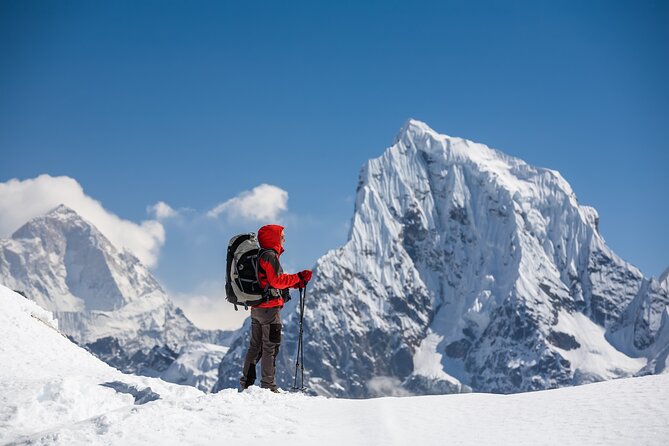
The second acclimatization day is more than a rest day. You hike to the ridge above Dingboche, where the views reach toward Lhotse, Makalu, Cho Oyu, Cholatse, Taboche, Lobuche West, and Lobuche East.
The listed walk takes about four hours, leaving time to return slowly and rest. This is exactly the kind of day you want before the final push. Altitude sickness can affect fit people, and the only sensible response to symptoms is to tell your guide early.
I like that the plan does not rush straight from Dingboche to the highest camps. The schedule gives you a chance to move high during the day and sleep lower at Dingboche, a common and useful acclimatization pattern.
Thukla Pass and Lobuche memorials
The walk to Lobuche takes roughly seven hours. You pass through Pheriche Valley and alpine vegetation, with views toward Tawoche and Cholatse. At Thukla, you stop for a Nepalese lunch before tackling the steeper climb to Thukla Pass.
The memorials at the pass honor climbers and trekkers who died in the Everest region. This is a quiet, serious place. It puts the mountain goal into perspective and reminds you that reaching Base Camp is an achievement, but the Himalaya is not a theme park.
After several more hours, you reach Lobuche and stay at New EBC Lodge or a similar property. By now, the air is thin, nights are colder, and your pace will naturally slow. That is normal. Your goal is to conserve energy for the next morning.
Gorakshep and Everest Base Camp
From Lobuche, you hike toward Gorakshep, usually an eight-hour day including the Base Camp excursion. You leave larger packs at the lodge, carry a day pack, and walk toward Everest Base Camp after lunch.
The trail crosses the upper Khumbu Glacier area and brings your first view of the Khumbu Icefall. At about 5,364 meters, Base Camp is a dramatic goal, though the view is not the same as seeing Everest’s summit face from the camp. The site is used by climbing expeditions, and conditions and access around the camp can vary.
The altitude is the main challenge. A slow pace is not just pleasant, it is the correct way to walk here. If you feel unwell, tell the guide rather than hiding symptoms to reach the destination.
The accommodation is in Gorakshep, and this is likely to be one of the most basic nights of the trip despite the luxury label. The package improves comfort where the region allows it, but no lodge can turn 5,000-plus meters into lowland Nepal.
Kalapatthar at sunrise, then downhill
The next morning starts early for Kalapatthar. The climb is moderately steep, but the reward is one of the best viewpoints for Everest and surrounding peaks. Sunrise can bring changing color to Everest, Lhotse, and the surrounding summits.
You return to Gorakshep for lunch, then descend toward Pheriche. The seven-hour day is still demanding, but going downhill usually feels easier on your breathing. It can be harder on knees, so trekking poles may be useful if you already use them.
The route then returns to Namche through forests of rhododendron, juniper, and pine. You cross the Dudh Koshi again and may see mountain goats or pheasants. A final night at Khumbu Lodge gives you a chance to celebrate reaching Base Camp before the last walk to Lukla.
Lukla, Kathmandu, and the return home
The walk from Namche to Lukla takes about seven hours. You retrace the suspension bridge, Sherpa villages, and monasteries, then spend the final mountain night in Lukla with a small celebration.
The next morning, you fly to Kathmandu. The rest of the day is open for shopping or a short city outing, with guide help available. A farewell dinner provides time to discuss the trip and share feedback.
On the final day, staff check your flight details and take you to Tribhuwan International Airport. The program includes airport transfers at both ends, which is helpful after a long trek when managing bags and traffic is the last thing you want.
Who will get the most from this trek
This trip suits you if you want Everest Base Camp but prefer organized support over a stripped-down trekking package. It is also a good fit if you value Kathmandu sightseeing, private transport, porters, better lodge choices, and a planned acclimatization schedule.
The private format means only your group participates. That is useful for couples, families, friends, and solo clients who want personal attention. The company can provide an English or another language-speaking guide, depending on your request.
You need moderate physical fitness and the ability to walk for several hours on steep, uneven trails. The duration of each day ranges from about four to eight hours, with the toughest sensations caused by altitude rather than distance.
What to check before booking
Ask which Kathmandu hotel and mountain lodges are confirmed for your dates. The package uses The Everest Hotel in Kathmandu, but mountain properties are described as the best available or similar lodges.
Confirm the current Lukla flight plan, especially if you travel in April, May, October, or November. Ask how the Ramechhap transfer will be handled and decide in advance if the optional $300 helicopter service is worth considering.
Also budget for drinks, showers, charging, entry fees, tips, personal gear, visa costs, and insurance. The listed cancellation terms allow a full refund up to six days before the experience, but you should still check the exact booking conditions before paying.
Should you book the Everest Base Camp Luxury Lodge Trek?
I would recommend it if you want a well-supported route with two acclimatization days, Kathmandu culture, porters, meals, permits, and better lodge planning included in one price. The strongest points are the careful Namche and Dingboche schedule, the practical support from people such as Pradip Karki and the Sherpa guide team, and the chance to reach both Base Camp and Kalapatthar.
I would not choose it if you expect hotel-style comfort all the way to Gorakshep, dislike long uphill days, or want a low-cost trekking package. For the right walker, though, the $3,840 price buys organization where it matters most: flights, permits, staff, luggage support, acclimatization, and a clear route through the Everest region.
FAQ
How long is the Everest Base Camp Luxury Lodge Trek?
The trek lasts approximately 15 days, including arrival and departure days, Kathmandu sightseeing, the Lukla flights, and the walking route to Everest Base Camp and Kalapatthar.
What is included in the price?
The price includes airport transfers, three nights at The Everest Hotel, mountain lodge accommodation, trek meals, Lukla flights, private ground transport, a guided Kathmandu tour, a guide, porters in a two-to-one ratio, permits, TIMS, staff costs, a first-aid kit, seasonal fruit, a duffel bag, T-shirt, map, certificate, taxes, and listed breakfasts, lunches, and dinners.
Are flights to Lukla included?
Yes. The package includes Kathmandu or Ramechhap to Lukla and return flights. During April, May, October, and November, flights may operate from Ramechhap instead of Kathmandu.
Is a helicopter flight available?
Yes. A helicopter service is listed as an option for an additional $300.
What fitness level do I need?
You should have a moderate level of physical fitness. Walking days range from about four to eight hours and include steep, uneven trails at high altitude.
Are meals included during the trek?
Yes. Breakfast, lunch, and dinner are included as specified in the package. Alcoholic drinks, hot and cold drinks, snacks, and bar bills cost extra.
Is travel insurance included?
No. You must arrange your own travel insurance. It should include emergency evacuation coverage for trekking above 5,500 meters.
Can I cancel for a full refund?
You can cancel up to six days before the experience for a full refund, according to the stated cancellation policy.
Just added around Kathmandu
- Everest Base Camp Trek★ 5.0 · 3 reviews
- Everest Base Camp Trek★ 5.0 · 7 reviews
- 15 Days Private Everest Base Camp Trek★ 5.0 · 30 reviews
- Everest Base Camp Trek★ 5.0 · 57 reviews
- 14 Days of Adventure Trekking to Everest Base Camp★ 5.0 · 2 reviews
- 14-Day Everest Base Camp Trek★ 5.0 · 20 reviews
- 14 Days Everest Base Camp Trek★ 5.0 · 4 reviews
- From Kathmandu: Private 14-Day Everest Base Camp Trek★ 5.0 · 20 reviews
Everest Base Camp Treks, compared.
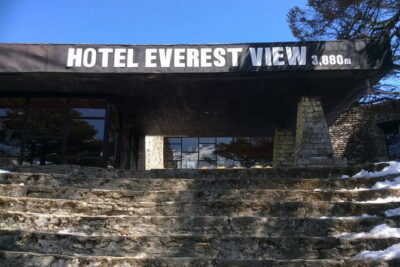
Everest Base Camp Helicopter Tour landing at Everest View Hotel
Read our review →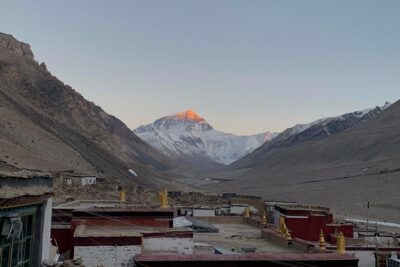
Tibet Tour 8 Days Lhasa to Everest Base Camp Small Group Tour
Read our review →
Dubai: Private Luxury Everest Yacht Cruise from Dubai Marina
Read our review →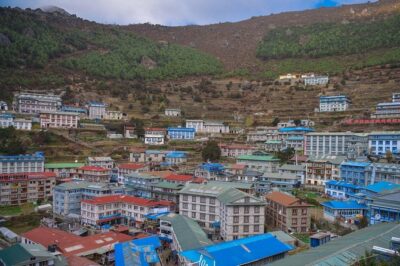
Browse the lists this trek appears in