
Review · KATHMANDU
Everest Base Camp Luxury Lodge Trek – 15 Days
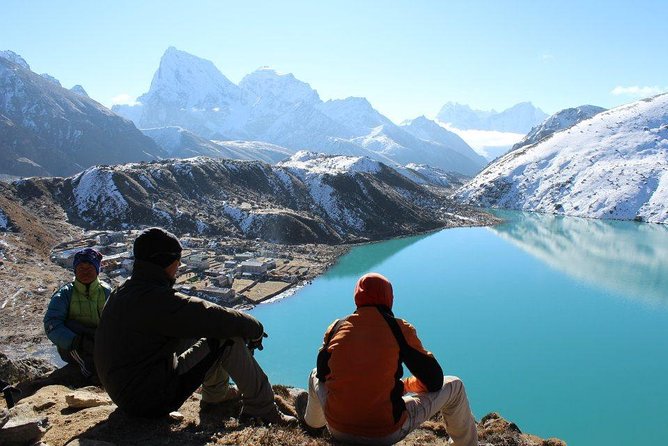
The big draw here is simple: you walk into the Khumbu, pass through Sherpa villages, and reach Everest Base Camp on foot. The route also includes a sunrise climb to Kala Patthar at 5,545 meters, where Everest, Lhotse, Nuptse, Pumori, and Ama Dablam line up in one grand Himalayan view.
I like the careful acclimatization days in Namche Bazaar and Dingboche, and I like that the price includes flights, permits, meals, porters, guides, and Kathmandu hotel stays. The main concern is the altitude and the demanding six-hour walking days. This is called a 15-day trek, but the supplied schedule runs from Day 1 through Day 14, so confirm the exact dates before booking.
Key points to know before booking
- Kala Patthar sunrise: The highest point on the route is the place for the clearest Everest panorama.
- Two acclimatization stops: You spend extra time in Namche and Dingboche instead of racing uphill.
- Luxury by mountain standards: Kathmandu includes a five-star deluxe hotel, while higher villages use the best available lodges and tea houses.
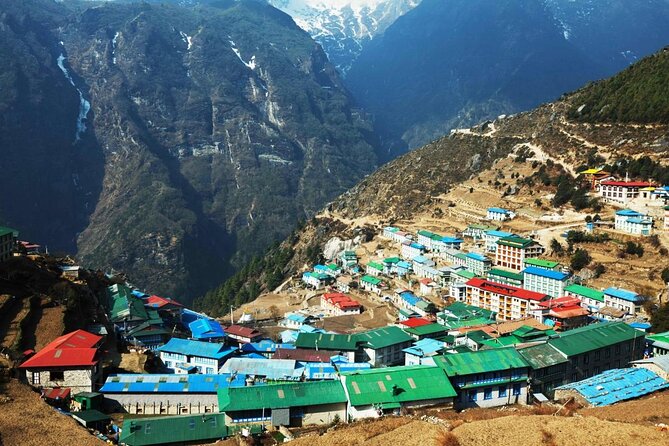
- Sherpa country: The route passes Khumjung, Khunde, Namche Bazaar, Tengboche, and other traditional settlements.
- A full support package: Flights, national park permits, meals, guide, porter support, insurance for staff, and airport transfers are included.
- Weather matters: The Kathmandu to Lukla flight and the return flight depend on suitable conditions.
What this Everest trek is really like
This is not a soft hotel holiday with a short mountain walk added on. It is a serious Himalayan trek with a comfortable support setup. You sleep in Kathmandu at a five-star hotel, then spend most nights in mountain lodges and tea houses where comfort becomes more basic as you gain height.
The route climbs from Lukla at 2,886 meters to Everest Base Camp near 5,364 meters, with Kala Patthar reaching 5,545 meters. Those numbers matter. At altitude, a normal walking day can feel much harder than the same distance at home. You need reasonable fitness, patience, and a willingness to walk slowly.
The support package is useful. A guide leads the route, porters carry the main bags at a ratio of one porter for two people, and the company covers staff wages, food, accommodation, transport, and insurance. Names connected with the operating team include Ganesh, Lakpa, Hai, Ngima, and Pasang. Your booking confirmation should clarify who will lead your particular departure.
The tour is private, so only your own group participates. That gives you more control than a large fixed group, though the day still follows the mountain route and the available lodges.
More Everest Base Camp Treks in Kathmandu:
- Everest Base Camp Trek – 14 Days
★ 5.0 · 1,499 reviews - Everest Base Camp Trek
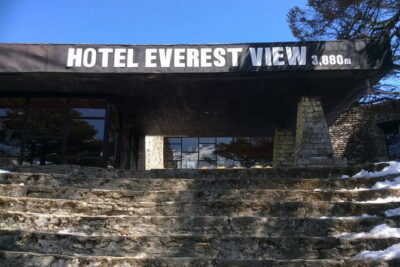
★ 5.0 · 842 reviews - Everest Base Camp Helicopter Tour landing at Everest View Hotel
★ 5.0 · 668 reviews
Day 1: Kathmandu arrival and a comfortable start
You are met at Tribhuvan International Airport and transferred by private car, van, or bus to your Kathmandu hotel. The included stay is at a five-star deluxe property, giving you a comfortable first night before the walking begins.
This day is mostly about arrival and settling in. Keep your evening easy. You may want to check your trekking gear, organize your bags, and enjoy a proper meal before the early flight and first walk.
The package covers the airport pickup and your Kathmandu accommodation on arrival. Food in Kathmandu is not included, so budget separately for meals and drinks in the capital.
Day 2: Lukla to Phakding, the first mountain walk
The day begins early with the flight from Kathmandu to Lukla, at 2,886 meters. Lukla is known for its extreme mountain airport, and reaching it is part of the adventure. Flights are weather-sensitive, so keep your schedule flexible around this part of the trip.
After landing, you start walking toward Phakding at 2,640 meters. The route follows the Dudh Koshi and climbs gently along the mountainside. Nupla, at 5,885 meters, appears across the river, giving you an immediate reminder that this is a high mountain journey.
The walk takes about six hours. Phakding is a sensible first overnight stop because the elevation is only slightly lower than Lukla. Even so, do not treat this as a casual stroll. Your body is beginning to adjust, and a calm pace is more useful than trying to prove your fitness on the first day.
Day 3: The long climb to Namche Bazaar
From Phakding, the trail follows the Dudh Koshi toward Namche Bazaar. You pass Bengar, Chumoa, and Monjo, with many short ups and downs along the way. At Monjo, you enter Sagarmatha National Park and pay the required park fee through the arranged permit process.
The river valley narrows as you continue. The Dudh Koshi and Bhote Koshi meet near the approach to Namche, and the final climb is the day’s main test. The route takes about six hours, but the uphill sections can feel longer at altitude.
Namche Bazaar sits at 3,440 meters and is the main commercial center of the Khumbu. It is a practical place for an overnight stop, with mountain lodges, shops, and a strong Sherpa identity. You will notice the change in climate and pace here. The high peaks begin to feel close, but you are still several walking days from Base Camp.
A few more treks around Kathmandu worth a look
- Everest Base Camp Luxury Lodge Trek
★ 5.0 · 10 reviews - Annapurna Luxury Circuit Trek
★ 5.0 · 9 reviews - Luxury Everest Base Camp Trek -11 Days
★ 5.0 · 7 reviews - 14 Days Luxury Annapurna Base Camp Trek
★ 5.0 · 6 reviews
Day 4: Acclimatization around Namche
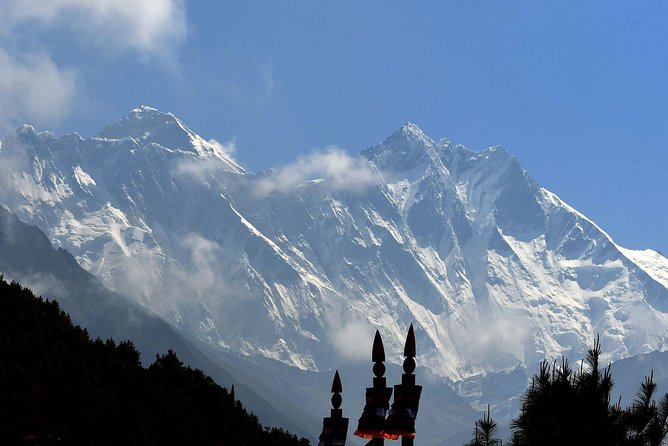
The first acclimatization day is one of the smartest parts of the schedule. Rather than gaining height immediately, you walk around the area and visit Khumjung, a small Sherpa settlement. The route gives you views of Everest, Ama Dablam, Thamserku, Nuptse, Lhotse, Tawoche, and Kwangde.
You also visit the museum above Namche, which presents Sherpa culture. This adds useful context to the trek. The Khumbu is not just a corridor to Everest. It is home to communities whose work, faith, and daily life are closely linked to the mountains.
The day is listed at about six hours, but the point is not to push hard. The useful rule in the Himalayas is to climb gradually, drink enough, and tell your guide if you feel unwell. This stop also gives you a chance to enjoy Namche before the trail becomes more remote.
Day 5: Namche to Tengboche and its famous monastery
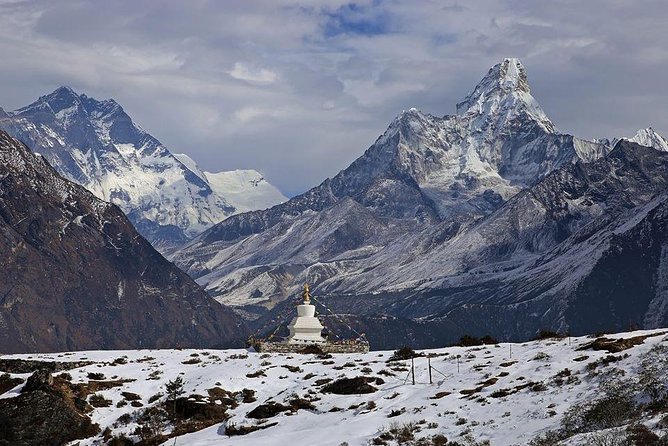
The trail leaves Namche and contours above the Dudh Koshi. You pass steep slopes and reach areas such as Trashinga and Phunki Tenga before climbing toward Tengboche, also written as Tyangboche in the schedule.
Tengboche sits at 3,867 meters and is known for its monastery. From here, the views include Ama Dablam, Everest, Lhotse, Nuptse, and Tawoche. The site is particularly rewarding around sunrise and sunset, when the peaks can catch changing light.
The walk takes around six hours. You gain height steadily, so the trail may feel harder than the distance suggests. I would use this night to rest well and keep your expectations realistic. Mountain weather can change quickly, and clear views are never guaranteed.
Day 6: Tengboche to Dingboche through the Imja Valley
You descend through rhododendron forest toward Deboche, then cross a suspension bridge over the Imja Khola. From there, the route enters the Imja Valley beneath Ama Dablam, Nuptse, and Lhotse.
Dingboche is at 4,260 meters. The village is an important point in the trek because the air is noticeably thinner here. You have already gained a great deal of elevation in a few days, so the six-hour walking day should be taken at an even pace.
The scenery changes as you leave the lower forests behind. Trees become less dominant, and the mountains feel larger and more exposed. This is also where a good guide matters. The route is straightforward in the schedule, but altitude affects people differently, and your walking speed may need to change.
Day 7: A second acclimatization day in Dingboche
Dingboche provides another planned rest and acclimatization day. You walk around the village and may hike toward Chhukung, where the views include Island Peak, Ama Dablam, Makalu, and Tawoche.
This is not a wasted day. It helps your body adjust before the trail climbs above 4,500 meters. It also breaks up the long sequence of uphill walking. You return to Dingboche in the late afternoon and rest before the push toward Lobuche.
The schedule again lists about six hours, but the actual effort depends on the optional hike and how you feel. You should not feel pressured to add distance if your body needs a quieter day. A trek to Base Camp is not a contest against the clock.
Day 8: Dingboche to Lobuche via Dugla
From Dingboche, the trail is fairly gentle toward Pheriche before continuing to Dugla. Along the way, you see Tawoche, Ama Dablam, Pokalde, Kongma Tse, and the great wall of Nuptse.
Lunch is planned at Dugla, at about 4,595 meters. From there, the trail continues to Lobuche. The complete walking time is about five and a half to six hours.
This section brings you firmly into high-altitude trekking. The air is thin, the nights are colder, and the route feels more rugged. Take small steps, keep your water close, and use the guide’s pace. Lobuche is not a place to expect city comforts, even though the trip is marketed as a luxury lodge trek.
Day 9: Gorakshep and Everest Base Camp
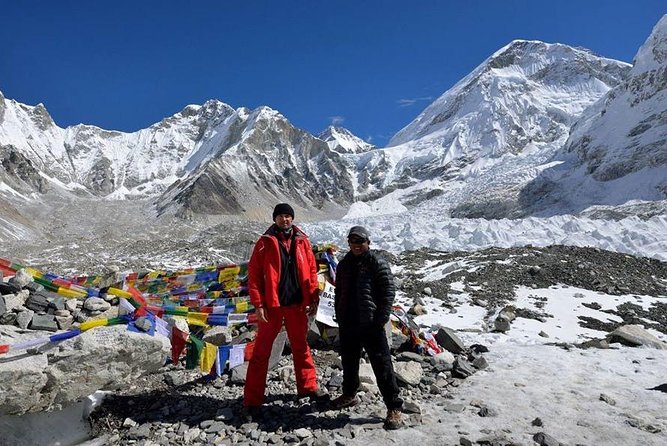
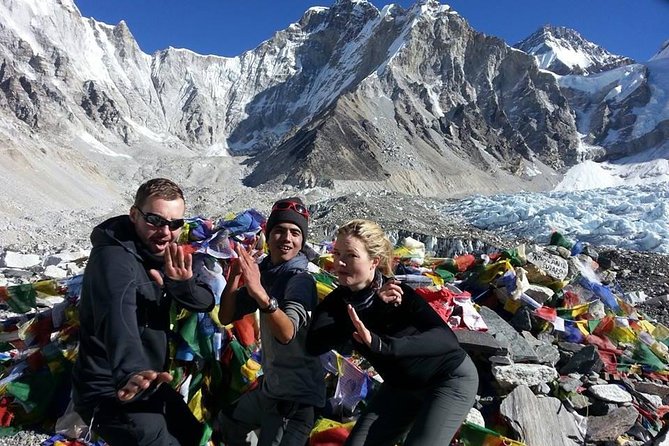
This is the route’s main goal. You leave Lobuche and walk toward Gorakshep at 5,140 meters, then continue along rocky ground beside the Khumbu Glacier to Everest Base Camp.
The views include Nuptse, Lho La, and Khumbutse. The path can feel rough underfoot, and the altitude makes the six-hour day demanding. You return to Gorakshep after visiting Base Camp rather than staying there.
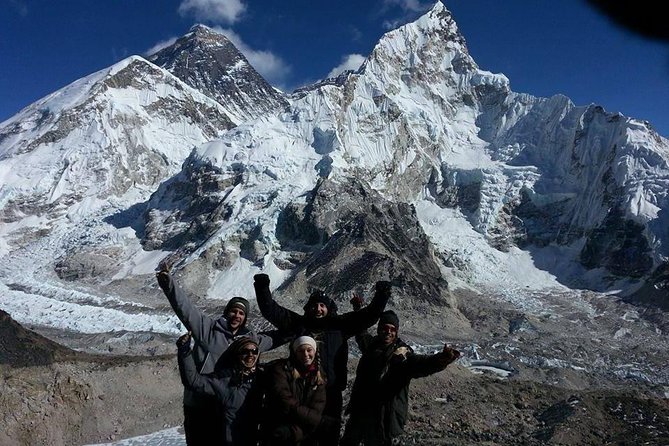
It is worth understanding what Base Camp means here. You reach the famous staging area used by Everest expeditions, but the exact appearance changes with the climbing season and glacier conditions. Kala Patthar on the following morning usually provides the stronger mountain panorama, while Base Camp gives you the satisfaction of reaching the destination itself.
Day 10: Kala Patthar sunrise and the descent to Pheriche
You start early for Kala Patthar at 5,545 meters. The climb is demanding, especially after the Base Camp day, but the reward is the broad view of Everest, Pumori, Lingtren, Khumbutse, Nuptse, Lhotse, Ama Dablam, Thamserku, and other peaks.
Sunrise is the main reason for the early start. The light changes quickly, so warm clothing is important. After Kala Patthar, you descend toward Pheriche at 4,243 meters.
Pheriche has a Himalayan Rescue Association aid post, with foreign volunteer doctors available for medical treatment. This does not replace travel insurance or good preparation, but it is a useful facility on a high route. Travel insurance is not included in the tour price, so arrange it yourself before departure.
Days 11 to 13: A gradual return through Tengboche and Namche
The return route passes through Tengboche, where you can visit the monastery and research center. The descent through rhododendron forest gives your legs a break from the exposed upper trail, and the views toward Ama Dablam, green hills, and the river are different from those on the way up.
From Tengboche, you continue toward Namche Bazaar, with visits to Khumjung and Khunde. The route includes a monastery associated with a Yeti scalp, one of the more unusual cultural details on the trip.
The final walking day takes you from Namche to Lukla. Lunch is served along the way, and you rest in Lukla before the flight back to Kathmandu. This three-day return gives you time to enjoy villages you may have passed too quickly on the climb up.
Day 14: Return to Kathmandu
After breakfast, you have free time in Kathmandu for rest or shopping before a private vehicle takes you to the airport. The stated schedule ends here.
Because the product name says 15 days while the day-by-day plan has 14 days, ask the operator to explain the extra day before paying. It may relate to a buffer for flight delays, but that is not specified. With Lukla flights dependent on weather, an extra buffer can be useful, but you should know exactly what is included.
What the $3,800 price covers
At $3,800 per person, this is not a budget tea-house trek. The value comes from having most of the major costs bundled together:
- Private airport pickup and drop-off
- Five-star deluxe hotel nights in Kathmandu
- Kathmandu to Lukla and Lukla to Kathmandu flights
- Lodge or tea-house accommodation during the trek
- Breakfast, lunch, and dinner during the walking section
- Guide and porter support
- National park permits and required paperwork
- Staff salaries, food, drinks, accommodation, transport, and insurance
- Government taxes, VAT, service charges, and official expenses
You still pay for food in Kathmandu, alcoholic and non-alcoholic drinks, hot showers during the trek, and your own travel insurance. Those extras can add up, so include them in your budget.
The word luxury needs a little interpretation. It means a stronger support package and better available lodges, not five-star rooms above Namche or private bathrooms at every stop. If you want a supported Everest trek with less paperwork and fewer separate payments, the price may be fair. If you are happy arranging flights, permits, and porters yourself, a cheaper independent plan may be possible.
Who should book this trek
I would recommend this trip to someone who wants the classic Everest route but prefers a private operation and organized support. It suits people who value a five-star Kathmandu hotel, included meals, porter help, and a guide who handles the route and permits.
You should have a moderate level of physical fitness. The days are generally listed at six hours, but steep climbs, rocky ground, cold conditions, and high altitude make them more demanding than ordinary hikes.
This is not the best choice if you dislike early starts, shared mountain lodge facilities, weather delays, or uncertain flight times. It is also not suitable for anyone expecting a fully comfortable resort-style holiday from start to finish.
The team’s personal support is an important part of the package. Guides and porters named in connection with the operation include Ganesh, Lakpa, Hai, Ngima, and Pasang. Confirm the exact team assigned to you, then ask how the guide handles altitude concerns and schedule changes.
Practical booking details
Pickup begins at Tribhuvan Airport in Kathmandu, with the meeting time listed as 5:15 a.m. That early start matters because the Lukla flight is scheduled for the morning.
Confirmation is provided at booking, and the activity is private. Free cancellation is available up to 24 hours before the start time. If poor weather cancels the experience, you are offered another date or a full refund.
The route requires good weather, especially for the Lukla flights. I would avoid booking tight international connections immediately after the trek. The supplied information does not promise a separate weather buffer, and the 14-day schedule already conflicts with the 15-day title.
Should you book it?
Book this Everest Base Camp trek if you want the classic Khumbu route with strong logistical support, two acclimatization days, private participation, and a comfortable Kathmandu finish. The included flights, permits, meals, porters, guide, and staff costs make the $3,800 price easier to understand.
Before booking, confirm three things: the exact trek length, the named guide team, and what the operator means by luxury lodge accommodation. If you can accept basic mountain lodges, thin air, long walking days, and weather risk, this gives you a well-supported route to Base Camp and one of Nepal’s finest sunrise views from Kala Patthar.
FAQ
How long is the Everest Base Camp trek?
The tour title says 15 days, but the supplied day-by-day schedule runs from Day 1 through Day 14. Ask the operator to confirm the exact duration and whether the extra day is intended as a weather buffer.
What is the highest point on the trek?
Kala Patthar is the highest point listed, at 5,545 meters. It is reached early in the morning for views of Everest and several surrounding peaks.
Are flights between Kathmandu and Lukla included?
Yes. The package includes the domestic flight ticket for the Kathmandu to Lukla and Lukla to Kathmandu route, along with airport transfers by car.
Are meals included?
Breakfast, lunch, and dinner are included during the trekking section. Food in Kathmandu, alcoholic drinks, non-alcoholic drinks, and hot showers during the trek are not included.
Does the tour include a guide and porter?
Yes. An experienced guide and porters are included, with one porter provided for every two people. Staff salaries, food, accommodation, transportation, and insurance are also covered.
Is travel insurance included?
No. You must arrange your own travel insurance. The company’s package includes insurance for the guide and porters, not for you.
Just added around Kathmandu
- Everest Base Camp Trek★ 5.0 · 3 reviews
- Everest Base Camp Trek★ 5.0 · 7 reviews
- 15 Days Private Everest Base Camp Trek★ 5.0 · 30 reviews
- Everest Base Camp Trek★ 5.0 · 57 reviews
- 14 Days of Adventure Trekking to Everest Base Camp★ 5.0 · 2 reviews
- 14-Day Everest Base Camp Trek★ 5.0 · 20 reviews
- From Kathmandu: Private 14-Day Everest Base Camp Trek★ 5.0 · 20 reviews
- 14 Days Everest Base Camp Trek★ 5.0 · 4 reviews
Everest Base Camp Treks, compared.
Everest Base Camp Helicopter Tour landing at Everest View Hotel
Read our review →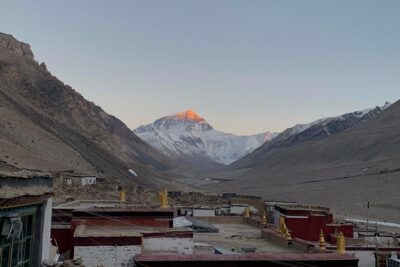
Tibet Tour 8 Days Lhasa to Everest Base Camp Small Group Tour
Read our review →
Dubai: Private Luxury Everest Yacht Cruise from Dubai Marina
Read our review →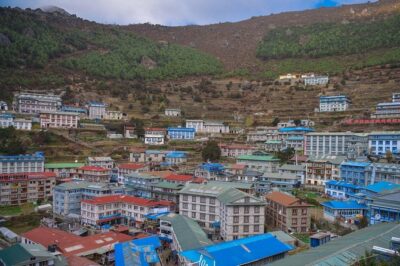
Browse the lists this trek appears in