
Review · KATHMANDU
Everest Base Camp Trekking – 13 Day
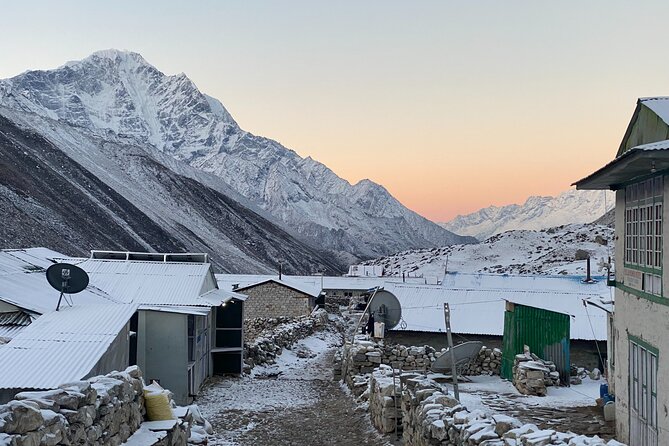
The big draw here is simple: you walk through the Khumbu region to Everest Base Camp, with the major logistics handled for you. Flights between Kathmandu and Lukla, accommodation, meals, permits, and a guide are built into the package, which takes much of the planning work off your plate.
I like the two acclimatization days, especially the stop in Namche Bazaar and the extra time around Dingboche. I also like the guide-led approach, since guides such as Dibash, Achyut, Milan, and Ratna are praised for clear daily briefings, steady pacing, and practical problem-solving. The main caution is the schedule: 13 days is a serious high-altitude trek, not a relaxed walking holiday.
Key points before you book
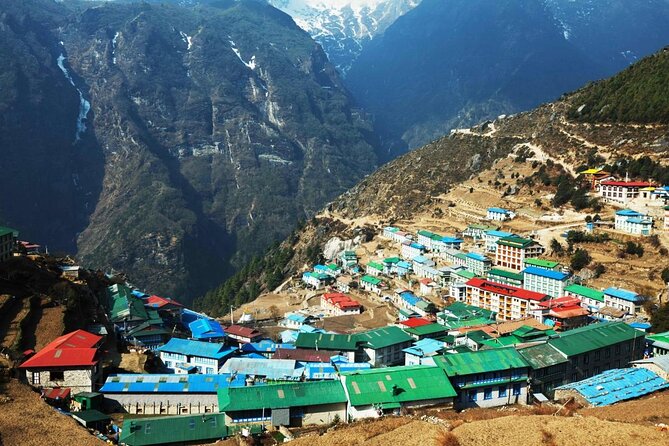
- Lukla flights are included: The scenic Kathmandu to Lukla and Lukla to Kathmandu flights save you from arranging one of the trek’s key transport links yourself.
- Two acclimatization days are built in: You have a rest day in Namche Bazaar and another in Dingboche, both important pauses before higher elevations.
- Base Camp is only part of the prize: The route includes suspension bridges, monasteries, mountain viewpoints, chortens, Mani walls, and the early morning climb to Kala Patthar.
- Guiding gets strong emphasis: Guides such as Milan are praised for explaining the next day’s plan and setting realistic walking times, while Dibash and Achyut are noted for care and logistics.
- The price is close to all-inclusive: At $1,399 per person, the package covers flights, lodges, meals on trek, permits, taxes, and the TIMS card, but not insurance, drinks, Kathmandu meals, or personal costs.
- A single supplement may apply: A solo departure can add a $150 surcharge if you do not join an existing group.
What the $1,399 price really covers
At $1,399 per person, this trek offers solid value if you want one company to arrange the major moving parts. The package includes your Kathmandu to Lukla and Lukla to Kathmandu flights, airport departure tax, trailside lodging, 11 lunches, 12 dinners, and 12 breakfasts.
You also get the Sagarmatha National Park entrance fee, the Trekkers’ Information Management System card, government and local taxes, and a guide. Those are not small details. Permits, flights, and mountain accommodation can be awkward to arrange separately, particularly when flight schedules and weather can affect the Lukla route.
The price does not include meals in Kathmandu, alcoholic drinks, bar and beverage bills, phone calls, battery charging, Nepal visa fees, or personal travel and health insurance. Helicopter evacuation insurance is also excluded. You should treat insurance as a must, not an optional extra, because the route reaches high altitude and the package does not cover medical evacuation.
The advertised amount is specifically based on one person, but the final cost can depend on your departure date, existing group size, and accommodation arrangements. If you book a solo departure rather than joining an existing group, expect a $150 single surcharge on arrival in Nepal.
More Everest Base Camp Treks in Kathmandu:
- Everest Base Camp Trek – 14 Days
★ 5.0 · 1,499 reviews - Everest Base Camp Trek
★ 5.0 · 842 reviews - Everest Base Camp Helicopter Tour landing at Everest View Hotel
★ 5.0 · 668 reviews
Day 1: Kathmandu arrival and a useful soft landing
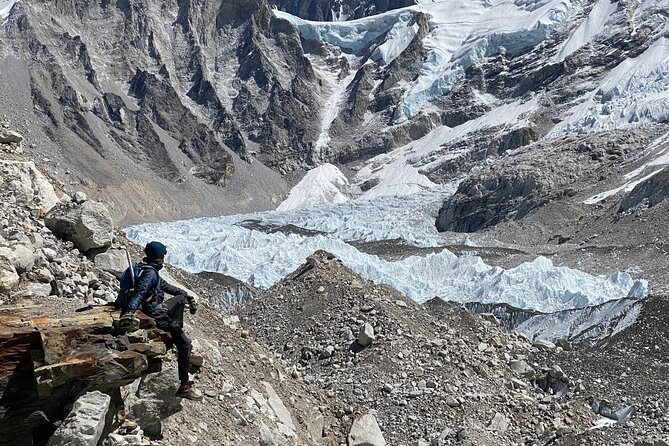
Your first day begins at Tribhuvan International Airport, where a representative receives you after customs and takes you to your hotel. This is a practical start rather than a sightseeing day, and that is probably wise.
Use the time to settle in, check your gear, and ask questions about the next morning. The information provided for the trek specifically advises you to organize your equipment and pack before leaving for Lukla. You do not want to be sorting socks and batteries while everyone else is ready to go.
Kathmandu meals are not included, so budget separately for food in the capital. Your airport pickup is included, which helps after an international flight and keeps the first transfer straightforward.
Day 2: The flight to Lukla and the start of the trail
Day two begins early with the flight from Kathmandu to Lukla, the gateway to the Everest region. The flight is included in the package, along with the airport departure tax, so you do not have to arrange this important connection yourself.
From Lukla, you begin walking with your guide. The first day on foot introduces the rhythm of the trek: carry a day pack, keep your pace steady, and let the guide set the timing. A complimentary Trekking Planner duffel bag is provided and must be returned at the end, while you carry your own 25 to 40 liter day pack.
The flight and the first walk make this a full travel day. Weather can affect mountain flights, and the operator says the trip runs in all weather conditions, so dress properly and keep some patience in reserve.
Day 3: Following the Dudh Koshi to Namche Bazaar
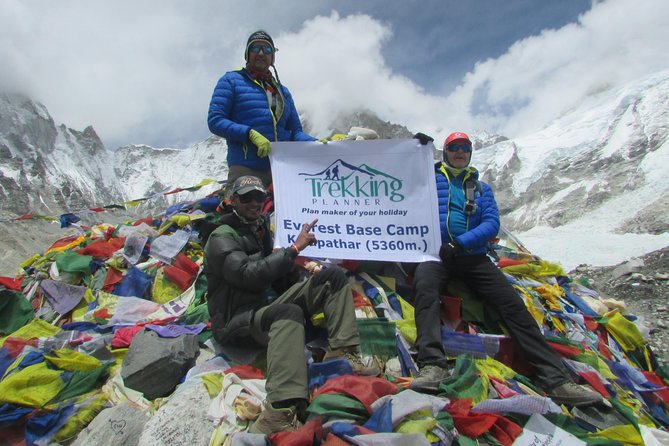
The route follows the Dudh Koshi River toward Namche Bazaar, the main trading center of the Khumbu. You cross suspension bridges and get your first view of Kongde Ri Peak, a strong introduction to the scale of the mountains ahead.
Namche is more than an overnight stop. It is the first major place to rest, buy small supplies, and adjust to the rising altitude. The trail is already demanding, with river crossings and a climb toward town, so your guide’s pacing matters.
This is where the trip begins to feel less like a normal hike and more like a mountain journey. You are not simply walking from one village to the next. You are gaining height in stages, with the Himalaya becoming a bigger part of every view.
A few more treks around Kathmandu worth a look
- Everest Base Camp Trekking
★ 5.0 · 485 reviews - Annapurna Circuit Trek with Tilicho Lake
★ 5.0 · 368 reviews - Everest Base Camp Trek
★ 5.0 · 350 reviews - Everest Base Camp Trek -14 Days
★ 5.0 · 321 reviews
Day 4: Acclimatization and local life in Namche
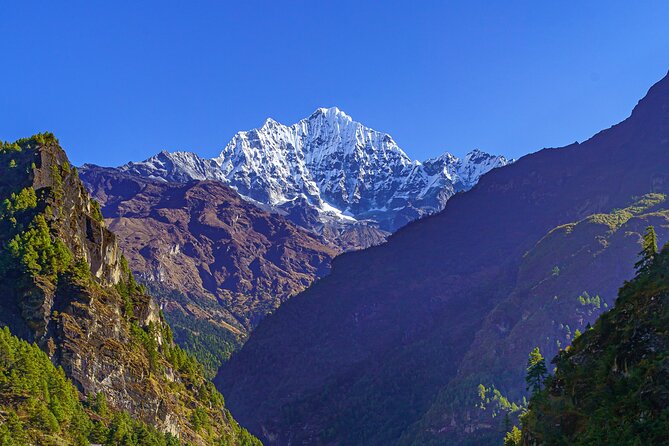
The first rest day is spent in Namche Bazaar, with short activities intended to help you adjust to altitude. Rest day does not mean lying in bed all day. The schedule uses short hikes and time at higher points before returning to sleep lower.
Namche is described as colorful and lively, with shops and a Saturday market. That gives you a chance to see the Khumbu as a lived-in region, not just a route to a famous mountain. You might find this one of the most enjoyable pauses on the trek because it mixes practical recovery with local atmosphere.
I especially like having this day built into a 13-day schedule. Skipping acclimatization may look efficient on paper, but it can make the higher sections much harder. If you develop symptoms of acute mountain sickness, tell your guide early and follow the advice to trek carefully.
Day 5: Forest trails, viewpoints, and Tengboche
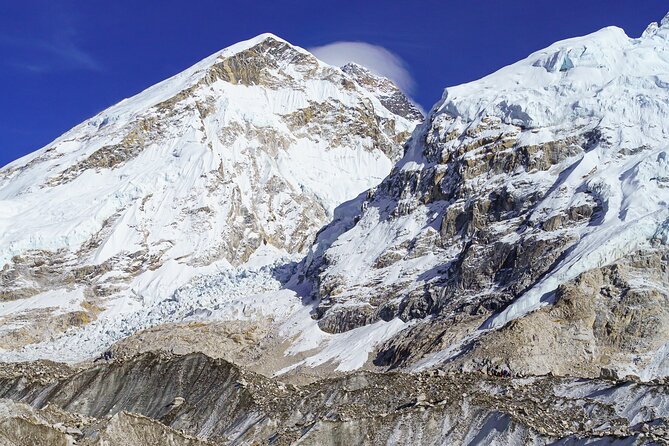
After Namche, the trail climbs steeply out of town, then settles into a more level stretch toward Kenjoma and Sanasa. The path passes through dense forest and opens to mountain views along the way.
The route then continues toward Tengboche, one of the trek’s cultural highlights. The itinerary specifically calls out monasteries, and Tengboche is where that part of the journey becomes especially meaningful. You should allow time to appreciate the setting rather than treating the monastery as a quick photo stop.
Tengboche also brings sunrise and sunset views, according to the itinerary. The tradeoff is that the day includes a steep climb and a descent toward Deboche, so tired legs are part of the deal. Good socks, broken-in trekking shoes, and a warm layer will matter here.
Day 6: From Deboche toward Dingboche
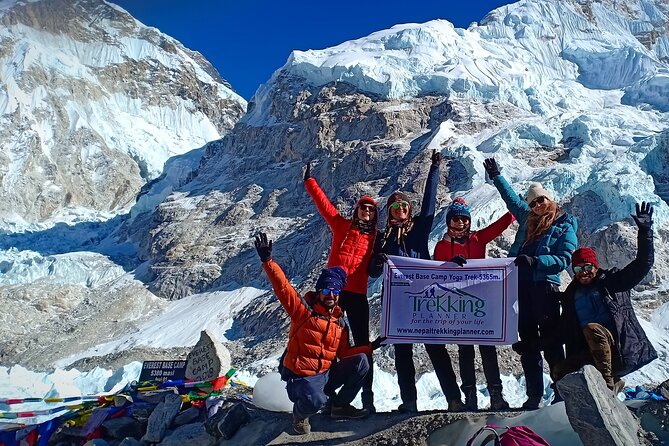
The route leaves the forested surroundings of Tengboche and passes through Deboche before continuing to Dingboche. The itinerary notes beautiful mountain views from Deboche, along with a descent from the Tengboche area before the trail rises again.
Dingboche is a major turning point. The villages feel more exposed, the air is thinner, and the route is moving into a higher section where acclimatization becomes critical. You will want to keep your pace conservative, drink regularly, and avoid wasting energy on a race to the lodge.
The schedule gives you another rest day after this stage. That makes the itinerary more responsible than a rushed ascent, even though the full route remains physically tough.
Day 7: The second acclimatization day in Dingboche
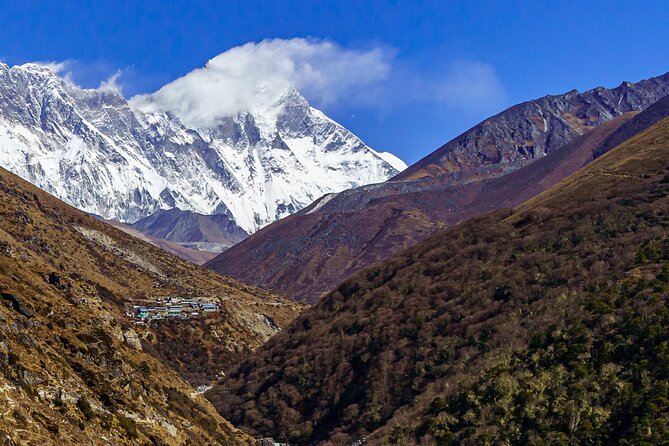
Dingboche provides the second planned acclimatization day. The idea is to take short hikes to higher elevations, then return to sleep at Dingboche. This helps your body adjust before the route heads toward Lobuche and Base Camp.
The extra day also lets you absorb the setting. The itinerary describes grazing areas, cattle, chortens, Mani walls, and mountain views, giving you a sense of the region’s Buddhist culture and pastoral life.
Do not judge this day by distance. Its value lies in preparing you for the harder days ahead. A guide who explains the next day clearly can make this pause much more useful. Milan is specifically praised for outlining the next day’s plan and giving walking estimates based on ability, a habit that is valuable on a demanding schedule.
Day 8: Dingboche to Lobuche through high mountain country
The trail leaves Dingboche on a gradual ascent through grazing areas, with mountains in the distance. Chortens and Mani walls add cultural detail to what could otherwise feel like a long, stark climb.
You continue toward Lobuche, where the air and temperatures can feel more severe. The information provided does not give exact walking times or distances, so you should not assume the day will be easy simply because the ascent is described as gradual.
This is a good point to rely on your guide’s judgment. Guides such as Achyut are praised for supporting trekkers through difficult stretches and finding practical solutions when problems arise. That kind of calm attention becomes more useful as the route gets higher and options become fewer.
Day 9: Reaching Everest Base Camp
Day nine is the main target: the trek from Lobuche to Everest Base Camp. The route begins early, and the high altitude makes this a day for patience rather than speed.
The itinerary gives a clear warning about acute mountain sickness. You should walk according to your condition, keep your guide informed, and resist the temptation to push through serious symptoms just to reach the destination. Base Camp is important, but your safety matters more.
Reaching the camp is a major personal milestone, yet the route itself supplies much of the reward. You have moved through river valleys, forests, villages, monasteries, high grazing areas, and stark mountain terrain. Base Camp is the headline, but the full approach gives the achievement its weight.
Day 10: Kala Patthar and the return to lower altitude
Day ten begins before sunrise for the climb to Kala Patthar. The early start is designed to catch the first light and wide mountain views before returning to lower elevations.
This is another demanding day, but it serves an important purpose. After the Base Camp outing, the return toward lower altitude gives your body some relief. You should still expect fatigue, cold, and a long walking day.
The early hour means you need your warm clothes, gloves, hat, headlamp or torch, and camera ready in advance. The packing list specifically calls for a warm woolen cap, fleece or puffy jacket, waterproof Gore-Tex layer, gloves, and a torch. This is not the place for a thin city jacket and optimistic thinking.
Day 11: The long return toward Namche Bazaar
The descent continues from Periche toward Namche Bazaar, with the Dudh Koshi River accompanying much of the route. Going downhill is not automatically easy. Your knees and feet may be tired after the high section, and uneven trails still require attention.
Returning to Namche gives you a familiar base before the final walk to Lukla. The pace may feel more comfortable as you lose altitude, but this remains a substantial trekking day.
This is where careful logistics pay off. Dibash is praised for handling arrangements well, and Ganesh, a porter associated with one trip, was described as bringing luggage ahead before the group arrived. Porter arrangements can vary, so ask exactly what baggage support is included for your departure.
Day 12: The final trail to Lukla
The last trekking day leaves Namche on a steep descent toward the riverbed and the confluence of the Dudh Koshi. The trail section is described as the final trekking portion of the journey, taking you back toward Lukla.
The downhill route can be hard on tired legs, so trekking poles may be useful, though they are not listed as provided. The final day on foot is also a good reminder of how far you have come since leaving Lukla.
You return to the gateway village before the flight back to Kathmandu. Keep your duffel organized and set aside anything you need for the flight and the capital. The complimentary Trekking Planner bag belongs to the operator and must be returned after the trip.
Day 13: Flight back to Kathmandu
The final day brings an early flight from Lukla to Kathmandu. Mountain weather can disrupt flight times, so the early departure is practical, not glamorous. Leave room in your wider Nepal plans if you have onward international connections.
Once back in Kathmandu, the trek is complete. The package includes the return flight, but meals and personal expenses in the capital are yours to cover.
What the guiding style adds
The strongest pattern in the supplied feedback is not a single viewpoint or lodge. It is guide care. Milan is praised for explaining the next day’s route, estimating walking times according to ability, and keeping special outings on schedule. Dibash receives particular credit for professional guidance and managing logistics.
Achyut Mishra is described as attentive, supportive, and good at finding solutions when the trek became difficult. Ratna is noted for combining guiding with local information, while Avi is praised for quick responses during the planning stage. These names do not mean you can request a particular guide unless the operator confirms it, but they show the sort of support you should expect to ask for.
Private treks let you personalize the experience, and only your group participates. That is useful if you want the pace adjusted or need to discuss dietary needs. It also means your group should communicate honestly about fitness, altitude symptoms, and preferred walking rhythm.
What to pack for this route
The provided equipment list is sensible for a high-altitude trek. You need trekking shoes, sports shoes or sandals, a warm hat, fleece or puffy jacket, waterproof outer layer, warm sweater, gloves, trekking trousers, shirts, underwear, socks, two one-liter water bottles, a torch, camera and batteries, toiletries, a small towel, and toilet paper.
Avoid bringing a large towel. It adds bulk without much benefit. Non-cotton underwear and good socks are also practical choices for repeated walking days.
You should advise the operator about dietary requirements when booking. Alcohol is available to purchase but is not included, and the minimum drinking age is 18.
Who should book this trek?
This trek suits you if you want Everest Base Camp without arranging every permit, flight, lodge, meal, and transfer yourself. It is especially useful for couples, families, groups, and honeymooners because discounts may be available and private departures can be adapted.
You need moderate physical fitness, but that phrase should not be read as an easy-going standard. The itinerary includes steep climbs, long descents, early starts, cold conditions, and high altitude. You also need to accept that weather can affect operations.
Free cancellation is available when you cancel at least 24 hours before the experience start time. Changes or cancellations inside that window are not accepted for a refund.
Should you book the Everest Base Camp Trek?
I would choose this trek if you value organization, direct guiding, and a clear acclimatization plan more than complete independence. The included Lukla flights, lodges, meals, permits, and taxes give the $1,399 price real value, while the two rest days make the schedule more sensible than a rushed ascent.
I would pause before booking if you want a slow itinerary, dislike early mornings, or have not prepared for high-altitude walking. Ask about the single surcharge, insurance, baggage support, guide availability, and weather flexibility before paying.
For a prepared trekker who wants the Everest Base Camp goal with the complicated parts arranged, this is a practical and well-supported choice.
FAQ
Is the Kathmandu to Lukla flight included?
Yes. The package includes the Kathmandu to Lukla flight and the return Lukla to Kathmandu flight, along with airport departure tax.
Are meals included?
Breakfast, lunch, and dinner are included during the trek. The package lists 12 breakfasts, 11 lunches, and 12 dinners. Meals in Kathmandu are not included.
Is accommodation included?
Yes. Nightly accommodation in trailside lodges is included during the trekking portion.
Are permits included?
Yes. The Sagarmatha National Park entrance fee and Trekkers’ Information Management System card are included, along with applicable government and local taxes.
Is this a private tour?
Yes. The activity is described as a private tour, so only your group participates. You can also personalize a private trek’s itinerary.
Is a guide included?
Yes. The trek is led by a trekking guide. Guides associated with the experience include Dibash, Achyut, Milan, and Ratna, but a specific guide is not guaranteed in the provided information.
What fitness level is required?
The tour requires a moderate physical fitness level. You should also be prepared for steep trails, high altitude, early starts, and changing weather.
Is travel insurance included?
No. Personal travel and health insurance are not included, and helicopter evacuation insurance is also excluded.
Just added around Kathmandu
- Everest Base Camp Trek With Local Expert Sherpa Guide★ 5.0 · 15 reviews
- Everest Base Camp Trek with Helicopter Return – 10 Days★ 5.0 · 9 reviews
- Everest Base Camp Trek Via Salleri★ 5.0 · 9 reviews
- Everest Base Camp Trek★ 5.0 · 33 reviews
- Everest Base Camp Trek Via Gokyo Lake and Cho La Pass★ 5.0 · 8 reviews
- Everest Base Camp Trek – 16 Days★ 5.0 · 16 reviews
- Everest Base Camp Trek -17 Days★ 5.0 · 9 reviews
- 14 days Everest Base Camp Trek★ 5.0 · 18 reviews
Everest Base Camp Treks, compared.
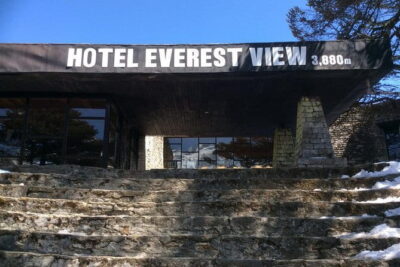
Everest Base Camp Helicopter Tour landing at Everest View Hotel
Read our review →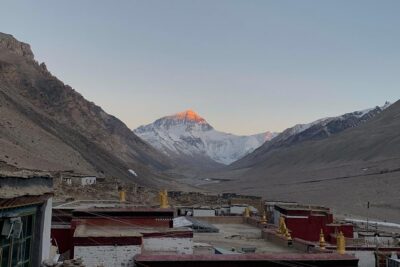
Tibet Tour 8 Days Lhasa to Everest Base Camp Small Group Tour
Read our review →
Dubai: Private Luxury Everest Yacht Cruise from Dubai Marina
Read our review →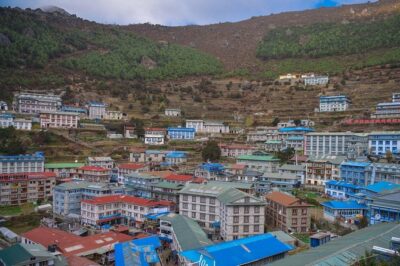
Browse the lists this trek appears in