
Review · KATHMANDU
Everest Base Camp Trek
Walking to Everest Base Camp is not a sightseeing stroll. It is a demanding mountain trek through rocky trails, thin air, cold nights, and Sherpa villages, with the great reward of reaching the foot of Mount Everest. This 12-day trip from Kathmandu keeps the route focused, with round-trip flights to Lukla, meals, permits, and a local guide included.
I like two things right away. The itinerary builds in acclimatization days at Namche Bazaar and Dingboche, which is essential at these heights. I also like the strong guide support associated with Mosaic Adventure. Guides including Nima, Madan, Manoj, Pralhad, Ramesh, and Purna have helped trekkers adjust the pace, respond to altitude trouble, and handle the unpredictable Lukla travel days.
The main catch is simple: this is a serious physical challenge. You need strong fitness, and you must budget separately for insurance, a porter, tips, and personal expenses. The listed price of $1,445 is useful value for the included services, but it is not the full cost of the trip.
Key points before you book
- Lukla to Base Camp in 12 days: You follow the classic route through Phakding, Namche Bazaar, Dingboche, Lobuche, Gorakshep, and back.
- Two acclimatization stops: Rest and short hikes in Namche and Dingboche give your body time to adjust to rising altitude.
- Flights and permits included: The package covers round-trip Kathmandu to Lukla flights and trekking permits.
- Meals included on trek days: Breakfast, lunch, and dinner are provided for 11 days.
- Small-group format: The maximum group size is 12 people, with at least two required to book.
- Experienced local support: Mosaic guides such as Nima, Madan, Manoj, and Pralhad have been praised for encouragement, route changes, and help with altitude problems.
What the $1,445 price really covers
At $1,445 per person, this trek bundles several costly and useful parts of an Everest route. You receive trekking permits, a local guide, round-trip flights between Kathmandu and Lukla, accommodation during the trek, and three meals a day for 11 days.
That package matters because the Lukla flight is not a minor transfer. It is the gateway to the trail, and arranging it yourself would add work and uncertainty. Having the operator handle permits and the mountain logistics also lets you focus on preparation rather than paperwork.
Still, read the inclusions carefully. Travel insurance, porter service, tipping, and personal expenses are not covered. If you want someone to carry your main bag, you need to arrange and pay for a porter. The supplied details also do not state that Kathmandu hotel nights are included, so ask Mosaic Adventure exactly which nights and room arrangements are part of your booking.
Meals are included, but you should not expect a restaurant tour. Food on the route is part of the practical mountain experience, and the menu can become repetitive at altitude. Dietary requirements should be given at booking. The company has shown flexibility with food and accommodation requests, but specific arrangements are best confirmed before you arrive.
More Everest Base Camp Treks in Kathmandu:
- Everest Base Camp Trek – 14 Days
★ 5.0 · 1,499 reviews - Everest Base Camp Trek
★ 5.0 · 842 reviews - Everest Base Camp Helicopter Tour landing at Everest View Hotel
★ 5.0 · 668 reviews
Day 1: Flying to Lukla and walking to Phakding
Your first morning begins early, with a stated start time of 5:15 a.m. After the short flight from Kathmandu to Lukla, you begin walking toward Phakding, a first-day trek of about three and a half hours.
Lukla is famous for its mountain airport, and simply getting there feels like the beginning of the adventure. The first walking day is relatively short compared with what follows, which is helpful after an early start and flight.
Do not treat this as a warm-up that requires no effort. You are already in mountain country, and the trail introduces the rocky, uneven footing that becomes normal for the rest of the route. Your guide will be important from the first day, especially for keeping the group together and setting a sensible pace.
The schedule operates in all weather conditions, so bring clothing that can handle rain, wind, sun, and cold. Mountain flights can also be affected by weather, so keep some flexibility in your wider Nepal plans.
Day 2: The long climb to Namche Bazaar
The walk to Namche Bazaar is listed at about eight hours, with mostly uphill sections over dirty and rocky ground. This is one of the first days when the trek’s physical demands become unmistakable.
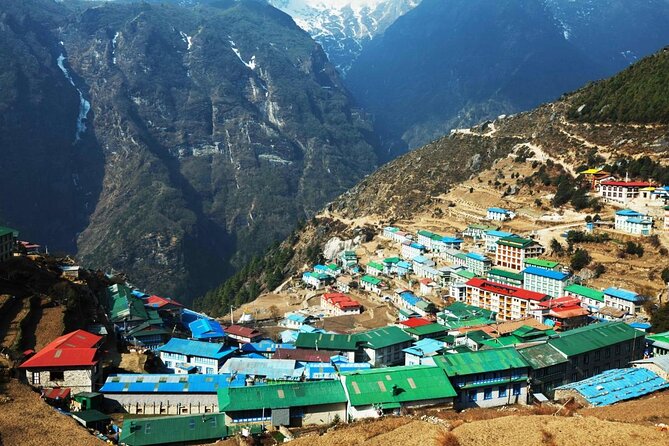
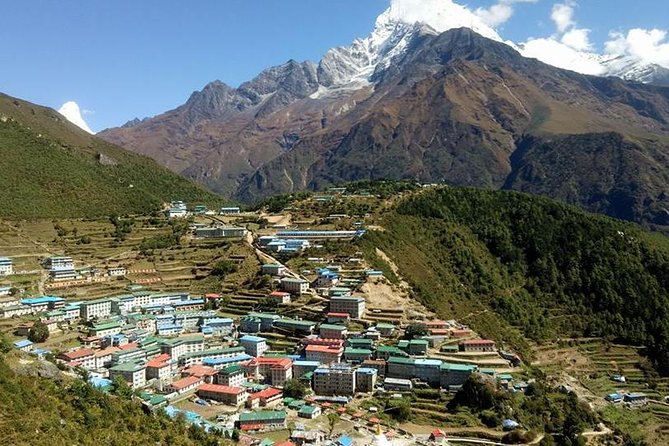
Namche is more than a place to sleep. It is the main trading town of the Khumbu region and a natural pause before the trail climbs higher. Its colorful buildings and mountain setting make it one of the most memorable settlements on the route.
The practical point is that you do not rush through Namche. A long uphill day followed by an acclimatization day is a sensible rhythm. Your legs will feel the climb, but the next day gives you time to recover while still walking at altitude.
The trail description is refreshingly plain: rocky, dirty, and uphill. You should believe it. Good boots, trekking poles if you use them, and a training routine that includes long uphill walks will make this day much easier.
Day 3: Acclimatization around Namche
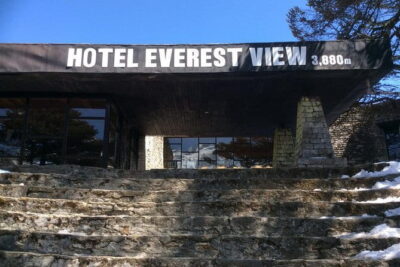
The Namche acclimatization day includes a trip around the area and a visit to Everest View Hotel. This is a valuable part of the schedule, not wasted time.
The idea is to climb higher during the day and return to sleep lower. That gives your body a better chance to adjust before the route continues upward. You also get your first strong opportunity to look across the high Himalayan country without carrying out a full day of forward progress.
Everest View Hotel is the obvious visual highlight, but the larger benefit is learning how you respond to altitude. Tell your guide clearly if you feel unwell. The company’s guides have been praised for changing plans when trekkers developed altitude problems, and this is exactly where good judgment matters more than sticking rigidly to a timetable.
A few more treks around Kathmandu worth a look
- Everest Base Camp Trekking
★ 5.0 · 485 reviews - Annapurna Circuit Trek with Tilicho Lake
★ 5.0 · 368 reviews - Everest Base Camp Trekking – 13 Day
★ 5.0 · 365 reviews - Everest Base Camp Trek -14 Days
★ 5.0 · 321 reviews
Day 4: A monastery visit and a slower mountain day
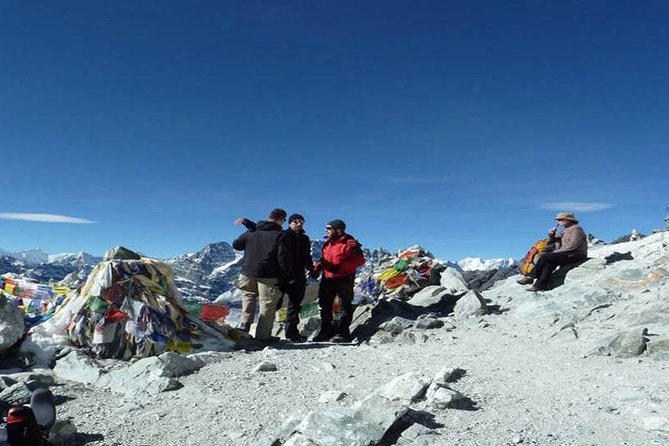
The fourth day is described as a trip to a monastery. The details are brief, so you should confirm the exact monastery and walking time before departure.
Even without a long description, this stop adds something important to the route. The Everest region is not only about mountain views. Monasteries, prayer traditions, and Sherpa communities give the walk its cultural setting. A guided visit can help you understand more than you would by passing through the villages alone.
This day may also offer a useful change of pace before the longer push toward Dingboche. Ask your guide how much walking is planned, what altitude you will reach, and whether the day is intended as another rest period or a full trekking day.
Day 5: The trail to Dingboche
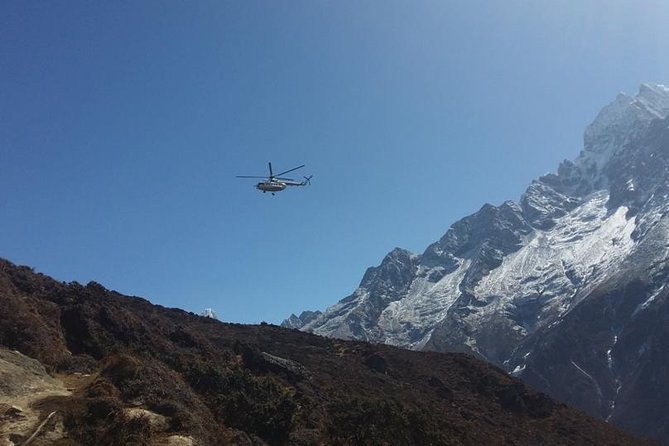
The trek to Dingboche takes about eight hours. By now, the air is thinner and the route feels more remote. The combination of duration, uphill walking, and altitude makes this one of the harder days.
Dingboche is an important stop because the route is now well above the lower valleys. It is also where the itinerary again pauses for acclimatization rather than trying to hurry you toward Base Camp.
You should expect your pace to slow here. That is normal. A good guide does not measure success by speed. The group needs to move at a pace that allows everyone to keep breathing steadily, drinking enough, and watching for signs of altitude sickness.
The company’s small-group limit of 12 helps here. It is large enough to share the experience but small enough for a guide to keep track of individual needs. The minimum booking requirement is two people, so this is not designed as a solo booking.
Day 6: Acclimatization around Dingboche
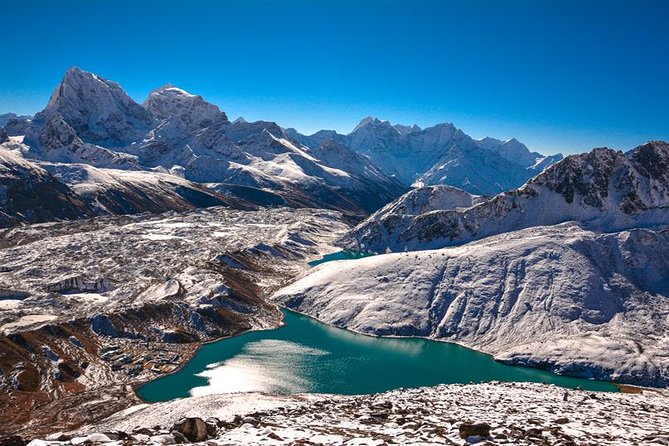
The Dingboche day trip is another key safety feature. You walk around the area to help your body adjust to the increasing altitude, then return to Dingboche rather than sleeping much higher.
This second acclimatization day is one of the strongest reasons to consider this itinerary. Everest Base Camp schedules that cut too much time from acclimatization may look attractive on paper, but they leave less room for your body to adapt. Here, the schedule recognizes that reaching Base Camp safely matters more than reaching it quickly.
Use this day to check your clothing, water, snacks, and personal gear. You may also want to discuss the next several days with your guide. The high point of the trek is approaching, and the walking becomes more demanding.
Day 7: Dingboche to Lobuche
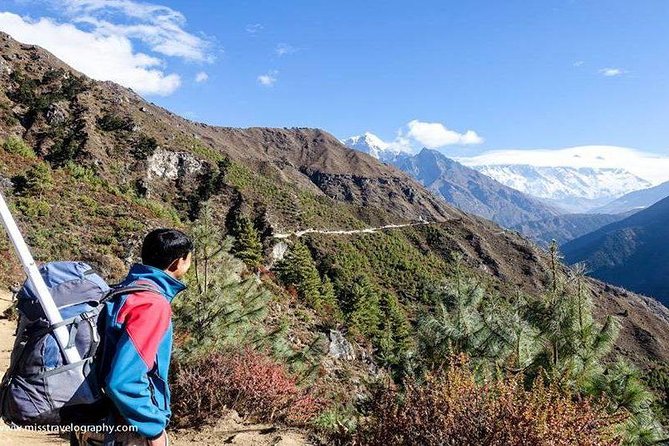
The trek to Lobuche moves you closer to Everest Base Camp and into a colder, higher part of the route. The supplied plan does not give a walking time, so ask for the expected duration during your orientation.
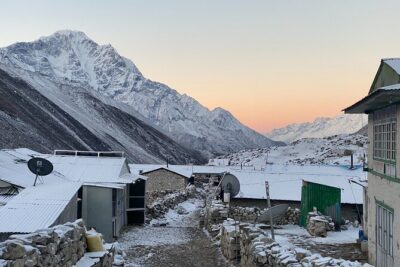
Lobuche is a staging point for the next day’s Base Camp walk. You will likely feel the altitude more strongly here than in Namche or Phakding. Even fit people can find the high section surprisingly tough because every step costs more effort.
This is a good night to follow your guide’s advice carefully. Eat what you can, drink regularly, and do not hide symptoms to avoid slowing the group. The purpose of a guided trek is not only navigation. It is also having someone who can make a safer call when your body is not cooperating.
Day 8: Everest Base Camp and back to Gorakshep
This is the emotional center of the trip. You trek from Lobuche to Everest Base Camp and return to Gorakshep the same day.
Reaching Base Camp is a major achievement, but the day is not a short photo stop. You must walk there and then walk back to your overnight base. At high altitude, that return matters. Save energy for the full day instead of treating the outward leg as the only goal.
The experience is about more than standing at a sign or taking a photograph. You are walking through the high Khumbu, surrounded by rock, snow, glaciers, and the enormous scale of the mountains. Conditions and views can vary, so do not measure the day only by whether every peak is perfectly visible.
Past groups have placed special value on guides who stayed close, encouraged them, and adapted the plan when needed. That support can make the difference between pushing safely and pushing too hard.
Day 9: Kala Patthar and the walk to Pheriche
The next morning brings a hike to Kala Patthar, followed by a trek to Pheriche. Kala Patthar is prized for its broad mountain views and is often the visual high point of the route.
This is another demanding day because you are still recovering from the Base Camp walk. The reward is a different mountain viewpoint, followed by the psychological lift of descending toward Pheriche.
Descending does not mean effortless. Your knees and feet may be tired, and rocky trails still require care. Tell your guide if you need a slower pace. One of Mosaic’s strongest practical qualities has been its willingness to adjust plans for age, fitness, and health rather than forcing every group member into the same mold.
Days 10 and 11: Retracing the route to Lukla
Day 10 takes you back toward Namche Bazaar along the same general trail. Day 11 continues to Lukla.
You will recognize sections of the route, but the return is not dull. Walking downhill changes the views, and you may notice villages, bridges, and mountain shapes that you missed while concentrating on the climb. It is also a chance to appreciate how far you have come.
These days can feel long because the main goal has already been achieved. Keep your attention on steady movement and recovery. The Lukla flight is still ahead, and weather can affect mountain aviation. The guide team has been specifically praised for helping with the sometimes chaotic travel to and from Lukla, so stay in contact with them if plans shift.
Day 12: Flying back to Kathmandu
The final day is the flight from Lukla to Kathmandu, followed by a transfer to your hotel in the capital.
That transfer is useful after nearly two weeks of walking. You will want a clear handoff from the mountain route back to the city, and airport pickup and transfer support are part of the operator’s service approach.
Because the trek operates in all weather, keep your departure day flexible if possible. The itinerary says approximately 12 days, and mountain flights can be the part most vulnerable to disruption. Ask Mosaic Adventure how they handle delays before you book, especially if you have an international flight soon afterward.
Guide support and the human side of the trek
The strongest pattern in the available feedback is the personal care provided by the guides and support staff. Nima has been described as encouraging and attentive. Madan has been praised for support and humor, while Manoj has been credited with recognizing altitude complications and helping change an itinerary.
Pralhad, Ramesh, Purna, Ngima, Raj, and other Mosaic team members are also named in positive accounts. One especially practical example involved a group member slowing down because of illness, with an additional Sherpa walking alongside another member so nobody became separated.
You should not assume a specific guide by booking this product. Guide assignments can change. But the repeated emphasis on communication, encouragement, and practical problem-solving is a useful sign for a trek where judgment matters as much as route knowledge.
Who should book this Everest trek?
This trip suits you if you are fit, comfortable walking for many hours, and willing to accept basic mountain conditions and an unpredictable schedule. You do not need to be an elite athlete, but you should prepare seriously for sustained uphill and downhill walking.
It is a good match for someone who wants a guided classic route rather than a luxury mountain holiday. You receive a local guide, meals, permits, flights, and accommodation on the trek, but you also need to handle personal gear, insurance, porter costs, and tips.
I would be cautious if you want a relaxed vacation, dislike early starts, or have little experience with long mountain walks. The schedule includes two important acclimatization days, but altitude can still affect strong and experienced hikers.
Booking requires at least two people, and the group can reach 12. You must provide each participant’s passport name, number, expiry date, and country at booking. Dietary needs should also be stated at that point.
Cancellation terms are strict near departure. Cancellation two to six full days before the start allows a 50 percent refund, while cancellation less than two full days before departure receives no refund. Changes inside those windows are not accepted, so check the local cut-off times before committing.
Should you book it?
I would book this trek if you want a focused Everest Base Camp route with the main logistics arranged and enough time for two acclimatization stops. The price is fair for the included flights, permits, meals, accommodation, and guide service, though you must add insurance, porter service, tips, and personal costs.
I would ask three questions before paying: which Kathmandu nights are included, how Lukla flight delays are handled, and whether a porter can be arranged for your group. If the answers suit your budget and you are ready for the physical work, this is a well-structured way to reach Base Camp with local support close at hand.
FAQ
How long does the Everest Base Camp trek take?
The experience lasts approximately 12 days, including the flight from Kathmandu to Lukla, the trek to Everest Base Camp, the return to Lukla, and the flight back to Kathmandu.
What is included in the price?
The price includes accommodation and meals during the trek, trekking permits, a local guide, and round-trip flights between Kathmandu and Lukla. Breakfast, lunch, and dinner are included for 11 days.
Are porter services included?
No. Porter service is not included and must be arranged separately if you want it.
Is travel insurance included?
No. Travel insurance is listed as an additional expense.
How many people can join the group?
The activity has a maximum of 12 participants. At least two people are required per booking.
Are there acclimatization days?
Yes. There is an acclimatization day around Namche Bazaar, including a trip to Everest View Hotel, and another acclimatization day around Dingboche.
What fitness level is required?
You should have a strong physical fitness level. The route includes long walking days, rocky ground, uphill sections, and high altitude.
What information is required at booking?
You must provide each participant’s passport name, passport number, expiry date, and country. You should also provide any specific dietary requirements when booking.
Just added around Kathmandu
- Everest Base Camp Trek★ 5.0 · 3 reviews
- Everest Base Camp Trek★ 5.0 · 7 reviews
- 15 Days Private Everest Base Camp Trek★ 5.0 · 30 reviews
- Everest Base Camp Trek★ 5.0 · 57 reviews
- 14 Days of Adventure Trekking to Everest Base Camp★ 5.0 · 2 reviews
- 14-Day Everest Base Camp Trek★ 5.0 · 20 reviews
- From Kathmandu: Private 14-Day Everest Base Camp Trek★ 5.0 · 20 reviews
- 14 Days Everest Base Camp Trek★ 5.0 · 4 reviews
Everest Base Camp Treks, compared.
Everest Base Camp Helicopter Tour landing at Everest View Hotel
Read our review →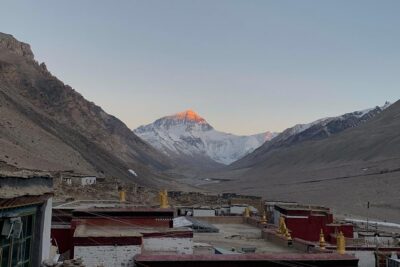
Tibet Tour 8 Days Lhasa to Everest Base Camp Small Group Tour
Read our review →
Dubai: Private Luxury Everest Yacht Cruise from Dubai Marina
Read our review →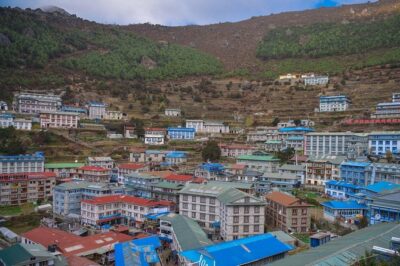
Browse the lists this trek appears in