
Review · KATHMANDU
Everest Base Camp Trek
Everest Base Camp is not a mountaineering expedition, but it is no casual holiday either. Over 14 days, you walk from Lukla through Sherpa villages, Buddhist monasteries, glacial valleys, and high mountain passes before reaching Base Camp at about 5,365 meters. The grand payoff comes at Kala Patthar, where Everest finally appears in a clear, close-up view.
I like the careful acclimatization stops in Namche Bazaar and Dingboche, and I like that the price includes a guide, porter, meals, trekking gear, park fees, and teahouse lodging. Guides such as Shiva Shrestha are especially praised for encouragement, safety, and personal care. The main drawback is the altitude, plus the uncertain Lukla flight arrangements and the long overnight drive to Manthali Airport when flights operate from there.
The trek in five useful points
- Kala Patthar gives the best Everest view: Everest is not clearly visible from Base Camp itself, so the climb to Kala Patthar matters.
- Two acclimatization days are built in: You pause in Namche Bazaar and Dingboche rather than racing uphill.
- The support package is strong: A licensed guide, assistant guide arrangements, porter service, meals, sleeping bag, down jacket, and permits are included.
- You sleep in simple teahouses: These are practical mountain lodges, not polished hotels, especially at Gorak Shep and the higher villages.
- The trip reaches 5,550 meters: Fitness helps, but altitude tolerance cannot be predicted. Travel insurance is essential.
- Check the flight wording carefully: Lukla flights are listed separately as not included, despite the wider package description mentioning domestic flights.
What you are really buying for $1,169
At $1,169 per person, this trek offers good value if the advertised inclusions apply as expected. The cost covers airport transfers in a private vehicle, a licensed English-speaking trekking leader, porter support, meals during the trek, teahouse accommodation, national park and community fees, a first-aid kit, a pulse oximeter, a duffel bag, a T-shirt, a map, a down jacket, and a sleeping bag.
That is a useful bundle. Buying or renting the same mountain gear separately can add up quickly. The porter arrangement is also important. Two trekkers generally share one porter, with your main luggage carried while you walk with a smaller daypack.
There is one major point to confirm before paying: the inclusion list says local and government taxes and staff costs are covered, but the exclusions list says Lukla flight is not included. The tour summary also refers to domestic flights as part of the all-inclusive plan. Ask the operator exactly what you will pay for the Kathmandu or Manthali to Lukla flight, and for the return flight.
Kathmandu accommodation is also excluded, as are travel insurance, medical insurance, tips, snacks, internet, laundry, phone calls, battery charging, bar bills, and excess baggage above the stated 15-kilogram allowance. Solo trekkers should also ask about the separate porter charge.
The tour is private, with a maximum group size of nine. That is small enough for a guide to notice how you are coping, while still offering some company on the trail. Group discounts may reduce the price for larger bookings.
More Everest Base Camp Treks in Kathmandu:
- Everest Base Camp Trek – 14 Days
★ 5.0 · 1,499 reviews - Everest Base Camp Trek
★ 5.0 · 842 reviews - Everest Base Camp Helicopter Tour landing at Everest View Hotel
★ 5.0 · 668 reviews
Kathmandu preparation and the route to Lukla
Day one is more than a hotel check-in. An airport representative meets you and takes you to your hotel, where you meet the trek leader and team. The briefing is your chance to ask questions, check your equipment, and sort out last-minute purchases.
Thamel is nearby and useful for any missing trekking items. You can also simply walk around, eat, and get over the flight from home. Use this time to confirm your baggage plan, since the stated allowance is limited and mountain flights are small.
The Lukla flight is one of the most memorable parts of the trip. The short flight takes roughly 20 to 30 minutes, with Himalayan views and a dramatic landing strip whose ends differ in height by about 60 meters.
Flight schedules are not fully predictable. Due to airport work and regulation changes, flights to Lukla may operate from Manthali Airport in Ramechhap District rather than Kathmandu. That means a roughly four-hour nighttime drive from Kathmandu before an early morning flight. This is tiring, but it is a practical detail you need to understand before booking.
From Lukla, you meet the Sherpa staff and begin walking to Phakding. The first section follows the Dudh Koshi River through Chauri Kharka and small villages. You may catch sight of Khumbila, a sacred Sherpa mountain that remains unclimbed because of its spiritual importance.
Phakding sits at 2,610 meters and makes a gentle first night in the mountains. The walk takes about three hours, so you begin adjusting without being thrown straight into a hard climb.
Namche Bazaar, suspension bridges, and your first Everest view
The walk to Namche Bazaar takes around five hours. You cross the Dudh Koshi on suspension bridges, pass through pine forest, and enter Sagarmatha National Park near Monjo. The Hillary Suspension Bridge is one of the better-known crossings, but there are several bridges along the route.
The trail follows the river to Jorsale, where lunch usually fits naturally into the day. The final climb to Namche is the first serious uphill test. Near the top, the view from Tope Danda may give you your first look at Everest.
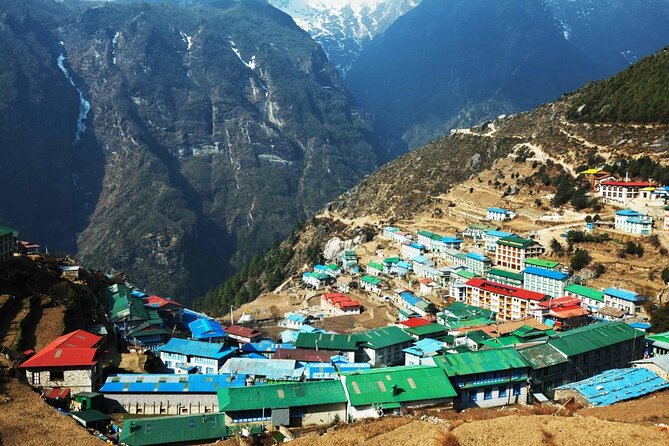
Namche Bazaar is the economic center of the Khumbu. It has cafés, restaurants, gear shops, souvenir stalls, and some Wi-Fi access. Do not treat it only as a supply stop. This is where the trek begins to feel connected to Sherpa life rather than simply being a long walk toward a famous mountain.
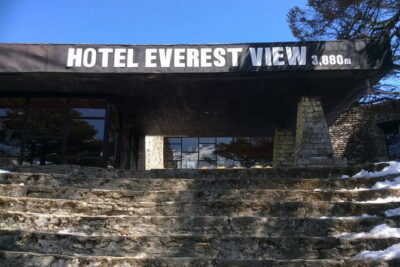
The itinerary gives you an acclimatization day here, which is vital. You can visit Hillary School, walk toward a Sherpa settlement, see yak farms, or hike to the Everest View Hotel. The hotel sits above Namche and offers wide views of Everest and the surrounding peaks.
The itinerary includes time at Syangboche Airport, though it lists the stop twice. The airstrip is close to Namche and is mainly used by visitors going to the nearby hotel or stopping at Namche. It is not normally part of the standard high-altitude route because gradual acclimatization is safer than jumping to a higher elevation by air.
Tengboche brings the culture into focus
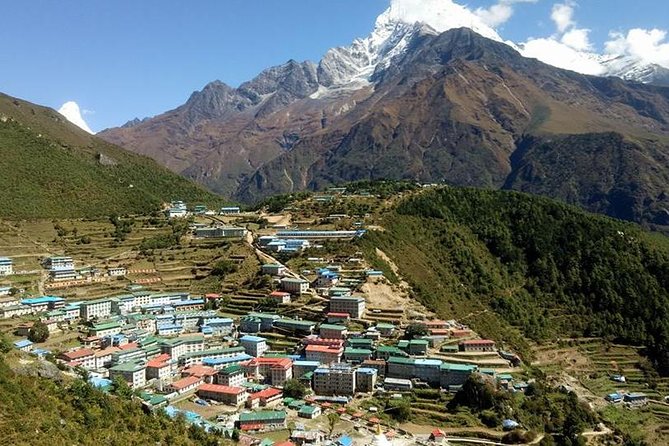
From Namche, the trail opens to grand views of Everest, Nuptse, Lhotse, Ama Dablam, Thamserku, and Kwangde. You walk through juniper and rhododendron forest before reaching Tengboche after about six hours.
Tengboche is one of the most meaningful stops on the route. Its monastery, also called Dawa Choling Gompa, is the largest Buddhist monastery in the Khumbu region. At about 3,867 meters, it occupies a striking position above the village, with Ama Dablam often dominating the view.
Allow yourself time to slow down here. The monastery gives the trek a cultural center, not just another sleeping stop. You can visit for about 30 minutes, though the wider village and surrounding views deserve more time if weather and energy allow.
From Tengboche, you cross toward Pangboche and the Imja Khola before continuing to Dingboche. Pangboche is known for its permanent Sherpa settlement and local food. Dingboche, at higher elevation, gives you views toward Island Peak and Ama Dablam.
A few more treks around Kathmandu worth a look
- Everest Base Camp Trekking
★ 5.0 · 485 reviews - Annapurna Circuit Trek with Tilicho Lake
★ 5.0 · 368 reviews - Everest Base Camp Trekking – 13 Day
★ 5.0 · 365 reviews - Everest Base Camp Trek
★ 5.0 · 350 reviews
Dingboche is where altitude becomes serious
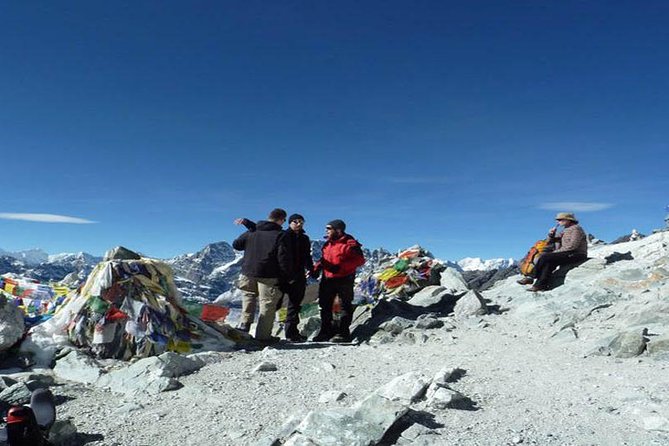
Dingboche includes another acclimatization day, and this is one of the best features of the plan. The schedule proposes a hike toward Nagarjun Hill, also called Nangkartshang, reaching about 5,100 meters.
This is not technical climbing, but it can be steep and rocky. You may scramble over loose sections, and the altitude makes every step feel slower. The reward is a wide view toward Makalu, Lhotse, Ama Dablam, Kangtega, Thamserku, Island Peak, and the Imja Glacier.
You do not need to reach the highest point if you feel unwell. The purpose of an acclimatization hike is to go higher and sleep lower, not to prove anything. Tell your guide about headache, nausea, unusual tiredness, breathlessness, or confusion. The trip includes a first-aid kit, pulse oximeter, and basic medicines, but those supplies do not replace proper medical care or insurance.
The trek leader is licensed, English-speaking, trained in first aid, and supported by assistant guides depending on group size. The strongest praise directed at this company centers on guide care, clear planning, dietary flexibility, and encouragement during hard sections. Shiva Shrestha is often singled out by name, along with guides including Hari and Avi. You should still confirm your assigned guide before departure.
Lobuche and the memorials on the Khumbu Glacier
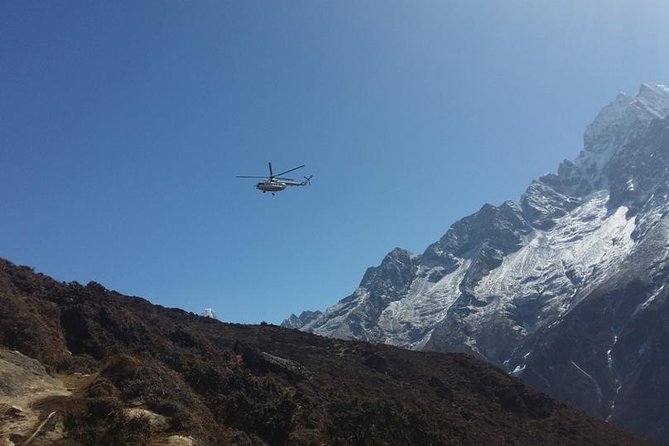
The walk from Dingboche to Lobuche takes about five hours. The route follows the lateral moraine of the Khumbu Glacier, and the scenery changes from broad green valleys to rock, ice, and high exposed slopes.
Along the way, you pass stone memorials for climbers who died on nearby peaks. This is a quiet and sobering section of the trek. It reminds you that Everest is not just a scenic destination or a name on a map.
Lobuche sits near the foot of Lobuche Peak and serves as a final high stop before Gorak Shep. Breathing can become difficult here. The accommodation is likely to be basic, and the cold and altitude can affect sleep. Keep your expectations practical: you are here for location and shelter, not comfort.
Everest Base Camp is a long day, not a quick photo stop
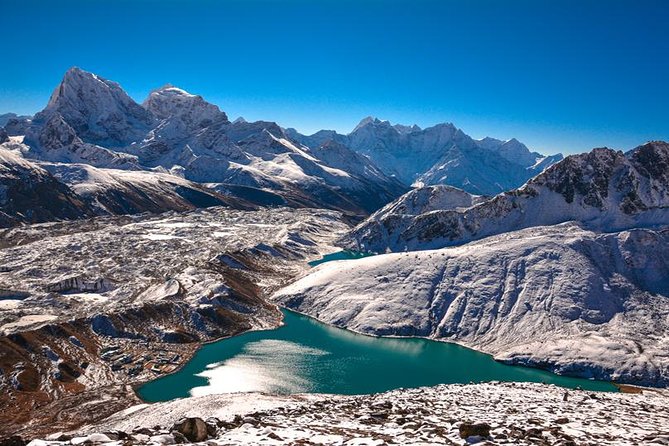
Day nine is the physical center of the trip. The walk from Lobuche toward Everest Base Camp and back to Gorak Shep takes around seven to eight hours and covers about 12 kilometers.
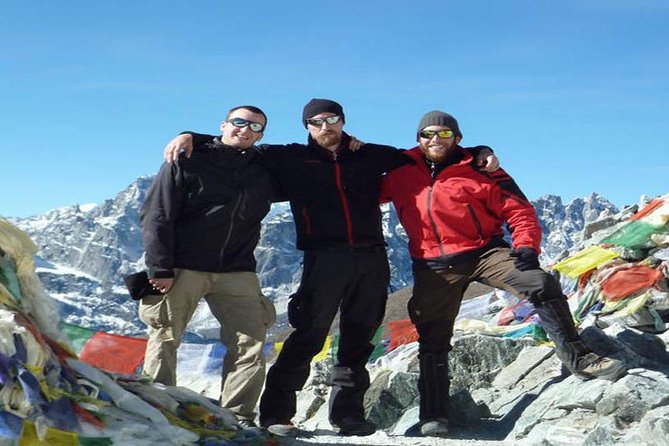
The path follows the Khumbu Glacier and becomes uneven. You walk slowly, taking breaks as needed. At around 5,365 meters, Base Camp is the closest point on the Nepali trekking route to Everest without mountaineering equipment.
During spring, climbing teams may be preparing for summit attempts. The Khumbu Icefall provides the dramatic backdrop, though Base Camp itself is a working mountaineering area rather than a finished attraction. Conditions, views, and the exact appearance of the camp change with the season.
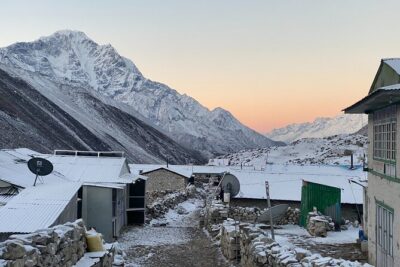
Gorak Shep is the overnight base at roughly 5,164 meters. It sits beside a frozen lakebed and has very basic lodges. Some newer services, including satellite internet, may be available, but do not count on comfort or strong connectivity.
One useful point is that Everest is not clearly visible from Base Camp. The mountain’s shape and surrounding peaks block the classic summit view. That is why the following morning’s climb to Kala Patthar is so important.
Kala Patthar delivers the classic view
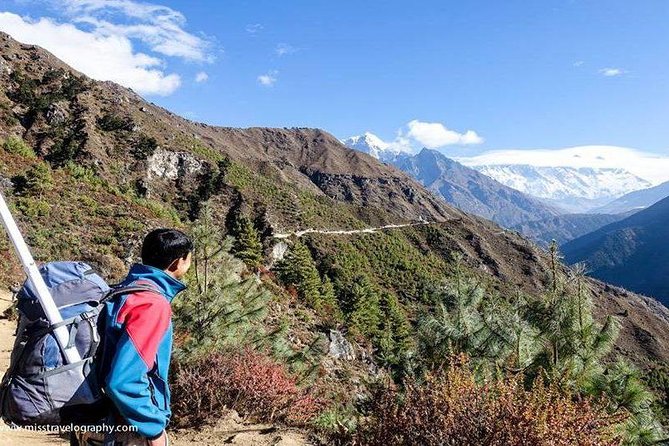
After breakfast, you climb Kala Patthar, the highest point on this trek at about 5,550 meters. The route takes about seven hours overall, including the descent to Gorak Shep and the walk onward toward Pheriche.
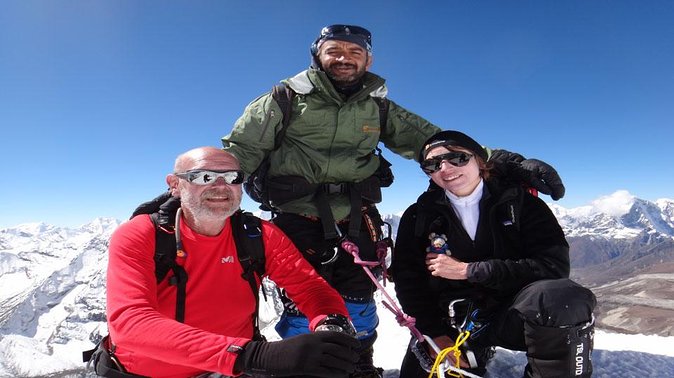
Kala Patthar gives you the close mountain view many people picture when they think of Everest. From the rocky summit, you can look toward Everest, Pumori, Nuptse, and Lhotse. Early light can strike Everest and the surrounding peaks with a warm glow, but weather decides what you see.
This is the hardest viewpoint of the journey, not because the path requires technical climbing, but because the altitude is extreme. Move slowly and listen to your guide. If weather closes in or you feel ill, turning around is the sensible choice.
After Kala Patthar, the descent toward Pheriche is a relief. Pheriche sits at about 4,371 meters and has an emergency hospital run by the Himalayan Rescue Association. That makes it an important stop in the itinerary, not simply a place to sleep.
The long return through Namche and Lukla
The return route is not easy simply because you are going downhill. The day from Pheriche toward Namche is listed at about eight hours, passing through Tengboche and continuing to Namche Bazaar. The trail includes hills, so expect tired legs rather than a simple stroll.
The following day takes you back to Lukla in about seven hours. You cross the Hillary Suspension Bridge again and pass through local villages before reaching the airfield town.
Lukla is the right place to celebrate. You have crossed the main route, reached Base Camp, climbed Kala Patthar, and spent days at elevations where ordinary walking becomes work. The final mountain night also gives you a buffer in case weather affects the return flight.
On day 13, you fly back to Kathmandu and transfer to your hotel. The city can feel loud after the quiet of the Khumbu. You have the rest of the day free for markets, food, or rest.
The final day is an airport transfer. If you want additional time in Nepal, the operator can help arrange an extension, but extra Kathmandu nights are not included in the listed price.
Food, lodging, gear, and daily comfort
Full-board meals include breakfast, lunch, and dinner during the trek. The exact menu is not specified, so expect practical teahouse meals rather than restaurant dining. The operator states that dietary requirements can be accommodated, but you should explain them before departure.
Teahouse accommodation is included, generally in the best available clean and comfortable lodges along the route. Twin-share rooms are part of the package. At higher stops such as Lobuche and Gorak Shep, basic conditions are part of the deal.
The included down jacket and sleeping bag are returned after the trek. You also receive a duffel bag, T-shirt, and trekking map. The porter carries your main luggage, but you still need a daypack with water, layers, medication, snacks, and personal items.
Tips for guides, porters, and drivers are expected and are not included. Carry money for snacks, charging, internet, laundry, and other personal costs.
Who should book this trek?
You should consider this trek if you want the standard Everest Base Camp route with organized support and a small private group. It suits people who value a guide, do not want to arrange every teahouse themselves, and appreciate having a porter and acclimatization days built into the schedule.
You should think twice if you dislike basic lodging, uncertain mountain flights, long walking days, or high-altitude discomfort. This is not an accessible sightseeing tour despite its organized support. The itinerary reaches 5,550 meters, and good fitness does not guarantee that your body will handle the altitude well.
The cancellation terms allow a full refund if you cancel at least three full days before the start time. Weather cancellations offer a different date or a full refund, but you should still carry travel insurance that covers trekking and medical evacuation.
Should you book the Everest Base Camp Trek?
I would book this trek if the operator confirms the Lukla flight cost in writing and you are comfortable with basic teahouses and serious altitude. The route is well paced, the two acclimatization days are valuable, and the combination of guide, porter, meals, equipment, and permits gives the $1,169 price real weight.
I would not book it without travel insurance or without asking how the company handles a delayed flight, an early descent, or altitude illness. If you want the famous Everest experience without attempting a summit, this is the right kind of challenge. You get Sherpa villages, Buddhist culture, glacier country, and the finest Everest view from Kala Patthar, but you must earn every one of them.
FAQ
How long is the Everest Base Camp Trek?
The trek is scheduled for approximately 14 days, including arrival and departure days in Kathmandu, the Lukla flight, the walking route, acclimatization stops, and the return to Kathmandu.
What is the highest point on the trek?
Kala Patthar is the highest point listed, at about 5,550 meters. Everest Base Camp is at approximately 5,365 meters.
Is the Lukla flight included in the price?
The information is inconsistent. The package overview refers to domestic flights, but the exclusions list says the Lukla flight is not included. Confirm this cost with Accessible Adventure Pvt. Ltd. before booking.
Where does the trek begin?
The trip begins in Kathmandu, followed by travel to Lukla. Flights may operate from Manthali Airport in Ramechhap District, which requires a roughly four-hour nighttime drive from Kathmandu.
Are meals included?
Breakfast, lunch, and dinner are included during the trek. Breakfast is also included for two mornings according to the package details.
Is accommodation in Kathmandu included?
No. Kathmandu accommodation is not included, and extra nights may be charged if you arrive early or leave late.
Is a porter included?
Porter service is included for the standard arrangement of two trekkers sharing one porter. A porter for a solo traveler is listed as an additional cost.
What equipment is provided?
The package includes a duffel bag, down jacket, sleeping bag, T-shirt, and trekking map. The down jacket and sleeping bag must be returned after the trek.
How many people can join the group?
The activity has a maximum of nine participants. It is described as a private trek, and group discounts may be available.
Just added around Kathmandu
- Everest Base Camp Trek★ 5.0 · 3 reviews
- Everest Base Camp Trek★ 5.0 · 7 reviews
- 15 Days Private Everest Base Camp Trek★ 5.0 · 30 reviews
- 14 Days of Adventure Trekking to Everest Base Camp★ 5.0 · 2 reviews
- 14-Day Everest Base Camp Trek★ 5.0 · 20 reviews
- From Kathmandu: Private 14-Day Everest Base Camp Trek★ 5.0 · 20 reviews
- 14 Days Everest Base Camp Trek★ 5.0 · 4 reviews
- 14 Days Private Everest Base Camp Trekking Tour★ 5.0 · 5 reviews
Everest Base Camp Treks, compared.
Everest Base Camp Helicopter Tour landing at Everest View Hotel
Read our review →
Tibet Tour 8 Days Lhasa to Everest Base Camp Small Group Tour
Read our review →
Dubai: Private Luxury Everest Yacht Cruise from Dubai Marina
Read our review →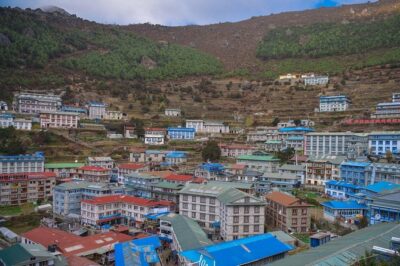
Browse the lists this trek appears in