
Review · KATHMANDU
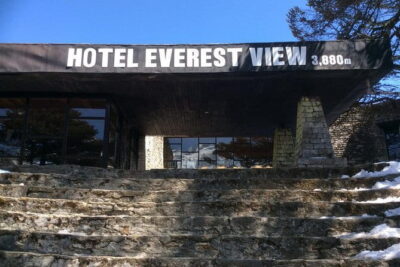
Everest Base Camp Helicopter Tour landing at Everest View Hotel
Seeing Everest from the air is one thing. Landing at Hotel Everest View, with the mountain world spread out beyond your breakfast table, makes this short Kathmandu excursion feel like a proper Himalayan adventure. The base camp area is mainly viewed from above, not visited on foot.
I like the shared five-passenger helicopter, which keeps the price below a private charter, and I like the careful weather policy. Buddhi Bhatta and his team provide a face-to-face briefing, hotel pickup, and regular updates. The main drawback is the cost: $1,575 per person, plus $55 in listed taxes and airport or park fees, with breakfast extra.
Key points to know before booking
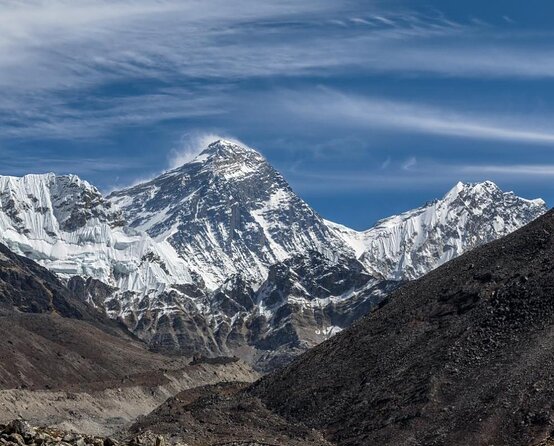
- Hotel Everest View is the real landing highlight: You get ground time at one of the world’s highest hotels, subject to weather.
- Everest Base Camp is mainly an aerial sight: The route overflies the base camp and Kala Patthar area rather than promising a standard landing there.
- Lukla is a practical and memorable stop: The helicopter refuels at the famous mountain airport, where many trekkers begin their journey.
- Weather controls the day: Poor visibility can cancel or delay the flight, and a full refund is offered if the operator cannot fly.
- The group is shared: The helicopter is planned for five passengers and one pilot, so front-seat time and exact routing depend on the group and captain.
- You need a spare day or two: Clear mountain views are never guaranteed, so do not schedule this tightly against an international departure.
Why the Hotel Everest View landing matters
This is not simply a scenic flight over Nepal. The stop at Hotel Everest View gives you about 45 minutes on the ground at Everest View Point, if the weather allows it. That short pause changes the pace of the outing. You can step away from the aircraft, feel the cold mountain air, and look across the high peaks without viewing everything through a helicopter window.
The hotel is also where the optional breakfast takes place. The meal is not included in the tour price, and food is described as optional, so budget for it separately. One useful tip is to share the large breakfast if two people are traveling together. That can make the extra cost more reasonable and avoids ordering more food than you need at altitude.
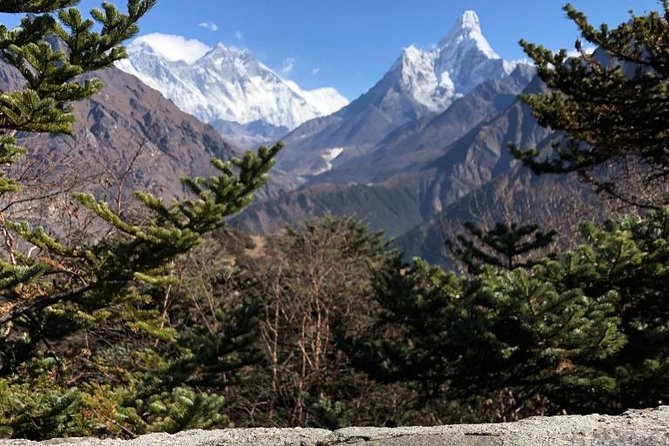
The setting is the real reason to consider the meal. You are not paying only for eggs, bread, or coffee. You are paying for time at a high viewpoint with Everest and the surrounding Himalayan peaks in front of you. If clouds close in, the stop may be shortened, changed, or skipped. The pilot has the final say, and that is exactly how it should be.
More Everest Base Camp Treks in Kathmandu:
- Everest Base Camp Trek – 14 Days
★ 5.0 · 1,499 reviews - Everest Base Camp Trek
★ 5.0 · 842 reviews - Everest Base Camp Trekking
★ 5.0 · 485 reviews
From Kathmandu airport to the high Himalaya
The morning begins early, with a stated start time of 6:15 am and pickup from your Kathmandu hotel. You provide the hotel name and address in advance, then receive a pickup time. The operator also offers a face-to-face briefing the day before, which is especially useful because the route, weather, passenger split, and safety rules can change quickly.
The flight departs from Kathmandu airport in an Airbus H125, also identified as the Eurocopter 350 model. The tour lasts about four to five hours in total, although the actual schedule can shift with air traffic, refueling, visibility, and the captain’s decision about the route back.
The early start is practical, not just scenic. Morning mountain visibility is often the best chance for clear views, and the trip needs enough time for several flight sectors and the Lukla stop. You should be ready to leave your hotel before breakfast and carry your passport copy. A picture of the passport on your phone is accepted, and you do not need to carry the original.
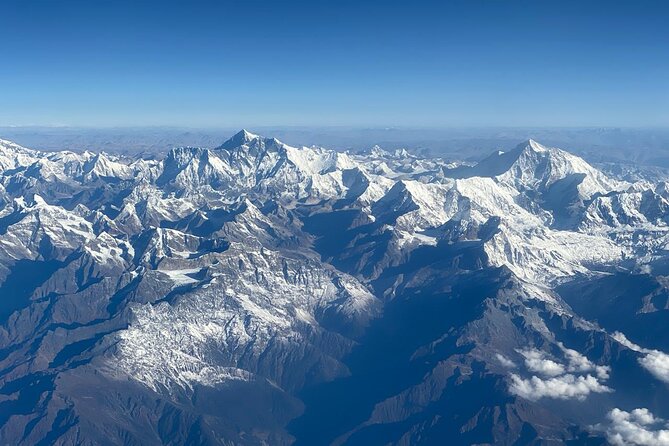
From the air, the scenery changes quickly. Kathmandu gives way to hills, valleys, snowfields, glaciers, and the high peaks of the Everest region. The helicopter brings you much closer to the mountain world than a standard fixed-wing mountain flight, though clouds can still hide the best views.
Lukla refueling stop and what it adds
The first planned stop is Lukla, usually for about 10 minutes while the helicopter refuels. Lukla airport is more than a technical pause. It is the gateway for trekkers heading toward Everest Base Camp, and seeing it from the ground gives you a brief connection to the classic trekking route.
Do not expect a long village visit. The stop is short and focused on fuel, aircraft operations, and the next flight segment. You may have time to look around, but you should follow instructions closely and remain near the designated area.
Lukla also explains one practical feature of this tour: the helicopter cannot simply remain at the highest points for as long as you wish. Fuel, weather, altitude, and air traffic all shape the plan. The captain may return directly to Kathmandu or route back through Lukla, depending on fuel conditions.
The Everest Base Camp and Kala Patthar flyover
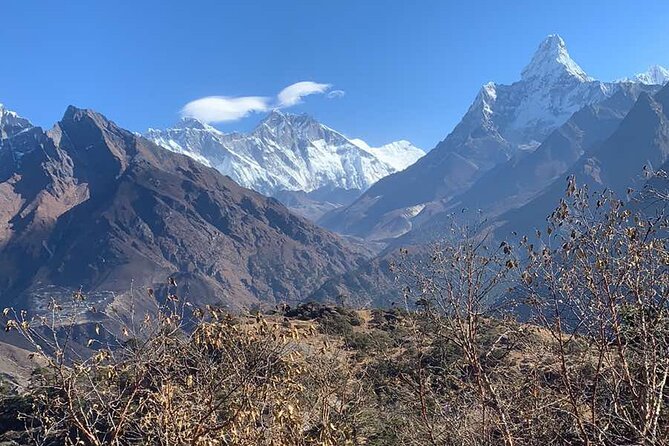
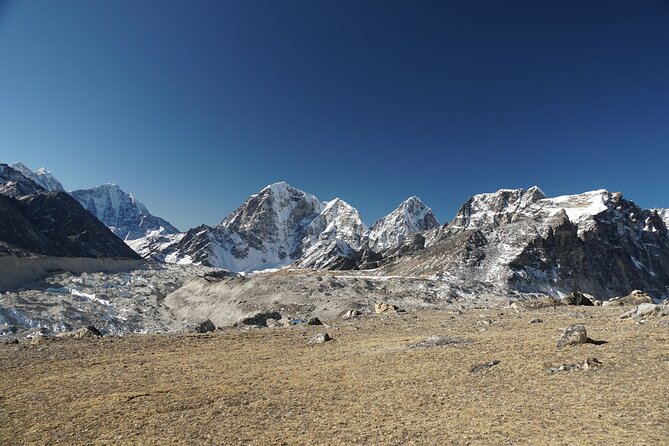
The most dramatic part of the flight is the overflight of the Everest Base Camp and Kala Patthar area. You see the climbing region, glaciers, camps, and routes from above, with Mount Everest and neighboring peaks forming the main view.
The wording here matters. The current itinerary says the base camp area is mainly a flyover. This is not the same as landing at Everest Base Camp and walking among the tents. The promised ground landing is at Hotel Everest View, while the base camp and Kala Patthar section is experienced from the helicopter.
That aerial view still has real value. You can cover in minutes what takes trekkers many days on foot, and you avoid the physical demands of a high-altitude trek. For someone who cannot commit to a 10 to 12 day Everest trek, this is the quickest way to see the region at close range.
There is one tradeoff. A helicopter cabin is a busy place for photography. Everyone gets a window, but the best angle changes as the aircraft turns, and the glass, rotor vibration, and seat position can affect pictures. Bring a phone or camera with enough storage and battery power, but also remember to look up from the screen. The mountain view will not wait for a perfect video.
Some groups rotate passengers through the front seat beside the pilot so everyone gets a fair chance at that perspective. Do not assume the arrangement is guaranteed on every flight, but it is worth asking during the briefing. The pilot and company may need to adjust seating for weight balance and safety.
More Helicopter Flights in Kathmandu:
- Everest Base Camp Helicopter Tour landing at Hotel Everest View
★ 5.0 · 218 reviews - Everest Base Camp Trek with Helicopter Return from Gorakshep to Lukla
★ 5.0 · 161 reviews - Everest Base Camp helicopter tour with landing
★ 5.0 · 61 reviews - Everest Base Camp Helicopter Tour landing at Everest View Hotel.
★ 5.0 · 34 reviews
Forty-five minutes at Hotel Everest View
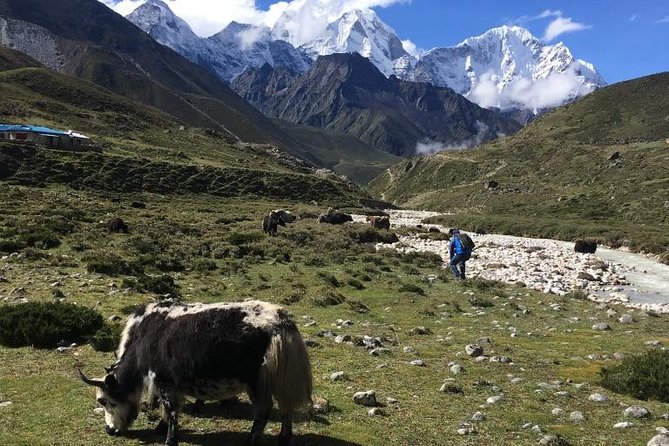
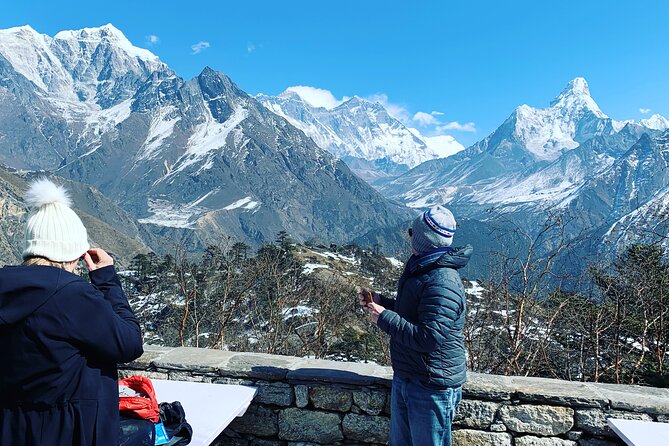
The hotel landing is the most human part of the excursion. After the powerful sound and motion of the helicopter, you have time to slow down, warm up, and take in the view from solid ground.
The stop is listed at about 45 minutes, and breakfast is optional. You should bring a warm jacket even in summer. The tour information advises clothing suitable for around 0 degrees Celsius in summer and spring, and around minus 2 degrees Celsius in winter at the higher points. That may sound conservative when you leave warm Kathmandu, but the difference is real once you are outside the helicopter.
Altitude can also make you feel short of breath. One person described feeling this at the top, which is a useful warning rather than a reason to panic. Move slowly, avoid rushing for photos, and tell the guide or pilot if you feel unwell. This is a short visit, so you do not need to force yourself into a long walk.
Weather can change during these 45 minutes. A clear arrival may become cloudy soon after, or the helicopter may need to adjust the plan. In one reported case, an extra wait at the hotel became an unexpected benefit because the setting was still a remarkable place to spend additional time. Another flight could not continue to the hotel because clouds developed, so flexibility is part of the deal.
Safety, weather, and the chance of a canceled flight
The operator makes clear that flights run only in suitable weather. This is one of the strongest parts of the arrangement. Several departures have been canceled or postponed because of poor visibility, and the stated policy is a full refund when the flight cannot operate because of weather.
You should still protect yourself by leaving open space in your Nepal schedule. If you book this on your last morning before flying home, a weather cancellation can turn into a major problem. The best plan is to attempt the tour near the beginning of your stay in Kathmandu, leaving later days available for a second attempt.
The same caution applies to delays. A group once had to spend a night in a mountain teahouse after weather changed the plan. Buddhi Bhatta arranged local help and kept in touch while the group waited. That kind of support matters, but you should not treat an unplanned overnight stay as part of the normal itinerary. Carry suitable clothing, medications, and a little patience.
The operator also says the tour needs a minimum number of passengers. If that minimum is not met, you can be offered another date or a refund. The helicopter is a shared ride, not a guaranteed private aircraft, so the final passenger arrangement can affect the exact timing.
What the $1,575 price really buys
At $1,575 per person, this is expensive by normal day-tour standards. Add the listed $55 per person for national park, municipal, airport, and other taxes, and remember that meals are optional. Breakfast at Hotel Everest View is not included.
The better comparison is not with a Kathmandu sightseeing tour. Compare it with the time and cost of a full Everest trek, which takes roughly 10 to 12 days and demands physical preparation, permits, lodging, and a great deal of flexibility. For someone with limited time, the helicopter compresses the Everest region into one morning while still giving you a ground landing, not just an aircraft flyover.
The shared format improves the value. A private helicopter would cost far more, while the five-passenger arrangement lets you split the aircraft cost. You also receive hotel pickup and drop-off, a pre-trip briefing, coordination with the airport, and support if weather disrupts the plan.
Still, the price only feels sensible if the weather cooperates. If you want a guaranteed clear photograph of Everest, no company can promise that. You are paying for access and a well-planned attempt, not certainty.
Who will get the most from this tour
I would recommend this experience to you if Everest is a major priority and you cannot spare two weeks for trekking. It also suits people who want to see glaciers, mountain routes, and the high Himalayan peaks without committing to strenuous walking.
It is a strong choice for photographers, first-time visitors to Nepal, and anyone celebrating a major occasion. The stop at Hotel Everest View gives the trip more substance than a quick flyover, and the Lukla refueling stop adds a glimpse of the trekking world.
You should think twice if you dislike helicopters, feel uncomfortable with changing plans, or need a fixed return time. The flight is short compared with a trek, but the cabin can feel intense, and there is little the pilot can do once weather or visibility changes between prepared stops.
The stated passenger weight limit is 265 pounds per person, with a request that anyone over 100 kilograms contact the company after booking. Provide accurate weight information because aircraft loading is a safety matter, not a minor booking detail.
Practical preparation for the morning
Wear warm layers, including a jacket from home. Temperatures at the higher points can hover around freezing even when Kathmandu feels mild. Keep your passport copy on your phone, carry your phone fully charged, and leave room in your schedule for a delay or second attempt.
The day before, use the briefing to ask about the likely route, passenger seating, breakfast price, weather outlook, and what happens if the hotel landing is not possible. Buddhi Bhatta is the main contact named for coordination, and direct communication is one of the useful features of this operation.
If the flight is canceled for weather, the published policy offers a different date or a full refund. If you cancel yourself, you need to do so at least 24 hours before the start time for a full refund. Changes made inside that window are not accepted.
Should you book the Everest helicopter tour?
Book it if you want the fastest practical way to see the Everest region and you value the Hotel Everest View landing more than a simple mountain flight. The strongest combination is the close aerial view of Base Camp and Kala Patthar, the Lukla stop, and time on the ground with an optional high-altitude breakfast.
I would not book it as a tight, guaranteed appointment. Give yourself spare days, accept that the base camp section is mainly a flyover, and prepare for cold air and possible altitude discomfort. At $1,575 plus listed fees, it is a major expense, but for a short Nepal visit it can offer a meaningful alternative to a full trek.
FAQ
How long does the Everest helicopter tour take?
The advertised duration is approximately four to five hours. The schedule can change because of weather, refueling, air traffic, visibility, and the captain’s route decision.
Where does the tour start?
The tour starts at Kathmandu airport, with pickup offered from Kathmandu hotels. The stated start time is 6:15 am, and you provide your hotel name and address to receive the pickup details.
Does the helicopter land at Everest Base Camp?
The Base Camp and Kala Patthar area is mainly viewed by flyover. The scheduled ground landing is at Hotel Everest View, subject to weather.
Is breakfast included?
No. Breakfast at Hotel Everest View is optional and the admission or meal cost is not included in the tour price.
How many people share the helicopter?
The shared helicopter is planned for five passengers and one pilot. Passenger seating and any front-seat rotation depend on the group and aircraft safety requirements.
What should I wear?
Bring a warm jacket or warm layers. The tour advises preparing for about 0 degrees Celsius in summer and spring, and around minus 2 degrees Celsius in winter at the higher points.
What happens if the weather cancels the flight?
If poor weather prevents the flight, you are offered another date or a full refund. The operator recommends booking early in your stay in Nepal so you have room for a second attempt.
What is included in the price?
The tour includes the shared Everest helicopter flight, hotel pickup and drop-off, scenic mountain views, and a face-to-face pre-trip briefing. The listed price does not include optional meals or the additional $55 per person for national park, municipal, airport, and other taxes.
Just added around Kathmandu
- Everest Base Camp Trek With Local Expert Sherpa Guide★ 5.0 · 15 reviews
- Everest Base Camp Trek with Helicopter Return – 10 Days★ 5.0 · 9 reviews
- Everest Base Camp Trek Via Salleri★ 5.0 · 9 reviews
- Everest Base Camp Trek★ 5.0 · 33 reviews
- Everest Base Camp Trek Via Gokyo Lake and Cho La Pass★ 5.0 · 8 reviews
- Everest Base Camp Trek – 16 Days★ 5.0 · 16 reviews
- Everest Base Camp Trek -17 Days★ 5.0 · 9 reviews
- 14 days Everest Base Camp Trek★ 5.0 · 18 reviews
Everest Base Camp Treks, compared.
Tibet Tour 8 Days Lhasa to Everest Base Camp Small Group Tour
Read our review →
Dubai: Private Luxury Everest Yacht Cruise from Dubai Marina
Read our review →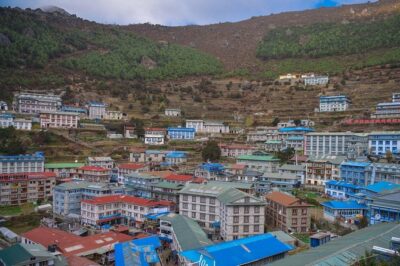
Browse the lists this trek appears in