
Review · KATHMANDU
14-Day Everest Base Camp Trek
The heart of this trek is the slow approach to Everest. You fly into Lukla at 2,860 meters, then walk through pine forests, Sherpa villages, suspension bridges, and high valleys before reaching Base Camp and the rocky summit of Kalapatthar. I especially like the built-in acclimatization days in Namche and Dingboche, which give you time to adjust rather than simply push upward.
I also like that the $1,600 price covers the big practical pieces: Kathmandu and Lukla transfers, flights, permits, a guide for 12 days, a porter for 11 days, meals on the trail, and 11 teahouse nights. Guides such as KP, Dil Man, Pemba Sherpa, and Narayan have led trips for this company, with particular praise for careful support and handling altitude problems. The catch is simple: this is a serious high-altitude trek, not a sightseeing stroll. Some days run seven or eight hours, and the Gorakshep to Base Camp return is especially tough.
Key points to know before booking
- Lukla flight logistics can change: Flights may use Ramechhap instead of Kathmandu, requiring a very early departure and a four-hour drive.
- Acclimatization is built into the route: You spend extra nights in Namche and Dingboche before climbing higher.
- The hardest walking comes late: The Base Camp route from Gorakshep crosses rocky moraine and glacier debris for six to seven hours.
- The package includes useful essentials: Domestic flights, permits, guide, porter, mountain lodging, and 12 breakfasts, lunches, and dinners are covered.
- Small groups are the norm: The maximum group size is eight, which helps with pacing and communication.
- You need strong fitness: The trip includes repeated climbs, long downhill sections, cold conditions, and thin air.
What this Everest Base Camp trek really involves
This is a classic Everest route, but the word classic should not make it sound easy. You spend nearly two weeks walking at increasing altitude, with many days around five hours and several much longer. The reward is not only Base Camp. It is the steady change from river valleys and forests to bare, cold mountain country.
Your guide meets you at Tribhuvan International Airport in Kathmandu and takes you to your hotel. Two nights in Kathmandu are included, at Bodhi Boutique or a similar property. That first transfer matters after a long international flight, and it gives the company a chance to handle permits, timing, and the flight to Lukla.
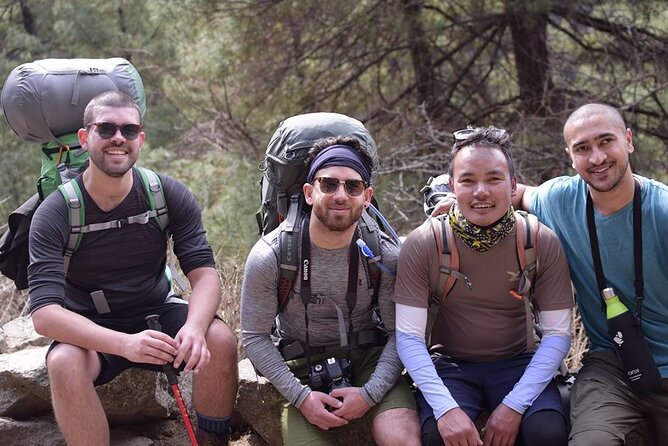
The group can have up to eight people. That is small enough for a guide to keep an eye on pace and condition, but you should still expect a group schedule rather than a private trip. The package includes a porter for 11 days, so you will not need to carry every item yourself, though you should keep daily essentials in your own daypack.
More Everest Base Camp Treks in Kathmandu:
- Everest Base Camp Trek – 14 Days
★ 5.0 · 1,499 reviews - Everest Base Camp Trek
★ 5.0 · 842 reviews - Everest Base Camp Helicopter Tour landing at Everest View Hotel
★ 5.0 · 668 reviews
Days 1 to 3: Kathmandu, Lukla, and the first climb to Namche
The adventure begins with the flight to Lukla. This short mountain flight is famous for its setting, but it is also one of the trip’s main scheduling weak points. At some times of year, flights operate from Ramechhap while Kathmandu Airport undergoes upgrades. That means leaving Kathmandu around 2 a.m., driving about four hours to Ramechhap, then taking the flight. The return drive can take four to six hours, depending on traffic.
After landing at Lukla, you meet your guide and porter and walk three to four hours to Phakding. The route descends toward the Dudh Koshi River and follows its bank. This is a good first day on paper, but you are already at altitude, and the trail is not flat in the way a city walk is flat. The cold air, stone paths, and first suspension bridges make the setting feel remote right away.
The next major stop is Namche Bazaar. You cross the Dudh Koshi on long suspension bridges, walk through pine forest, pass the entrance to Sagarmatha National Park, and descend toward Jorsale for lunch. Then comes the first serious climb to Namche, including the Hillary Suspension Bridge.
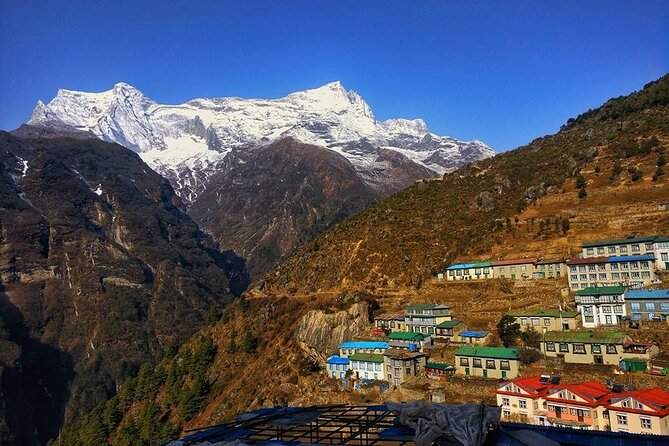
Namche is more than a stop for the night. It is the main trading and staging center for Everest expeditions, with a dramatic bowl-shaped setting and the first possible sight of Everest. The climb into town can feel demanding because it arrives early in the trip. Give yourself permission to walk slowly. The point is to reach Namche in good shape, not to win the first uphill contest.
Day 4: A useful acclimatization day in Namche Bazaar
The extra day in Namche is one of the route’s smartest features. You can explore town, visit the Sherpa museum, or take a roughly two-hour hike to the Everest View Point. The outing helps your body adjust while giving you a first proper look at the peaks.
Saturday brings a small outdoor market, according to the scheduled plan. If your timing matches, it adds a local touch to a town otherwise shaped by mountain trekking and expedition traffic.
Do not treat this as a wasted rest day. At altitude, a shorter walk followed by recovery is more useful than rushing onward. Namche is also one of the last places on the route where you can enjoy a relatively broad choice of shops and services.
Days 5 to 8: Tengboche, Dingboche, and the shift into high country
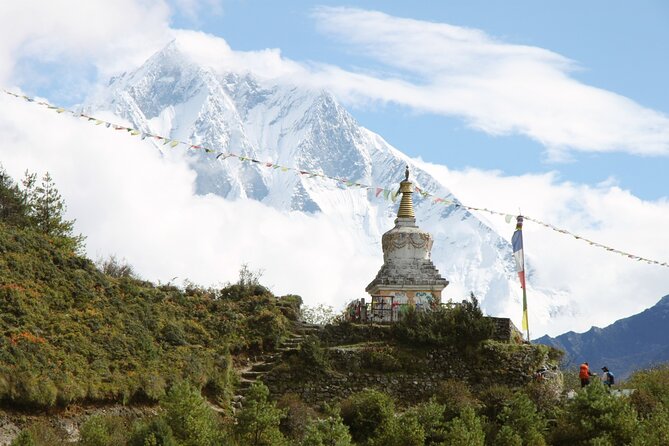
From Namche, the route heads toward Tengboche. This section brings wide mountain views and a visit to Tengboche Monastery, described as the largest monastery in the Khumbu region. You have the opportunity to receive blessings there, while peaks such as Ama Dablam, Thamserku, and Khumbila fill the view.
Tengboche is a meaningful stop because the trek becomes more than a physical route. The monastery connects the walk to Sherpa Buddhist culture, and the surrounding peaks are sacred to local people. Still, keep the expectations practical. This is a working religious site, not a staged performance, so your guide’s instructions about behavior matter.
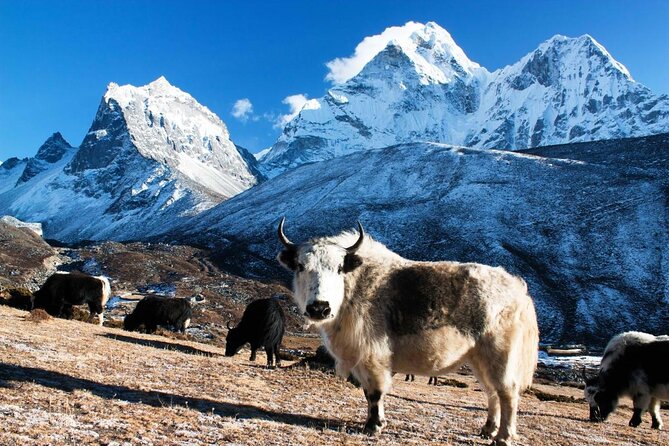
The next day takes you through alpine forest and villages toward Dingboche. You follow the Khumbila Khola Valley and climb toward a ridgeline with views of Taboche, Nuptse, Cholatse, and other peaks. The scenery changes in a noticeable way: trees thin out, shrubs replace forest, and the air feels more severe.
Dingboche is another important acclimatization point. You spend a second night here, with time to explore the village, Chhukung, or the Imja Valley. The Imja Valley connects toward Island Peak and Makalu Barun National Park, though this trip does not include those routes.
This pair of nights in Dingboche is valuable because the altitude is now a serious factor. You may feel fit one hour and slow the next. A good guide watches your pace, encourages fluids and rest, and does not confuse stubbornness with strength. The company’s guides have been praised for personal care, including quick action when one person developed symptoms of acute mountain sickness. That kind of support is more important than a cheerful speech.
A few more treks around Kathmandu worth a look
- Everest Base Camp Trekking
★ 5.0 · 485 reviews - Annapurna Circuit Trek with Tilicho Lake
★ 5.0 · 368 reviews - Everest Base Camp Trekking – 13 Day
★ 5.0 · 365 reviews - Everest Base Camp Trek
★ 5.0 · 350 reviews
Days 8 to 10: Memorials, Base Camp, and Kalapatthar
The walk to Lobuche is slower and harder. You climb to a ridge with memorial stupas dedicated to people who died on Everest. It is a quiet, sobering section of the trail. The mountains here include Lobuche, Pumori, and Nuptse, and the route feels much more exposed than the lower valleys.
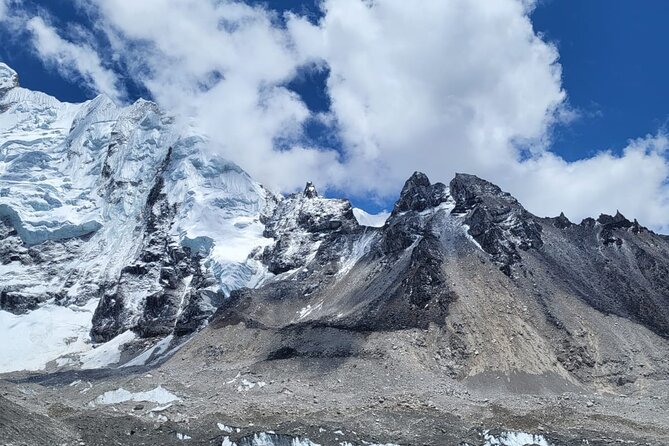
From Lobuche, you continue toward Gorakshep. The first part may seem manageable, but the trail becomes rocky, uneven, and covered with moraine and glacial debris. Gorakshep is the base for both Everest Base Camp and Kalapatthar, and the thin air makes even a modest climb feel long.
The trip’s Base Camp day begins from Gorakshep. The route to Base Camp and back takes six to seven hours of hard walking over rough ground. You see the Khumbu Glacier and Khumbu Icefall, along with the mountains that surround the route: Everest, Nuptse, Lhotse, Ama Dablam, and Thamserku.
Base Camp itself is not a permanent village or a simple viewpoint. It is a rough, glacial area used by climbers during expedition seasons. Conditions and access can vary, but the setting gives you a close look at the terrain beneath Everest. You return to Gorakshep for the night, tired and likely ready for a substantial meal.
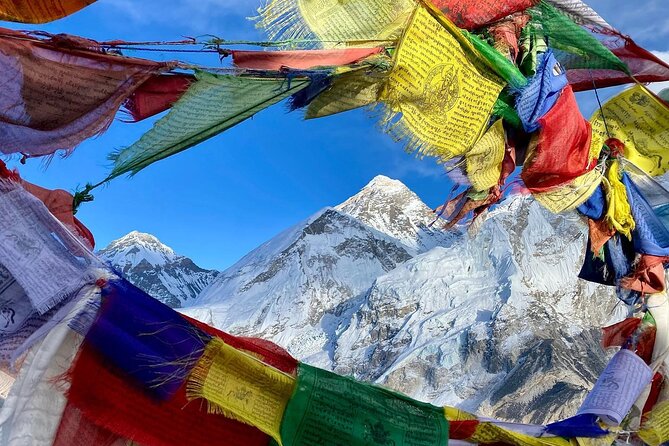
The next morning starts before dawn for Kalapatthar. This is the main viewpoint day, with sunrise lighting Everest, Nuptse, Changtse, and Lhotse. The climb is short compared with the full trek, but altitude makes it demanding. The payoff is the classic broad view of Everest, and for many people this is the best mountain panorama of the entire route.
After descending to Gorakshep for breakfast, you continue toward Pheriche. If the group still has energy, the walk may continue to Panboche for the night. The schedule allows some flexibility here, but you should not count on an easy day. You have already completed the hardest uphill section, yet the long descent still puts stress on knees and feet.
Days 11 to 14: The long return to Kathmandu
From Pheriche, the route heads mainly downhill through Tengboche and back to Namche Bazaar. Downhill walking sounds easy, but loose stones and tired legs can make it surprisingly demanding. The return through familiar villages can feel rewarding because you now see how far you have come.
The next day takes you from Namche to Lukla, including another crossing of the Hillary Suspension Bridge. This is the final walking day, followed by a traditional group farewell party in Lukla. The package provides a night in Lukla before the flight, which is useful because mountain weather can disrupt departures.
The flight returns either to Kathmandu or Ramechhap. If it lands at Ramechhap, the drive back to Kathmandu takes about four hours, and traffic can extend the journey. This is why you should avoid scheduling an international departure too tightly after the trek.
The final day in Kathmandu is reserved for onward travel. The package includes international airport transfers on arrival and departure, as well as domestic airport transfers for the Lukla flights.
What the $1,600 price covers
At $1,600 per person, this is a solid package if you want the main logistics arranged in advance. You receive:
- Kathmandu to Lukla and return flights
- Two nights in Kathmandu
- Eleven nights in mountain teahouses
- A guide for 12 days
- A porter for 11 days
- Sagarmatha National Park entry and local permits
- Staff insurance and ground transport for support staff
- Twelve breakfasts, twelve lunches, and twelve dinners
- International and domestic airport transfers
The value comes from the pieces that are easy to underestimate. Domestic flights, permits, staff, lodging, and meals add up quickly on a trek. Having a local guide also matters when flights shift to Ramechhap, weather changes the schedule, or someone struggles with altitude.
The package does not cover lunch and dinner in Kathmandu, personal expenses, or travel insurance. You should budget for those separately. Travel insurance is especially important for a high-altitude trek, even though the package includes insurance for the support staff.
Teahouse accommodation is practical rather than luxurious. You are paying for a bed, meals, and a place to recover in remote mountain villages. If you expect hotel comfort at every stop, this is the wrong trip. If you value a supported route and want to sleep along the trail instead of camping, the arrangement makes sense.
The guides and the human side of the trek
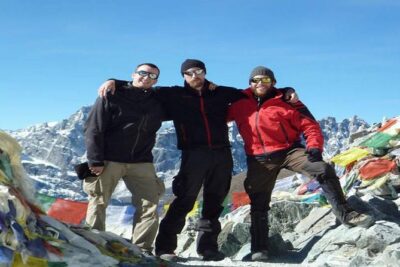
The company has used guides including KP, Dil Man, Jay, Pemba Sherpa, Narayan, and Saugat on Everest and related treks. KP receives repeated praise for calm care, good humor, and practical support. Dil Man and Jay are also singled out for keeping groups organized and creating a friendly atmosphere.
You should not assume a specific guide until the company confirms your booking. Still, the pattern is useful: the company’s strongest point appears to be personal attention from its field staff and office team. Pradeep, the owner, is mentioned for giving realistic advice, arranging flexible plans, and helping with unexpected changes.
Some past trips included helicopter finishes or altered routes, but those are not part of this standard package. Do not book this itinerary expecting a helicopter flight. The advertised return is by Lukla flight, with Ramechhap used when required.
Who should book this trek?
You should consider it if you want the standard Everest Base Camp route, prefer a small group, and are comfortable walking for several hours most days. It suits someone who values permits, flights, lodging, meals, and guide support being handled together.
You should think twice if you dislike basic teahouses, have little experience with long uphill and downhill days, or want a relaxed holiday with lots of free time. The itinerary is carefully paced for altitude, but it is still physically demanding.
Free cancellation is available up to 24 hours before the start time. If bad weather cancels the trip, you are offered another date or a full refund. The same applies if the minimum group size is not met.
Should you book this Everest Base Camp trek?
I would book this trip if you want a fairly traditional, supported Everest Base Camp experience at a clear price. The two acclimatization days, maximum group size of eight, included porter, and strong attention from named guides make it a sensible choice for a first Himalayan trek.
I would not book it without confirming the exact flight plan, guide assignment, teahouse standard, and weather contingency. Most important, arrive ready for the physical work. The best part of this trek is not simply standing at Base Camp. It is reaching that point steadily, with enough strength left to appreciate the valleys, monasteries, memorials, and enormous peaks along the way.
FAQ
How long is the Everest Base Camp trek?
The experience lasts approximately 14 days, including arrival and departure days in Kathmandu, the trek from Lukla, and the return flight.
Where does the trek begin?
It begins with airport pickup at Tribhuvan International Airport in Kathmandu, followed by a flight to Lukla.
How long is the first walking day?
After arriving in Lukla, you walk for about three to four hours to Phakding.
Is an acclimatization day included?
Yes. You spend an acclimatization day in Namche Bazaar and another in Dingboche.
How long does the Base Camp day take?
The walk from Gorakshep to Everest Base Camp and back takes about six to seven hours over rocky ground and glacier debris.
Is Kalapatthar included?
Yes. You climb Kalapatthar before descending to Gorakshep and continuing toward Pheriche.
Are meals included?
Breakfast, lunch, and dinner are included for 12 days. Lunch and dinner in Kathmandu are not included.
Is accommodation included?
Yes. The package includes two nights in Kathmandu and 11 nights in mountain teahouses.
What happens if flights use Ramechhap?
You may need to leave Kathmandu around 2 a.m. for a drive of about four hours to Ramechhap. On the return, the drive from Ramechhap to Kathmandu takes about four to six hours, depending on traffic.
How large is the group?
The maximum group size is eight people.
Do I need strong fitness?
Yes. The tour states that you should have a strong physical fitness level. Walking days can last about five hours, with some lasting seven to eight hours.
What is included for support?
A guide is included for 12 days, and a porter is included for 11 days. Staff insurance and necessary ground transport for the support team are also covered.
Just added around Kathmandu
- Everest Base Camp Trek★ 5.0 · 3 reviews
- Everest Base Camp Trek★ 5.0 · 7 reviews
- 15 Days Private Everest Base Camp Trek★ 5.0 · 30 reviews
- Everest Base Camp Trek★ 5.0 · 57 reviews
- 14 Days of Adventure Trekking to Everest Base Camp★ 5.0 · 2 reviews
- From Kathmandu: Private 14-Day Everest Base Camp Trek★ 5.0 · 20 reviews
- 14 Days Everest Base Camp Trek★ 5.0 · 4 reviews
- 14 Days Private Everest Base Camp Trekking Tour★ 5.0 · 5 reviews
Everest Base Camp Treks, compared.
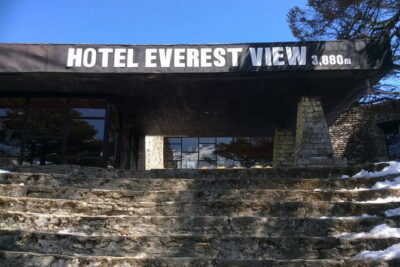
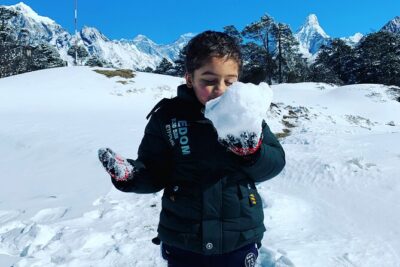
Everest Base Camp Helicopter Tour landing at Everest View Hotel
Read our review →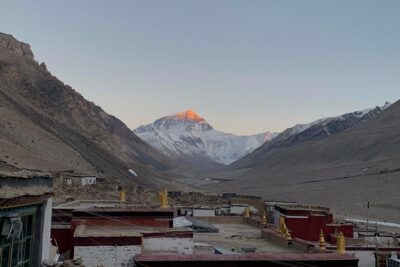
Tibet Tour 8 Days Lhasa to Everest Base Camp Small Group Tour
Read our review →
Dubai: Private Luxury Everest Yacht Cruise from Dubai Marina
Read our review →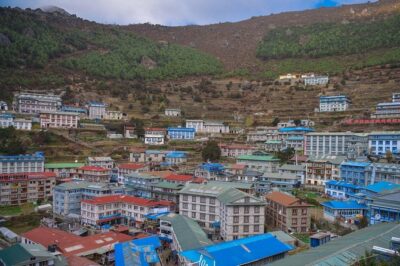
Browse the lists this trek appears in