
Review · ARUSHA
6 Days Kilimanjaro Climbing Machame route
The best part of this climb is the changing scenery: cloud forest, Shira Plateau, giant lobelias, glaciers, and African summit views all arrive in one demanding week. The Machame Route also uses the useful trek-high, sleep-low pattern, which gives your body more chances to adjust to altitude than a simple uphill route.
I like the Barranco Camp setting among giant senecios and the careful acclimatization day before it. I also like that the $1,950 price includes camping gear, meals, water, park fees, and transport. The main caution is that six days leaves little room for error, and the description for the first two days is repeated, so you should confirm the exact camp plan before paying.
Key points to know before you book
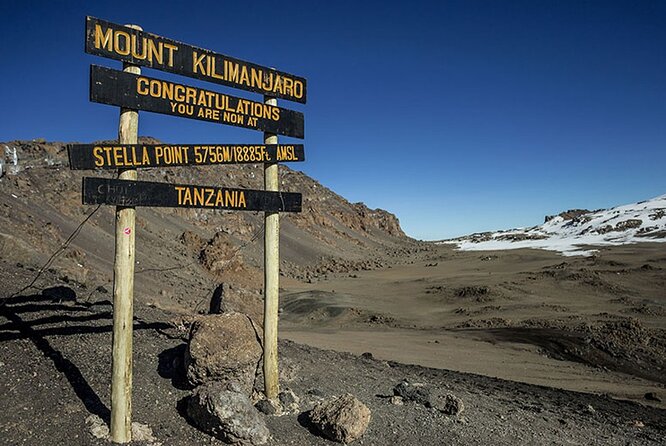
- Summit attempt begins around midnight on Day 5, with roughly six hours to the crater rim and a long descent afterward.
- Barranco Wall requires a hands-on scramble in places, making Day 4 more physical than the mileage alone suggests.
- The trek-high, sleep-low route design gives Day 3 a strong acclimatization purpose.
- The $1,950 cost includes six dinners, six lunches, five breakfasts, camping equipment, water, transport, and park fees.
- This is a private activity, so only your own group participates, although the mountain route itself can be crowded.
- The schedule needs clarification, since the Day 1 and Day 2 descriptions repeat the same route details.
What the six-day Machame climb is really like
Kilimanjaro is not a technical mountaineering expedition in the usual sense, but it is a serious high-altitude trek. You walk for several days, sleep in camps, and then make the summit attempt in darkness before descending a long way on tired legs.
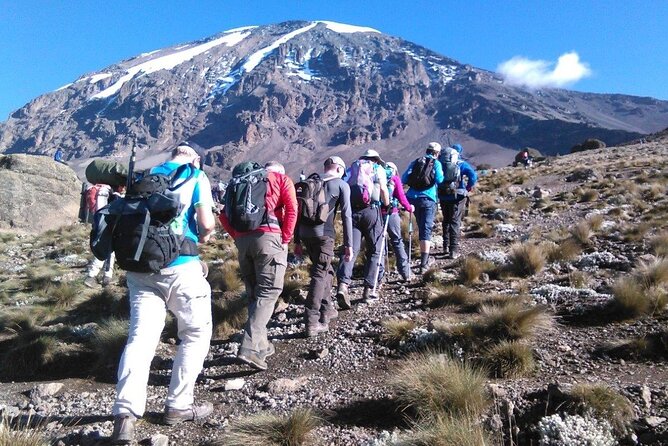
Machame is often called the Whiskey Route. Compared with the Marangu Route, it is tougher, more scenic, and more varied underfoot. You should expect uphill sections, exposed ground, steep volcanic slopes, loose or uneven trail in places, and a major altitude challenge near the summit.
The route is popular for good reason. Its shape allows you to climb high during the day and sleep at a lower elevation on key sections, especially before Barranco Camp. That pattern cannot remove the risk of altitude sickness, but it gives the schedule useful acclimatization value.
The tradeoff is crowding. Machame’s popularity can take some quiet out of the experience, especially at camps and on the busiest parts of the trail. If you want the scenery and a strong chance to adjust to altitude, this route makes sense. If solitude matters most, the popular route may test your patience.
More Kilimanjaro Climbs in Arusha
- 8-Day Small-group Lemosho Kilimanjaro Summit Trekking
★ 5.0 · 186 reviews - 7-Day Machame Kilimanjaro Summit Tour from Arusha
★ 5.0 · 125 reviews - Mountain Kilimanjaro Day Hike
★ 5.0 · 102 reviews
Day 1: uphill through Kilimanjaro National Park to Shira Camp
The first day is described as the easiest day, but do not mistake that for effortless. The route includes several uphill stretches, and the exposed walking can feel hot when the sky is clear. Carry plenty of drinking water and pace yourself from the start.
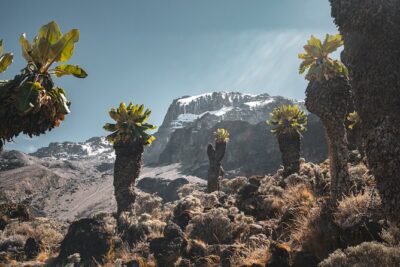
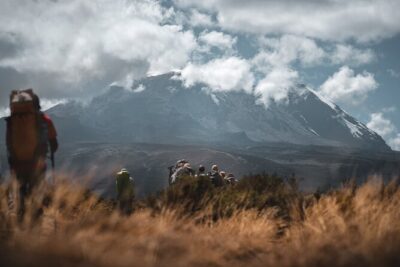
As you climb, you get broad views toward the plains and forest below, with Kibo and Mawenzi above. The changing plant life gives this opening day much of its character. Taller forest gives way to smaller high-altitude plants, including Senecio kilimanjari and Lobelia deckenii.
After lunch, the route reaches the Shira Plateau. This broad area was formed when lava from Kibo filled the Shira crater, and it gives you a more open setting than the lower forest. The plan ends at Shira Camp, where you can rest and look toward Kibo to the west and Mount Meru to the east.
The stated walking time is about five hours. That is manageable for a fit walker, but the heat, uphill sections, and increasing elevation still make this a day for steady pacing rather than speed.
Day 2: a repeated route description that needs clarification
The supplied schedule gives Day 2 another description of the same uphill, high-plant zone and Shira Plateau section, this time with an estimated six hours. It again refers to viewpoints, the changing vegetation, lunch, and continuing to Shira Camp.
That creates a practical question. If Day 1 already finishes at Shira Camp, the operator should explain exactly where Day 2 begins and where you sleep that night. The published wording may reflect a duplicated description, but you should not have to guess about a camping itinerary on a high-altitude climb.
Ask for the precise camp names, walking distance, elevation gain, and pickup location before departure. This is especially important because the package is advertised as six days, while the descriptions for the first two days do not clearly separate the route.
The six-hour estimate suggests a fuller walking day than Day 1. You should still expect open terrain, strong mountain views, and less forest as the route moves higher. Keep your water close, protect yourself from the sun, and let your guide set a slow rhythm.
Day 3: the high point before Barranco Camp
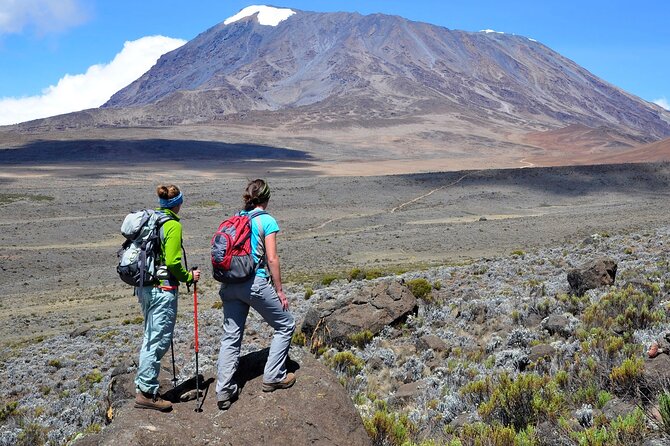
Day 3 is the cleverest part of the route from an acclimatization point of view. The day finishes only about 110 meters higher than it begins, but you climb to roughly 4,530 meters before descending to Barranco Camp.
That means your body gets exposure to greater altitude without forcing you to sleep at the highest point reached. The route crosses the Shira Plateau, passes the junction with the Shira and Lemosho routes, and continues through increasingly barren ground.
After lunch, you reach the day’s highest point and then descend quickly toward Barranco. Faster walkers may take a detour via Lava Tower, a volcanic formation about 300 feet high. The detour adds a higher point and may be useful for acclimatization, but it should not be treated as a race or required challenge.
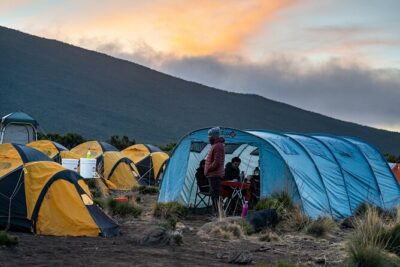
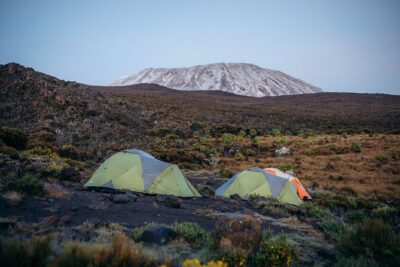
Barranco Camp is one of the most memorable stops on the mountain. It is set among stands of Senecio kilimanjari and is described as the most scenic campsite on this route. The six-hour walking estimate does not tell the whole story. The important feature is the up-and-down profile, which can leave your legs tired even though the final camp is not much higher than the previous one.
Same trailhead, a different route:
- 4 Days Mount Meru Trekking
★ 5.0 · 55 reviews - 4 days Best experience Kilimanjaro Hike, Serengeti &Ngorongoro
★ 5.0 · 54 reviews - From Arusha/Moshi: Kilimanjaro Hike Marangu Route Day Trip
★ 4.5 · 54 reviews - Mount Kilimanjaro Day Hike Through Marangu Route to Mandara Hut
★ 5.0 · 37 reviews
Day 4: Barranco Wall, Karanga Valley, and Barafu Camp
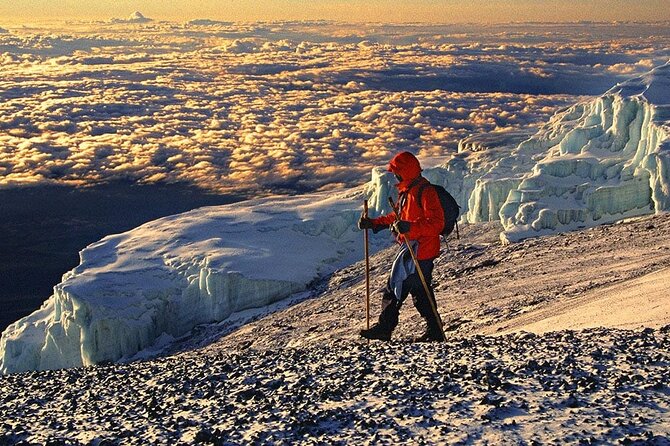
Day 4 begins with the Barranco Wall, and this is where the climb feels most like a scramble. The ascent takes about an hour and a half. In some places, you use your hands to pull yourself upward, so pack and clothing should allow comfortable movement.
The wall is the hardest section of the day, but the route does not simply rise without pause afterward. You make a short descent into the greener Karanga Valley, then continue toward Barafu Camp. This up-and-down pattern adds effort and makes a seven-hour walking day feel longer.
Along the way, the route passes views of the Heim, Kersten, and Decken Glaciers. You also pass the junction where the Mweka descent route connects with the Machame trail. These details matter because the mountain changes quickly here, from the plant life around Barranco to a bleaker alpine desert with little vegetation near Barafu.
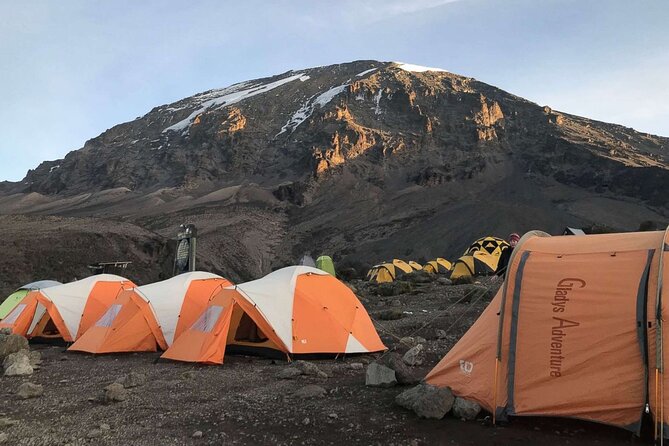
Barafu Camp gives you views of Kibo and Mawenzi peaks, along with Rebmann Glacier. The setting is stark rather than comfortable, and the main purpose of the stop is preparation for the summit. Dinner comes before an early night, because the summit walk begins around midnight.
Day 5: the midnight push to Uhuru Peak
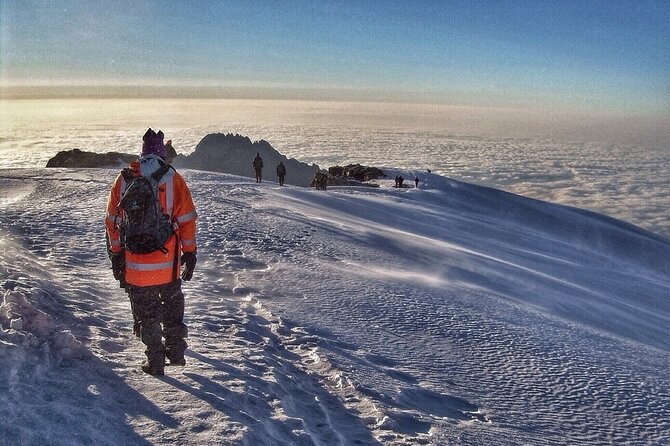
Summit day is the physical and mental center of the trip. Around midnight, you begin walking by headlamp. For about six hours, the route climbs toward the crater rim, with a steep trail that is described as the hardest ascent of the trek.
The combination of darkness, cold, steep ground, and altitude makes this section demanding. You should expect slow progress and a long period of concentrated effort. Reaching Stella Point at the crater rim is a major milestone.
From Stella Point, the trail to Uhuru Peak becomes a gradual climb. The slope may feel less severe, but the altitude still makes each step tiring. The crater-rim walk takes about an hour, and the final approach can feel much longer than the distance suggests.
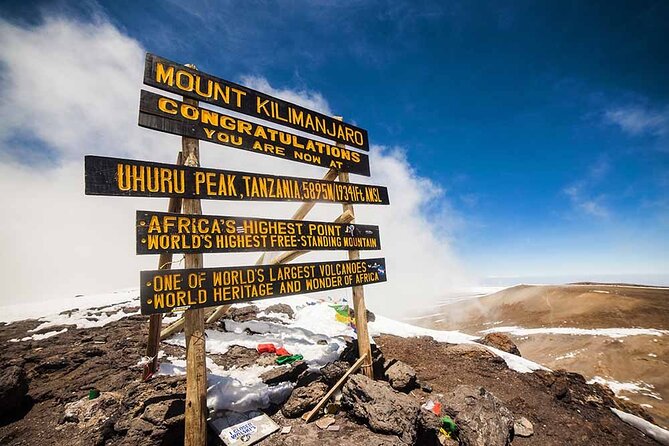
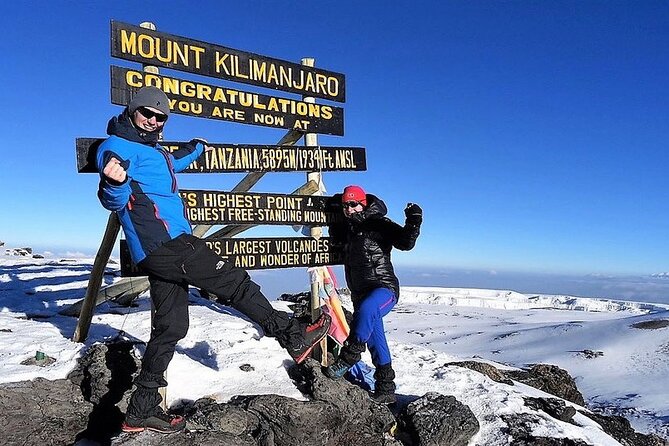
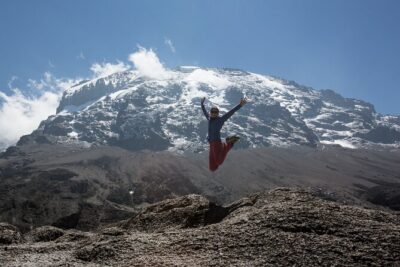
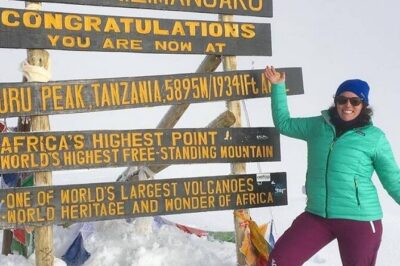
At Uhuru Peak, you have reached the highest point in Africa. The plan allows time for photographs with your guide and group before the descent. Take care with your energy here. The summit is not the end of the day.
You descend toward Mweka Camp, with views of the mountain, crater, and clouds along the way. The complete day is estimated at 12 hours, making it by far the longest day in the program. This is the point where fitness, pacing, sleep, hydration, and altitude response all matter at once.
The schedule does not promise a summit, and no responsible high-altitude plan can do so. Your guide may need to change the pace or turn back if conditions or your health make continuing unsafe. The supplied information does not provide a detailed altitude-sickness protocol, so ask about the guide team’s safety procedures before booking.
Day 6: descending through the cloud forest to Mweka Gate
After breakfast, the final walk descends to Mweka Gate. This is a five-hour hiking day through Kilimanjaro’s cloud forest, a welcome change after the bare alpine ground near Barafu and the summit.
The trail may be slippery, so tired legs need extra care. Descending is often easier on the lungs than climbing, but it can be harder on knees and balance. Do not rush simply because the summit is behind you.
At Mweka Gate, the plan says Ascend Tanzania vehicles will take you back to Moshi. T-shirts and sodas are available at the gate, giving you a small chance to mark the end of the climb before transport.
There is one detail to clarify here. The experience is based in Arusha, pickup is offered, and the activity ends back at the meeting point, but the final transport is described as returning to Moshi. Confirm whether your pickup and drop-off are in Arusha, Moshi, or arranged between the two.
What the $1,950 price covers
At $1,950 per person, this is not a budget walk, but the package includes many of the costly basics needed for a multi-day Kilimanjaro climb:
- Camping equipment
- Transportation
- All fees and taxes
- Bottled and mineral water
- Six lunches
- Five breakfasts
- Six dinners
The value depends on how fully the camping equipment is supplied and what transport is included. The information confirms camping equipment, but it does not list individual items such as tents, sleeping bags, mattresses, or trekking poles. Ask for a complete equipment list before you travel.
Meals are covered for the full six-day schedule, which is useful because arranging food on the mountain is not a simple add-on. Water is included too, though you should still ask how it is distributed each day and what personal water capacity you need.
The price does not include international or local flights, visa fees, travel insurance, personal accident insurance, tips for the driver, guide, and cook, or a cultural village visit. Those exclusions can add noticeably to your final budget.
Who will get the most from this route
I would choose this climb if you want varied scenery and can handle long days on foot. The route suits someone who prefers a more adventurous trail to a simpler hut-based approach and who values the chance to acclimatize through a high-and-low profile.
You should be comfortable with camping, early starts, uphill walking, and a very long summit day. The Barranco Wall is not a technical climbing pitch, but you should be ready to use your hands and move carefully over uneven ground.
This is less suitable if you need a relaxed holiday pace or strongly dislike crowded routes. Six days is also a tight schedule for a mountain of this height. If you have flexibility, ask if a longer version of the route is available, though no longer option is included in the stated package.
The activity is private, meaning only your group participates. That gives you more control over group pace than a mixed departure, but the route and camps can still be busy because Machame is popular.
Guides, service, and what to confirm
The available praise is mainly about safari excursions, not this Kilimanjaro climb. Mike is singled out for patience, effort, and spotting animals on Ngorongoro, Tarangire, and Manyara trips. That is useful background on the company’s wider guiding work, but it does not confirm that Mike will lead this mountain climb.
If you want a specific guide, ask before booking. The mountain guide’s name is not provided, and the guide assigned to a safari may not be the person leading your Kilimanjaro group.
The company is Avocet Tanzania Safaris. The general rating shown is 4 from four reviews, but the individual comments concern safari and transfer services, including one serious complaint about vehicle arrangements and communication. I would treat that as a reason to confirm every transfer, vehicle, meeting point, and contact person in writing.
The booking confirmation is issued at the time of booking. Pickup is offered, the activity starts at 7:00 am, and the experience ends back at the meeting point. Free cancellation is available if you cancel at least 24 hours before the local start time. Late cancellations and changes within 24 hours are not accepted.
Should you book the six-day Machame Route?
Book this climb if you want Kilimanjaro’s major scenery in a compact six-day plan and you value included meals, camping equipment, water, transport, and park costs. The Shira Plateau, Barranco Camp, Barranco Wall, glaciers, and Uhuru Peak give the route plenty of variety.
I would not pay until the operator clears up the repeated Day 1 and Day 2 descriptions and confirms the exact start and return points. Ask for the equipment list, guide name, camp sequence, transport details, and safety plan for altitude problems.
If those answers are clear, the package offers a practical way to tackle the popular Machame Route. Just remember that the price covers the core climb, not flights, visas, insurance, or tips, and that the summit day is a 12-hour effort rather than a quick morning walk.
FAQ
How long is the Kilimanjaro Machame Route experience?
The experience lasts approximately six days.
What time does the activity start?
The stated start time is 7:00 am.
Is pickup available?
Yes, pickup is offered. The exact pickup location should be confirmed before booking.
Is this a private tour?
Yes. Only your group participates in the activity.
What route is used?
The climb uses the Machame Route, also called the Whiskey Route.
Is camping equipment included?
Yes, camping equipment is included in the price. The specific equipment list is not provided.
Are meals included?
Yes. The package includes six lunches, five breakfasts, and six dinners.
Is drinking water included?
Yes. Bottled water and mineral water are included.
What is not included in the price?
International and local flights, taxes connected to those flights, visa fees, travel and personal accident insurance, tips for the driver, guide, and cook, and a cultural village visit are not included.
When does the summit attempt begin?
The final ascent to Uhuru Peak begins around midnight on Day 5. The ascent to the crater rim takes about six hours, followed by the walk to Uhuru Peak and the descent to Mweka Camp.
More 6-Day Experiences in Arusha
- 6-day Private Camping Safari Tour from Kilimanjaro Airport
★ 5.0 · 27 reviews - 6 Days: Hiking Kilimanjaro via Machame Route
★ 5.0 · 24 reviews - 6 Days best adventure kilimanjaro ,Tarangire ,Serengeti &Ngorongoro crater
★ 5.0 · 24 reviews - 6-Day Guided Tour in Machame Route Mt Kilimanjaro
★ 5.0 · 17 reviews
Just added around Arusha
- Mt. Kilimanjaro: Shira plateau to Cathedral point 3872m Day hike★ 5.0 · 7 reviews
- 5 days safari, hiking & culture (Serengeti & kilimanjaro)★ 5.0 · 27 reviews
- One Day Hike from Kilimanjaro to Mandara★ 5.0 · 2 reviews
- 3 Days Mount Meru trekking★ 4.5 · 7 reviews
- climb the KILIMANJARO via Lemosho route★ 5.0 · 4 reviews
- 6 Day: Hiking Kilimanjaro via Machame Route★ 5.0 · 2 reviews
- Private 8 day Northern Circuit Kilimanjaro Climb★ 5.0 · 8 reviews
- Kilimanjaro Waterfalls Hike & Moshi Hot Springs Day Trip Tour★ 5.0 · 4 reviews
Kilimanjaro Climbs, compared.
8-Day Small-group Lemosho Kilimanjaro Summit Trekking
Read our review →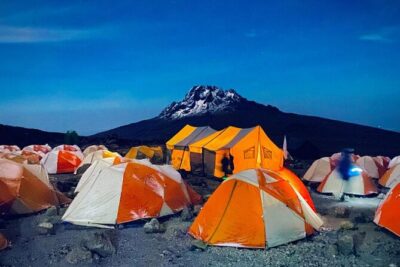
Climbing Kilimanjaro through 7 days Machame Route
Read our review →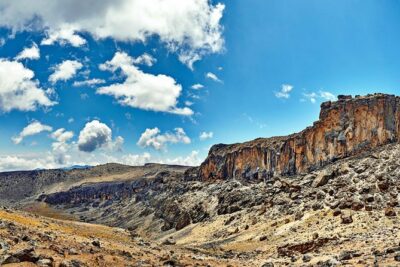
Browse the lists this trek appears in