
Review · ARUSHA
6 Days: Hiking Kilimanjaro via Machame Route
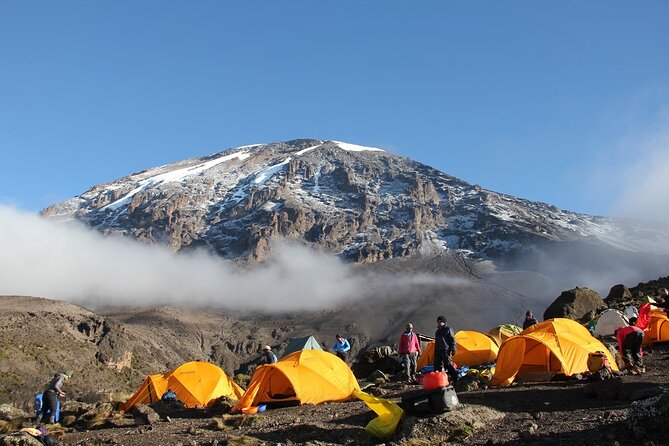
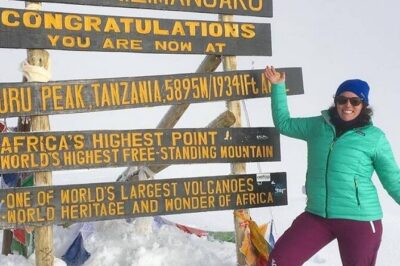
Kilimanjaro’s Machame Route gives you the mountain in chapters: colobus monkeys in the rainforest, heather above the trees, stark alpine desert, and a cold midnight climb toward Uhuru Peak. In six days, you reach Africa’s highest point at 5,895 meters, then descend through the forest to Mweka Gate.
I like two things here. First, the route crosses several distinct plant zones, so the walk keeps changing instead of becoming one long gray slog. Second, the price includes the major mountain costs, including park and rescue fees, meals, tents, purified water, and airport transfers. Guides such as Gasto are repeatedly praised for calm support, humor, and encouragement during the hardest hours.
The main consideration is the schedule. Six days is demanding, with a rapid rise in altitude and a long summit night followed by a descent to a lower camp on the same day. You need moderate fitness, good preparation, and a willingness to turn back if your body does not handle the altitude.
Key points to know before booking
- Machame Route crosses five mountain zones: You walk from rainforest to heather, moorland, alpine desert, and the high summit zone.
- The summit attempt begins around midnight: Expect darkness, cold, scree, a 5 to 7 hour climb to Stella Point, and more walking to Uhuru Peak.
- Barranco Wall is a hands-on section: Guides assist where needed, but you should be comfortable with steep, rocky passages.
- The private trip includes the essentials: Park fees, rescue fees, tents, meals, purified water, airport transfers, and a mess tent with tables and chairs are covered.
- Gasto is a frequently named guide: Past climbers describe his energy, local stories, encouragement, and close attention to group safety.
- Your own climbing gear is not included: Budget separately for the personal equipment you need on the mountain, along with your Tanzania visa and tips.
Why the Machame Route is worth the effort
The Machame Route is not the easiest way up Kilimanjaro. It has steep sections and a fast gain in altitude, especially compared with longer routes that allow more time to adjust. What you get in return is a more varied walk, with changing vegetation and broad views toward Mount Meru, Shira Ridge, and Kibo.
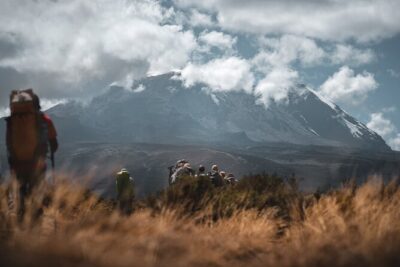
This is not a sightseeing trip with a little walking added. You camp each night, spend long hours on your feet, and face a serious summit attempt. The mountain tests your legs, breathing, patience, and ability to keep moving when the scenery becomes dark and the air becomes thin.
I like that the route does not rush straight from forest to rock. On the first day, the rainforest feels alive, with black and white colobus monkeys sometimes watching from the trees. By the time you reach the upper camps, trees have disappeared and the terrain has become open, dry, and spare.
The private format also matters. Only your own group participates, which can make it easier to set a steady pace and discuss concerns with the guide. The supplied information does not state the maximum group size, so ask the operator how many people will be in your party and how the guide-to-climber setup works.
More Kilimanjaro Climbs in Arusha
- 8-Day Small-group Lemosho Kilimanjaro Summit Trekking
★ 5.0 · 186 reviews - 7-Day Machame Kilimanjaro Summit Tour from Arusha
★ 5.0 · 125 reviews - Mountain Kilimanjaro Day Hike
★ 5.0 · 102 reviews
Day 1: Machame Gate to Machame Camp
The day begins at 7:30 am, with a drive of about an hour to the Kilimanjaro National Park entrance. From the gate, you start through the rainforest on a route that takes roughly five to six hours.
The forest is one of the best reasons to choose Machame. It gives you shade, moisture, thick plant growth, and a chance to spot black and white colobus monkeys. The trail eventually climbs above the trees toward Machame Camp at about 3,010 meters.
The day is long but relatively gentle compared with what follows. Do not treat it as a warm-up you can ignore. Your pace here affects how much energy you have later, and your guide will likely encourage you to walk slowly and drink often.
The plan refers to Shira Cathedral during the first day, but the overnight is listed at Machame Camp. Confirm the exact walking route and camp before departure, since the wording is not entirely consistent. Your evening meal is served at camp, followed by a night in a private mountain tent.
Day 2: Heather and rocky ridges toward Shira
After breakfast, the trail leaves the rainforest. You cross a small valley and climb along a steep, rocky ridge covered with heather. The route eventually turns west toward a river gorge at about 3,658 meters.
This is where the mountain begins to feel less forgiving. The trees have gone, the path is more exposed, and the slope asks for steady effort rather than bursts of speed. The walk takes about five to seven hours, with an overnight at Shira Hut campsite at approximately 3,845 meters.
Shira is important for altitude adjustment, but it may also bring your first clear symptoms of thin air. A headache, poor sleep, reduced appetite, or mild nausea can occur at high altitude. Tell your guide promptly if you feel unwell. Do not hide symptoms to avoid slowing the group.
The appeal of this section is the change in scale. The forest feels enclosed. Shira feels open, with wide views and a greater sense that you are climbing a very large mountain.
Day 3: Lava Tower, alpine desert, and Barranco Valley
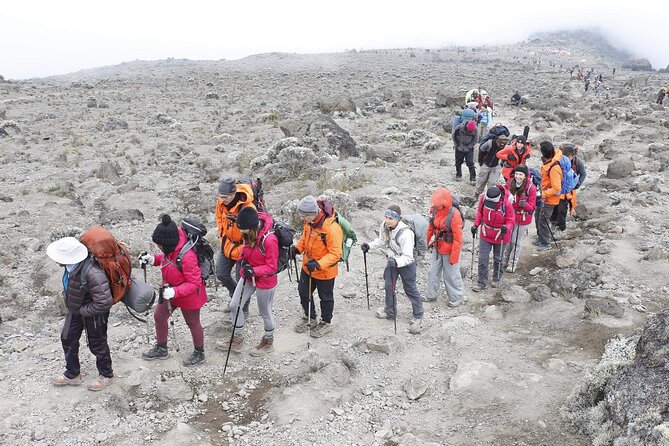
Day three is one of the most useful days on the route because you climb high before sleeping lower. The trail rises above the Shira Plateau toward Lava Tower at 4,640 meters, then continues toward the Barranco Valley.
Vegetation becomes sparse as you enter the alpine desert. The route feels drier and more exposed, and the air is noticeably thinner. The supplied schedule describes six to seven hours of walking before reaching Barranco Camp.
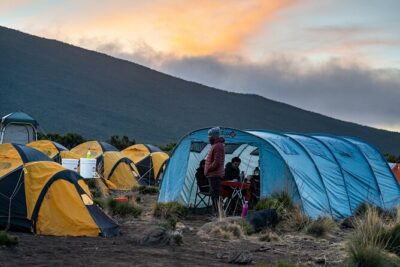
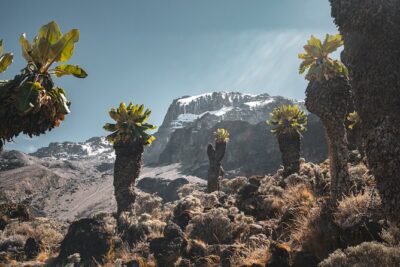
Barranco is often considered one of the most scenic camps on Kilimanjaro. Giant senecio plants and lobelia grow in the valley, creating an odd, almost prehistoric setting. You also get views of the rock walls and upper slopes around Kibo.
This is a demanding day even though the camp sits lower than Lava Tower. That lower overnight is useful because your body gets some time to adjust. Move slowly, keep eating, and drink the purified water provided by the crew.
Same trailhead, a different route:
- 4 Days Mount Meru Trekking
★ 5.0 · 55 reviews - 4 days Best experience Kilimanjaro Hike, Serengeti &Ngorongoro
★ 5.0 · 54 reviews - From Arusha/Moshi: Kilimanjaro Hike Marangu Route Day Trip
★ 4.5 · 54 reviews - Mount Kilimanjaro Day Hike Through Marangu Route to Mandara Hut
★ 5.0 · 37 reviews
Day 4: Barranco Wall and Barafu Camp
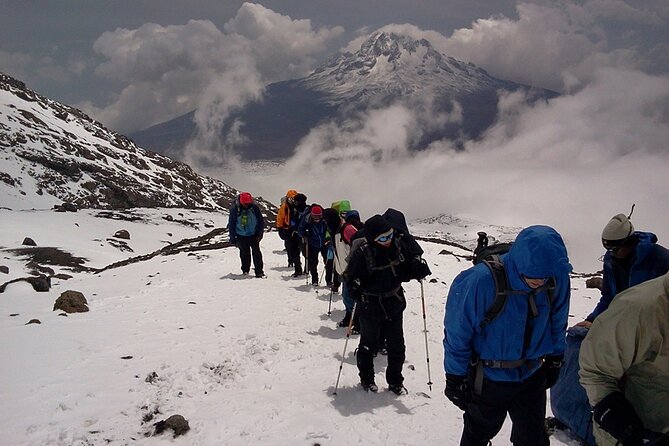
The day begins with the Barranco Wall, one of the sections that gives the Machame Route its reputation for steep terrain. You need steady hands and careful foot placement, but this is not described as a technical climbing route. Guides are available to help you over awkward sections.
The reward is a fine view from the top of the wall. Afterward, you descend through the Karanga Valley and stop for lunch. The route then climbs again for another two to three hours toward Barafu Camp at 4,640 meters.
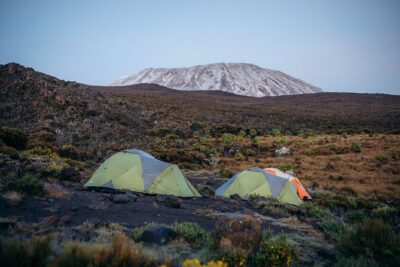
Barafu means snow in Swahili, though the name should not lead you to expect a simple snowy camp experience. At this height, conditions can be cold, windy, and uncomfortable. The camp is mainly a staging point for the summit, not a place for a relaxed evening.
You eat dinner and try to sleep early, but the night will be short. Around midnight, you receive hot tea and light snacks before beginning the climb to Uhuru Peak. Pack your clothing and headlamp before bed, because you will not want to sort through your bag at midnight.
Day 5: The midnight climb to Uhuru Peak
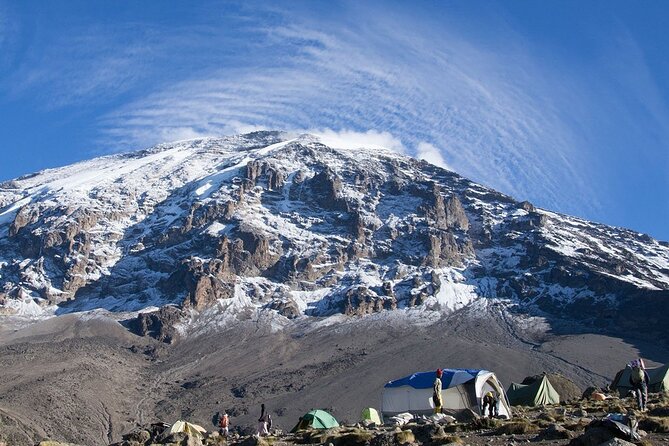
Summit day is the hardest part of the trip. You leave Barafu around midnight and climb through the darkness with a headlamp. The trail rises over Kibo’s scree, a loose and tiring surface that makes every step feel deliberate.
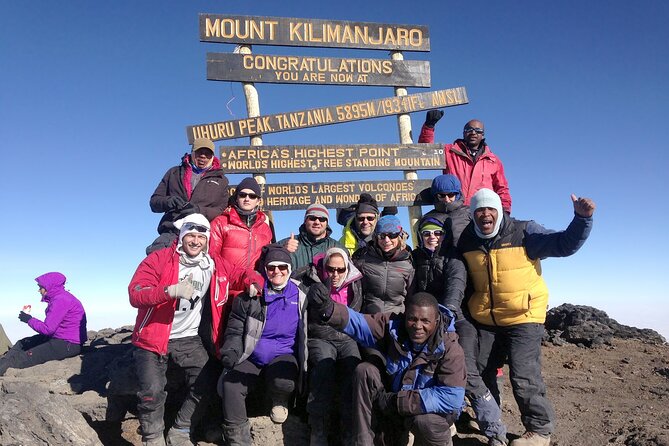
The climb to Stella Point takes about five to seven hours. From there, you follow the crater rim toward Uhuru Peak at 5,895 meters. The final section may be short on a map, but altitude makes it slow. The cold, lack of sleep, and thin air can turn a modest distance into a serious test.
The guides are especially important here. Gasto and his crew are frequently praised for keeping morale up and encouraging climbers through the coldest hours. That support does not remove the physical challenge, but it can help you keep a sensible rhythm and avoid panicking when the summit feels far away.
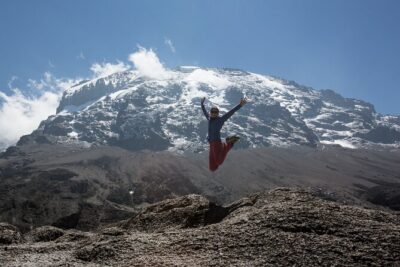
At Uhuru Peak, you have a 360-degree view over the surrounding area if weather and visibility cooperate. Keep your summit stop brief. At this altitude, the goal is to enjoy the moment without spending too long exposed to the cold.
You then descend along the same route to Barafu for a warm meal and a rest. The day continues to Mweka Hut campsite at about 3,080 meters, making this a remarkably long day. The itinerary lists six hours, but the described summit climb, return to Barafu, and onward walk to Mweka make it clear that you should prepare for a full and exhausting day.
This is the biggest weakness of a six-day schedule. You have less time than on longer versions of the route, and the summit day combines ascent, descent, and another camp move. If you want more time for altitude adjustment, ask about a longer Machame itinerary before paying.
Day 6: Descending through rainforest to Mweka Gate
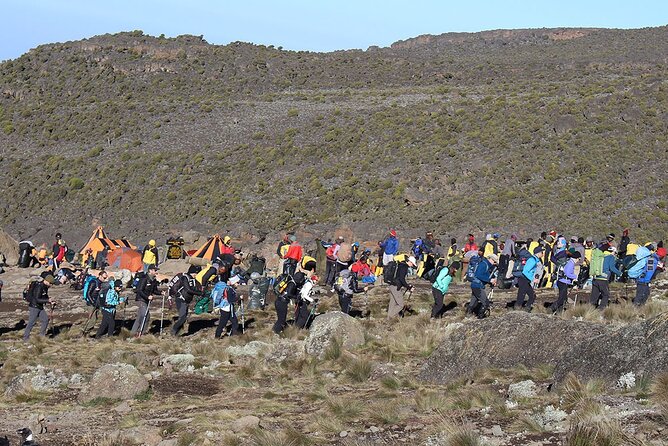
The final day is a gentle descent through the rainforest to Mweka Gate. Your legs may be tired, but the lower altitude usually makes breathing easier than it was near the summit.
At the gate, the group gathers to congratulate successful climbers. You can write in the guest book and receive a certificate. The driver then takes you back to your hotel.
The descent gives you one last look at the mountain’s lower zone. It is also a reminder of how much ground you covered in a short time, from thick forest to a high, cold summit and back again.
What the $1,950 price covers
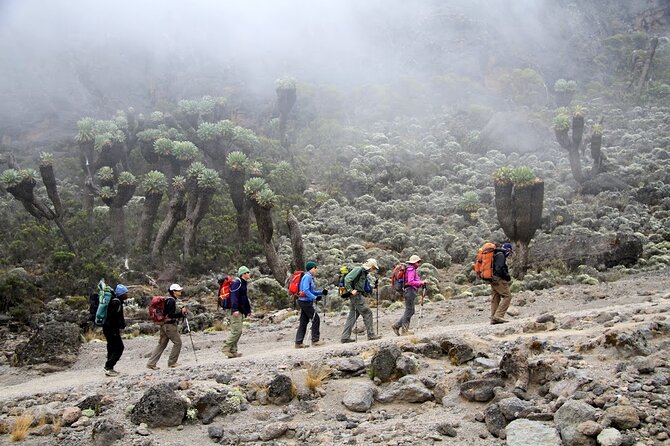
At $1,950 per person, this is not a bare-bones walk. The fee includes:
- Private, waterproof mountain sleeping tents
- Professional mountain guides
- Park fees and rescue fees
- Meals on the mountain
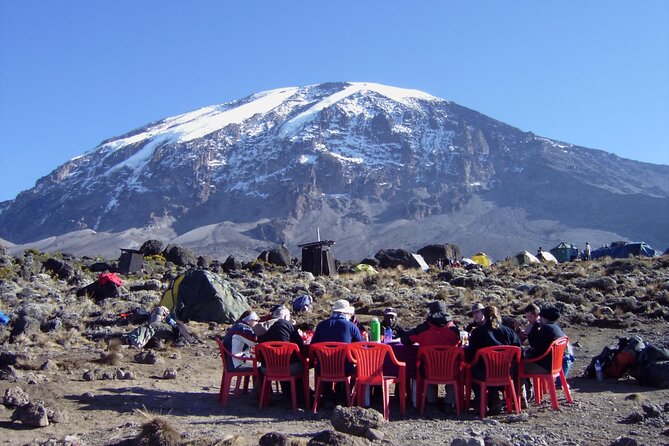
- A mess tent with tables and chairs
- Clean, purified drinking water
- Airport transfers
- Breakfast, lunch, and dinner during the trip
That package has real value because park access and rescue charges can add up quickly. Having a mess tent also gives you a more practical place to eat and rest than simply sitting in a sleeping tent.
The price does not include your Tanzania visa, tips, or personal climbing gear. The last item deserves attention. You will need to budget for your own appropriate clothing and equipment, but the supplied information does not specify a rental service or a required packing list. Ask for the operator’s current gear list before you arrive.
The phrase lunch six and breakfast six appears in the inclusions, while dinner is listed as five meals. That matches a six-day trip with dinner on most mountain nights, but confirm the precise meal schedule if you have dietary requirements. One past climber specifically noted dietary needs, so raise any food concerns well before departure.
Guides, support, and the human side of the climb
The strongest pattern in the supplied feedback is praise for the mountain crew. Gasto is named repeatedly as an energetic and encouraging guide who shares information about Tanzanian culture and the Maasai, while also watching the group’s condition.
That combination matters. A good guide is not only there to point out the route. On Kilimanjaro, you need someone who notices changes in your pace, mood, appetite, and coordination. You also need clear advice about when to rest, drink, eat, or stop.
Past climbers describe the crew as friendly, professional, and supportive, with a strong sense of group spirit. One repeated theme is that the staff helped people believe they could finish even when the summit night became extremely hard.
You should still keep your expectations realistic. Encouragement cannot guarantee a summit, and no responsible guide should promise one. Altitude affects people differently, and the right decision may be to descend.
Fitness, equipment, and who should choose this trip
You should have a moderate level of physical fitness before booking. That means being ready for six to seven hours of walking on several days, steep ridges, a rocky wall, high-altitude camps, and a long summit night.
You do not need to be a technical mountaineer based on the information provided, but you do need to tolerate sustained uphill walking and basic camping. Practice with long hill walks if possible, and use the same boots and pack you plan to bring.
This trip suits you if:
- You want Kilimanjaro’s major vegetation zones in a compact six-day format.
- You value a private group rather than a large shared departure.
- You are comfortable camping and walking for many hours.
- You want park, rescue, meals, water, and transfers included in one price.
- You are motivated by a serious physical challenge.
It may not suit you if you want a relaxed holiday, dislike cold nights, or prefer a slower altitude schedule. A longer route would be worth comparing if you are concerned about acclimatization.
Booking and cancellation details
Pickup is offered, and the start time is 7:30 am. Confirmation is provided when you book, and the meeting point is near public transportation. The activity is private, so only your group participates.
Free cancellation is available up to 24 hours before the local start time for a full refund. Cancellations or changes made inside that 24-hour window are not accepted for a refund.
Should you book this Kilimanjaro climb?
Book it if you want a demanding, high-value route with varied scenery, a private setup, and strong guide support. The included park and rescue fees, meals, water, tents, and transfers make the $1,950 price easier to justify, especially if the crew support is as attentive as described.
Before booking, ask three practical questions: How many people will be in your private group? What personal gear should you bring or rent? Can the six-day schedule be extended if you want more time for altitude adjustment?
If you are fit, prepared, and eager for the challenge, this route offers a direct and memorable way to reach Africa’s highest summit. If you want a gentler pace, choose a longer Kilimanjaro itinerary instead.
FAQ
How long is the Kilimanjaro Machame Route experience?
The experience lasts approximately six days, including the drive to the park entrance, five nights of mountain camping, the summit attempt, and the descent to Mweka Gate.
What time does the tour start?
The stated start time is 7:30 am.
Is this a private tour?
Yes. Only your group participates in the activity.
Is pickup available?
Yes. Pickup is offered, and airport transfers are included.
What route does the climb use?
The climb uses the Machame Route through Kilimanjaro National Park.
What is the highest point reached?
The summit is Uhuru Peak, at 5,895 meters.
Are park and rescue fees included?
Yes. Kilimanjaro National Park fees and rescue fees are included.
Are meals included?
Yes. Breakfast, lunch, and dinner are provided during the mountain portion of the trip. The listed inclusions specify six breakfasts, six lunches, and five dinners.
Is personal climbing gear included?
No. Personal climbing gear is not included, so you must arrange and pay for your own equipment.
Can I cancel for a full refund?
Yes, if you cancel at least 24 hours before the experience start time. Cancellations and changes made less than 24 hours before the start are not accepted for a refund.
More 6-Day Experiences in Arusha
- 6-day Private Camping Safari Tour from Kilimanjaro Airport
★ 5.0 · 27 reviews - 6 Days best adventure kilimanjaro ,Tarangire ,Serengeti &Ngorongoro crater
★ 5.0 · 24 reviews - 6-Day Guided Tour in Machame Route Mt Kilimanjaro
★ 5.0 · 17 reviews - 6 Days Kilimanjaro Climbing Machame route
★ 4.0 · 4 reviews
Just added around Arusha
- Mt. Kilimanjaro: Shira plateau to Cathedral point 3872m Day hike★ 5.0 · 7 reviews
- 5 days safari, hiking & culture (Serengeti & kilimanjaro)★ 5.0 · 27 reviews
- One Day Hike from Kilimanjaro to Mandara★ 5.0 · 2 reviews
- 3 Days Mount Meru trekking★ 4.5 · 7 reviews
- climb the KILIMANJARO via Lemosho route★ 5.0 · 4 reviews
- 6 Day: Hiking Kilimanjaro via Machame Route★ 5.0 · 2 reviews
- Private 8 day Northern Circuit Kilimanjaro Climb★ 5.0 · 8 reviews
- Kilimanjaro Waterfalls Hike & Moshi Hot Springs Day Trip Tour★ 5.0 · 4 reviews
Kilimanjaro Climbs, compared.
8-Day Small-group Lemosho Kilimanjaro Summit Trekking
Read our review →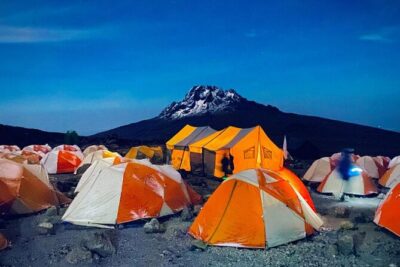
Climbing Kilimanjaro through 7 days Machame Route
Read our review →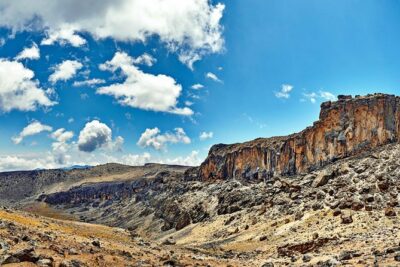
Browse the lists this trek appears in