
Review · MOSHI
Kilimanjaro climb by Lemosho Route (7-day)
Kilimanjaro’s Lemosho Route gives you a gradual approach to Africa’s highest mountain, beginning on the western side and crossing the Shira Plateau before the hard work begins. Over seven mountain days, you pass through several climate zones, from forest and moorland to an Arctic desert near the summit.
I like the careful acclimatization plan, especially the high stop at Lava Tower followed by a lower night at Barranco Camp. I also like the practical support: airport transfers, hotel nights, warm meals, medical checks, oxygen, porters, and guides trained in Wilderness First Response. The main caution is simple: this is a serious high-altitude climb, not a long sightseeing walk. The summit day can last about 14 hours, and altitude, cold, fatigue, and the descent will test you.
Key points to know before you book
- The route starts high: A vehicle carries you to about 3,500 meters on the second day, so your body begins adapting early.
- Lava Tower matters: You spend time at 4,630 meters before descending to Barranco, a classic acclimatization pattern.
- Summit night is the hardest part: You leave Barafu Camp in darkness and climb to Uhuru Peak at 5,895 meters.
- Your basic mountain support is covered: Tents, meals, park fees, guides, porters, cooks, medical equipment, and airport transfers are included.
- The price is substantial but broad in scope: At $3,476 per person, the package includes two hotel nights and seven days of mountain logistics, but not international flights, visas, insurance, personal gear, or tips.
- The final descent deserves respect: The route down to Millennium Camp and Mweka Gate comes after the summit, when tired legs make slips more likely.
Why the Lemosho Route is a smart choice
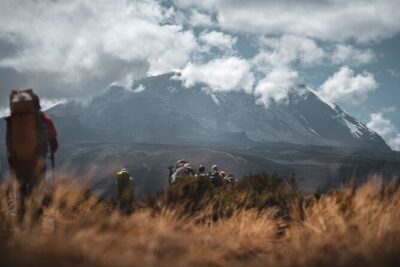
The Lemosho Route is a good fit if you want a scenic approach and a carefully paced climb. It begins at Londorossi Gate on Kilimanjaro’s western side, then crosses the Shira Plateau before joining the southern circuit toward Barranco, Karanga, and Barafu.
That route design gives you more than a direct march uphill. You get changing vegetation, broad views, volcanic rock, high desert, and a series of camps that help prepare you for altitude. The trail is not easy, but much of the early walking is moderate, giving you time to settle into the slow pace required on Kilimanjaro.
I particularly like the climb high, sleep lower rhythm. On the third day, you walk toward Lava Tower after reaching Shira 2, then return to camp. The next day takes you up to Lava Tower again before dropping to Barranco. That may feel like wasted effort when your legs are tired, but it gives your body useful time at altitude.
The tradeoff is that the route still moves quickly into high country. You are dropped at about 3,500 meters on day two, rather than gaining every meter on foot from a low elevation. If you are new to altitude, follow the guide’s pace closely and treat headaches, nausea, unusual fatigue, or poor coordination seriously.
More Kilimanjaro Climbs in Moshi
- Kilimanjaro climb, Machame Route (7-day)
★ 5.0 · 262 reviews - Kilimanjaro Climbing Lemosho Route 8 Days.
★ 5.0 · 186 reviews - Climbing Kilimanjaro – Machame Route
★ 5.0 · 170 reviews
Day 1: Arrive in Moshi and prepare properly
You are met at Kilimanjaro International Airport and transferred to Aishi Machame Hotel. The hotel stay includes a room, hot water, internet access, a swimming pool, and breakfast. Check-in begins at 2:00 PM.
This first day is less about sightseeing and more about getting organized. An evening briefing covers the climb, and the team checks that you have suitable clothing and equipment. Use this time to ask direct questions about your day pack, sleeping bag, footwear, and cold-weather layers.
Airport pickup is a useful part of the package. After a long international flight, you do not need to arrange a taxi or work out where to meet the mountain operator. You also have a hotel night before the climb, which gives you a buffer if a flight runs late.
The hotel package includes breakfast, but lunch and dinner are not included on hotel days. The stated average cost is about $15 per person for either meal. If you need a late checkout on the final day because of an evening flight, that costs extra.
Day 2: Londorossi Gate and the Shira Plateau
The mountain crew meets you at the hotel in the morning. The drive to Londorossi Gate takes roughly three to four hours, followed by permit checks and registration with the search and rescue service.
From the gate, off-road vehicles carry the group higher, to a drop-off point near 3,500 meters. This saves you a long lower-elevation approach, but it also means your first day on foot begins where the air is already thin. Walk slowly and resist the temptation to treat the first afternoon as an easy stroll.
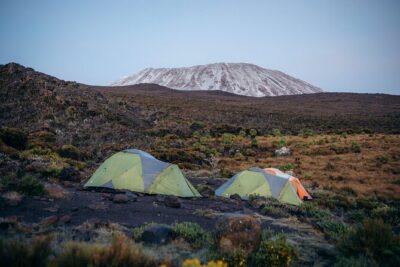
The hike to Shira 1 Camp is only a modest climb from the drop-off point. Your reward is an early view across the Shira Plateau, with Kilimanjaro’s high volcanic country opening ahead of you.
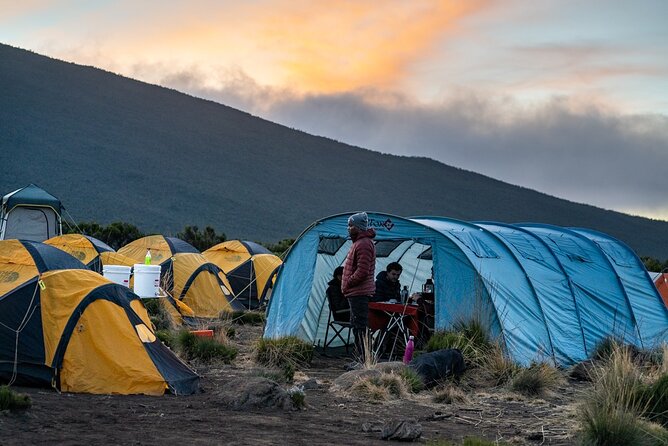
The walking time is listed at about five hours, though the day also includes driving and park formalities. Your first night is in a North Face VE-25 tent, generally shared by two hikers unless you pay for a solo arrangement.
Day 3: Shira 2, Mount Meru, and an acclimatization walk
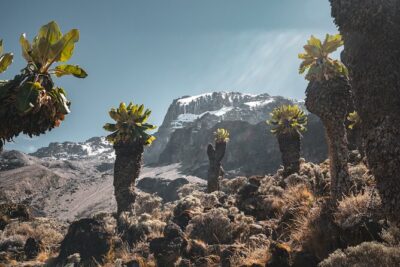
Day three is relatively gentle by Kilimanjaro standards. You walk from Shira 1 at 3,505 meters to Shira 2 at 3,900 meters, with time to notice the unusual plant life and wide views across northern Tanzania.
On a clear day, Mount Meru can be seen from Shira 2. The route description identifies it as Africa’s fifth-highest summit, and the view gives you a sense of the larger volcanic setting around Kilimanjaro.
After lunch and a two-hour rest, you make an acclimatization hike toward Lava Tower, gaining about 200 meters before returning to camp. This is a smart use of the afternoon. You do not simply sit in camp waiting for the next day, and you get a controlled taste of higher elevation without sleeping there.
The day is listed at about six hours. It is one of the easier days physically, but do not waste it by racing. Save your legs, drink regularly, and use the rest period well.
Same trailhead, a different route:
- Climbing Kilimanjaro through 7 days Machame Route
★ 5.0 · 151 reviews - Kilimanjaro climb, Lemosho Route (8-day)
★ 5.0 · 148 reviews - Kilimanjaro climb, Lemosho Route (6-day)
★ 5.0 · 129 reviews - Kilimanjaro climb, Marangu route (6-day)
★ 5.0 · 72 reviews
Day 4: Lava Tower and the descent to Barranco
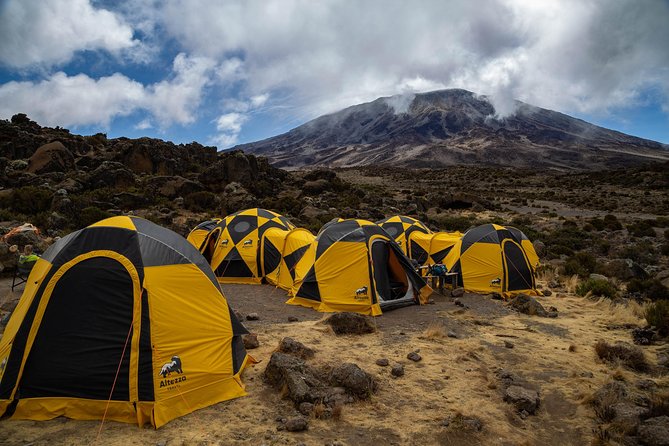
This is one of the route’s most important days. You leave Shira 2 and climb through a series of rises and dips toward Lava Tower at 4,630 meters. The air is noticeably thinner here, and you may feel headache, breathlessness, or reduced appetite.
The plan calls for spending at least one to two hours at Lava Tower, with lunch at high elevation, before descending to Barranco Camp at 3,960 meters. That descent is the point. You sleep lower than your highest point of the day, giving your body a better chance to adjust.
The route takes about eight hours, and this is a day when your patience matters. The scenery becomes more stark, with volcanic rock and high-altitude terrain replacing the softer vegetation below. You also get your first close look at Barranco Wall.
Barranco Wall can look intimidating from camp. The trail up it is described as simple hiking rather than technical climbing, but you still need steady footing and a calm head. If you dislike exposed or steep walking, tell your guide early so the pace and spacing can be handled sensibly.
Day 5: Barranco Wall and Karanga Camp
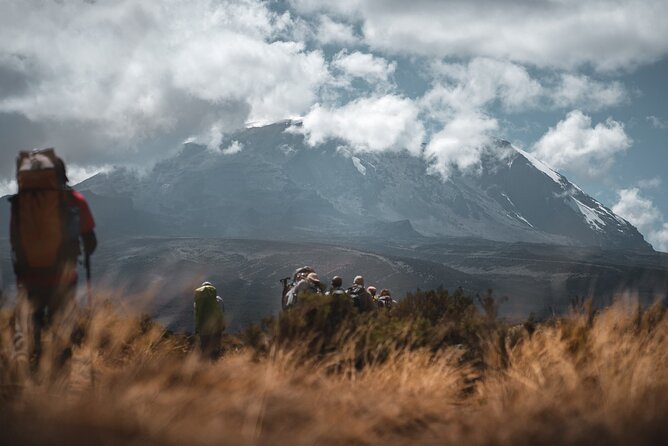
You start early to climb Barranco Wall before the trail gets crowded. The ascent takes around an hour, and the route is a scramble-like walk rather than a technical rock climb. Once you are above the wall, there is time to rest and take photographs with Kibo, the main volcanic cone, behind you.
The path to Karanga Camp is more tiring than the wall itself. You cross several ups and downs, and the repeated changes in elevation can drain you even when the distances look modest on paper.
Your guides set the pace for the group, which is important here. A fast start can make the afternoon miserable. The support team provides a warm lunch at camp, followed by another acclimatization walk toward Barafu Camp.
This day is listed at about seven hours. It is also a good reminder that Kilimanjaro is not simply a staircase. You may lose elevation, regain it, and wonder why you are working hard without moving directly toward the summit. That pattern is part of the route’s acclimatization strategy.
Day 6: Barafu Camp and the long summit push
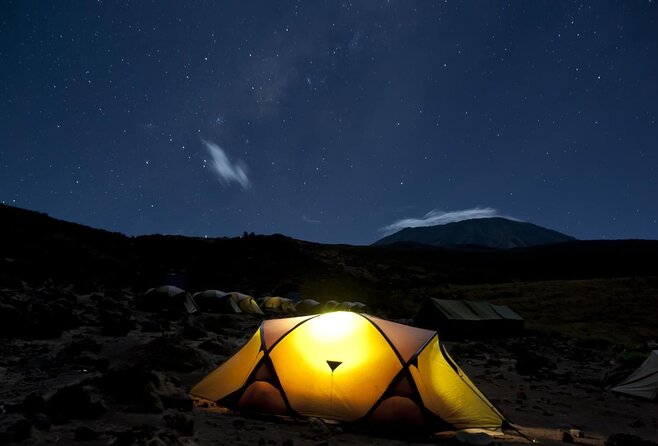
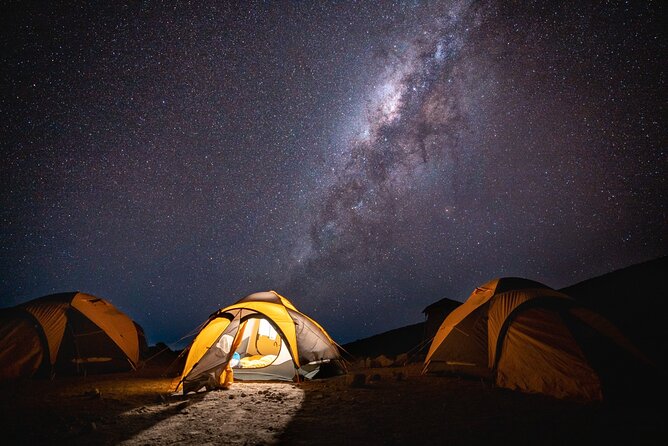
From Karanga, you walk to Barafu Summit Camp at 4,640 meters. Barafu means ice in Swahili, and the camp sits in a bare, high zone with little shelter from wind or weather.
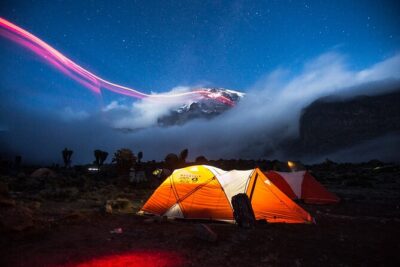
The crew sets up your tent and sleeping bag before you arrive. That matters because this is the point where you should stop doing unnecessary tasks. Eat, drink, organize your summit clothing, and try to sleep.
An acclimatization hike toward Kosovo Summit Camp reaches about 4,800 meters before you return to Barafu. Dinner is served hot, then you rest ahead of the night ascent.
The schedule for this stage is demanding. The full summit sequence from Barafu to Uhuru and onward toward Millennium Camp is listed at about 14 hours. Even before leaving for the summit, you have already spent several days walking at altitude.
Put your headlamp, gloves, warm hat, water, snacks, and extra layers where you can reach them easily. Personal gear is not included, though equipment can be rented. A sleeping bag is among the items you must bring or arrange separately.
Day 7: Uhuru Peak at 5,895 meters
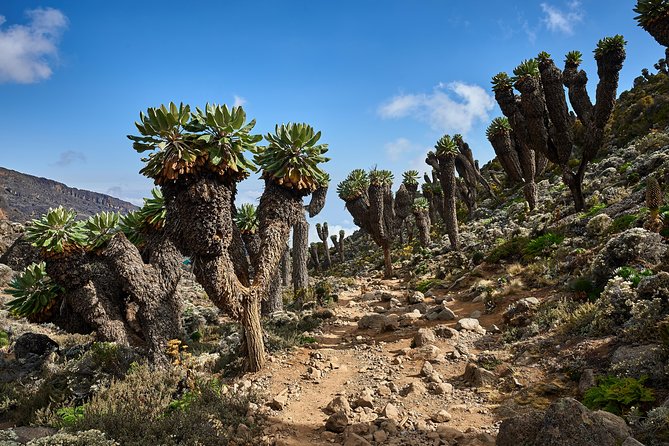
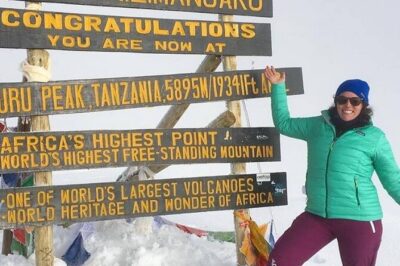
You leave Barafu at night for the climb to Uhuru Peak. Technically, the route is not described as difficult climbing, but the altitude makes every step slower. You move through darkness, cold, and thin air toward the highest point in Africa.
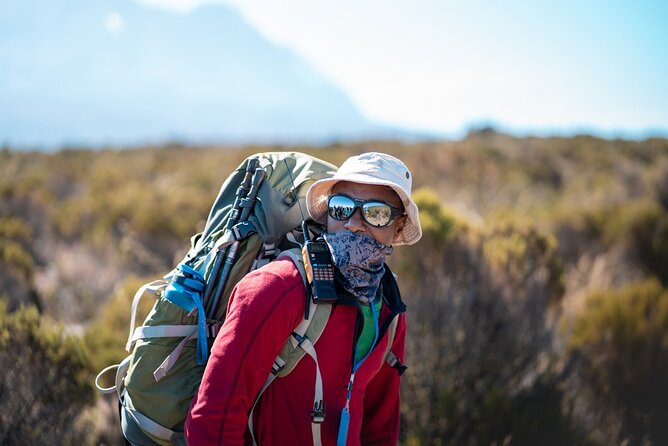
Each pair of climbers receives a personal guide for the ascent. The guide watches your physical and mental condition, which is particularly valuable when fatigue or altitude starts to cloud your judgment.
The final approach is the part most people picture when they think of Kilimanjaro: a slow uphill grind toward the summit. If you reach Uhuru Peak, you can descend to a nearby glacier if conditions and energy allow. Treat that as optional. The summit itself is the goal, and an extra detour is not worth forcing when you are depleted.
After the summit, you return to Barafu Camp for about two hours of rest, then continue down to Millennium Camp at 3,820 meters. This descent is not an afterthought. Tired legs and loose footing create real risk, and the itinerary specifically warns you to pay close attention to your feet.
The day is listed at about 12 hours, though the full summit schedule can run longer depending on pace and conditions. This is the day you need the most mental discipline. Keep moving slowly, listen to your guide, and do not hide symptoms because you want to reach the top.
Day 8: Rainforest, Mweka Gate, and a proper finish
After sleeping at Millennium Camp, you wake in tropical rainforest rather than the cold high country. The drop in elevation brings a welcome change in air and mood.
After breakfast, you descend to Mweka Gate at 1,640 meters. The walking time is listed at about five hours. At the gate, the group gathers, you can write in the guestbook, and certificates are presented at the company office before transfer back to the hotel.
This is a satisfying finish because the climb ends with a clear change of environment. You have gone from high volcanic desert to forest in a short time, and the hotel shower and bed will feel well earned.
The second hotel night is included. It is a useful recovery buffer rather than a luxury extra, especially after a long summit day and descent.
Day 9: A quiet morning and airport transfer
The last day is set aside for rest at the hotel and transfer to the airport. Hotel checkout is at 11:00 AM.
The schedule is listed as 12 hours because it depends on your flight timing, but your actual airport transfer will depend on departure time. If your flight is later in the day, a late checkout can be arranged for an extra fee.
Food, tents, guides, and medical support
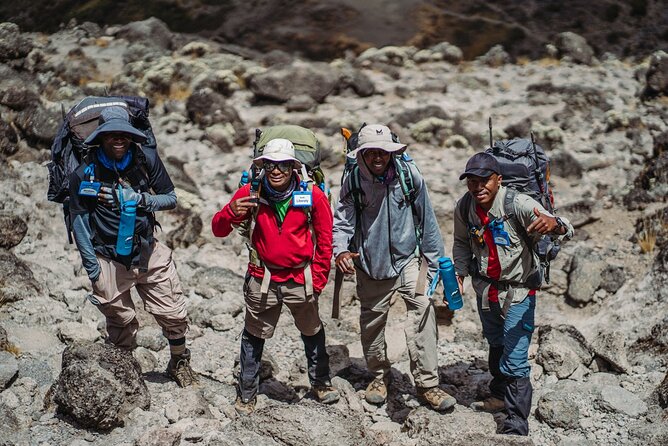
Three meals a day are included on the mountain, with energy-rich food and a choice of options. Drinks include tea, coffee, juices, and soda. Vegetarian, vegan, lactose-free, gluten-free, halal, and other meal plans are available, but state your needs in advance.
Warm meals are more important than they may sound. At altitude, cold food and limited appetite can make it harder to keep your energy up. The cooks, camp masters, porters, and guides handle the work that allows you to focus on walking, eating, resting, and staying safe.
Medical support includes checkups, oximeters, medical kits, and unlimited oxygen tanks. Guides are certified in Wilderness First Response. These provisions do not remove the risks of altitude, but they show that the operation treats health monitoring as part of the climb rather than an emergency-only task.
The company has also been praised for detailed organization and prompt communication before departure. Guide teams named in past accounts include Elia, Joshua, Kombe, Bosco, George, and Hamza, though you should not assume any particular guide will lead your departure. The recurring strength is the attention from guides and the mountain crew, not one guaranteed individual.
What the $3,476 price really covers
At $3,476 per person, this is not a cheap holiday. It is also not just a guiding fee. The price includes airport pickup and drop-off, ground transport, two hotel nights, mountain tents, park fees, group equipment, meals, drinks, guides, porters, cooks, medical checks, and rescue-related registration.
That broad coverage gives the price real value if you want a managed climb and do not want to assemble each part yourself. The inclusion of North Face VE-25 tents, dining equipment, sleeping pads, tables, chairs, crockery, and cutlery also reduces the amount of personal camping gear you need to arrange.
Budget separately for international flights, a Tanzanian visa, personal clothing and footwear, a sleeping bag, mountaineering insurance, hotel lunches and dinners, and tips. The visa is listed at $50 for most nationalities and $100 for US passport holders. Insurance covering trekking up to 6,000 meters is strongly recommended, and the summit is 5,895 meters.
Single hotel rooms and solo tent arrangements cost extra. Tips are optional and based on your satisfaction, but you should plan for them as part of the real cost of a porter-supported climb.
Who should book this climb?
This is best for a reasonably fit person who can walk for several hours on consecutive days and accept a slow, steady pace. You do not need technical mountaineering skills according to the route description, but you do need stamina, sensible preparation, and respect for altitude.
It suits first-time high-altitude climbers who want strong logistical support. The private format means only your group participates, which can make pacing and communication easier than in a large mixed group.
It is less suitable if you want a relaxed holiday with flexible mornings. You will have early starts, shared tents unless you pay for privacy, a demanding summit night, and limited control over the schedule. The Lemosho Route is scenic and well planned, but it remains a physical test.
Cancellation is free if you cancel at least 24 hours before the local start time. Changes or cancellations inside that window are not accepted for a refund.
Should you book the Lemosho climb?
I would choose this trip if you want a well-supported, seven-day route with a careful acclimatization pattern and a broad package of practical services. The high point at Lava Tower, the Barranco Wall, the night summit, and the quick change from Arctic desert to rainforest give the climb real variety.
The strongest reasons to book are the included logistics, trained guides, personal summit support for each pair, hot meals, and medical monitoring. The main reasons to pause are the price and the physical demands. You must also budget for gear, insurance, visa costs, and tips.
If you are fit, willing to prepare properly, and understand that reaching the summit is never guaranteed, this is a sensible way to tackle Kilimanjaro. Book it for the route and the support system, not because the mountain will be easy.
FAQ
How long does the Kilimanjaro experience last?
The full experience lasts about nine days. It includes two hotel nights in Moshi, seven days on the mountain, and airport transfers.
What is included in the price?
The price includes Kilimanjaro International Airport pickup and drop-off, ground transportation, two hotel nights, mountain tents, park fees, group camping equipment, three meals a day on the mountain, drinks, guides, porters, cooks, medical checks, oxygen tanks, oximeters, and medical kits.
Is the climb private?
Yes. The activity is listed as private, meaning only your group participates.
What is not included?
International travel to Tanzania, the visa, personal gear, sleeping bags, mountaineering insurance, hotel lunch and dinner, tips, and single accommodation are not included.
How high is Uhuru Peak?
Uhuru Peak is 5,895 meters above sea level. The route also reaches Lava Tower at 4,630 meters and Barafu Camp at 4,640 meters before the summit attempt.
What fitness level do I need?
A moderate level of physical fitness is required. You should be prepared for several hours of walking on consecutive days, a night summit attempt, and a long descent after reaching Uhuru Peak.
More 7-Day Experiences in Moshi
- Private Kilimanjaro Hike 7 Day Lemosho Route
★ 5.0 · 60 reviews - 7-Day Machame Kilimanjaro Summit Tour from Arusha
★ 5.0 · 125 reviews - 7 Days Kilimanjaro via Machame route affordable price
★ 5.0 · 110 reviews - 7-Day: Inca Trail Trek to Machu Picchu Group Tour
★ 5.0 · 40 reviews
Just added around Moshi
- Mount Kilimanjaro National Park Day Trip★ 5.0 · 7 reviews
- Mount Kilimanjaro Day Hike – All-Inclusive, No Hidden Fees★ 4.0 · 7 reviews
- Moshi, Kilimanjaro: Local Market Shopping Experience★ 5.0 · 2 reviews
- Moshi: Kilimanjaro Climb Marangu Route Guided Tour★ 4.3 · 6 reviews
- Kilimanjaro: Village Walk, Coffee Tour, Waterfall, and Lunch★ 4.5 · 56 reviews
- Kilimanjaro: Day trip -hike to Mandara Hut Kilimanjaro 2700m★ 5.0 · 3 reviews
- #1. Best Kilimanjaro Day hike Tour-Machame Route-ISMANI★ 4.2 · 47 reviews
- Private Kilimanjaro Hike 7 Day Lemosho Route★ 5.0 · 60 reviews
Kilimanjaro Climbs, compared.
8-Day Small-group Lemosho Kilimanjaro Summit Trekking
Read our review →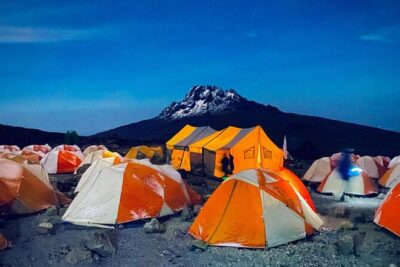
Climbing Kilimanjaro through 7 days Machame Route
Read our review →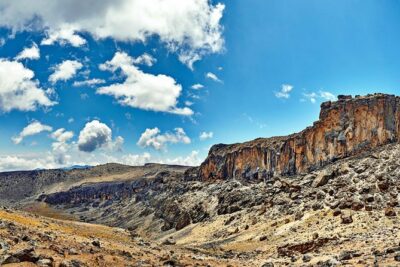
7-Day Machame Kilimanjaro Summit Tour from Arusha
Read our review →Browse the lists this trek appears in