
Review · MOSHI
Kilimanjaro climb, Machame Route (7-day)
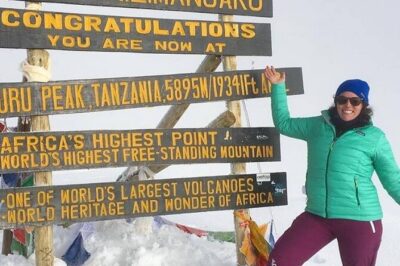
Reaching Uhuru Peak at 5,895 meters is the heart of this trip, but the real test is the slow climb that gets you there. Altezza’s seven-day Machame Route gives you time to sleep at several heights, including Lava Tower at 4,630 meters, before the final night push.
I like the strong support system: Wilderness First Responder guides, medical checks, oximeters, oxygen, cooks, porters, and a proper dining tent. I also like that the price covers park fees, airport transfers, two hotel nights, meals on the mountain, and a real acclimatization schedule. The drawback is simple: this is still a serious high-altitude climb, and seven mountain days can feel long and punishing even with a good crew.
Key points to know before you book
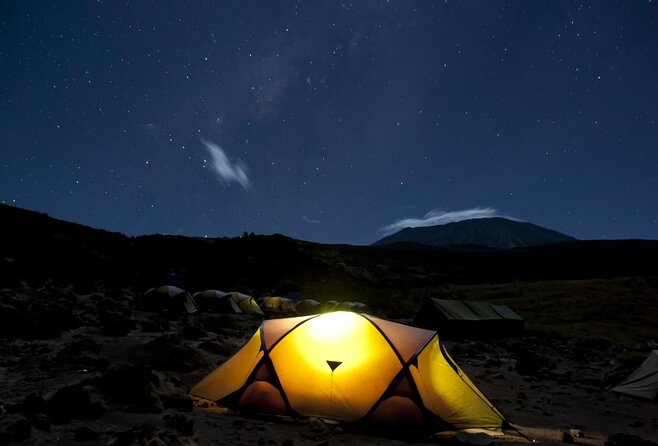
- The summit climb begins at night: You leave Barafu Camp at about 4,640 meters and climb to Uhuru Peak at 5,895 meters before descending the same day.
- Machame includes useful acclimatization: The route climbs to Lava Tower, then drops to Barranco Camp, helping your body adjust to thinner air.
- The crew handles much of the camp work: Porters carry equipment, while cooks prepare hot meals and camp staff set up tents and dining areas.
- Safety is built into the operation: Guides are certified Wilderness First Responders, with health checks, oximeters, oxygen tanks, and medical kits.
- The $3,377 price covers a lot: Park fees, transport, two hotel nights, mountain accommodation, food, drinks, and professional support are included.
- You need moderate fitness and personal gear: Flights, visas, insurance, hiking clothes, boots, and sleeping bags are not included.
Why the Machame Route takes seven mountain days
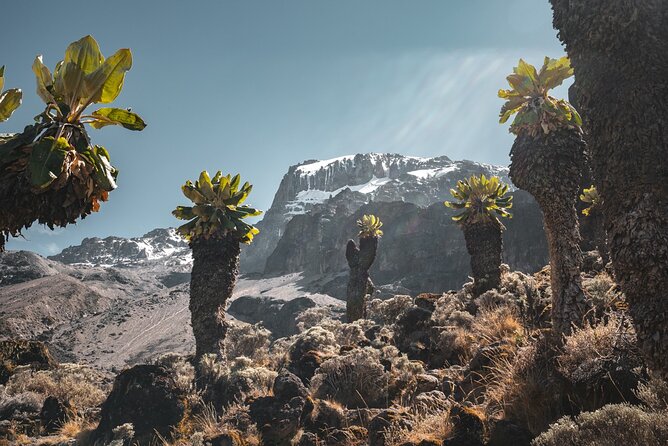
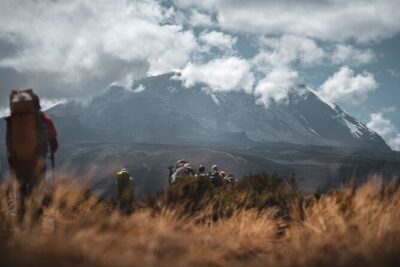
Machame is often called the Whiskey Route, a nickname that suggests a tougher, more rugged path than the easier-sounding Marangu Route. Here, that means more walking through changing terrain, more nights in tents, and a better chance to see Kilimanjaro gradually change from forest to bare volcanic slopes.
The seven-day schedule is valuable because it does not rush you directly toward the summit. You gain height, spend time there, then lose some height before sleeping. That pattern is especially useful on Days 3 and 4, when you climb toward Lava Tower and then sleep lower at Barranco.
The trip lasts about nine days from airport arrival to departure. Two hotel nights frame the climb, with seven days on the mountain. The listed start time is 9:00 AM, and airport pickup at Kilimanjaro International Airport is included.
This is a private activity for your own group. The information provided does not specify a fixed group size, so ask Altezza how many climbers and support staff will be assigned to your departure. That matters because group pace, tent arrangements, and the amount of individual attention can shape the experience.
More Kilimanjaro Climbs in Moshi
- Kilimanjaro climb by Lemosho Route (7-day)
★ 5.0 · 651 reviews - Kilimanjaro Climbing Lemosho Route 8 Days.
★ 5.0 · 186 reviews - Climbing Kilimanjaro – Machame Route
★ 5.0 · 170 reviews
Day 1: A gentle start in Moshi
At Kilimanjaro International Airport, an Altezza representative meets you and takes you to Aishi Machame Hotel. The hotel includes hot water, Internet access, a swimming pool, and breakfast during the stay.
The evening briefing is more important than it may sound. Managers check that you are ready, go over the climb, and help identify missing equipment before you head into the park. Use this time to confirm your sleeping bag, waterproof layers, boots, headlamp, and personal medicines.
Check-in begins at 2:00 PM. If your flight arrives early, you may need to wait before entering your room. That is a small point, but useful to know after a long international flight.
Lunch and dinner at the hotel are not included. The supplied estimate is about $15 per person for either meal, so allow for those costs before the mountain food begins.
Day 2: From Machame Gate into the rainforest
The support crew meets you at the hotel, then you drive to Machame Gate at about 1,800 meters. Park permits and search-and-rescue registration are handled before the hike starts.
The first route section passes through rainforest to Machame Camp at 3,010 meters. This is a beautiful beginning, but rain is highly possible. Pack your rain jacket where you can reach it, not buried at the bottom of your duffel.
The walking time is about six hours. Your first day at altitude may feel easy in the legs but tiring in the head and lungs. The best habit is to follow the guide’s slow pace and drink regularly rather than trying to prove your fitness early.
Porters carry the group equipment, but you still need a daypack with water, rainwear, snacks, warm layers, and anything you might need during the day. The trip does not include your personal hiking gear, though equipment is available to hire.
Day 3: Shira Plateau and the first acclimatization hike
You leave the rainforest behind and climb to Shira Camp at 3,845 meters. The walk takes about seven hours, and the open views across the Shira Plateau give you the first clear sense of Kilimanjaro’s scale.
The route itself is not described as technically hard, but altitude can change that quickly. You may feel fine on a short rise and then need a pause a few minutes later. Tell your guide about headaches, nausea, unusual tiredness, or dizziness rather than trying to hide symptoms.
After lunch and rest at Shira, you take an acclimatization hike toward Lava Tower, gaining about 300 meters before returning to camp. This short climb is not wasted effort. It lets your body experience a higher level while you still sleep at Shira.
Meals are prepared by the mountain kitchen team. Breakfast, lunch, and dinner are included on the mountain, along with drinks such as tea, coffee, juices, and soda. Vegetarian, vegan, lactose-free, gluten-free, halal, and other meal plans can be arranged.
Same trailhead, a different route:
- Climbing Kilimanjaro through 7 days Machame Route
★ 5.0 · 151 reviews - Kilimanjaro climb, Lemosho Route (8-day)
★ 5.0 · 148 reviews - Kilimanjaro climb, Lemosho Route (6-day)
★ 5.0 · 129 reviews - Kilimanjaro climb, Marangu route (6-day)
★ 5.0 · 72 reviews
Day 4: Lava Tower, then down to Barranco
Day 4 is one of the most useful and demanding parts of the route. You climb from Shira Camp to Lava Tower at 4,630 meters, with several uphill and downhill sections along the way.
Lunch is served at Lava Tower, and the schedule calls for at least one to two hours at that height. You may feel uncomfortable there. That is not a sign that the day has gone wrong. The point is to expose your body to high altitude, then descend to sleep lower at Barranco Camp.
Barranco sits at about 3,960 meters, close to the height of the highest point in the United States. You can see the famous Barranco Wall from camp, a huge rock face that looks more alarming than it is. The next morning’s route climbs it by a straightforward hiking trail rather than a technical rock-climbing line.
This is also a day when the itinerary may feel repetitive: up, down, up again. That is the price of a safer acclimatization pattern, and I would take it over a rushed schedule.
Day 5: Barranco Wall and Karanga Camp
You start early to climb Barranco Wall before other groups arrive. The ascent takes about an hour and is not described as technically difficult, though you will use your hands at times and should expect a steep, uneven trail.
At the top, there is time to rest and take photographs with Kibo, Kilimanjaro’s main volcanic cone, behind you. The route then continues toward Karanga Camp at 4,035 meters.
This section has repeated climbs and descents. It is not a huge distance on paper, but tired legs and thin air make every rise count. Your guides set the pace for the group, and the slow rhythm is exactly what you want here.
A warm lunch follows arrival at camp. Later, you take another acclimatization hike toward Barafu Camp before returning to Karanga. That extra outing makes Day 5 a full day, but it also gives you another controlled test before the summit attempt.
Day 6: Barafu Camp and an uneasy afternoon of rest
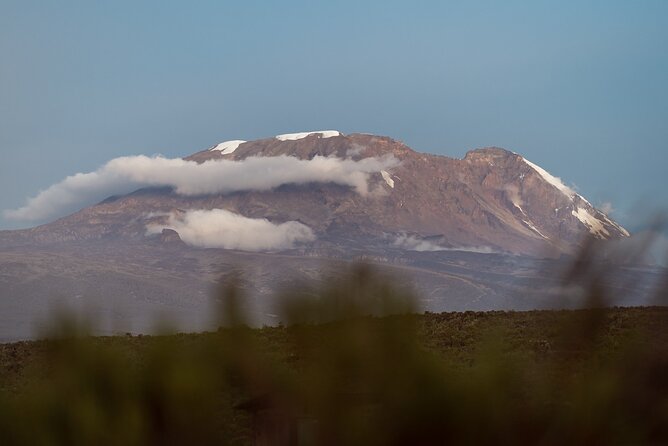
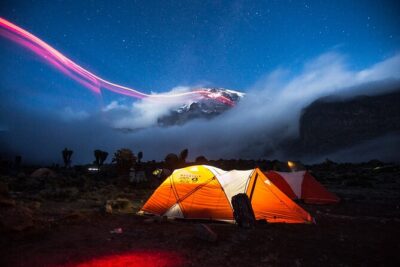
From Karanga, you climb to Barafu Summit Camp at 4,640 meters. Barafu means ice, though your main concern here is the high, exposed setting and the fact that this is where the summit push begins.
The crew sets up the tents and sleeping bags ahead of time. You have lunch, complete an acclimatization hike toward Kosovo Summit Camp at about 4,800 meters, then return for dinner.
The hard part is what comes next: resting. You need to sleep in the afternoon before a night ascent, but altitude, cold, excitement, and noise at camp can make that difficult. Pack the items you need close by, keep your summit clothing organized, and treat every hour of rest as useful even if you do not fall fully asleep.
The planned walk from Karanga to Barafu takes about seven hours. It is not the longest day, but you should save energy. The following day includes the toughest climb and the longest total effort.
Day 7: Uhuru Peak and a long descent
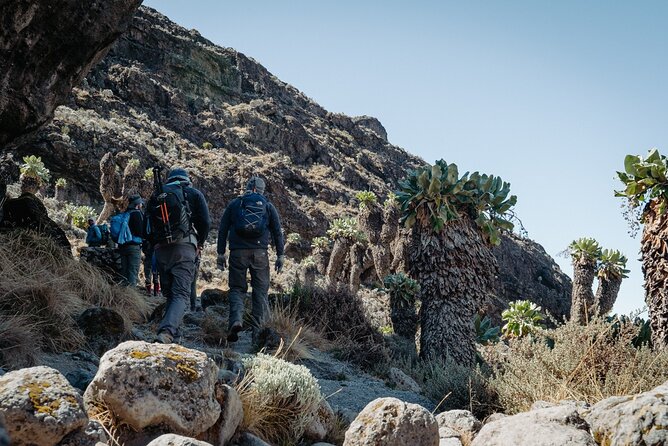
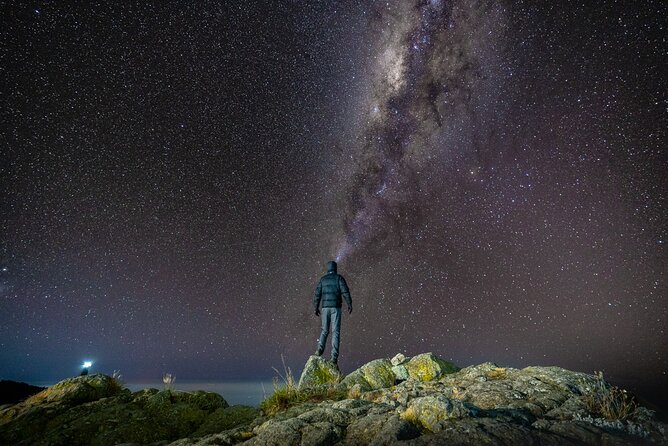
You leave Barafu at night and climb toward Uhuru Peak. The summit is 5,895 meters above sea level, and the route is described as technically simple. The challenge is altitude, darkness, cold, and the sheer length of the day.
Each pair of climbers receives a personal guide for the ascent. That one-to-one attention allows the guide to watch your physical and mental condition closely. It also means you can move at a pace suited to you rather than being left to manage the hardest hours alone.
After reaching Uhuru Peak, you can descend to the nearest glacier if conditions and energy allow. This should be treated as optional. The summit itself is the main goal, and the descent is not the moment to spend scarce strength on an extra outing.
You return to Barafu Camp, rest for about two hours, then continue down to Millennium Camp at 3,820 meters. The full day takes about 12 hours. It is a lot of walking after the summit, and you need to focus on careful foot placement. The supplied safety advice is blunt for good reason: many mountain accidents happen during descent, when tiredness makes people careless.
Day 8: Down through the forest to Mweka Gate
Millennium Camp sits in tropical rainforest, and the drop in height should feel welcome after the summit day. Breakfast is served before you walk to Mweka Gate at 1,640 meters.
The descent covers about 12 kilometers and takes four to five hours. Your knees and feet may complain more than your lungs by this point. Use trekking poles if you have them, move slowly, and keep rain protection ready for the forest.
At the gate, the group gathers to mark the finish. You receive a commemorative certificate at the Altezza office, then transfer back to the hotel. This is your first night back with a proper room, hot water, and hotel comforts.
Day 9: Hotel checkout and airport transfer
The final day is intentionally light. You rest at the hotel and transfer to the airport. Hotel checkout is at 11:00 AM.
If your flight leaves in the evening, a late checkout is available for an extra fee. Confirm that charge before you arrive, since the hotel rate includes breakfast but not lunch or dinner.
What the $3,377 price really covers
At $3,377 per person, this is not a budget hike. It is also more than a simple guide-and-tent package. The price includes:
- Airport pickup and drop-off at Kilimanjaro International Airport
- Ground transport during the trip
- Two hotel nights at Aishi Machame Hotel
- Tents for two hikers, unless you are climbing alone
- Kilimanjaro National Park fees
- Dining tent, sleeping pads, tables, chairs, crockery, and cutlery
- Six lunches, eight breakfasts, and six dinners
- Mountain drinks
- Guides, porters, camp staff, and cooks
- Medical checks, oximeters, oxygen tanks, and medical kits
That list explains much of the value. Park charges alone are a major part of a Kilimanjaro trip, and the crew, food, transport, and equipment logistics would be difficult to arrange independently.
You still need to budget for flights, a Tanzanian visa, insurance, personal gear, hotel lunches and dinners, tips, and possible single supplements. Most nationalities pay $50 for a visa at JRO, while US passport holders pay $100, according to the supplied information. Insurance should cover mountain trekking.
Single accommodation in the hotel and a single tent are available for an extra charge. Group discounts are offered, but the amount is not specified, so ask for a group quote.
Food, tents, and the human side of the climb
The mountain kitchen is a major practical benefit. Hot meals, drinks, and special diets can make the difference between merely enduring camp and recovering properly for the next day.
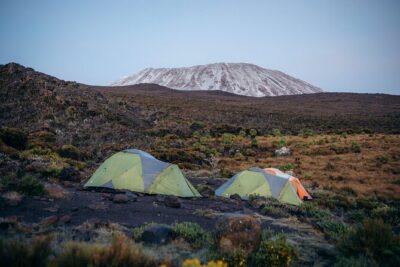
The North Face VE-25 tents house two hikers, except on solo climbs. A dining tent with tables and chairs gives you a place to eat, sort gear, and talk with the group instead of sitting inside a sleeping tent for every break.
The crew also carries, cooks, sets up, and breaks down camp. Past teams have included guides and leaders named Victor, Stanford, Joseph, Rashid, Nolasco, and others, but your assigned guide names and staffing should be confirmed before departure. The consistent point is that this trip depends on a large working team, not just one person walking ahead with a map.
Tips are optional and based on your satisfaction. Still, bring cash for this customary end-of-climb expense if you plan to thank the crew.
Who should choose this climb
I would choose this trip if you want a supported first Kilimanjaro climb with a longer acclimatization plan, organized transfers, and food handled for you. It also suits a group of friends or family members who want a private departure rather than joining an open public activity.
You should have moderate physical fitness. The route includes six to eight-hour days before the summit, a 12-hour summit day, steep sections such as Barranco Wall, and a long descent after reaching the top.
This is not a casual walking holiday. You do not need technical climbing experience based on the route description, but you do need patience, willingness to walk slowly, and the judgment to report altitude symptoms early.
Should you book the Machame Route with Altezza?
Book it if you value safety systems and full logistics more than the lowest possible price. The combination of certified guides, medical checks, oxygen, park fees, meals, porters, airport transfers, and two hotel nights makes the package easier to manage than assembling each part yourself.
Before paying, confirm the current group size, the names and experience of the assigned guides, the cost of gear hire, the single supplement, tipping guidance, and the exact insurance requirements. Also ask about weather during your dates. One group completed the route during rainy season and found the mountain quieter than expected, but wet conditions still mean you need serious rain protection.
I would not book this if you are looking for a short, gentle trek or if you are unwilling to carry the personal gear needed for cold, wet, high-altitude conditions. For a properly prepared climber who wants a well-supported seven-day route to Africa’s highest point, it offers a strong balance of structure, comfort, and mountain challenge.
FAQ
How long does the full Kilimanjaro experience last?
The complete experience lasts about nine days, including arrival and departure days. The climb itself takes seven days on the Machame Route.
Is airport transportation included?
Yes. Pickup and drop-off at Kilimanjaro International Airport are included, along with the ground transportation used during the trip.
Are meals included?
Mountain meals are included: eight breakfasts, six lunches, and six dinners. Drinks such as tea, coffee, juices, and soda are also provided on Kilimanjaro. Hotel lunches and dinners are not included.
Do I need to bring my own hiking equipment?
Yes. Personal items such as hiking clothes, boots, and a sleeping bag are not included. Equipment is available for hire.
Are special diets available?
Yes. Vegetarian, vegan, lactose-free, gluten-free, halal, and other meal plans can be arranged.
What is the cancellation policy?
You can cancel for a full refund up to 24 hours before the experience starts. Cancellations or changes made less than 24 hours before the start time are not accepted for a refund.
More 7-Day Experiences in Moshi
- Private Kilimanjaro Hike 7 Day Lemosho Route
★ 5.0 · 60 reviews - 7-Day Machame Kilimanjaro Summit Tour from Arusha
★ 5.0 · 125 reviews - 7 Days Kilimanjaro via Machame route affordable price
★ 5.0 · 110 reviews - 7-Day: Inca Trail Trek to Machu Picchu Group Tour
★ 5.0 · 40 reviews
Just added around Moshi
- Mount Kilimanjaro National Park Day Trip★ 5.0 · 7 reviews
- Mount Kilimanjaro Day Hike – All-Inclusive, No Hidden Fees★ 4.0 · 7 reviews
- Moshi, Kilimanjaro: Local Market Shopping Experience★ 5.0 · 2 reviews
- Moshi: Kilimanjaro Climb Marangu Route Guided Tour★ 4.3 · 6 reviews
- Kilimanjaro: Village Walk, Coffee Tour, Waterfall, and Lunch★ 4.5 · 56 reviews
- Kilimanjaro: Day trip -hike to Mandara Hut Kilimanjaro 2700m★ 5.0 · 3 reviews
- #1. Best Kilimanjaro Day hike Tour-Machame Route-ISMANI★ 4.2 · 47 reviews
- Private Kilimanjaro Hike 7 Day Lemosho Route★ 5.0 · 60 reviews
Kilimanjaro Climbs, compared.
8-Day Small-group Lemosho Kilimanjaro Summit Trekking
Read our review →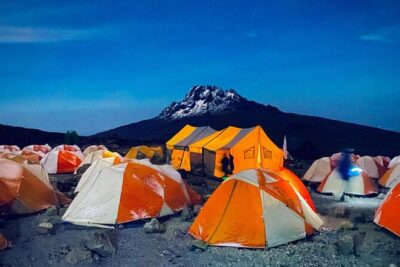
Climbing Kilimanjaro through 7 days Machame Route
Read our review →
7-Day Machame Kilimanjaro Summit Tour from Arusha
Read our review →Browse the lists this trek appears in