
Review · ARUSHA
climb the KILIMANJARO via Lemosho route
Kilimanjaro’s Lemosho Route gives you a long, scenic approach to Africa’s highest mountain, moving from cultivated foothills and rainforest to heather, rock, and snowless high-altitude desert. The route includes Shira Plateau, Lava Tower, Barranco Wall, and the summit push to Uhuru Peak at 5,896 meters.
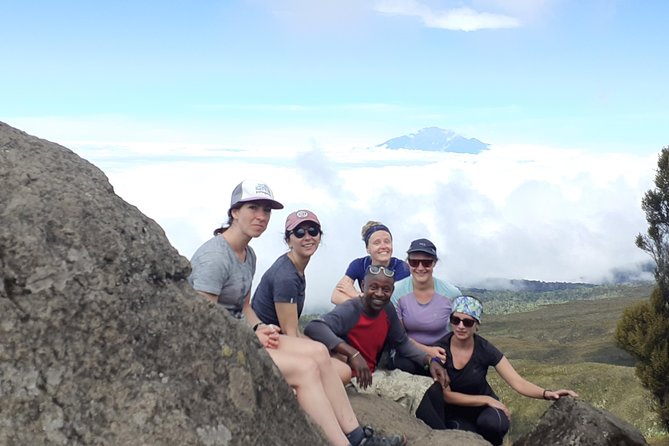
I like the eight-day schedule, which gives you more time to gain altitude than a rushed climb, and I like the private format, where guide Paul Bernad can adjust the pace for your group. The food, guides, and cooks also receive strong praise, including from a family whose climbers ranged from 34 to 69 years old.
The main concern is that this is a serious high-altitude climb, not a casual mountain walk. Some timings and camp details are presented a little loosely, so you should confirm the exact daily plan, inclusions, and summit-day schedule before paying.
Key points about this Kilimanjaro climb
- Lemosho’s gradual western approach: Start near Londorossi Gate and pass through farmland, rainforest, heather, and the open Shira Plateau.
- Private guiding with Paul Bernad: Your group climbs privately, allowing the pace to respond to different abilities.
- Strong acclimatization plan: Shira Cathedral, Lava Tower at 4,605 meters, and the Barranco descent help you sleep higher after walking higher.
- A real summit challenge: The route reaches Stella Point at 5,756 meters before the final walk to Uhuru Peak at 5,896 meters.
- Comforts on a demanding route: Hot meals, cooks, camp dinners, and a hot lunch are part of the described mountain service.
- Eight days from Arusha or Moshi: Pickup is offered, with a return drive after you sign out at Mweka Gate.
Why the Lemosho Route is a smart choice
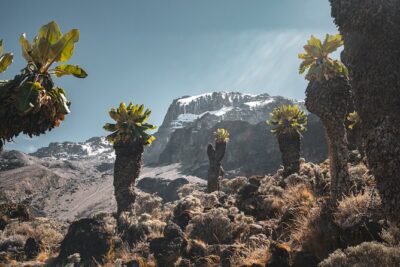
The Lemosho Route is a good fit if you want Kilimanjaro to feel like a journey rather than a quick ascent. The first days are not just a march toward the summit. You pass through several plant zones, beginning near cultivated farms and mixed trees, then entering rainforest before reaching the heather-covered high country.
That gradual change matters. At altitude, your body needs time to adjust, and this plan gives you several days before the final push. It does not remove the risk of altitude sickness, but it is a more thoughtful schedule than a very short climb.
You also get a private trip. The group size is your own party, rather than a large mixed departure. That can make a real difference when one person needs a slower pace, a rest, or extra attention. Paul Bernad is identified as the guide, and the experience is built around his ability to respond to the group’s fitness and progress.
The price is listed at $2,564.11 per person. That is a substantial amount, but it can be fair for an eight-day private expedition with guides, cooks, meals, park access, camps, and transport. The published details do not spell out every inclusion, so ask for a written breakdown before booking. In particular, confirm park and camping fees, transfers, meals, porter arrangements, equipment, tips, and any hotel nights.
More Kilimanjaro Climbs in Arusha
- 8-Day Small-group Lemosho Kilimanjaro Summit Trekking
★ 5.0 · 186 reviews - 7-Day Machame Kilimanjaro Summit Tour from Arusha
★ 5.0 · 125 reviews - Mountain Kilimanjaro Day Hike
★ 5.0 · 102 reviews
Day 1: Londorossi Gate to Forest Camp
Your day begins with a drive from your hotel in Arusha or Moshi to Londorossi Gate, at about 2,200 meters. Registration takes place here, then the vehicle continues toward the walking start.
The approach passes through farmland, including fields where carrots and potatoes are grown beneath planted trees. It is a useful reminder that Kilimanjaro is not an isolated rock in the distance. People farm around the mountain, and the climb begins in a working rural setting.
From the rainforest trailhead, you walk roughly 5 kilometers to Forest Camp at about 2,830 meters. The published walking time is around four hours, although the full first-day schedule is given as up to 12 hours because of driving, registration, and the transfer to the trail.
The forest is one of the most appealing parts of the early route. You may see signs of elephants, buffalo, and eland, along with birds, smaller animals, and flowers. Wildlife sightings are never guaranteed, so treat them as a possibility rather than a promised feature.
Forest Camp is your first overnight stop. The relatively low elevation makes this a gentler start, but you should still expect a long day once the road journey is included.
Day 2: Forest Camp to Shira 1
Day two takes you from the big-tree forest toward Shira 1 Camp, about 3,509 meters above sea level. The walk is listed at roughly 7 kilometers and four to six hours.
The scenery changes quickly. Rainforest gives way to heather and open grass, with Erica plants covering much of the ground. You follow a narrower path uphill toward the Shira Plateau ridge.
This is the first day when altitude becomes a central part of the experience. The walk may not look extreme on paper, but the gain in elevation is significant. Keep your pace slow and steady. A private guide can help here by keeping the group from racing ahead.
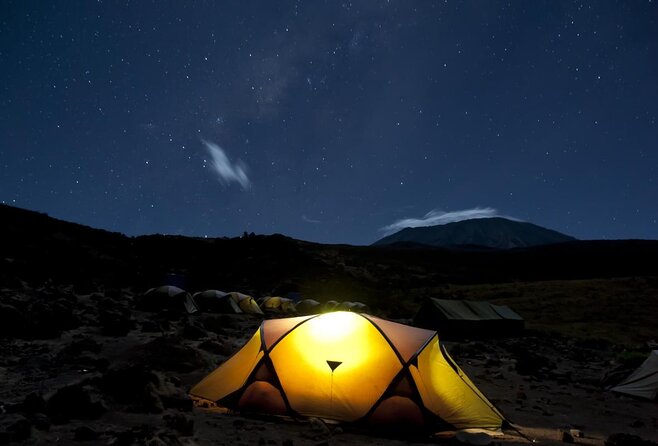
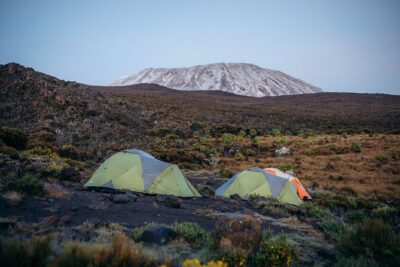
At Shira 1, dinner and an overnight stay are planned. On a clear night, you may be able to see Kibo, the main volcanic cone and the high point of Kilimanjaro. Cloud can block the view, so do not count on a perfect mountain panorama.
Day 3: Shira Cathedral and Shira 2
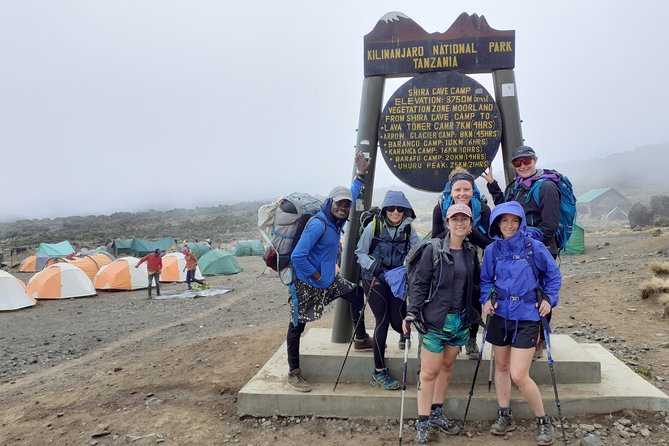
Day three offers two route choices. One option is a four to five-hour acclimatization walk of about 6 kilometers to Shira Cathedral at approximately 3,920 meters, followed by a climb to Shira 2 Camp at 3,840 meters.
The Shira Cathedral option is useful because you walk higher during the day, then sleep at a slightly lower camp. That high-walk, lower-sleep pattern is a standard way to help your body adapt. It also gives you a better look at the plateau and its broad, open setting.
The second option uses the lower route across the rescue road and heads directly toward Moir Hut Camp at about 4,200 meters. This alternative is shorter on paper, but the higher overnight elevation could be harder for some people. Your guide’s judgment and your physical condition should determine which path you take.
The route description gives different camp names and timings for this day, so clarify the final plan before departure. That is not a reason to reject the climb, but it is a reason to ask specific questions.
Same trailhead, a different route:
- 4 Days Mount Meru Trekking
★ 5.0 · 55 reviews - 4 days Best experience Kilimanjaro Hike, Serengeti &Ngorongoro
★ 5.0 · 54 reviews - From Arusha/Moshi: Kilimanjaro Hike Marangu Route Day Trip
★ 4.5 · 54 reviews - Mount Kilimanjaro Day Hike Through Marangu Route to Mandara Hut
★ 5.0 · 37 reviews
Day 4: Lava Tower and the Barranco descent
Day four is one of the most valuable days for acclimatization. You climb through a rocky high-altitude zone to Lava Tower at around 4,605 meters, have lunch, then descend to Great Barranco Camp at approximately 3,940 meters.
The walking distance is listed as 9.5 kilometers, with five to six hours on foot. The day’s key feature is the altitude pattern. You reach a much higher point than your sleeping camp, then lose elevation before night.
Lava Tower can feel stark and exposed. The plant life thins out, the ground becomes rocky, and the air is colder. This is where the climb starts to feel like a high mountain rather than a forest trek.
The descent to Barranco gives your body a break from sleeping above 4,000 meters. It also brings you to one of the more attractive camps on the route, with broad views and striking rock formations. The open setting can be beautiful, but wind and cold may make camp life uncomfortable.
Day 5: Barranco Wall to Karanga Camp
Day five begins with the Barranco Wall, a rock section that requires careful footwork and occasional use of your hands. It is not presented as technical mountaineering, but it is more than an ordinary trail. If you dislike exposed or steep sections, this is a point to discuss with the operator ahead of time.
The walk to Karanga Camp covers about 5.5 kilometers and takes three to four hours according to the schedule. Karanga sits at roughly 4,000 meters, and a hot lunch is planned after the climb.
The distance is modest, but altitude makes short walks tiring. Use the afternoon to rest, drink as directed by your guide, organize summit clothing, and keep your energy for the next stage.
Karanga is your final camp before Barafu. The route has already taken you across several mountain zones, but the summit is still a major test. You should not judge your summit chances only by how comfortable you feel on this day.
Day 6: Barafu Camp and the Uhuru Peak push
Day six takes you from Karanga to Barafu Hut, at about 4,620 meters. The ascent covers roughly 5 kilometers and three to four hours, crossing an alpine desert of rock and little plant life.
Barafu is the launch point for the summit attempt. The schedule describes the climb to Stella Point at 5,756 meters, then Uhuru Peak at 5,896 meters. It also lists a descent back to Barafu, with only a few minutes at the top for photos.
This is the hardest part of the trip. The summit day is cold, steep, and physically draining, even for fit hikers. The supplied schedule gives six hours for the summit climb, but the full timing appears compressed because a summit attempt from Barafu usually includes the ascent, a short stay at Uhuru Peak, and the descent. Ask the operator to confirm the exact start time, rest plan, and overnight arrangement.
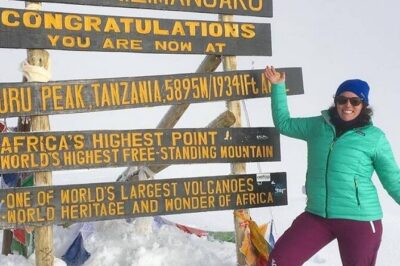
At Stella Point, you reach the rim of Kilimanjaro. From there, the final section to Uhuru Peak is still demanding, but the reward is the highest point in Africa. The advice to prepare carefully for cold is worth taking seriously. Also bring a proper camera or backup battery if photos matter to you, since you should not rely only on a phone in cold conditions.
The summit moment itself may be brief. Take your photo, look around, and then begin the descent. The goal is not to linger. At this altitude, moving down is the safest and most welcome part of the day.
Day 7: Barafu to Mweka Hut
After a food and rest break, you continue downhill to Mweka Hut at about 3,100 meters. The day is listed at around six hours, with dinner and the final mountain night at camp.
The descent can feel easier because the air becomes thicker, but tired legs and sore feet can make it surprisingly demanding. Trekking poles, well-broken-in boots, and dry socks are especially useful here.
Mweka is also where you begin to feel the trip winding down. You have crossed the high volcanic zones and completed the central challenge. Still, stay careful. Many small injuries happen on descents when people relax too soon.
Day 8: Mweka Gate and the return to Arusha or Moshi
Your last walking section leads through rainforest to Mweka Gate, around 1,760 meters. The route covers roughly 8 kilometers and takes about four hours.
At the gate, you sign out and receive a certificate for completing the climb. Then you return by vehicle to your hotel. The experience includes pickup from Arusha or Moshi, but confirm the exact hotel transfer arrangements when you book.
The final descent offers a pleasant change from the dry upper mountain. You return to thicker forest, warmer air, and a road after several days in remote camps. It is a fitting end, though the drive and gate formalities mean the day is not over as soon as you reach the bottom.
Guides, food, and the private format
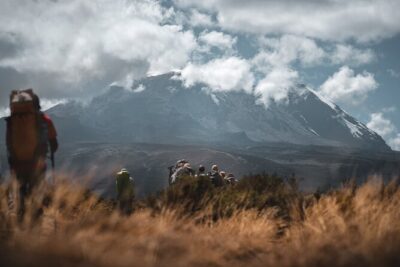
The strongest feature here is the human side of the climb. Paul Bernad led a private group of four climbers and adapted the pace to different abilities. That matters on Kilimanjaro, where one person may be strong on steep climbs while another handles altitude better.
The mountain crew includes guides and cooks, and hot food is specifically mentioned at several camps. You can expect dinner at the overnight stops, a hot lunch at Karanga, and food support during the summit sequence. Ask exactly which meals are covered each day, since the published details do not provide a full meal chart.
A private group also gives you more control over the experience. You are not tied to strangers’ speed or daily preferences. The tradeoff is that private trips can cost more than joining a large departure, and the quality of the experience depends heavily on the guide and support crew.
Who should book this climb?
You should consider this route if you have a moderate level of fitness, can walk uphill for several hours, and are ready for a demanding summit day. The eight-day schedule suits people who prefer a slower ascent and want varied scenery rather than the shortest possible route.
It is also a good match for families or mixed-age groups if everyone understands the physical challenge. A group that included climbers from their 30s through their late 60s completed the climb with Paul, but age alone does not predict success. Training, health, pacing, and response to altitude matter more.
This is not the right choice if you want a relaxed sightseeing holiday, dislike cold nights, or expect a fixed timetable with no route decisions. The climb requires patience, physical effort, and a willingness to let the guide adjust the plan.
You can cancel for a full refund at least six full days before the start. A cancellation two to six days before receives 50 percent, while cancellation within two days is nonrefundable. Poor weather or failure to reach the minimum number of participants can lead to a new date or a full refund.
Should you book the Lemosho climb?
I would book this experience if I wanted a private, scenic Kilimanjaro climb with a longer acclimatization schedule and a guide who can adjust the pace. The combination of Shira Plateau, Lava Tower, Barranco Wall, and Uhuru Peak gives you a varied route with plenty of scenery and real physical challenge.
Before paying the $2,564.11 price, I would get the inclusions in writing and ask for the corrected day-by-day schedule. Confirm the summit-day hours, camp names, meals, park fees, porter support, transfers, and hotel arrangements.
If those details are clear, this looks like a solid choice for a serious first climb or a second attempt on a more scenic route. If you want the easiest possible mountain trip, Kilimanjaro is still the wrong holiday, no matter how friendly the crew may be.
FAQ
Where does the Kilimanjaro climb begin?
Pickup is offered from a hotel in Arusha or Moshi. The first transfer goes to Londorossi Gate for registration before you continue to the walking start.
How long does the experience last?
The climb takes approximately eight days, including the return to Mweka Gate and the drive back to your hotel.
Which route is used to climb Kilimanjaro?
The experience uses the Lemosho Route, with stops including Forest Camp, Shira 1, Shira 2 or an alternative high camp, Lava Tower, Barranco, Karanga, Barafu, and Mweka.
What fitness level do I need?
A moderate level of physical fitness is required. The route includes several days of uphill walking, a rock section at Barranco Wall, high-altitude camps, and a summit attempt to 5,896 meters.
Is this a private tour?
Yes. Only your group participates in the activity, and the guide can respond to the abilities of the people in your party.
What is the cancellation policy?
You can receive a full refund by canceling at least six full days before the start time. Cancellations two to six days before receive a 50 percent refund, and cancellations within two days are not refunded. If poor weather or insufficient participation causes cancellation, you can receive a different date or a full refund.
Just added around Arusha
- Mt. Kilimanjaro: Shira plateau to Cathedral point 3872m Day hike★ 5.0 · 7 reviews
- 5 days safari, hiking & culture (Serengeti & kilimanjaro)★ 5.0 · 27 reviews
- One Day Hike from Kilimanjaro to Mandara★ 5.0 · 2 reviews
- 3 Days Mount Meru trekking★ 4.5 · 7 reviews
- 6 Day: Hiking Kilimanjaro via Machame Route★ 5.0 · 2 reviews
- Private 8 day Northern Circuit Kilimanjaro Climb★ 5.0 · 8 reviews
- Kilimanjaro Waterfalls Hike & Moshi Hot Springs Day Trip Tour★ 5.0 · 4 reviews
- 6 Days Kilimanjaro Climbing Machame route★ 4.0 · 4 reviews
Kilimanjaro Climbs, compared.
8-Day Small-group Lemosho Kilimanjaro Summit Trekking
Read our review →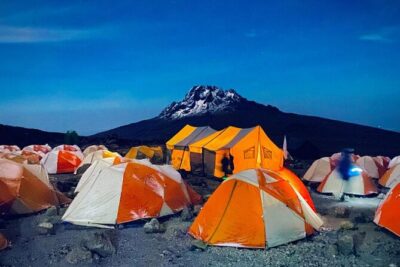
Climbing Kilimanjaro through 7 days Machame Route
Read our review →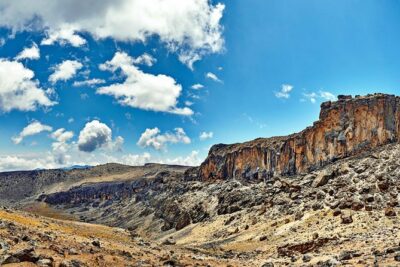
Browse the lists this trek appears in