
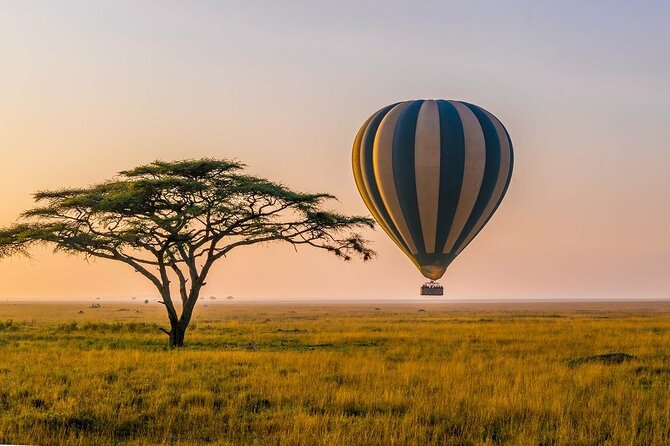
Review · ARUSHA
6 Days best adventure kilimanjaro ,Tarangire ,Serengeti &Ngorongoro crater
The most unusual feature here is the mix: classic northern Tanzania safari plus a waterfall walk, coffee visit, and hot spring swim. In six days, you move from Lake Manyara’s birdlife to Serengeti predators, the Ngorongoro Crater, Tarangire elephants, and the lower slopes of Kilimanjaro.
I like the variety, and I like the small maximum group of 12 people, which gives you a better chance of seeing from both sides of the vehicle. The $1,325 price also covers meals, water, safari transport, camping gear, lodging, airport transfers, and the final day’s activities.
The main caution is the pace. You cover a lot of ground, and the schedule as presented has some confusing overlaps between Tarangire and the Kilimanjaro day. Confirm the exact route, sleeping arrangements, and what Kilimanjaro day hike means before paying.
Key points at a glance
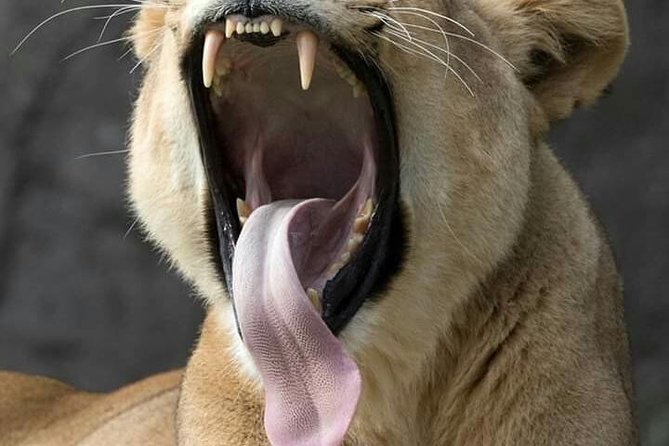
- Four major wildlife areas: Lake Manyara, Serengeti, Ngorongoro Crater, and Tarangire all feature in the six-day plan.
- A practical mix of comfort: Expect budget lodge accommodation in some places and camping in others, including Ngorongoro Simba Campsite.
- A small safari group: The vehicle holds no more than 12 people, with a pop-up roof for game viewing and photographs.
- Strong guide focus: Guides called Bulldozer and Maliaki received especially warm praise for animal spotting, explanations, and safe driving.
- More than game drives: The final day adds Materuni Waterfalls, a Chagga meal and coffee visit, plus swimming at Chemka Hot Spring.
- Pack the basics: Bring a towel and toilet paper, and remember swimwear for the waterfall and hot spring.
A six-day route with plenty packed in
This is not a slow safari built around one park. It is a sampler of northern Tanzania, with long drives linking major wildlife zones and a final cultural and outdoor day near Kilimanjaro.
You begin and end in Arusha. The package includes airport pickup and drop-off, breakfast on four mornings, lunch on five days, and dinner on five nights. Drinking water and beers are also included. That makes the quoted price easier to judge, since you are not paying only for the vehicle and park visits.
The trade-off is time. Serengeti, Ngorongoro, Tarangire, Lake Manyara, Materuni, and Chemka are a lot to fit into six days. You should expect early starts, road time, and a changing accommodation style rather than a polished lodge holiday.
More Kilimanjaro Climbs in Arusha
- 8-Day Small-group Lemosho Kilimanjaro Summit Trekking
★ 5.0 · 186 reviews - 7-Day Machame Kilimanjaro Summit Tour from Arusha
★ 5.0 · 125 reviews - Mountain Kilimanjaro Day Hike
★ 5.0 · 102 reviews
Day 1: Lake Manyara’s birds, forest, and tree-climbing lions
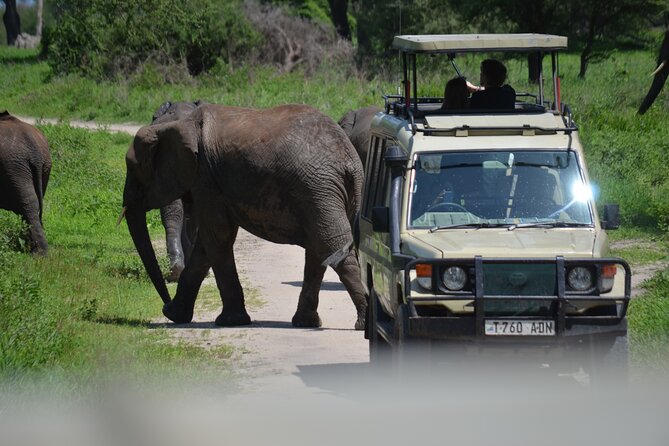
After breakfast, you head to Lake Manyara National Park for a full-day game drive. The park offers a useful first taste of safari because the setting changes quickly, from woodland and open areas to the lake and the Great Rift Wall.
You may see buffalo, giraffe, zebra, and lions. The possibility of tree-climbing lions is one of the park’s famous draws, though no wildlife sighting is guaranteed. Keep your eyes open above the road as well as beside it.
The lake adds something different from a standard land-based game drive. Flamingos, pelicans, ibises, African jacanas, and other aquatic birds may gather around the water. For anyone who enjoys birdlife, this is more than a quick stop for photographs.
A full day here can feel busy, especially after a long trip into Tanzania. Still, Lake Manyara works well as an opening park because you get animals, birds, forest, and a dramatic escarpment in one outing.
Day 2: The long road into the Serengeti
Day two takes you toward the Serengeti, with about four hours of scenic driving before a full-day game drive after arrival. The Serengeti is the trip’s biggest wildlife stage, with broad open plains and large skies that make distant animals easier to spot.
The stated target list includes lions, buffalo, leopards, rhinos, and elephants, along with hyenas and jackals. These are possible sightings, not a fixed checklist. Leopards and rhinos can be particularly difficult to find, so patience matters.
The late afternoon game drive is a good use of the day. Light becomes softer, temperatures may ease, and predators such as lions and hyenas may be active. Your guide’s skill matters here. Bulldozer has been singled out for strong animal and environmental explanations, while Maliaki was praised for calm driving and clear information.
One practical point: the word Serengeti covers a huge area. The itinerary says you spend the night in central Serengeti on day three, but it does not name every camp or lodge. Ask for the exact accommodation and driving plan, since location affects how much time you spend watching animals rather than reaching camp.
Day 3: Sunrise in central Serengeti and a night above Ngorongoro
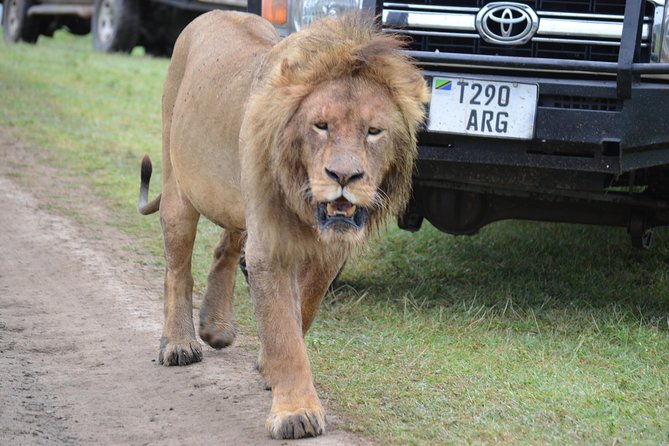
The third day begins with an early morning outing. Animals that have spent the night hunting or searching for food may still be active around the roads, and sunrise gives you a chance to see the plains in cooler, gentler light.
You then drive toward Ngorongoro, spending the night on the crater rim at Ngorongoro Simba Campsite. A rim campsite is a simple way to experience the crater’s setting, but it is not the same as a private lodge. Budget camping means you should be ready for basic facilities and should bring the small essentials that make camp life easier.
The change from Serengeti plains to the crater rim gives this day a strong sense of movement. You leave the wide open country behind and prepare for the next morning’s concentrated wildlife drive.
Same trailhead, a different route:
- 4 Days Mount Meru Trekking
★ 5.0 · 55 reviews - 4 days Best experience Kilimanjaro Hike, Serengeti &Ngorongoro
★ 5.0 · 54 reviews - From Arusha/Moshi: Kilimanjaro Hike Marangu Route Day Trip
★ 4.5 · 54 reviews - Mount Kilimanjaro Day Hike Through Marangu Route to Mandara Hut
★ 5.0 · 37 reviews
Day 4: Black rhinos and crater-floor wildlife
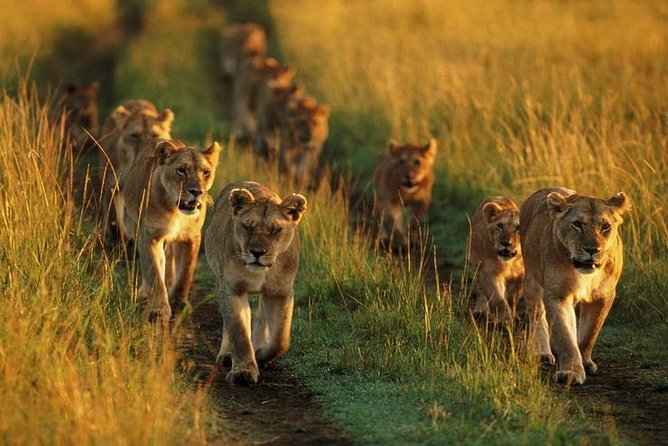
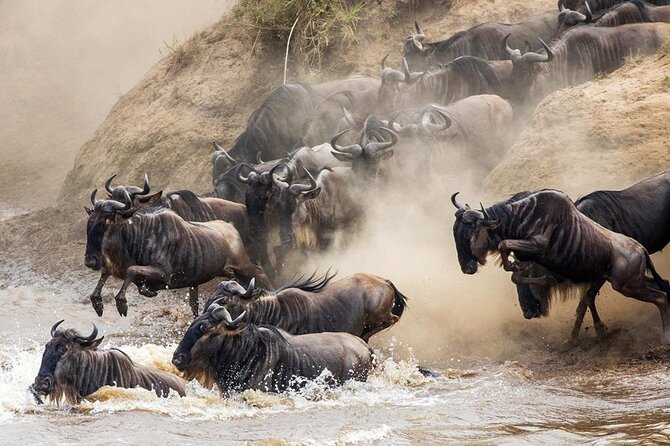
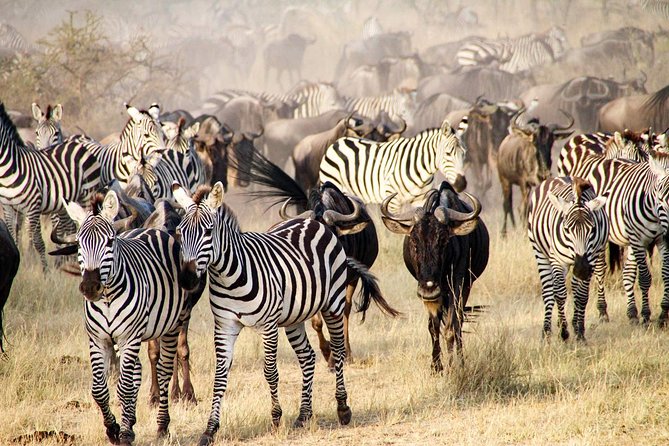
After breakfast, you descend to the Ngorongoro Crater floor for a game drive with a picnic lunch. The crater is valuable because its enclosed setting can make wildlife viewing feel concentrated. You may see black rhinos, lions, hyenas, hippos, buffalo, wildebeest, and zebras.
Black rhinos are one of the major reasons to value this stop. They are not guaranteed, but the crater offers a chance to look for them alongside a broad mix of large mammals.
A picnic lunch keeps the day moving, though it also means you spend much of the day outside the vehicle. Bring sun protection and keep your water close. After the crater visit, the plan says you continue toward Tarangire.
This is also where the schedule needs clarification. Tarangire appears again as the main focus of day five, so ask whether day four includes only the transfer toward Tarangire or whether the route has been adjusted. The published sequence may have been condensed or entered out of order.
Day 5: Tarangire’s elephant country
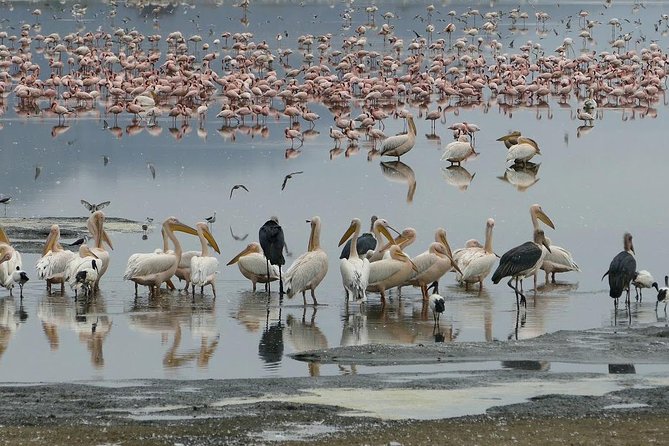
Tarangire is known for tree savanna, seasonal marshes, and large elephant herds. The park is described as having more than 4,000 elephants at the last count, making it the strongest elephant-focused stop on this route.
Your morning begins with pickup from your hotel, followed by a game drive in an open-roof safari jeep. The roof gives you a clear view for photographs and lets you watch animals without glass between you and the scene.
Along with elephants, you may see giraffes, buffalo, lions, zebras, wildebeest, antelopes, and gazelles. The park’s mix of large mammals and open views makes it a good final safari park, especially if elephants are high on your list.
Lunch is taken at a picnic site, followed by more driving in the afternoon. Later, you return to Arusha for the night. It is a full day, but it also provides a more direct park visit than the Serengeti transfer days.
Day 6: Materuni Falls, Chagga food, and Chemka
The last day changes the mood completely. After breakfast, you drive toward Materuni Waterfalls near the slopes of Mount Kilimanjaro, then walk from the village to the falls.
The walk may include chameleons, trees, birds, insects, and fruit. This is a better choice for you if you want time on foot rather than six straight days inside a safari vehicle. The waterfall is fed by fresh water from the Kilimanjaro forest, and swimming is possible.
Bring swim clothes. A towel is also useful, especially because the same advice applies to the later stop at Chemka Hot Spring.
After walking back to the village, you have a hot lunch featuring local Chagga food. That meal gives the day a human and cultural side that the game drives cannot provide. The itinerary also lists a coffee tour as part of the Kilimanjaro day hike package, so confirm whether the coffee visit happens at Materuni and how much time is allocated to it.
The final stop is Chemka Hot Spring, where you can swim. The provided details do not state how long you stay there, so ask if the timing matters to you. The day then ends back at the meeting point in Arusha.
What the $1,325 price really covers
At $1,325 per person, this is not the cheapest possible safari, but the price includes a substantial list of costs:
- Safari jeep with a pop-up roof
- Drinking water and beers
- Lodges and camping equipment
- Meals listed as four breakfasts, five lunches, and five dinners
- Kilimanjaro day activities, coffee tour, and Chemka Hot Spring
- Airport pickup and drop-off
- A group capped at 12 people
The value is strongest if you need airport transfers and want one booking to handle both safari and Kilimanjaro-area activities. It is also useful if you want to avoid choosing separate operators for Serengeti, Ngorongoro, Tarangire, and the final waterfall day.
The price does not include travel insurance or tips for the guide and cook. Budget for those separately. Also ask what type of lodge is used, how many nights are camping nights, and whether park fees are included, since the supplied details do not spell that out.
Guide quality matters more than the vehicle
A safari vehicle is important, but your guide shapes the trip. A good guide notices tracks, checks distant movement, explains animal behavior, and knows when to wait quietly.
Bulldozer has been praised for explaining animals and their environments. Maliaki has been praised for calm driving, safe handling, and clear explanations. You cannot assume either guide will be assigned to your group, so ask who will lead your departure.
The group limit of 12 is helpful, but the actual comfort depends on vehicle size and seating. Request details before booking if personal space or photography access matters to you. A small group also makes it easier to ask questions and coordinate stops.
Camping, lodge nights, and what to pack
This is a budget-style trip, not a luxury safari. The blend of lodges and camping keeps the cost down and gives you two different ways to experience Tanzania.
Camping equipment is included, but the exact equipment is not listed. Ask whether tents are set up for you, what bathroom facilities are available, and which nights are in a lodge. Ngorongoro Simba Campsite is specifically named for the third night.
Pack a towel and toilet paper. Those two items were highlighted for good reason and take little room in your bag. Add swimwear for Materuni and Chemka, comfortable walking shoes for the waterfall route, and clothing that works for both warm game drives and cooler early starts.
Who should book this route
I would recommend this trip to you if you want maximum variety in six days and accept a busy schedule. It suits first-time visitors who want the headline parks, a crater drive, elephants, a waterfall, local food, and a hot spring without arranging each part separately.
It also fits people who prefer a moderate budget and do not need a luxury camp every night. The maximum group of 12 is a reasonable middle ground between a private safari and a large coach tour.
I would hesitate if you want slow wildlife watching, long stays in one park, or a clearly defined Kilimanjaro climb. The information supports a Kilimanjaro-area day with Materuni, a coffee tour, and Chemka, not a multi-day summit trek. Confirm that point in writing.
Should you book this six-day Tanzania tour?
Book it if your priority is variety, practical pricing, and a full northern Tanzania sampler. The strongest parts are the Serengeti and Ngorongoro pairing, Tarangire’s elephant country, the roofed safari vehicle, and the final day away from the game-drive routine.
Before booking, get the exact day-by-day route, accommodation list, camping details, park-fee information, and confirmation of the Kilimanjaro activities. If those details match what you want, $1,325 can be good value for a six-day package with meals, transfers, safari transport, and a small group.
Free cancellation is available up to 24 hours before the start time for a full refund. Changes or cancellations inside that 24-hour window are not accepted or refunded.
FAQ
Where does the tour start and end?
The tour starts in Arusha, Tanzania, and ends back at the meeting point in Arusha. Airport pickup and drop-off are included.
How long does the experience last?
The full program lasts approximately six days.
How many people can join the group?
The activity has a maximum of 12 participants.
Is transportation included?
Yes. The package includes a safari jeep with a pop-up roof for game viewing, plus airport pickup and drop-off.
Which parks and sites are included?
The route includes Lake Manyara National Park, Serengeti, Ngorongoro Crater, Tarangire National Park, Materuni Waterfalls, and Chemka Hot Spring.
Are meals included?
Yes. The package lists four breakfasts, five lunches, and five dinners. Drinking water and beers are also included.
Is the experience refundable if I cancel?
You can receive a full refund if you cancel at least 24 hours before the experience starts. Cancellations or changes made less than 24 hours before the start time are not accepted.
More 6-Day Experiences in Arusha
- 6-day Private Camping Safari Tour from Kilimanjaro Airport
★ 5.0 · 27 reviews - 6 Days: Hiking Kilimanjaro via Machame Route
★ 5.0 · 24 reviews - 6-Day Guided Tour in Machame Route Mt Kilimanjaro
★ 5.0 · 17 reviews - 6 Days Kilimanjaro Climbing Machame route
★ 4.0 · 4 reviews
Just added around Arusha
- Mt. Kilimanjaro: Shira plateau to Cathedral point 3872m Day hike★ 5.0 · 7 reviews
- 5 days safari, hiking & culture (Serengeti & kilimanjaro)★ 5.0 · 27 reviews
- One Day Hike from Kilimanjaro to Mandara★ 5.0 · 2 reviews
- 3 Days Mount Meru trekking★ 4.5 · 7 reviews
- climb the KILIMANJARO via Lemosho route★ 5.0 · 4 reviews
- 6 Day: Hiking Kilimanjaro via Machame Route★ 5.0 · 2 reviews
- Private 8 day Northern Circuit Kilimanjaro Climb★ 5.0 · 8 reviews
- Kilimanjaro Waterfalls Hike & Moshi Hot Springs Day Trip Tour★ 5.0 · 4 reviews
Kilimanjaro Climbs, compared.
8-Day Small-group Lemosho Kilimanjaro Summit Trekking
Read our review →
Climbing Kilimanjaro through 7 days Machame Route
Read our review →
Browse the lists this trek appears in