
Review · ARUSHA
One Day Hike from Kilimanjaro to Mandara
Kilimanjaro’s Marangu Route gives you a real taste of Africa’s highest mountain without asking you to spend a week on the trail. In one long day, you walk from the park entrance through thick rainforest to Mandara Hut, then return to Arusha.
I like the small maximum group of six, which should make the hike easier to manage, and I like that the price includes park fees, lunch, water, transport, and a hiking stick. The catch is the 10 to 12 hour schedule. This is not a gentle morning stroll, and the return trip can feel long after reaching 2,700 meters.
Key points
- Mandara Hut at 2,700 meters: Reach the first major stopping point on the Marangu Route without committing to a summit climb.
- Rainforest wildlife: Look for blue monkeys, colobus monkeys, and forest birds among giant ferns and tall trees.
- Maundi Crater option: Walk nearby for broad views toward Kenya and the surrounding area.
- Small-group format: The tour accepts no more than six people, useful for pacing and questions.
- All-day value: The $228 price includes transport, park fees, lunch, bottled water, a hiking stick, and taxi service.
- Flexible pickup: Pickup and drop-off arrangements can be adapted from the listed meeting point at Sakina Lounge in Arusha.
Why Mandara Hut Makes a Good Kilimanjaro Day Hike
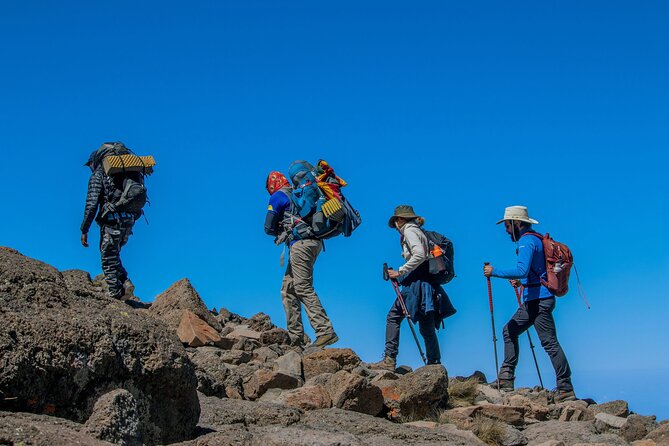
Many Kilimanjaro visitors face a simple problem: the mountain deserves time, but your itinerary may not allow a full ascent. The Marangu day hike solves part of that problem. You get forest, altitude, mountain history, and a proper trail day, then return to town rather than sleeping on the mountain.
The route is often described as Kilimanjaro’s shortest and most accessible approach for a day hike. That does not mean easy in the usual city-walking sense. You will be on your feet for much of the day, and the elevation adds another layer of effort. Still, the route offers a clear goal: Mandara Hut at 2,700 meters.
I especially like that Mandara is not an arbitrary turnaround point. It is the first overnight stop for people continuing toward the summit on the Marangu Route. Reaching it gives you a useful sense of how a longer Kilimanjaro climb begins, without pretending that a day hike is the same as a summit expedition.
More Kilimanjaro Climbs in Arusha
- 8-Day Small-group Lemosho Kilimanjaro Summit Trekking
★ 5.0 · 186 reviews - 7-Day Machame Kilimanjaro Summit Tour from Arusha
★ 5.0 · 125 reviews - Mountain Kilimanjaro Day Hike
★ 5.0 · 102 reviews
Starting in Arusha at Sakina Lounge
The listed meeting point is Sakina Lounge, A104, Arusha. Pickup is offered, and the tour ends back at the meeting point. The supplied operating hours run from 6:00 AM to 7:30 PM every day, though your exact start time should be confirmed when booking.
This early start matters. A hike to Mandara Hut and back can take 10 to 12 hours, so you need most of the day. Leave room in your schedule for transport, park entry, walking time, a meal break, and the return drive.
Pickup flexibility is another practical plus. The arrangements can be adapted to your location, according to the experience details. That is useful in Arusha, where your hotel may not be close to Sakina Lounge. Confirm the pickup place clearly before the morning of the hike.
The group limit is six people. That is small enough for the guide to keep an eye on the pace and for you to ask questions without shouting across a large group. It also makes the experience more personal than a busload of hikers, though the tour can still feel physically demanding regardless of group size.
Walking Into Kilimanjaro’s Rainforest
The first major section takes you into Kilimanjaro’s tropical rainforest. This is the part that gives the day hike its strongest sense of place. Expect tall trees, giant ferns, thick plant growth, and filtered light rather than open views for every step.
The forest also gives you a chance to see some of Kilimanjaro’s smaller residents. Blue monkeys, colobus monkeys, and several kinds of forest birds live in this zone. Sightings are never guaranteed, so treat the wildlife as a possibility rather than a promise. Keep your eyes up in the branches and your ears open for movement.
The Kilimanjaro impatiens flower is another local detail to watch for. Small plant features like this can make the walk more memorable, especially when the broad mountain view is hidden by trees.
This portion of the trail is also where a guide adds real value. A guide can point out plants, explain the route, and connect what you see to the mountain’s ecology. The cultural and historical context matters here too. Kilimanjaro is closely tied to the Chagga people, who live on the mountain’s slopes, and the hike includes stories about their traditions, local legends, and the mountain’s past.
The Change Toward Higher Ground
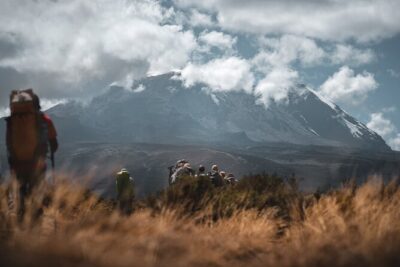
As you climb, the vegetation changes. The route moves beyond the thickest rainforest toward more open areas and alpine meadows. That shift gives you a sense of Kilimanjaro as a series of environmental zones rather than one unchanging trail.
The open sections can bring broader views of the surrounding area and, when conditions allow, glimpses toward the mountain’s higher peaks. The supplied details also mention panoramic views of the surrounding land. Keep your expectations sensible: weather, cloud, and the forest itself affect what you see.
This gradual change in scenery is one of the main reasons the hike is worth doing instead of simply visiting a viewpoint near Arusha. You are walking through a mountain system that changes with altitude. The route feels like a short lesson in geography, but you experience it with your legs rather than from a vehicle.
You should pace yourself here. A quick start can feel fine in the forest, only to catch up with you later. The guide provides a hiking stick, which can help on uneven sections and reduce some strain on the way back down. Wear proper personal gear, since that is not included in the price.
Same trailhead, a different route:
- 4 Days Mount Meru Trekking
★ 5.0 · 55 reviews - 4 days Best experience Kilimanjaro Hike, Serengeti &Ngorongoro
★ 5.0 · 54 reviews - From Arusha/Moshi: Kilimanjaro Hike Marangu Route Day Trip
★ 4.5 · 54 reviews - Mount Kilimanjaro Day Hike Through Marangu Route to Mandara Hut
★ 5.0 · 37 reviews
Reaching Mandara Hut at 2,700 Meters
Mandara Hut is the day’s main target. At 2,700 meters, it is high enough to make the experience feel like a genuine mountain outing, but still within reach for a long guided day.
The hut serves as a resting place for climbers spending their first night on the Marangu Route. You will see the practical side of Kilimanjaro trekking here: people stop, eat, recover, and prepare for the next section of the climb. For you, Mandara is the place to pause, take in the setting, and understand what a multi-day ascent would involve.
The hut area sits among forest and offers views of the surrounding region, with possible glimpses of Kilimanjaro’s higher peaks. The atmosphere can be quiet and green, a sharp contrast with the busier streets of Arusha.
Altitude deserves attention. The tour is designed as a day hike, but 2,700 meters is not sea level. You should tell the guide if you feel unwell and avoid treating the day as a race. The route is accessible compared with a summit trek, but accessible does not mean effortless.
Adding Maundi Crater to the Day
Near Mandara Hut, Maundi Crater offers another worthwhile point of interest. The crater area provides broad views toward Kenya and the surrounding region, giving you a more open outlook after the enclosed forest trail.
This is likely to be one of the day’s best photo stops, but it also helps you understand the scale of the mountain. From the forest, Kilimanjaro can feel like a narrow trail through trees. From an open point near Maundi Crater, the setting makes more sense.
The exact amount of time available for this stop depends on the day’s pace and conditions. Since the full outing lasts 10 to 12 hours, you should not assume unlimited time at the hut or crater. Ask the guide how the schedule is shaping up, especially if you want to spend longer looking for wildlife or taking photographs.
Lunch, Water, and What the $228 Covers
The price is $228 per person. That is not a low-cost local walk, but the value becomes easier to judge when you look at what is included.
You receive:
- Bottled water
- Lunch
- A hiking stick
- Transport
- Park fees
- Taxi service
Park fees are an important inclusion. Kilimanjaro access is not simply a matter of arriving at a trailhead and walking in. Having those fees included makes the price easier to understand and reduces the number of expenses you need to handle during the day.
Transport also matters because this is a full-day outing from Arusha. A vehicle takes you to the mountain area and brings you back after the hike. Taxi service is included in the listed package, though you should confirm exactly how the transport arrangements apply to your pickup location.
Lunch and water are practical rather than luxurious inclusions, but that is exactly what you need on a long trail day. You still need to bring the personal gear the tour does not provide. The details specifically exclude personal gear and tips, so plan for your own suitable clothing and equipment.
A hiking stick is included, which is helpful on the descent. Going down can put a different kind of strain on your knees and legs, especially after a full day of climbing.
The Return Trip Is Part of the Test
Reaching Mandara Hut is the obvious high point, but the hike is not finished there. You must return along the route and then travel back to Arusha. This is the main drawback for anyone picturing a relaxed mountain outing.
The return walk may feel easier because you know the route, but fatigue can make uneven ground harder to manage. Keep some energy in reserve instead of spending everything on the climb up. Small rests, steady pacing, and attention to the guide’s timing will matter more than speed.
The long day also affects what you can do afterward. Do not plan a demanding evening activity in Arusha. The experience ends back at the meeting point, but a late finish is possible within the stated 10 to 12 hour duration.
For people with limited time, this long schedule is still a fair trade. You get a genuine trail experience in one day. For people who prefer slow travel, quiet stops, and plenty of time for photography, a multi-day route may be a better match.
Cultural Stories Add Meaning to the Trail
The mountain is more than a physical challenge. The Chagga people have long-standing connections to the slopes of Kilimanjaro, and the hike includes information about their traditions and the mountain’s legends.
This cultural material gives the walk more depth. You are not simply counting kilometers or climbing toward a hut. You are moving through a place that has meaning for local communities and a long record of human use and storytelling.
The quality of this part depends heavily on the guide. No guide names are provided, so you should ask who will lead your trip and what language the guiding will use. The small group size gives you a good chance to ask for more detail along the way.
What to Bring and What the Tour Does Not Supply
The experience includes a hiking stick, water, and lunch, but personal gear is excluded. The supplied information does not specify a full packing list, so confirm what the operator expects before departure.
At a minimum, you should think carefully about the personal clothing and equipment you will need for a full mountain day. Your gear should suit changing forest and higher-altitude conditions. Comfortable walking equipment matters, as does having a way to protect yourself from changing weather.
Tips are also not included. Treat tipping as an optional extra rather than part of the advertised $228 price. If the guide and driver provide good service, you can decide what feels appropriate at the end.
The booking confirmation is issued at the time of booking. Since pickup details may be flexible, use that opportunity to confirm your meeting point, start time, and the exact transport plan.
Who Should Book This Hike
I would recommend this hike to you if you want to experience Kilimanjaro but cannot spare the time, money, or commitment required for a multi-day climb. It is also a good fit if you care more about rainforest, mountain atmosphere, wildlife, and cultural context than reaching the summit.
It suits people who are comfortable with a long day outdoors and understand that the route still involves real exertion. Beginners can take part, since the Marangu Route is presented as the most accessible day-hike option, but beginners should not confuse that with no physical challenge.
This is less suitable if you want a short walk, guaranteed wildlife, or a leisurely schedule. The 10 to 12 hour duration is the key fact to remember. You will gain a much fuller Kilimanjaro experience than a roadside viewpoint, but you will pay for it with a long day on your feet.
The maximum group of six is a strong point for solo hikers, couples, and small parties who want direct contact with the guide. It also helps if your group has different walking speeds, since a smaller party is easier to coordinate.
Should You Book the Mandara Day Hike?
Book it if your priority is to reach Kilimanjaro’s lower mountain zone, walk through rainforest, and stand at Mandara Hut without taking on a full summit itinerary. The included park fees, transport, lunch, water, and hiking stick make the $228 price easier to justify, especially for a first visit to the mountain.
Think twice if your idea of a day trip means a few relaxed hours. This is a demanding full-day outing, and the return walk is part of the deal. Ask about pickup, guide details, personal gear, and the day’s timing before you pay.
For a compact Kilimanjaro experience, the balance is good: real altitude, changing plant zones, possible wildlife, Chagga cultural context, and a clear destination. You will not climb near the summit, but you will come away with a much better feel for the mountain than a quick photo stop can provide.
FAQ
How long does the Marangu day hike take?
The experience lasts approximately 10 to 12 hours, including the hike and return transportation to Arusha.
Where does the tour start and end?
The listed meeting point is Sakina Lounge, A104, Arusha, Tanzania. The activity ends back at the meeting point.
How high is Mandara Hut?
Mandara Hut is located at 2,700 meters, or 8,858 feet.
Is transport included?
Yes. Transport, taxi service, and park fees are included in the listed price. Pickup is offered, and pickup arrangements may be flexible.
What is included in the $228 price?
The price includes bottled water, lunch, a hiking stick, transport, park fees, and taxi service.
Can I cancel for a full refund?
Yes. You can cancel at least 24 hours before the experience start time for a full refund. Cancellations or changes made less than 24 hours in advance are not accepted for a refund.
More 1-Day Tours in Arusha
- Day Trip to Kilimanjaro National Park
★ 5.0 · 20 reviews - Mount Kilimanjaro day trip trekking
★ 5.0 · 12 reviews - Kilimanjaro Waterfalls Hike & Moshi Hot Springs Day Trip Tour
★ 5.0 · 4 reviews - Kilimanjaro National Park Day Trip
★ 5.0 · 4 reviews
Just added around Arusha
- Mt. Kilimanjaro: Shira plateau to Cathedral point 3872m Day hike★ 5.0 · 7 reviews
- 5 days safari, hiking & culture (Serengeti & kilimanjaro)★ 5.0 · 27 reviews
- climb the KILIMANJARO via Lemosho route★ 5.0 · 4 reviews
- 3 Days Mount Meru trekking★ 4.5 · 7 reviews
- 6 Day: Hiking Kilimanjaro via Machame Route★ 5.0 · 2 reviews
- Private 8 day Northern Circuit Kilimanjaro Climb★ 5.0 · 8 reviews
- Kilimanjaro Waterfalls Hike & Moshi Hot Springs Day Trip Tour★ 5.0 · 4 reviews
- 6 Days Kilimanjaro Climbing Machame route★ 4.0 · 4 reviews
Kilimanjaro Climbs, compared.
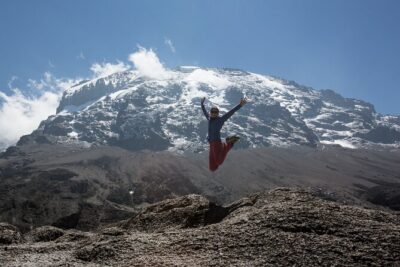
8-Day Small-group Lemosho Kilimanjaro Summit Trekking
Read our review →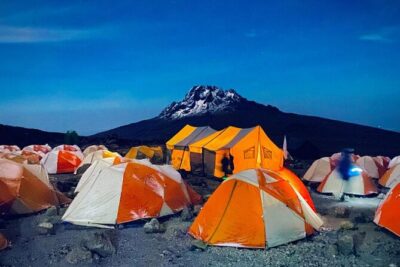
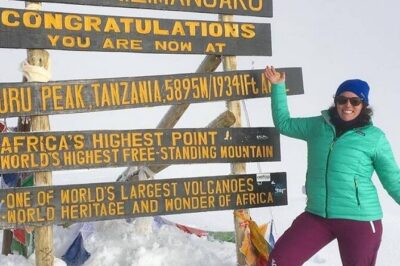
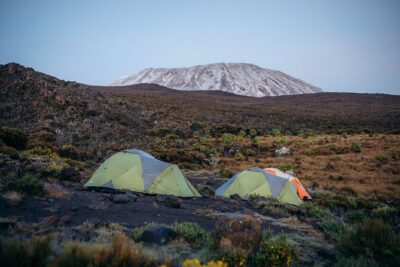
Climbing Kilimanjaro through 7 days Machame Route
Read our review →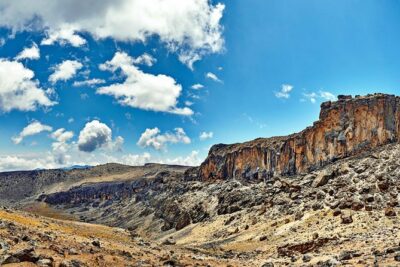
Browse the lists this trek appears in