
Review · MOSHI
Kilimanjaro climb, Lemosho Route (8-day)
Kilimanjaro’s Lemosho Route gives you the mountain in full: rainforest, wide-open Shira Plateau, volcanic rock, the Barranco Wall, and an icy summit at Uhuru Peak, 5,895 meters. You climb slowly enough to adjust, with a support crew handling camp, meals, water service, and much of the heavy work.
I like the careful altitude plan, especially the high stop at Lava Tower followed by a descent to Barranco Camp. I also like the level of support: certified Wilderness First Responder guides, oxygen, oximeters, medical checks, a cook team, and personal summit guides for each pair of climbers.
The main caution is simple: this is not an easy walking holiday. The route includes long days, a night summit attempt, repeated climbs and descents, and very high altitude. Day 6 is listed at 14 hours, and summit day demands both physical stamina and mental patience.
Key details before you book
- Eight mountain days become about ten travel days: You spend two nights at Aishi Machame Hotel, one before the climb and one after.
- The route reaches 5,895 meters: The summit is technically straightforward, but altitude is the serious challenge.
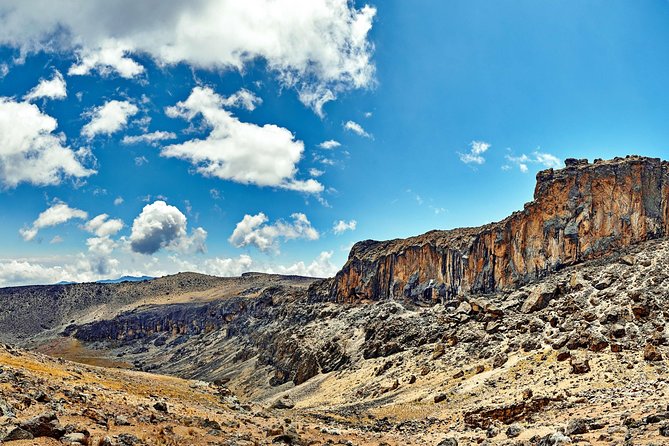
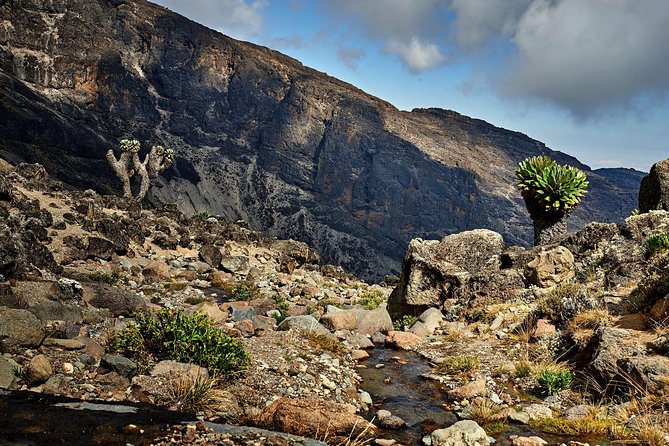
- Lemosho offers varied scenery: You move from rainforest to moorland, high volcanic terrain, alpine desert, and the summit zone.
- A full mountain crew is included: Guides, porters, camp staff, and cooks support the climb from start to finish.
- Meals are more flexible than on many treks: Vegetarian, vegan, lactose-free, gluten-free, halal, and other meal plans are available.
- The price includes major trip costs: At $3,975 per person, park fees, transfers, hotel nights, tents, meals, equipment, and medical support are built in.
Why the Lemosho Route is worth the extra days
Lemosho is a strong choice if you want a gradual approach to Kilimanjaro rather than the shortest possible route. The western start at Londorossi Gate takes several hours to reach by vehicle from Moshi, but the route rewards that effort with a quieter opening through rainforest and a broad approach across the Shira Plateau.
The route also gives your body more time to adjust. You sleep at several different elevations, climb higher for acclimatization, then return to a lower camp. That pattern is especially useful on Kilimanjaro, where fitness alone does not protect you from altitude sickness.
You will not be walking through untouched wilderness in complete isolation. Kilimanjaro is a famous peak, and some sections can feel busy. The guide team recommends leaving Barranco Camp early, partly to avoid congestion on the wall. Still, Lemosho offers a fine mix of scenery, pacing, and support.
More Kilimanjaro Climbs in Moshi
- Kilimanjaro climb by Lemosho Route (7-day)
★ 5.0 · 651 reviews - Kilimanjaro climb, Machame Route (7-day)
★ 5.0 · 262 reviews - Kilimanjaro Climbing Lemosho Route 8 Days.
★ 5.0 · 186 reviews
Arrival in Moshi and the first hotel night
Your trip begins with pickup at Kilimanjaro International Airport. An Altezza Travel representative meets you and takes you to Aishi Machame Hotel, where you have a room, hot water, internet access, a swimming pool, and staff support before the climb.
Check-in begins at 2:00 PM. In the evening, managers hold a briefing and check that you are ready. A second briefing takes place the next morning with your guide and mountain crew, so you have two chances to ask questions and sort out equipment before setting off.
That extra hotel night matters. You can recover from the flight, organize your pack, and deal with missing gear before you reach the mountain. Personal equipment is not included, but items such as sleeping bags can be hired from the company’s gear store.
Day 2: rainforest from Londorossi Gate to Mti Mkubwa
The drive from the hotel to Londorossi Gate takes roughly three to four hours. Here, the team handles park permits and search and rescue registration before you begin walking at about 2,200 meters.
The first camp is Mti Mkubwa, at approximately 2,780 meters. The walk takes around five hours and passes through rainforest, where raincoats are especially important. Conditions can be wet, so keep waterproof clothing accessible rather than buried in your duffel.
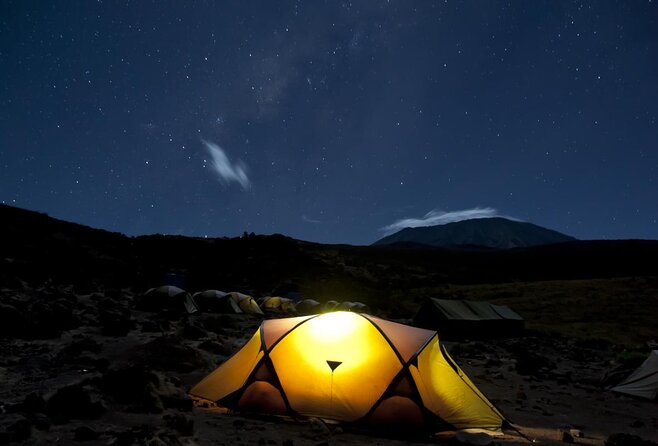
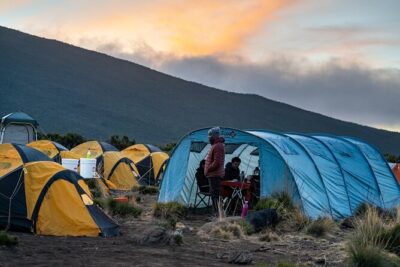
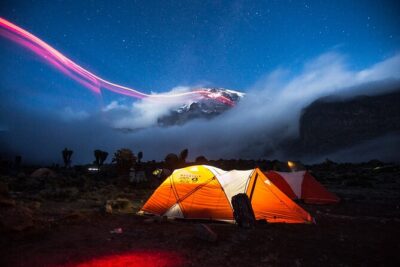
This is your first look at the support system. While you walk, the crew prepares camp and cooks lunch. Tents, sleeping pads, dining equipment, tables, chairs, crockery, and cutlery are provided. You sleep in North Face VE-25 tents, normally with two hikers per tent.
The day is not especially long by Kilimanjaro standards, but the road transfer and damp forest can make it feel full. Start gently. There is no prize for rushing the first stage.
Day 3: Shira 1 and the first high views
From Mti Mkubwa, you climb gradually toward Shira 1 Camp at 3,505 meters. The walk takes around five to six hours and is described as relatively easy, which makes it a useful day for settling into the mountain rhythm.
At roughly 3,500 meters, you get your first major views of the Shira Plateau and Kibo Volcano. The scenery opens up after the forest, and the change in vegetation makes the climb feel like a series of separate worlds rather than one long uphill walk.
Your team prepares lunch at camp, and you can rest in your tent or walk around nearby. That freedom is useful, but do not turn the rest period into a second trek. The aim is to let your body adjust while keeping a steady pace.
Same trailhead, a different route:
- Climbing Kilimanjaro – Machame Route
★ 5.0 · 170 reviews - Climbing Kilimanjaro through 7 days Machame Route
★ 5.0 · 151 reviews - Kilimanjaro climb, Lemosho Route (6-day)
★ 5.0 · 129 reviews - Kilimanjaro climb, Marangu route (6-day)
★ 5.0 · 72 reviews
Day 4: Shira 2, Mount Meru, and an acclimatization walk
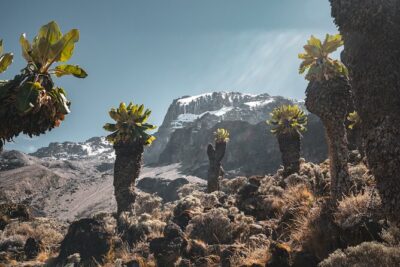
You leave Shira 1 at 3,505 meters and walk to Shira 2 Camp at 3,900 meters. The eight-hour day includes a relatively gentle route, wide views, unusual Kilimanjaro flora, and, if the weather cooperates, views toward Mount Meru.
After lunch and a two-hour rest, you take an acclimatization hike toward Lava Tower, gaining another 300 meters before returning to camp. This is a good example of why the itinerary is longer than a simple point-to-point hike. You are not only moving camp to camp. You are training your body to function higher up.
The drawback is that the day can feel repetitive: walk, rest, climb again, descend, eat, and sleep. That is the practical work of a high-altitude trip. A relaxed pace here may make the later days more manageable.
Day 5: Lava Tower and the descent to Barranco
This is one of the route’s most useful days. You leave Shira 2 at 3,900 meters and climb toward Lava Tower at 4,630 meters. The route includes many ascents and descents, and the high point may cause headache, breathlessness, or general discomfort.
You spend one to two hours at Lava Tower and eat lunch there before descending to Barranco Camp at about 3,960 meters. The climb high and sleep lower pattern gives your body a valuable altitude lesson without forcing you to spend the night at the highest point reached that day.
Barranco Camp sits below the famous Barranco Wall. Its size and steep appearance can make the next morning look more alarming than it really is. The trail up the wall is described as straightforward, but you still need balance, patience, and a willingness to move slowly.
Day 6: Barranco Wall, Karanga, and a long day
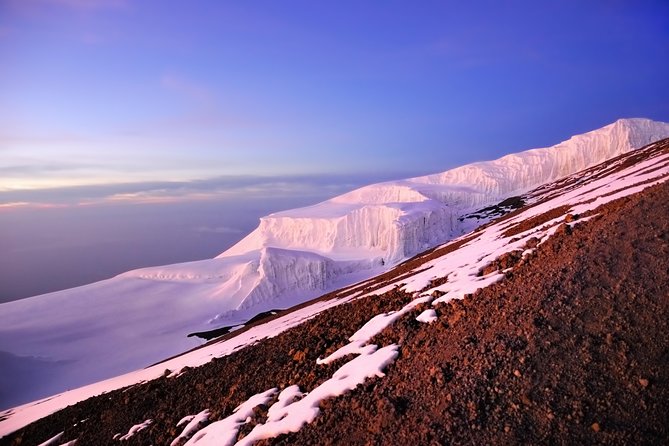
Start early from Barranco Camp. Leaving sooner helps reduce crowding on the wall, where the trail can become slow when groups bunch together.
The climb up Barranco Wall takes about an hour. It is not a technical climbing route, but you should expect hands-on movement in places and a steep-looking path. Afterward, you get time for photos with Kibo Volcano before continuing toward Karanga Camp.
The route to Karanga includes repeated ascents and descents. Your guide chooses the pace, and a hot lunch waits at camp. Later, you make another acclimatization hike toward Barafu Camp, gaining 200 meters before returning to Karanga.
This day is listed at 14 hours, so it is one of the clearest tests of the schedule. If you prefer shorter daily walks and more time to rest, ask about route alternatives before booking. For a fit hiker who accepts a demanding day, the climb offers strong preparation for the summit push.
Day 7: Barafu Camp and conserving energy
After breakfast, you walk to Barafu Summit Camp at 4,640 meters. This is the launch point for the night ascent to Uhuru Peak.
The support crew sets up your tent and sleeping bag in advance. After you arrive, you complete another acclimatization hike toward Kosovo Summit Camp at about 4,800 meters, then return to Barafu for a hot dinner.
The smart use of this day is rest. You may feel eager, nervous, or too excited to sleep, but conserve energy wherever you can. Keep your summit clothing organized, drink what you can, and follow the guide’s instructions closely.
A private tent is available for an additional fee, but the standard arrangement places two hikers in each tent. Solo climbs have different accommodation arrangements and may carry extra charges.
Day 8: the night ascent to Uhuru Peak
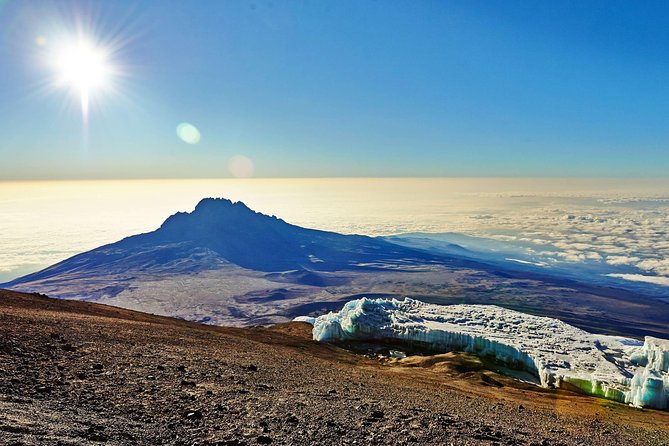
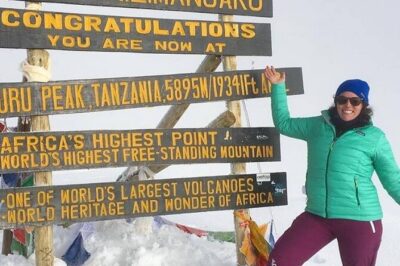
You leave Barafu at night for the summit attempt. The route is technically considered relatively simple, but the altitude changes everything. At 5,895 meters, a normal uphill walk becomes slow, deliberate work.
For the ascent, each pair of climbers receives a personal guide. The guide monitors your physical and mental condition, which is one of the most important safety features in the schedule. You are not expected to manage the summit effort alone.
After reaching Uhuru Peak, you may descend toward the nearest glacier if conditions and energy allow. You then return to Barafu for a two-hour rest before continuing down to Millennium Camp at 3,820 meters.
The supplied schedule lists this portion as five hours, but you should prepare for a demanding summit day rather than treating that number as a firm prediction. Altitude, weather, rest stops, and the pace of the group all affect timing. The guidance about accidents is blunt and useful: stay alert during the descent, when tired legs and relief can lead to careless steps.
Day 9: rainforest descent and a proper finish
You wake at Millennium Camp in tropical rainforest, much lower than the summit zone. After breakfast, you descend to Mweka Gate at 1,650 meters, covering about 12 kilometers in four to five hours.
The lower altitude brings welcome relief. At the gate, the group gathers, you can write in the company guestbook, and commemorative certificates are presented at the office. You then return to Aishi Machame Hotel.
This final hotel night is included and gives you a bed, hot water, and a chance to recover before flying home. It also prevents the trip from ending with a rushed drive straight from the mountain to the airport.
Food, tents, and the value of the support crew
Three meals a day are included on the mountain, with a choice of options for each meal. Tea, coffee, juices, soda, and other drinks are supplied. The kitchen team caters to vegetarian, vegan, lactose-free, gluten-free, halal, and other dietary needs.
That is more than a small comfort. You need regular food on long days, and eating enough can become difficult at altitude. The detailed meal service is one reason the price feels more reasonable than a bare-bones Kilimanjaro package. Food has even included treats such as pizza, which can be a welcome change from standard trek meals.
The porters, camp staff, and cooks make the climb possible, but remember that tips are not included. Budget for gratuities separately and ask for current guidance before departure. Single accommodation in the hotel or tent also costs extra.
Safety, medical checks, and guide support
The package includes certified Wilderness First Responder guides, medical kits, oxygen tanks, oximeters, and regular medical checks. These tools do not remove the risks of high altitude, but they give the guide team ways to monitor problems and respond early.
The guiding team includes people such as Richard Chande, who has been identified as a head guide and group doctor on past climbs, along with guides named Imran, Kelvin, Donovan, Michael, Rayson, Ally, and Andrea. Your exact team may differ, so do not book based on a promised individual guide unless the company confirms that person for your departure.
You also need mountaineering insurance covering trekking up to 6,000 meters. It is not included, and it is strongly recommended. Standard travel insurance may not cover a climb at this altitude, so check the wording carefully.
Is $3,975 a fair price?
At $3,975 per person, this is a major purchase. The value comes from how many large costs are already covered: airport pickup and drop-off, ground transport, two hotel nights, park fees, tents, mountain equipment, meals, drinks, guides, porters, cooks, and medical support.
You still pay for your flights to Tanzania, personal clothing and boots, a sleeping bag if you do not hire one, hotel meals, insurance, tips, and single accommodation. Hotel lunch and dinner are estimated at $15 to $20 per person per meal, so allow for those costs on the arrival and departure days.
I would compare this package by looking at what is included rather than at the headline price alone. A cheaper climb may leave out park charges, food quality, medical cover, airport transfers, or a longer acclimatization plan. Here, the eight mountain days and structured acclimatization are meaningful parts of the cost.
Who should book this climb?
I would recommend it to a fit first-time high-altitude hiker who wants a managed experience and does not want to organize every permit, meal, tent, and transfer alone. The route is also suited to experienced trekkers who value a full support crew and a slower approach.
It is less suitable if you dislike camping, struggle with long walking days, or want a relaxed sightseeing holiday. The trip requires moderate physical fitness at minimum, and the summit night can be difficult even for someone who trains well.
The private format is useful if you want your own group rather than a large public departure. Group discounts are available, but you should confirm how the discount works for your party before paying.
Should you book the 8-day Lemosho climb?
Book this climb if your priority is a well-supported route with varied scenery, strong medical preparation, and a deliberate altitude plan. The high point at Lava Tower, the descent to Barranco, and the extra hotel nights all add practical value.
Before booking, make sure you can handle the 14-hour Karanga day, the night summit attempt, shared tents, and the extra costs for insurance, tips, gear, and single rooms. If those points suit you, Altezza Travel’s Lemosho program offers a serious, carefully supported way to reach Kilimanjaro’s highest point.
FAQ
How long is the full Kilimanjaro experience?
The climb uses eight mountain days, while the full trip lasts about ten days. The schedule includes an arrival hotel night before the climb and a hotel night after the descent.
Where does the experience begin?
The experience begins with pickup at Kilimanjaro International Airport, also known as JRO. You are transferred to Aishi Machame Hotel in the Moshi area.
What time does the activity start?
The listed meeting time is 9:00 AM. Hotel check-in begins at 2:00 PM on the arrival day.
Is airport transportation included?
Yes. Pickup and drop-off at Kilimanjaro International Airport are included, along with all ground transportation connected with the climb.
What accommodation is included?
Two nights at Aishi Machame Hotel are included, with two people per room except on solo climbs. On the mountain, North Face VE-25 tents normally accommodate two hikers per tent.
Are meals included?
Three meals a day are included on the mountain. Drinks such as tea, coffee, juices, and soda are also provided. Hotel lunch and dinner are not included.
Can dietary requirements be accommodated?
Yes. Vegetarian, vegan, lactose-free, gluten-free, halal, and other meal plans are available.
Is personal hiking gear included?
No. Personal clothing, hiking boots, sleeping bags, and similar items are not included. Some equipment, including sleeping bags, can be hired from the company’s gear store.
Is mountaineering insurance included?
No. Insurance covering trekking up to 6,000 meters is not included and is strongly recommended.
What happens if I need to cancel?
You can receive a full refund if you cancel at least 24 hours before the local start time. Cancellations or changes made less than 24 hours before the start are not accepted for a refund.
Just added around Moshi
- Mount Kilimanjaro National Park Day Trip★ 5.0 · 7 reviews
- Mount Kilimanjaro Day Hike – All-Inclusive, No Hidden Fees★ 4.0 · 7 reviews
- Moshi, Kilimanjaro: Local Market Shopping Experience★ 5.0 · 2 reviews
- Moshi: Kilimanjaro Climb Marangu Route Guided Tour★ 4.3 · 6 reviews
- Kilimanjaro: Village Walk, Coffee Tour, Waterfall, and Lunch★ 4.5 · 56 reviews
- Kilimanjaro: Day trip -hike to Mandara Hut Kilimanjaro 2700m★ 5.0 · 3 reviews
- #1. Best Kilimanjaro Day hike Tour-Machame Route-ISMANI★ 4.2 · 47 reviews
- Private Kilimanjaro Hike 7 Day Lemosho Route★ 5.0 · 60 reviews
Kilimanjaro Climbs, compared.
8-Day Small-group Lemosho Kilimanjaro Summit Trekking
Read our review →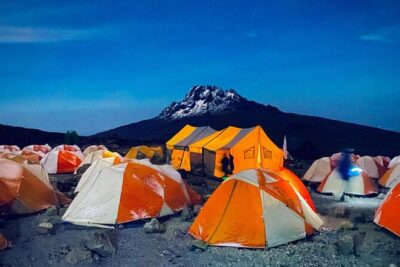
Climbing Kilimanjaro through 7 days Machame Route
Read our review →
7-Day Machame Kilimanjaro Summit Tour from Arusha
Read our review →Browse the lists this trek appears in