
Review · MOSHI
Kilimanjaro climb, Lemosho Route (6-day)
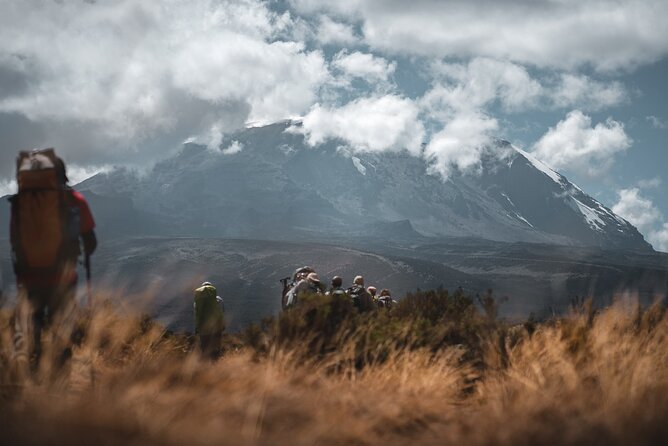
Kilimanjaro’s Lemosho Route gives you a strong mix of scenery, altitude training, and professional support. You begin on the western side of the mountain, cross the Shira Plateau, pass Lava Tower and Barranco Wall, then make the night climb to Uhuru Peak at 5,895 meters.
I like the careful acclimatization plan, especially the climb to Lava Tower followed by a descent to Barranco Camp. I also like the safety setup: certified Wilderness First Responder guides, oxygen, oximeters, medical kits, and regular health checks. The main caution is simple: six mountain days is a tight schedule for a peak this high, and summit night is a long, exhausting push.
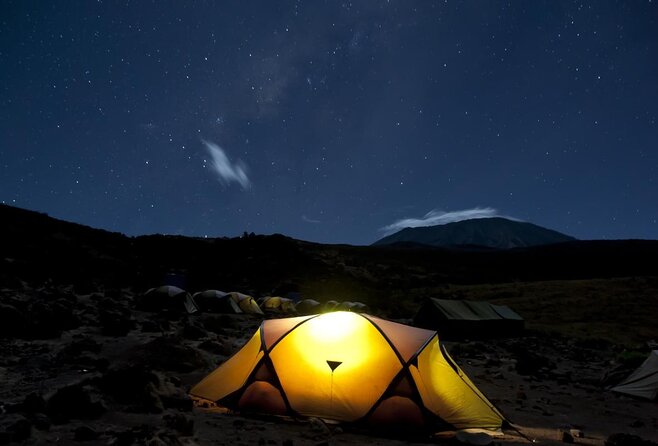
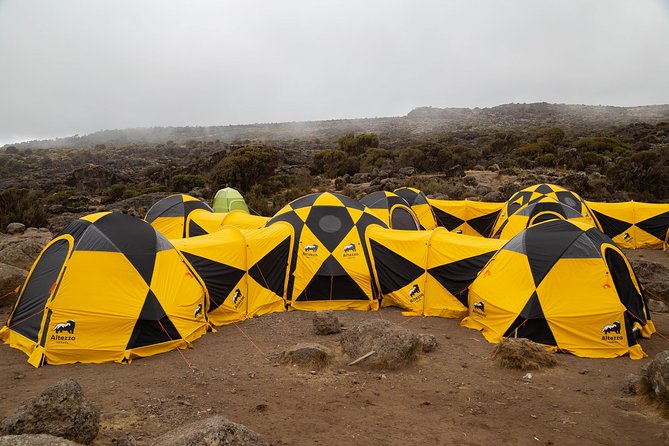
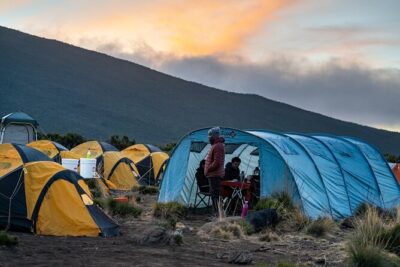
I also appreciate the practical comfort. North Face VE-25 tents, a dining tent, hot meals, drinks, and a porter and kitchen crew mean you can focus on walking rather than hauling camp gear. Names vary by group, but the team has included guides such as Stanford, Athumani, Elia, Richard, Agrey, Innocent, and Hance.
Key things to know before booking
- Londorossi to Shira 2: You drive to the western gate, then use an off-road vehicle to reach about 3,500 meters before walking across the Shira Plateau.
- Lava Tower acclimatization: You climb to 4,630 meters for lunch, then sleep lower at Barranco Camp, a useful high-and-low pattern.
- Personal summit guide: Each pair of climbers receives a guide for the Uhuru Peak ascent, with close attention to physical and mental condition.
- Full mountain support: Porters, cooks, camp staff, tents, sleeping pads, dining equipment, meals, and drinks are included.
- Real safety measures: Guides are certified Wilderness First Responders, and the crew carries oxygen, oximeters, and medical kits.
- Price and duration: The cost is $3,034 per person for about eight days, including two hotel nights and six days on the mountain.
Why the Lemosho Route is a smart choice
Lemosho is a good fit if you want a route with changing scenery and a deliberate approach to altitude. You do not simply march uphill every day. The plan includes climbs, descents, and acclimatization walks designed to let your body adjust before summit night.
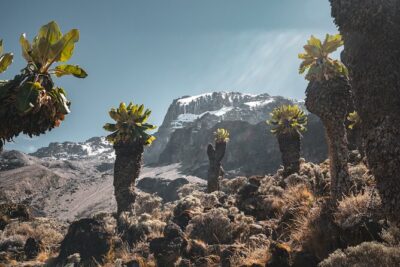
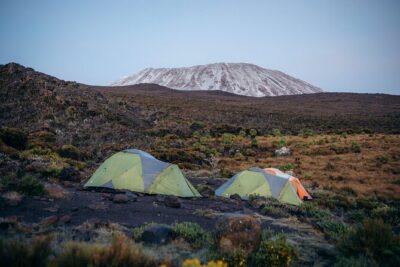
The route begins in forest and higher moorland before reaching the open Shira Plateau. Later, the vegetation thins as you approach the volcanic rocks and glaciers around Kibo. You get a clear sense of Kilimanjaro’s climate zones, rather than seeing only one type of terrain.
The six-day mountain schedule is not the longest option available on Kilimanjaro. That matters. More days can give some people extra time to adjust, while this program keeps the trip shorter and more compact. You should arrive with a moderate level of fitness and understand that altitude, not technical climbing, is the main challenge.
More Kilimanjaro Climbs in Moshi
- Kilimanjaro climb by Lemosho Route (7-day)
★ 5.0 · 651 reviews - Kilimanjaro climb, Machame Route (7-day)
★ 5.0 · 262 reviews - Kilimanjaro Climbing Lemosho Route 8 Days.
★ 5.0 · 186 reviews
Arrival in Moshi and the first night
Your airport transfer begins at Kilimanjaro International Airport. An Altezza Travel representative meets you there and takes you to Aishi Machame Hotel, where two people share a room unless you pay for single accommodation.
The hotel stay gives you hot water, Internet access, a swimming pool, and a chance to rest before the mountain. Check-in starts at 2:00 PM. In the evening, you attend a briefing with the company’s managers, who check that you are ready for the climb.
This first night is more useful than it may sound. You can organize your gear, ask questions, and recover from the flight before the early mountain routine begins. Hotel breakfast is included, but lunch and dinner are not. Budget about $15 per person for either meal at the hotel.
Day one on the mountain: Londorossi Gate to Shira 2
The mountain crew meets you at the hotel in the morning for another briefing. From there, you drive for roughly three to four hours to Londorossi Gate, at about 2,200 meters.
The team handles climbing permits and registration with the search and rescue service. You then continue by off-road vehicle toward the trailhead, reaching approximately 3,500 meters. This high drop-off saves walking time, but it also means you begin hiking at altitude almost at once.
The walk to Shira 2 Camp, at about 3,900 meters, has a moderate gain. The first views across the Shira Plateau are a highlight. The day is listed at about seven hours, though the exact rhythm depends on permits, driving, and the group’s pace.
I like this opening because it gets you into the mountain environment quickly. The drawback is that the vehicle transfer takes a good part of the day, and the high starting point gives your body little time at lower altitude before the first night.
Day two: Lava Tower and the Barranco Wall
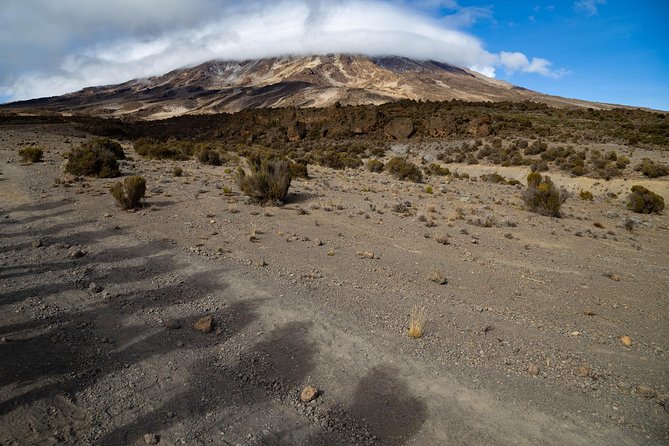
After breakfast, you leave Shira 2 and climb toward Lava Tower at 4,630 meters. This is one of the most important days for acclimatization. The route includes repeated ascents and descents, and the high point can bring headache, breathlessness, or general discomfort.
You spend at least one to two hours at Lava Tower, with lunch there, before descending to Barranco Camp at about 3,960 meters. This is the classic climb high, sleep lower pattern. It is physically demanding, but it gives your body useful exposure to higher altitude without making you sleep at the day’s highest point.
Barranco Camp sits near the famous Barranco Wall. It looks steep and imposing, but the route up it is described as a straightforward hiking trail rather than technical climbing. The day takes about eight hours, so you should expect tired legs by camp.
This is a good example of why pacing matters. The guides choose a speed suited to the group, and that is more important than trying to be first into camp. You should walk slowly, drink regularly, and tell your guide early if you feel unwell.
Same trailhead, a different route:
- Climbing Kilimanjaro – Machame Route
★ 5.0 · 170 reviews - Climbing Kilimanjaro through 7 days Machame Route
★ 5.0 · 151 reviews - Kilimanjaro climb, Lemosho Route (8-day)
★ 5.0 · 148 reviews - Kilimanjaro climb, Marangu route (6-day)
★ 5.0 · 72 reviews
Day three: Barranco Wall to Karanga Camp
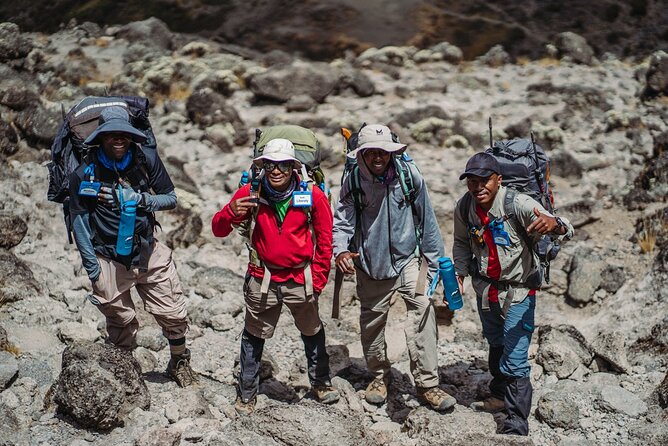
The day begins early to reduce crowding on Barranco Wall. The climb up the gorge wall takes about an hour. You have time afterward to rest and take photographs with Kibo, Kilimanjaro’s main volcanic cone, behind you.
From there, the trail to Karanga Camp includes many short climbs and descents. It is not just a steady uphill walk. The group reaches camp at about 4,035 meters and receives a warm lunch.
Later, you take an acclimatization walk toward Barafu Camp before returning to Karanga. This extra walk may feel like unnecessary work when you are already tired, but it prepares you for the high camp and summit push ahead.
The listed hiking time is about seven hours. Barranco Wall is likely to be the day’s most memorable section, but the repeated ups and downs can be more tiring than the wall itself.
Day four: Karanga to Barafu Summit Camp
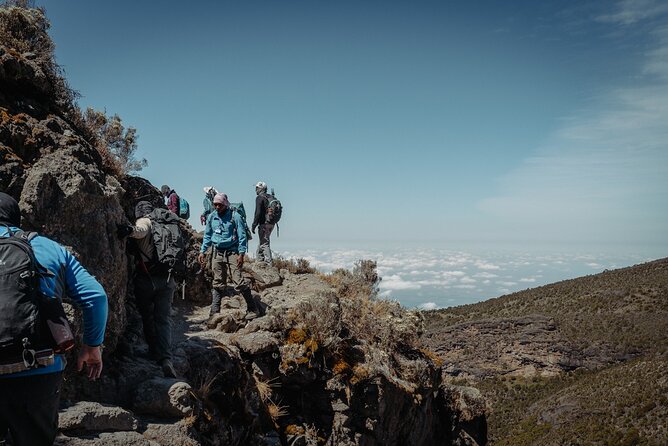
You climb from Karanga Camp to Barafu Summit Camp, at 4,640 meters. Barafu is the launch point for the night ascent, so the mood changes here. You are no longer simply moving from one camp to the next. You are preparing for the hardest part of the trip.
The crew sets up your tent and sleeping bag before you arrive. After lunch or a period of rest, you walk toward Kosovo Summit Camp, at about 4,800 meters, then return to Barafu. This acclimatization walk adds altitude exposure without making you sleep at the higher point.
Dinner is served at camp, and the best use of the remaining hours is rest. The summit departure comes at night, so you need to protect your energy. The day is listed at around seven hours, but the real challenge is managing sleep, food, and nerves before the final climb.
Summit night: Barafu to Uhuru Peak
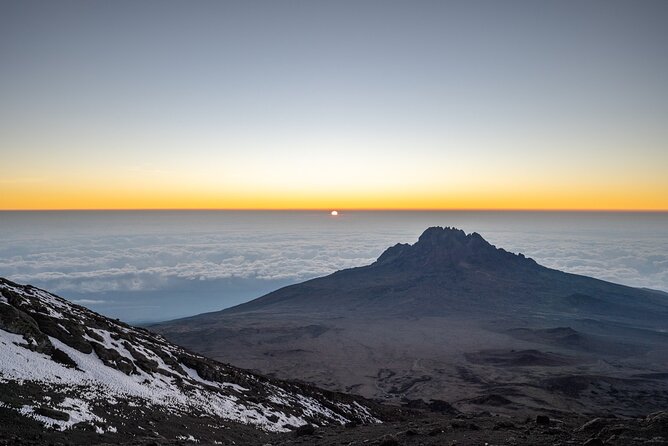
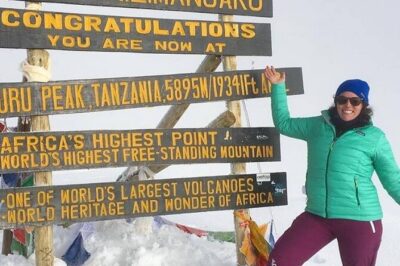
You leave Barafu during the night for Uhuru Peak, at 5,895 meters. The route is technically straightforward, but the altitude makes it hard. You gain height slowly, and the cold, darkness, and lack of sleep add to the strain.
Each pair of climbers receives a personal guide for the summit ascent. That is one of the strongest features of this program. A guide can watch your pace and condition closely, help you make sensible choices, and respond if you begin to struggle.
After reaching Uhuru Peak, you can descend to the nearest glacier if you still have the energy and conditions allow. You then return to Barafu for about two hours of rest before continuing to Millennium Camp at 3,820 meters.
The full day is listed at about 12 hours. Your legs may feel surprisingly weak on the way down. The descent deserves as much care as the climb, so watch your footing and do not rush simply because the summit is behind you.
Millennium Camp to Mweka Gate
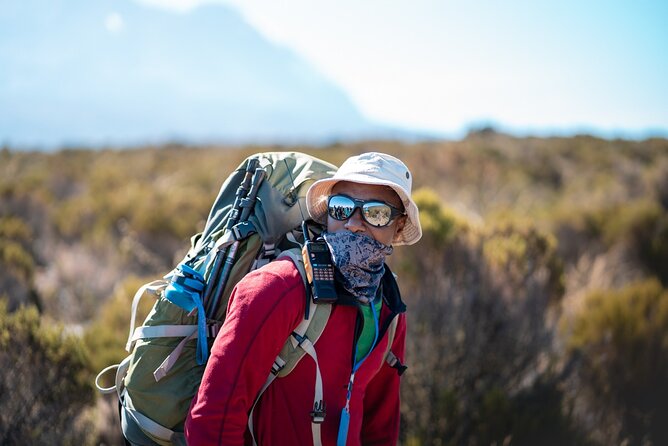
After a night at Millennium Camp, you wake in the rainforest zone. The drop in altitude usually brings relief, and breakfast gives you a welcome return to a more normal appetite.
The descent to Mweka Gate takes about four to five hours over 12 kilometers, dropping from 3,820 meters to 1,640 meters. The vegetation changes quickly as you lose height, and the final walk is a satisfying contrast to the stark upper mountain.
At the gate, the group gathers for congratulations and you can write in the company guestbook. The team presents commemorative certificates at the office before transferring you back to the hotel.
You spend the final night at Aishi Machame Hotel. Checkout is at 11:00 AM on the last day. If your flight leaves later, a late checkout is available for an extra fee.
What the $3,034 price covers
At $3,034 per person, this is not a budget walk-up-the-mountain trip. The price includes airport pickup and drop-off, ground transportation, two hotel nights, park fees, mountain tents, sleeping pads, dining equipment, porters, cooks, camp staff, guides, meals, drinks, and medical equipment.
The food plan is unusually practical for a demanding climb. You receive three meals a day, with choices at each meal, plus tea, coffee, juice, soda, and other drinks. Vegetarian, vegan, lactose-free, gluten-free, halal, and other meal plans are available.
The included park fees are important because Kilimanjaro’s permits and conservation charges can form a large part of a guided climb. You are also paying for a large support system. The porters carry camp supplies, the cooks prepare hot food, and the camp crew sets up equipment before you arrive.
You still need to budget for airfare, your visa, insurance, personal gear, hotel lunches and dinners, and crew tips. A Tanzanian visa is available at JRO for $50 for most nationalities and $100 for US passport holders. Personal equipment such as hiking clothes, boots, and a sleeping bag can be hired, but those costs are extra.
Safety, guides, and camp comfort
The medical approach is a major reason to consider this operator. Guides hold Wilderness First Responder certification, and the crew carries oxygen tanks, oximeters, and medical kits. Medical checkups take place during the climb.
Those measures do not remove the risks of altitude. They do give the guides tools to monitor you and make better decisions. You still need suitable insurance that covers mountain trekking, and you should be honest about symptoms rather than trying to hide them.
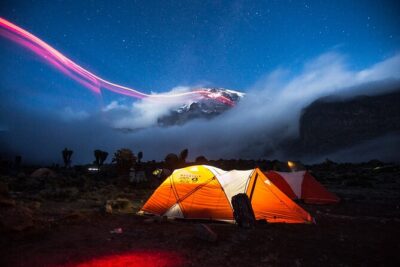
The camp setup is designed for comfort without pretending you are in a hotel. Two hikers share a North Face VE-25 tent, and the group has a dining tent, table, chairs, crockery, and cutlery. The kitchen team provides hot meals, which can make a real difference after a cold, tiring day.
The human side of the operation also matters. The crew is known for singing and dancing around camp, and that can lift morale during the long middle days. Names attached to different groups include Stanford, Balthazar, Phillipo, Athumani, Elia, Innocent, Richard, Agrey, Hance, Frank, and Othman. Your exact guides will depend on the departure.
Who should book this climb
I would recommend this experience to someone who wants a guided Kilimanjaro climb with strong logistics and does not want to manage camp equipment alone. It suits people who value safety checks, personal summit support, dietary flexibility, and a warm meal at the end of the day.
It is also a reasonable choice if you are traveling to Tanzania from abroad and want airport transfers and hotel nights built into one plan. The private format means only your group participates, which can make the pacing and support feel more personal.
I would hesitate if you want a relaxed, long acclimatization schedule. Six mountain days are demanding, and you need to arrive fit, patient, and ready for an overnight summit push. This is not a casual sightseeing hike, even though no technical climbing skills are required.
Free cancellation is available if you cancel at least 24 hours before the start time. Changes or cancellations inside that window are not accepted for a refund.
Should you book the Lemosho climb?
Book it if you want the scenic Lemosho approach, a carefully structured acclimatization plan, and a professional crew that handles the hard practical work. The combination of medical monitoring, personal summit guides, good camp equipment, and included park fees makes the $3,034 price easier to justify.
Before paying, check your insurance, gear list, visa needs, and fitness. You should also ask about the exact guide team assigned to your departure and the cost of any rental equipment or single accommodation.
For a shorter Kilimanjaro program with substantial support, this is a strong choice. Just respect the schedule. The mountain may look inviting from Moshi, but the summit night will test your lungs, legs, patience, and ability to keep moving slowly.
FAQ
How long is the full experience?
The complete program takes approximately eight days, including arrival, two hotel nights, six days connected with the mountain climb, and departure.
How long is the mountain climb?
The Lemosho mountain itinerary is described as a six-day climb, followed by the final descent and return to the hotel within the eight-day program.
Where does the experience begin?
The experience begins with pickup at Kilimanjaro International Airport, followed by transfer to Aishi Machame Hotel near Moshi.
Is airport transportation included?
Yes. Pickup and drop-off at Kilimanjaro International Airport, along with all ground transportation, are included.
Are Kilimanjaro National Park fees included?
Yes. The fees collected by Kilimanjaro National Park are included in the price.
Are meals included?
Breakfast is included during the hotel stay, and the mountain plan includes breakfast, lunch, and dinner. Drinks such as tea, coffee, juices, and soda are also included on the mountain. Hotel lunch and dinner cost extra.
What safety equipment is provided?
The crew carries oxygen tanks, oximeters, and medical kits. Guides are certified Wilderness First Responders, and medical checkups take place during the climb.
Is personal hiking equipment included?
No. You must arrange personal equipment such as hiking clothes, boots, and a sleeping bag. Equipment hire is available for an additional charge.
More 6-Day Experiences in Moshi
- Singalila Ridge Trek from Darjeeling – 6 Days
★ 5.0 · 56 reviews - 6 Days Climbing Mount Kilimanjaro Machame Route
★ 5.0 · 40 reviews - 6 day Rainbow Mountain x Ausangate Trek – FlashpackerConnect
★ 5.0 · 30 reviews - 6-day Private Camping Safari Tour from Kilimanjaro Airport
★ 5.0 · 27 reviews
Just added around Moshi
- Mount Kilimanjaro National Park Day Trip★ 5.0 · 7 reviews
- Mount Kilimanjaro Day Hike – All-Inclusive, No Hidden Fees★ 4.0 · 7 reviews
- Moshi, Kilimanjaro: Local Market Shopping Experience★ 5.0 · 2 reviews
- Moshi: Kilimanjaro Climb Marangu Route Guided Tour★ 4.3 · 6 reviews
- Kilimanjaro: Village Walk, Coffee Tour, Waterfall, and Lunch★ 4.5 · 56 reviews
- Kilimanjaro: Day trip -hike to Mandara Hut Kilimanjaro 2700m★ 5.0 · 3 reviews
- #1. Best Kilimanjaro Day hike Tour-Machame Route-ISMANI★ 4.2 · 47 reviews
- Private Kilimanjaro Hike 7 Day Lemosho Route★ 5.0 · 60 reviews
Kilimanjaro Climbs, compared.
8-Day Small-group Lemosho Kilimanjaro Summit Trekking
Read our review →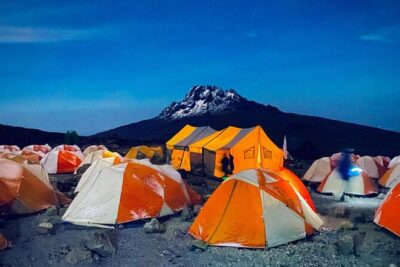
Climbing Kilimanjaro through 7 days Machame Route
Read our review →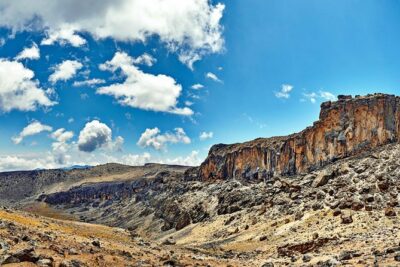
7-Day Machame Kilimanjaro Summit Tour from Arusha
Read our review →Browse the lists this trek appears in