
Review · ARUSHA
6 Days Trekking Marangu Route Mount Kilimanjaro
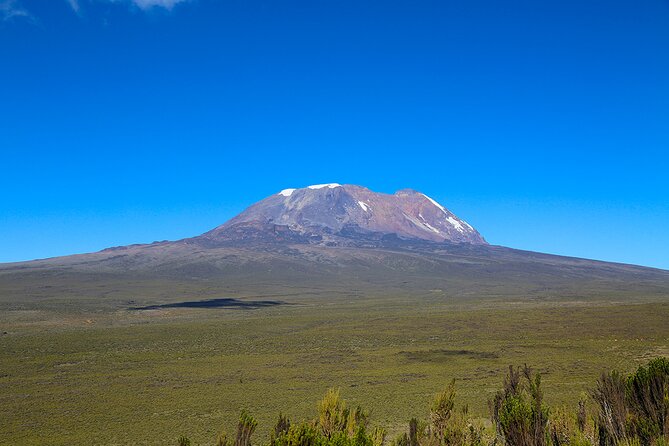
The Marangu Route gives you one of the more straightforward ways up Kilimanjaro, with a steady trail, mountain huts, and no nightly tent camp. I like the extra acclimatization day at Horombo, and I like the chance to see rainforest, moorland, alpine desert, and the crater rim in one climb.
The huts make this route more comfortable than a camping route, but comfort should not be confused with ease. The final climb begins around midnight and includes steep scree to Gillman’s Point. The six-day schedule also requires careful pacing, and the supplied plan leaves some details of the summit return unclear.
Key points at a glance
- Hut accommodation instead of camping: You sleep in simple mountain huts at Mandara, Horombo, and Kibo.
- A useful acclimatization day: Day three stays at Horombo and includes an optional hike toward Mawenzi and Zebra Rocks.
- A private group of up to six: The small maximum allows closer contact with the guides and a more personal pace.
- A demanding midnight summit push: You wake around 11:30 p.m. for tea and biscuits before tackling the steep route to Gillman’s Point and Uhuru Peak.
- A fully arranged package: Park fees, guides, porters, cook, meals, transfers, and one night before the climb are included.
- Strong guide references: Michael and Yano are specifically named in the feedback, with good marks for care, organization, and communication.
Why the Marangu Route suits some climbers better
Marangu is often called the easiest Kilimanjaro route, but that description needs a little care. The trail is well developed and the ascent is steady for much of the climb. You are not dealing with tents, camp setup, or a new campsite every night. That makes the route appealing if you want a simpler mountain routine.
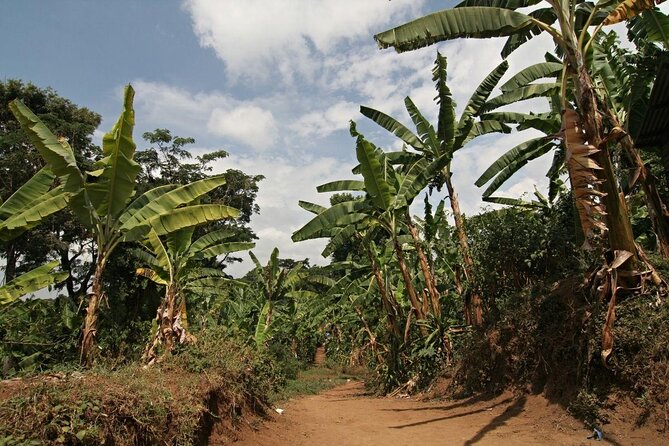
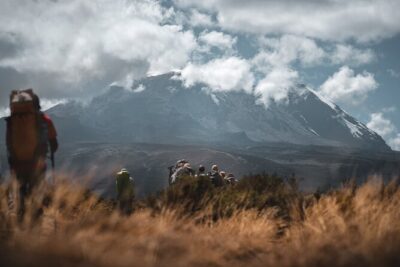
The route also has a clear progression through Kilimanjaro’s climate zones. You begin in thick rainforest, continue into open moorland, cross alpine desert, and finally reach the cold, rocky summit zone. Each day feels different, which helps keep the climb interesting even when your legs are tired.
The main drawback is the summit day. You may find the earlier walking quite manageable, then face a sharp change in effort during the nighttime climb. The route to Hans Meyer Point and Gillman’s Point is steep, loose, and mentally tiring. The extra day at Horombo helps, but it cannot remove the effects of altitude.
More Kilimanjaro Climbs in Arusha
- 8-Day Small-group Lemosho Kilimanjaro Summit Trekking
★ 5.0 · 186 reviews - 7-Day Machame Kilimanjaro Summit Tour from Arusha
★ 5.0 · 125 reviews - Mountain Kilimanjaro Day Hike
★ 5.0 · 102 reviews
What $1,900 includes and what it means
The listed price is $1,900 per person. That is not a small amount, but it covers many of the costs that make a Kilimanjaro climb work: park fees, guides, porters, a cook, private transportation, meals, accommodation, and arrival and departure transfers.
You also receive one night of accommodation before climbing. That matters if you are arriving in Arusha or Moshi and want the operator to handle the first practical steps rather than arrange separate transport and lodging.
The package lists seven breakfasts, seven lunches, and seven dinners. Since the climb is described as six days, I would confirm the exact meal schedule before booking. It may include meals connected with the pre-climb night or transfer days, but the published details do not spell that out.
International and domestic flights are not included. You also pay separately for visa fees, alcoholic drinks, tips, and mountaineering insurance. Insurance deserves special attention. Standard holiday cover may not include a high-altitude Kilimanjaro climb, so check the wording before you leave home.
For the money, the strongest value comes from having the major mountain costs bundled together. You are not simply paying for transport to a trailhead. You are paying for the staff, permits, food, huts, porters, and logistical support required for a guided ascent.
Day 1: Marangu Gate to Mandara Hut
The day begins with an early departure from Arusha or Moshi, with the stated meeting time at 7:00 a.m. The drive takes you to Marangu Gate, where the climb is registered before you start walking.
The first section runs through Kilimanjaro’s rainforest. Expect a narrow trail, thick vegetation, and a steady uphill walk rather than a dramatic mountain view from the first step. This is a pleasant beginning, but the humidity and constant climbing can still make the day feel warm.
A picnic lunch is planned at Kisambioni, roughly halfway through the day. After lunch, you continue through the forest to Mandara Hut. Once there, you can rest or take the short walk to Mahundi Crater.
That side walk is worth considering if you still have energy. On a clear day, you may see toward Taveta in the east and Mawenzi Peak to the northwest. The views give you an early sense of the mountain’s scale without requiring a major detour.
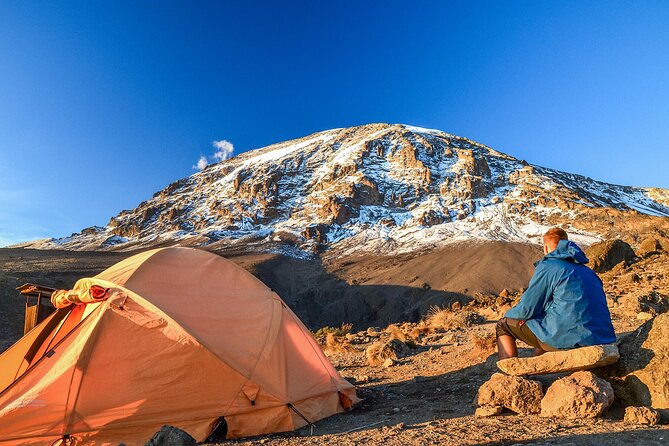
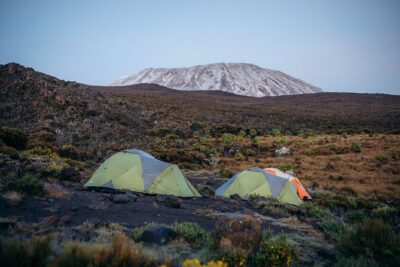
Mandara is a simple mountain hut, not a private hotel room. The advantage is shelter and a bed-like sleeping arrangement instead of a tent. The tradeoff is that hut accommodation is basic, and you should be ready for shared mountain facilities.
Day 2: Moorland walking to Horombo Hut
After breakfast, you leave the forest behind and enter Kilimanjaro’s moorland zone. The change is easy to notice. Trees thin out, the air feels more open, and the plants become shorter and more adapted to the cold.
The route continues toward Horombo Hut, with a picnic lunch at Kambi ya Taabu. Most of the day is a steady walk rather than a technical climb. That does not mean you should rush. A slow, regular pace gives your body a better chance to adjust to the increasing height.
If the weather is clear, you may see Mawenzi and Kibo. These are important views because they show the two great volcanic peaks that shape the upper part of the climb. Clouds can hide them, so do not treat a clear summit view as guaranteed.
You are expected to reach Horombo at about 3:00 p.m. The rest of the afternoon is for eating, drinking, and resting. Horombo is an important stop because it is both accommodation and the base for the extra acclimatization day.
Same trailhead, a different route:
- 4 Days Mount Meru Trekking
★ 5.0 · 55 reviews - 4 days Best experience Kilimanjaro Hike, Serengeti &Ngorongoro
★ 5.0 · 54 reviews - From Arusha/Moshi: Kilimanjaro Hike Marangu Route Day Trip
★ 4.5 · 54 reviews - Mount Kilimanjaro Day Hike Through Marangu Route to Mandara Hut
★ 5.0 · 37 reviews
Day 3: Acclimatization near Zebra Rocks
The third day is one of the best features of this six-day plan. You spend another night at Horombo rather than pushing higher immediately. This gives your body more time to adjust before the alpine desert and summit attempt.
The suggested walk heads toward Mawenzi and passes Zebra Rocks. The outing takes about three hours up and one and a half hours down. It is not just a sightseeing walk. Gaining some height during the day and sleeping lower at Horombo is intended to help with acclimatization.
I would treat this as an important part of the climb, not as a spare day to skip. The summit attempt is the hardest section, and an extra night at Horombo is more useful than shaving a day from the schedule.
You should still discuss your condition with the guide. If you feel unwell, the right choice may be to rest rather than force the optional hike. The package is private for up to six people, so the group size is small enough for more direct conversations about pace and energy.
Day 4: Into the alpine desert and up to Kibo Hut
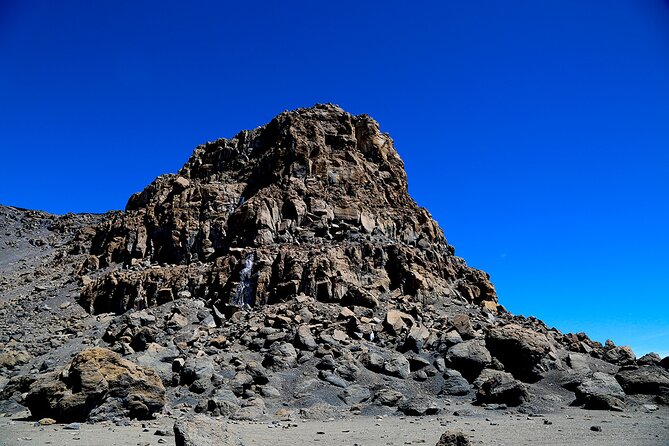
After Horombo, the vegetation becomes sparser as you enter the alpine desert. This is a stark section of the route, with open ground, rocky surfaces, and fewer signs of plant life.
The last water point is listed at 13,550 feet, or 4,130 meters. You must fill your bottles there with enough water for the climb and return to Horombo two nights later, unless you choose to buy mineral water at Kibo Hut.
This is one of the most practical details in the entire plan. Do not treat water as a minor item. Carrying enough for the summit section adds weight, but arriving short creates a bigger problem. Ask your guide exactly how much you should carry and how water will be stored.
The summit is described as another 3,921 feet, or 1,195 meters, above this point. At Kibo Hut, you go to bed around 6:30 p.m. The aim is not a long night of sleep. It is a short rest before the midnight start.
This day can feel strange because you reach the hut in the afternoon, eat, prepare your gear, and then try to sleep while knowing the hardest part is still ahead. Keep your evening simple. Organize your clothing, headlamp, water, and small personal items before lying down.
Day 5: The midnight climb to Gillman’s Point and Uhuru Peak
Around 11:30 p.m., you wake for tea and biscuits. The summit push begins in darkness, and the first section follows a rocky path toward Hans Meyer Point at about 17,225 feet, or 5,250 meters.
Hans Meyer Point is described as a useful resting place. From there, the trail zigzags upward toward Gillman’s Point on the crater rim. This section contains steep scree, loose stones that can slide beneath your boots. It requires both physical effort and patience.
This is where the Marangu Route stops feeling easy. The altitude slows every movement, and the nighttime start can make the climb feel longer than expected. Your guide’s role matters here. The package provides experienced mountain guides, and Michael and Yano are specifically named in the available feedback as guides who took good care of the group.
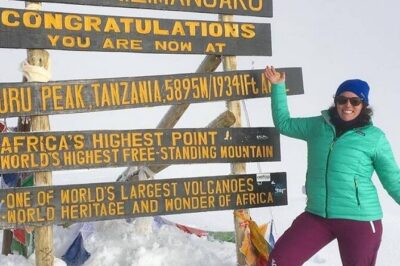
Gillman’s Point is listed at about 18,639 feet, or 5,681 meters. Climbers who reach it receive a silver certificate. If you continue around the crater rim to Uhuru Peak, listed at 19,341 feet, or 5,895 meters, you receive a gold certificate.
The schedule clearly describes the midnight ascent and the two certificate levels, but it does not give a full hour-by-hour account of the route after reaching the summit or the return to Kibo and Horombo. Ask the operator to confirm where you rest after the summit and how the final descent is arranged. That is especially important because the following day is described as the descent to Marangu Gate.
The summit section is not a place to race. You need warm layers, water, and a willingness to move slowly. If you reach Gillman’s Point but cannot safely continue, the silver certificate still recognizes a high crater-rim ascent. Uhuru Peak is the highest point, but reaching it should not come at the cost of ignoring serious altitude symptoms.
Day 6: Descending through the cloud forest
After breakfast, you descend to Marangu Gate. The final walk passes back through Kilimanjaro’s cloud forest, giving you a very different view of the route from the one you saw on the way up.
The descent may feel easier than the ascent, but tired legs create their own problems. The trail can be slippery, so watch your footing. Trekking poles may be useful, although the supplied details do not say whether they are provided.
At Marangu Gate, you sign out. Successful climbers receive their certificates there, with silver for Gillman’s Point and gold for Uhuru Peak. Vehicles then take you back to Arusha.
The return transfer is a welcome part of the package. After several days at altitude, arranging your own transport would be an unnecessary chore. The included arrival and departure transfers also make the first and last stages simpler.
Huts, food, porters, and daily support
The hut system is the main practical difference between this route and a camping climb. You sleep in simple mountain huts, which can reduce the work involved in setting up and breaking camp. That is a real advantage if you prefer to save energy for walking.
The huts are still basic. You should not expect hotel-style privacy or comfort. The information provided does not specify room arrangements, bathroom facilities, or hut capacity, so ask those questions before departure if they matter to you.
A cook is included, along with meals listed as breakfast, lunch, and dinner. Food on a multi-day climb is not a minor extra. Regular meals help you keep moving, and the package removes the need for you to organize mountain cooking yourself.
Porters are also included, along with their salaries. Your personal packing still matters, but porter support means the group has help moving supplies and luggage. Tips are not included, so budget for them separately and ask the operator for current guidance.
The overall operation appears designed to keep the logistics together. Communication and organization were specifically praised, and the named guides Michael and Yano received positive mention for looking after the group. That is useful reassurance, though I would still ask who your actual guide team will be when booking.
Group size, timing, and practical fit
The maximum group size is six people. That is small enough to make the trek feel more personal and should allow the guide to keep a closer eye on pace and condition. It also means your daily rhythm may be shaped by the other members of the group, even in a private or small-group setting.
The trip starts around 7:00 a.m., while the first transfer and hike are described as leaving at about 8:00 a.m. Confirm the exact pickup time and location in Arusha or Moshi. Pickup is offered, and private transportation is included.
Most people can participate according to the supplied information, but you should not read that as a promise that the climb will feel easy. The route reaches nearly 19,341 feet at Uhuru Peak, and the final approach is physically demanding. Good preparation and honest communication with the guide matter more than simply meeting a general participation statement.
The operator also offers free cancellation up to 24 hours before the start time. Changes or cancellations inside that window are not refunded. If poor weather causes the experience to be canceled, you are offered another date or a full refund.
Who should book this six-day climb?
I would choose this route if you want mountain huts, a well-used trail, and a clear six-day structure. The extra night at Horombo is a strong reason to consider this version rather than a shorter itinerary.
It suits you best if you are comfortable with early starts, basic accommodation, long uphill walks, and a cold nighttime summit attempt. It is also a good match if you prefer a small group and want transport, meals, staff, permits, and park fees handled together.
I would pause before booking if you want privacy, a relaxed summit schedule, or a detailed itinerary with no unclear sections. The published plan should be checked carefully around the summit return and the number of meals included. You should also arrange suitable mountaineering insurance and budget for tips.
Should you book the Marangu Route?
For $1,900, this is a practical package with hut accommodation and many major costs included. I like the extra acclimatization day, the small group limit, and the fact that the package covers the working parts of the climb, from porters and park fees to food and transfers.
The hard truth is that Marangu is only easier in comparison with other Kilimanjaro routes. The nighttime climb to Gillman’s Point is steep and tiring, and Uhuru Peak requires still more effort. If you understand that and want a supported hut-based climb, this is a sensible choice.
Before paying, confirm the summit-day schedule, hut arrangements, water plan, guide names, and the exact meal count. If those answers suit you, Meru Slopes Tours and Safaris offers a well-organized route for reaching Kilimanjaro with less camping work and a useful acclimatization pause at Horombo.
FAQ
How long is the Marangu Route experience?
The trek lasts approximately six days. It includes the approach from Marangu Gate, an extra acclimatization day at Horombo, the summit attempt, and the descent to Marangu Gate.
What type of accommodation is provided?
You stay in simple mountain huts at the route’s overnight stops rather than camping in tents.
What is the maximum group size?
The experience accepts a maximum of six participants.
What is included in the $1,900 price?
The price includes fees and taxes, private transportation, one pre-climb night of accommodation, professional mountain guides, arrival and departure transfers, guide and porter services, a cook, park fees, and listed breakfasts, lunches, and dinners.
What time does the experience start?
The meeting time is listed as 7:00 a.m. The first day’s departure from Arusha or Moshi is described as around 8:00 a.m.
What happens if bad weather cancels the climb?
If poor weather causes cancellation, you are offered a different date or a full refund. You can also cancel up to 24 hours before the start time for a full refund.
More 6-Day Experiences in Arusha
- 6-day Private Camping Safari Tour from Kilimanjaro Airport
★ 5.0 · 27 reviews - 6 Days: Hiking Kilimanjaro via Machame Route
★ 5.0 · 24 reviews - 6 Days best adventure kilimanjaro ,Tarangire ,Serengeti &Ngorongoro crater
★ 5.0 · 24 reviews - 6-Day Guided Tour in Machame Route Mt Kilimanjaro
★ 5.0 · 17 reviews
Just added around Arusha
- Mt. Kilimanjaro: Shira plateau to Cathedral point 3872m Day hike★ 5.0 · 7 reviews
- 5 days safari, hiking & culture (Serengeti & kilimanjaro)★ 5.0 · 27 reviews
- One Day Hike from Kilimanjaro to Mandara★ 5.0 · 2 reviews
- 3 Days Mount Meru trekking★ 4.5 · 7 reviews
- climb the KILIMANJARO via Lemosho route★ 5.0 · 4 reviews
- 6 Day: Hiking Kilimanjaro via Machame Route★ 5.0 · 2 reviews
- Private 8 day Northern Circuit Kilimanjaro Climb★ 5.0 · 8 reviews
- Kilimanjaro Waterfalls Hike & Moshi Hot Springs Day Trip Tour★ 5.0 · 4 reviews
Kilimanjaro Climbs, compared.
8-Day Small-group Lemosho Kilimanjaro Summit Trekking
Read our review →
Climbing Kilimanjaro through 7 days Machame Route
Read our review →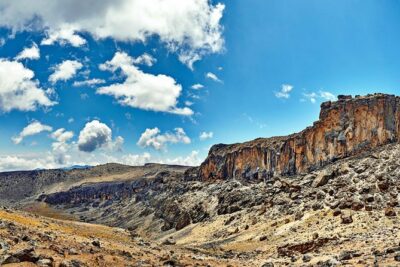
Browse the lists this trek appears in