
Review · ARUSHA
Private 6-Day Kilimanjaro Climbing via Machame route from Arusha
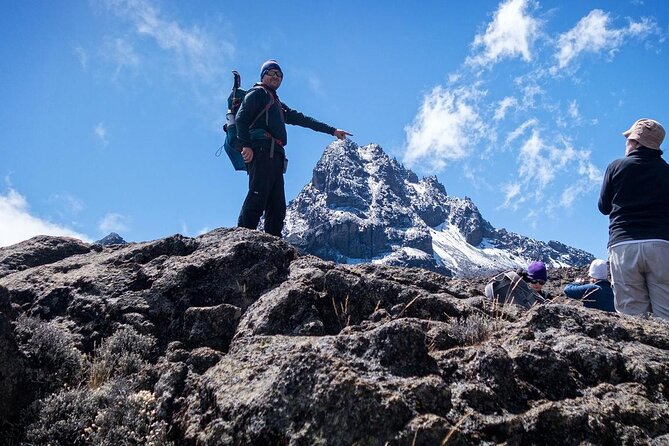
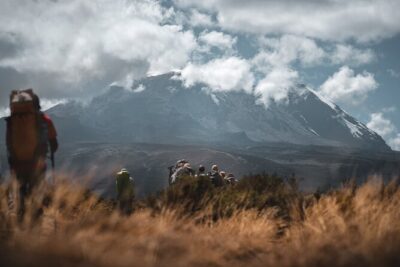
Kilimanjaro’s Machame Route gives you the mountain in chapters: wet rainforest, open moorland, high volcanic ridges, glacier views, and a brutal but rewarding summit night. The six-day plan uses the South Circuit, so you approach the peak from several angles instead of marching straight upward.
I like the careful altitude pattern, especially the day that climbs toward Lava Tower before dropping to Barranco Camp. I also like that this is a private trip with a cook, porters, meals, transport, and airport transfers built in. Guide Ema, assistant guide Godwin, cook Peter, and the porter team received especially warm praise for safety, food, and teamwork.
The main caution is simple: six days is demanding. The summit push begins around midnight and includes a large altitude gain, then a long descent on the same day. Also confirm the pickup details before booking, since the meeting point says Arusha Airport while parts of the schedule refer to departure from Moshi.
Key points before you book
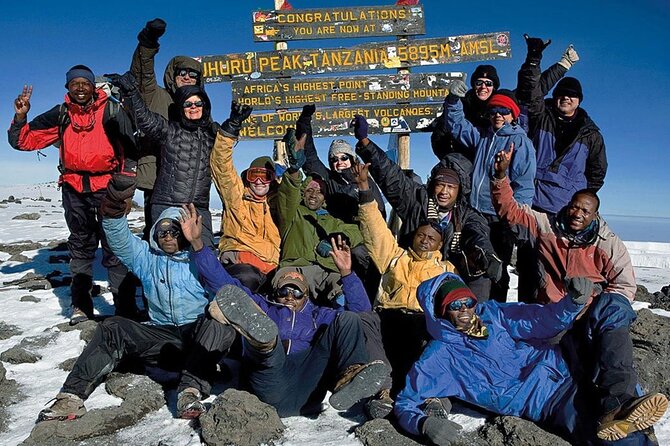
- A scenic route with real altitude variety: You move from rainforest at 1,811 meters to Uhuru Peak at 5,895 meters.
- A private climb: Only your group participates, with a guide team, cook, and porters supporting the route.
- A useful acclimatization day: The Lava Tower ascent and Barranco descent help you sleep lower than your highest point reached that day.
- A serious summit night: Expect a midnight to 2 a.m. start, heavy scree, cold, and a descent all the way to about 3,106 meters.
- Practical lower-trail advice: Gaiters and trekking poles are strongly recommended for muddy, slippery, and steep sections.
- Good value on paper: The listed $160 price includes major services, but the unusually low figure makes it important to confirm exactly what is covered.
Why the Machame Route earns its nickname
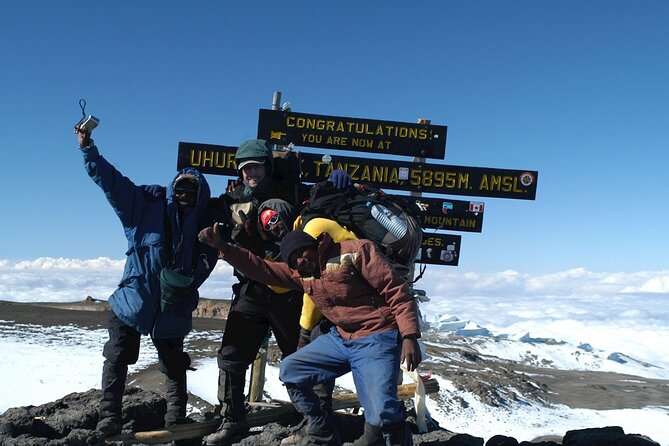
The Machame Route is also called the Whisky Route, a playful contrast with the gentler Marangu Route. The name fits the character of the climb. This is not a simple walk to a hut. You sleep at camps, cross rough ground, and tackle steep sections such as the Barranco Wall.
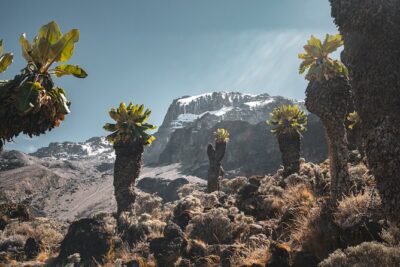
The reward is variety. The path begins in thick rainforest, where the trail may be muddy and slippery. It then reaches moorland and the broad Shira Plateau before crossing the high southern side of Kilimanjaro. You see the summit from changing angles, which gives the climb a stronger sense of progress.
The route is also designed to use more gradual altitude changes than a shorter itinerary. That matters because your legs and breathing need time to adjust. The six-day schedule still moves quickly, but Day 3 is built around climbing high and sleeping lower, an important pattern for acclimatization.
You should not mistake a scenic route for an easy route. The final night is hard, and the climb requires a moderate level of physical fitness. The route’s better success potential comes from its pacing, not from a lack of steep ground or cold weather.
More Kilimanjaro Climbs in Arusha
- 8-Day Small-group Lemosho Kilimanjaro Summit Trekking
★ 5.0 · 186 reviews - 7-Day Machame Kilimanjaro Summit Tour from Arusha
★ 5.0 · 125 reviews - Mountain Kilimanjaro Day Hike
★ 5.0 · 102 reviews
Day 1: Machame Gate to the rainforest camp
The trip begins with a drive toward Kilimanjaro National Park and the Machame Gate. The published meeting point is Arusha Airport at 6 a.m., while the daily description refers to a drive from Moshi of about 45 minutes. That difference is worth settling with Inno Africa Safaris before you travel.
At the gate, your crew waits for permits while mountain teams prepare their loads and supplies. This can be a busy start, but it also lets you see how much work goes into a climb before your boots hit the trail.
The hike runs from about 1,811 meters to 3,021 meters, gaining 1,210 meters over roughly six hours. You walk through rainforest, with your guide pointing out plant life, wildlife, and the changing conditions around the trail.
This is a wet beginning. Mud and slippery ground are likely at these lower elevations, so gaiters are not decorative extras. Trekking poles will also help with balance. Keep rain protection easy to reach, since a pack that must be emptied every time the weather changes quickly becomes tiresome.
Day 2: Shira Camp and the first colder night
Day 2 leaves the rainforest behind and climbs from 3,021 meters to about 3,839 meters. The five-hour walk follows a rocky ridge and crosses a valley before turning west toward a river gorge and Shira Camp.
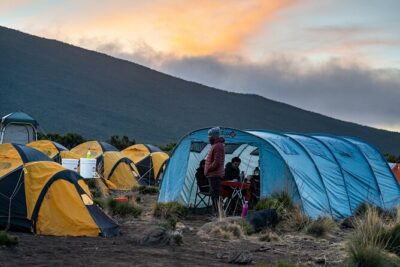
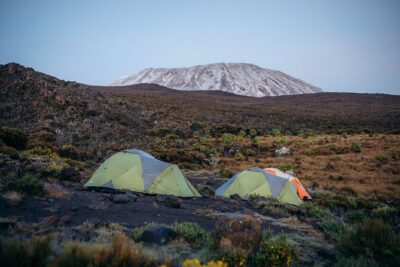
The surroundings change quickly here. The dense trees give way to more open moorland, and temperatures begin to drop. You will want warm layers available as soon as the sun weakens.
The altitude gain is about 818 meters, enough to make a steady pace important. A private trip helps here because your group can walk at a rhythm that suits you rather than matching a large party. Still, private does not mean leisurely. You should conserve energy from the first hour and drink regularly.
Shira Camp is important as a staging point for the high route ahead. It also gives you the first strong sense that this is a high-altitude climb, not a forest trek with a summit attached.
Day 3: Lava Tower, then down to Barranco
This is one of the smartest days in the schedule. You begin at roughly 3,839 meters and finish at about 3,986 meters, but the route climbs much higher before descending. The key aim is acclimatization.
From Shira Plateau, the trail heads east along a ridge, passes the turn toward Kibo Peak, and continues toward Lava Tower, also called Shark’s Tooth. Lava Tower reaches about 4,650 meters. After this high point, the route descends to Barranco Camp.
The day takes about six hours. You gain only 147 meters in sleeping altitude, but the high climb gives your body exposure to a tougher elevation before you rest lower. That climb-high, sleep-lower rhythm is one of the strongest reasons to choose this route.
You may feel the altitude here. The route description includes junctions toward the Arrow Glacier, a reminder that you are crossing serious high mountain country. Follow your guide’s pace, and treat symptoms such as headache or unusual weakness seriously.
Barranco Camp is also a memorable stop because the next morning begins with the Barranco Wall. The camp places you close to one of the route’s most talked-about physical challenges.
Same trailhead, a different route:
- 4 Days Mount Meru Trekking
★ 5.0 · 55 reviews - 4 days Best experience Kilimanjaro Hike, Serengeti &Ngorongoro
★ 5.0 · 54 reviews - From Arusha/Moshi: Kilimanjaro Hike Marangu Route Day Trip
★ 4.5 · 54 reviews - Mount Kilimanjaro Day Hike Through Marangu Route to Mandara Hut
★ 5.0 · 37 reviews
Day 4: Barranco Wall to Barafu Camp
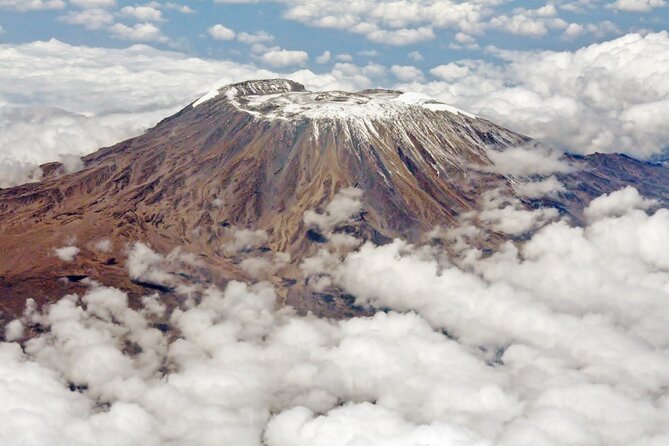
Day 4 is long, steep, and visually rewarding. You climb the Barranco Wall, continue through Karanga Valley, pass the junction with the Mweka Trail, and reach Barafu Camp.
The day includes about eight hours of walking. The listed elevations rise from 3,986 meters to 4,034 meters and then to about 4,662 meters, for a total gain of roughly 676 meters.
The Barranco Wall is adventurous rather than technical in the information provided, but it is still steep enough to demand attention. Your guide and porters handle the route with speed and balance, while you should focus on careful foot placement and a steady pace.
At Barafu Camp, you have completed the South Circuit. That means you have seen the summit area from several sides before making your final attempt. This broader approach is part of what makes Machame more scenic than a direct route.
Dinner is scheduled early, followed by rest. Do not expect a normal night. The summit attempt begins between midnight and 2 a.m., so the evening is mainly about eating, organizing clothing, and getting whatever sleep you can.
Day 5: Uhuru Peak and the long descent
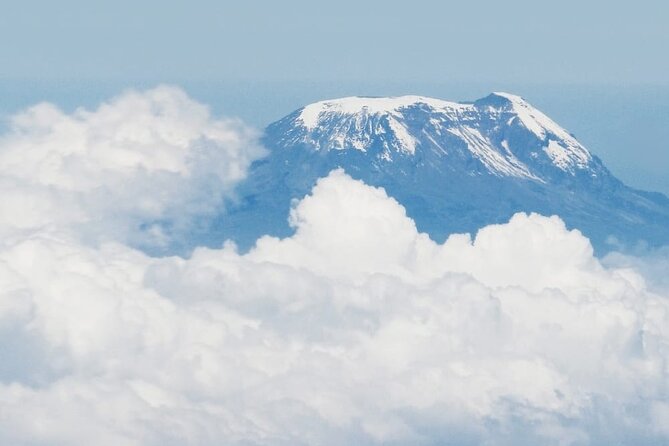
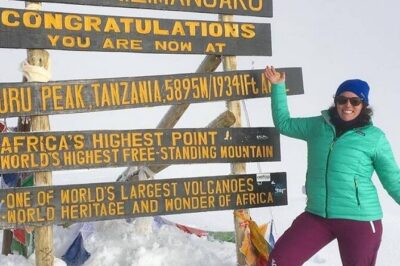
Summit day is the test. You start from about 4,662 meters and climb to Uhuru Peak at 5,895 meters, gaining approximately 1,233 meters. After reaching the summit, you descend to around 3,106 meters, losing about 2,789 meters in total.
The ascent follows a switchback route between the Rebmann and Ratzel glaciers, then crosses heavy scree toward Stella Point on the crater rim. The ground can feel slow and unstable, and the cold makes every stop matter.
At Stella Point, you may see sunrise during a short rest. Stronger hikers may reach the summit in time for sunrise. From Stella Point, the final hour leads toward Uhuru Peak, the highest point on Kilimanjaro.
This is where mental focus matters as much as fitness. The route description calls it the most physically and mentally challenging section, and the early start adds to the strain. You need warm clothing, patience, and trust in your guide’s pace.
The descent is not an afterthought. After reaching the summit, you still have a major drop to the camp area. Loose scree can punish tired knees, and the total day lasts about ten hours. The summit moment is powerful, but you should judge the experience by the whole day, not just the photograph at the top.
Day 6: Mweka Gate and the return to comfort
The final morning starts around 3,106 meters and descends to the Mweka Park Gate at about 1,633 meters. The walk takes roughly four hours and loses about 1,473 meters.
Before leaving, you share a ceremony of appreciation and team bonding with the crew. This is a meaningful part of a guided climb, since the cook, porters, assistant guide, and lead guide have carried much of the practical burden of the trip.
The lower route is warmer, but it can also be wet, muddy, and steep. Keep your gaiters and poles ready until the trail ends. Many people relax too early on the final day and then slip on the descent.
At Mweka village, a vehicle takes you back to your hotel in Moshi, with the drive listed at about 30 minutes. The promised reward is basic but welcome: a hot shower, dinner, and time to celebrate.
The crew, food, and support
The experience includes a mountain cook and porters, along with a proper ration of food before and during the climb. Meals listed include four dinners, four breakfasts, and five lunches. The schedule itself covers six days, so you should ask how the meal count aligns with each camp night and transfer day.
Food earned particularly strong praise. Cook Peter is named as part of the crew that made the climb memorable, with preparation and safety receiving special approval. On a high mountain, good meals are not a minor comfort. They give you fuel when appetite may be reduced by altitude and exertion.
Guide Ema and assistant guide Godwin are also named among the team. The available feedback describes their work as careful and supportive, with the crew’s organization helping make the climb feel secure. That said, guide assignments can change, so confirm your actual team before departure.
Tips are not included. Carry this cost separately and ask the operator for current guidance on how the crew should be tipped.
What the $160 price really means
At $160 per person, this trip looks exceptionally inexpensive for a private six-day Kilimanjaro climb. The listed inclusions cover all fees and taxes, private transportation, the mountain crew, meals, pre and post accommodations, and airport transfers.
That package could represent strong value, but the low price deserves a careful check. The details do not state the names or standards of the included accommodation, and the meeting information has both Arusha and Moshi references. Ask for a written breakdown before paying, especially for accommodation, transfers, permits, crew arrangements, and any required equipment.
The price does not include tips. It also does not explain every small operational detail, such as how transport connects to your exact hotel or airport. These are not reasons to reject the trip. They are reasons to confirm the package in writing.
The private format adds value if you want your own group, a flexible walking pace, and direct contact with your guide. It may be less appealing if you are seeking a slower climb, since six days leaves less spare time than longer itineraries.
Who should book this climb?
I would consider this trip if you have a moderate fitness level, can handle long uphill walks, and want a scenic route with a strong support team. It suits people who value private arrangements and want rainforest, plateau, high ridges, Barranco Wall, and summit views in one climb.
It is less suitable if you want a soft adventure, dislike camping-style mountain routines, or need a large margin for slow acclimatization. The itinerary is demanding even though the route uses a sensible altitude pattern.
Before booking, confirm four things: your pickup point, the accommodation included before and after the climb, the exact meal and permit arrangements, and the current guide team. Then prepare for mud, cold, scree, and a very long summit day.
Should you book it?
Book this Machame climb if the private format, six-day schedule, and low listed price match what you want. The route gives you excellent scenery and a useful acclimatization day, while the named team of Ema, Godwin, Peter, and the porters adds confidence to the support side.
I would not book it without clarifying the Arusha and Moshi logistics and confirming what the $160 price includes in writing. Once those points are clear, this looks like a practical, ambitious Kilimanjaro option for a fit person who wants the classic Machame experience without joining a large group.
FAQ
Where does the climb start?
The meeting point is listed as Arusha Airport in Arusha, Tanzania, with a start time of 6 a.m. The daily schedule also refers to departure from Moshi, so confirm the exact pickup location before the trip.
How long is the experience?
The climb lasts approximately six days.
Is this a private activity?
Yes. Only your group participates in the activity.
What fitness level is required?
A moderate level of physical fitness is required.
What is the highest point reached?
The summit is Uhuru Peak, at approximately 5,895 meters or 19,341 feet.
Does the route include Barranco Wall?
Yes. Day 4 includes the climb over Barranco Wall before continuing toward Barafu Camp.
What meals are included?
The package lists four dinners, four breakfasts, and five lunches.
Are guides, cooks, and porters included?
Yes. The included services list a mountain crew consisting of a cook and porters. Guide Ema, assistant guide Godwin, and cook Peter are named in the available trip information.
Are tips included?
No. Tips are not included in the listed price.
Can I cancel for a full refund?
Yes, if you cancel at least 24 hours before the experience start time. Cancellations within 24 hours are not refunded, and changes made within 24 hours are not accepted.
More 6-Day Experiences in Arusha
- 6-day Private Camping Safari Tour from Kilimanjaro Airport
★ 5.0 · 27 reviews - 6 Days: Hiking Kilimanjaro via Machame Route
★ 5.0 · 24 reviews - 6 Days best adventure kilimanjaro ,Tarangire ,Serengeti &Ngorongoro crater
★ 5.0 · 24 reviews - 6-Day Guided Tour in Machame Route Mt Kilimanjaro
★ 5.0 · 17 reviews
Just added around Arusha
- Mt. Kilimanjaro: Shira plateau to Cathedral point 3872m Day hike★ 5.0 · 7 reviews
- 5 days safari, hiking & culture (Serengeti & kilimanjaro)★ 5.0 · 27 reviews
- One Day Hike from Kilimanjaro to Mandara★ 5.0 · 2 reviews
- 3 Days Mount Meru trekking★ 4.5 · 7 reviews
- climb the KILIMANJARO via Lemosho route★ 5.0 · 4 reviews
- 6 Day: Hiking Kilimanjaro via Machame Route★ 5.0 · 2 reviews
- Private 8 day Northern Circuit Kilimanjaro Climb★ 5.0 · 8 reviews
- Kilimanjaro Waterfalls Hike & Moshi Hot Springs Day Trip Tour★ 5.0 · 4 reviews
Kilimanjaro Climbs, compared.
8-Day Small-group Lemosho Kilimanjaro Summit Trekking
Read our review →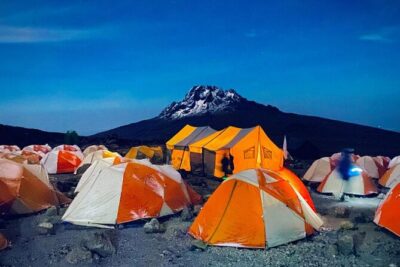
Climbing Kilimanjaro through 7 days Machame Route
Read our review →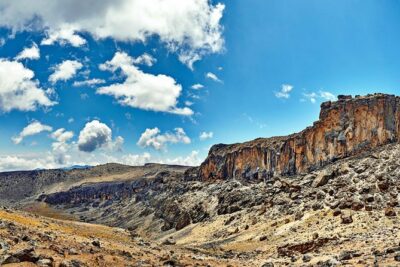
Browse the lists this trek appears in