
Review · GHANDRUK
Pokhara: Hike To Australian Base Camp
Australian Camp gives you a fine mountain payoff without asking for a multi-day trek. From the trail near Kande, you walk through forest and terraced fields toward views of Annapurna, Dhaulagiri, and Machapuchare, with Pokhara Valley and Phewa Lake spread below. I like the short format and the chance to see village life rather than simply drive to a viewpoint.
I also like the private setup, hotel pickup, and guides who pay attention to pace and safety. Guides Ram Hari and Moti are specifically named, and Japanese-speaking support is available. The main catch is the return walk: the stone steps can feel tiring, and the $65 price does not include meals or the transfer car, which costs an additional $30 paid directly to the driver.
Key points to know before you go
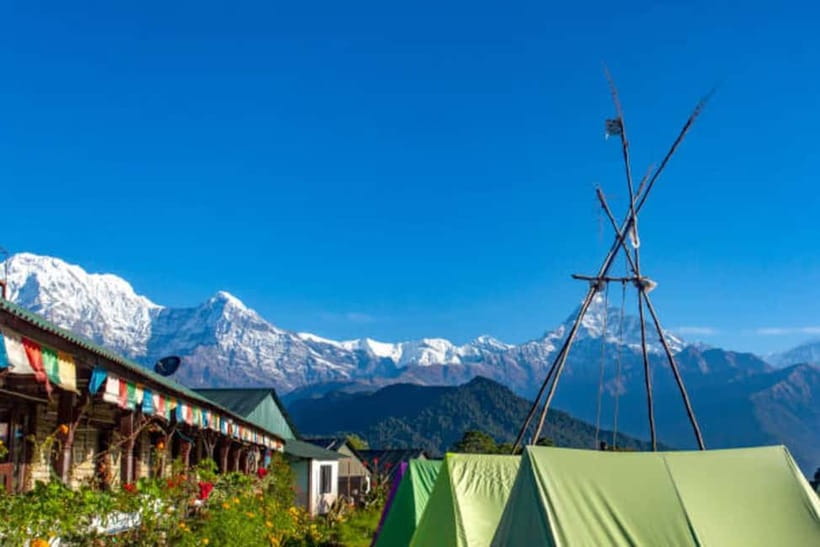
- Australian Camp is the main reward: On a clear day, you can see Machapuchare and the Annapurna range close ahead.
- The walk mixes scenery and village life: Forest paths, terraces, Dhampus, and traditional Gurung settlements give the day more substance than a simple photo stop.
- The hike is short but not flat: It is described as easy, yet the stone steps on the descent can be tiring.
- Your guide matters: Ram Hari and Moti are named guides, and the tour is offered in English or Japanese.
- Budget for the real total: The activity costs $65 per person, with meals, drinks, personal costs, and a $30 car transfer fee excluded.
- Weather controls the view: The mountain panorama is never guaranteed, so flexible expectations help.
Why Australian Camp makes a good Pokhara day hike
Pokhara is famous for mountain views, but you do not need to commit to the Annapurna Circuit or a weeklong trek to get a taste of the Himalayan foothills. This outing gives you a full day outside the city, with enough walking to feel active and enough transport to keep the trip manageable.
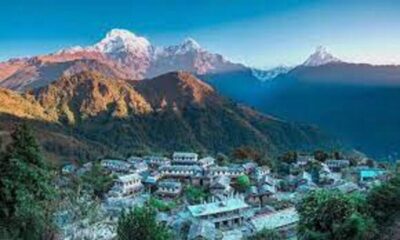
The route begins at Kande and works through forest, fields, and hillside settlements. That combination matters. You get the mountain view, but you also see the everyday setting around it: footpaths, terraces, village homes, and Gurung communities.
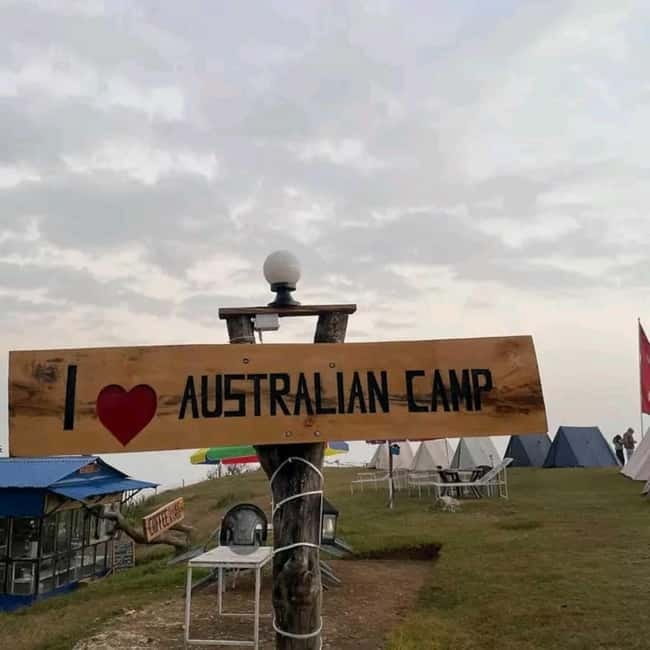
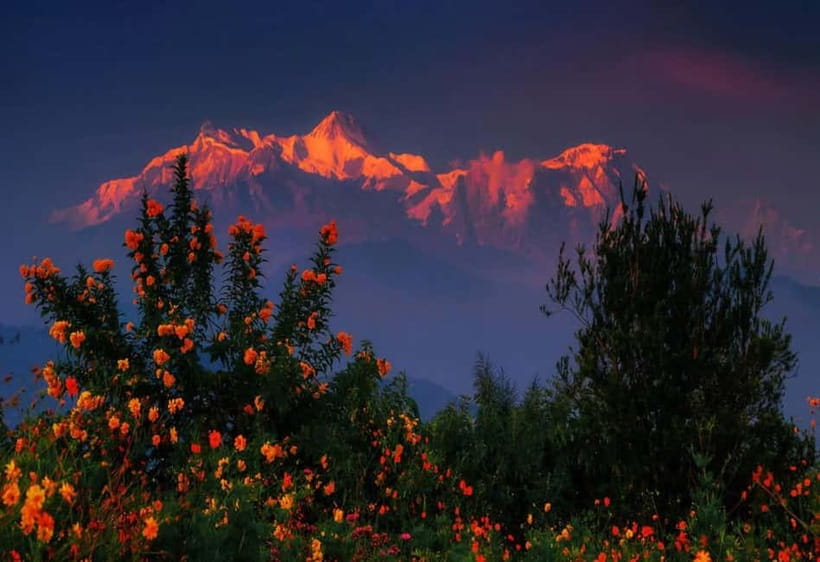
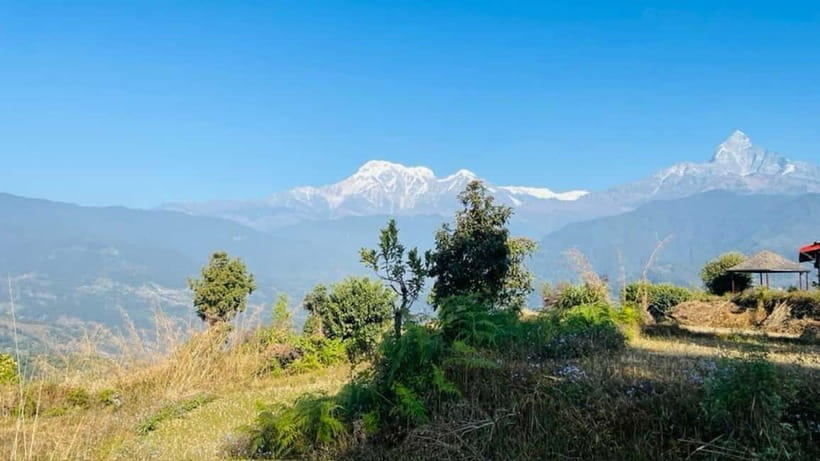
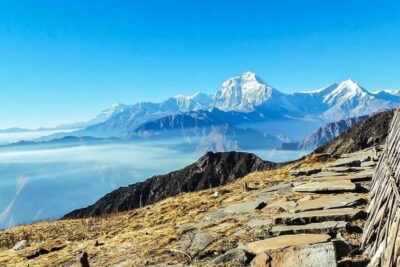
The high point is Australian Camp. On a clear day, the sight of Machapuchare and the Annapurna range from the camp is the sort of view that makes an early start worthwhile. Dhaulagiri is also part of the panorama, though cloud and haze can affect how much of the range you see.
I would treat this as a scenic introduction rather than a serious Himalayan trek. The route is suitable for people who want a half-day or six-hour outing from Pokhara, but it still demands steady walking and comfort with steps.
A few more treks around Nepal worth a look
- Everest Base Camp Trek – 14 Days
★ 5.0 · 1,499 reviews - Everest Base Camp Trek
★ 5.0 · 842 reviews - Everest Base Camp Helicopter Tour landing at Everest View Hotel
★ 5.0 · 668 reviews
Hotel pickup and the drive to Kande
The day starts with pickup from hotels around Lakeside Pokhara, as well as Pokhara Airport. You are asked to wait about 10 minutes in the hotel lobby, where the guide arrives with a car and a name card.
That small detail is useful in a city with many hotels and similar names. Keep your phone available and make sure the guide can identify you. Pickup is offered from a long list of Lakeside properties, including White Pearl Pokhara, Hotel Middle Path and Spa, Pokhara Backpackers Hostel, Hotel Portland, Hotel Golden Gate Pokhara, and Hotel Lake Shore.
The car transfer takes you toward Kande, the starting point for the walk. The vehicle is not included in the $65 activity price. A separate $30 payment goes directly to the driver, with no commission charged. Since the wording does not specify whether that amount is per vehicle or per person, confirm the arrangement before departure.
This transfer is more than a way to fill time. It moves you out of Pokhara’s hotel area and onto the hill route, where the day changes from city sightseeing to walking in the foothills.
Kande to Australian Camp, the best part of the walk
At Kande, your guide begins the route with a short orientation and a walk through the surrounding area. The trail passes through forest and terraced farmland, with scenic views appearing as the path opens.
The first stretch to the Australian Camp trailhead is listed at about 20 minutes for the visit and initial guided walk. The next section includes around 85 minutes at the trailhead and route, with time for photos and a guided look at the area. Timing can vary with your pace and the number of stops, but you should expect a gradual walk rather than a quick stroll.
The word easy needs a little context here. You do not need technical climbing skills, special equipment, or a multi-day trekking pack. Still, an easy Himalayan day hike can include uneven ground, slopes, and steps. Comfortable hiking shoes are more important than fashionable travel shoes.
The trees provide a cooler setting in parts, while open terraces offer wider views. You may find the route especially pleasant when the mountains appear between the trees. The best view depends heavily on weather, and one of the recorded experiences lost some of the panorama because of poor conditions.
This is where a guide adds real value. The guide can point out the route, warn you about awkward or slippery spots, and adjust the walking speed. Moti is specifically noted for checking the pace and calling for breaks. Ram Hari is also named as a guide, with gentle Japanese-language support available.
Australian Camp and the Machapuchare view
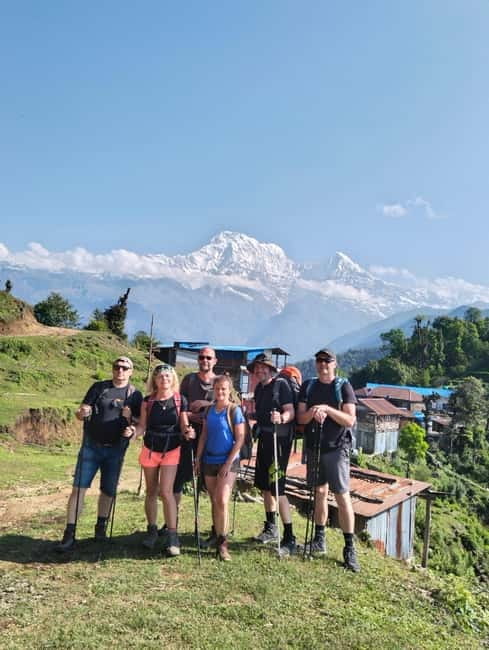
Australian Camp is the day’s main viewing stop and the natural place to pause for lunch. The itinerary allows about 85 minutes for the trailhead and camp area, including photos and a guided visit.
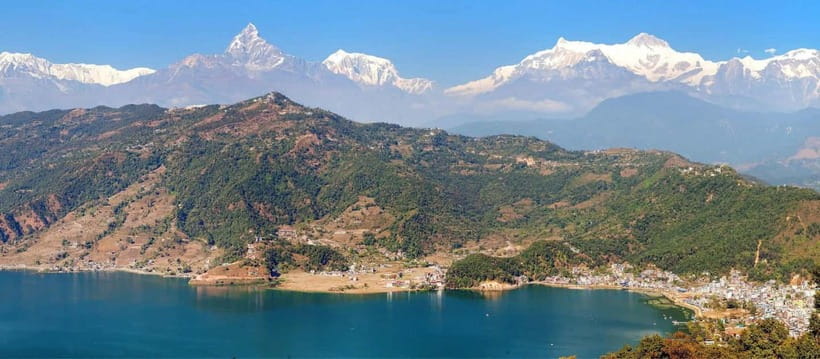
The attraction is the broad Himalayan outlook. Machapuchare, also called Fishtail, and the Annapurna range can appear directly ahead, while Dhaulagiri forms part of the wider mountain view. From higher points, you also look across Pokhara Valley toward Phewa Lake.
This is the spot where you will want your camera ready, but do not make the common mistake of staring only at the peaks. The camp setting, wooded slopes, terraces, and village roofs help show how the mountain scenery fits together.
Lunch is scheduled for about an hour in Dhampus, not necessarily as a formal meal at the exact viewpoint. Meals and drinks are not included, so carry food or confirm what you plan to buy before setting out. A refillable water bottle is strongly recommended, and snacks can help if the walk feels longer than expected.
The mountain view is weather dependent. Morning pickup does not guarantee clear peaks, and even a good forecast can bring cloud around the ridges. If you need a guaranteed panorama, this is not the right kind of activity. If you can accept some uncertainty, the route still offers forest, fields, villages, and valley views when the high peaks disappear.
Same trailhead, a different route:
- Everest Base Camp Trekking
★ 5.0 · 485 reviews - Annapurna Circuit Trek with Tilicho Lake
★ 5.0 · 368 reviews - Everest Base Camp Trekking – 13 Day
★ 5.0 · 365 reviews - Everest Base Camp Trek
★ 5.0 · 350 reviews
Dhampus and the Gurung village experience
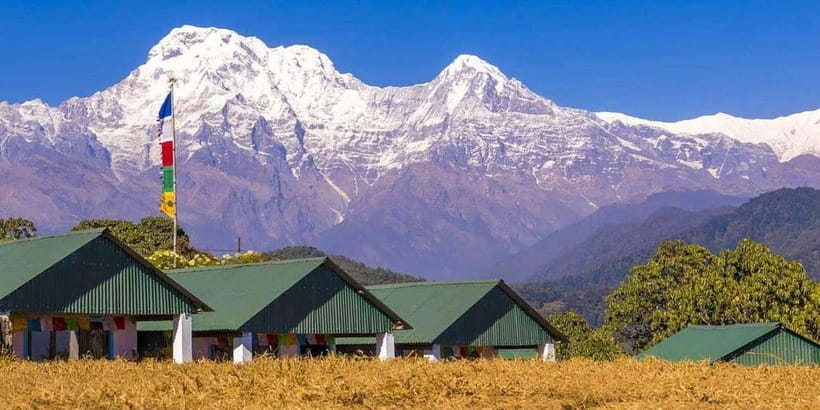
The route continues to Dhampus, with around 80 minutes set aside for walking, photos, and a guided visit. Dhampus adds a cultural layer that makes this more than a viewpoint hike.
The tour includes a guided look at traditional Gurung settlements and their local culture. The information provided does not promise a museum, performance, or arranged home visit, so expect a walking tour through the area rather than a staged cultural show.
That is a good thing for many people. You get a chance to notice the settlement itself, the paths between homes, and the relationship between the village and the terraced hills. Your guide can provide context and help you move through the area respectfully.
Keep your expectations sensible. This is still a short day trip, not a long cultural program. The Gurung settlement visit is woven into the walk, so its value comes from seeing the setting firsthand and asking questions along the way.
The private group format helps here. You are not tied to a large group’s pace, and you can communicate directly with the guide. That is particularly useful if you want explanations in Japanese or need a slower walking rhythm.
Lunch, descent, and the tiring stone steps
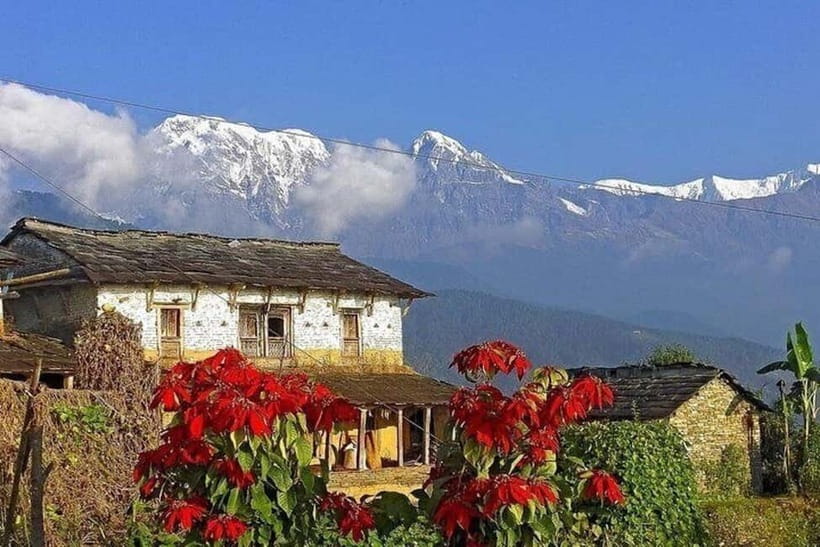
The scheduled lunch break lasts about an hour. Since food and drinks are excluded, you need to plan this part rather than assume a meal is included in the price.
After Dhampus, the route heads toward Phedi. The itinerary gives about an hour to visit, walk, and receive guidance around Phedi. This section is important when judging the physical effort of the tour.
Many people find descents harder than climbs, especially on uneven stone steps. One account of the outing describes the final downward staircase as very tiring, even though the overall day was enjoyable. That is useful advice: save some energy for the return and do not race through the earlier sections.
Use shoes with a firm grip. Bring water, wear sun protection, and take the breaks offered by your guide. The route is not suitable for people with back problems, pregnant women, or wheelchair users.
The walk ends at Phedi, where the vehicle arrangement brings you back toward Pokhara. You then return to your hotel or one of the listed drop-off points, including Pokhara Lakeside, Pokhara Airport, Hotel Hakoniwa, Hotel Lake Shore, and many other Lakeside properties.
What the $65 price really covers
At $65 per person, this is not simply a paid trail transfer. The fee includes a guide, permits, bag-keeping help in Pokhara, and photographs. The private group arrangement also gives you more control over the pace than a large shared outing.
The value depends on what you need. If you already have transport, know the route, and are happy to walk without help, you might find the price high. If you want hotel pickup, a guide, a planned route, local context, and a return transfer, the package is easier to justify.
Remember the extra costs. Meals, drinks, personal expenses, and the car transfer are excluded. The car fee is listed as $30 paid directly to the driver. Add food and drinks to your budget, and ask about the transport charge before you go.
Bag-keeping help can be useful if you are moving between hotels or carrying more luggage than you want on the trail. Do not assume that every personal item is covered, though. Keep valuables with you.
The activity allows cancellation up to 24 hours before departure for a full refund, and you can reserve now and pay later. The duration is listed as six hours, with starting times subject to availability.
Guides, language, and the private format
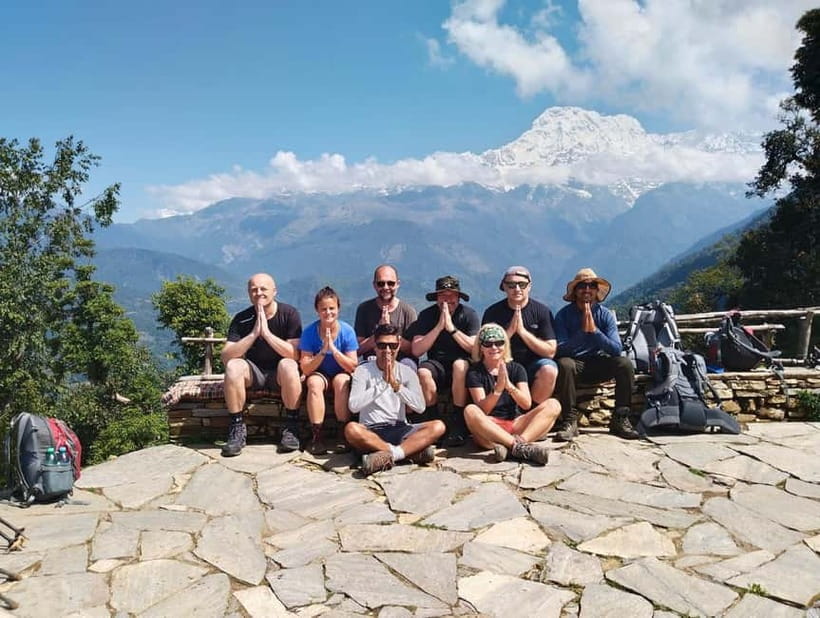
The guide is central to the quality of this experience. The named guides are Ram Hari and Moti. Moti is noted for watching walking speed, checking in during the route, and making room for breaks and contact with local people. Ram Hari is noted for a friendly manner and gentle Japanese communication.
English and Japanese are the listed tour languages. If language support is important to you, request the language you need when booking and confirm the guide assigned to your date.
A private group can make the day feel more relaxed. You do not have to match the pace of strangers, and the guide can focus on your comfort, route questions, and safety. The tradeoff is that a private arrangement does not remove the physical demands of the path.
The service has an overall score of 3.5 from four ratings, so I would not treat it as a proven luxury operation. The strongest points are guide care, pace management, and the mountain setting. The weak point is less about service and more about the simple realities of mountain weather and a tiring descent.
What to pack for this six-hour hike
Pack lightly, but do not treat this as a city walk. You should bring:
- Comfortable hiking shoes with good grip
- A refillable water bottle
- A hat and sunscreen
- A camera or phone
- Snacks
- Clothing suitable for walking and changing conditions
Smoking is not allowed during the hike. You should also avoid carrying a heavy bag, since the route includes steps and uneven sections.
The camera is worth bringing, but keep it protected from dust and light rain. Mountain views can change quickly, and a brief opening in the clouds may give you the best photograph of the day.
Who should book this Pokhara hike?
I would recommend it to you if you want mountain scenery without a multi-day trek, prefer a private group, and like the idea of combining nature with a short village visit. It suits reasonably active visitors who can walk for several hours and manage uneven paths.
It is also a good fit if you are staying around Lakeside and want pickup handled for you. Japanese-speaking support may make the outing more comfortable for Japanese visitors, especially when discussing pace, safety, or local customs.
I would be cautious if you have back trouble, are pregnant, use a wheelchair, or strongly dislike steps. I would also think twice if your main goal is a guaranteed clear view of the Annapurna range. Weather can block the peaks, and the experience still asks you to pay for transport and food separately.
FAQ
How long does the Australian Camp hike from Pokhara take?
The activity lasts about six hours, including pickup, transport, walking, stops, and the return to Pokhara.
Where does the hike begin?
The walking portion begins at Kande after pickup and vehicle transfer from Pokhara.
What mountains can I see from Australian Camp?
On a clear day, you can see parts of the Annapurna and Dhaulagiri ranges, along with Machapuchare.
Can I see Phewa Lake on the hike?
Yes. The route includes panoramic views toward Pokhara Valley and Phewa Lake.
Is lunch included in the price?
No. Meals and drinks are not included, so bring food or make your own arrangements.
Is the car transfer included?
No. The car transfer costs an additional $30, paid directly to the driver.
Which languages are available?
The tour is offered with English or Japanese-speaking guides.
Is this a private tour?
Yes. The activity is arranged for a private group.
What should I bring?
Bring comfortable hiking shoes, a hat, sunscreen, a camera, water, and useful snacks.
Who should not take this hike?
The hike is not suitable for pregnant women, people with back problems, or wheelchair users.
Should you book this Australian Camp hike?
Book it if you want a manageable mountain day from Pokhara, a private guide, and a route that combines Himalayan views with forest, terraces, Dhampus, and Gurung settlements. The strongest reason to go is the chance to see Machapuchare and Annapurna without signing up for a long trek.
Go with practical expectations. The $65 fee is not the final cost, the mountain view depends on weather, and the stone-step descent can be tiring. If you bring proper shoes, water, food money, and a little patience for cloud, this is a useful and scenic way to spend a day outside Pokhara.
Just added around Nepal
- Everest Base Camp Trek★ 5.0 · 3 reviews
- Everest Base Camp Trek★ 5.0 · 7 reviews
- 15 Days Private Everest Base Camp Trek★ 5.0 · 30 reviews
- Everest Base Camp Trek★ 5.0 · 57 reviews
- 14 Days of Adventure Trekking to Everest Base Camp★ 5.0 · 2 reviews
- 14-Day Everest Base Camp Trek★ 5.0 · 20 reviews
- From Kathmandu: Private 14-Day Everest Base Camp Trek★ 5.0 · 20 reviews
- 14 Days Everest Base Camp Trek★ 5.0 · 4 reviews
Ghandruk Trekking Tours, compared.
Pkr/Kathmandu: 5-Day Annapurna Base Camp & Hot spring Trek
Read our review →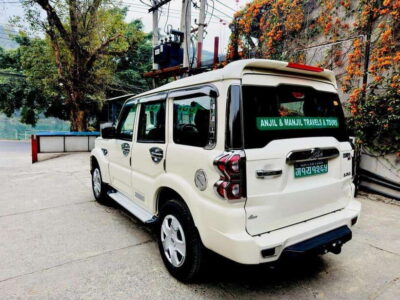
Browse the lists this trek appears in