
Review · GHANDRUK
Pokhara: 7 Day Annapurna Base Camp Trek
Annapurna Base Camp gives you a close look at some of Nepal’s greatest peaks without requiring a long expedition. In seven days, you move from terraced farms and Gurung villages into bamboo woods, alpine meadows, and the great mountain bowl at 4,130 meters. I like the private format, since guides such as Pratikshya, Deepak, Hari, and Sandesh can adjust the pace when your legs or lungs need a break.
I also like the route’s variety. You cross suspension bridges, follow the Modi Khola gorge, pass waterfalls and rhododendron forests, then wake for sunrise at base camp before soaking in Jhinu’s natural hot springs. The main catch is the pace: the early days include steep climbs, and the road section after Jhinu makes the final day feel more like transport than trekking.
Key Points For Your Annapurna Decision
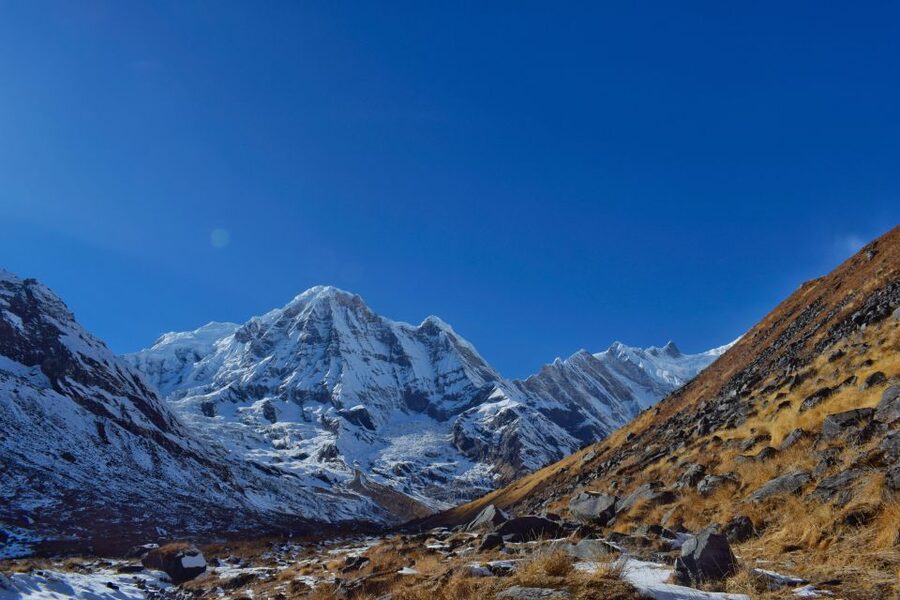
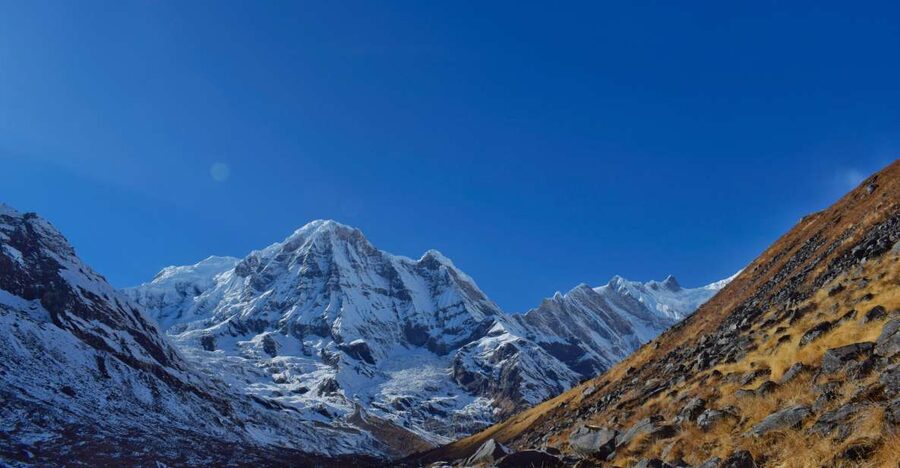
- Base camp at 4,130 meters: Reach the foot of Annapurna I, the world’s 10th-highest mountain, with Machhapuchhre and Hiunchuli rising around you.
- A private seven-day route: Your guide can slow down, stop more often, or adjust the day when conditions or fitness call for it.
- Gurung culture in Ghandruk: Spend your first night in a traditional village surrounded by farms and Himalayan views.
- A useful hot-spring finish: Jhinu Danda gives tired legs a welcome soak beside the river.
- Practical value at $215: Transport, permits, guides, lodges, trekking poles, a duffel bag, and Pokhara luggage storage are included.
- Bring a food budget: Meals and drinks are extra, and a porter costs $15 per day if you do not want to carry your own load.
Why This Seven-Day Annapurna Route Works
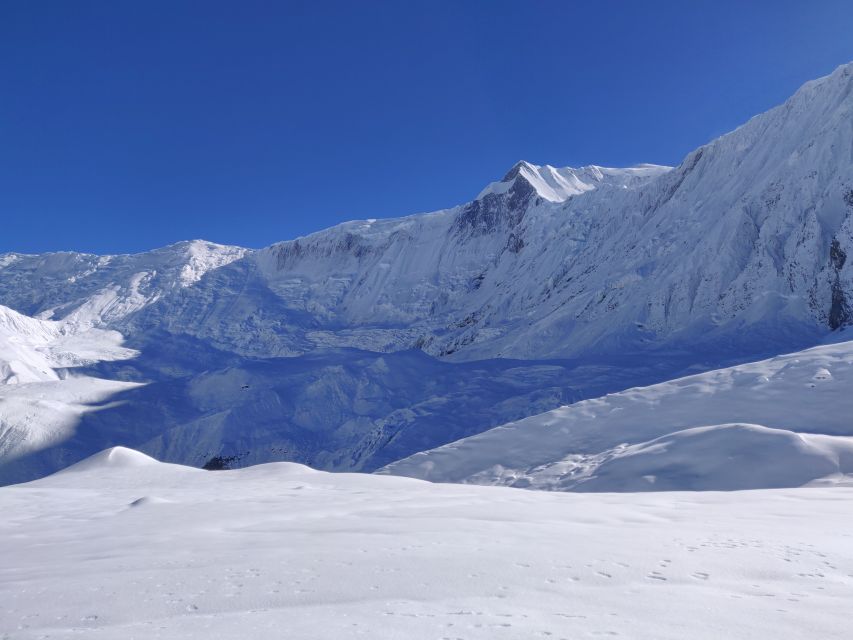
This trek packs a lot into one week. You begin near Pokhara, where roads and farms still define the scenery, and finish inside the Annapurna Sanctuary, a high mountain amphitheater ringed by massive peaks.
The appeal is the steady change in surroundings. One day you are walking between rice terraces and village homes. A few days later, you are under steep cliffs with waterfalls dropping into the Modi Khola gorge. By base camp, trees have given way to open mountain country.
The private group setup matters. You are not locked into the speed of a large party. Guides have slowed down for people feeling unwell, encouraged first-time trekkers, and adapted the plan when altitude sickness became a problem. That does not remove the physical challenge, but it gives you a better chance of handling it sensibly.
At $215 per person, the price is attractive for a private seven-day trek. It covers hotel pickup and drop-off in Lakeside Pokhara, private roundtrip transport, government permits, the Annapurna Conservation Area permit, standard tourist lodge accommodation, a certified guide, a first aid kit, and luggage storage in Pokhara.
You still need to pay for food and drinks. A porter is available for $15 per day, which can make a major difference if you are carrying camera equipment, warm clothing, or a full trekking pack. Ask for a seasonal packing list before you leave. One useful improvement would be clearer packing guidance for dry, cold, and rainy months.
More Annapurna Treks in Nepal:
- Annapurna Circuit Trek with Tilicho Lake
★ 5.0 · 368 reviews - Annapurna base camp trek 5 Days
★ 5.0 · 252 reviews - 14-Day Private Annapurna Base Camp Trek
★ 5.0 · 180 reviews
Day One: Pokhara to Nayapool and Ghandruk
The tour picks you up from your hotel in Lakeside Pokhara and drives you to Nayapool. From there, the trail heads through villages and terraced fields toward Ghandruk, at about 1,939 meters.
Ghandruk is one of the most rewarding overnight stops on this route because the village itself is part of the experience. You are not simply sleeping near a trailhead. You are staying in a traditional Gurung community, with views toward Annapurna South and Machhapuchhre.
This first day introduces the rhythm of the trek. You walk through working farmland and settlements rather than entering the high mountains at once. That makes the change in altitude gentler, though the climb to Ghandruk still requires effort.
Keep your first day measured. The excitement of arriving in Nepal’s mountain country can make you walk too fast. A good guide will help you find a pace you can maintain for the next several days.
Day Two: Ghandruk to Lower Sinuwa
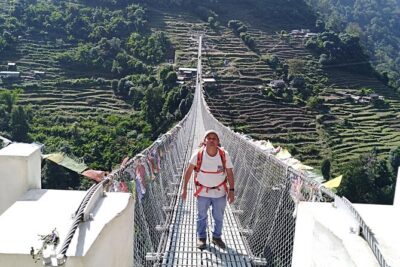
Day two brings a mix of uphill and downhill walking through rhododendron woods and small settlements. You cross suspension bridges over the Modi Khola before reaching Lower Sinuwa at about 2,249 meters.
This is where the route begins to feel like a serious trek. The trail gains height, loses it, then climbs again. That repeated pattern can be harder than one long, steady ascent, especially for anyone new to multi-day hiking.
The rhododendron and forest sections provide shade and visual relief. You are walking through a living corridor of trees, with the river system below and mountain walls ahead. The small settlements along the route also give you regular places to pause.
Lower Sinuwa is a practical overnight stop. It puts you at a useful height without forcing too much altitude gain in one day. Your standard lodge room will be simple, and food and drinks are purchased separately, so keep Nepalese rupees available if possible.
Day Three: Sinuwa to Deurali
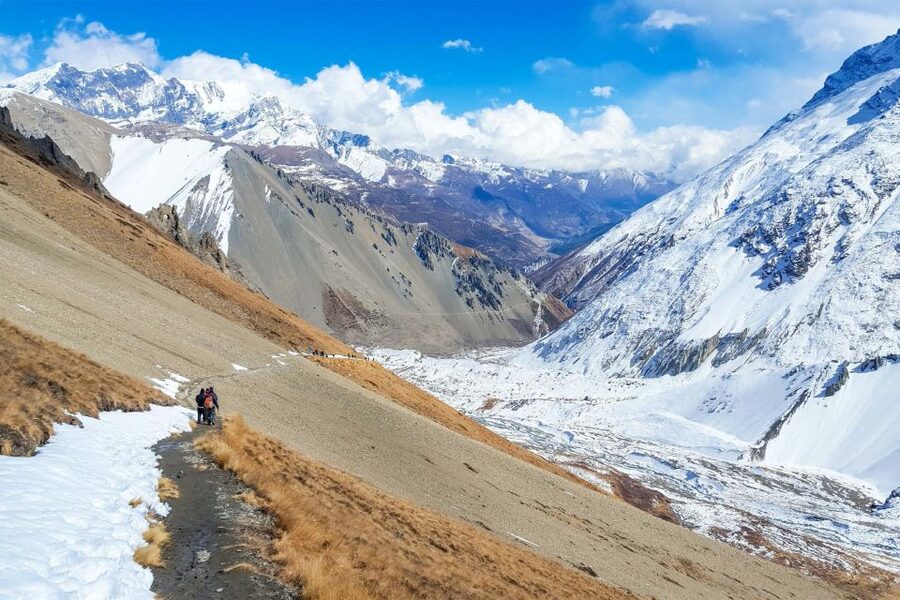
From Sinuwa, the trail enters thicker bamboo and oak woods. You pass Dovan and Himalaya while following the Modi Khola gorge toward Deurali, which sits around 3,230 meters.
The gorge gives this day a different feel from the open farmland near Ghandruk. Steep cliffs, waterfalls, and dense forest frame the path. The route can feel enclosed here, but that is part of its character. You are moving through the river corridor that leads into the high sanctuary.
The climb becomes more demanding as you approach Deurali. At this altitude, even a familiar uphill grade can feel slow. I would treat this as a day for short, regular pauses rather than trying to prove anything to yourself.
Altitude deserves serious attention. One person on a previous departure developed altitude sickness in Deurali and could not continue to base camp. The guide arranged jeep transport and helped change the plan, including a later walk to Poon Hill. That is exactly the kind of practical support you want, but you should still report headaches, nausea, unusual tiredness, or dizziness early.
A few more treks around Nepal worth a look
- Pokhara: 7-Day Annapurna Base Camp Trek & Natural Hot Spring
★ 5.0 · 11 reviews - 7 Days Langtang Valley Private Trek From Kathmandu
★ 5.0 · 10 reviews - Pokhara: 7-Day Annapurna Base Camp Via PoonHill & Hot Spring
★ 5.0 · 6 reviews - Pokhara: Amazing 7-Day ABC Trek with Natural Hot Spring
★ 5.0 · 5 reviews
Day Four: Deurali to Annapurna Base Camp
This is the high point of the trip, both literally and emotionally. From Deurali, you climb through alpine meadows toward Machhapuchhre Base Camp, then continue to Annapurna Base Camp at 4,130 meters.
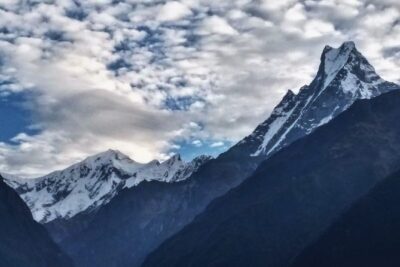
Machhapuchhre, also called Fishtail, is one of the defining peaks of the route. Its sharp shape gives the approach a dramatic focus. From the higher trail, you also see sections of the Annapurna range and Hiunchuli.
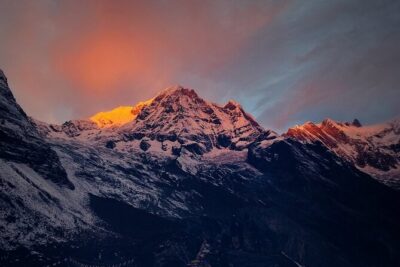
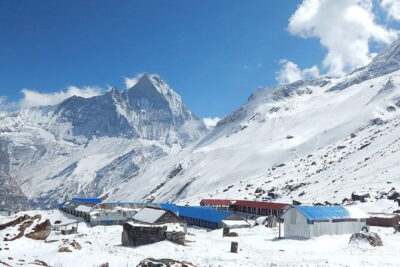
At Annapurna Base Camp, the mountains surround you in a huge natural bowl. The feeling is different from a viewpoint where you see peaks in the distance. Here, the walls of the sanctuary rise close on every side, and the scale of Annapurna becomes much easier to understand.
The fourth day is also the most demanding. You gain considerable height, and the air is thinner. Snow can appear near base camp depending on the season. One February departure included snow as the group approached and left the camp, turning the final section into a memorable winter scene.
Do not treat the scheduled arrival as a guarantee. Your guide may need to adjust the speed, add rests, or stop short if you show signs of altitude trouble. Reaching the destination is wonderful, but returning safely matters more.
Sunrise at Annapurna Base Camp
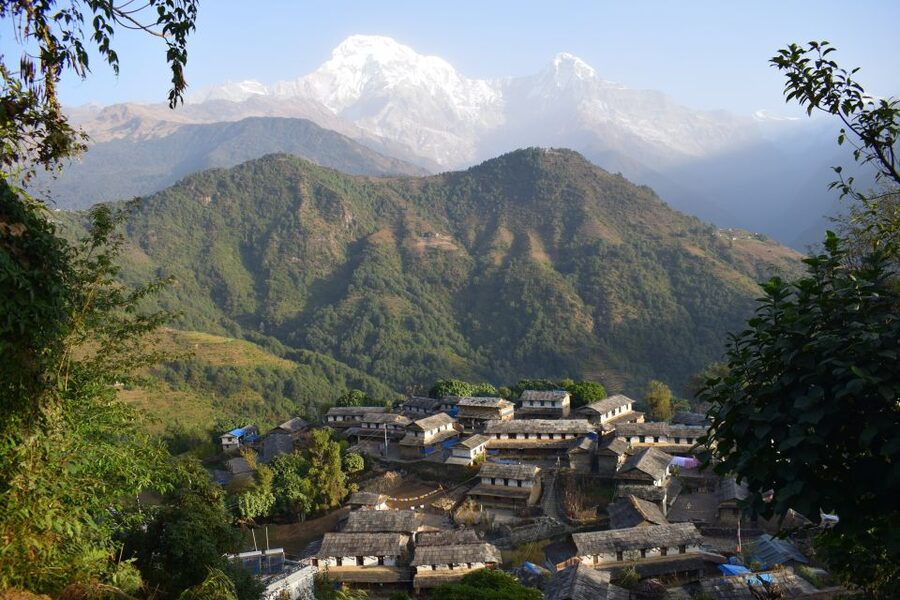
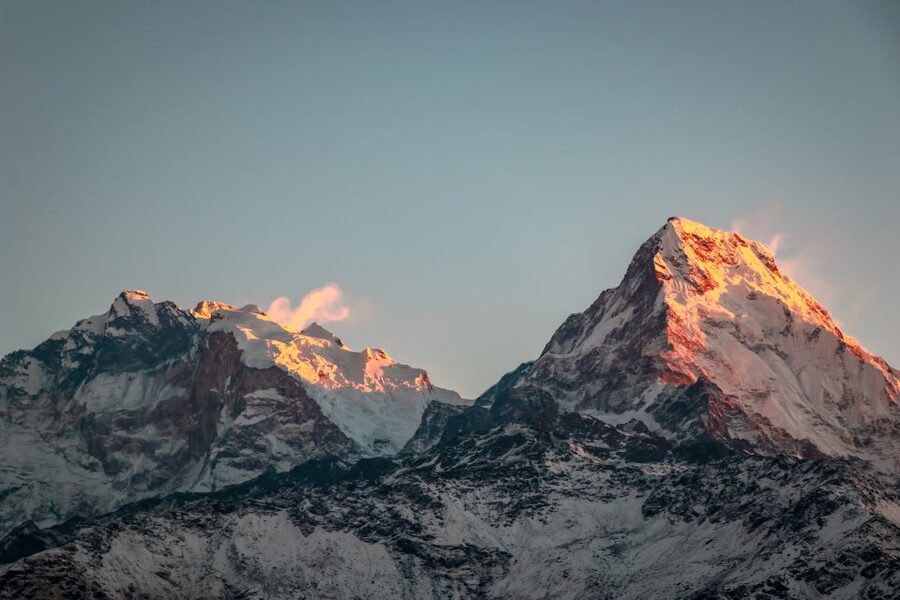
The morning at base camp is a major reason to choose this trek. After breakfast, you can watch light spread across Annapurna I and the surrounding peaks before beginning the long descent.
The sunrise is not a decorative extra. It gives you a quiet period to appreciate where you are before the trail becomes the main concern again. It also helps explain why the overnight stay at base camp is valuable. A quick visit would miss the early morning mountain light.
Expect cold conditions at this height, with the exact experience changing by season. Rain is common during the monsoon period, while winter can bring snow. The route is quieter in the rainy season, but cloud cover can limit mountain views and wet trails require patience.
Day Five: Annapurna Base Camp to Sinuwa
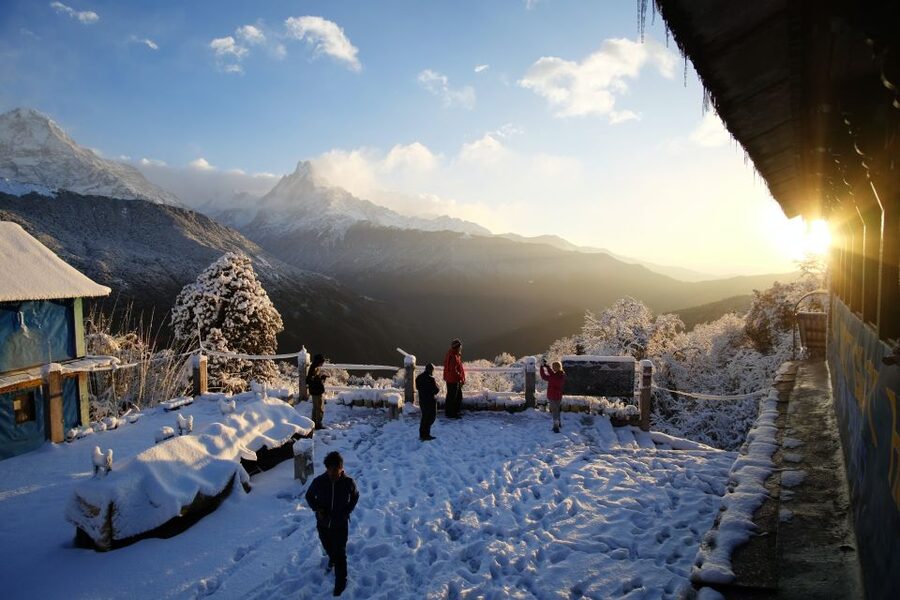
After breakfast, you retrace the trail downhill through the bamboo and rhododendron woods. The descent to Sinuwa, around 2,249 meters, is much easier on your breathing, but it can be tiring on knees and feet.
This day is a reminder that a trek is not finished when you reach the highest point. You still need to walk back through the same gorge and forest sections. Trekking poles, included if needed, are useful here, especially on uneven downhill ground.
The return route may feel familiar, but the views change as you face different directions. You also have the satisfaction of moving back into thicker vegetation and warmer air. Your guide can help set a steady pace, rather than letting the excitement of leaving base camp turn into a rushed descent.
Day Six: Sinuwa to Jhinu Danda
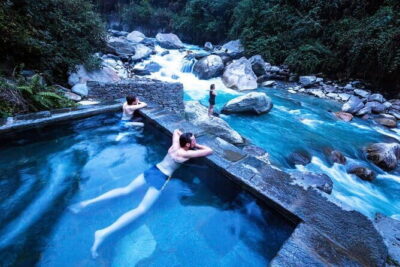
From Sinuwa, you descend toward Jhinu Danda at about 1,760 meters. The reward is a visit to the natural hot springs beside the river.
This is one of the smartest features of the itinerary. After several days of climbs and descents, a hot spring gives you a simple way to relax tired muscles. Pack swimwear where you can reach it easily rather than burying it in your duffel bag.
The night at Jhinu also gives the final part of the trek a more satisfying shape. You do not go directly from high mountain trail to vehicle. Instead, you have time to slow down, enjoy the lower hills, and mark the end of the walking section.
Some guides have added the hot springs as a pleasant surprise when it was not clearly expected. Even if it is part of your planned day, allow enough time to enjoy it rather than treating it as a quick stop.
Day Seven: Jhinu to Nayapool and Pokhara
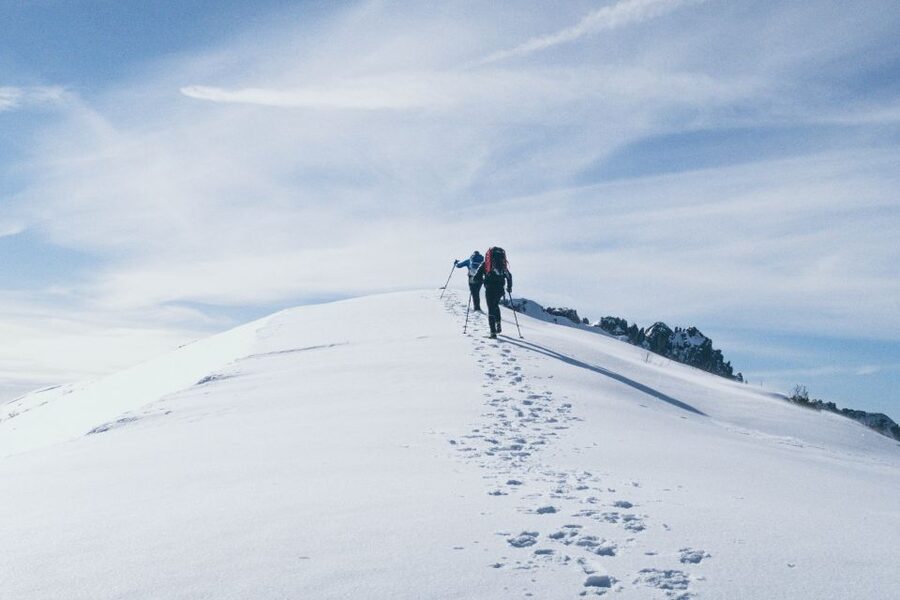
The final morning follows farmland and villages back toward Nayapool. From there, private transport returns you to Pokhara and Lakeside.
This last day is straightforward, but it includes more road travel than trail walking. If you want the strongest possible trekking finish, ask about ending the walking portion in Jhinu and arranging transport from there. The supplied schedule already gives you time at the springs, but the journey beyond Jhinu is not as scenic or satisfying as the mountain trail.
Back in Pokhara, the lakeside area makes an easy place to rest, eat, and sort your luggage. Luggage storage in Pokhara is included, which is useful because you can trek with only what you need and leave heavier bags behind.
Guides, Pace, and Safety
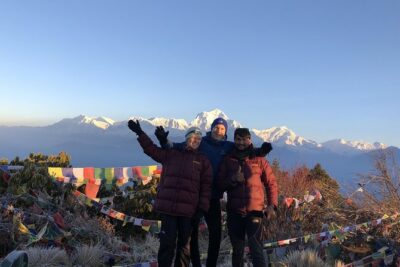
The guide is central to this experience. Named guides including Pratikshya, Deepak, Hari, Krishna, Bidur, Paras, Sandesh, and Narayan have handled different kinds of situations, from first-time hikers and slow pacing to illness and changing plans.
The strongest pattern is flexibility. Guides have allowed people to walk at their own speed, added encouragement when needed, and given space when a quiet stretch was more welcome. Several also helped with local arrangements beyond the trek, including onward travel plans and other Pokhara activities.
You should still ask who your guide will be before departure. The activity is offered with English, Hindi, and Nepali-speaking guides, but individual language ability may vary. Confirm your preferred language and request a packing list suited to your month.
A private group can be just as demanding as a larger group, since the route and altitude do not change. Its advantage is that the daily rhythm can better match your needs. If you are not a regular hiker, hire the porter for $15 per day and save your energy for the high sections.
What the $215 Price Really Covers
The $215 cost is good value if you want a managed trek from Pokhara rather than arranging every part yourself. Transport, permits, accommodation, guide support, luggage storage, a first aid kit, and basic equipment such as trekking poles or a duffel bag are bundled together.
The price does not cover food or drinks. That matters because you will buy meals during six nights on the trail, and prices can rise in remote mountain lodges. You should also budget for the porter if you prefer not to carry your main bag.
Standard tourist lodges are practical, not luxurious. Expect simple accommodation designed to support trekkers. The strongest comfort comes from having a guide who knows the route and lodge network, not from hotel-style facilities.
Free cancellation up to 24 hours before departure and reserve-now, pay-later booking add useful flexibility. Starting times depend on availability, so check the exact departure details before committing to flights or other activities.
Who Should Book This Trek?
I would choose this trek if you want a compact route to a major Himalayan destination and can manage several consecutive days of walking. It suits people who value scenery, local villages, and a private guide more than polished accommodation.
It is also a good fit for first-time high-altitude trekkers who want support. Pratikshya, for example, has helped beginners maintain a manageable pace, while Narayan adapted the plan when a trekker became ill. That said, you should not book this as a casual sightseeing tour. The altitude and repeated climbs require preparation.
The route can work in different seasons, but each brings tradeoffs. Spring and autumn generally offer better odds of clear mountain views, while monsoon departures can be wet but quieter. Winter may bring snow near base camp and colder nights. Your guide can help with pacing, but no guide can guarantee clear weather or a successful summit of the route.
FAQ
Where does the Annapurna Base Camp trek begin?
The trek begins with pickup from your hotel in Lakeside Pokhara, followed by private transport to Nayapool.
How high is Annapurna Base Camp?
Annapurna Base Camp is at about 4,130 meters, or 13,550 feet.
Is this a private group trek?
Yes. The activity is organized as a private group with a government-certified guide.
Which languages are available for the guide?
Guides are available in English, Hindi, and Nepali.
Are meals and drinks included?
No. Food and drinks are available to purchase during the trek but are not included in the $215 price.
Can I hire a porter?
Yes. A porter is available for $15 per day.
Are permits included?
Yes. The Annapurna Conservation Area permit and government permits are included.
What should I bring?
Bring your passport or ID card. You should also request a seasonal packing list before departure, since conditions can range from rain to snow.
Should You Book It?
Book this trek if you want a private, tightly planned route from Pokhara to Annapurna Base Camp with a guide who can adjust the pace and help with practical problems. The combination of Gurung villages, forest trails, high mountain views, base-camp sunrise, and Jhinu hot springs gives you a strong seven-day introduction to the Annapurna region.
Think twice if you want long, relaxed days or hotel-level comfort. The climb to Deurali and base camp is serious, food costs extra, and the final road section is less rewarding than the walking days. For most reasonably prepared hikers, though, $215 is a sensible price for the transport, permits, guide, lodges, and support included.
Just added around Nepal
- Everest Base Camp Trek★ 5.0 · 3 reviews
- Everest Base Camp Trek★ 5.0 · 7 reviews
- 15 Days Private Everest Base Camp Trek★ 5.0 · 30 reviews
- Everest Base Camp Trek★ 5.0 · 57 reviews
- 14 Days of Adventure Trekking to Everest Base Camp★ 5.0 · 2 reviews
- 14-Day Everest Base Camp Trek★ 5.0 · 20 reviews
- From Kathmandu: Private 14-Day Everest Base Camp Trek★ 5.0 · 20 reviews
- 14 Days Everest Base Camp Trek★ 5.0 · 4 reviews
Annapurna Base Camp Treks, compared.
Trekking in Annapurna/Langtang/Everest/Upper Mustang regions
Read our review →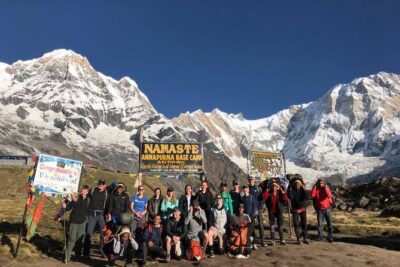
Kathmandu to Annapurna Base Camp (ABC) 5-Day Trek
Read our review →Browse the lists this trek appears in