
Review · NEPAL
Pokhara: Amazing 7-Day ABC Trek with Natural Hot Spring
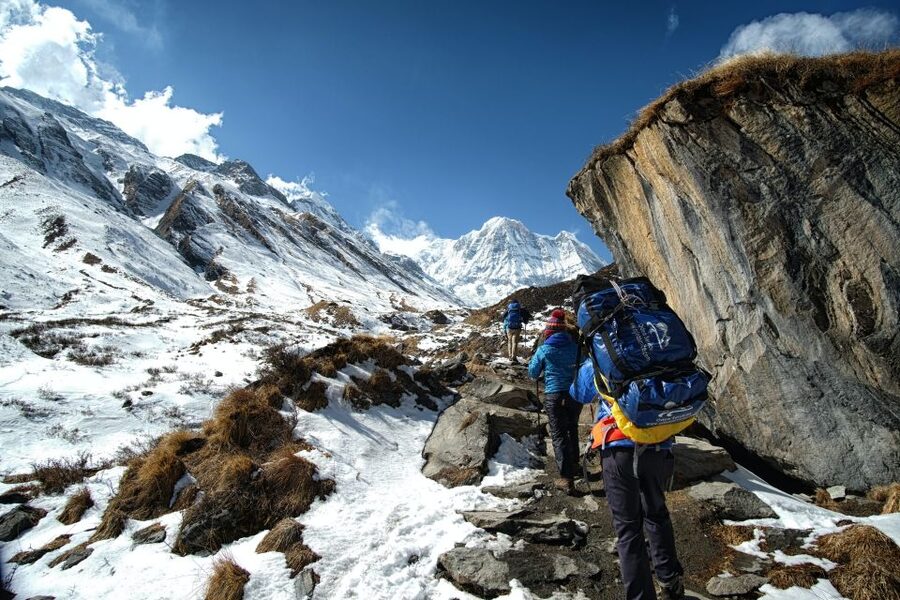
Reaching Annapurna Base Camp at 4,130 meters is the main event here, but the hot spring at Jhinu Dada gives this trek a satisfying finish. In seven days, you move from Pokhara’s lakeside streets through villages, suspension bridges, bamboo and rhododendron forests, waterfalls, and a high mountain bowl surrounded by snow peaks.
I like the practical route and the steady change of scenery. I also like that the trek includes permits, accommodation, a guide, and, on the full package, meals and deluxe transportation. The main consideration is the altitude: Day 4 is a long climb to base camp, and the standard plan gives you little spare time if you need to slow down.
Key points to know before booking
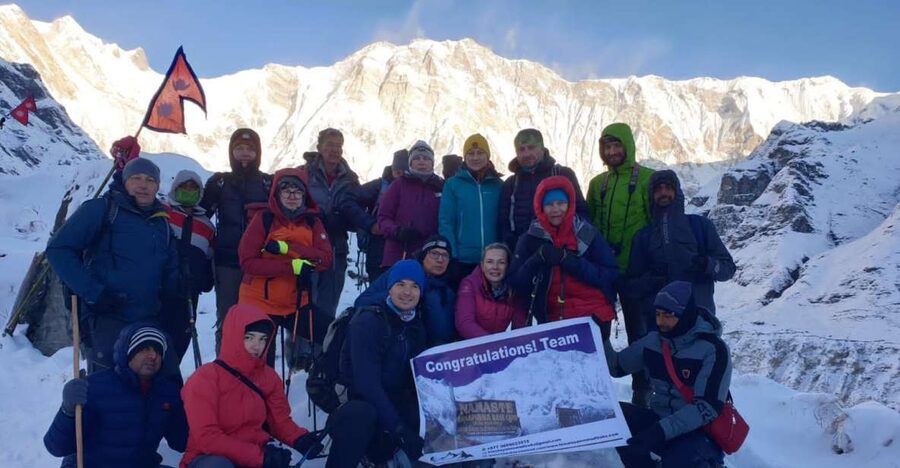
- Annapurna Base Camp reaches 4,130 meters, so you should be ready for thinner air and a demanding high point.
- The route begins and ends in Lakeside Pokhara, with a jeep ride to the trailhead and a final return by trek and jeep.
- Jhinu Dada’s natural hot spring comes on Day 6, after the main descent from the mountains.
- The private group format allows a more personal pace, with guides including Jeet, Prakash, Ghanshyam Silwal, and Niraj assigned by availability.
- The $200 price covers core trekking services, but inclusions differ between the full package and the non-full package.
- Porters cost extra, and hiring one is worth considering if you do not want to carry your own trekking gear.
What this seven-day ABC trek is really like
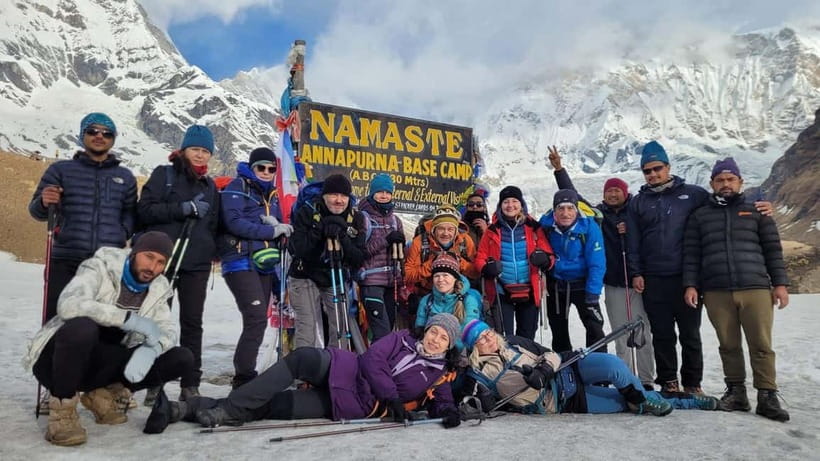
This is a compact Annapurna Base Camp route from Pokhara. It is not a gentle sightseeing trip with a short mountain walk attached. You spend several days climbing, one day reaching a high alpine destination, and two days coming back down.
The route is appealing because it packs several kinds of Nepal into one trip. The first day includes Seti River views, paddy fields, villages, and a rougher mountain road. Higher up, the path enters forests and follows the Modi River. At base camp, the scenery changes again, with glaciers and a broad ring of peaks.
You also get the reward of a proper hot spring stop rather than simply returning to Pokhara after the summit point. Jhinu Dada breaks up the descent and gives your legs a chance to recover before the final drive.
The advertised price is $200 per person, which can be good value if you choose the full package. That option includes meals during the trek, accommodation, guide costs, permits, paperwork, transportation according to the group size, and the guide’s insurance. The non-full package uses shared bus transportation and does not include the same meal and deluxe transport arrangement, so confirm exactly which package you are booking.
More Hot Spring Treks in Nepal
- Pokhara: 5 Day Annapurna Base Camp Trek & Natural Hot Spring
★ 4.9 · 44 reviews - From Pokhara: 5-Day Annapurna Basecamp Trek with Hot Springs
★ 4.9 · 26 reviews - Pokhara: 7-Day Annapurna Base Camp Trek & Natural Hot Spring
★ 5.0 · 11 reviews
Day 1: Pokhara to Chhomrong by jeep, then trail
Your morning begins with pickup from Lakeside Pokhara, Pokhara Airport, or another location in the Pokhara Valley. The road heads toward the Annapurna region, with views of the Seti River, mountain slopes, and green paddy fields along the way.
The jeep continues to Matqui, about half an hour beyond Ghandruk. From there, you walk for roughly three hours toward Chhomrong, at about 2,200 meters. This opening day is useful because the vehicle handles a large part of the approach, leaving you with a manageable first walk rather than a full day on foot.
Chhomrong is a major village on the route and a good place to feel the change from Pokhara to the mountains. You will see local homes, guesthouses, and steep hillsides. The trail is already gaining height, so this is not just a warm-up stroll.
The mixed transport is practical, though the road section may feel long and rough compared with the walking days. If you prefer a trek with no vehicle time, this is not that style of trip. If you want to reach the higher trail quickly, the jeep saves time and energy.
Day 2: Chhomrong to Dovan through forest and river country
The walk from Chhomrong to Dovan takes about five to six hours. You pass through forest, cross suspension bridges, and follow the Modi River as the valley narrows.
This is one of the route’s more enjoyable days because the setting changes often. Bamboo and other forest growth provide shade, while openings in the trees bring views toward Annapurna and Machhapuchhre, also known as Fishtail. The bridges add a little excitement without turning the day into a technical outing.
The route is not flat. You will climb and descend repeatedly, and the stone steps can make the distance feel longer than the map suggests. Still, the daily walking time is manageable for a person with decent fitness and suitable shoes.
Dovan is at about 2,400 meters. By this point, you are sleeping higher and should pay attention to how your body feels. The guide can help adjust the pace, and that matters here. Ghanshyam Silwal, one of the guides used for this trek, is specifically known for matching the pace to the group and helping when someone feels unwell. Guide assignments depend on availability, but that kind of attentive approach is important on a route that gains height each day.
Day 3: Dovan to Deurali and the first serious altitude gain
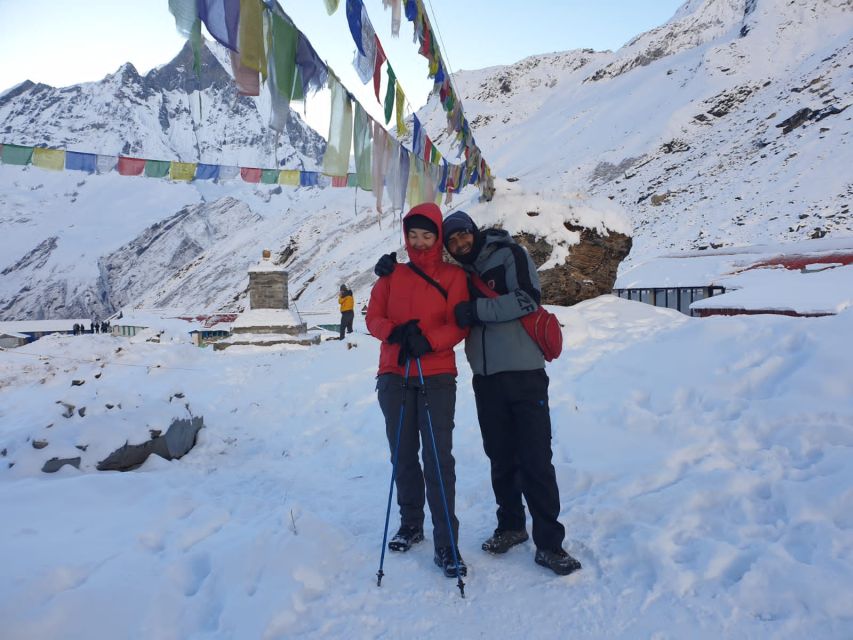
The six-hour walk from Dovan to Deurali takes you through rhododendron and bamboo forest. Waterfalls and mountain views become more prominent as you climb toward 3,200 meters.
This is where the trek begins to feel more alpine. The forest still gives the trail character, but the air is cooler and the valley feels more enclosed by the surrounding peaks. Water rushing down the slopes adds sound to an otherwise quiet section of the route.
Deurali is a useful overnight stop before base camp. You are high enough to notice the altitude, yet still below the final destination. Take this evening seriously. Eat, drink water, organize your pack, and get as much rest as possible.
The schedule allows about six hours for the day, but your actual pace may vary. A private group helps because the guide can respond to your condition rather than forcing you to match strangers. You should still understand that the following day is the most demanding part of the route.
Same trailhead, a different route:
- Everest Base Camp Trek – 14 Days
★ 5.0 · 1,499 reviews - Everest Base Camp Trek
★ 5.0 · 842 reviews - Everest Base Camp Helicopter Tour landing at Everest View Hotel
★ 5.0 · 668 reviews - Everest Base Camp Trekking
★ 5.0 · 485 reviews
Day 4: Deurali to Annapurna Base Camp at 4,130 meters
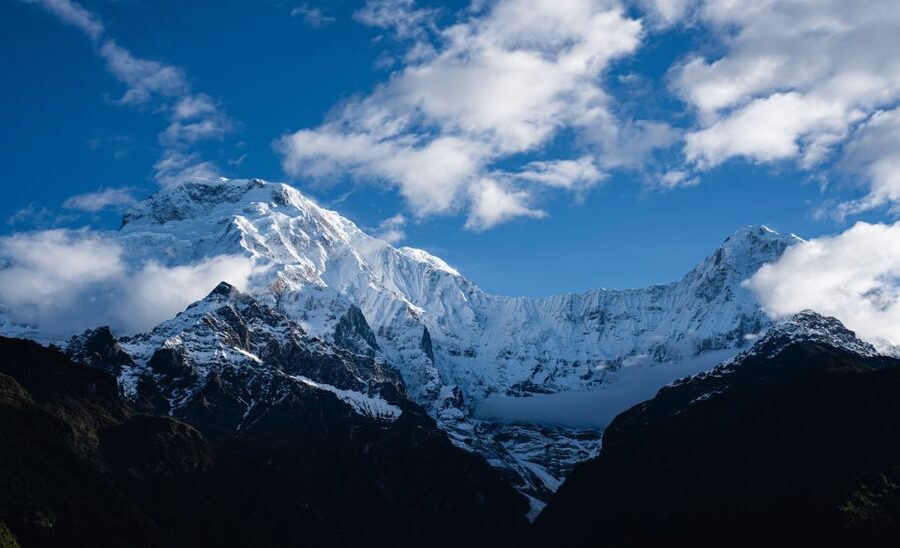
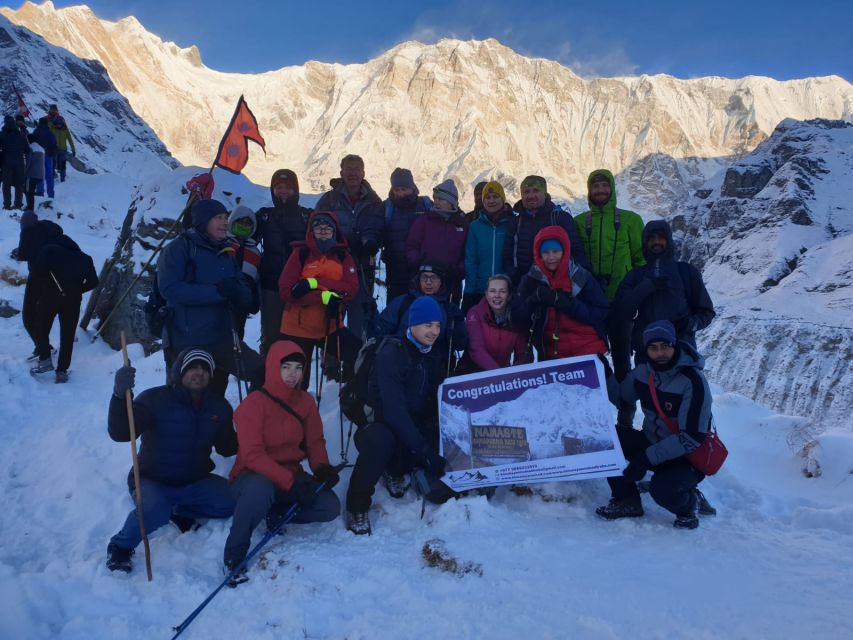
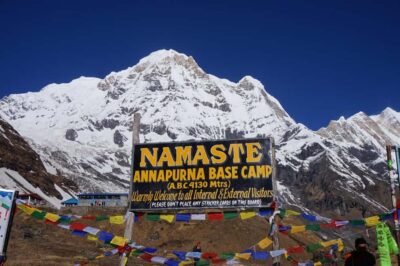
The walk from Deurali to Annapurna Base Camp takes around six hours. This is the emotional high point of the trek and the day when the scenery becomes most dramatic.
The trail leads into the high mountain bowl around the sanctuary. Snow-capped peaks, glaciers, and steep rock walls surround the route. The view at base camp is not a single distant peak. It is a close, wide mountain setting that makes the long climb feel worthwhile.
At 4,130 meters, Annapurna Base Camp is high enough that you should not treat the day casually. A headache, unusual tiredness, nausea, or dizziness should be taken seriously. The provided medical kit is useful, but it is not a substitute for travel and rescue insurance or for telling your guide quickly when you feel ill.
You will have time to take photographs and enjoy the setting, but do not expect a long, relaxed stay at this altitude. Conditions can change, and the schedule is built around continuing down the next day. Carry sunscreen, sunglasses, a jacket, water, and a camera where you can reach them easily.
This is also the point where a guide adds real value. Prakash, who has led this route, is described as helping with safety, local geography, and the setting of Annapurna. Guides such as Jeet have years of experience in the area and can keep the trek moving smoothly. The person assigned to your group may differ, so ask when booking if you have a preferred language or guide request.
Day 5: The long descent from base camp to Sinuwa
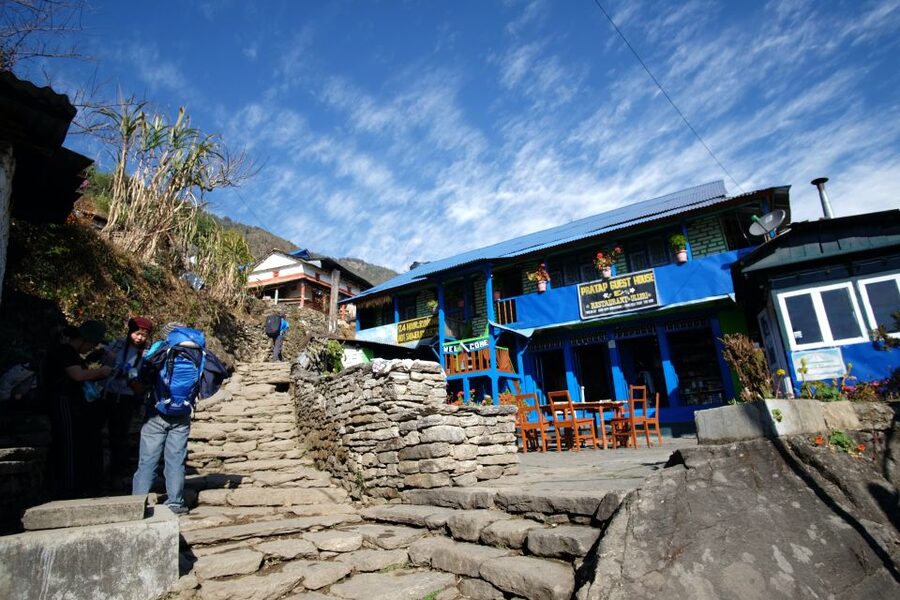
After the base camp morning, you retrace the route toward Sinuwa, at about 2,200 meters. The walk takes around seven hours, making it the longest day in the stated schedule.
Descending is easier on the lungs, but it can be harder on knees and thighs. The same stone steps and uneven sections that felt challenging on the way up now test your legs in a different way. Trekking poles can help, though they are not listed among the included items, so bring your own or ask about local options.
The return route gives you a second look at the forest, waterfalls, and river valleys. You may notice details that were easy to miss while climbing. The change in air and vegetation is part of what makes the ABC route so satisfying: within a few days, you move from cultivated hillsides to a high mountain basin and back through forest.
Sinuwa is a sensible overnight point because it breaks the descent before the hot spring stop. You should not expect Day 5 to be a lazy recovery day. Seven hours on a downhill trail can be tiring, especially after the base camp climb.
Day 6: Sinuwa to Jhinu Dada and the natural hot spring
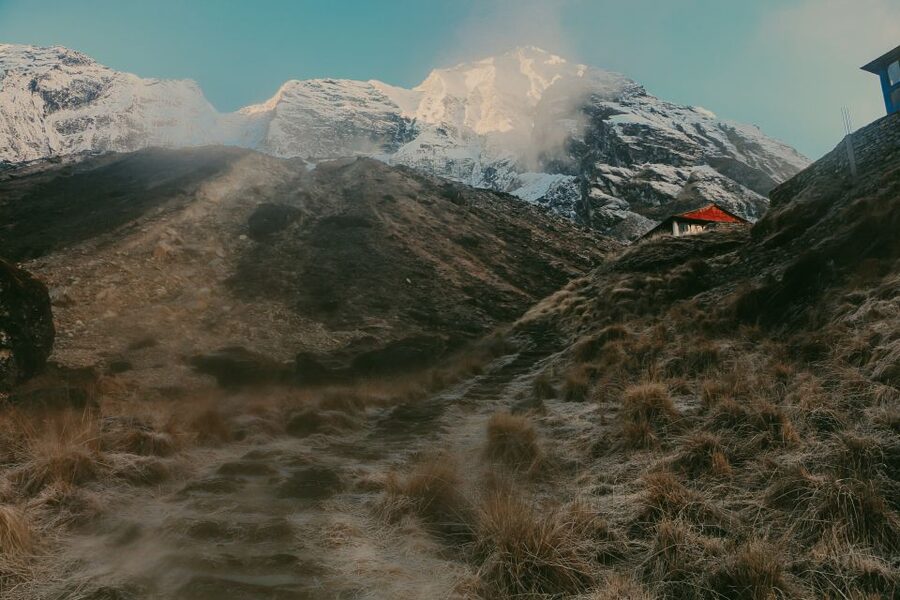
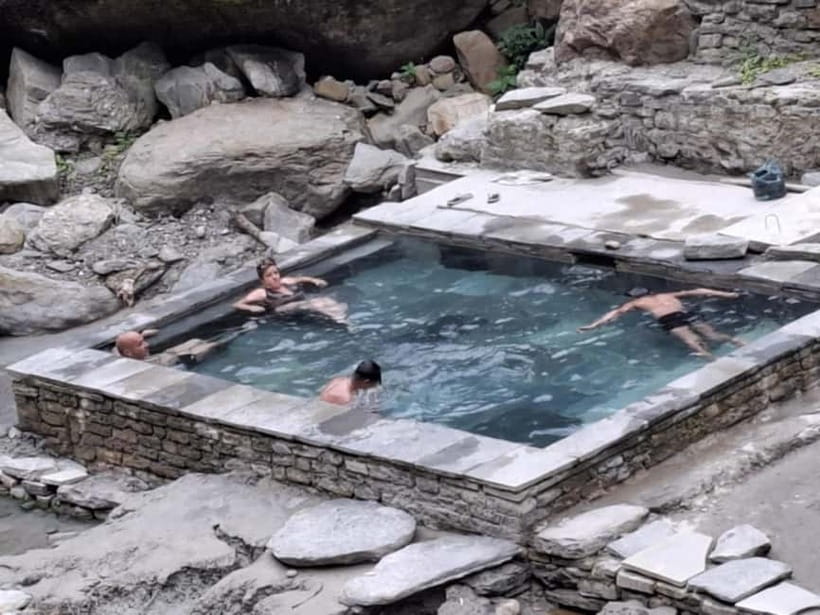
The five-hour descent from Sinuwa to Jhinu Dada drops you to about 1,600 meters. The main attraction is the natural hot spring, where you can soak tired muscles in warm mineral water.
The timing works well. The hot spring comes after the high point and most of the difficult descent, not at the start when you are still fresh. Bring a towel and suitable clothing. Personal items such as showers, laundry, bottled or boiled water, and other small comforts are not included, so keep some cash handy.
Jhinu Dada feels different from base camp. The mountain drama is less severe, and the focus shifts to rest, village life, and the pleasure of getting warm water after several days on foot. It is a simple reward, not a luxury spa. Expect a natural bathing place rather than a polished resort facility.
The hot spring also gives this route a better rhythm than a straight up-and-down trek. You get a physical payoff before returning to Pokhara, and the stop helps mark the end of the mountain section.
Day 7: Jhinu Dada back to Lakeside Pokhara
After breakfast, you walk for about two hours before taking a jeep back to Lakeside Pokhara. The final drive lets you look back on the week without another full day of climbing.
Pickup and drop-off within Lakeside, the airport, and the wider Pokhara Valley are included. Pickup from Kathmandu can be arranged for an additional cost, which is useful if your Nepal trip begins there, but the stated trek itself starts from Pokhara.
The return day is short compared with the central hiking days. Still, mountain roads can take time, and the plan does not include an extra Pokhara night if you arrive early, leave late, or return ahead of schedule for reasons outside the planned program. If your flight or bus leaves soon after the trek, leave a sensible buffer.
Guides, private groups, and the human side of the trek
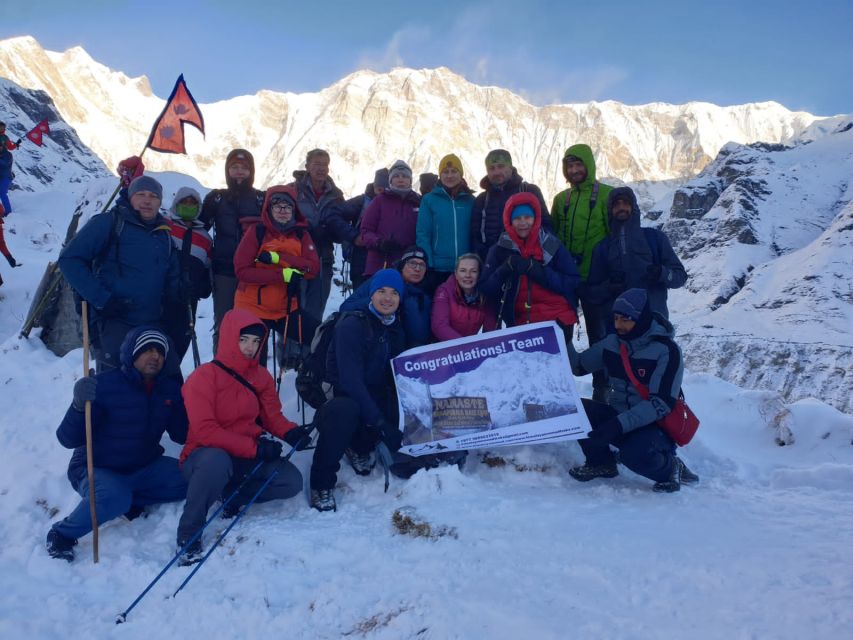
The private group setup is one of the strongest practical features. You are not tied to a large group’s pace, and the guide can watch how you are handling the altitude and the long days.
Several guides associated with this route have received strong praise for safety, patience, motivation, and local knowledge. Jeet is described as an experienced guide who knows the area well. Prakash is noted for his patience and for explaining the geography and context of Annapurna. Ghanshyam Silwal has helped groups adjust daily walking speed and deal with health concerns. Niraj has also led groups successfully.
You should not assume you will receive a particular guide unless the operator confirms it. English, Hindi, and Nepali are available, and the guide’s insurance, meals, accommodation, salary, equipment, and transportation are covered in the package.
The social side can be part of the fun. Shared games, dancing, and conversation have helped some groups enjoy the evenings, but the trek is still shaped by weather, fatigue, and the basic nature of mountain accommodation. Bring patience and a good sense of humor.
Accommodation, meals, and what the $200 covers
Accommodation is included during the trek, but the exact standard is not described in detail. Expect basic mountain lodging rather than hotel comfort. Facilities can be simple, and you should pack a sleeping bag, towel, warm jacket, long pants, and practical trekking gear.
On the full package, breakfast, lunch, and dinner during the trek are included. Meals in Pokhara are not included, and drinks, bottled or boiled water, snacks, phone calls, laundry, bar bills, showers, and battery charging are personal expenses.
The $200 cost has good value if you want the main logistics handled. Permits, the Trekkers’ Information Management System fee, necessary paperwork, government taxes, accommodation, and guide expenses can otherwise become a nuisance to arrange separately.
The price needs closer inspection if you are comparing packages. Full-package bookings include meals and deluxe transportation according to group size. Non-full-package bookings use shared bus transportation and do not carry the same stated inclusions. Confirm this difference before you compare the headline price with other ABC treks.
What to pack for this particular route
The listed essentials are sensible for a seven-day mountain walk:
- Passport or identification
- Hiking shoes and trekking gear
- Sleeping bag
- Warm jacket, long pants, T-shirt, and shorts
- Sunscreen and sunglasses
- Towel
- Cash
- Camera
I would give special attention to footwear, sun protection, and layers. The route moves from warm Pokhara to cool forest sections and then to high, exposed mountain country. Cash matters because personal purchases are not covered, and you may want drinks, snacks, charging, or other small extras.
A porter is available for an additional charge. I recommend considering one if carrying a full pack would make the long ascent and descent less enjoyable. You still need a small daypack for water, clothing layers, sunscreen, camera, and personal items.
Travel and rescue insurance is not included. At this altitude and on a route with long mountain days, it is a sensible purchase rather than an optional extra.
Who should book this ABC trek?
You should consider it if you want a short, structured Annapurna Base Camp trek from Pokhara, prefer a private group, and like having transportation, permits, accommodation, and guide support arranged for you.
It suits hikers who can manage five to seven hours of walking on several consecutive days. You do not need technical climbing skills based on the information provided, but you do need stamina, good shoes, and a willingness to walk uphill and downhill on uneven trails.
It may not suit you if you want a slow acclimatization schedule, a private room with hotel-style comfort, or a trip with many spare days for weather delays. The seven-day plan is efficient, but it is also fairly tight.
Should you book it?
I would book this trek if your priority is reaching Annapurna Base Camp within one week and you want the practical work handled by a local company. The combination of forest trails, mountain villages, the high sanctuary, and Jhinu Dada’s hot spring gives you more variety than a simple base camp out-and-back.
Before paying, confirm three things: the exact package inclusions, the guide assignment and language, and how your Pokhara transport connects with your onward plans. If you are comfortable with long walking days and basic mountain accommodation, the $200 full package offers solid value. If you need more time at altitude or extra comfort, look for a longer version of the route.
FAQ
How long does the Annapurna Base Camp trek take?
The trek lasts seven days, beginning and ending in Lakeside Pokhara.
What is the highest point on the trek?
Annapurna Base Camp is the highest point, at approximately 4,130 meters.
Where does the trek start?
The trip starts with pickup from Lakeside Pokhara, Pokhara Airport, or elsewhere in the Pokhara Valley.
Is transportation included?
Transportation is included according to the package. The full package provides deluxe transportation as stated in the schedule, while the non-full package uses shared bus transportation. The route also includes jeep sections on the first and final days.
Are meals included?
Breakfast, lunch, and dinner during the trek are included with the full package. Meals in Pokhara are not included.
Is a guide included?
Yes. An authorized English-speaking guide is included, and guides can also speak Hindi or Nepali. The guide’s meals, accommodation, salary, equipment, insurance, and transportation are covered.
Is the hot spring included in the route?
Yes. The trek reaches Jhinu Dada on Day 6, where you can use the natural hot spring after descending from Sinuwa.
Can I cancel the booking?
You can cancel up to 24 hours in advance for a full refund. The activity also offers a reserve-now-and-pay-later option.
More 7-Day Experiences in Nepal
- Pokhara: 7 Day Annapurna Base Camp Trek
★ 4.9 · 38 reviews - 7 Days Langtang Valley Private Trek From Kathmandu
★ 5.0 · 10 reviews - 7 Days Langtang Valley Trek from Kathmandu
★ 5.0 · 3 reviews - Kathmandu: 7 Day Langtang Valley Trek
★ 4.2 · 3 reviews
More Spa & Hot Springs in Nepal
- Pokhara: 7-Day Annapurna Base Camp Via PoonHill & Hot Spring
★ 5.0 · 6 reviews - Pkr/Kathmandu: 5-Day Annapurna Base Camp & Hot spring Trek
★ 5.0 · 6 reviews - Pokhara: 5-Day Trek to Annapurna Base Camp and Hot Springs
★ 5.0 · 4 reviews - Pokhara: 7-Day Annapurna Base Camp Trek & Hot Spring
★ 4.0 · 3 reviews
Just added around Nepal
- Everest Base Camp Trek★ 5.0 · 3 reviews
- Everest Base Camp Trek★ 5.0 · 7 reviews
- 15 Days Private Everest Base Camp Trek★ 5.0 · 30 reviews
- Everest Base Camp Trek★ 5.0 · 57 reviews
- 14 Days of Adventure Trekking to Everest Base Camp★ 5.0 · 2 reviews
- 14-Day Everest Base Camp Trek★ 5.0 · 20 reviews
- From Kathmandu: Private 14-Day Everest Base Camp Trek★ 5.0 · 20 reviews
- 14 Days Everest Base Camp Trek★ 5.0 · 4 reviews
Hot Spring Treks, compared.
Private Tour Mount Batur Sunrise Trekking and Natural Hot Spring
Read our review →
Mount Batur Sunrise Trek & Natural Hot Spring Experience
Read our review →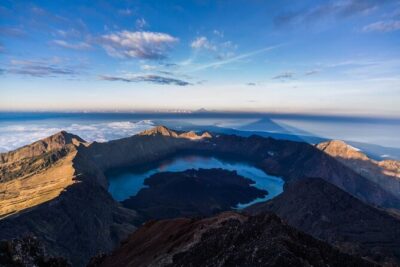
3D/2N Rinjani trekking summit,lake and hot springs.
Read our review →
Mount Batur Sunrise Trekking & Natural Hot Spring – All Inclusive
Read our review →
5 Day Annapurna Base Camp Trek & Natural Hot Spring
Read our review →Browse the lists this trek appears in