Review · KATHMANDU
Mohare Danda Trek
Mohare Danda gives you Himalayan views without the crowds and lodge traffic found on Nepal’s best-known routes. You walk through oak, bamboo, pine, and rhododendron forests, sleep in community lodges, and reach a hill station with close views of Annapurna, Dhaulagiri, Fishtail, and Tukche.
I like the route’s community focus and its sensible mix of trekking and culture. Your fee supports local lodge projects, while the Kathmandu Valley visits add temples, old royal squares, and a hands-on pottery stop. The main drawback is the pace: several trekking days run five to seven hours, and the road transfers between Kathmandu and Pokhara can be tiring.
Key points before you book
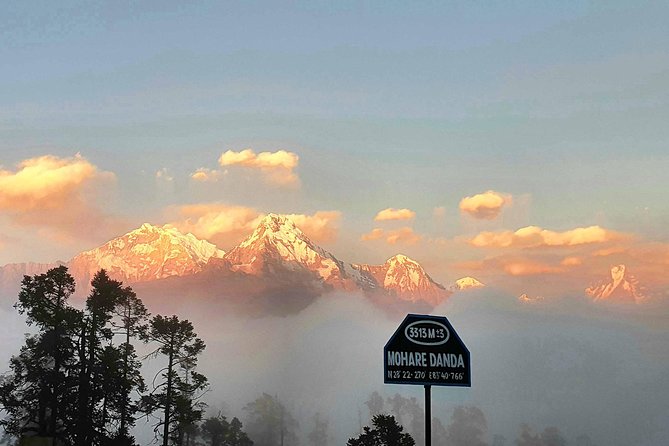
- Mohare Danda at 3,300 meters: Sunrise and sunset bring some of the finest mountain views on the route.
- A quieter Annapurna trail: You pass forests, farms, suspension bridges, and Magar settlements rather than staying on Nepal’s busiest circuit.
- Community lodge stays: Five trekking nights include full-board lodging in locally managed eco-community lodges.
- Poon Hill and Ghandruk included: The route adds two popular highlights after Mohare Danda, giving you both a quieter trail and classic viewpoints.
- Small-group support: The maximum group size is 12, with one porter assigned for every two trekkers.
- A full Nepal sampler: You get Kathmandu temples, Pokhara, mountain trekking, village life, Bhaktapur, Patan, and a pottery workshop in 12 days.
Why Mohare Danda is worth considering
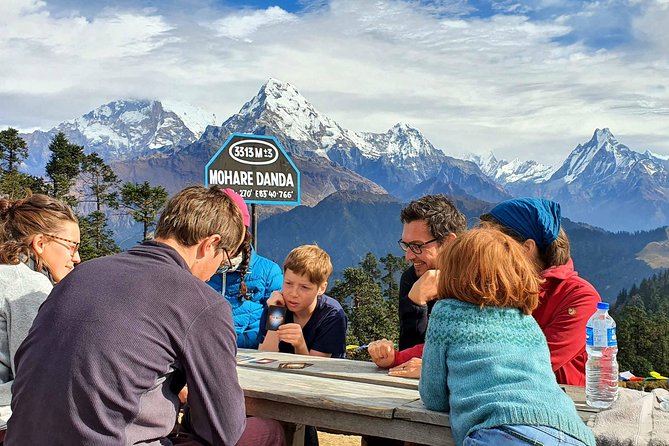
Nepal offers famous treks with famous crowds. Mohare Danda takes a different line through the Annapurna foothills, using a route created to support sustainable tourism and local community projects. That matters in practical terms: your overnight stays are in eco-community lodges, and the route sends money into villages rather than concentrating every bed and meal in a few large trekking centers.
The mountain views are the main prize. From Mohare Danda, at about 3,300 meters, you can look toward the Annapurna and Dhaulagiri ranges, with Fishtail, Nilgiri, Tukche, and other peaks also appearing along the way. The early morning and evening light should be your priority. Clouds often build later in the day, so keep your camera and warm layer ready before breakfast.
This is not a wilderness expedition. You walk through settlements, cultivated land, forests, and established mountain paths. That makes the experience more approachable than a remote high-altitude trek, but it does not make it easy. You need moderate physical fitness and the ability to walk uphill for several hours on consecutive days.
A few more treks around Kathmandu worth a look
- Everest Base Camp Trek – 14 Days
★ 5.0 · 1,499 reviews - Everest Base Camp Trek
★ 5.0 · 842 reviews - Everest Base Camp Helicopter Tour landing at Everest View Hotel
★ 5.0 · 668 reviews
Kathmandu begins with temples, cremation ghats, and Thamel
Your first day is mainly an airport pickup and hotel transfer. An Asian Heritage Treks and Travels representative meets you at Tribhuvan International Airport with a nameplate, then takes you to a hotel in or near Thamel, Kathmandu’s main tourist district.
The transfer passes sights such as Pashupatinath, the former Royal Palace Museum at Narayanhity, and the Garden of Dreams. You do not get a full visit on arrival, but the drive gives you a quick orientation to the city.
The second day is set aside for Kathmandu’s major religious sites. Swayambhunath, commonly called the Monkey Temple, sits on a hill above the city. You get broad views across Kathmandu and toward the Himalayan ranges, while the site itself shows Buddhist and Hindu traditions sharing the same sacred space.
Boudhanath Stupa brings a calmer mood. The great white dome and surrounding prayer area date back to the sixth century, and the site remains an important Buddhist pilgrimage center. Allow yourself time to walk around rather than treating it as a quick photo stop.
At Pashupatinath, you see one of South Asia’s most important Hindu temple complexes. The Bagmati River cremation ghats can be a powerful and difficult sight, so approach the visit with respect and avoid treating ceremonies as a spectacle. The nearby Guhyeshwori Temple adds another religious stop.
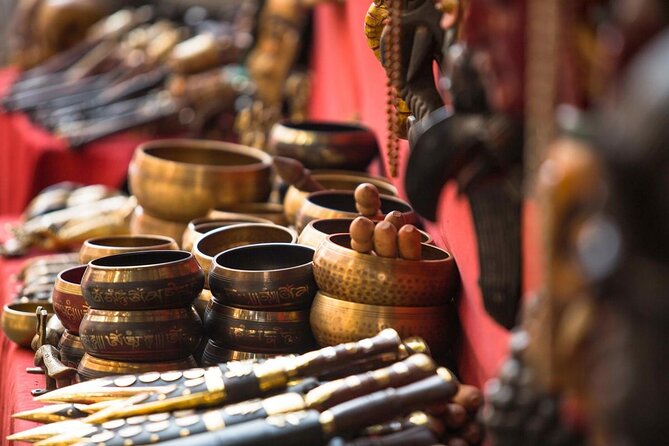
The day ends in Thamel, where you can buy crafts, trekking supplies, and souvenirs. Food and drinks here are not included, and heritage admission fees are also separate. The tour allows time for shopping, but you should not expect a quiet evening if your hotel is close to the main streets.
Pokhara adds a softer pause before the trail
The scheduled transfer from Kathmandu to Pokhara gives you a change of pace. The route passes hills, greenery, and rural views before reaching the Pokhara Valley, known for Fewa Lake and clear mountain vistas.
Two nights in Pokhara are included at Batika Classic Hotel or a similar property. This gives you a useful buffer before and after the trek, though the road journey can still feel long. The tour does not include your meals or drinks in Pokhara, so budget separately for those.
Pokhara is also the practical staging point for the mountain section. You are not rushed directly from Kathmandu into a hard hiking day, and you have a chance to settle your gear before the transfer to Galeshwor.
Galeshwor to Bans Kharka starts with a real climb
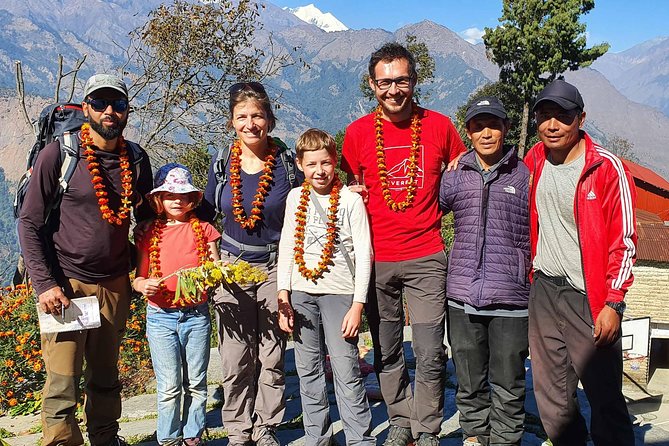
The trekking section begins with a vehicle transfer from Pokhara to Galeshwor, following the Kali Gandaki River for about three hours. From there, you walk for around three hours to Bans Kharka.
The opening trail climbs steadily. One early highlight is the suspension bridge over the Kali Gandaki, described as the deepest gorge area on the route. After the bridge, the path enters forest and continues upward toward the lodge.
This first day sets the tone. You get river views, a substantial ascent, and forest rather than a long flat approach. Keep your daypack light, and do not underestimate the climb simply because the walking time is shorter than later stages.
Same trailhead, a different route:
- Everest Base Camp Trekking
★ 5.0 · 485 reviews - Annapurna Circuit Trek with Tilicho Lake
★ 5.0 · 368 reviews - Everest Base Camp Trekking – 13 Day
★ 5.0 · 365 reviews - Everest Base Camp Trek
★ 5.0 · 350 reviews
Naangi brings farms, villages, and Magar culture
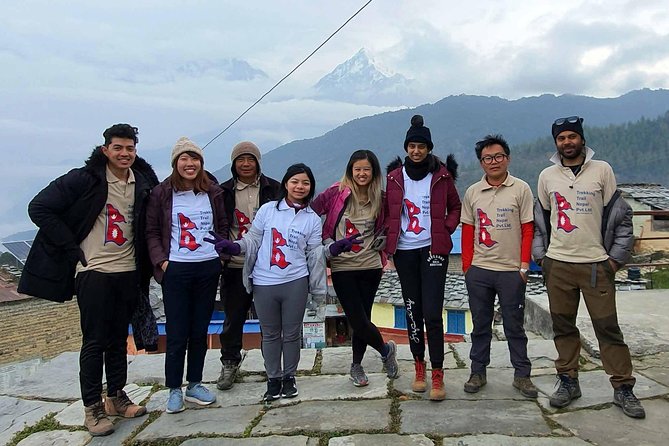
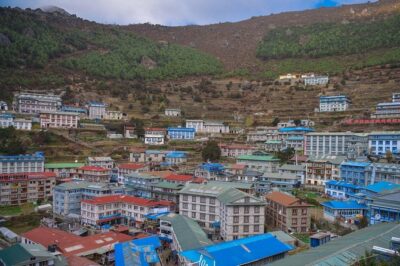
The walk from Bans Kharka to Naangi takes about six to seven hours. The route passes villages, mountain views, and cultivated land, giving you a closer look at daily life in the foothills.
A visit to an organic farm school is one of the more distinctive stops. It connects the trek’s community purpose with something practical and visible: farming, education, and local self-reliance. You also visit a Magar settlement, adding cultural context that you will not get from mountain viewpoints alone.
This is a demanding day. The walking time is long, and the trail includes repeated rises and drops. Plan to arrive with enough energy for the final approach to the lodge. Full-board meals are included during the trekking section, which simplifies the day, but drinks and personal snacks are not covered.
Mohare Danda is the visual high point
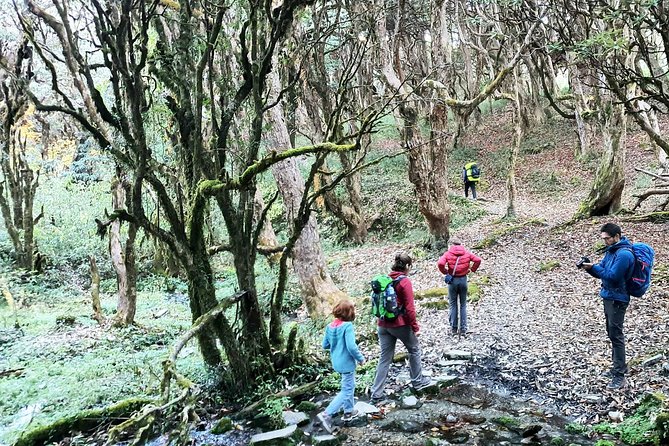
The route continues through oak and rhododendron forest toward Mohare Danda. The walking time is about seven hours, making this one of the hardest days of the trip.
The reward comes in stages. Forest sections open to views of Fishtail, South Annapurna, Dhaulagiri, and Tukche. By evening, you reach the Mohare Danda station and can watch the sunset from the ridge before returning to the eco-community lodge.
At 3,300 meters, this is the highest point named in the program. The tour does not describe a separate acclimatization day, so you should take the pace seriously. Walk steadily, drink water, and tell your guide early if you feel unwell. The route is designed for moderate fitness, not for a casual stroll.
The lodge setting is part of the appeal. You trade large commercial facilities for a simpler community-managed stay. That usually means you should value the setting and local connection more than hotel-style comfort.
Ghorepani follows with sunrise and classic mountain views
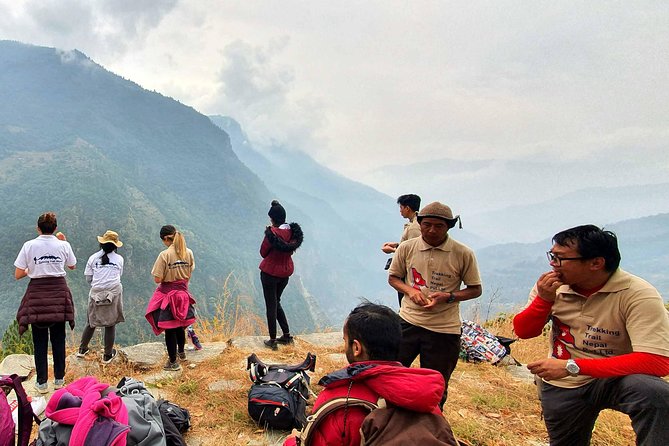
Wake early at Mohare Danda for sunrise. On a clear morning, the panorama can include Dhaulagiri I and II, Fishtail, Tukche, South Annapurna, and Nilgiri. This is the moment to have warm clothes ready, since the viewpoint is exposed and early mornings at altitude can be cold.
After breakfast, you walk toward Deurali and then Ghorepani. The trail has gradual ups and downs and takes about five hours, though the daily schedule lists approximately six hours overall.
Ghorepani is a familiar stop on the Annapurna foothill routes. After the quieter Mohare section, it may feel more established and busier. That contrast is useful: you get a taste of Nepal’s classic trekking infrastructure without spending the whole trip on the most traveled path.
Poon Hill and Ghandruk round out the trek
The next morning begins before breakfast with a climb to Poon Hill at 3,210 meters. The viewpoint is famous for sunrise over Annapurna and Dhaulagiri, and this program gives you two strong sunrise opportunities, first at Mohare Danda and then at Poon Hill.
You return to Ghorepani for breakfast before continuing toward Ghandruk. The walk takes about seven hours and crosses flat sections, forest, farmland, and a suspension bridge over the Khumnu Khola. Ghandruk is one of the most appealing villages on the route, with mountain views and a strong connection to Gurung culture.
This day combines an early start with a long walk. If you dislike pre-dawn departures, Poon Hill may feel like a chore. If you want a classic Himalayan sunrise and are willing to sacrifice sleep, it is one of the trip’s best additions.
Nayapul and Pokhara mark the end of the walking
From Ghandruk, you descend toward Nayapul in about five hours. The trail follows stone-paved sections through villages and terraced farmland, then crosses the Modi Khola and reaches Birethanti.
A private vehicle collects you at Nayapul for the return to Pokhara. This final walking day is downhill, but descents can be hard on knees after several days on foot. Trekking poles and shoes with good grip would be sensible personal equipment, though the tour does not provide personal hiking gear.
You spend another night in Pokhara before the return drive to Kathmandu. The schedule lists about six hours for this road journey. Road conditions and traffic can affect the actual duration, so avoid booking a tight international connection immediately after reaching Kathmandu.
Bhaktapur and Patan add real cultural weight
The final full day visits Bhaktapur Durbar Square, Pottery Square, and Patan Durbar Square. Bhaktapur’s temples and royal architecture give you a chance to see a different side of Nepal after the mountain days. Your guide explains the history, and you have time to eat independently.
Pottery Square is especially hands-on. A local craftsperson teaches you how to make a traditional clay pot, and the workshop is included. This is a welcome change from simply looking at monuments.
Patan brings more temple architecture, including Krishna Temple, the Golden Temple, and Banglamukhi Temple. You also visit Patan Museum, which covers the city’s rulers and artistic traditions. Entrance fees for heritage sites are not included, with an estimated total of about $50 per person, so keep cash available.
What the $1,375 price includes
At $1,375.33 per person, the package is not a bare trek. It includes private land transportation, an English-speaking local guide, required ACAP and TIMS permits, porter service, staff insurance and equipment, four Kathmandu hotel nights, two Pokhara hotel nights, and five full-board nights in trekking lodges.
The porter ratio is one porter for every two trekkers. You should confirm the baggage weight limit before departure, since the package description does not state one. You still need to carry a daypack with water, warm layers, rain protection, and personal items.
The price also includes government and local taxes, ten breakfasts, six lunches, and five dinners. Food in Kathmandu and Pokhara is separate, as are drinks, international flights, Nepal visa fees, insurance, tips, donations, personal gear, and emergency evacuation insurance.
Group discounts are offered, which may improve the price for couples, families, or organized groups. The maximum group size is 12, a useful middle ground: large enough for social company, small enough for the guide to keep track of the group on mountain paths.
Guide support and the practical details
The experience has been led by guide Norris with porter Melan on at least one completed trip. Their roles are a good example of what you should expect from the support team: route guidance, care during the walk, porter help, and explanations about local life.
Ask the operator to confirm your guide and porter assignments, what luggage the porter carries, and the exact hotel names if those details matter to you. The listed hotels are Yatri Suites & Spa or a similar property in Kathmandu and Batika Classic Hotel or a similar property in Pokhara.
Pickup is available from Tribhuvan Airport, with the listed start time at 9:00 a.m. The group is capped at 12 people, and confirmation is provided at booking. Free cancellation is available up to 24 hours before the experience begins. After that point, the stated policy does not provide a refund or accept changes.
Who should book Mohare Danda?
I would choose this trip if you want a balanced first visit to Nepal: several days of trekking, strong mountain views, cultural sites, and organized transport without arranging every permit and lodge yourself.
It suits you best if you can handle five to seven hours of walking, repeated climbs, early mornings, and basic community-lodge conditions. It is also a good fit if your priority is local contact and a quieter route rather than luxury accommodation or a purely high-altitude challenge.
I would hesitate if you want a relaxed holiday with short walks, private luxury lodges, or lots of free time. The two long road journeys, the altitude at Mohare Danda, and the early Poon Hill start make this an active program from beginning to end.
FAQ
How long is the Mohare Danda Trek?
The program lasts approximately 12 days, including Kathmandu sightseeing, transfers to and from Pokhara, the trek, and visits to Bhaktapur and Patan.
Where does the experience begin?
It begins with pickup at Tribhuvan International Airport in Kathmandu. The listed start time is 9:00 a.m.
What is the highest point on the route?
Mohare Danda reaches about 3,300 meters above sea level. Poon Hill is listed at 3,210 meters.
How physically fit do I need to be?
You should have a moderate level of physical fitness. Trekking days range from about three to seven hours, with several long uphill or downhill sections.
How large is the group?
The maximum group size is 12 people.
Is a guide included?
Yes. A professional English-speaking local tour and trekking guide is included.
Is porter service included?
Yes. The package includes one porter for every two trekkers, along with staff salary, insurance, equipment, and accommodation.
Are meals included?
Five full-board nights during the trek are included, along with ten breakfasts, six lunches, and five dinners. Food and drinks in Kathmandu and Pokhara are not included.
Are heritage entrance fees included?
No. Entrance fees for heritage sites are separate. The estimated cost is about $50 per person.
Is airport transportation included?
Yes. Land transportation by private vehicle is included, including airport pickup and the transfer to the airport at the end of the trip.
Should you book the Mohare Danda Trek?
Book it if you want mountain views, village life, and major Kathmandu sites in one organized trip. The community lodges and quieter approach give the trek a clear purpose beyond collecting viewpoints.
Before paying, confirm the exact hotel substitutions, porter baggage allowance, guide assignment, and insurance requirements. If you are comfortable with long walking days and simple lodge accommodation, the price offers solid value for a 12-day Nepal experience with permits, transport, staff, and much of your lodging already arranged.
Just added around Kathmandu
- Everest Base Camp Trek With Local Expert Sherpa Guide★ 5.0 · 15 reviews
- Everest Base Camp Trek with Helicopter Return – 10 Days★ 5.0 · 9 reviews
- Everest Base Camp Trek Via Salleri★ 5.0 · 9 reviews
- Everest Base Camp Trek★ 5.0 · 33 reviews
- Everest Base Camp Trek Via Gokyo Lake and Cho La Pass★ 5.0 · 8 reviews
- Everest Base Camp Trek – 16 Days★ 5.0 · 16 reviews
- Everest Base Camp Trek -17 Days★ 5.0 · 9 reviews
- 14 days Everest Base Camp Trek★ 5.0 · 18 reviews
Kathmandu Trekking Tours, compared.
Everest Base Camp Helicopter Tour landing at Everest View Hotel
Read our review →