
Review · KATHMANDU
Everest Base Camp Trek -14 Days
The great prize here is not simply reaching Everest Base Camp at 17,598 feet. It is the slow change from Kathmandu streets to Sherpa villages, pine forests, glacial valleys, memorials, monasteries, and the enormous walls of Everest, Lhotse, and Ama Dablam. The route also includes Kala Patthar, the best sunrise viewpoint of the trip.
I like the small maximum group of 12, which makes airport transfers, meals, and walking days easier to manage. I also like the amount included for $1,420: return flights to Lukla, permits, a licensed guide, meals, trekking lodges, and a first aid kit. The main drawback is that this remains a demanding high-altitude trek with basic lodging, extra charges for water, hot showers, Wi-Fi, drinks, and porters, plus possible flight disruption around Lukla.
Key points before you book
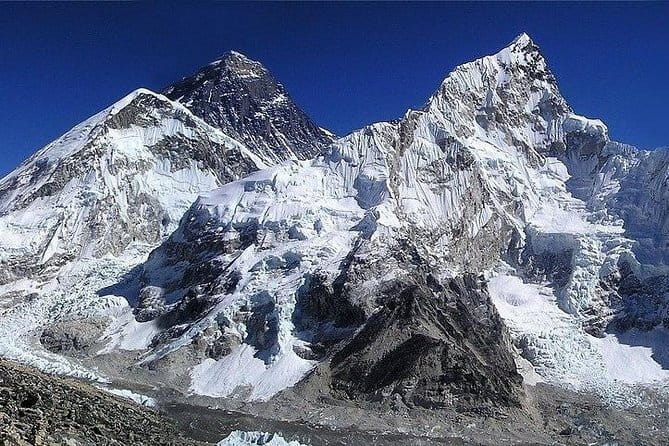
- Everest Base Camp and Kala Patthar: You reach Base Camp at 5,364 meters, then climb Kala Patthar for a sunrise panorama of Everest, Nuptse, Lhotse, Pumori, and surrounding peaks.
- Return flights to Lukla included: The scenic flight takes about 35 minutes, but the mountain airport can make the schedule less predictable.
- Two acclimatization stops: Rest days at Namche Bazaar and Dingboche break up the climb and give your body time to adjust.
- Full-board trekking: Breakfast, lunch, and dinner are included during the main trek, with food served in local lodges.
- Small-group format: The group is capped at 12, with a government-licensed guide leading the way.
- Extra costs still matter: Drinks, bottled water, Wi-Fi, showers, snacks, porter service, tips, visas, and insurance are not covered.
What the $1,420 package really gives you
At $1,420 per person, this is a practical package rather than a luxury trip. You are paying for the expensive pieces of an Everest trek: flights between Kathmandu and Lukla, official permits, a guide, accommodation, and meals along the route.
The package also includes the Everest National Park paperwork, a TIMS card, government and local taxes, and departure taxes for the Lukla flights. Those details are easy to overlook when planning alone, and handling them through one company keeps the trip simpler.
You receive breakfast on 12 days, lunch on 11 days, and dinner on 11 days. The first and final Kathmandu arrangements are different, so read the accommodation details closely before booking. The package promises a Kathmandu hotel night and dinner to celebrate the trek, but food and lodging before and after the trek are otherwise listed as excluded.
The included lodge rooms are described as the best available trekking lodges, not high-end hotels. Expect a functional base after a long walking day. At higher elevations, you might find rooms more basic, and one past departure found the Lukla lodging disappointing. Food is local and straightforward, with limited variety possible on a long trek.
You pay separately for drinks, water, coffee, tea, snacks, hot showers, Wi-Fi, and personal purchases. A porter is optional and costs extra, so budget for that if you do not want to carry your own main bag. Tips for guides and staff are also separate.
International flights, the Nepal entry visa, travel insurance, and emergency rescue costs are not included. The package lists emergency rescue as funded by travel insurance, so you need suitable insurance before departure rather than assuming rescue is part of the $1,420 price.
More Everest Base Camp Treks in Kathmandu:
- Everest Base Camp Trek – 14 Days
★ 5.0 · 1,499 reviews - Everest Base Camp Trek
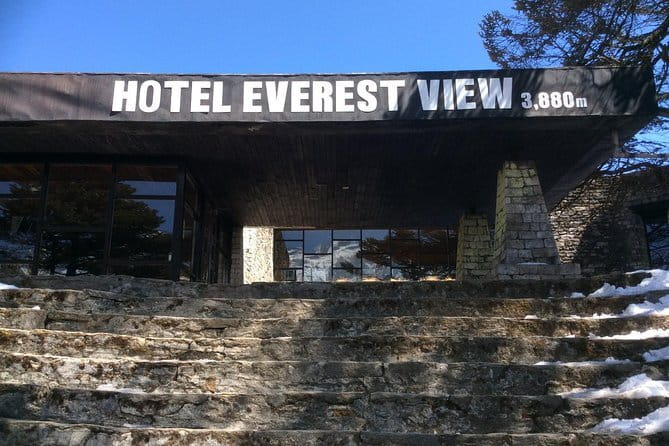
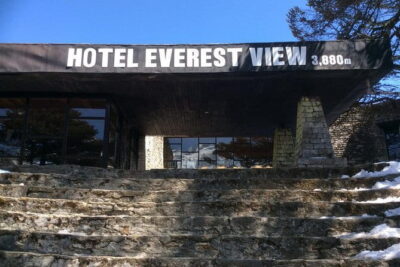
★ 5.0 · 842 reviews - Everest Base Camp Helicopter Tour landing at Everest View Hotel
★ 5.0 · 668 reviews
Kathmandu arrival and the flight to Lukla
Day one is deliberately easy. Staff meet you at Tribhuvan International Airport and take you to your hotel in Kathmandu. This airport pickup is useful after a long international flight, especially if this is your first visit to Nepal and you are staying in or near Thamel.
The trek begins on day two with an early morning flight to Lukla. The flight lasts about 35 minutes and gives you a quick shift from city life to the Khumbu region. At Lukla, you meet the local crew and begin walking after an acclimatization period.
The short flight is one of the most important practical parts of the trip. The itinerary depends on it, and mountain weather can affect departures. The supplied information does not promise a fixed backup plan, so keep some flexibility around your wider Nepal schedule.
The first walk from Lukla takes about two hours. It is not the biggest day physically, but it gives you a useful introduction to the pace of the trek. You are now walking among Sherpa communities rather than simply arriving at a mountain viewpoint.
Phakding to Namche Bazaar, with forests and first peaks
On day three, the route follows pine forest and crosses the Dudh Koshi River. You get an early view of Everest, as well as Kusum Kanguru and other peaks in the area. The forest makes this part feel more sheltered than the high, exposed sections later on.
The trail leads toward Namche Bazaar, the main trading center of the Khumbu. The climb becomes more noticeable here, and the change in altitude starts to matter. Your guide’s job is not just to point out mountains. It is also to watch your pace and help you adjust.
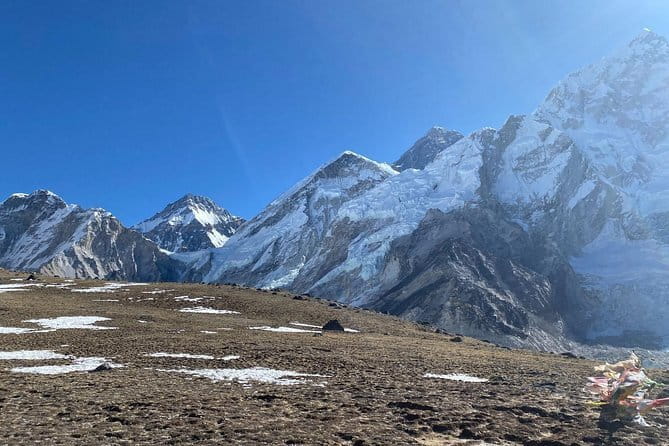
Day four is an acclimatization day in Namche. You do not simply stay in bed. The schedule includes a climb to a lookout with views of Everest, Lhotse, Cholatse, Thamserku, Kwangde, Khangtega, and Ama Dablam.
This is a smart pause in the itinerary. You gain height during the day, then return to sleep at the lower elevation of Namche. That climb also gives you a chance to test your boots, layers, daypack, and breathing before the trail gets tougher.
Tengboche and the route through rhododendron country
Day five follows the main Everest trail, including a descent toward the Dudh Koshi River and a climb through rhododendron forest. The route reflects the varied character of the trek: one moment you are among trees and villages, and later you are looking into huge open valleys.
Day six brings you to Tengboche. Early morning light makes the monastery and the peaks around it especially striking. The trail then passes through forest, with views opening toward Ama Dablam and the surrounding mountains.
Tengboche is one of the cultural high points of the route. The monastery gives the day more meaning than a simple march from one lodge to another. You are passing through a living Sherpa region, not a wilderness empty of people.
The route also includes plenty of walking on uneven paths, bridges, climbs, and descents. A moderate fitness level is required, but that phrase should not be taken too lightly. You need to be comfortable walking for several hours on consecutive days at increasing altitude.
A few more treks around Kathmandu worth a look
- Everest Base Camp Trekking
★ 5.0 · 485 reviews - Annapurna Circuit Trek with Tilicho Lake
★ 5.0 · 368 reviews - Everest Base Camp Trekking – 13 Day
★ 5.0 · 365 reviews - Everest Base Camp Trek
★ 5.0 · 350 reviews
Dingboche and the value of a second rest day
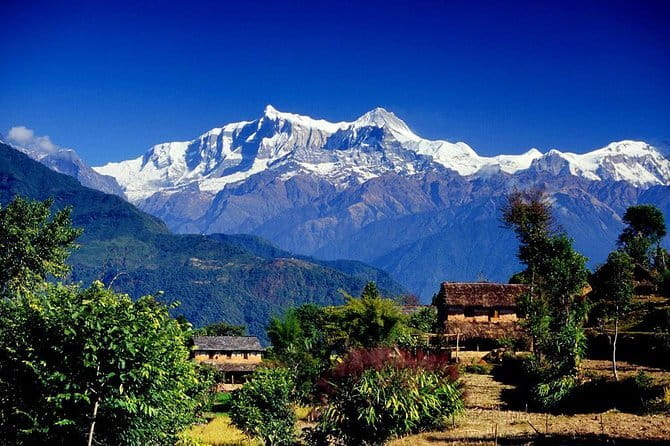
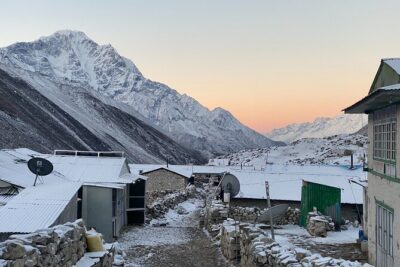
Day seven is another acclimatization day, this time at Dingboche. The village is surrounded by fields enclosed by stone walls, a practical response to the conditions at this height. It is also a common stopping point for people heading toward Everest, Ama Dablam, or Imja Tse.
This rest day is one of the strongest parts of the plan. The upper route is not won by rushing. A scheduled pause gives you time to recover, wash clothes if facilities allow, and prepare for the colder, thinner air ahead.
The itinerary does not promise a choice of alternate activities, so think of this as a flexible rest and short-walk day rather than a fully programmed excursion. Your guide will be important here. Guides such as Sujal, Laxman, Ram, Nir, Saugat, and Subash have been praised for being attentive, supportive, and flexible with different groups, though the person assigned to your departure may be someone else.
Memorials, glaciers, and the final push to Base Camp
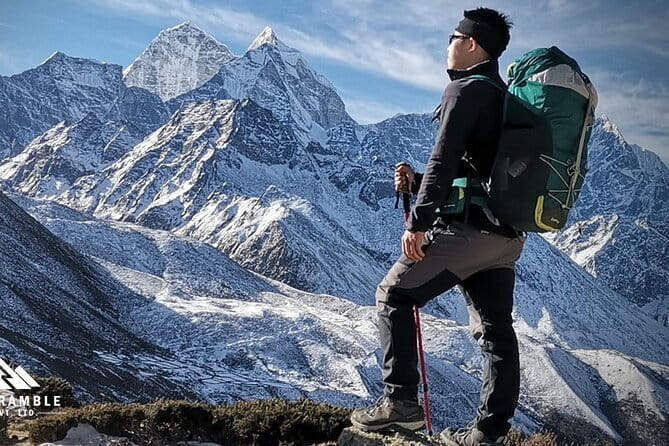
On day eight, you climb toward Duglha and then up to Chukpo Lari. This section includes memorials to climbers who died on Everest. It is a serious, quiet part of the trek, and it puts the risks of Himalayan climbing into clear view.
From Lobuche on day nine, the trail crosses open meadow before following the Khumbu Glacier. The route climbs onto the lateral moraine, where the scenery becomes rougher and more severe. You are now well above the tree line, with fewer comforts and more exposure to weather.
The walk to Everest Base Camp is the moment most people have been waiting for. The trail leads along the glacier and onto the moraine before reaching Base Camp at 5,364 meters. The view is not a simple postcard scene. Base Camp is a working mountaineering site, and its appearance can change with the climbing season.
The information for this trip notes that Everest Base Camp is set to move location. That makes the timing worth considering if reaching the classic site matters to you. The exact appearance of Base Camp varies, but the achievement of walking there from Lukla remains the heart of the trip.
You should also understand that Base Camp itself is not the highest viewpoint on this route. Kala Patthar on day ten delivers the broader mountain panorama, and many people consider that sunrise climb the visual highlight.
Kala Patthar sunrise and the return to lower ground
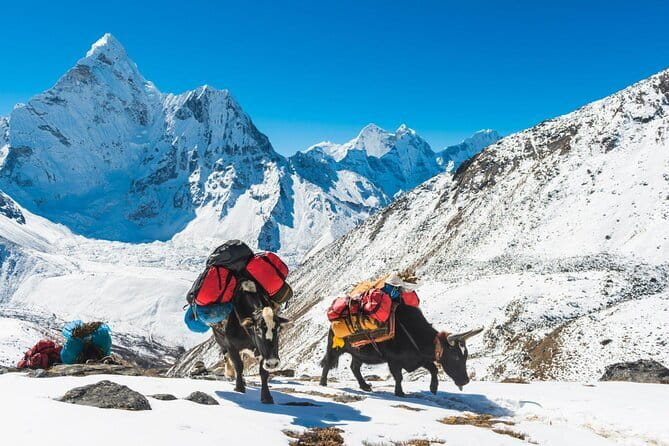
Day ten starts early with a roughly two-hour climb to Kala Patthar, below Mount Pumori. The reward is a 360-degree view of the Himalayas, including Everest, Nuptse, Lhotse, and Pumori.
An early start means cold conditions and a short night, but the timing is the point. Sunrise catches the peaks in changing light, and Kala Patthar gives you a better overall view of Everest than Base Camp does. Bring patience as well as warm layers because high-altitude climbs can feel slow even when the distance is modest.
After Kala Patthar, the return route begins. Day eleven descends through Sherpa villages toward the Dudh Koshi River, then passes through Dingboche and climbs back to Tengboche. This is not an effortless downhill stroll. Descending and re-climbing can be tiring, especially after the Base Camp and Kala Patthar sections.
Day twelve continues down through Jorsalle, Manjo, Benkar, Phakding, and smaller settlements. You cross several suspension bridges over the Dudh Koshi and return through greener country. The lower altitude usually makes breathing easier, but your legs may feel the accumulated work.
Day thirteen brings the flight back to Kathmandu and free time in the city. The schedule describes the full program as approximately 13 days in one place and as a 14-day trek in another. Confirm the exact number of nights and the final hotel arrangement before paying, since the difference may affect your airport plans.
Guides, group size, and the human side of the trek
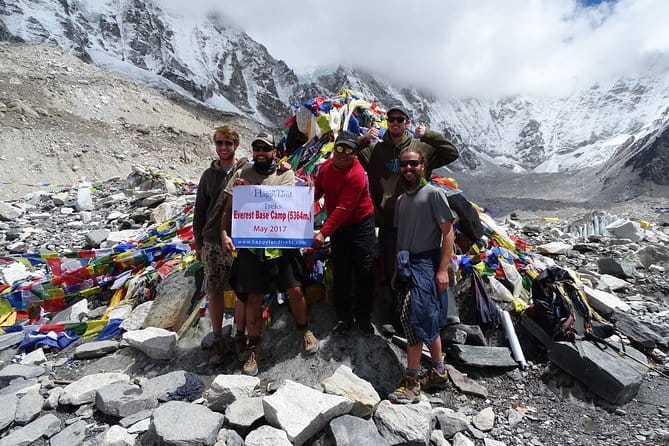
A maximum of 12 people is a good middle ground. You avoid the isolation of walking alone, but the group should remain small enough for a guide to keep track of everyone and for introductions to happen naturally.
The guide is central to the experience. The company supplies a government-licensed, experienced guide, and named guides associated with past departures include Dil, Sujal, Amer, Dhower, Nir, Laxman, Ram, Saugat, and Subash. Their reported strengths include patience with teenagers, help during difficult walking sections, quick communication, and attention to individual needs.
Do not confuse a guide with a porter. A porter is not included, and you pay extra if you want one. If you travel without a porter, ask in advance how much luggage you are expected to carry and what the company considers a reasonable load.
The group setup also helps with the social side of the trip. You share lodge meals, long walking days, and acclimatization stops with the same people. That can make a demanding route feel more manageable, though group pace and personal preferences will not always match perfectly.
Who should book this Everest route?
I would choose this trip if you want the classic Lukla to Everest Base Camp route with the main logistics arranged in advance. It suits you if you want a guide, meals, permits, lodges, and domestic flights bundled together rather than negotiating each part after arriving in Nepal.
It is a good fit for people with moderate fitness who can handle repeated walking days, altitude, basic accommodation, and changing weather. The rest days make the schedule more sensible, but they do not remove the physical demands.
I would think twice if you want private rooms, extensive menu choice, reliable hot showers, constant internet, or a completely fixed flight schedule. Those comforts are either not included or may not be available consistently on the route.
The free cancellation policy allows a full refund when you cancel at least 24 hours before the start time. Within 24 hours, the payment is not refunded, and changes are not accepted.
Should you book the 14-day Everest Base Camp trek?
Book it if the value of having the major arrangements handled outweighs the appeal of planning independently. For $1,420, the inclusion of Lukla flights, meals, permits, lodges, guide service, and taxes makes this a fair package for a demanding Himalayan route.
Before booking, confirm the exact duration, the Kathmandu hotel nights, porter options, insurance requirements, and the plan if the Lukla flight is delayed. If you are comfortable with those points, this trip offers the classic combination: Sherpa villages, Tengboche monastery, Everest Base Camp, the memorials above Duglha, and sunrise from Kala Patthar.
FAQ
How long is the Everest Base Camp trek?
The experience is marketed as a 14-day trek, while the tour summary describes it as approximately 13 days. The listed itinerary runs from arrival in Kathmandu through the return flight from Lukla to Kathmandu on day 13, so confirm the exact schedule before booking.
What is the highest point reached on the trek?
Everest Base Camp is listed at 17,598 feet, or 5,364 meters. The route also climbs Kala Patthar for mountain views, but no exact elevation for Kala Patthar is provided in the tour details.
Are flights between Kathmandu and Lukla included?
Yes. The package includes round-trip flights between Kathmandu and Lukla, including departure taxes.
Are meals included during the trek?
Yes. Breakfast, lunch, and dinner are included during the trekking portion. The package lists 12 breakfasts, 11 lunches, and 11 dinners.
Is accommodation included?
Yes. Accommodation at trekking lodges during the trek is included, along with the stated Kathmandu hotel arrangement. Accommodation and food before and after the trek are not included unless specifically covered by the confirmed booking.
Is a porter included?
No. A local porter is optional and must be paid for separately if you need one.
What is the group size?
The group can include a maximum of 12 people.
What fitness level is required?
The activity states that you should have a moderate level of physical fitness. The route includes repeated climbs and descents, high altitude, suspension bridges, forest trails, glacier sections, and the early morning climb to Kala Patthar.
What happens if I cancel?
You can receive a full refund if you cancel at least 24 hours before the experience start time. Cancellations or changes made less than 24 hours before the start time are not accepted and are not refunded.
Just added around Kathmandu
- Everest Base Camp Trek★ 5.0 · 3 reviews
- Everest Base Camp Trek★ 5.0 · 7 reviews
- 15 Days Private Everest Base Camp Trek★ 5.0 · 30 reviews
- 14-Day Everest Base Camp Trek★ 5.0 · 20 reviews
- Everest Base Camp Trek★ 5.0 · 57 reviews
- 14 Days of Adventure Trekking to Everest Base Camp★ 5.0 · 2 reviews
- From Kathmandu: Private 14-Day Everest Base Camp Trek★ 5.0 · 20 reviews
- 14 Days Everest Base Camp Trek★ 5.0 · 4 reviews
Everest Base Camp Treks, compared.
Everest Base Camp Helicopter Tour landing at Everest View Hotel
Read our review →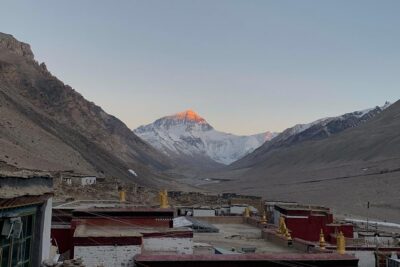
Tibet Tour 8 Days Lhasa to Everest Base Camp Small Group Tour
Read our review →
Dubai: Private Luxury Everest Yacht Cruise from Dubai Marina
Read our review →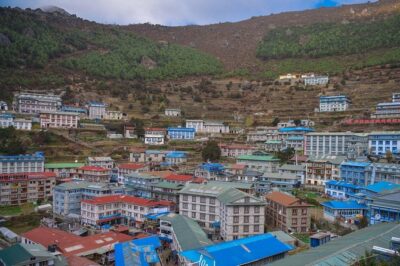
Browse the lists this trek appears in