
Review · KATHMANDU
14 days Everest Base Camp Trek
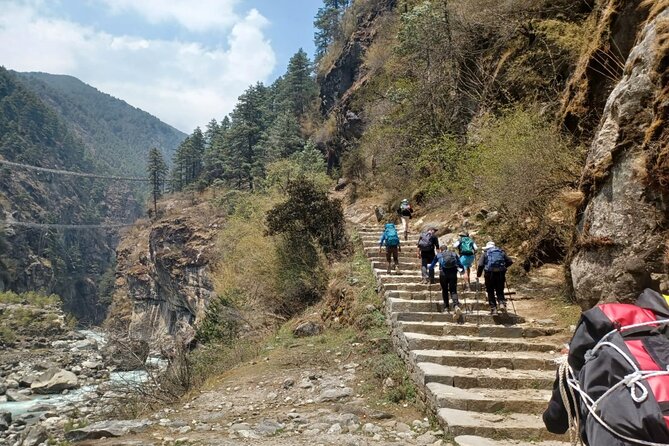
Everest Base Camp is not a quick mountain outing. It is a two-week walk through Sherpa villages, pine and rhododendron woods, high valleys, and glacial country, with the payoff at 5,316 meters. The best moments come gradually: your first Everest view near Namche, the monastery at Tengboche, and sunrise from Kala Patthar.
I like the strong acclimatization plan, with a full rest day in Dingboche, and I like that the price includes the costly pieces many trekkers must arrange separately, including the Lukla flights, permits, meals, and tea house rooms. The main caution is altitude. This is a serious trek, and the long days near Base Camp require good fitness, patience, and flexibility.
Key points to know before you book
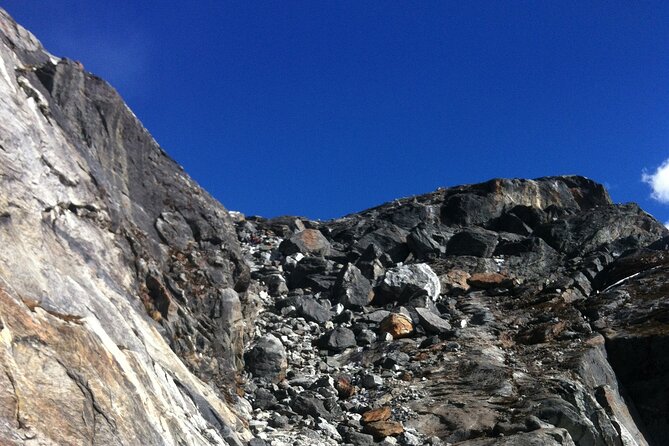
- Kala Patthar at 5,545 meters: The sunrise climb often provides the finest view of Everest on the entire route.
- A sensible acclimatization day: You spend an extra day in Dingboche and hike Nangkartshang Hill.
- Lukla flights are included: Weather and seasonal airport changes can still affect the schedule.
- Tea house accommodation: You share twin rooms while trekking and stay in a three-star hotel in Kathmandu.
- Full-board trekking meals: Breakfast, lunch, and dinner are included as listed in the package.
- Private group format: Only your own group takes part, with a licensed trekking guide.
What the $1,499 package really covers
At $1,499 per person, this is a useful all-in-one arrangement for a first Everest Base Camp trek. You receive airport transfers in a private vehicle, two-way domestic flights between Kathmandu and Lukla, national park and local permits, meals, tea house lodging, and a government-licensed guide.
The package also includes the guide’s meals, lodging, and insurance. A down jacket, sleeping bag, and duffel bag are available on request, which can save you from buying or carrying bulky gear for one trip.
You still pay for personal expenses such as hot and cold drinks, WiFi, internet access, battery charging, and tips for guides and porters. That matters in the Khumbu, where small daily costs can add up. Carry some cash for these extras.
The price also includes 13 breakfasts, 12 dinners, and 11 lunches. The first and final days are mainly for arrival and departure, so the food arrangement fits the walking schedule rather than covering every meal in Kathmandu.
More Everest Base Camp Treks in Kathmandu:
- Everest Base Camp Trek – 14 Days
★ 5.0 · 1,499 reviews - Everest Base Camp Trek
★ 5.0 · 842 reviews - Everest Base Camp Helicopter Tour landing at Everest View Hotel
★ 5.0 · 668 reviews
Kathmandu arrival and the flight to Lukla
Day 1 is deliberately gentle. A representative meets you at Kathmandu International Airport, takes you to the hotel, and gives you time to rest. A guide briefing and welcome dinner follow in the evening.
That briefing is useful. You should use it to confirm the next morning’s departure time, what your porter or duffel arrangement looks like, and what to expect from the first walking day. Go to bed early, since the Lukla departure is scheduled for the morning.
On Day 2, the flight heads to Lukla. During the busy spring and autumn seasons, you may first take a private four-hour drive to Ramechhap before flying onward. This is one of the practical quirks of the route. It can make the start longer, but it reflects how airport operations may change during peak periods.
After breakfast in Lukla, you walk for about three hours to Phakding, passing Cheplung and Ghat. This is a good first day because the walking time is modest and the elevation gain is limited. You get a taste of suspension bridges, river valleys, and village life without being thrown straight into a long climb.
Namche Bazaar and the first Everest view
Day 3 is longer, at about six hours, as you follow the Dudh Koshi River through Benkar and Jorsalle. You enter Sagarmatha National Park and then climb toward Namche Bazaar.
Namche is one of the most important stops on the route. It is a Sherpa trading center and the point where the trek begins to feel genuinely high and remote. The climb into town can be tiring, especially if you are still adjusting to the altitude, so keep your pace slow.
Day 4 is an acclimatization day in Namche. You hike to the Everest View Hotel, a high viewpoint with views toward Everest, Ama Dablam, Lhotse, and Nuptse. The point is not only the scenery. Walking higher and returning to sleep lower helps your body adjust.
You can also visit the Sagarmatha National Park museum and spend time around the market. I would not treat this as a wasted rest day. It gives you a chance to move, take photos, and learn about the region without adding another overnight increase in altitude.
Tengboche monastery and the trail to Dingboche
On Day 5, the trail leaves Namche and heads toward Tengboche. You climb, cross the Imja Khola near Phungithanga, and continue through rhododendron woods. The route takes around six hours.
Tengboche is one of the most memorable stops because of its monastery setting and wide mountain views. From the monastery area, you can see Everest, Nuptse, Lhotse, Thamserku, and Ama Dablam. It is a good place to slow down and notice the cultural side of the trek, not just the peaks.
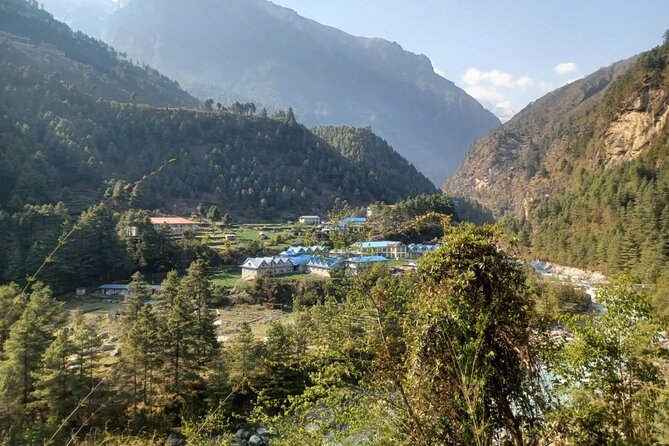
Day 6 continues to Dingboche. You descend toward Deboche, cross rope bridges, pass through Pangboche, and follow Mani walls marked with Tibetan inscriptions. Dingboche feels more exposed and alpine than the lower villages, with views toward Lhotse, Island Peak, and Ama Dablam.
The six-hour walking day is manageable on paper, but altitude changes the effort. You may find the same distance much harder than it would be at home. Drink steadily, keep your layers handy, and avoid racing ahead.
A few more treks around Kathmandu worth a look
- Everest Base Camp Trekking
★ 5.0 · 485 reviews - Annapurna Circuit Trek with Tilicho Lake
★ 5.0 · 368 reviews - Everest Base Camp Trekking – 13 Day
★ 5.0 · 365 reviews - Everest Base Camp Trek
★ 5.0 · 350 reviews
Why the Dingboche rest day matters
Day 7 is the trip’s key adjustment day. You spend most of the day resting in Dingboche, then make a steep hike toward Nangkartshang Hill. From there, you can see Makalu and Amphu Laptse. A visit to Nangkartshang monastery adds a small cultural stop before you return to the lodge.
This is a smart part of the schedule. The trek reaches higher ground soon after Dingboche, so an extra day gives you a better chance to notice how your body is responding before the hardest section.
The itinerary describes this as a six-hour day, but you should think of it as flexible. The important goal is acclimatization, not reaching a particular distance. If you feel unwell, tell your guide rather than treating the hike as a test of willpower.
Lobuche and the memorials at Thukla Pass
Day 8 takes you to Lobuche in about five hours. You pass through Dughla and climb toward Thukla Pass, with views across the Khumbu valleys and toward Cholatse.
The memorials at Thukla are among the most sobering places on the route. They honor climbers who died in the Everest region. This section adds perspective to the trek. The mountains are beautiful, but they are not harmless, and the memorials make that clear.
The trail beyond the pass is rocky and narrow. Lobuche is a high overnight stop, so the cold, thin air may affect your sleep and appetite. Keep your evening simple. Eat what you can, organize your day pack, and save energy for the early start ahead.
Everest Base Camp from Lobuche
Day 9 is the major objective: Everest Base Camp. It takes about eight hours and crosses glacial sections on the way to Gorakshep. You pass along the southern side of Lhotse before reaching this high settlement.
The usual pattern is to reach Gorakshep, eat breakfast, then continue to Base Camp. The route is rocky and demanding, but the scale of the Khumbu becomes enormous here. You see the Khumbu Icefall and views toward Nuptse, Pumori, and Khumbutse.
Base Camp itself is not a summit and does not provide the classic full-face view of Everest that many people expect. Its appeal is the setting, the icefall, and the feeling of reaching the point used by climbing expeditions. The exact appearance can change with the season and climbing activity.
This is a long day, and you return to Gorakshep afterward. Take photos, but do not let your phone become the only thing you experience. Batteries may also need charging in some lodges, which is one of the extra costs not included.
Kala Patthar and the long descent
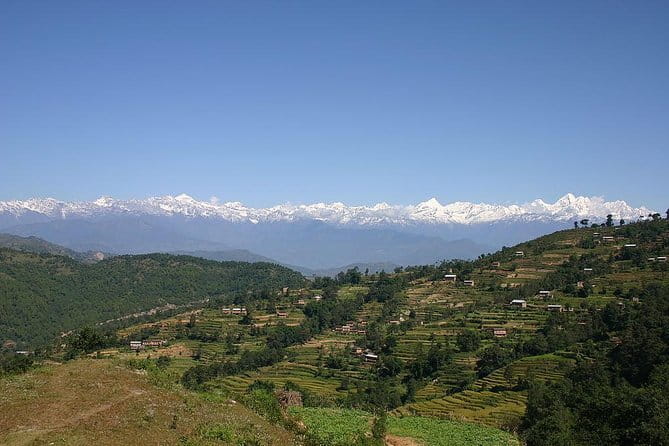
Day 10 starts before dawn with the climb to Kala Patthar. The ascent takes about two to three hours, often by headlamp. At 5,545 meters, this is the highest point of the itinerary and the hardest physical section for many people.
The reward is the sunrise view. Everest, Nuptse, Pumori, and Ama Dablam catch the first light, and the early hour gives the peaks a sharp, dramatic look. For many walkers, this is a better viewing point for Everest than Base Camp itself.
After coming down, you return toward Base Camp and have a hot meal before continuing toward Pangboche. The full day lasts about nine hours, so do not underestimate it. The schedule combines the highest climb with a substantial descent.
The itinerary calls the overnight stop Pangboche, though the day description also refers to returning to Base Camp before continuing. Confirm the exact overnight plan during your briefing, since high mountain schedules can shift with weather, trail conditions, and group pace.
Returning through Namche and Lukla
Day 11 is a long descent of about seven hours toward Namche Bazaar. You pass back through Dingboche and Tengboche, then follow familiar paths through conifer and rhododendron woods.
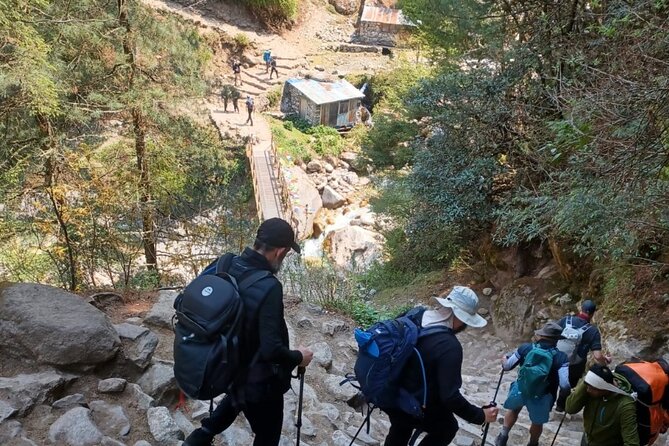
Downhill walking is usually easier for breathing, but it can be hard on tired knees. Trekking poles can help, though they are not listed among the included items. This is also a good night to enjoy the hospitality of the Sherpa communities before leaving the high route.
Day 12 takes about seven hours to reach Lukla. You cross the Bhote Koshi and Dudh Koshi rivers, stop for lunch in Phakding, and continue along the trail you used at the start.
Lukla is a useful final night because it gives you a buffer before the flight. You can explore the village and buy souvenirs, but keep your luggage organized. The next morning starts early.
The return flight and Kathmandu finish
Day 13 is short on paper, with the flight back to Kathmandu taking about 30 minutes. Flights from Lukla can be affected by weather, and the schedule may not feel as predictable as a city-to-city flight, so keep your final plans flexible.
Back at the hotel, you have time for a hot shower, rest, and possibly a massage. That recovery time is valuable after nearly two weeks of walking.
Day 14 is your airport transfer and departure. The company provides a representative to take you from the hotel to the international airport. The tour can also be extended with advice about other treks and trips in Nepal, if you decide that one Himalayan route was not enough.
Accommodation, food, and daily comfort
The stay in Kathmandu is at a three-star hotel with breakfast. On the trail, you use twin-sharing tea houses. This is basic mountain accommodation, not a resort experience, but it places you close to the route and keeps the trip practical.
Meals are included on a full-board basis during the trek. You should still expect simple food and limited choices at higher elevations. Hot and cold drinks are extra, as are WiFi, internet, and battery charging.
A guide is included, along with the guide’s food, room, and insurance. The company has used guides such as Ghaman, Lok, Purna, Raj, and others on its Nepal trips. Ask who is assigned to your group before departure, especially if you have questions about experience, language, or group pace.
Who should choose this trek
This trip suits you if you want the standard Everest Base Camp route with the main logistics handled in advance. The private group format is useful if you prefer to walk with your own party rather than join a large mixed group.
You need moderate physical fitness, but you do not need technical climbing skills based on the information provided. The bigger challenge is sustained walking at altitude. You should be comfortable with days of five to nine hours and with basic tea house accommodation.
I would choose this package if you value a clear structure, included flights and permits, and direct help from a guide. I would hesitate if you need luxury rooms, a fixed flight schedule, or a short and easy mountain holiday.
Should you book the Everest Base Camp Trek?
Book it if reaching Base Camp and Kala Patthar is a major personal goal, and you want one operator to arrange the core details. The strongest parts are the acclimatization plan, the included Lukla flights, the full-board trekking meals, and the guide support.
Before paying, confirm the assigned guide, the exact Pangboche overnight arrangement, and how flight delays are handled. Also budget for drinks, charging, internet, and tips. Cancel at least three full days before the local start time if you need a full refund.
This is a demanding trip, but the rewards are unusually clear: Sherpa villages, Tengboche monastery, the Khumbu Icefall, Everest views from Kala Patthar, and the quiet satisfaction of walking back to Lukla under your own power.
FAQ
How long is the Everest Base Camp trek?
The experience lasts approximately 14 days, including arrival and departure days in Kathmandu, the Lukla flights, the trek to Base Camp, and the return walk.
What is the price per person?
The listed price is $1,499 per person.
Are flights between Kathmandu and Lukla included?
Yes. The package includes Kathmandu to Lukla and Lukla to Kathmandu domestic flights, including taxes. During peak seasons, you may first travel by private vehicle from Kathmandu to Ramechhap for the flight.
Is accommodation included?
Yes. You receive a three-star hotel in Kathmandu with breakfast and twin-sharing tea house accommodation during the trek.
Are meals included?
Yes. The package includes 13 breakfasts, 12 dinners, and 11 lunches as listed in the itinerary. Personal drinks are not included.
What altitude does Everest Base Camp reach?
Everest Base Camp is listed at 5,316 meters above sea level. Kala Patthar reaches 5,545 meters.
Is there an acclimatization day?
Yes. Day 4 is an acclimatization day in Namche Bazaar, and Day 7 is an acclimatization day in Dingboche with a hike toward Nangkartshang Hill.
Is a guide included?
Yes. The package includes an experienced, government-licensed trekking guide, along with the guide’s meals, accommodation, and insurance.
What is not included in the price?
Personal expenses, hot and cold drinks, WiFi, internet, battery charging, and tips for guides and porters are not included. Costs caused by natural disasters, weather problems, or other events beyond the agency’s control are also excluded.
Just added around Kathmandu
- Everest Base Camp Trek With Local Expert Sherpa Guide★ 5.0 · 15 reviews
- Everest Base Camp Trek with Helicopter Return – 10 Days★ 5.0 · 9 reviews
- Everest Base Camp Trek Via Salleri★ 5.0 · 9 reviews
- Everest Base Camp Trek★ 5.0 · 33 reviews
- Everest Base Camp Trek Via Gokyo Lake and Cho La Pass★ 5.0 · 8 reviews
- Everest Base Camp Trek – 16 Days★ 5.0 · 16 reviews
- Everest Base Camp Trek -17 Days★ 5.0 · 9 reviews
- 12 Days Everest Base Camp Trek★ 5.0 · 53 reviews
Everest Base Camp Treks, compared.
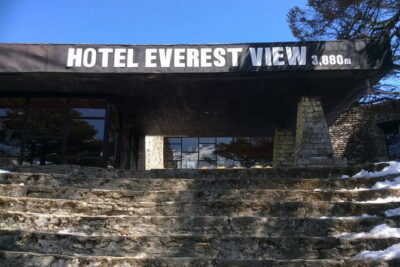
Everest Base Camp Helicopter Tour landing at Everest View Hotel
Read our review →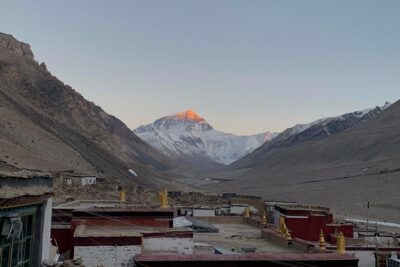
Tibet Tour 8 Days Lhasa to Everest Base Camp Small Group Tour
Read our review →
Dubai: Private Luxury Everest Yacht Cruise from Dubai Marina
Read our review →
Browse the lists this trek appears in