
Review · KATHMANDU
Everest Base Camp Trek -17 Days
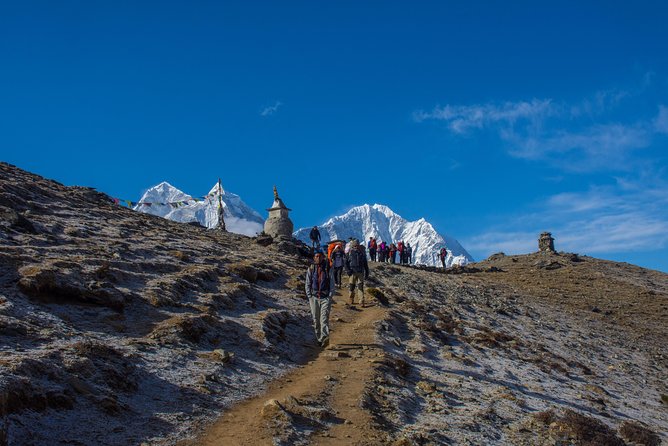
Everest Base Camp is less about reaching a single point than about the long approach through Sherpa country. Over 17 days, you walk from Lukla past Namche Bazaar, Tengboche, Dingboche, Lobuche, and Gorak Shep, with Everest views and high mountain monasteries along the way. I especially like the two acclimatization days, which give your body time to adjust, and the chance to visit Khumjung, Khunde, and Tengboche Monastery rather than simply marching uphill.
The main drawback is the altitude. You reach 5,364 meters at Base Camp and 5,550 meters on Kala Patthar, so this is a serious trek, not a scenic stroll. Lukla flights can also be affected by conditions, which is why the extra Kathmandu day is useful.
Key points about this Everest trek
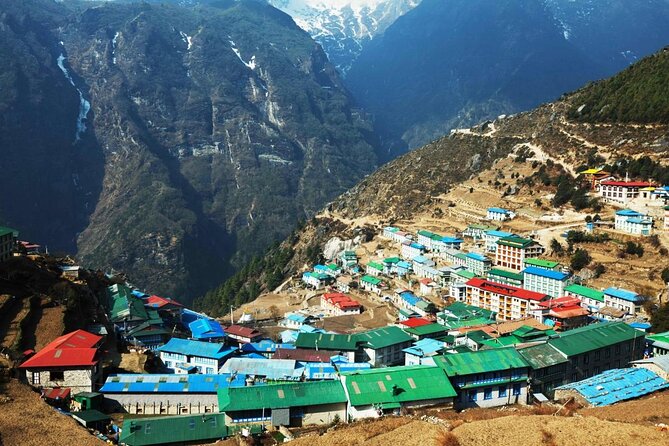
- 17 days with two acclimatization hikes: You spend extra time in Namche and Dingboche before reaching the highest sections.
- A private trip for your group: Only your party takes part, with an experienced Sherpa guide, support staff, and porters.
- The classic Everest route: You pass Lukla, Phakding, Namche Bazaar, Tengboche, Dingboche, Lobuche, Gorak Shep, and Base Camp.
- Kala Patthar is the high point: The 5,550-meter climb is planned after Base Camp and offers one of the trip’s key mountain viewpoints.
- Much of the core cost is covered: Flights, permits, trekking meals, hot drinks, porters, a duffle bag, and airport transfers are included.
- Dawa is a useful contact: Past trips were organized through Dawa, with praise for communication, careful planning, and flexible help before departure.
What the $2,000 price really covers
At $2,000 per person, this trek is not a bare-bones walk with a guide added at the last moment. The price includes the Kathmandu to Lukla return flights, domestic airport taxes, conservation and national park permits, local and government taxes, a Sherpa guide, support staff, porters, meals during the trek, hot drinks, treated drinking water, and a trek duffle bag.
You also get four nights in a three-star Kathmandu hotel on a twin-sharing bed-and-breakfast basis. Airport transfers use private vehicles, and a half-day guided tour of Kathmandu’s World Heritage sites is included. That combination gives the package real value, especially if you prefer one company to handle the many moving parts.
The price does not include international flights, major meals in Kathmandu, personal trekking gear, bottled water, soft drinks, beer, laundry, phone calls, tips, or medical and evacuation insurance. The last item matters most. Your insurance must cover high-altitude trekking and emergency evacuation. Do not treat this as optional paperwork.
I also recommend asking what standard of accommodation is arranged in the mountain villages, since the package clearly covers overnight stays along the trekking route but does not spell out the lodge category. You should also confirm the current baggage allowance for the Lukla flight and the amount your porter will carry.
More Everest Base Camp Treks in Kathmandu:
- Everest Base Camp Trek – 14 Days
★ 5.0 · 1,499 reviews - Everest Base Camp Trek
★ 5.0 · 842 reviews - Everest Base Camp Helicopter Tour landing at Everest View Hotel
★ 5.0 · 668 reviews
Days 1 and 2: Kathmandu preparation before the trail
Your trip begins with pickup at Tribhuvan International Airport in Kathmandu and transfer to the hotel. The listed start time is 12:15 am, so confirm the exact pickup arrangement before arrival. A trip briefing follows, giving you a chance to meet the team, review the route, and check your equipment.
Day 2 combines Kathmandu sightseeing with final preparation. The included half-day tour visits World Heritage sites with a guide and private transport. This gives you some cultural context before the trek, though the sightseeing is necessarily brief. You will also pack and organize the duffle bag that porters carry during the mountain section.
This is where Dawa appears to be especially useful. The company has handled short-notice departures and family groups, and the preparation process has been praised for clear communication. That does not remove your responsibility to bring suitable clothing, footwear, and personal medication, but it can make the pre-trek work far less confusing.
Days 3 and 4: Lukla, Phakding, and the first climb to Namche
The mountain route starts with a flight from Kathmandu to Lukla at 2,840 meters. Lukla is the gateway to the Khumbu region, and the short first walk to Phakding takes about three hours, finishing at 2,610 meters. This is a sensible opening day because you begin walking without forcing a long ascent immediately after the flight.
Day 4 is harder. You trek for about five hours to Namche Bazaar at 3,440 meters. The trail gains height, and this is the point when the trip begins to feel like a real high-altitude trek rather than a mountain walk.
Namche is one of the most important stops on the route. It is the main Sherpa center in the area and your first major acclimatization base. You should expect the pace to feel slower here. That is not wasted time. It gives your body a chance to respond before the route climbs much higher.
Day 5: Khumjung and Khunde acclimatization hike
The first rest day includes a four-hour hike toward Khumjung and Khunde, reaching about 3,840 meters before returning to Namche for the night. This is a strong part of the plan because acclimatization works best when you gain height during the day and sleep lower than your highest point.
The villages also add cultural interest. The trek is not only about views of Everest. It brings you into Sherpa communities shaped by life in the high Himalaya, with monasteries, villages, and local routines that give the route more meaning.
I like this day because it breaks up the standard point-to-point rhythm. You get a challenging walk, mountain scenery, and time to look around Namche without carrying your full trekking load. Still, four hours at this altitude can be tiring, so use the afternoon for rest rather than treating it as another sightseeing day.
A few more treks around Kathmandu worth a look
- Everest Base Camp Trekking
★ 5.0 · 485 reviews - Annapurna Circuit Trek with Tilicho Lake
★ 5.0 · 368 reviews - Everest Base Camp Trekking – 13 Day
★ 5.0 · 365 reviews - Everest Base Camp Trek
★ 5.0 · 350 reviews
Days 6 and 7: Tengboche and Dingboche
From Namche, the route continues to Tengboche, about five hours away at 3,860 meters. The stop is known for its monastery, and the visit gives the trek a spiritual center as well as a scenic one. Tengboche is one of the places where the character of the region becomes clear: high mountain trails, Sherpa settlements, and Buddhist practice are closely linked.
The next day takes you to Dingboche at 4,410 meters, again in about five hours. You are now entering a colder, thinner-air section of the route. The walking hours are not extreme on paper, but altitude changes the effort. A pace that seems easy near sea level can feel demanding here.
The schedule is well spaced, but you should still watch for headaches, nausea, unusual fatigue, or breathing trouble. Tell your guide early if something feels wrong. The included first-aid kit and guide support are helpful, but no package replaces proper evacuation insurance or honest communication about your health.
Day 8: Nagarjun Peak and a second high-altitude rest day
Day 8 is another acclimatization hike from Dingboche, listed as a five-hour outing to Nagarjun Peak at about 5,085 meters, followed by another night in Dingboche. This is one of the most physically demanding days before Base Camp.
The value is clear: you gain height during the day, then return to sleep lower. The hike also lets you experience a high mountain setting without adding a new overnight stop. That makes the next stages more manageable than a schedule that simply climbs every day.
Do not judge this day by distance alone. At more than 5,000 meters, the air is thin and the cold may be serious. Your guide’s role matters here, particularly in deciding the pace and whether someone should turn back before the highest point.
Days 9 and 10: Lobuche and Gorak Shep
The trail reaches Lobuche at 4,910 meters on Day 9 after about four hours. The route is now firmly in the high-altitude zone, and the scenery becomes more stark and open. You are close to the main Everest trekking objectives, but the conditions are also less forgiving.
Day 10 takes about four hours to Gorak Shep at 5,140 meters. This is the final overnight base for the Base Camp walk and the Kala Patthar climb. At this height, simple tasks can feel slow. Keep your day organized, drink the hot beverages provided by the trekking team, and protect your energy for the next two days.
The itinerary lists breakfast, lunch, dinner, hot drinks, and treated drinking water during the trek. Bottled water, soft drinks, beer, and other personal purchases cost extra. The included drinks are useful, but you should still confirm how treated water is supplied and carry a refillable bottle.
Days 11 and 12: Everest Base Camp and Kala Patthar
Day 11 is the main goal: a roughly six-hour round trip to Everest Base Camp, with another night at Gorak Shep. Base Camp sits at 5,364 meters. The walk is demanding because of the altitude and the rough high mountain path, not simply because of its distance.
Base Camp itself can look different depending on the season and conditions. The deeper reward is the route to it, the surrounding peaks, and the sense of reaching the foot of the climbing world’s best-known mountain. The trek gives you views of Everest and its neighboring peaks, but it does not promise a summit climb or a visit during an expedition.
On Day 12, you climb Kala Patthar to about 5,550 meters, usually taking around four hours, then descend to Pheriche at 4,210 meters in another four hours. This is arguably the hardest day of the trek. It is also one of the most important, since Kala Patthar is the high viewpoint built into this itinerary.
The descent to Pheriche is not an afterthought. It brings you down more than 1,000 meters for sleep after the summit viewpoint, which should help your body recover. Give yourself permission to walk slowly. The goal is not to win a race against your guide or fellow group members.
Days 13 to 15: Returning through Namche to Kathmandu
Day 13 takes about six hours to return to Namche at 3,440 meters. After the high points of Base Camp and Kala Patthar, the lower altitude should feel welcome, though the descent can be hard on knees and ankles.
Day 14 is a six-hour trek to Lukla, with free time in the evening. This final walking day gives you a chance to recognize how far you have come. It also leaves some room to rest before the early flight.
The return flight to Kathmandu is scheduled for Day 15, followed by free time in the city. Flights to and from Lukla are a practical weak spot in any fixed schedule. Conditions can cause delays, and the itinerary wisely keeps Day 16 as an emergency day for the Lukla to Kathmandu flight.
That spare day is not wasted. It protects your international departure from a same-day mountain flight connection. You should still avoid booking an international flight too tightly around the planned return, since the package only provides one emergency day.
Guides, porters, and the private format
This is a private trek, so only your group participates. That gives you more control over pace and breaks than a large scheduled group would. It can also make the trip easier for families or groups with mixed walking speeds, though the itinerary remains physically demanding for everyone.
The package includes an experienced Sherpa guide, support Sherpa staff, and the required number of porters. Guide and porter insurance with emergency rescue is included, along with equipment for the support team. Your own medical and evacuation insurance is still required.
Dawa is the key contact associated with the operation. The service has handled groups of 12, family trips, and last-minute arrangements, with particular praise for communication, organization, and staff support. One guide was also singled out for strong local ability and photography skills. Since individual guide assignments can change, ask who will lead your departure and how many people will be in your group.
Who should book this trek?
You should consider this trip if you want the classic Everest Base Camp route with a private group, organized logistics, Sherpa support, and a clear acclimatization plan. It suits people who are comfortable walking for four to six hours on consecutive days and who understand that altitude, not just fitness, controls the pace.
It is also a good fit if you value cultural stops such as Tengboche Monastery and Sherpa villages rather than wanting a quick in-and-out mountain visit. The Kathmandu sightseeing, farewell dinner, airport transfers, and free days make the package easier for a first visit to Nepal.
You should think twice if you dislike basic mountain conditions, cannot allow schedule flexibility for Lukla flights, or have not arranged high-risk medical and evacuation insurance. The tour is carefully supported, but it is still a strenuous journey above 5,000 meters.
The company offers free cancellation up to 24 hours before the experience start time. Changes or cancellations inside that window are not accepted for a refund, so check your plans and insurance before the cutoff.
Should you book the Everest Base Camp Trek?
I would book this trek if you want a full-service, private Everest Base Camp program and value reliable planning more than the lowest possible price. The $2,000 fee covers many expensive and awkward pieces, especially domestic flights, permits, porters, meals, transfers, and acclimatization days.
Before paying, confirm the exact hotel and mountain lodge arrangements, guide assignment, baggage rules, and flight contingency plan. If those details suit you, this is a well-balanced route with strong practical support, meaningful Sherpa culture, and enough time to reach Base Camp without rushing every day.
FAQ
How long is the Everest Base Camp trek?
The experience lasts approximately 17 days, including arrival and departure days, Kathmandu sightseeing, the trek, return travel, and an emergency day for a possible Lukla to Kathmandu flight delay.
What is the highest point reached on the itinerary?
The highest point is Kala Patthar at approximately 5,550 meters. Everest Base Camp is listed at 5,364 meters.
Are flights between Kathmandu and Lukla included?
Yes. Round-trip domestic airfare between Kathmandu and Lukla, along with domestic airport taxes, is included.
Are meals included during the trek?
Yes. Breakfast, lunch, and dinner are included during the trek, along with hot drinks and beverages such as tea, coffee, hot chocolate, and treated drinking water. Major meals in Kathmandu are not included.
Is this a private tour?
Yes. Only your group participates in the activity. The package includes an experienced Sherpa guide, support Sherpa staff, and porters.
What kind of insurance do I need?
You need personal medical and high-risk insurance that covers emergency evacuation. Insurance for the guide and porters, including emergency rescue, is included in the package.
Just added around Kathmandu
- Everest Base Camp Trek★ 5.0 · 3 reviews
- Everest Base Camp Trek★ 5.0 · 7 reviews
- 15 Days Private Everest Base Camp Trek★ 5.0 · 30 reviews
- Everest Base Camp Trek★ 5.0 · 57 reviews
- 14 Days of Adventure Trekking to Everest Base Camp★ 5.0 · 2 reviews
- 14-Day Everest Base Camp Trek★ 5.0 · 20 reviews
- From Kathmandu: Private 14-Day Everest Base Camp Trek★ 5.0 · 20 reviews
- 14 Days Everest Base Camp Trek★ 5.0 · 4 reviews
Everest Base Camp Treks, compared.
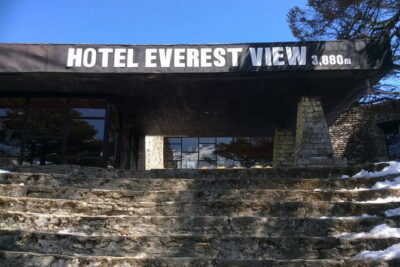
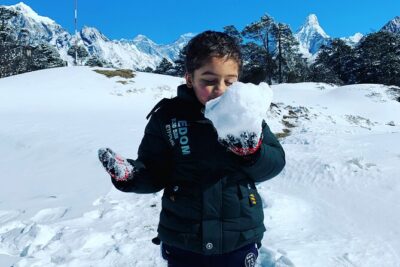
Everest Base Camp Helicopter Tour landing at Everest View Hotel
Read our review →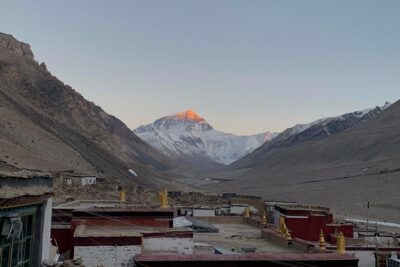
Tibet Tour 8 Days Lhasa to Everest Base Camp Small Group Tour
Read our review →
Dubai: Private Luxury Everest Yacht Cruise from Dubai Marina
Read our review →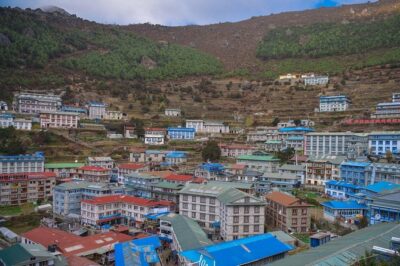
Browse the lists this trek appears in