
Review · ARUSHA
Lemosho Route 7 Days Trekking at Mount Kilimanjaro
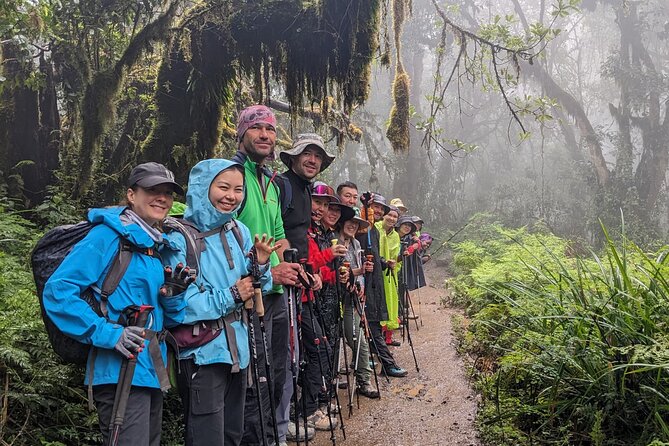
Kilimanjaro’s Lemosho Route gives you a scenic, quieter approach to Africa’s highest mountain, with rainforest, open moorland, volcanic rock, and a midnight push to Uhuru Peak. I like the careful acclimatization stop at Lava Tower and the small maximum group size of eight. I also like that meals, a certified guide, park access, and transport from Arusha are built into the package.
The catch is the schedule. Seven days is demanding, and summit day includes roughly 6 to 7 hours uphill, a descent to Barafu, then another long walk to Mweka Camp. You need solid fitness, patience with slow pacing, and a clear understanding that altitude, not technical climbing, is the main challenge.
Key points to know before booking
- Lemosho offers a quieter start: You begin at Londorossi Gate and walk through rainforest before reaching the high moorland.
- Lava Tower helps with acclimatization: Day three takes you up to 4,600 meters before sleeping lower at Barranco Camp.
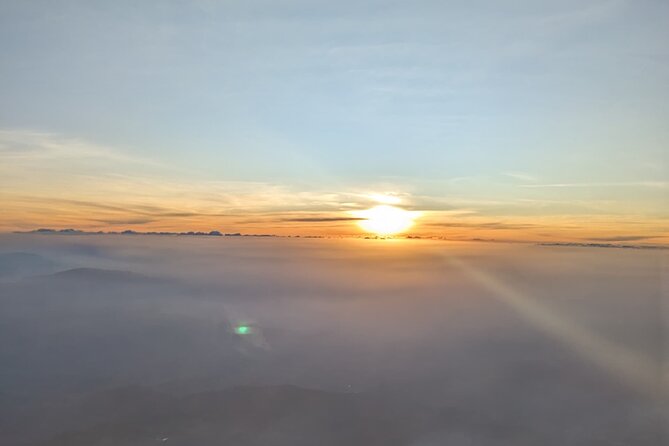
- Summit day is the test: The climb to Uhuru Peak begins around midnight and reaches 5,895 meters.
- The group is capped at eight: That can make guiding and daily organization easier.
- Meals are included: Breakfast, lunch, and dinner are provided across the trek, with hot meals listed at several camps.
- The price is $2,800 per person: That is a serious outlay, but it covers the core mountain arrangements rather than just guiding.
Why the Lemosho Route is a smart seven-day choice
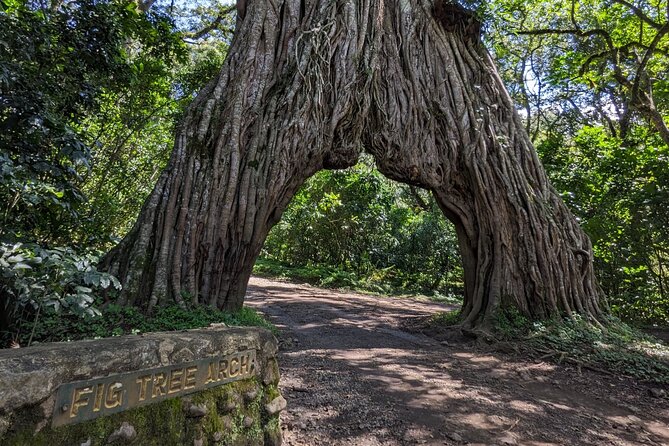
Lemosho is a good fit if you want more scenery and fewer people at the start than the busiest Kilimanjaro approaches. The route begins on the western side of the mountain, at a high forest gate, then crosses toward the Shira Plateau before joining the southern circuit.
I like the way the route changes underfoot and overhead. Day one starts in thick rainforest. By day two, the trees give way to heath and moorland. Later, you walk through alpine desert before reaching the summit zone. That variety makes the climb feel like a real journey, not seven repetitions of the same rocky path.
The route also uses a valuable acclimatization pattern. On day three, you climb to Lava Tower at 4,600 meters, then sleep at Barranco Camp at 3,940 meters. That climb high and sleep lower approach gives your body a better chance to adjust than a simple steady rise.
Still, seven days leaves less time than longer Kilimanjaro itineraries. The route is well planned, but you cannot treat it as a casual hiking holiday. The strongest part of the program is the mountain support and pacing. The weakest part is the compressed schedule, especially on summit day.
More Kilimanjaro Climbs in Arusha
- 8-Day Small-group Lemosho Kilimanjaro Summit Trekking
★ 5.0 · 186 reviews - 7-Day Machame Kilimanjaro Summit Tour from Arusha
★ 5.0 · 125 reviews - Mountain Kilimanjaro Day Hike
★ 5.0 · 102 reviews
Day one: Arusha to Big Tree Camp
Your morning begins in Arusha, where you are collected in a 4×4 Land Cruiser or Land Rover. The drive to Londorossi Gate takes about an hour. Registration and permit arrangements happen there before the vehicle continues to the Lemosho trailhead at about 2,100 meters.
The first hike covers about 6 kilometers and takes roughly three hours. You gain around 650 meters before reaching Mti Mkubwa Camp, also called Big Tree Camp, at 2,750 meters.
This is a gentle introduction by Kilimanjaro standards. The rainforest gives you shade and a strong first impression of the mountain’s lower slopes. You will likely notice the change from road travel to trail life quickly: walking becomes the main event, and camp becomes your evening base.
Dinner and overnight camping are included. I like that the first day is short enough to help you settle into the pace. The small drawback is that the morning includes gate formalities, so the day may feel more like a transfer and setup day than a full hike.
Day two: Shira One and the first big altitude gain
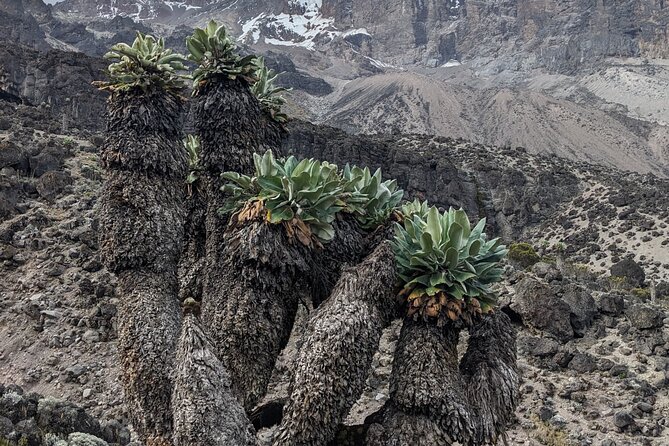
After breakfast, the path leaves the forest and enters the heath and moorland zone. You walk 13 kilometers to Shira One Camp, climbing from about 2,750 meters to 3,500 meters.
The stated walking time is around six hours. That is a significant increase from day one, and the 1,100-meter gain deserves respect. The route is not technically described as difficult, but the altitude can make a long uphill day feel much harder than the distance suggests.
Your best strategy is simple: walk slowly, drink as directed by your guide, and avoid racing stronger members of the group. On Kilimanjaro, a controlled pace matters more than proving how fast you can climb.
Shira One gives you a broad, open setting after the enclosed forest. The moorland scenery is a major reason to choose Lemosho. You are now high enough to feel the mountain’s scale, but still well below the summit zone.
Day three: Lava Tower to Barranco Camp
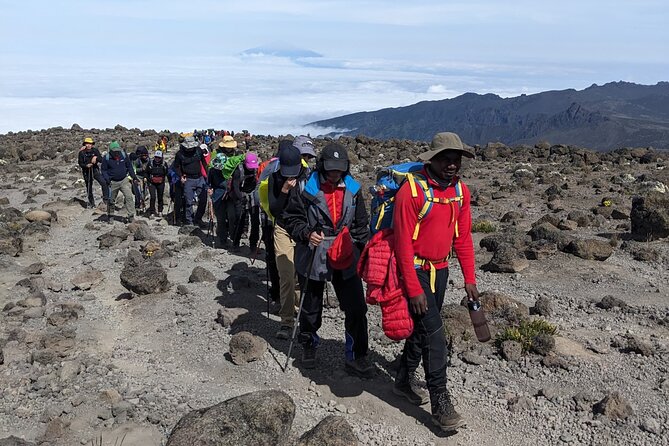
Day three is one of the most useful days in the program. You hike toward Lava Tower at 4,600 meters, then continue down to Barranco Camp at 3,940 meters.
The total route covers about 10.75 kilometers and takes 6 to 7 hours. The listed altitude gains are about 750 meters to Lava Tower and another 660 meters on the route toward Barranco, although the day also includes the descent to the camp. A picnic lunch is provided.
The key point is not simply reaching Lava Tower. It is the chance to spend part of the day at a higher altitude before sleeping lower. That makes this more than a scenic detour. It is an important body check, and your guide can see how you are handling the height.
Barranco Camp is a memorable overnight stop because the famous Barranco Wall rises nearby. You do not climb it until the next morning, but seeing it ahead gives the route a clear sense of what comes next.
This may be the day when the trek stops feeling easy. Headaches, nausea, poor sleep, or unusual tiredness can occur at altitude, and you should tell your guide promptly if anything feels wrong. The itinerary depends on a certified guide, but your honesty about your condition is just as important.
Same trailhead, a different route:
- 4 Days Mount Meru Trekking
★ 5.0 · 55 reviews - 4 days Best experience Kilimanjaro Hike, Serengeti &Ngorongoro
★ 5.0 · 54 reviews - From Arusha/Moshi: Kilimanjaro Hike Marangu Route Day Trip
★ 4.5 · 54 reviews - Mount Kilimanjaro Day Hike Through Marangu Route to Mandara Hut
★ 5.0 · 37 reviews
Day four: Over the Barranco Wall to Karanga
After breakfast, you tackle the Barranco Wall and continue to Karanga Camp at about 4,000 meters. The walk covers only 4.25 kilometers and gains about 250 meters, with a stated walking time of 3 to 4 hours.
The short distance is helpful. The Barranco Wall adds a more hands-on section to the trek, but the available information does not describe the route as technical climbing. You should still expect uneven ground and a slower pace in places.
Karanga is a useful rest point before the next rise toward Barafu. A hot lunch is served when you arrive, followed by rest and an acclimatization walk. That extra recovery time matters because the next two days contain the hardest physical work.
One practical note: the schedule contains a typo showing four minutes for this day, but the detailed plan gives 3 to 4 hours. Use the longer estimate when judging the day.
Day five: Barafu Camp and a short night
The route to Barafu Camp is only about 4.25 kilometers, with a 600-meter climb to 4,600 meters. The hike takes about 3 to 4 hours, beginning after breakfast at around 8:30 a.m.
The short walking distance can be misleading. Barafu is high, exposed, and the launch point for the summit. Once you arrive, you receive a hot lunch, rest, and eat an early dinner before trying to sleep for a few hours.
This is not a normal camping night. You are expected to wake around midnight, pack the items needed for the summit, and start after hot drinks and snacks. Keep your evening simple. Eat what you can, organize your clothing and headlamp if provided, and follow your guide’s instructions.
Barafu is where the trip becomes less about sightseeing and more about managing energy. The schedule gives you a short approach day, but the early wake-up means you should not assume you will feel rested.
Day six: Uhuru Peak and the long descent
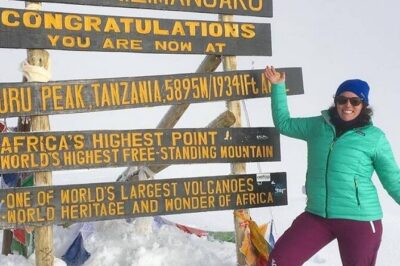
Summit day starts around midnight. From Barafu, you climb about 4.86 kilometers to Uhuru Peak, reaching 5,895 meters, the highest point in Africa. The uphill section takes roughly 6 to 7 hours.
This is the hardest part of the trip, even for fit hikers. The issue is the combination of altitude, darkness, cold, steep ground, and limited sleep. You move slowly, with frequent pauses, and the guide sets the pace.
After reaching the summit, you descend to Barafu Camp in about three hours for breakfast. That is a demanding change of direction. Your legs have already done the hardest climb, yet you still need to walk down loose and uneven ground.
After several hours of rest and a hot lunch, you continue through alpine desert, heath, and moorland to Mweka Camp at 3,100 meters. The total route from Uhuru Peak through Barafu to Mweka covers about 11.5 kilometers, with a descent of roughly 2,795 meters.
This is the day to judge the experience honestly. Reaching the summit is a major achievement, but the descent is not an afterthought. You need enough energy to reach camp safely, and your guide has the final say if your condition becomes unsafe.
Day seven: Mweka Gate and the return to Arusha
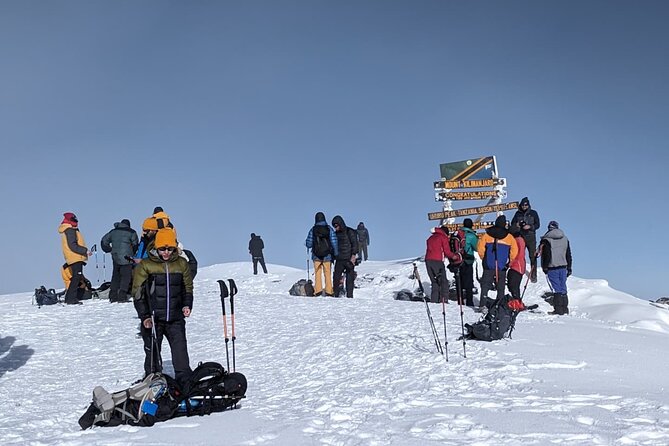
The final morning begins with breakfast and a 9.1-kilometer walk through rainforest to Mweka Gate. The descent from Mweka Camp at 3,100 meters to the gate at about 1,800 meters takes roughly 3 to 4 hours.
The forest feels very different after the summit zone. The air is thicker, the trees return, and the descent gives you a clear sense of how much altitude you have crossed in a week.
At the gate, successful summit hikers receive a certificate. A vehicle then takes you back to Jevas Hotel in Arusha for drop-off. The day is listed as around six hours, which includes the walk and onward transfer.
That return to town is useful. You finish the mountain portion with a proper handover rather than being left to arrange your own transport from the gate.
The guides and support team
The strongest praise directed at this trip focuses on the mountain crew. Names connected with the experience include Mike, Fred, Freddy, Modest, and Teacher. You should confirm your assigned guide team before departure, since the names are not presented as a fixed roster for every booking.
The available feedback gives a clear picture of what matters on the mountain: route knowledge, judgment at altitude, steady pacing, and encouragement during the summit push. One group of three climbed with Fred and Mike, along with a cook and nine porters. Another account refers to a much larger support team of 25 people for a group arrangement.
That last point is worth clarifying before you book. The advertised maximum is eight hikers, but the full mountain crew can be much larger once guides, cooks, and porters are included. A small hiking group does not mean a tiny working team.
The trip includes a certified guide, breakfast for six mornings, lunch for seven days, and dinner for six nights. The meals listed at camp include hot lunch and dinner at key points, plus hot drinks and snacks before the summit start.
Is $2,800 good value?
At $2,800 per person, this is not a budget walk. The value depends on what you want covered and how much support you need.
The price includes the certified guide, the listed meals, mountain access arrangements, transport from Arusha to the route, and the return transfer to Arusha. It also buys a planned seven-day route rather than an independent attempt to coordinate gates, camps, permits, meals, and summit timing.
The price does not include international flights, departure taxes, medical insurance, travel insurance, or luggage insurance. Those costs can change the total budget, so I would not compare the $2,800 figure with a bare guiding fee.
I see the main value in the organization and support. Kilimanjaro is not a technical mountain in the way a roped alpine climb is, but altitude and logistics make professional help important. A good guide also knows when to slow down, when to stop, and when a summit attempt is no longer safe.
Weather, fitness, and group size
The activity calls for moderate physical fitness, but I would treat that as a minimum, not a guarantee. You need to handle long walking days, repeated climbs, steep descents, and the summit schedule with little sleep.
The weather can also change the character of the route. Accounts connected with this departure describe rain on almost every day for one trek. That means waterproof clothing, dry bag protection, and patience are practical concerns, not optional extras.
The maximum group size is eight. That is a useful limit for a mountain trek because it can make daily decisions and communication easier. Ask how many people are actually in your departure group, and ask which guide will lead it.
The route is best for a reasonably fit adult who wants a scenic approach and accepts basic camping conditions. It is less suitable if you want a relaxed holiday, a private hotel-to-hotel itinerary, or a short mountain walk with no very early morning.
Booking details and cancellation terms
Pickup is offered, and the trip begins and ends in Arusha. Mobile tickets are available, and confirmation is received at booking. The listed operating period runs from November 12, 2024, through June 18, 2026, with hours shown every day from midnight to 11:30 p.m.
You can cancel for a full refund if you do so at least 24 hours before the local start time. Cancellations or changes made within 24 hours are not refunded or accepted.
Before paying, I would confirm the exact departure date, guide names, group size, meal arrangements, equipment expectations, and the meeting point in Arusha. Those questions are especially useful for a seven-day high-altitude trip.
Should you book the Lemosho Route trek?
I would choose this trip if you want the scenic Lemosho approach, a planned acclimatization day at Lava Tower, a small hiking group, and a full mountain support team. The route offers strong variety, and the guides named in the feedback, including Fred, Freddy, Mike, Modest, and Teacher, are repeatedly connected with calm and capable support.
I would think twice if you have limited hiking experience, dislike camping, or want generous time for altitude adjustment. The summit day is long and tough, and seven days gives you little spare time if your body struggles.
For a fit hiker who understands the commitment, $2,800 can be reasonable because the core guiding, meals, permits, transport, and camp logistics are arranged. Go in prepared for rain, cold, short sleep, and a slow pace. That is the difference between simply booking Kilimanjaro and giving yourself a fair chance of enjoying it.
FAQ
How long is the Kilimanjaro Lemosho Route trek?
The experience lasts approximately seven days, beginning and ending in Arusha.
Where does the trek begin?
You travel from Arusha to Londorossi Gate, then continue to the Lemosho starting point at about 2,100 meters.
What is the highest point reached?
The trek reaches Uhuru Peak at 5,895 meters, the highest point in Africa.
How large is the hiking group?
The activity has a maximum of eight travelers.
What meals are included?
The package includes six breakfasts, seven lunches, and six dinners.
Is a guide included?
Yes. A certified guide is included. Guides named in the available trip feedback include Fred, Freddy, Mike, Modest, and Teacher, but you should confirm your assigned team.
What fitness level is required?
The activity states that participants should have a moderate physical fitness level. The summit day is the most demanding section.
Can I cancel for a full refund?
Yes. You can receive a full refund if you cancel at least 24 hours before the local start time. Cancellations within 24 hours are not refunded.
More 7-Day Experiences in Arusha
- KILIMANJARO MACHAME ROUTE, (Climb 7days)
★ 5.0 · 16 reviews - 7 Day Kilimanjaro Climb Lemosho Route & 2 Day Safari
★ 5.0 · 16 reviews - 7 days Kilimanjaro climb via Machame route (Whiskey route)
★ 5.0 · 16 reviews - 7 Days Kilimanjaro Climb Machame Route
★ 5.0 · 15 reviews
Just added around Arusha
- Mt. Kilimanjaro: Shira plateau to Cathedral point 3872m Day hike★ 5.0 · 7 reviews
- 5 days safari, hiking & culture (Serengeti & kilimanjaro)★ 5.0 · 27 reviews
- One Day Hike from Kilimanjaro to Mandara★ 5.0 · 2 reviews
- 3 Days Mount Meru trekking★ 4.5 · 7 reviews
- climb the KILIMANJARO via Lemosho route★ 5.0 · 4 reviews
- 6 Day: Hiking Kilimanjaro via Machame Route★ 5.0 · 2 reviews
- Private 8 day Northern Circuit Kilimanjaro Climb★ 5.0 · 8 reviews
- Kilimanjaro Waterfalls Hike & Moshi Hot Springs Day Trip Tour★ 5.0 · 4 reviews
Kilimanjaro Climbs, compared.
8-Day Small-group Lemosho Kilimanjaro Summit Trekking
Read our review →
Climbing Kilimanjaro through 7 days Machame Route
Read our review →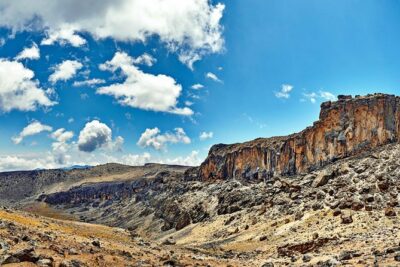
Browse the lists this trek appears in