
Review · ARUSHA
7 Days Kilimanjaro Climb Machame Route
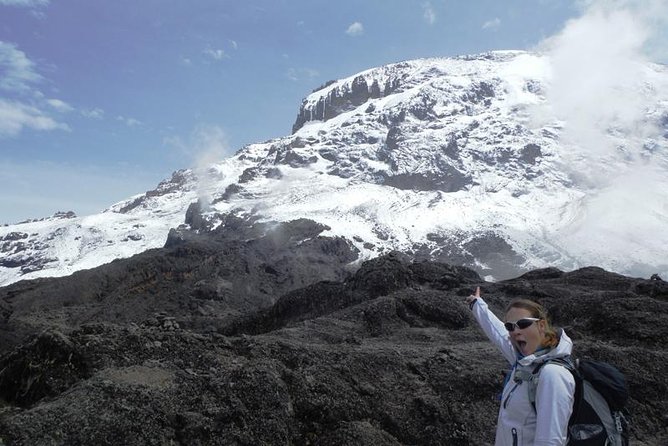
Kilimanjaro’s Machame Route gives you the mountain in stages: rainforest, moorland, volcanic rock, alpine desert, and the icy summit zone. The seven-day plan is the better version of this climb, since its extra night helps your body adjust before the hardest push.
I like the private format, which lets the guide set the walking pace and pay close attention to how you are coping. I also like the practical package: permits, tents, meals, filtered water, porters, hotel nights, and airport transfers are all covered.
The main caution is that this is called the Whiskey Route for good reason. You sleep in tents, tackle steep sections, spend long hours above 4,000 meters, and face a cold, demanding summit night. Some hiking experience and solid fitness are sensible requirements.
Key points to know before booking
- Five climate zones in seven days: You move from lush rainforest to the Arctic summit zone, with major changes in temperature and scenery.
- A better acclimatization schedule: The seven-day version adds time compared with the shorter six-day climb and includes the useful high-altitude walk to Lava Tower before sleeping lower at Barranco.
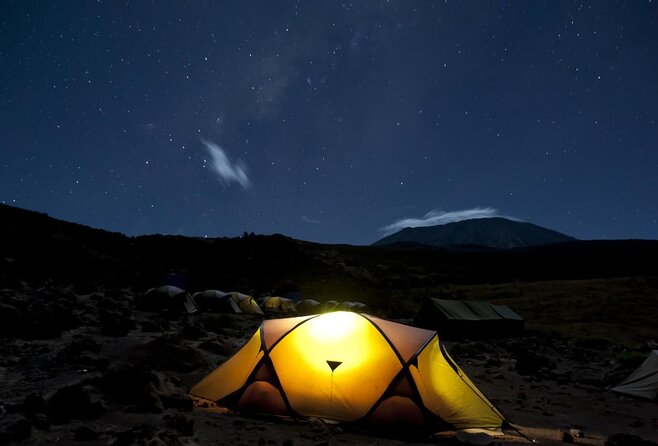
- Tent camping every night on the mountain: Three-season tents and double-layer sleeping mats are included, but you should be comfortable with basic mountain camping.
- A private trip with local support: Youth Adventures and Safaris provides professional guides, cooks, and porters, with Daniel Mlangwa handling trip communication for some bookings and John named as a lead guide in past trips.
- A serious summit day: You begin around midnight, climb to Stella Point for sunrise views, continue to Uhuru Peak, then descend all the way to Mweka Camp.
- A broad price package: At $2,564.11 per person, the cost includes park, camping, and rescue fees, food, transport, hotels, and VAT, but not flights or crew tips.
Why the seven-day Machame Route makes sense
Machame is one of Kilimanjaro’s most popular routes because it offers broad views and a changing series of habitats. It approaches the summit from the south and east, then descends by the Mweka trail, giving you a proper circuit rather than simply retracing your steps.
At roughly 62 kilometers from gate to gate, this is not a sightseeing walk with a mountain attached. You spend much of the day walking slowly uphill, and altitude becomes the main challenge rather than technical climbing. The route is considered relatively difficult, but it does not require technical mountaineering on the sections described here.
The seven-day plan is worth taking seriously. The shorter Machame version can reach the summit in six days and five nights, but this longer schedule gives your body more time to adjust. The itinerary still includes tough days, yet the extra night helps spread out the climb and includes a short acclimatization day before Barafu Camp.
You will be part of a private activity, so only your group participates. That matters on a climb like this. A guide can adjust the pace, discuss how you are feeling, and give more direct attention to one group instead of managing a large mixed party.
More Kilimanjaro Climbs in Arusha
- 8-Day Small-group Lemosho Kilimanjaro Summit Trekking
★ 5.0 · 186 reviews - 7-Day Machame Kilimanjaro Summit Tour from Arusha
★ 5.0 · 125 reviews - Mountain Kilimanjaro Day Hike
★ 5.0 · 102 reviews
Before and after the mountain
The package includes accommodation before and after the trek in Moshi, even though the meeting point is listed in Arusha. That detail is worth clarifying before you pay, especially if you plan to arrive through Kilimanjaro International Airport or spend time in Arusha first.
Two-way private airport transfers are included, along with breakfast, lunch, dinner, snacks, bottled water, and coffee or tea as listed in the package. Past arrangements included the Keys Hotel, and Daniel Mlangwa has handled airport pickup and advance communication for some groups.
That pre-trek night gives you a useful buffer. You can meet the team, sort equipment, sleep after your flight, and receive the briefing before heading toward the mountain. The post-trek night is equally welcome after the long descent from Mweka Gate.
Confirm the exact hotel location and transfer plan in advance. The supplied details refer to Arusha as the starting location and Moshi for the hotel stay, so your arrival and departure arrangements should match the operator’s current plan.
Day 1: Machame Gate through the rainforest
After breakfast, you receive a briefing before the drive toward Machame village and Machame Gate. The road journey from Moshi is described as taking about an hour, with the mountain team organizing food and gear at the village.
The route begins at about 1,490 meters in a dense rainforest. This is one of the most enjoyable starts on Kilimanjaro, with tall trees, old-growth forest, birds, and the possibility of seeing monkeys near the park entrance.
The first day is long. The listed hiking time is about seven hours, and you finish at Machame Camp, also called Machame Hut in the schedule, though accommodation is in tents rather than huts.
You receive a packed lunch and mineral water before setting off. Park registration comes first, then the path climbs steadily through the forest. Expect damp conditions if rain arrives, and keep waterproof layers easy to reach rather than buried in your bag.
The first camp marks the end of the easy visual introduction and the start of the real routine: walk, eat, rest, and sleep in a tent. Porters carry the main camping equipment and food, while you should carry only your daypack and personal essentials.
Day 2: Heath and open moorland at Shira
The forest thins as you climb toward a steep, rocky ridge. The scenery changes quickly, with heather and open moorland replacing the thick trees.
You continue across the Shira Plateau and cross a large river gorge before reaching Shira 2 Camp. The day covers about 5 kilometers, taking four to six hours, but the altitude makes it feel harder than the distance suggests.
The climb rises from approximately 9,350 feet to 12,500 feet. This is the kind of day when a slow pace pays off. You may feel strong at the start, but the thinner air can make each uphill section more noticeable.
Shira is valuable because it begins the gradual exposure to high altitude without asking you to complete a huge mileage day. The open views also make the route feel much bigger than the rainforest path below.
Same trailhead, a different route:
- 4 Days Mount Meru Trekking
★ 5.0 · 55 reviews - 4 days Best experience Kilimanjaro Hike, Serengeti &Ngorongoro
★ 5.0 · 54 reviews - From Arusha/Moshi: Kilimanjaro Hike Marangu Route Day Trip
★ 4.5 · 54 reviews - Mount Kilimanjaro Day Hike Through Marangu Route to Mandara Hut
★ 5.0 · 37 reviews
Day 3: Lava Tower and the descent to Barranco
Day 3 is one of the smartest parts of the itinerary. You climb from Shira 2 toward Lava Tower at about 15,190 feet, then descend to Barranco Camp at roughly 13,044 feet.
The principle is simple: climb high, then sleep lower. Even if you do not notice the benefit immediately, spending time at the higher elevation gives your body useful exposure before the summit attempt.
Lava Tower is a large volcanic rock formation, about 300 feet high. The route through the alpine desert is dry and stark, with far less vegetation than the earlier sections.
The climb to Lava Tower is about 7 kilometers and takes four to five hours. The descent to Barranco adds another 3 kilometers and two to three hours. It is a full day, but the route avoids the mistake of gaining height too quickly and then sleeping at the highest point reached.
Barranco Camp is one of the more memorable stops because the Great Barranco Wall rises nearby. You can see the steep section waiting for the next morning, which may inspire you or make you reconsider your packing choices. Keep your water and warm layer close, since conditions can change quickly at camp.
Day 4: The Barranco Wall and Karanga Camp
The morning starts with a descent into a ravine at the base of the Great Barranco Wall. You then climb approximately 900 feet up a steep but non-technical cliff section.
This is not rock climbing with ropes, but it is still a serious uphill scramble on uneven ground. Your guide will be important here, particularly if you dislike exposed or steep paths. Trekking poles can help on the approach and on the later descent.
After the wall, the route rolls through hills and valleys before dropping sharply into Karanga Valley. Another steep climb takes you to Karanga Camp.
The day is relatively short, which is a gift at this altitude. The listed elevation changes only slightly, from about 13,044 feet to 13,106 feet, but the repeated climbs and descents still make it useful preparation for summit night.
This is also a good chance to eat well, drink steadily, and organize your summit clothing. You will not want to sort gloves, headlamps, or extra layers after midnight at Barafu.
Day 5: Karanga to Barafu Camp
From Karanga, you reach the junction with the Mweka Trail and then continue over increasingly rocky ground to Barafu Camp. The name means ice in Swahili, and the camp sits high, at about 15,331 feet.
This section completes the southern circuit, which is one of Machame’s strengths. You have seen the mountain from several angles rather than approaching the summit from a single line.
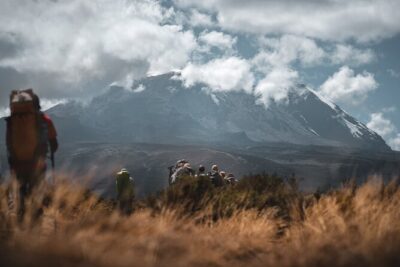
The day covers about 4 kilometers. It is not long, but the altitude makes it demanding. From camp, Mawenzi and Kibo are visible, giving you a clear reminder that the summit attempt is next.
Barafu is a rest and preparation stop, not a place to settle in for a long evening. You eat dinner, arrange your summit pack, and try to sleep before the midnight start. Rest can be difficult at this elevation, so prepare mentally for a short night.
Day 6: The midnight climb to Uhuru Peak
Summit day is the hardest part of the experience. You leave just after midnight, when wind and cold can be severe, and climb in darkness with frequent short breaks.
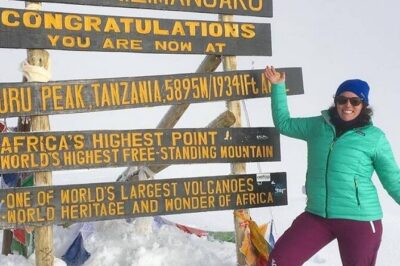
The route leads to Stella Point at about 18,900 feet. Reaching it around sunrise can give you views across toward Mawenzi Peak, but you should not treat Stella Point as the finish. From there, you continue along the crater rim to Uhuru Peak, at 19,341 feet, the highest point in Africa.
The ascent from Barafu to Uhuru takes about seven to eight hours. The combination of darkness, cold, steep ground, and thin air is what makes this day so difficult. Your guide will set a steady pace, and the private format may make it easier to stop briefly when needed.
After the summit, you descend to Barafu for lunch, then continue to Mweka Camp. The descent from Uhuru to Mweka covers about 12 kilometers and drops nearly 9,300 feet.
This is hard on the knees. Trekking poles are strongly worth bringing, since the trail is rocky and the downhill stretch can feel endless after the summit effort.
Mweka Camp sits in the upper forest at about 10,065 feet. Mist and afternoon rain are common in that zone, so keep waterproof clothing available. You have a final dinner on the mountain before resting for the last night in camp.
Day 7: Mweka Gate and the return to Moshi
The final descent runs from Mweka Camp to Mweka Gate, dropping to about 5,380 feet over 10 kilometers. It takes around three to four hours.
The lower trail can be muddy and wet, especially after rain. Shoes with good grip and gaiters, if you use them, will make this section more pleasant.
At the gate, you collect your summit certificate before continuing about an hour to Mweka Village. The company vehicle meets you at Mweka Gate and takes you back to the Moshi hotel.
This final transfer is more than a convenience. After seven days at altitude, you will want a shower, a proper bed, and time to eat without balancing a bowl in a tent. The included post-trek accommodation gives you a useful recovery period before your flight or onward safari.
What the $2,564.11 price covers
The price is not just a guiding fee. It includes park fees, camping fees, rescue fees, 18 percent VAT, three-season tents, double-layer sleeping mats, mountain transport, professional guides, cooks, porters, meals, and filtered water.
It also includes pre- and post-trek hotel accommodation in Moshi, two-way private airport transfers, and the listed meals and drinks. Those inclusions make the price easier to assess, since Kilimanjaro costs can rise quickly when permits, crew, transport, and accommodation are added separately.
You still need to budget for international flights, personal items, laundry, and tips for the mountain crew. A portable flush toilet with a toilet tent costs an additional $65 per toilet and tent.
The inclusion of food is particularly useful. You receive three meals each day on the mountain, plus snacks, and the cooks prepare meals at camp. You should still confirm exactly what personal snacks and dietary requests can be accommodated before arrival.
The people behind the climb
The strongest part of the service is the personal contact built into the private arrangement. Daniel Mlangwa has been identified as the company director and a regular point of contact, with detailed communication before departure and airport pickup included in some trips.
John is named as a lead guide in another climb. The package also provides a larger mountain team of guides, cooks, and porters. On Kilimanjaro, that support affects your daily comfort, camp routine, meals, and response when the weather turns wet.
The operator has handled solo climbs, pairs, parent and child trips, and combined safari and mountain itineraries. That range suggests the private structure can work for different group types, but the route itself remains demanding regardless of party size.
You should ask who your lead guide will be, how many people are in your private group, how luggage is divided, and how tipping is handled. Crew tips are not included, so plan for them as a separate cost.
Who should book this climb?
I would recommend this trip to a fit hiker who wants the scenery and variety of Machame and prefers a longer schedule for altitude adjustment. It is especially suitable if you want a private guide rather than a large shared group.
You do not need to be an expert mountaineer, but you should be ready for long uphill days, steep terrain, cold temperatures, basic tent accommodation, and a midnight summit attempt. The operator describes the route as suited to people with some trekking experience and moderate physical fitness.
I would hesitate to recommend it to anyone expecting hut accommodation, short walking days, or a relaxed holiday. Machame is not the easiest route, and success depends on pacing, patience, and sensible preparation as much as determination.
Free cancellation is available if you cancel at least 24 hours before the local start time. Changes or cancellations inside that window are not accepted for a refund.
Should you book the 7-day Machame Route?
Book it if you want a serious Kilimanjaro climb with varied scenery, a private team, and a package that covers most major costs. The extra acclimatization night makes the seven-day plan a better choice than squeezing the same mountain into six days.
Before booking, confirm the Moshi and Arusha arrangements, ask for the current hotel name, clarify the crew tipping guidance, and check the extra toilet charge if that matters to you. If you are fit, prepared for tents, and willing to treat summit night as a genuine physical test, this route offers one of Africa’s great mountain experiences with strong practical support built in.
FAQ
How long is the Kilimanjaro Machame Route experience?
The climb takes seven days and six nights in the described itinerary. The mountain route is approximately 62 kilometers from gate to gate.
Where does the climb begin?
The trek begins at Machame Gate in Kilimanjaro National Park, after transport from the Moshi area. The listed meeting point is in Arusha, so you should confirm the exact pickup plan with Youth Adventures and Safaris.
Where do I sleep during the climb?
You sleep in tents on the mountain. Three-season mountain tents and double-layer sleeping mats are included. The package also includes hotel accommodation before and after the trek in Moshi.
Are meals and drinking water included?
Yes. Three meals daily are included while you are on the mountain, along with filtered water. The package also lists breakfast, lunch, dinner, snacks, bottled water, coffee, and tea.
Is the tour private?
Yes. Only your group participates in this private tour or activity.
What is not included in the price?
Flights, tips for the mountain crew, personal items, laundry, and services not specifically listed are excluded. A portable flush toilet with a toilet tent costs an additional $65 per toilet and tent.
More 7-Day Experiences in Arusha
- KILIMANJARO MACHAME ROUTE, (Climb 7days)
★ 5.0 · 16 reviews - 7 Day Kilimanjaro Climb Lemosho Route & 2 Day Safari
★ 5.0 · 16 reviews - 7 days Kilimanjaro climb via Machame route (Whiskey route)
★ 5.0 · 16 reviews - 7 Days Kilimanjaro trek via Machame route
★ 5.0 · 13 reviews
Just added around Arusha
- Mt. Kilimanjaro: Shira plateau to Cathedral point 3872m Day hike★ 5.0 · 7 reviews
- 5 days safari, hiking & culture (Serengeti & kilimanjaro)★ 5.0 · 27 reviews
- One Day Hike from Kilimanjaro to Mandara★ 5.0 · 2 reviews
- 3 Days Mount Meru trekking★ 4.5 · 7 reviews
- climb the KILIMANJARO via Lemosho route★ 5.0 · 4 reviews
- 6 Day: Hiking Kilimanjaro via Machame Route★ 5.0 · 2 reviews
- Private 8 day Northern Circuit Kilimanjaro Climb★ 5.0 · 8 reviews
- Kilimanjaro Waterfalls Hike & Moshi Hot Springs Day Trip Tour★ 5.0 · 4 reviews
Kilimanjaro Climbs, compared.
8-Day Small-group Lemosho Kilimanjaro Summit Trekking
Read our review →
Climbing Kilimanjaro through 7 days Machame Route
Read our review →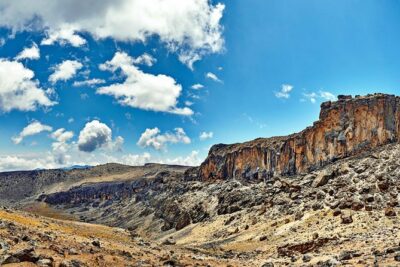
Browse the lists this trek appears in