
Review · KATHMANDU
Kathmandu: 12-Day Full-Board Everest Base Camp Private Trek
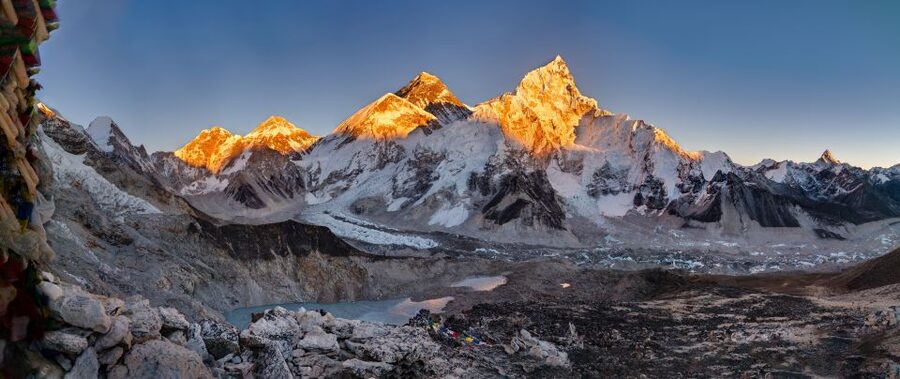
Everest Base Camp is the headline, but Kala Patthar at 5,545 meters may be the visual high point. From there, you get the classic Everest massif view after walking through Sherpa villages, high valleys, and the old monastery at Tengboche. I like the steady acclimatization plan and the fact that meals, flights, permits, a porter, and basic gear are bundled into the $1,550 price.
I also like the private-group format, which gives you more control over your walking pace and rest stops. Guide Suraj led one recent trip, and the organization earned strong praise for careful support. The main drawback is simple: this is a hard trek with five to seven hours of walking most days, plus airport delays and a possible transfer to Ramechhap during busy seasons.
Key points to know before booking
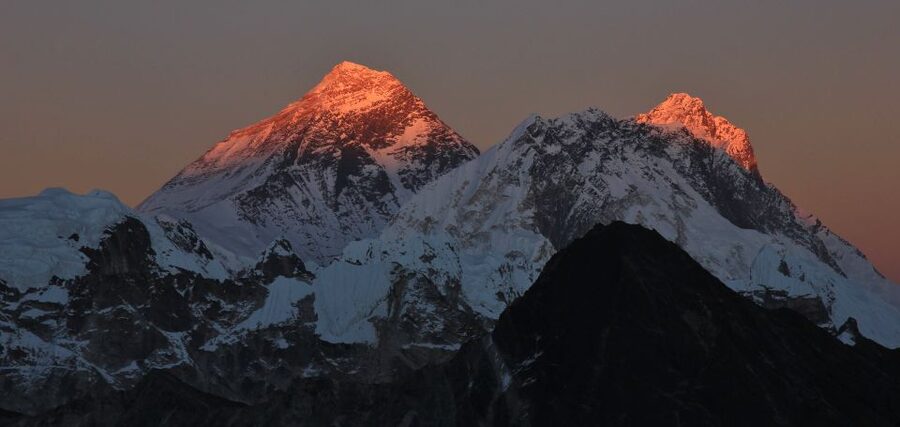
- Kala Patthar reaches 5,545 meters, the highest point of the route and your best stated viewpoint for Everest.
- The itinerary uses two acclimatization days, one in Namche Bazaar and another in Dingboche.
- The $1,550 price covers a lot, including Kathmandu to Lukla flights, meals, permits, 11 guesthouse nights, a porter, and trekking equipment.
- This is a private English-language trek, not a large fixed group, with an assistant guide for groups above six people.
- Airport planning matters, especially from September to November and March to May, when Lukla flights may operate via Ramechhap Manthali.
- The final approach is demanding, with an Everest Base Camp day followed by the early Kala Patthar climb and a long descent to Pangboche.
Why this Everest trek earns its place on your calendar
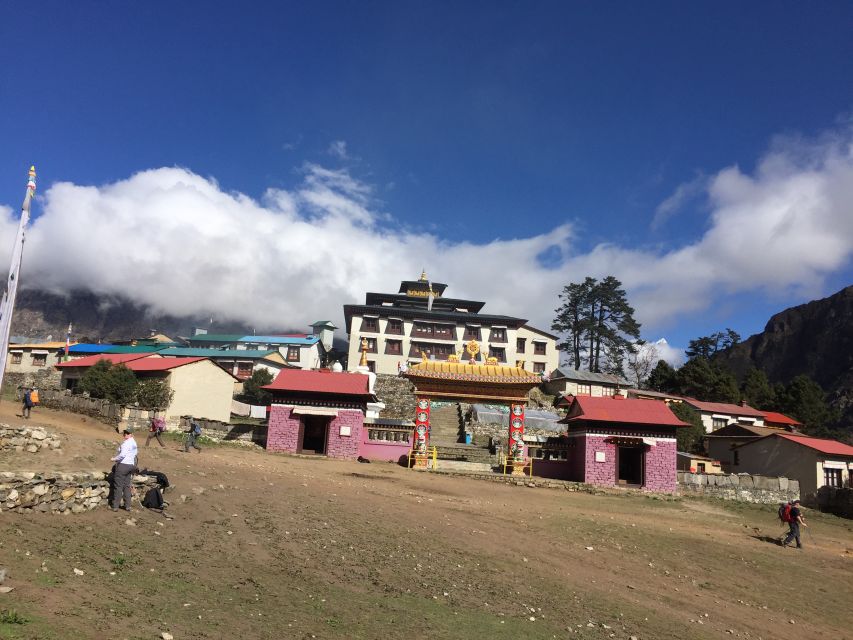
The route gives you the classic Khumbu experience without stripping away the hard parts. You fly into Lukla, walk through the Sagarmatha National Park, pass Sherpa settlements, visit Tengboche Monastery, and reach both Everest Base Camp and Kala Patthar.
I like that the route does not rush straight uphill. The two planned acclimatization days give your body time to adjust, which matters far more here than squeezing in an extra attraction. You spend one rest day in Namche Bazaar and another in Dingboche, with short local hikes rather than complete inactivity.
The trek is priced at $1,550 per person. That is a useful value when you add up the round-trip Kathmandu to Lukla airfare, three meals each day, tea or coffee, accommodation, park and local entrance fees, guide expenses, porter support, and equipment. Travel insurance and personal spending remain your responsibility, so the headline price is not the final cost of every part of your trip.
This is not a soft adventure. The route reaches 5,545 meters, and several days call for six to eight hours of walking. I would choose it only if you already have a reasonable fitness base and are comfortable with cold, basic mountain accommodation and long days on foot.
More Everest Base Camp Treks in Kathmandu:
- Everest Base Camp Trek – 14 Days
★ 5.0 · 1,499 reviews - Everest Base Camp Trek
★ 5.0 · 842 reviews - Everest Base Camp Helicopter Tour landing at Everest View Hotel
★ 5.0 · 668 reviews
Day 1: Kathmandu arrival and a practical start
Your trip begins at Tribhuvan International Airport, where staff meet you according to your arrival time and transfer you to the hotel. This is a useful service after an international flight, especially if Kathmandu is new to you.
The first day is not packed with sightseeing. That is sensible. You need time to settle in, organize clothing and documents, and prepare for a mountain flight. Keep your passport, travel insurance details, cash, and warm clothing easy to reach.
Day 2: Lukla to Phakding, 2,820 to 2,657 meters
The flight to Lukla is the gateway to the Khumbu Valley. After landing, you begin walking toward Phakding, covering about seven kilometers in roughly four hours.
This first day is comparatively gentle. You are already at altitude, but the route does not demand a huge climb. It gives you a first taste of the villages and mountain surroundings without using up your energy at the start.
Lukla flights require patience. During the peak periods of September to November and March to May, flights may be diverted from Kathmandu to Ramechhap Manthali. That can mean an additional transfer and an earlier start. I would keep buffer time around the trek rather than booking a tight onward flight home.
Day 3: Phakding to Namche Bazaar
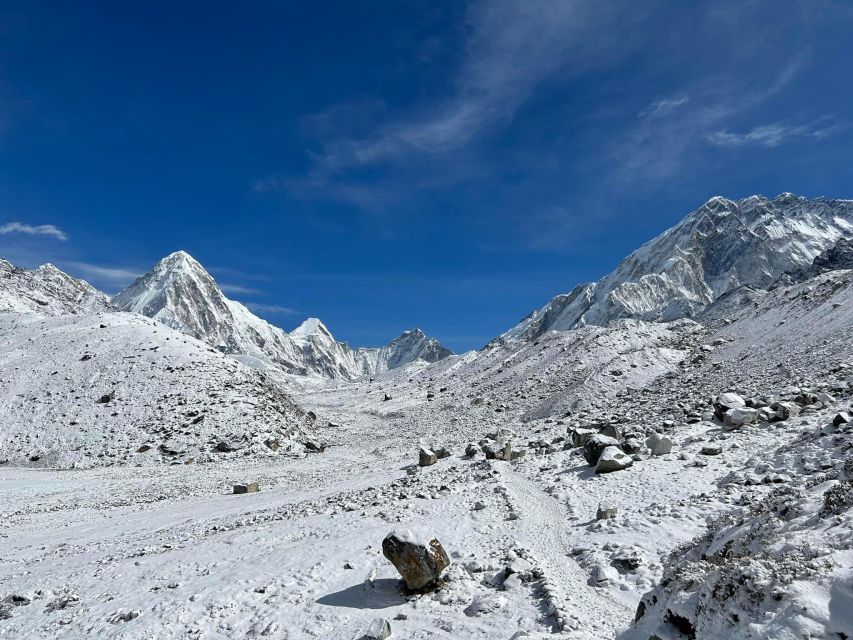
The walk to Namche Bazaar covers about 10 kilometers and takes seven to eight hours. This is your first major test, with a longer day and a notable rise toward the Sherpa capital.
Namche is more than a place to sleep. It is the main hub of the Khumbu route, and its position makes it a natural point for acclimatization. The village is a good place to notice the shift from lower valley walking to serious high-altitude travel.
The long day is tiring, so do not treat arrival in Namche as the end of the work. Eat, drink, and save energy for the next morning. The private format should also help here, since your guide can manage the group’s pace rather than forcing everyone into a large party’s schedule.
A few more treks around Kathmandu worth a look
- 14-Day Private Annapurna Base Camp Trek
★ 5.0 · 180 reviews - 14 Days Private Tour Everest Base Camp Trek
★ 5.0 · 105 reviews - 15 Days Private Everest Base Camp Trek
★ 5.0 · 30 reviews - 5 Day Private Guided Trekking in Annapurna Base Camp
★ 5.0 · 25 reviews
Day 4: Namche acclimatization
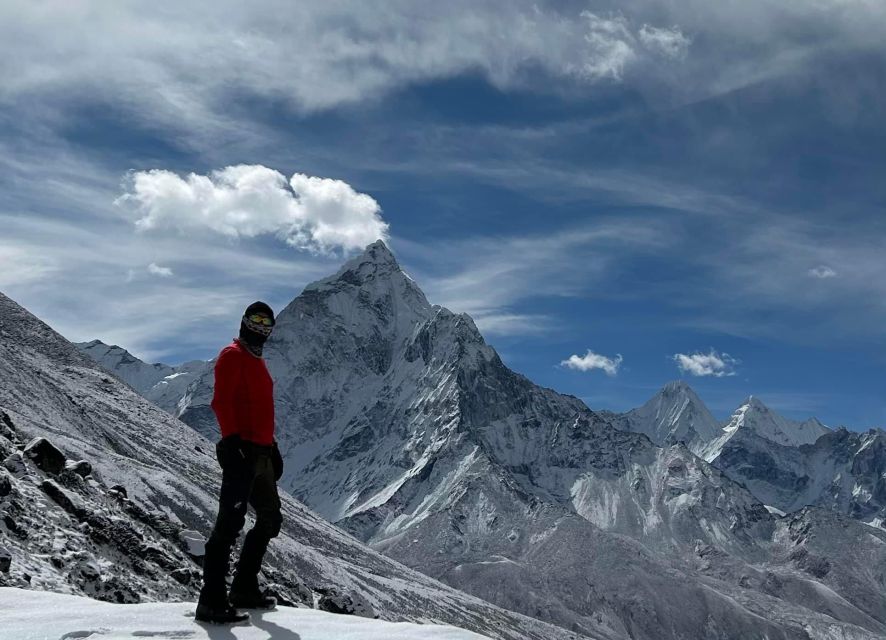
The itinerary keeps you in Namche for a rest day, with a short hike and local excursion. This is one of the most important days of the trip, even though it may feel like you are not making progress.
At 3,440 meters, Namche is high enough for your body to begin adjusting before the route climbs farther. I like the plan because it treats acclimatization as part of the trek, not as lost time.
Use the day to walk lightly, take in the Sherpa setting, and prepare for the thinner air ahead. You should not turn the excursion into a race. The point is controlled movement and recovery.
Day 5: Namche to Tengboche, 3,867 meters
The walk to Tengboche takes about six to seven hours and covers 11 kilometers. The route continues into the Khumbu’s higher country, with mountain views and changing scenery along the way.
Tengboche Monastery is one of the major cultural stops on the route. It gives the trek more depth than a simple mountain hike, connecting the scenery with Sherpa Buddhist tradition. The monastery also sits in a place known for broad Himalayan views, making it a rewarding overnight stop.
At nearly 3,900 meters, you may feel the altitude more clearly. This is another reason the slower itinerary matters. You are not simply collecting landmarks. You are giving yourself a better chance of continuing safely.
Day 6: Tengboche to Dingboche, 4,365 meters
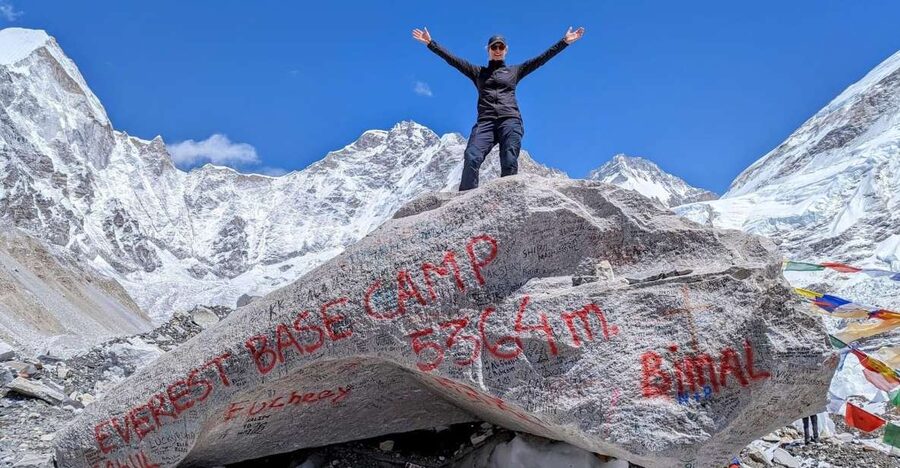
The trek to Dingboche is about 10 kilometers and takes five to six hours. The walking day is shorter than the previous one, but the increase in altitude is significant.
Dingboche is an important staging point before the route heads toward Lobuche and the base camp area. The village marks a change in the feel of the trek. Cold, thin air and exposed high-country walking become central parts of the day.
I would pay close attention to how you feel here. The itinerary does not pretend that fitness alone solves altitude problems. Travel insurance is mandatory, and the tour is not suitable for people with altitude sickness, high blood pressure, very low fitness, or pregnancy.
Day 7: Dingboche acclimatization
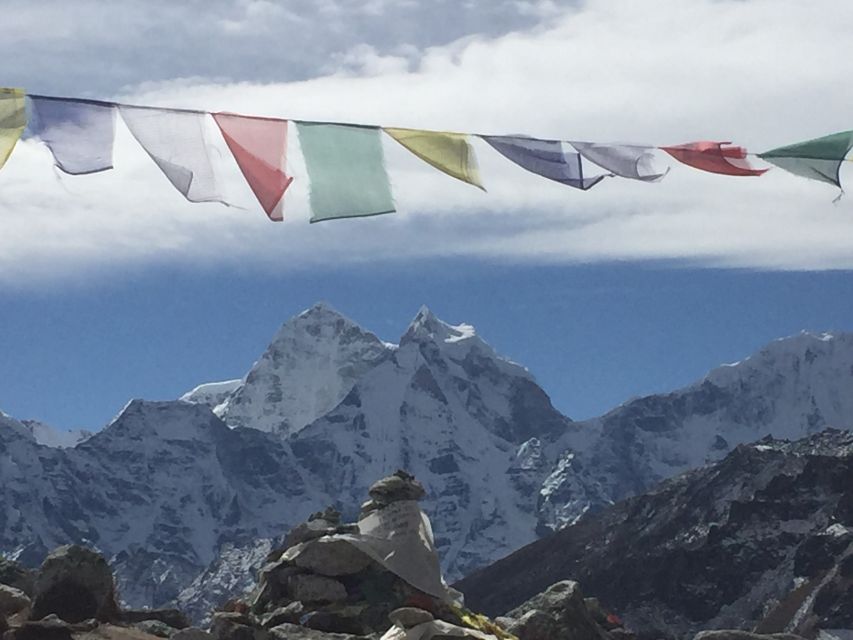
The second acclimatization day includes a local hike. Like the Namche rest day, it is designed to help you adjust before climbing higher.
This pause is especially valuable because the next stages are demanding. You will soon sleep at Lobuche and Gorakshep, then walk to Everest Base Camp. A steady approach gives your body time to respond instead of making every later day a struggle.
Keep your expectations realistic. Rest days at altitude are not necessarily easy days, but they should be controlled. Warm layers, gloves, comfortable clothing, and good socks are practical rather than optional comforts here.
Day 8: Dingboche to Lobuche, 4,890 meters
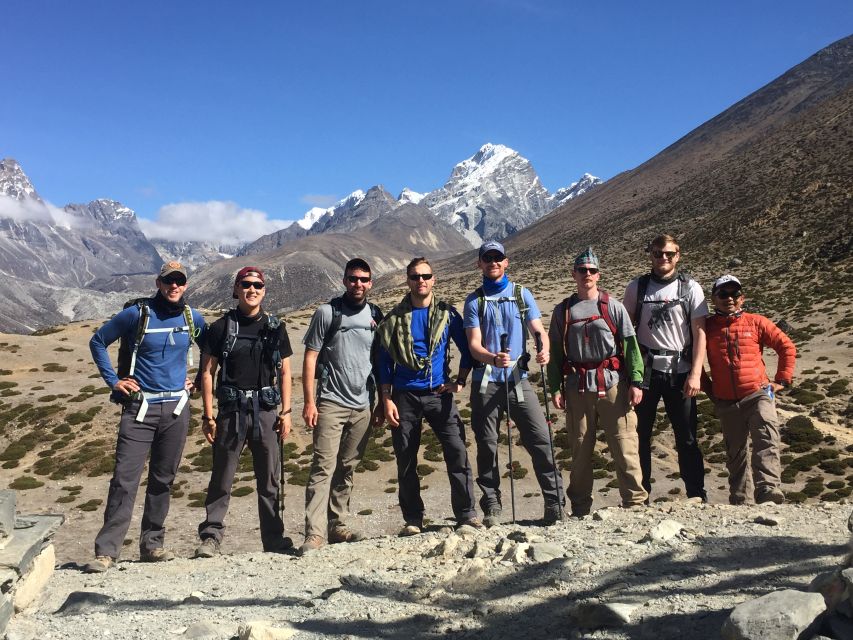
The route to Lobuche covers about nine kilometers in six to seven hours. The altitude now becomes a major part of the experience.
At 4,890 meters, the walking pace will likely feel slower than it did near Lukla or Namche. That is normal. The value of a private guide becomes clear on days like this, when your pace and condition need attention rather than comparison with a large group.
Lobuche is a staging point for the most famous part of the trek. You should arrive with enough energy for the next day, not treat this section as a final push.
Day 9: Lobuche to Everest Base Camp and Gorakshep
This is the big day. You walk from Lobuche to Everest Base Camp at 5,365 meters, then continue to Gorakshep at 5,180 meters. The total distance is about 11 kilometers, and the day takes eight to nine hours.
Reaching Base Camp is a major achievement, but the route does not end there. You still need to walk back to Gorakshep for the night. That return matters when you judge the day’s difficulty.
The base camp stop lets you experience the destination that draws people from around the world, but the broader reward is the route itself: the high Khumbu setting, the mountain walls, and the sense of how remote this part of Nepal is. Keep your camera protected and your essentials in a waterproof bag. Cold and weather can make small problems annoying very quickly.
Day 10: Kala Patthar and the long descent to Pangboche
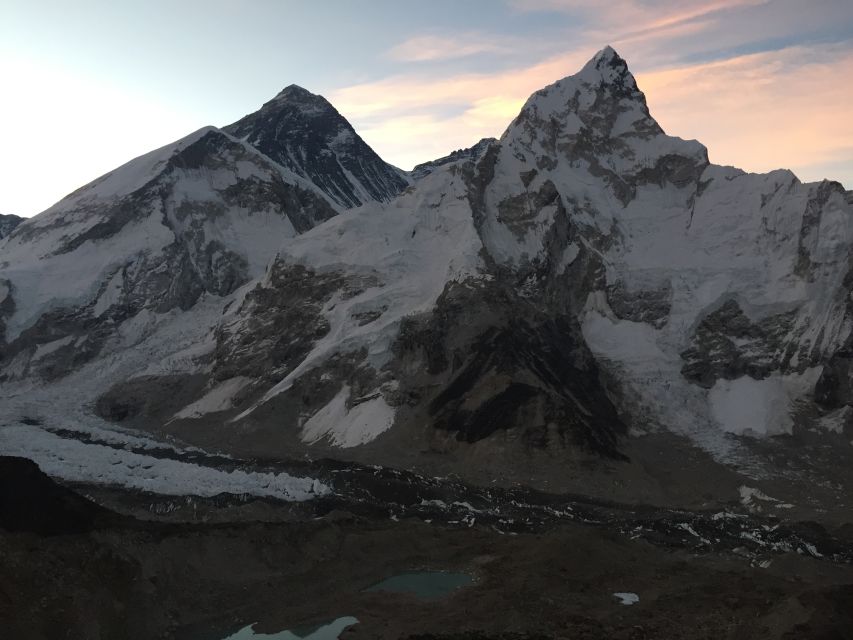
The day begins with a morning climb to Kala Patthar, at 5,545 meters. This is the highest point of the trek and the clearest stated viewpoint for the Everest massif.
The climb is followed by a long descent to Pangboche at about 4,000 meters. The day covers roughly 21 kilometers and takes about nine hours, making it one of the toughest days on the schedule.
I would not underestimate this section because most of it goes downhill. Descending for hours can be hard on tired knees, and you will already have spent energy at very high altitude. The reward is that you leave the highest sleeping areas behind and lose altitude during the same day.
Day 11: Pangboche to Namche Bazaar
The walk back to Namche takes about eight hours and covers 16 kilometers. After Kala Patthar, you are moving toward lower elevations, which should feel welcome, but the distance still makes this a serious walking day.
The return route offers a different rhythm from the ascent. You know the general direction, the air gradually feels easier, and Namche becomes a clear target. Do not assume the descent is effortless. Your legs will have done a great deal of work by now.
Day 12: Namche to Lukla
The final walking day covers about 17 kilometers and takes seven to eight hours. You return to Lukla, where the mountain portion of the journey ends.
This is a long finish, but it avoids adding another unnecessary overnight stop to the schedule. You should keep some patience in reserve for the following morning, since flight timing from Lukla can depend on weather and airport conditions.
Day 13: Flight back to Kathmandu
You fly from Lukla to Kathmandu and transfer to the hotel, with a free afternoon. After nearly two weeks of mountain travel, that open time is useful.
The airport transfer and flight are included, but delays remain a real planning concern. One recent trip in late September was described as well organized, yet the practical advice was to expect airport chaos and leave extra buffer days. I would take that advice seriously.
What the $1,550 package includes
The price has strong practical value because many expensive or easy-to-forget items are already covered:
- Round-trip Kathmandu to Lukla airfare
- All ground transportation
- Three meals each trekking day
- Three cups of tea or coffee daily during the trek
- Seasonal fresh fruit
- An English-speaking guide and guide expenses
- One porter for every two members
- An assistant guide for groups larger than six
- Sagarmatha National Park permit
- Khumbu Rural Municipality entrance ticket
- Eleven nights in guesthouses
- Down jacket, sleeping bag, and duffle bag
You still pay for travel insurance and personal expenses. Solo participants should also clarify the personal porter cost, since that is specifically excluded.
The 14-day schedule also deserves a quick check before payment. The experience is marketed with a 12-day title in one place, while the supplied route clearly runs from arrival on Day 1 to departure on Day 14 and includes 11 guesthouse nights. I would confirm the exact dates, flight arrangements, and accommodation plan before booking.
Who should choose this trek
I would recommend it to you if you want a structured Everest Base Camp route with a private group, an English-speaking guide, porter support, and most daily costs bundled together.
It suits people who can manage five to seven hours of walking most days, with longer days around Base Camp, Kala Patthar, and the return route. You need warm clothing, hiking shoes, gloves, a jacket, toiletries, cash, and travel insurance. A sleeping bag is included, but bringing a personal one is also listed among the suggested items.
I would not choose it if you have a low fitness level, high blood pressure, altitude sickness, or limited tolerance for basic mountain accommodation. It is also unsuitable for wheelchair users, pregnant women, babies under one year, people over 95, and people over 125 kilograms.
The two verified ratings are both five out of five. More useful than the number itself is the detail: Suraj was named as a guide on a September 2025 trek, with strong praise for his support and the organizer’s handling of the route. Another booking from Germany described the company, Nepal High Trek & Expedition, as well organized and the guide as excellent. Those details point to the trip’s strongest feature: dependable human support during a demanding walk.
Should you book it?
Book this trek if Everest Base Camp is a serious goal and you want the main logistics handled for you. The inclusion of flights, meals, permits, porter support, gear, and two acclimatization days gives the package real value at $1,550.
Before you commit, confirm the 14-day schedule, ask about the Ramechhap flight arrangement for your dates, and buy mandatory travel insurance with altitude coverage. If you can handle the walking and accept the possibility of airport delays, this is a well-structured way to reach Base Camp and Kala Patthar without organizing every piece yourself.
FAQ
How long does the Everest Base Camp trek last?
The full schedule lasts 14 days, from arrival in Kathmandu through final departure. The route includes trekking days, two acclimatization days, flights, and hotel transfers.
What is the highest point of the trek?
The highest point is Kala Patthar, at 5,545 meters. It is reached on the morning after the Everest Base Camp visit.
Is the trek private?
Yes. The experience is arranged as a private group with a live English-speaking guide.
What meals are included?
Three meals are included during the trek, along with three cups of tea or coffee each day. Seasonal fresh fruit is also included.
Are flights to Lukla included?
Yes. Round-trip airfare between Kathmandu and Lukla is included. During peak periods from September to November and March to May, flights may be diverted from Ramechhap Manthali.
Is travel insurance required?
Yes. Travel insurance is mandatory, but it is not included in the price.
Is a porter included?
One trekking porter is included for every two members. A personal porter for a solo participant is not included.
What trekking equipment is provided?
The package includes a down jacket, sleeping bag, and duffle bag. You should still bring suitable hiking shoes, warm clothing, gloves, socks, waterproof storage, and other personal items.
Can I cancel for a full refund?
You can cancel up to 24 hours in advance for a full refund. The reserve-now-and-pay-later option also allows you to book without paying immediately.
Just added around Kathmandu
- Everest Base Camp Trek★ 5.0 · 3 reviews
- Everest Base Camp Trek★ 5.0 · 7 reviews
- 15 Days Private Everest Base Camp Trek★ 5.0 · 30 reviews
- 14-Day Everest Base Camp Trek★ 5.0 · 20 reviews
- Everest Base Camp Trek★ 5.0 · 57 reviews
- 14 Days of Adventure Trekking to Everest Base Camp★ 5.0 · 2 reviews
- From Kathmandu: Private 14-Day Everest Base Camp Trek★ 5.0 · 20 reviews
- 14 Days Everest Base Camp Trek★ 5.0 · 4 reviews
Everest Base Camp Treks, compared.
Everest Base Camp Helicopter Tour landing at Everest View Hotel
Read our review →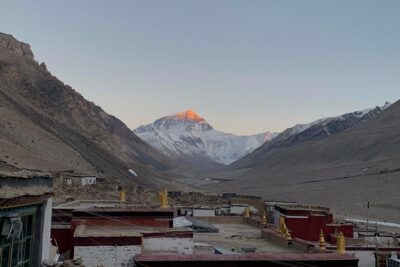
Tibet Tour 8 Days Lhasa to Everest Base Camp Small Group Tour
Read our review →
Dubai: Private Luxury Everest Yacht Cruise from Dubai Marina
Read our review →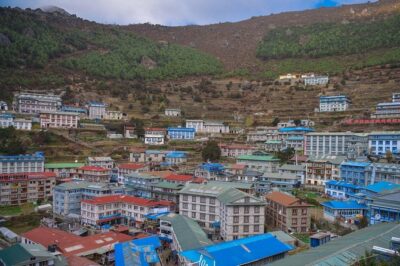
Browse the lists this trek appears in