
Review · KATHMANDU
From Kathmandu: Guided Everest Base Camp Trek
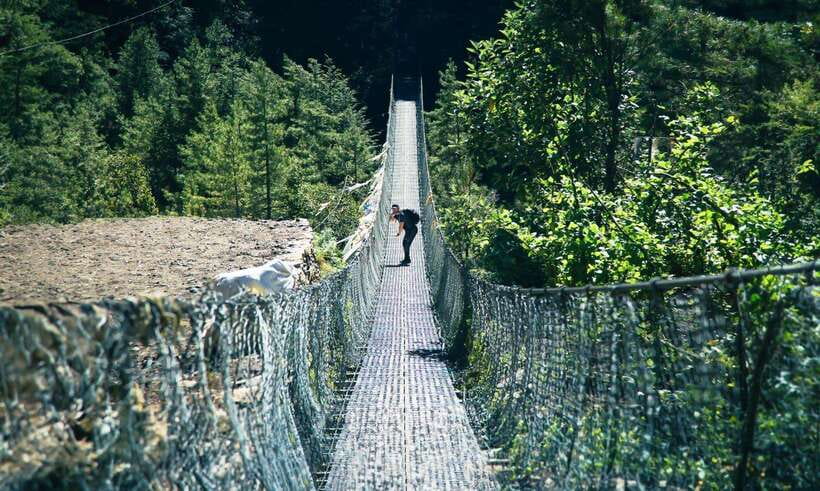
Everest Base Camp is the star here, but the real reward is the changing route to reach it: suspension bridges, pine and rhododendron forests, Sherpa villages, high passes of stone, and enormous peaks appearing around each bend. I especially like the two acclimatization days, in Namche Bazaar and Dingboche, and the chance to see daily Buddhist life at Tengboche Monastery.
I also like the practical support. Guides Saran and Prayas are named in the feedback, with Saran praised for careful health checks, photography, and helping with a heavy pack. The main caution is simple: this is a hard high-altitude trek, not a sightseeing walk. The schedule moves quickly, and the price depends on options such as flights and full-board food.
Key points to know before booking
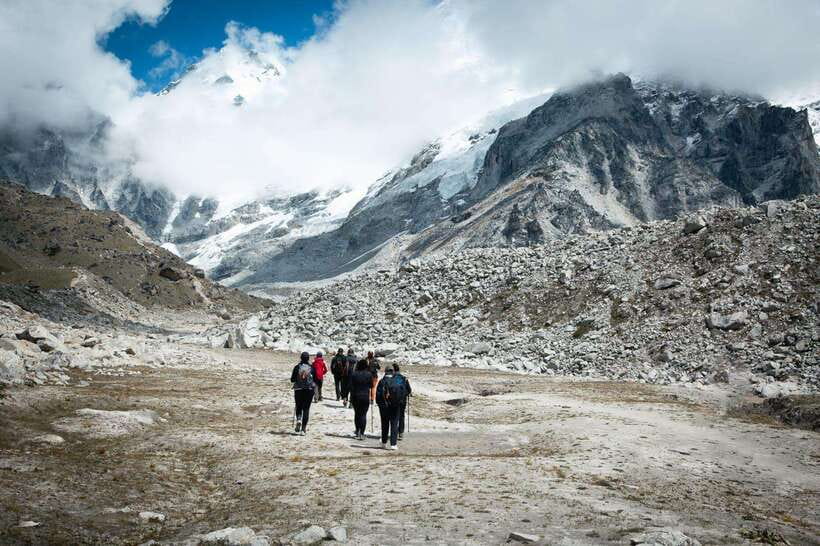
- Everest Base Camp at 5,365 meters: Reach the foot of the Khumbu Icefall after walking from Gorak Shep.
- Two acclimatization stops: Spend a day in Namche Bazaar and another in Dingboche before going higher.
- Kala Patthar sunrise option: Climb to 5,545 meters for one of the closest views of Everest on the route.
- Sherpa culture along the trail: Visit villages and monasteries, with Tengboche providing the main spiritual stop.
- English-speaking guide support: Saran and Prayas are specifically praised for communication, care, and encouragement.
- A low headline price with conditions: The $408 rate needs careful checking because flights and full-board meals depend on the option selected.
Why this 12-day Everest trek works
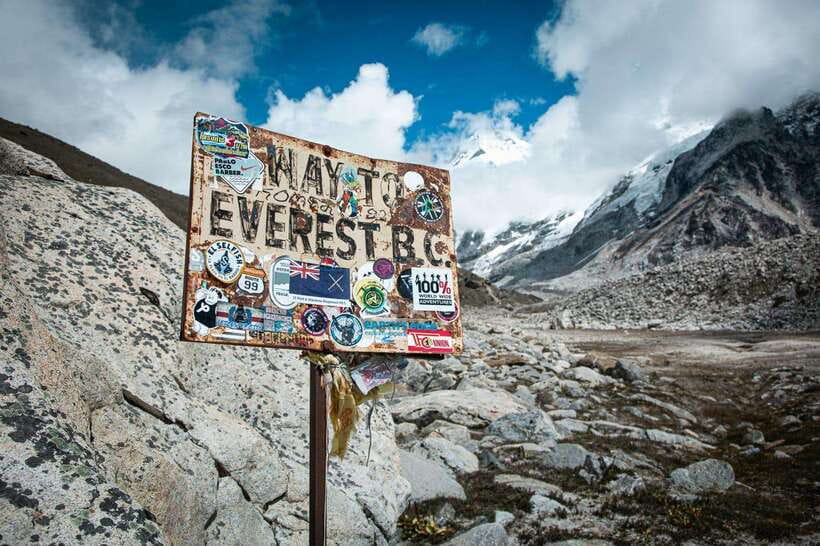
The Everest Base Camp route is famous for good reason. You walk through Sagarmatha National Park, a UNESCO World Heritage site, while the views grow from forested hills to glacial valleys and giant Himalayan peaks. Mount Everest, Lhotse, Nuptse, and Ama Dablam are the names that catch your eye, but the changing scale of the route is just as memorable.
This trip uses a standard 12-day pattern from Kathmandu to Lukla and back. That gives you enough time to move upward in stages, rather than racing straight into the highest part of the route. Still, the schedule is demanding. You need to be ready for repeated climbs, rocky trails, suspension bridges, cold conditions, and long days on foot.
The two planned rest days matter. Namche gives your body time to adjust after the first serious gain in height, while Dingboche provides another pause before Lobuche, Gorak Shep, and Base Camp. These are not idle days in the usual sense, but they reduce the risk of pushing upward too fast.
More Everest Base Camp Treks in Kathmandu:
- Everest Base Camp Trek – 14 Days
★ 5.0 · 1,499 reviews - Everest Base Camp Trek
★ 5.0 · 842 reviews - Everest Base Camp Helicopter Tour landing at Everest View Hotel
★ 5.0 · 668 reviews
Day 1: Lukla to Phakding at 2,610 meters
The trip begins with a domestic flight from Kathmandu to Lukla if you select the flight-inclusive option. From Lukla, you walk to Phakding, the first overnight stop, at 2,610 meters.
This first day is useful because it eases you into the route. You are already in the Himalayan foothills, but the altitude is not yet extreme. The path introduces you to the basic rhythm of the trek: walk, rest, eat, and repeat.
The supplied details do not set a precise flight time or walking distance, so check those before departure. Mountain flights can also affect the day’s timing, making flexibility sensible.
Day 2: The climb to Namche Bazaar
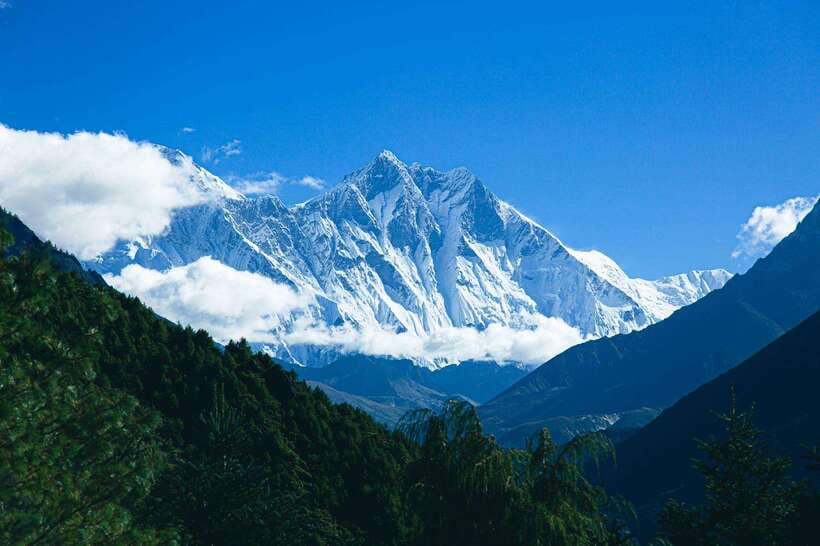
The route continues to Namche Bazaar at 3,440 meters. Namche is known as the gateway to the Everest region, and it is one of the most distinctive stops on the trek.
You will find a Sherpa market town where trekkers stock up, rest, and look at local crafts. It is also the first place where the scale of the mountains becomes hard to ignore. The surrounding peaks give Namche its famous setting, and the town’s steep position makes the altitude feel real.
This is also where the walking becomes more serious. Expect ascents and descents rather than a smooth uphill path. Your guide’s role becomes important here, especially in helping you judge your pace and notice signs that you are not adjusting well.
Day 3: Acclimatization in Namche
The third day stays in Namche at 3,440 meters. That planned pause is one of the strongest parts of the schedule.
You can use it to explore the town, rest, and become more comfortable at altitude. The purpose is not simply to add sightseeing. Your body needs time before the trail climbs toward Tengboche and Dingboche.
The route description promises views and local culture, but it does not specify a separate excursion for this day. Ask the operator what your guide normally arranges and how active the acclimatization day will be. You should not feel pressured to turn a rest day into a hard hike.
A few more treks around Kathmandu worth a look
- 12 Day Everest Base Camp Guided Trek
★ 5.0 · 40 reviews - Everest Base Camp Trek 15 days | Local Guide | Flexible Itinerary
★ 5.0 · 27 reviews - From Kathmandu: 12-Day Everest Base Camp Guided Trekking
★ 5.0 · 26 reviews - 5 Day Private Guided Trekking in Annapurna Base Camp
★ 5.0 · 25 reviews
Day 4: Namche to Tengboche at about 3,800 meters
From Namche, you head toward Tengboche, written as Tyangboche in the day-by-day schedule, at roughly 3,800 meters. This is one of the most rewarding sections for scenery and culture.
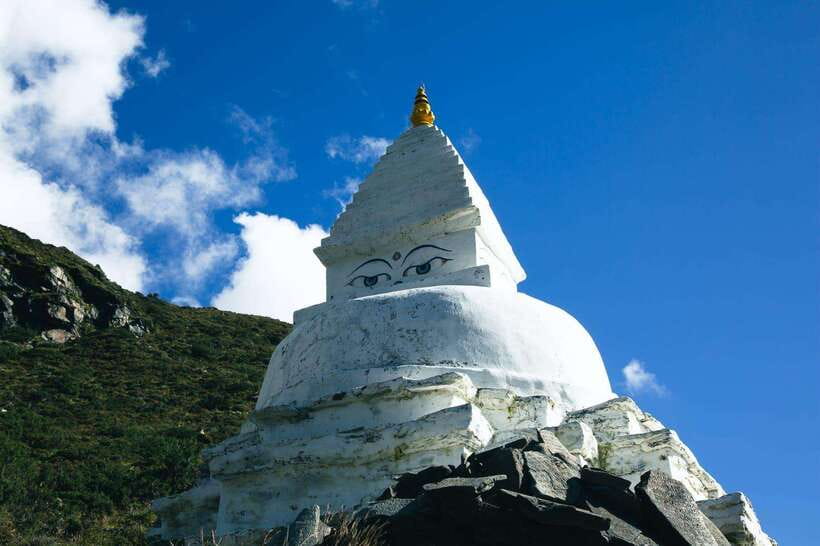
Tengboche Monastery is the main draw. It offers views toward the Everest range and a chance to see Buddhist prayer practices and daily rituals. The stop gives the trek a human and spiritual dimension that a pure mountain tour would miss.
The monastery is not just a photo stop. Be respectful during prayer ceremonies, and remember that this is a living religious site. The route also passes through natural areas within Sagarmatha National Park, where you might see Himalayan wildlife such as musk deer, Himalayan tahrs, or, much less commonly, a snow leopard.
Day 5: Tengboche to Dingboche at 4,400 meters
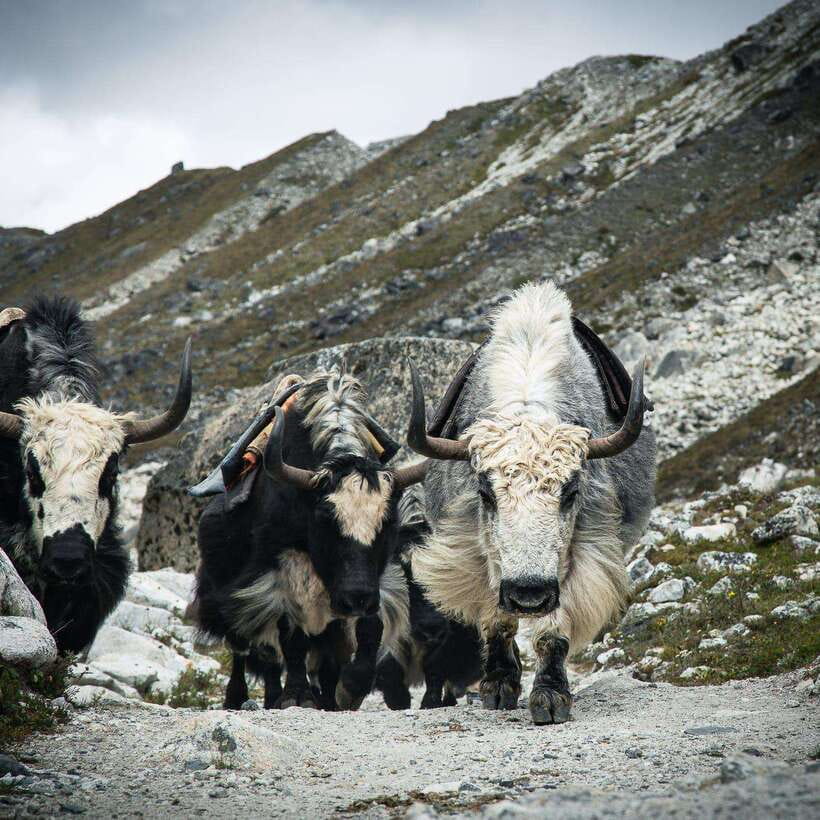
The trail rises to Dingboche, at 4,400 meters. The change in altitude is substantial, and the scenery becomes more open and rugged as you leave lower forest areas behind.
Dingboche is an important stopping point because the next stages are much higher. You will notice that each climb takes more effort. A steady pace is more useful than trying to keep up with a stronger member of the group.
This is also a good place to appreciate the route’s variety. Earlier sections include green woodland and village paths. Here, the terrain begins to feel stark and high, with broad views toward the surrounding peaks.
Day 6: Rest day in Dingboche
The second acclimatization day comes in Dingboche. At 4,400 meters, this pause is particularly valuable.
You can rest, monitor how you feel, and prepare for the route to Lobuche. The schedule does not provide a detailed activity for this day, so the best plan is to follow your guide’s advice rather than assume you should take a strenuous side walk.
Altitude affects people differently. One solo participant became ill toward the end of the trek and received medical help and a porter for the last day. That is a useful reminder that even fit people can struggle at altitude, and that support matters more than pride.
Day 7: Dingboche to Lobuche at 4,900 meters
The route climbs to Lobuche, at 4,900 meters. By now, the trail is firmly in high mountain territory, and the walking can feel slow even when the distance does not look great on a map.
You are preparing for the key push to Gorak Shep and Base Camp. The air is thinner, the ground is rougher, and the cold can be more noticeable. Your guide should help you set a pace you can sustain.
A trekking map is included, which is useful for following the route and understanding how far you have come. It will not replace your guide, but it can make the progression from village to village much clearer.
Day 8: Gorak Shep and Everest Base Camp
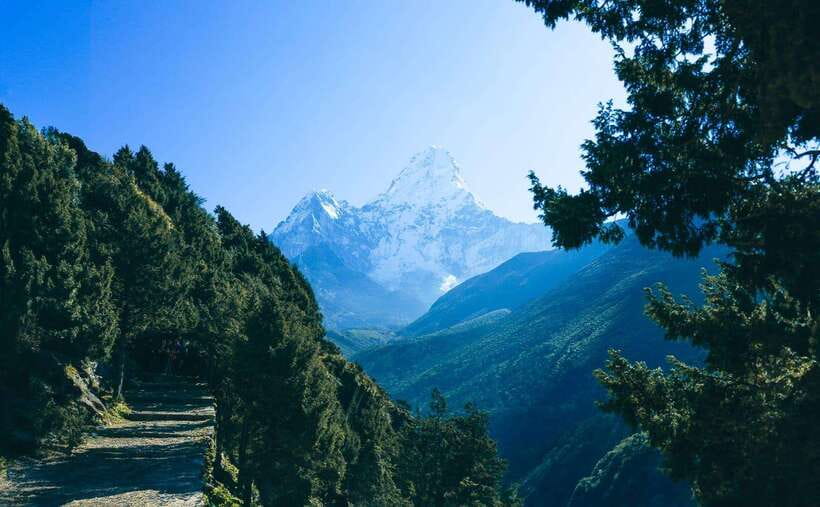
Day eight takes you to Gorak Shep at 5,150 meters, then onward to Everest Base Camp at 5,365 meters. Gorak Shep is the last settlement before Base Camp and serves as the practical launch point for the final walk.
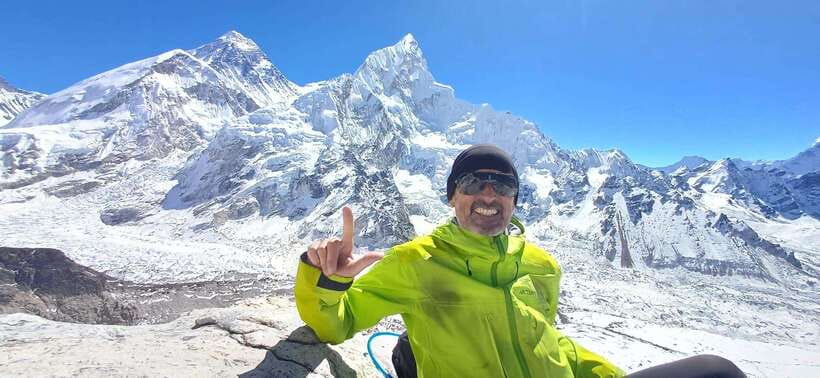
Everest Base Camp is not the summit of Everest, and you should not expect a view exactly like the famous summit photographs. The reward is reaching the base of the climbing route and seeing the Khumbu Icefall and nearby glaciers. After days of walking uphill, the emotional effect can be strong.
This is one of the longest and most tiring parts of the trek. You will be walking at high altitude, and every rise can feel exaggerated. Keep your water and warm layers easy to reach, and listen carefully to your guide if your condition changes.
Day 9: Kala Patthar and Pheriche
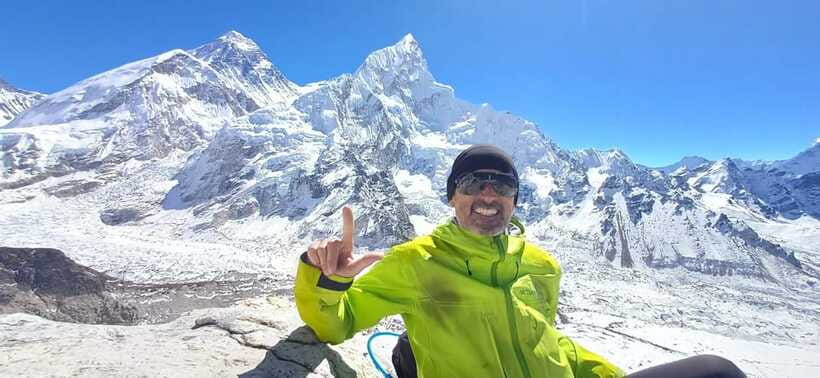
The next morning brings the climb to Kala Patthar at 5,545 meters, followed by a descent to Pheriche at 4,200 meters. Kala Patthar is often considered the best viewpoint for Mount Everest and the surrounding peaks on this route.
The climb is short in route terms but serious because of the altitude. The schedule highlights sunrise, when the mountain light can be especially striking. Check the exact timing with your guide, since the day begins early and conditions can affect the plan.
The descent to Pheriche is welcome, but descending does not make the day effortless. Your legs have already worked hard, and the high point at Kala Patthar demands patience. Pheriche then gives you a meaningful drop in altitude before the return journey.
Days 10 and 11: Back through Namche to Lukla
Day ten takes you to Namche Bazaar at 3,440 meters, retracing part of the route. Returning through familiar villages can be surprisingly satisfying because you now see the trail from a different angle.
Day eleven continues to Lukla at 2,800 meters. The lower altitude should feel easier, but the route still includes descents and uneven ground. This is not the time to assume you can rush simply because Base Camp is behind you.
Your final night in the mountains also depends on flight conditions the next day. The provided information confirms a flight back to Kathmandu on day twelve, but it does not give a backup plan for delays. Ask the operator how schedule changes are handled before you leave.
Day 12: Return to Kathmandu
The final day is the flight from Lukla to Kathmandu. Hotel pickup and drop-off are included, along with a welcome and farewell coffee.
The domestic flight is part of the experience if you select that option, but the advertised $408 price should not be treated as an all-in total until you confirm what your booking includes. Round-trip Kathmandu to Lukla flights are listed as included only if the option is selected, and food and drinks are included only with the full-board option.
That distinction matters. Compare the final price, not just the starting figure. The package also includes trekking accommodation, a guide, the guide’s food and accommodation, the Sagarmatha National Park permit, a trekking map, and a first-aid kit.
The guide support is a real part of the value
The strongest practical feature is the guide service. Saran is specifically praised for checking a solo trekker’s condition, carrying a heavy pack when she was exhausted, taking photographs, and even making a video. Another solo participant said she could communicate with him each day despite limited English.
Prayas is also named as a helpful English-speaking guide. One young solo participant received medical assistance and a porter after becoming ill late in the route. These details do not guarantee that every trip will unfold in exactly the same way, but they show why guide quality matters on a high-altitude trek.
The company organizer, Rajesh, is described as communicating through WhatsApp before departure and answering questions about equipment and preparation. That is useful for a trip with many moving parts. Ask your questions early, especially about packing, flight options, food, porter support, and what happens if you need to slow down.
The experience is available as a small group, though the exact group size is not stated. Small groups can make pacing and communication easier, but confirm the number before booking if that affects your decision.
What the $408 price really means
At $408 per person, the starting price looks low for a 12-day Everest Base Camp trip. The value could be strong if the package you choose includes the domestic flights, accommodation, food, permits, guide service, and support listed in the full version.
The important phrase is if the option is selected. Flights are conditional, and full-board food is also conditional. Nepal’s visa fee and travel insurance are not included, so add those costs to your budget.
The package does cover several unavoidable expenses. You receive accommodation during the trek, guide support, the guide’s food and lodging, the national park permit, a map, first-aid supplies, and airport or hotel transfers. That makes the price worth examining closely, not dismissing as too cheap or accepting without checking the details.
Free cancellation up to 24 hours before departure and reserve-now, pay-later booking add flexibility. They do not replace travel insurance, which is specifically excluded and is important for a high-altitude trip.
Who should book this trek
You should consider this experience if you want the classic Everest Base Camp route but prefer organized guide support. It suits people who value cultural stops, structured acclimatization, and help with the practical side of a demanding trek.
It also fits solo participants who want to join a small group rather than arrange every detail alone. The available feedback includes positive experiences from solo women, but you still need to judge your own fitness and comfort with high-altitude walking.
You should think twice if you want an easy holiday, a private room at every stop, or a flexible schedule with plenty of spare days. The 12-day plan is focused, and the route includes difficult terrain, high elevations, and limited room for delays.
Should you book it?
Book this trek if reaching Everest Base Camp is your main goal and you want an English-speaking guide, planned acclimatization, and help with the logistics. Saran and Prayas are useful names to ask for when discussing guide arrangements, while Rajesh appears to be the main contact for preparation and pre-trip questions.
Before paying, confirm three things: the final price with flights, whether full-board meals are included, and the plan for flight delays or illness. If those details suit you, this offers a direct, culturally grounded route to Base Camp with strong personal support and a sensible acclimatization pattern.
FAQ
How long is the Everest Base Camp trek?
The experience lasts 12 days, including the flights from Kathmandu to Lukla and back.
Is the flight from Kathmandu to Lukla included?
Round-trip domestic flights are included if you select the flight-inclusive option. Confirm the exact package before booking.
What language does the guide speak?
The live guide service is in English.
Is food included during the trek?
Food and drinks are included if you select the full-board option. Check whether your chosen package includes it.
What is the highest point on the route?
Kala Patthar is the highest point listed, at 5,545 meters. Everest Base Camp is listed at 5,365 meters.
Are there acclimatization days?
Yes. The schedule includes one acclimatization day in Namche Bazaar and one rest day in Dingboche.
What costs are not included?
The Nepal visa fee and travel insurance are not included. Depending on the option selected, flights and full-board food may also be separate.
Just added around Kathmandu
- Everest Base Camp Trek★ 5.0 · 3 reviews
- Everest Base Camp Trek★ 5.0 · 7 reviews
- 15 Days Private Everest Base Camp Trek★ 5.0 · 30 reviews
- Everest Base Camp Trek★ 5.0 · 57 reviews
- 14 Days of Adventure Trekking to Everest Base Camp★ 5.0 · 2 reviews
- 14-Day Everest Base Camp Trek★ 5.0 · 20 reviews
- From Kathmandu: Private 14-Day Everest Base Camp Trek★ 5.0 · 20 reviews
- 14 Days Everest Base Camp Trek★ 5.0 · 4 reviews
Everest Base Camp Treks, compared.
Everest Base Camp Helicopter Tour landing at Everest View Hotel
Read our review →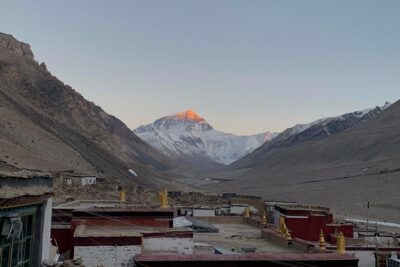
Tibet Tour 8 Days Lhasa to Everest Base Camp Small Group Tour
Read our review →
Dubai: Private Luxury Everest Yacht Cruise from Dubai Marina
Read our review →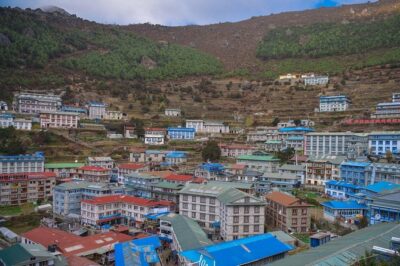
Browse the lists this trek appears in