
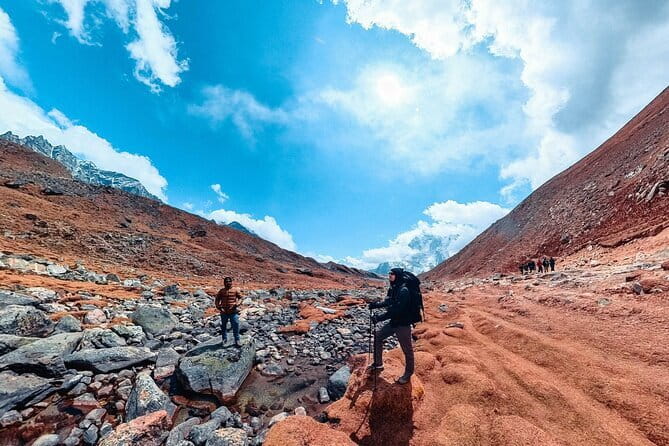
Review · KATHMANDU
Everest Base Camp trek with Helicopter return 9 days
The clever part of this nine-day Everest Base Camp trek is the return. You walk into the high Khumbu, reach Base Camp and Kala Patthar, then trade the long descent for a helicopter flight from Gorak Shep to Lukla. That saves several days and keeps the trip within reach for people with limited time.
I like the gradual rise through Phakding, Namche Bazaar, Tengboche, and Dingboche. I also like the practical support: one porter for every two trekkers, an experienced guide, private airport transfers, permits, meals, and twice-daily oxygen and pulse checks. The main concern is simple: this is still a serious high-altitude trek, not a gentle sightseeing walk. Above Dingboche, the trail becomes steeper and more remote, and helicopter flights can be affected by mountain weather.
Key points to know before booking
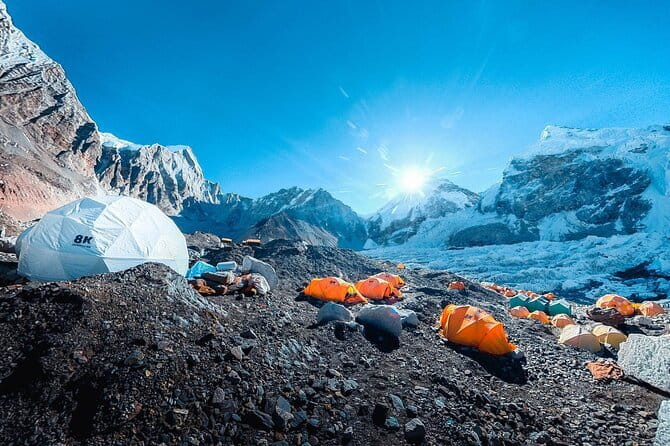
- Helicopter return from Gorak Shep to Lukla: You avoid the long walk back down the Khumbu Valley.
- Seven full days in the mountains: The route includes Namche, Khumjung, Tengboche, Dingboche, Lobuche, Gorak Shep, Base Camp, and Kala Patthar.
- Kala Patthar reaches 5,644 meters: This is the high point and the best scheduled mountain viewpoint on the route.
- Altitude support is built in: An oximeter is used twice daily to check pulse, oxygen saturation, and heart rate.
- Porter support is shared: One porter carries luggage for two people, so pack with a sensible weight limit in mind.
- The $3,888 price includes major services: Flights, helicopter transport, meals, permits, private ground transfers, guide costs, and government charges are covered.
Why the helicopter return changes the Everest trek
The classic Everest Base Camp route requires a long walk back to Lukla after you reach the goal. This trip cuts that return out. After Kala Patthar and the Base Camp section, you fly from Gorak Shep to Lukla by helicopter, then continue by air to Kathmandu.
That changes the character of the trip. You spend more of your limited holiday walking toward Everest rather than retracing the same trail. It also makes the schedule attractive if you have roughly nine days available instead of two or more weeks.
There is a tradeoff. The helicopter is not just a luxury add-on. It is part of the return plan, so weather and operating conditions matter. The itinerary lists the helicopter flight from Gorak Shep to Lukla, but you should ask the operator what happens if the flight cannot leave as planned. A flexible attitude is essential in the Himalayas.
The walking itself is classed as moderate, but that word needs context. You walk for up to eight hours on the longest day, reach 5,644 meters at Kala Patthar, and spend several nights at high altitude. You need a moderate level of fitness and the patience to move slowly.
More Everest Base Camp Treks in Kathmandu:
- Everest Base Camp Trek – 14 Days
★ 5.0 · 1,499 reviews - Everest Base Camp Trek
★ 5.0 · 842 reviews - Everest Base Camp Helicopter Tour landing at Everest View Hotel
★ 5.0 · 668 reviews
Day 1: A soft landing in Kathmandu
Your airport team meets you at the international terminal, drives you to the hotel in a private car, helps with check-in, and carries your bags. After some rest, you meet the core team and prepare for the trek.
This first day is useful because the trip begins early the next morning. You do not have to solve airport transport or hotel arrival details alone. Lunch and dinner in Kathmandu are not included, so budget separately for those meals.
The experience is private, meaning only your group takes part. That can make planning easier than joining a large mixed group. It also gives you a direct line to your guide if your pace or altitude response needs attention.
Day 2: Flying to Lukla and walking to Phakding
The flight from Kathmandu to Lukla is short and offers mountain views. Lukla’s Tenzing Hillary Airport is the gateway to the Everest region, and the trek starts soon after landing.
From Lukla, you are joined by porters and walk toward Phakding. This first mountain day is about getting used to the trail rather than chasing distance. The route has forests and river crossings, with the path beginning at a much lower altitude than the days ahead.
The itinerary gives about four hours for this section. That is a manageable opening, but remember that the entire trek changes once you leave the lower valley. Your first night in a tea house also introduces the basic mountain routine: simple lodging, shared facilities, and extra charges for comforts such as hot showers and phone charging.
Day 3: Phakding to Namche Bazaar
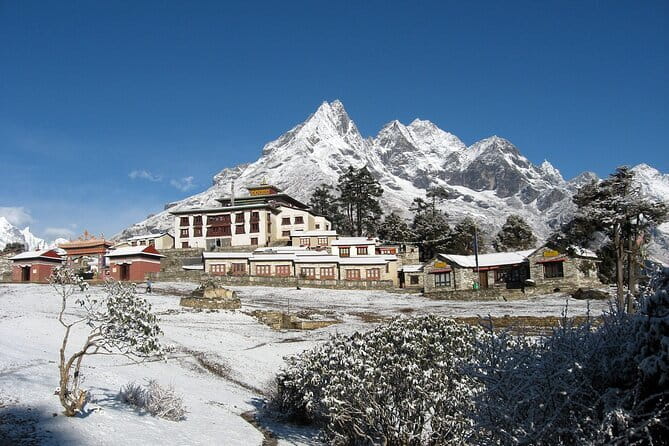
The walk to Namche is longer, listed at about six hours. You pass through rhododendron and magnolia forests and villages such as Toktok and Monjo. Bridges and river crossings add variety, while the route gradually turns uphill.
Namche Bazaar sits at about 3,440 meters and is the main trading town in the Khumbu. It is one of the most important stops on the trip because your body needs time to adjust before you climb higher.
The approach includes a series of bridges and a stronger ascent. Do not judge the trek by the easy feel of the first day. This is where the altitude begins to matter, and a steady pace is more useful than speed.
More Helicopter Flights in Kathmandu:
- Everest Base Camp Helicopter Tour landing at Hotel Everest View
★ 5.0 · 218 reviews - Everest Base Camp Trek with Helicopter Return from Gorakshep to Lukla
★ 5.0 · 161 reviews - Everest Base Camp helicopter tour with landing
★ 5.0 · 61 reviews - Everest Base Camp Helicopter Tour landing at Everest View Hotel.
★ 5.0 · 34 reviews
Day 4: Acclimatization around Namche and Khumjung
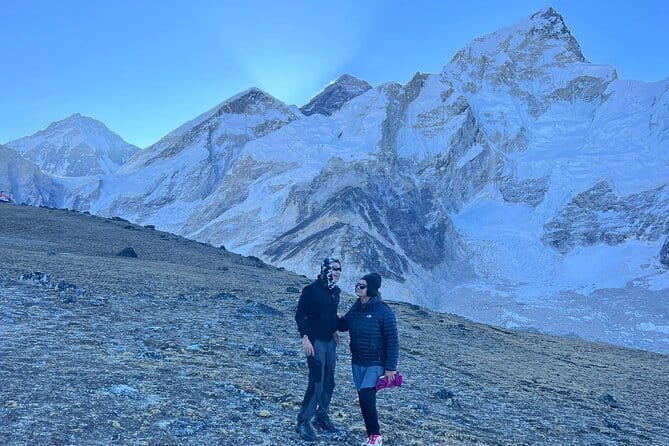
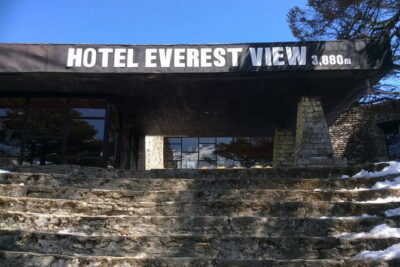
You spend a rest day in Namche, though rest does not mean sitting indoors all day. The planned outing reaches Khumjung and the Syangboche Airstrip, followed by the Everest View Hotel area. The walk lasts about five hours.
This is smart itinerary design. You gain height during the day, then return to sleep at the lower elevation of Namche. The route offers early views toward Everest and the surrounding peaks, while Khumjung gives you a closer look at mountain village life.
The day also gives your guide a chance to monitor how you are handling the altitude. The included oximeter is used twice daily to check pulse, oxygen saturation, and heart rate. That does not remove the risk of altitude sickness, but it adds a useful layer of attention.
Day 5: Namche to Kyangjuma
The trail leaves Namche and climbs through green foothills toward Kyangjuma at about 3,550 meters. The walk takes around five hours, with mountain views along the route.
This section is less about a single famous sight and more about the rhythm of the trek. You walk, gain height, pause, and continue. The trail winds uphill before dropping toward the next part of the valley, so the day is not one constant climb.
Kyangjuma is a useful overnight stop because the route continues to gain altitude without pushing you straight into the highest section. You should keep your daypack light and hold onto water, layers, and any personal essentials. Your porter carries the larger load, but you will still need to carry what you use during the day.
Day 6: Tengboche and the high mountain route
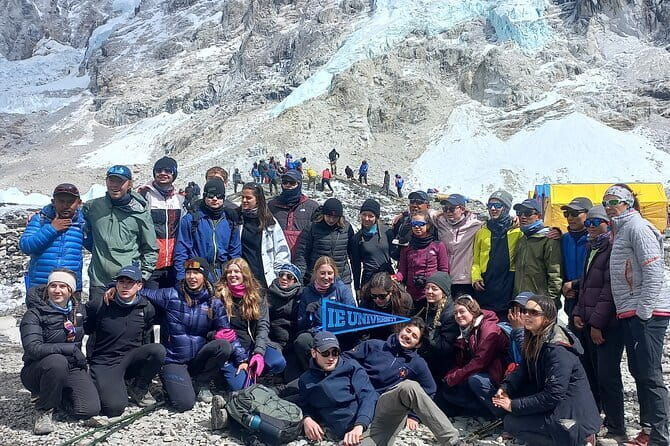
This day includes an early start for sunrise and a walk toward Tengboche. After breakfast, the path descends through rhododendron forest toward Deboche, at about 3,320 meters. The itinerary also mentions possible sightings of musk deer, blue sheep, and mountain birds.
Tengboche is one of the memorable stops on the route, with wide mountain views and a strong sense of being in the high Khumbu. The walk takes about five hours, but the combination of uphill and downhill sections can make it feel more demanding than the time suggests.
The forest begins to thin as the route moves higher. You are leaving the easier lower valley behind. The views grow bigger, but the air becomes thinner, and small tasks such as putting on a jacket or stopping for a drink take more planning.
Day 7: Dingboche toward the Khumbu Glacier
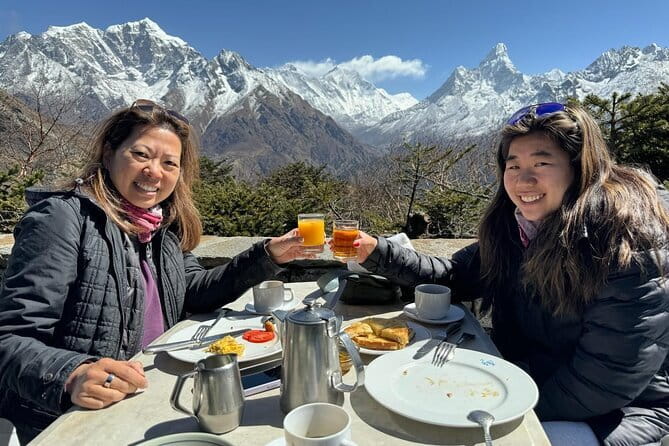
The itinerary lists the Khumbu Glacier as the focus of this six-hour mountain day. From Dingboche, the trail climbs along a ridge, with views toward Cholatse and Tawache. The route gradually becomes more remote and steep.
Dingboche sits at about 4,410 meters. Above this point, altitude is no longer a minor detail. You may find the walking pace slower, and your guide’s experience becomes especially useful for judging rest stops and group speed.
The glacier section brings you into the stark, high-altitude world that defines the Everest Base Camp trek. There is less vegetation, more rock and ice, and a stronger feeling of distance from ordinary roads and towns.
Day 8: Lobuche to Gorak Shep and Everest Base Camp
This is the big walking day, listed at about eight hours. You leave Lobuche and follow a broad valley toward Gorak Shep. The trail rises over rocky ground, and the final approach becomes steeper as the elevation increases.
From Gorak Shep, you walk toward Everest Base Camp. The route goes up and down along the edge of the Khumbu Glacier, with dramatic views of ice, rock, and high peaks. Base Camp itself is a major goal, but the setting matters as much as the destination. You are standing at the foot of the route used for Everest expeditions, surrounded by the high Khumbu.
This is also the day when you need to manage your energy carefully. Eight hours at altitude is a substantial effort. Keep your pace steady, listen to your guide, and do not treat the Base Camp visit as a race.
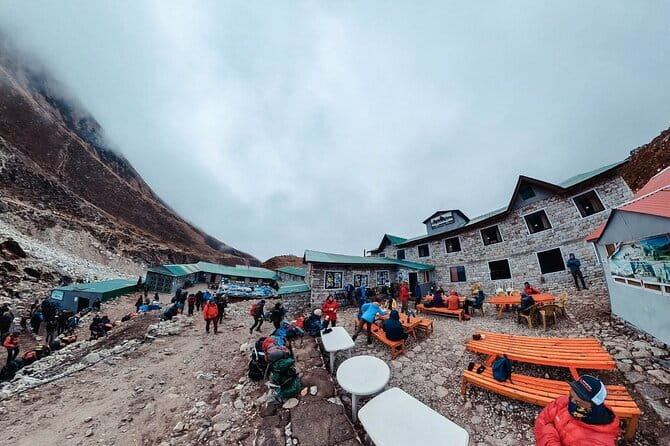
Gorak Shep is a basic high-altitude stop. You should expect fewer comforts than in Kathmandu or Namche. Tea houses charge separately for hot showers and phone charging, usually about $2 to $5, and cold or hot drinks are also extra.
Day 9: Kala Patthar and the helicopter flight
You start early for Kala Patthar. The trail begins above Gorak Shep and is well used, though the altitude makes the climb hard. The early sunlight brings strong mountain views, which is why this ascent is placed at the end of the trek.
At 5,644 meters, Kala Patthar is higher than Everest Base Camp and is the trip’s highest point. It is the place to focus on the broad view of Everest and the surrounding peaks. The listed walking time is about six hours, so this is not merely a quick photo stop.
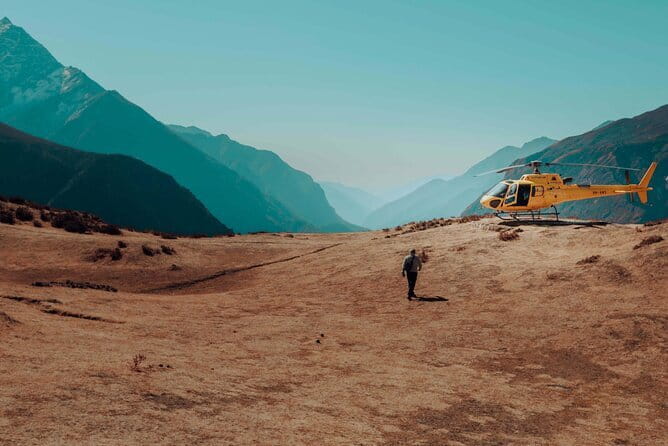
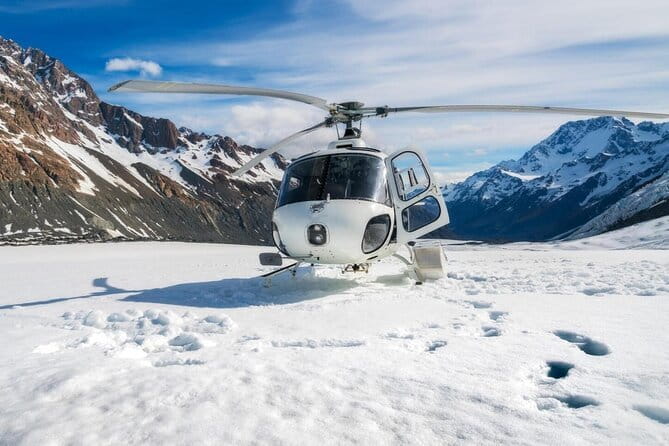
After the Kala Patthar section, the plan is to take a helicopter from Gorak Shep to Lukla. The helicopter return is the defining feature of this package. It replaces the long descent and gives you an aerial look at the valleys you walked through.
The flight is also the part least within your control. Mountain weather can affect helicopter operations. Ask before departure how delays, extra nights, or alternate arrangements are handled, especially since the published plan depends on reaching Lukla by air.
What the $3,888 price really covers
At $3,888 per person, this is not a budget trek. The value comes from the number of costly and important services bundled into the price.
Included are private airport and ground transfers, the Kathmandu to Lukla and Lukla to Kathmandu flights, the helicopter from Gorak Shep to Lukla, an experienced guide, one porter for every two people, permits, government charges, taxes, a first-aid kit, and the trip completion certificate.
Meals in the mountains are also covered: eight breakfasts, eight lunches, and eight dinners. That removes a major daily expense, though drinks, desserts, and personal snacks remain your responsibility.
You still need to pay for your international airfare, Nepal visa, travel and medical insurance, personal expenses, Kathmandu lunches and dinners, tea house showers and charging, desserts, drinks, and tips. Tipping the guide, porter, and driver is expected, so include it in your budget.
The price makes more sense if you value time and support. Booking flights, permits, guide services, porter help, and a private helicopter arrangement separately would require more planning. If you are comfortable organizing a longer classic trek yourself, cheaper options may exist. If you want a tightly planned route with the return shortened, the package offers practical value.
Guides, porters, and the human side of the trip
The company’s past Nepal trips have used guides named Raj, Ramesh, Sital, and Ganesh. Raj has been praised for making the Everest route efficient and easy to manage, while Ramesh has been singled out for steady help during the trek. Sital and Ganesh have guided other Nepal routes, including Annapurna and Langtang trips.
That does not mean one of these guides will automatically lead your group. Ask for your guide’s name, experience on the Everest route, and emergency procedures before you travel.
The guide’s role matters most above Dingboche, where the trail becomes steeper and the altitude is high. The porter arrangement is generous enough to reduce your load, but remember that one porter serves two people. Pack thoughtfully and avoid bringing a suitcase full of extras.
Who should book this trek?
This trip suits you if you want the Everest Base Camp experience but cannot spare the two or more weeks needed for a traditional return trek. It also suits people who prefer a private group, organized airport transfers, included meals, and a guide who manages permits and mountain logistics.
You should be comfortable with long walking days, steep sections, basic tea house conditions, and high altitude. A moderate fitness level is required, but fitness alone does not guarantee an easy time at 5,000 meters.
This is less suitable if you want a relaxed holiday, dislike early starts, or need complete certainty about daily transport. The helicopter return is efficient, but weather can disrupt mountain flights. Travel insurance with medical coverage is not included and is essential for a trek of this type.
The tour offers free cancellation if you cancel at least 24 hours before the start time. Changes or cancellations within 24 hours are not accepted for a refund.
Should you book the Everest Base Camp helicopter return?
Book it if your priority is reaching Everest Base Camp and Kala Patthar within nine days, with the long return removed. The route gives you the main Khumbu villages, a proper acclimatization day in Namche, the high glacier country, and an aerial finish.
Think twice if your main goal is to spend more time in the mountains or keep the cost as low as possible. You will pay a premium for speed, private arrangements, and the helicopter.
For the right person, this is a focused Everest trip, not a shortcut without effort. You still earn the views on foot. You simply return by air.
FAQ
How long is the Everest Base Camp helicopter return trek?
The trip lasts approximately nine days. You spend seven full days in the mountains and return toward Kathmandu by helicopter on the final trekking day.
What is the highest point on the trek?
The highest point is Kala Patthar at 5,644 meters, or 18,519 feet.
Where does the helicopter return flight depart?
The helicopter flight is scheduled from Gorak Shep to Lukla. The included Kathmandu and Lukla flights complete the air travel plan.
Are meals included?
Eight breakfasts, eight lunches, and eight dinners are included. Food in Kathmandu at lunch and dinner is not included, and drinks, desserts, and personal snacks cost extra.
Is a porter included?
Yes. One porter is included for every two people. The porter’s salary, food, lodging, transportation, and insurance are covered by the tour.
Is travel insurance included?
No. Your travel and medical insurance is not included. You are also responsible for your international airfare, Nepal visa, personal expenses, and tips for the guide, porter, and driver.
Just added around Kathmandu
- Everest Base Camp Trek★ 5.0 · 3 reviews
- Everest Base Camp Trek★ 5.0 · 7 reviews
- 15 Days Private Everest Base Camp Trek★ 5.0 · 30 reviews
- Everest Base Camp Trek★ 5.0 · 57 reviews
- 14 Days of Adventure Trekking to Everest Base Camp★ 5.0 · 2 reviews
- 14-Day Everest Base Camp Trek★ 5.0 · 20 reviews
- From Kathmandu: Private 14-Day Everest Base Camp Trek★ 5.0 · 20 reviews
- 14 Days Everest Base Camp Trek★ 5.0 · 4 reviews
Everest Base Camp Treks, compared.
Everest Base Camp Helicopter Tour landing at Everest View Hotel
Read our review →
Tibet Tour 8 Days Lhasa to Everest Base Camp Small Group Tour
Read our review →
Dubai: Private Luxury Everest Yacht Cruise from Dubai Marina
Read our review →
Browse the lists this trek appears in