
Review · KATHMANDU
Conquer the Himalayas: The Ultimate 16-Day Annapurna Circuit Trek
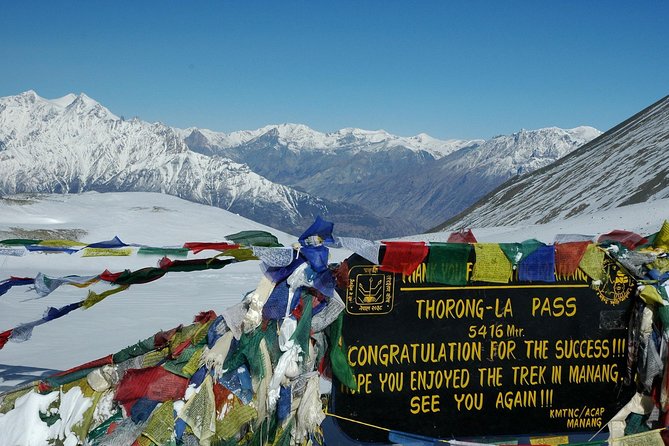
The great prize here is Thorong La Pass, reached after days of changing scenery, mountain villages, suspension bridges, and high-altitude trails. You begin among rice terraces and forests, then move into dry country shaped by wind, rock, juniper, and snow peaks before descending toward Muktinath.
I like the built-in acclimatization day in Manang, and I like that airport transfers, permits, teahouse lodging, and a licensed trek leader are included. The main concern is the unclear itinerary: it says 16 days in the title, about 21 days in the summary, and several stops appear out of order, so ask for a corrected day-by-day plan before paying.
Key points to know before you book
- Thorong La is the main test: You cross at roughly 5,416 meters, starting around 3 a.m. from Thorong Phedi.
- The route changes by altitude: Expect subtropical forest, waterfalls, farmland, dry Manang country, juniper, high meadows, and the stark Mustang side.
- Manang gives you a needed rest day: Short hikes to Bhojo Gumba, Gangapurna Lake, or Vraga help with acclimatization.
- Cultural encounters are built into the walk: Villages and monasteries introduce Gurung, Tamang, Manang, and Thakali traditions.
- The $1,492.27 price covers useful basics: Airport transfers, teahouse accommodation, permits, Kathmandu sightseeing, and trekking staff are included.
- Do a trust check first: One serious online complaint accuses the owner, Dipsun Kunwar, of fraud, while other feedback praises the arrangements and guide Rajesh. Get written terms and payment details.
What this Annapurna Circuit trip is really offering
At $1,492.27 per person, this is not simply a walking holiday. It combines airport pickup, a Kathmandu tour, trekking permits, teahouse lodging, private transport, and an English-speaking government-licensed trek leader with an assistant leader.
That bundle can be good value for someone who wants one company to handle the moving parts. You are not paying only for a route and a bed. You are also paying for paperwork, transfers, route support, and a guide team in a place where weather, road conditions, and altitude can change the plan.
The advertised experience is a private activity for your group, although the price information also mentions group discounts. Ask how many people your own group may include, what the discount applies to, and whether porters are included. Porters are not listed among the included services, and tips for guides, porters, and drivers are extra.
The title calls this a 16-day Annapurna Circuit trek, but the summary gives a duration of about 21 days. The stop list also places Manang, Chame, Thorong La, Muktinath, and Tatopani in an order that does not form a clean day-by-day route. This may be a data-entry problem, but it matters. Ask the operator for the exact number of trekking days, driving days, rest days, and hotel nights.
More Annapurna Treks in Kathmandu
- Annapurna Circuit Trek with Tilicho Lake
★ 5.0 · 368 reviews - Annapurna base camp trek 5 Days
★ 5.0 · 252 reviews - 14-Day Private Annapurna Base Camp Trek
★ 5.0 · 180 reviews
Kathmandu gives you a gentle start
Your first day begins with a private airport transfer to your hotel. The suggested plan leaves the rest of the day open for rest or a short city walk, which is sensible after a long international flight.
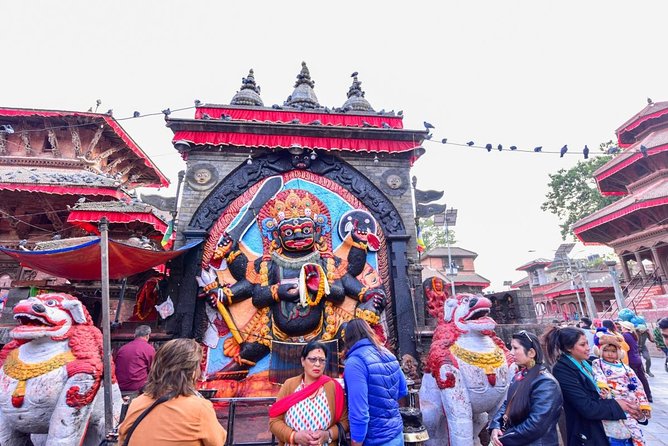
The next day is set aside for Kathmandu sightseeing at UNESCO World Heritage sites, followed by a trek briefing and dinner. I like this arrangement because you get a chance to deal with jet lag, learn what to expect, and meet the guide team before heading into the hills.
The city tour is listed as a private-vehicle outing. Admission tickets are shown as free in the itinerary, but you should still confirm whether any site entry fees, meals, or guide charges beyond the listed inclusions are covered.
Khudi and Sirung bring the first mountain views
The road heads from Kathmandu toward the hills, following the Trishuli River and passing terraced farms and small homes. After Mugling and Dumre, you turn toward Besisahar and continue to Khudi, the stated starting point of the trek.
This first transfer is listed at about seven hours. That is a long road day, but it gets you close to the walking route and offers an early look at the Manaslu range. You may also choose to stop at Besisahar and walk for about an hour to Khudi, though this should be arranged with the guide.
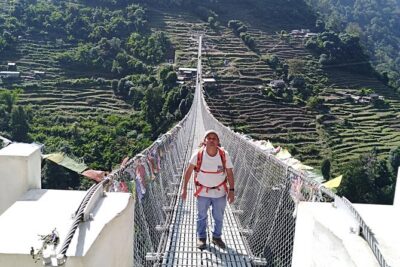
The first walking section crosses suspension bridges and passes waterfalls, rice paddies, and subtropical forest. The trail rises and falls rather than simply climbing, so do not mistake the moderate distance for an easy day.
You pass the Tamang settlement of Taranche before reaching Sirung. From Sirung, the views toward Nadi Chuli and Manaslu become more immediate. Birdlife, small temples, woodland, and village terraces give this part of the route a human scale that can be lost on more famous high-altitude sections.
Jagat, Tal, and Dharapani add real trail character
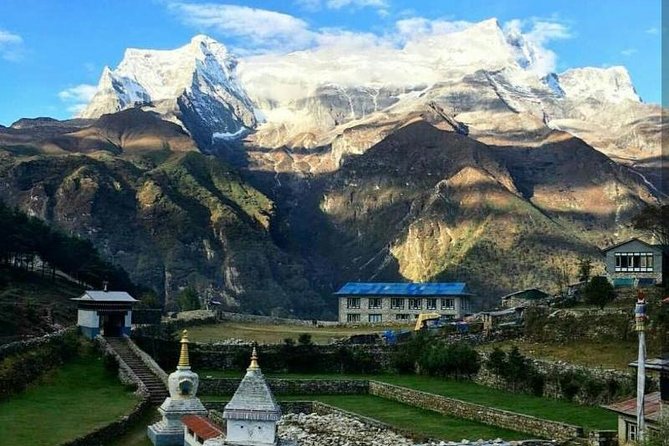
From Sirung, the route heads toward Jagat through forest and fern-covered sections. You cross the Sangu Khola and Marshyangdi River by suspension bridges, with a waterfall near one of the crossings.
The walk is listed at about six to seven hours. Jagat feels like a useful transition point because the route leaves the lower farming country and begins to take on a more serious mountain shape.
From Jagat, the trail descends briefly to the river before climbing through forest and along steep cliff sections. Chyamje appears with views of the Annapurna range, followed by a suspension bridge, a rough climb toward Sattale, and the grassy riverbank at Tal.
The approach to Dharapani continues over rocky, winding ground near Karte, waterfalls, and cliffs. This is one of the route’s more demanding early sections. Expect uneven footing, repeated climbs, and conditions that may feel harder than the listed six or seven hours suggest.
Same trailhead, a different route:
- Everest Base Camp Trek – 14 Days
★ 5.0 · 1,499 reviews - Everest Base Camp Trek
★ 5.0 · 842 reviews - Everest Base Camp Helicopter Tour landing at Everest View Hotel
★ 5.0 · 668 reviews - Everest Base Camp Trekking
★ 5.0 · 485 reviews
Chame brings forests, peaks, and hot springs
The route from Dharapani to Chame passes through forested ridges with views toward Lamjung Himal, Annapurna II, and Annapurna IV. Chame is the headquarters of Manang District, so it serves as more than a sleeping point. It is a useful place to notice the shift from the lower valley into higher mountain country.
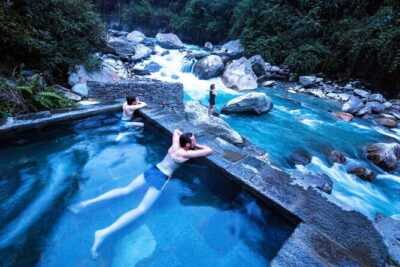
Small hot springs are mentioned along this part of the route. They can be a welcome chance to ease tired muscles, but the itinerary does not specify how long you will stop or what facilities are available.
The walking day is listed at about six hours. That sounds manageable, though the trail still climbs and the effects of altitude begin to matter. Keep your pace steady and tell your guide early if you develop a headache, unusual fatigue, or other symptoms.
Pisang and Manang show the big change in climate
The route described through Pisang uses the upper trail via Geru, chosen for its views of Annapurna and Pisang. This is an important choice because the valley changes quickly here. Forest gives way to a colder, drier setting with less plant growth and more exposed slopes.
A visit to Barge Monastery is included in the description. It is identified as the largest monastery in Manang District, making it one of the more meaningful cultural stops rather than just another viewpoint.
The itinerary lists Manang and Pisang in a confused order, so confirm which night comes first. The practical point is clear: Manang is the place where you need to slow down and prepare for the pass.
Manang’s rest day is one of the trip’s best features
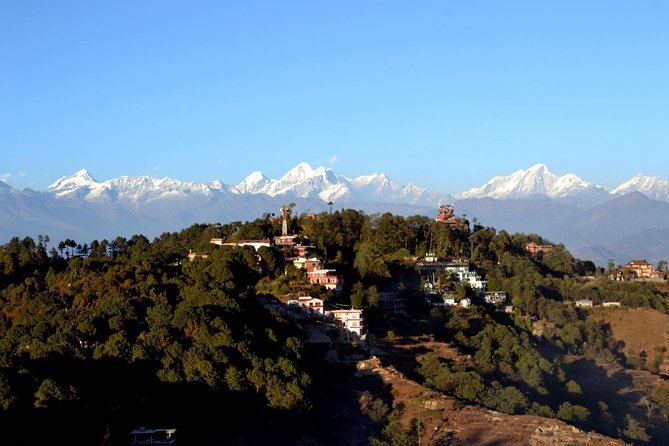
The planned acclimatization day in Manang is a strong part of the design. Instead of pushing upward every day, you have time for a short hike to Bhojo Gumba or Gangapurna Lake.
If you have the energy, the plan also allows a walk to Vraga Village and a visit to the Himalayan Rescue Association. That visit can explain acute mountain sickness, or AMS, and help you understand why the schedule includes a pause here.
I would treat this as a proper rest day, not an excuse to race up every nearby slope. Acclimatization is personal. A guide can keep an eye on your pace and symptoms, but no itinerary can guarantee that you will adjust well to altitude.
One earlier description places Yak Kharka before Manang, while another places Manang before the higher trail. The normal practical sequence should be confirmed directly with Vyas Treks & Expedition. Ask where the acclimatization night falls and what altitude you reach each night.
Yak Kharka and Thorong Phedi prepare you for the pass
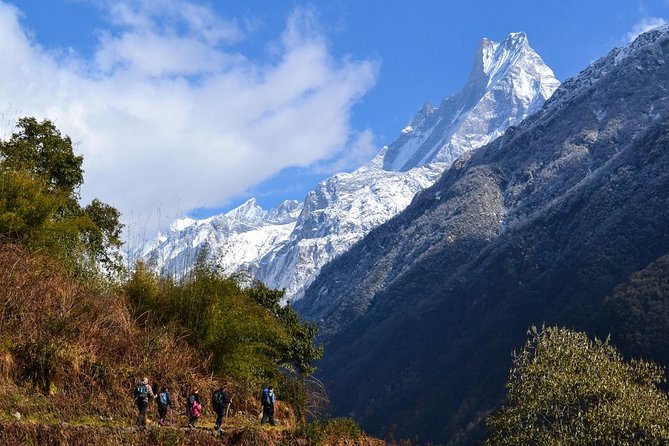
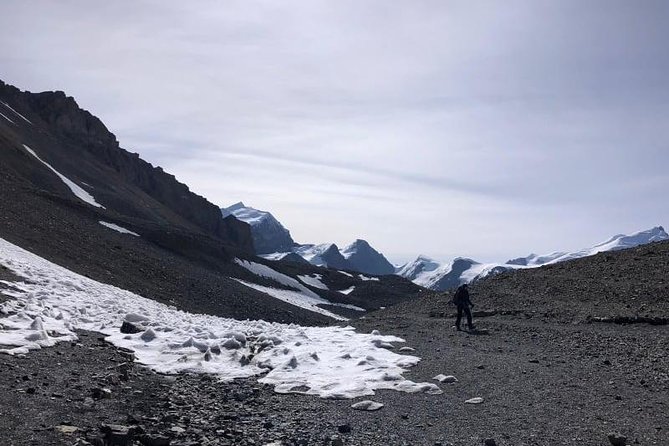
Above Manang, the route follows the Jarsang Khola valley toward Tenki, Ghunsa, and Yak Kharka. The scenery becomes drier, with juniper, open meadows, horses, yaks, Mani walls, and small settlements with flat mud roofs.
This is where the trek feels most like a high mountain crossing. The trail is less about farms and forests and more about gradual altitude gain, thin air, exposed ground, and careful pacing.
From Yak Kharka, you continue toward Ledar and Thorong Phedi. The trail crosses a suspension bridge and climbs beneath high cliffs before reaching the last settlement before the pass. Views include Gundang, Syagang, Thorung Peak, and Khatungkan.
The listed walking time is about five hours, but altitude makes clock time a poor measure of effort. You may move slowly, stop often, and feel the cold well before the distance looks impressive on paper.
Thorong La is the hardest and most memorable day
The pass crossing begins around 3 a.m. That early start is meant to help you cross before weather and wind become worse later in the day. You climb from Thorong Phedi to Thorong La, cross from Manang toward Muktinath, and then descend into the Muktinath Valley.
The route description calls this direction the easier and safer way to cross. Even so, this is the physical high point of the trek. You need good fitness, warm layers, water, patience, and a serious attitude toward altitude.
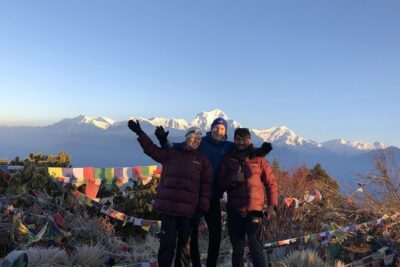
At the top, you can pause for photographs before beginning the descent. The views toward the surrounding peaks are the reward, but the descent can be hard on knees and feet. A seven-hour estimate may also feel optimistic if conditions are poor or if you need frequent rest.
This is the section where the guide matters most. One positive account specifically praises guide Rajesh for staying close and handling both mountain and city support well. You should ask in advance who your guide will be, what emergency plan is in place, and whether the assistant leader accompanies the whole trek.
Muktinath and Tatopani change the mood
Muktinath is listed as the destination after Thorong La. The route then drops toward Tatopani, with a major change from dry high country back to forest and warmer air.
The descent passes through Ghasa and continues through subtropical vegetation. Rupse Chahara waterfall, Dana, Narchyang Besi, and a local powerhouse are noted along the way. Larger villages here give you a chance to see daily life in a more settled part of the valley.
Tatopani’s hot spring is a welcome finish to a demanding stretch. The itinerary presents it as a place to relax and bathe, though you should confirm whether entry is covered and how much time is allowed.
The route then continues through old rhododendron forest toward Ghandruk, where Gurung stone homes and close views of Fishtail, Annapurna South, and Hiunchuli provide a strong final walking section. From Nayapul, you drive to Pokhara Lakeside.
Pokhara is a softer landing after the mountains
The move to Pokhara gives you a chance to rest after the pass and long descent. The provided plan does not give a detailed Pokhara sightseeing program, so do not assume extra activities or hotel nights are included.
Extra accommodation in Kathmandu or Pokhara is specifically excluded if you arrive early or leave late. That is easy to overlook when comparing prices. Add those nights, meals, and personal costs to your real budget.
What the $1,492.27 price includes and misses
The strongest value comes from the items already bundled:
- Private airport pickup and drop-off
- Teahouse accommodation during the trek
- Kathmandu sightseeing by private vehicle
- Trekking permits and paperwork, including ACAP and TIMS
- An English-speaking, licensed trek leader
- An assistant trek leader
- Taxes and listed fees
You still pay for international flights, a Nepalese visa, alcohol, personal expenses, excess baggage, insurance, rescue coverage, extra hotel nights, and tips. Porters are not listed as included, so ask directly if you want one.
Travel and rescue insurance deserve special attention. They are excluded, and high-altitude trekking is not the place to skip coverage. Check that your policy includes trekking at the maximum altitude on this route and emergency evacuation if required.
The operator offers free cancellation up to 24 hours before the start time. Inside that window, the payment is not refunded, and changes are not accepted. Poor weather may lead to another date or a full refund, but ask how that decision is made and what happens if only part of the route is affected.
Is the operator a comfortable choice?
The available public feedback is mixed. Positive comments praise the company’s arrangements and customer service, and one account gives specific credit to guide Rajesh for staying supportive in both the mountains and Kathmandu. Another account describes a successful alternative route when Tilicho Lake was closed.
There is also a serious public complaint accusing owner Dipsun Kunwar of fraud. I cannot establish the truth of that allegation from the information provided, but it is too significant to ignore.
Before booking, request a written itinerary with dates, elevations, overnight stops, transport details, guide name, porter arrangements, refund terms, and a full payment receipt. Pay through a method that gives you a record and some protection. The route may be excellent, but clear paperwork is part of a safe booking.
Who should book this trek?
You should consider it if you want the classic Annapurna Circuit with Kathmandu support, teahouse nights, a private group, and a guide team handling permits and transfers. It suits someone with moderate fitness who is ready for long walking days, uneven ground, cold conditions, and a very early start for Thorong La.
It is not a good choice if you want a relaxed holiday, a fixed luxury schedule, or a low-altitude walk. It is also not ready for a casual click-to-book decision until the operator clears up the 16-day versus 21-day duration and the out-of-order stops.
Final call: a strong route, but verify the details
I like the route itself. The mix of village life, river valleys, forest, monastery visits, high meadows, Thorong La, Muktinath, Tatopani, and Ghandruk gives you far more than a single mountain viewpoint.
The price could be fair for the included permits, transfers, lodging, sightseeing, and guide support. I would book only after receiving a corrected itinerary and confirming the operator’s current credentials, payment process, insurance expectations, and guide assignment. If those answers are clear, this can be a serious Himalayan trek with good practical support. If they are vague, choose a company that presents the schedule and financial terms more clearly.
FAQ
How long is the Annapurna Circuit experience?
The title describes a 16-day trek, while the tour summary gives an approximate duration of 21 days. Because the stop list also contains inconsistencies, ask Vyas Treks & Expedition for the exact schedule before booking.
What is the highest point of the trek?
The highest point is Thorong La Pass, described as one of the world’s highest accessible passes. The itinerary gives the altitude as approximately 5,416 meters.
Does the tour include a Kathmandu city tour?
Yes. A full-day Kathmandu sightseeing tour by private vehicle is included, followed by dinner and a trek briefing in the evening.
Is airport transportation included?
Yes. Private airport pickup and drop-off are included.
Where do you sleep during the trek?
Teahouse accommodation during the trek is included. Extra hotel nights in Kathmandu or Pokhara for early arrival or late departure are not included.
Are trekking permits included?
Yes. The package includes the necessary paperwork and permits, including ACAP and TIMS.
Is a guide included?
Yes. The package includes an experienced, English-speaking, government-licensed trek leader and an assistant trek leader.
Is travel insurance included?
No. Travel and rescue insurance are not included, so you need to arrange them separately.
What fitness level is required?
The experience requires a moderate physical fitness level. The route includes long walking days, steep and rocky sections, high altitude, and the early-morning climb to Thorong La.
What happens if bad weather cancels the experience?
If poor weather causes cancellation, you will be offered a different date or a full refund. You can also cancel for a full refund if you do so at least 24 hours before the start time.
Just added around Kathmandu
- Everest Base Camp Trek★ 5.0 · 3 reviews
- Everest Base Camp Trek★ 5.0 · 7 reviews
- 15 Days Private Everest Base Camp Trek★ 5.0 · 30 reviews
- Everest Base Camp Trek★ 5.0 · 57 reviews
- 14 Days of Adventure Trekking to Everest Base Camp★ 5.0 · 2 reviews
- 14-Day Everest Base Camp Trek★ 5.0 · 20 reviews
- From Kathmandu: Private 14-Day Everest Base Camp Trek★ 5.0 · 20 reviews
- 14 Days Everest Base Camp Trek★ 5.0 · 4 reviews
Annapurna Base Camp Treks, compared.
Trekking in Annapurna/Langtang/Everest/Upper Mustang regions
Read our review →
Kathmandu to Annapurna Base Camp (ABC) 5-Day Trek
Read our review →Browse the lists this trek appears in