
Review · ARUSHA
Climb Kilimanjaro – Lemosho Route 7 Day Climb
The best part of this Kilimanjaro climb is the remote Lemosho approach, which begins in a wildlife-rich forest and crosses the open Shira Plateau before joining the mountain’s southern routes. You get a slower acclimatization plan, striking changes in terrain, and a serious summit attempt at Uhuru Peak.
I like the two nights in Moshi, the airport pickup, and the fact that guides, porters, a cook, tents, mattresses, rescue fees, and mountain meals are included. I also like the human side of the operation: guides such as Izadin and Kimbi have been singled out for steady support, while chef Salim is praised for keeping meals enjoyable on the mountain.
The main consideration is physical demand. The final summit day lasts 15 hours or more, and the advertised price does not include flights, insurance, rental gear, or the suggested porter and guide tips. You need to arrive prepared, not simply hopeful.
Key points to know before you book
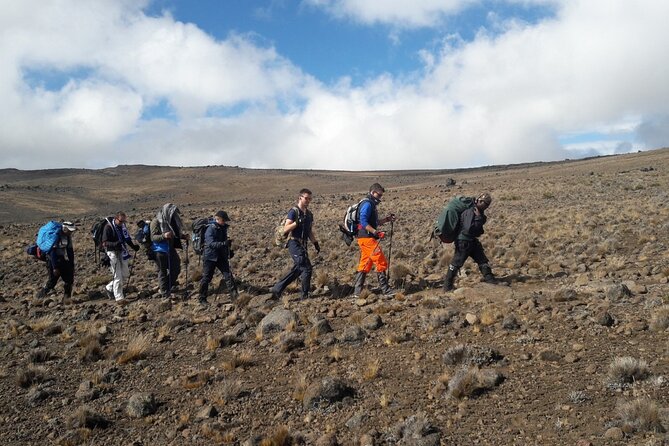
- Wildlife at the start: The Lemosho forest is known for wildlife, and groups are accompanied by an armed ranger through the glades.
- A useful acclimatization pattern: You climb high to Lava Tower, then sleep lower near Barranco, giving your body valuable altitude practice.
- A very long summit day: Expect a night ascent to Stella Point, a push to Uhuru Peak, and a long descent in one demanding day.
- Small groups: The maximum group size is 12 people, which matters for pacing, communication, and camp routines.
- Strong staff support: Guides including Izadin and Kimbi, along with cook Salim, have received especially warm praise.
- Budget beyond the headline price: The $2,280 cost includes the main climb services, but not flights, insurance, hired gear, or optional tips of $250 to $350 per person.
Why the Lemosho Route is worth considering
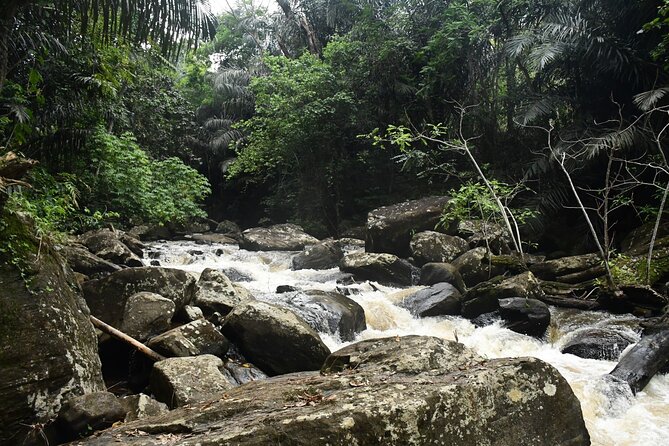
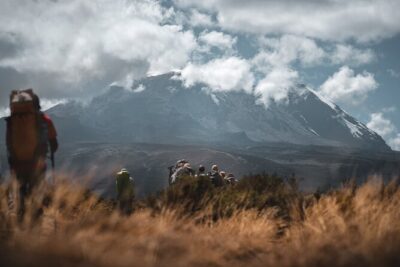
Kilimanjaro has several routes, but Lemosho earns its reputation through variety and a quieter start. You begin near the western side of the mountain, far from the busy trailhead feel associated with some shorter routes. The path passes through forest, moorland, high desert, and volcanic rock before joining the route toward the summit.
The early wildlife element is unusual for a mountain climb. The forest around the Lemosho Glades has enough animal activity that an armed ranger accompanies groups. That does not turn the trip into a safari, but it adds a real sense of wilderness during the first stage.
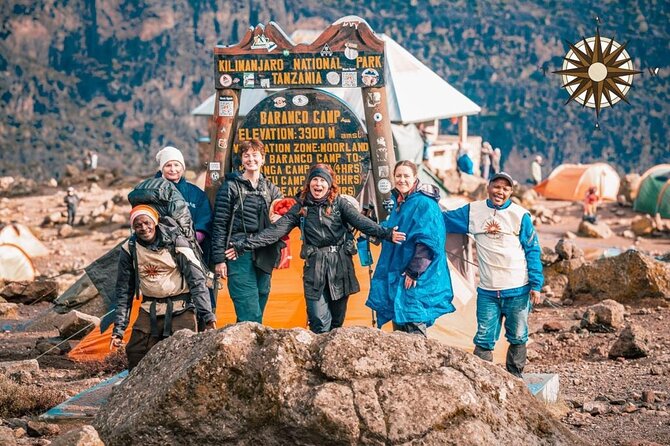
The route also gives you time to adjust to altitude. You spend nights at roughly 2,600 meters, 3,600 meters, 3,840 meters, and then near 3,960 meters before the summit attempt. The daily mileage is not extreme at first, but altitude changes the rules. A short walk can feel like work.
The route description includes access through the Shira Plateau and later follows the southern circuit toward Barafu and the summit. The day-by-day plan supplied for this trip uses the Barranco and Mweka sections, with the final ascent from the high camp area. Since altitude figures and camp names can vary slightly in mountain itineraries, confirm the exact camp plan with World Adventure Tours before departure.
More Kilimanjaro Climbs in Arusha
- 8-Day Small-group Lemosho Kilimanjaro Summit Trekking
★ 5.0 · 186 reviews - 7-Day Machame Kilimanjaro Summit Tour from Arusha
★ 5.0 · 125 reviews - Mountain Kilimanjaro Day Hike
★ 5.0 · 102 reviews
Arrival in Tanzania and the first night
Your trip begins with pickup at Kilimanjaro International Airport and transfer to Springlands Hotel or a similar property. The first night includes bed and breakfast, giving you a place to sleep and organize your kit before the mountain transfer.
This extra night is useful. You avoid landing and immediately walking uphill, and you have time to check your clothing, batteries, medication, and rented equipment. The hotel is also where you return after the climb for a hot lunch, shower, and certificate presentation.
The package includes two nights in Moshi with breakfast. A single room costs an additional $50 per person. International and domestic flights are not included, and the Tanzanian entry visa is listed at $50.
Day 2: the long drive to Londorosi and Mkubwa Camp
After breakfast, you drive toward Londorosi Park Gate. The transfer takes about five hours, so this is a road day as much as a hiking day. The drive through the Shira area offers one of your best chances to see large animals on Kilimanjaro.
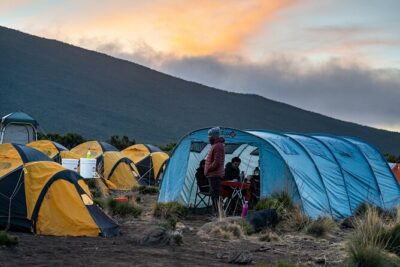
The first walk leads from around 2,200 to 2,600 meters and covers about 5 kilometers in roughly three hours. You finish at Mt. Mkubwa Camp, where the staff set up the tents and serve dinner.
This is a gentle physical start, but do not treat it as a free pass. You are beginning a week of altitude gain, and an easy pace helps you save energy. The armed ranger detail is particularly relevant here, since this section passes through the forest near the Lemosho Glades.
Day 3: moorland and the first clear view of Kibo
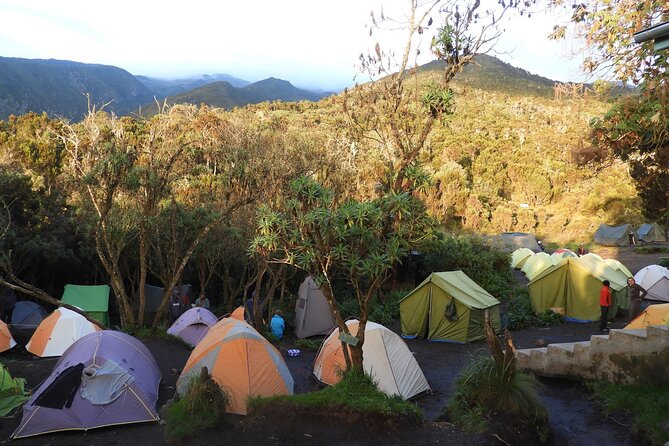
The walk from Mti Mkubwa to Shira Camp rises from about 2,600 to 3,600 meters. The distance is around 10 kilometers, with four to five hours on foot.
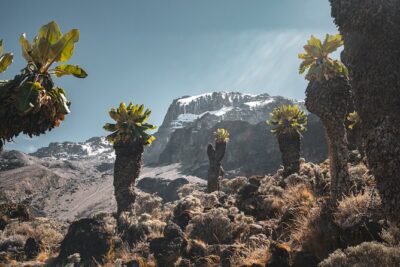
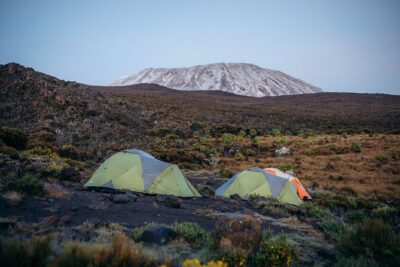
The trail moves through lower moorland, where large shrubs and wildflowers replace the forest. Kibo, Kilimanjaro’s highest volcanic cone, looms above the camp. This is one of the first moments when the summit feels like a real objective rather than a distant idea.
The schedule allows time after lunch to rest or take a short acclimatization walk. Use it carefully. The temptation is to explore because you feel strong, but steady pacing is more useful than extra mileage. Drink regularly, eat even if your appetite is fading, and tell your guide promptly if you develop a headache or feel unusually weak.
Same trailhead, a different route:
- 4 Days Mount Meru Trekking
★ 5.0 · 55 reviews - 4 days Best experience Kilimanjaro Hike, Serengeti &Ngorongoro
★ 5.0 · 54 reviews - From Arusha/Moshi: Kilimanjaro Hike Marangu Route Day Trip
★ 4.5 · 54 reviews - Mount Kilimanjaro Day Hike Through Marangu Route to Mandara Hut
★ 5.0 · 37 reviews
Day 4: Shira Camp 2 and a deliberate easy day
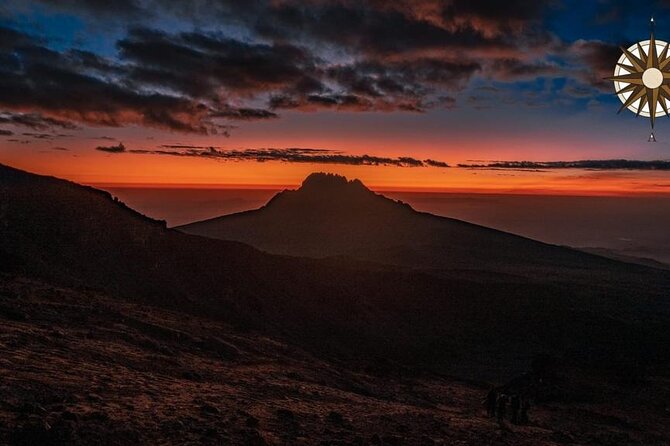
Day 4 is a shorter climb from roughly 3,600 to 3,840 meters, with about 10 kilometers of walking and five to six hours outside. The move to Shira Camp 2 is designed as another acclimatization day.
The value here is not a dramatic landmark. It is the rhythm. You gain altitude without rushing, then sleep at a higher camp before the route turns toward the harsher upper mountain.
Conditions can feel more exposed and chilly around the Shira camps. Pack a warm layer where you can reach it during breaks, rather than burying it in your duffel. Your porters carry the main luggage, but you need your daypack for water, extra clothing, snacks, sunscreen, and personal items.
Day 5: Lava Tower gives the climb its first real test
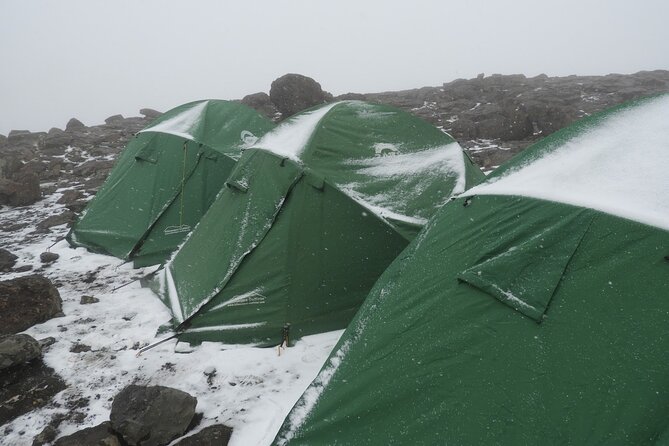
This is the key acclimatization day. The route crosses a semi-desert of rock and rises toward Lava Tower, reaching about 4,600 meters before descending to Barranco Camp near 3,940 meters.
The walking distance is about 11 kilometers and the day takes roughly seven to eight hours. The ascent to Lava Tower is often where altitude becomes impossible to ignore. Breathlessness, headaches, and irritability can appear even in fit people.
The important lesson is that fitness alone does not control altitude response. You can be strong and still feel sick. Your guide should monitor your condition, but you also need to speak up. The descent to Barranco is not wasted effort. Sleeping lower after spending time high is one of the most useful features of the route.
The published schedule contains slightly different altitude figures for the start and finish of this section, but the practical point is clear: you climb high to Lava Tower, then descend significantly to camp. Expect a demanding day with a chilly, rocky upper section and a welcome drop in elevation afterward.
Day 6: Barranco, high camp, and preparation for the summit
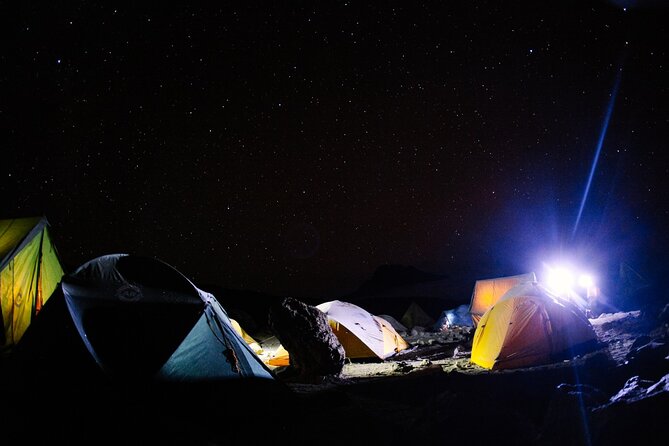
The day 6 description covers about 11 kilometers and seven to eight hours, with camps in the roughly 3,960 to 4,640 meter range. It describes a high, exposed camp where strong winds and loose stone can make the surroundings feel uncomfortable and potentially hazardous.
You should inspect the ground around camp before darkness. This is not the moment to wander casually among tents, especially if the surface is narrow or uneven.
The summit attempt begins that night. You are advised to prepare thermal clothing, ski poles, headlamp batteries, camera batteries, and a spare set of batteries. Water can freeze, so carrying it in a thermal flask is sensible. The planned bedtime is around 7 p.m., followed by a wake-up near 11:30 p.m.
This schedule sounds odd if you are used to normal hiking days, but the summit strategy is built around reaching Stella Point near sunrise. Try to rest even if you cannot sleep well. A warm sleeping bag, dry socks, and an organized daypack will matter more than a perfect night’s sleep.
Day 7: Stella Point, Uhuru Peak, and the long descent
Summit day is the hardest part of the trip by a wide margin. You leave around 11:30 p.m. after tea and biscuits, then climb through heavy scree toward Stella Point on the crater rim.
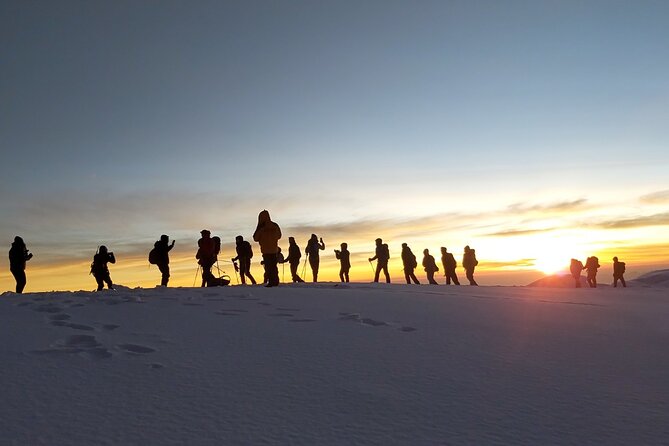
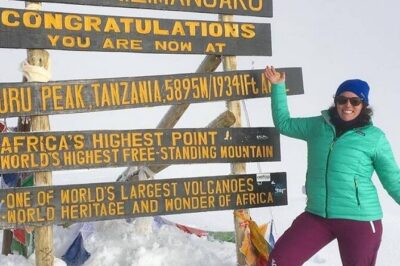
The ascent to Stella Point takes about six hours for many climbers. The surface is loose and tiring, and the darkness hides the scale of the slope. At Stella Point, the sunrise can be spectacular if the weather cooperates. From there, you continue across possible snow for roughly two hours toward Uhuru Peak at 5,895 meters.
The entire day is listed at about 17 kilometers and 15 hours or more. The descent continues after the summit, eventually reaching the lower camp area. This is why you should judge the climb by endurance, not just by your ability to walk uphill for a few hours.
Time at the summit can be limited by cold, wind, and energy levels. Reaching Stella Point earns a green certificate, while reaching Uhuru Peak earns a gold certificate. Both require a serious effort, but Uhuru is the final summit goal.
Pack your summit clothing before bed. You do not want to search through bags in the middle of the night. Keep your headlamp, gloves, hat, water, camera, and snacks within easy reach.
Day 8: Mweka descent and a proper shower
After breakfast, you descend from Mweka Gate toward Mweka village. The walk is described as a muddy, long hour, so trekking poles and shoes with good grip may be useful. The mountain is not finished just because you have reached the summit. The downhill strain can be hard on tired knees.
From Mweka village, transport returns you to Springlands Hotel. A hot lunch and a long shower are included, and successful climbers receive their certificates there.
This is also the time to thank the mountain crew. Guide, porter, and cook tips are not included. The suggested amount is $250 to $350 per person, listed as optional, and you should budget for it when comparing the true cost of the climb.
Day 9: departure from Kilimanjaro
The final morning includes an early breakfast and a transfer to Kilimanjaro International Airport. The airport transfer is listed at about 30 minutes, but you should confirm the actual timing with the operator around your flight schedule.
The trip is sold as a seven-day climb but lasts about nine days when the arrival and departure nights are counted. That is a helpful format for most people. It gives you a hotel night before the climb and a recovery night afterward.
What the $2,280 price really covers
At $2,280 per person, the cost is not simply a trail permit and a tent. It includes the park and other listed fees, two hotel nights with breakfast, transport to and from the mountain, rescue fees, tents, sleeping mattresses, mountain meals, and the wages and mountain accommodation of guides, porters, and cooks.
Meals included in the package are listed as six dinners, nine breakfasts, and six lunches. The wording suggests the hotel breakfasts are counted alongside the mountain meals, so confirm the exact meal schedule if you have dietary needs.
The value is strongest if you would otherwise need to arrange a large support team yourself. You are paying for logistics, food, camp equipment, transport, and staff coordination, not only for a walking route.
Budget separately for:
- International or domestic flights
- Tanzania visa, listed at $50
- Travel and health insurance
- Sleeping bags, clothing, shoes, and other rented equipment
- Single room supplement, listed at $50 per person
- Optional guide, porter, and cook tips of $250 to $350 per person
The operator says it can help arrange insurance if you do not have it. Still, read the policy carefully and make sure it covers high-altitude trekking and emergency evacuation.
Guides, cooks, and the feel of the support team
The strongest praise connected with this climb concerns the people running it. Gabriel has been recognized for clear communication before departure, which matters when you are trying to understand gear, timing, airport transfers, and altitude preparation from another country.
Guide Izadin is noted for being helpful and supportive, and guide Kimbi is praised for making sure the group had what it needed. Chef Salim is also singled out for good meals. These details matter on a mountain, where small acts of organization can make a cold, tired evening much easier.
Your exact guide may vary, so do not book solely on the assumption that one named person will lead your group. The useful takeaway is that the operation has a record of praise for communication, guiding, food, and support staff.
The group limit is 12 people. That is large enough to provide a social camp atmosphere, but small enough for guides to keep track of individual conditions more easily than in a big commercial group.
Who should choose this climb
I would point this trip toward someone who wants a longer Kilimanjaro route with varied scenery and a more gradual altitude plan. You need moderate physical fitness, patience, and a willingness to walk slowly for several days before the summit push.
It suits you if you like:
- A forest start with a chance of seeing wildlife
- Long mountain days and basic tent camping
- A planned acclimatization climb through Lava Tower
- A supported trip with guides, porters, cooks, and included transport
- A small group capped at 12 people
It is less suitable if you want a short, easy holiday or dislike cold nights, early starts, rough ground, and uncertain summit weather. The final day is especially demanding, and no operator can guarantee that you will reach Uhuru Peak.
The experience is non-refundable and cannot be changed after booking. That makes travel insurance and careful trip planning especially important before you pay.
Should you book the Lemosho climb?
Book it if you want Kilimanjaro to feel like a real expedition rather than a quick mountain walk. The remote start, wildlife escort, Shira Plateau, Lava Tower acclimatization, and long southern descent give the trip plenty of variety. The included staff, meals, camp equipment, transfers, and rescue fees also make the $2,280 price easier to understand.
Think twice if you are not ready for the summit day or if the extra costs will strain your budget. Confirm the exact camp sequence, check what sleeping and clothing gear you can hire, arrange insurance, and set aside the suggested tip money.
For a prepared climber who values a slower route and dependable support, this is a strong Kilimanjaro option. Just respect the mountain. The route may be well organized, but Uhuru Peak still demands patience, stamina, and a little luck with the weather.
FAQ
How long does the complete Kilimanjaro experience last?
The complete experience lasts about nine days. This includes arrival and departure days, two hotel nights in Moshi, and the seven-day mountain climb.
What is the price per person?
The listed price is $2,280 per person.
Is airport pickup included?
Yes. Airport pickup is included, along with transfer from Kilimanjaro International Airport to the hotel.
What is the maximum group size?
The maximum group size is 12 people.
Are meals included?
Yes. The package lists six dinners, nine breakfasts, and six lunches. Meals on the mountain are included, along with the hotel breakfasts listed in the itinerary.
Are guides, porters, and a cook included?
Yes. Guides, porters, and a cook are included, as are their mountain accommodation and entry fees.
Is mountain equipment provided?
Tents and sleeping mattresses are included. Sleeping bags, clothing, shoes, and other mountain gear are available for hire but are not included in the price.
Are tips included?
No. Guide, porter, and cook tips are not included. The suggested amount is $250 to $350 per person, listed as optional.
More 7-Day Experiences in Arusha
- KILIMANJARO MACHAME ROUTE, (Climb 7days)
★ 5.0 · 16 reviews - 7 Day Kilimanjaro Climb Lemosho Route & 2 Day Safari
★ 5.0 · 16 reviews - 7 days Kilimanjaro climb via Machame route (Whiskey route)
★ 5.0 · 16 reviews - 7 Days Kilimanjaro Climb Machame Route
★ 5.0 · 15 reviews
Just added around Arusha
- Mt. Kilimanjaro: Shira plateau to Cathedral point 3872m Day hike★ 5.0 · 7 reviews
- 5 days safari, hiking & culture (Serengeti & kilimanjaro)★ 5.0 · 27 reviews
- One Day Hike from Kilimanjaro to Mandara★ 5.0 · 2 reviews
- 3 Days Mount Meru trekking★ 4.5 · 7 reviews
- climb the KILIMANJARO via Lemosho route★ 5.0 · 4 reviews
- 6 Day: Hiking Kilimanjaro via Machame Route★ 5.0 · 2 reviews
- Private 8 day Northern Circuit Kilimanjaro Climb★ 5.0 · 8 reviews
- Kilimanjaro Waterfalls Hike & Moshi Hot Springs Day Trip Tour★ 5.0 · 4 reviews
Kilimanjaro Climbs, compared.
8-Day Small-group Lemosho Kilimanjaro Summit Trekking
Read our review →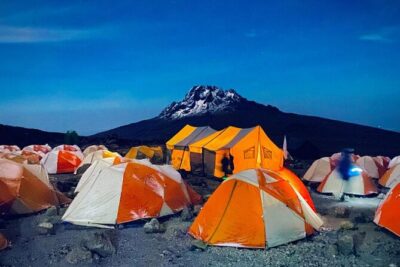
Climbing Kilimanjaro through 7 days Machame Route
Read our review →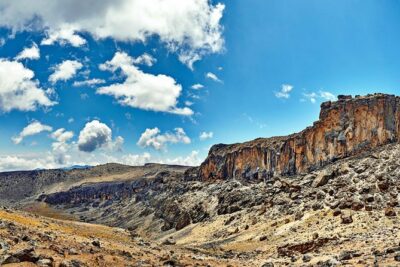
Browse the lists this trek appears in