
Review · KATHMANDU
Annapurna Circuit Trek
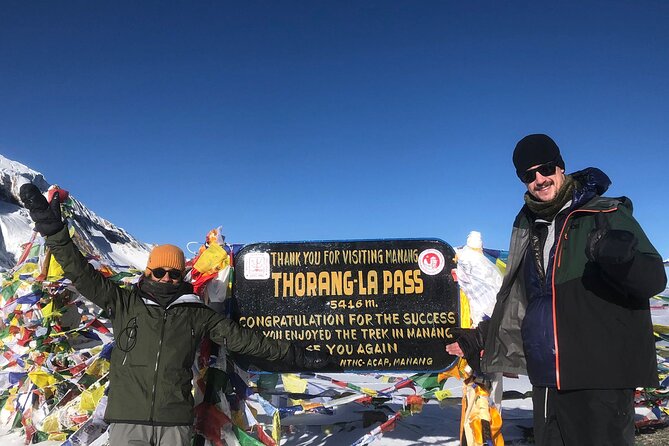
The big draw here is the Thorong La crossing at 5,416 meters, reached after days of steady walking through the Manang Valley. You get high Himalayan scenery, Tibetan-influenced Mustang, and a real sense of distance without having to arrange permits, hotels, meals, or transport yourself.
I like the built-in Manang acclimatization day, which gives your body time to adjust and lets you choose a short outing to Gangapurna Lake or a nearby monastery. I also like the practical package: airport pickup, Kathmandu and Pokhara hotels, a guide, trekking permits, tea-house lodging, and full-board meals on the trail.
The main caution is that this is still a demanding mountain trek, not a sightseeing tour with a few walks. Staff quality may vary, and the package does not include a porter, hot showers, bottled water, Wi-Fi, charging, or meals in Kathmandu and Pokhara.
Key points to know before booking
- Thorong La is the physical high point: The pass reaches 5,416 meters and requires a long, cold, strenuous day.
- Manang gets a proper rest day: You can take a short hike to Gangapurna Lake, Bonjo Gumba, or nearby villages.
- The route mixes walking and rough road travel: Expect long drives at the beginning, after Muktinath, and between Pokhara and Kathmandu.
- Most trail meals are included: Breakfast, lunch, dinner, and tea are covered during the trekking section.
- The price includes useful essentials: Permits, entrance fees, guide service, airport transfers, hotels, and tea-house accommodation are part of the package.
- You carry your own main luggage: A duffel bag and sleeping bag may be available, but porter service costs extra.
What this 14-day Annapurna Circuit actually feels like
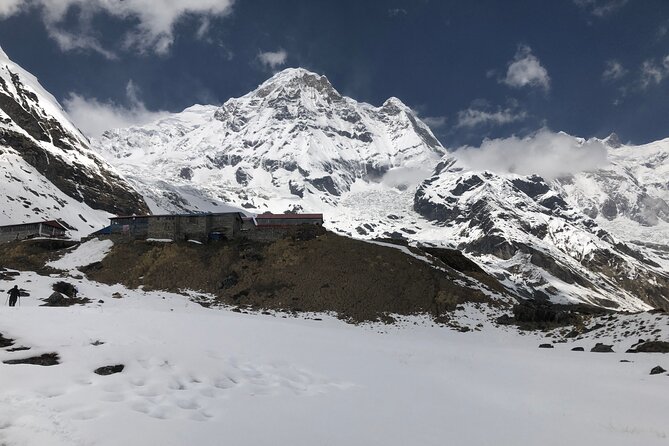
The Annapurna Circuit rewards patience. You begin with long road transfers and lower-elevation walking, then move through forests, river valleys, high villages, and dry mountain country before reaching Thorong La. After the pass, the scenery and culture shift again as you descend toward Muktinath and Mustang.
This private format is useful because the pace can be adjusted to suit your group. That matters most above Manang, where rushing can turn a hard but manageable trek into a miserable one. The guide also carries first-aid medicine and handles the route, permits, and local arrangements.
The package costs $1,150 per person. For a 14-day trip, that is a reasonable price when you count the guide, two nights in Kathmandu, two nights in Pokhara, airport transfers, trekking permits, tea-house accommodation, most meals, and long-distance transport. You still need to budget for tips, a visa, porter service, drinks, hot showers, Wi-Fi, charging, bottled water, and meals in the cities.
More Annapurna Treks in Kathmandu
- Annapurna Circuit Trek with Tilicho Lake
★ 5.0 · 368 reviews - Annapurna base camp trek 5 Days
★ 5.0 · 252 reviews - 14-Day Private Annapurna Base Camp Trek
★ 5.0 · 180 reviews
Day 1: Kathmandu arrival and trek briefing
Your trip begins at Tribhuvan International Airport, where a representative meets you and transfers you to your hotel by private vehicle. After the flight and airport formalities, having a direct ride to the hotel is a small but welcome convenience.
The guide gives you a briefing about the Annapurna Circuit. Use this time to ask about daily walking hours, what to carry, how the group will handle altitude, and what happens if weather or road conditions change. The first night is in Kathmandu, with breakfast included.
Day 2: The long road toward Syange
The journey starts with an eight to nine-hour drive toward Syange, with the broader transport plan connecting Kathmandu toward Besishar and the trailhead area. This is not a scenic transfer in the easy, polished sense. It is a long mountain road day, and road conditions can affect the timetable.
The advantage is that the vehicle takes you deep into the route quickly. The drawback is simple: you spend much of the day sitting before the walking begins. Keep water and snacks handy, even though trekking meals are included once you are on the trail.
Day 3: Walking through Dharapani
From the Syange area, you begin walking toward Dharapani. The day involves roughly six to eight hours on foot, including bridges and early trail sections through the Marsyangdi valley.
This is where the trip changes character. You are no longer watching Nepal pass by through a vehicle window. You are following the river, gaining a sense of the route under your own power, and settling into the daily rhythm of walking, eating, and sleeping in simple lodges.
Same trailhead, a different route:
- Everest Base Camp Trek – 14 Days
★ 5.0 · 1,499 reviews - Everest Base Camp Trek
★ 5.0 · 842 reviews - Everest Base Camp Helicopter Tour landing at Everest View Hotel
★ 5.0 · 668 reviews - Everest Base Camp Trekking
★ 5.0 · 485 reviews
Day 4: Forests, ridges, and Chame
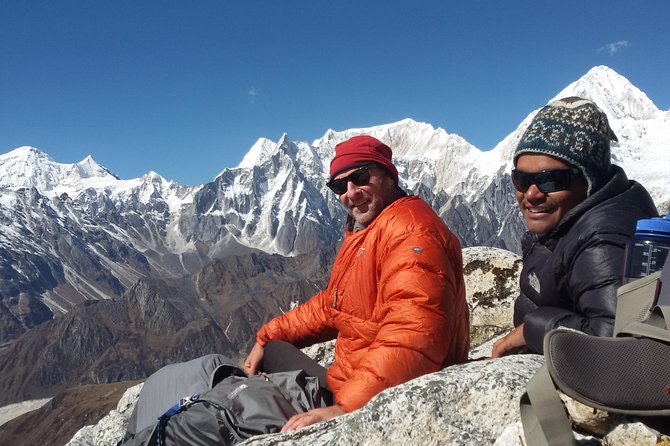
The route continues toward Chame through steep ridges, green woods, and sections affected by landslides. The trail demands attention, especially where the ground narrows or rises sharply.
Chame is an important stop because it brings you farther into the mountain route and prepares you for the higher villages ahead. The day is listed at about six hours, but trail pace, rest stops, and conditions can change the actual timing.
Day 5: Paungda Danda and the Upper Pisang route
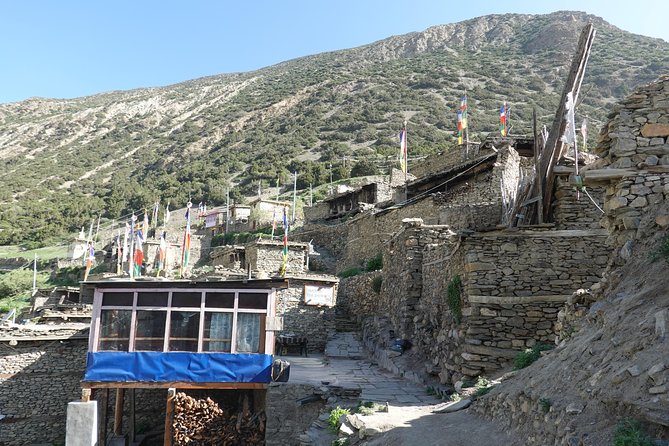
This day takes you through a narrow valley toward the striking rock formation known as Paungda Danda, which rises about 1,500 meters above the route. The trail becomes more dramatic as the valley tightens and the mountains begin to feel much closer.
The journey continues through the Upper Pisang area. The word upper matters here because the route is gaining height, and the walking is no longer just a valley stroll. Pace yourself, eat regularly, and tell your guide if you feel unwell.
Day 6: Upper Pisang to Manang
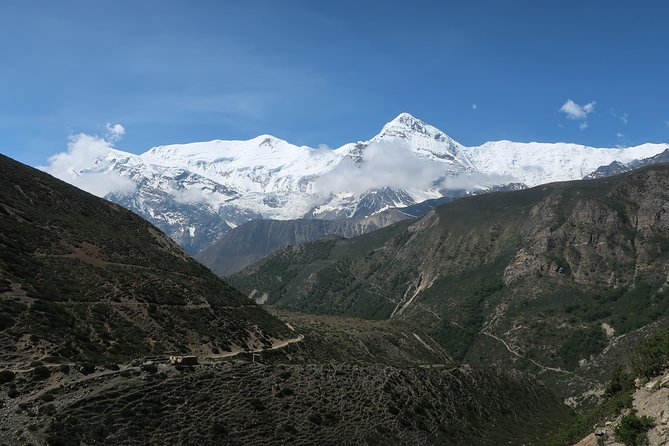
The walk to Manang takes about seven hours and is one of the route’s major scenic days. You leave Upper Pisang and continue through the Marsyangdi Valley toward one of the best-known settlements on the circuit.
Manang is memorable for its high setting, mountain views, and Tibetan-influenced culture. It is also where altitude becomes a serious concern. You are high enough that the next day’s rest is not a luxury. It is part of a sensible approach to the pass.
Day 7: Acclimatization in Manang
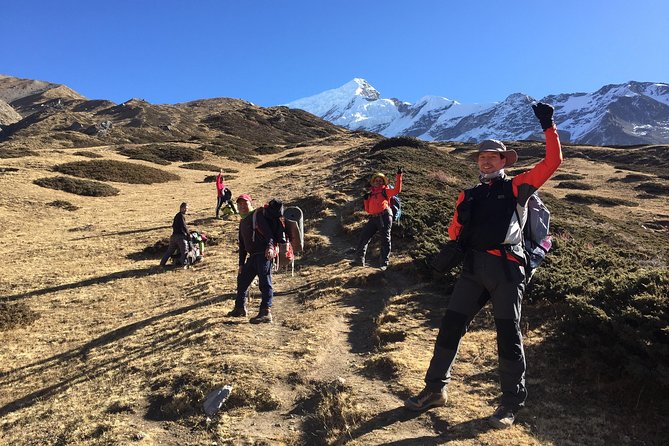
The itinerary wisely keeps you in Manang for a rest and acclimatization day. You are not expected to spend the whole day in bed, though. Short hikes can include Gangapurna Lake, Bonjo Gumba, or nearby high settlements such as Vraga.
This is a good day to walk slowly, drink plenty of fluids, and prepare for the higher route. Your guide should help you choose an outing that fits how you feel. The schedule is flexible, but the goal is not to collect the longest possible hike. The goal is to arrive at Thorong La in better shape.
Day 8: Tenki, Ghunsa, and the higher valley
After Manang, the route keeps climbing. You pass Tenki and continue through the upper Marsyangdi Valley, with juniper trees, a small stream, and Ghunsa Village along the way.
The walking day is listed at around four hours, making it shorter than several earlier stages. That is helpful at this altitude. You need time for slow progress, regular breaks, and careful attention to how your body reacts as the air thins.
Day 9: Toward Thorong Phedi
You continue upward toward Thorong Phedi, crossing a suspension bridge and passing through Letdar. The trail then works through steep cliffs and increasingly exposed high-country terrain.
This is another relatively short listed day, around four hours, but do not judge it only by the clock. High-altitude walking is slower, and a short distance can take real effort. The night near Thorong Phedi positions you for the early start and long crossing ahead.
Day 10: Thorong La Pass and Muktinath
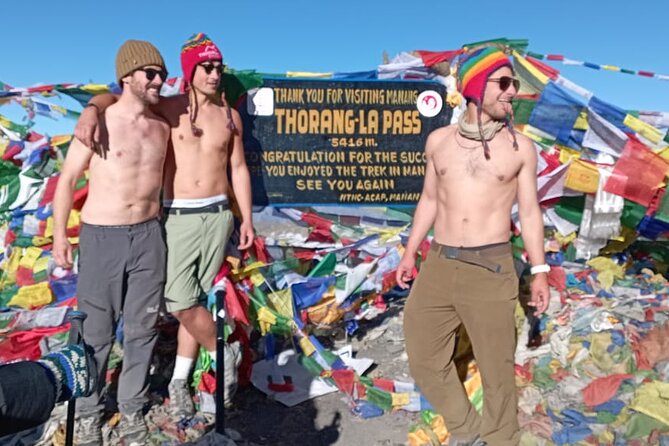
This is the trek’s defining day. You cross Thorong La at 5,416 meters, the highest point on the route, then descend toward Muktinath on the western side of the pass.
The day is expected to take about eight hours. The pass is a physical challenge, and weather can make conditions harder. The guide’s presence is valuable here, but no guide can remove the effort required. You need warm layers, patience, and a willingness to walk at a measured pace.
Muktinath adds a cultural dimension after the mountain crossing. It is an important pilgrimage site, and the change from the Manang side to the Mustang side makes the descent feel like a new chapter rather than a simple return journey.
Day 11: Muktinath to Pokhara by road
The walking portion ends after breakfast, followed by a local bus or shared jeep toward Pokhara. The drive takes about 10 hours, so this is not a light transfer day.
The road trip can feel long after the pass, but it connects the remote high route with Pokhara without requiring another walking stage. Shared transport also means less control over departure timing and comfort. Think of this as a practical travel day, not a restful luxury transfer.
Day 12: A free day around Pokhara
You have a rest day in Pokhara after the trek. The package includes two nights in a Pokhara hotel with breakfast, but lunch and dinner are your responsibility.
This is useful time to recover, wash clothes, and explore Pokhara Valley at your own pace. The schedule does not include a specific guided city activity, so you have freedom, but you also need to arrange and pay for any extra sightseeing yourself.
Day 13: Tourist bus or flight to Kathmandu
You return to Kathmandu by tourist bus, a trip of about seven hours. A flight from Pokhara is available for an extra charge, which may appeal if you want to reduce road time.
The Kathmandu hotel night includes breakfast. Since lunch and dinner in the city are not included, keep a little room in your budget for meals after the trek. This final city night also gives you a buffer before your international departure.
Day 14: Airport transfer and departure
A private vehicle takes you to Tribhuvan International Airport for your flight home. The transfer is listed at about 20 minutes, though you should still allow plenty of time for airport procedures and city traffic.
A trip completion certificate is included after the trek. It is a small extra, but it can be a nice reminder of a route that required real effort.
Accommodation, food, and what you still pay for
During the trek, you stay in twin-sharing lodges or tea houses. These are practical mountain accommodations rather than full-service hotels. The package includes full-board meals during the trekking days, with breakfast, lunch, dinner, and tea.
Kathmandu and Pokhara lodging includes breakfast only. You pay separately for city lunches and dinners, alcoholic drinks, bottled water, Wi-Fi, charging, and hot showers during the trek. These costs can add up in the mountains, so bring some extra Nepalese rupees.
A company duffel bag and sleeping bag may be provided if needed. A porter is not included, and you should not assume that one will be available unless you arrange and pay for the service separately.
Safety, fitness, and guide support
The experience is marked for people with moderate physical fitness. That description should be taken seriously. You will face several six to eight-hour walking days, steep sections, long descents, rough trails, and the 5,416-meter Thorong La crossing.
The guide provides route support, local knowledge, and first-aid medicine. The private format also lets your group discuss pace and short breaks rather than being tied to a large fixed group.
One practical concern is staff consistency. The arrangements for documents, airport transfers, and city hotels are reported as smooth, while the trekking staff may need stronger training. I would confirm before departure who your guide is, how much English they speak, how altitude problems are handled, and who to contact if plans change.
Who should book this Annapurna Circuit trek?
This trip suits you if you want the classic circuit but do not want to arrange permits, hotels, meals, airport transfers, or mountain transport on your own. It is particularly useful for a small private group that wants some control over pace and rest stops.
It is less suitable if you want a short Himalayan holiday with little physical strain. The long road transfers may also frustrate you if you expect comfortable transport every day. You should also reconsider the package if carrying your own luggage is a problem, since porter service is not included.
The tour is offered with group discounts, and it is booked an average of 105 days ahead. That suggests planning early is sensible, especially if you need fixed international flights and hotel dates.
Should you book it?
I would book this trek if you want a practical, all-in-one route through the Annapurna region and accept basic mountain conditions. The included permits, meals, guide, tea-house lodging, airport transfers, and city hotels give the $1,150 price solid value.
Before paying, clarify the exact road route, guide assignment, sleeping bag and duffel availability, porter cost, and plans for altitude trouble. If you are fit, patient, and ready for a serious high-pass day, this package gives you a straightforward way to experience Manang, Mustang, Muktinath, and Thorong La without carrying the full planning load yourself.
Cancellation is free up to 24 hours before the start time. Weather cancellations offer a different date or a full refund, according to the stated policy.
FAQ
How long is the Annapurna Circuit trek?
The experience lasts approximately 14 days, including arrival and departure days, city hotel nights, transport to and from the trekking route, a rest day in Manang, and a rest day in Pokhara.
What is the highest point of the trek?
The highest point is Thorong La Pass, listed at 5,416 meters.
Is this a private trek?
Yes. Only your group participates in the private tour or activity, and the trek can be customized to suit your needs.
Are meals included?
Breakfast is included at the Kathmandu and Pokhara hotels. During the trek, full-board meals are included, covering breakfast, lunch, dinner, and tea. Lunch and dinner in Kathmandu and Pokhara are not included.
Is a porter included?
No. Porter service is not included in the price. A company duffel bag and sleeping bag may be provided if needed.
What transportation is included?
Airport and hotel transfers use private vehicles. Long-distance transport includes a tourist bus for the Kathmandu to Besishar route and Pokhara to Kathmandu. A local bus or jeep takes you from Muktinath to Pokhara.
Are trekking permits included?
Yes. The essential trekking permits and area entrance fees are included.
What happens if bad weather cancels the trek?
If the experience is canceled because of poor weather, you can receive a different date or a full refund. You can also cancel for a full refund if you do so at least 24 hours before the scheduled start time.
Just added around Kathmandu
- Everest Base Camp Trek★ 5.0 · 3 reviews
- Everest Base Camp Trek★ 5.0 · 7 reviews
- 15 Days Private Everest Base Camp Trek★ 5.0 · 30 reviews
- Everest Base Camp Trek★ 5.0 · 57 reviews
- 14 Days of Adventure Trekking to Everest Base Camp★ 5.0 · 2 reviews
- 14-Day Everest Base Camp Trek★ 5.0 · 20 reviews
- From Kathmandu: Private 14-Day Everest Base Camp Trek★ 5.0 · 20 reviews
- 14 Days Everest Base Camp Trek★ 5.0 · 4 reviews
Annapurna Base Camp Treks, compared.
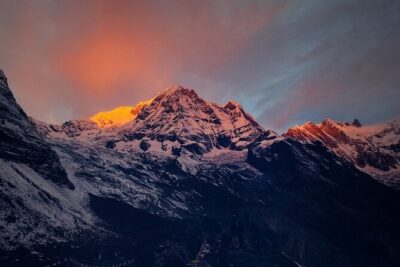
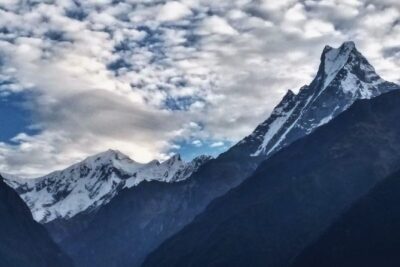
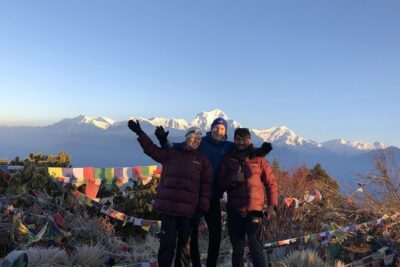
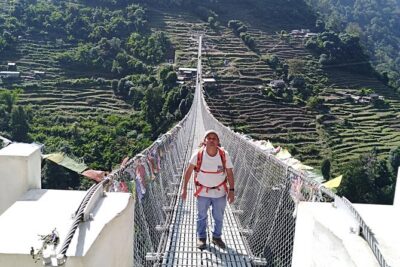
Trekking in Annapurna/Langtang/Everest/Upper Mustang regions
Read our review →
Kathmandu to Annapurna Base Camp (ABC) 5-Day Trek
Read our review →Browse the lists this trek appears in