
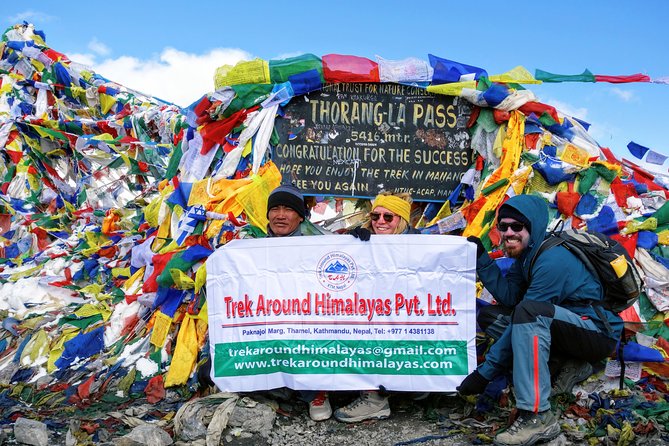
Review · KATHMANDU
Annapurna Circuit Trek 12 days
The big draw here is the quick change in scenery. Over 12 days, you move from farmed valleys and broadleaf forest toward dry alpine country, with the Annapurna range, Dhaulagiri, Machhapuchhre, Tilicho Lake, and the Kali Gandaki Gorge providing the grandest moments. Tilicho Lake at 4,919 meters is a serious highlight, not a casual roadside stop.
I like that the price covers a licensed guide, tea-house accommodation, permits, TIMS paperwork, taxes, and ground transport. I also like the human side of the service: guides such as Bimal and Nabin are specifically praised for steady support, regional knowledge, and attention to safety. The main catch is simple: meals are not included, and a porter costs extra, so your final bill will be higher than the headline price.
Key points to know before booking
- Tilicho Lake reaches 4,919 meters, making altitude planning central to the trip.
- The scenery changes sharply, from subtropical farmland and rhododendron forest to dry conifer country and alpine valleys.
- Tea-house lodging is included, but meals, hot showers, Wi-Fi, snacks, and drinks are paid separately.
- A licensed trekking guide is included, while porter service costs extra.
- The group can include up to 20 people, so ask about the expected group size before departure.
- The trip includes required permits and TIMS paperwork, which removes some of the usual planning work.
A 12-day route through several Himalayan worlds
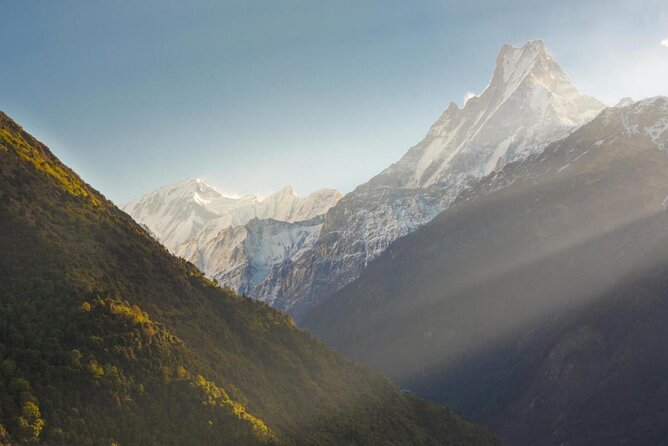
The Annapurna Circuit is appealing because it is not one long march through the same type of scenery. The route crosses several climate zones, and the change is visible in the trees, fields, river valleys, buildings, and wildlife.
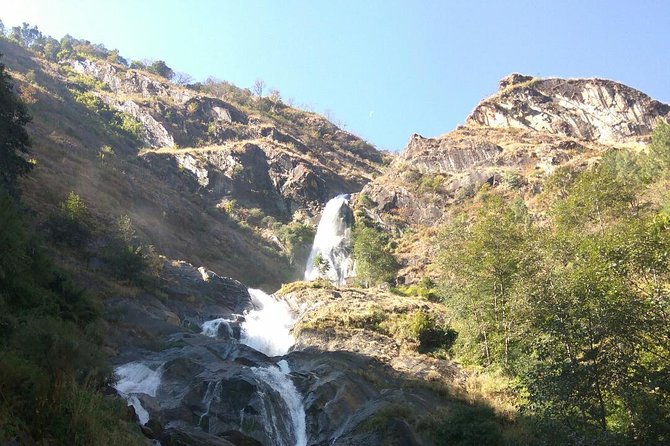
At lower elevations, the trail passes through land cleared for farming. You may see terraced fields and villages set along valley floors, with broadleaf forest in the less-developed patches. As the route rises, rhododendron forest becomes more important. In spring, these trees can flower in shades of red, pink, and white, depending on altitude.
Higher up, the forest thins. Blue pine and other conifers give way to open country, wind, rock, and stark high valleys. This is one reason I find the circuit more satisfying than a trek that simply climbs to one viewpoint and returns. You are watching the mountain environment change hour by hour.
The exact day-by-day stops are not specified in the supplied trip details, so you should request the final route before booking. The experience is described as a 12-day Annapurna Circuit trek, and the stated highlights include Tilicho Lake and the Kali Gandaki Gorge. A separate account describes a Pokhara to Jomsom and Muktinath start, but you should confirm whether that same sequence applies to your departure.
More Annapurna Treks in Kathmandu
- Annapurna Circuit Trek with Tilicho Lake
★ 5.0 · 368 reviews - Annapurna base camp trek 5 Days
★ 5.0 · 252 reviews - 14-Day Private Annapurna Base Camp Trek
★ 5.0 · 180 reviews
Kathmandu logistics and what the included transport means
The experience is based in Kathmandu, with pickup offered and ground transportation included according to the planned route. That is useful in Nepal, where road and trail connections can be a major part of the practical puzzle.
You are not paying only for a walk in the hills. The package includes transport connected with the trek, required conservation paperwork, TIMS, local and government taxes, and the guide’s expenses. Those inclusions reduce the number of arrangements you need to make yourself.
Still, do not treat the $769.24 price as an all-in holiday cost. Food in the city and on the trail is extra, as are water, bar bills, Wi-Fi, hot showers, and snacks. A porter is available for an additional fee, and tips for the guide, porters, and other staff are not included.
I would ask three questions before paying: Which transport legs are included? What is the precise starting point? Is the guide assigned in advance, or confirmed later? These are small questions, but they matter on a trek where road transfers and walking days shape the whole experience.
The Annapurna Conservation Area in changing light
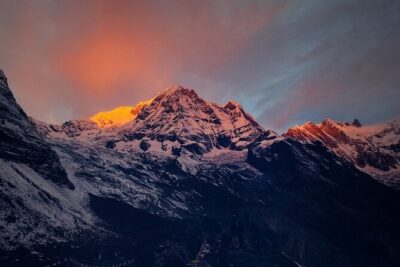
The conservation area covers 7,629 square kilometers and includes peaks, alpine meadows, high valleys, forests, lakes, glaciers, and rivers. The scale can feel almost excessive, but the route gives you a practical way to understand it: walk from one ecological zone into another.
The lower trails are tied closely to local agriculture. Farther upstream, forests become more pronounced. Rhododendron groves can feel enclosed and cool, with ferns and orchids attached to the old, twisted branches. In the dry conifer belt, the sound changes too. Instead of constant river noise, you may hear wind through the trees or bird calls.
The area is home to more than 10 ethnic groups, and the trek offers more than mountain scenery. Villages, farms, tea houses, and local customs provide the human setting for the route. Your guide can help explain local culture and the practical meaning of the places you pass through. Nabin, named in one account, was praised for his regional and cultural understanding, though guide assignments can change.
Wildlife is another part of the area’s identity. The conservation area supports 101 mammal species, 474 bird species, 39 reptile species, and 22 amphibian species. Snow leopards, musk deer, Tibetan argali, Tibetan wolves, and Tibetan foxes are symbolic species, not guaranteed sightings. Golden eagles, demoiselle cranes, and pheasants are also associated with the region.
I would keep expectations sensible. This is a mountain trek, not a wildlife safari. You might notice birdlife, animal tracks, or a distant call, but the reliable reward is the setting itself.
Tilicho Lake at 4,919 meters
Tilicho Lake is the most demanding and distinctive named stop in the experience. At 4,919 meters, it sits in a high, exposed setting where altitude becomes more than a number on a map.
The lake is valuable because it adds a special goal to the circuit. You are not only walking from village to village. You are making your way toward a high Himalayan body of water, surrounded by a more austere world than the lower valleys.
The drawback is the altitude. A trekker with only moderate physical fitness may be able to complete the trip, but Tilicho Lake should not be treated as an easy add-on. Your guide’s judgment matters here, especially if you feel unwell or the weather turns poor.
Ask exactly how the Tilicho section fits into the 12-day schedule. The supplied details identify the lake as a highlight but do not provide walking times, overnight locations, or the number of nights devoted to the approach. Those details will help you judge the pace and decide if the route suits you.
Same trailhead, a different route:
- Everest Base Camp Trek – 14 Days
★ 5.0 · 1,499 reviews - Everest Base Camp Trek
★ 5.0 · 842 reviews - Everest Base Camp Helicopter Tour landing at Everest View Hotel
★ 5.0 · 668 reviews - Everest Base Camp Trekking
★ 5.0 · 485 reviews
The Kali Gandaki Gorge and the dry side of the range
The route also reaches the Kali Gandaki Gorge, described as the world’s deepest canyon. It separates Annapurna I, at 8,091 meters, from Dhaulagiri, at 8,167 meters.
That contrast is the point. You may be standing in a broad, dry valley while enormous snowy peaks rise on either side. The setting is shaped by altitude and rain shadow, so it feels very different from the greener lower sections.
This stretch is especially useful for understanding the geography of the Annapurna region. The mountains are not just a line of white summits. They control rivers, forests, farming, weather, and the way communities connect with one another.
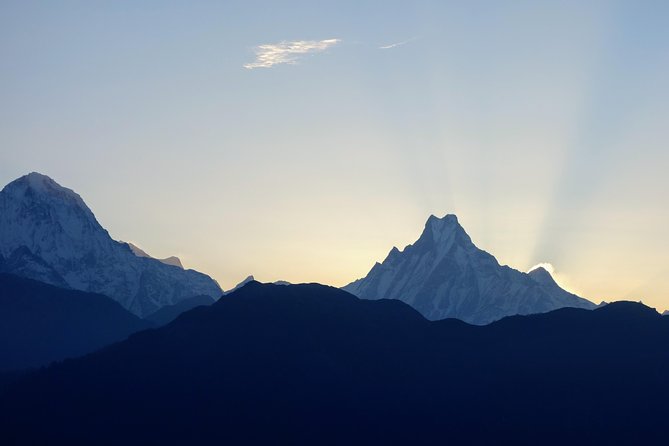
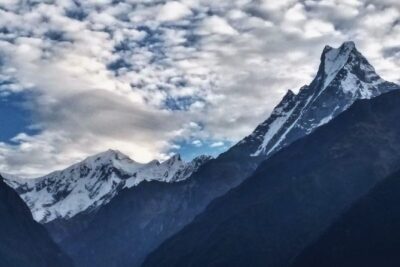
Machhapuchhre, at 6,993 meters, is another major mountain named in the trip description. Along with Annapurna I and Dhaulagiri, it gives you a strong sense of the range’s scale without requiring a technical climb. The experience is a trek among famous peaks, not a summit expedition.
Tea houses, meals, and the real cost of the trip
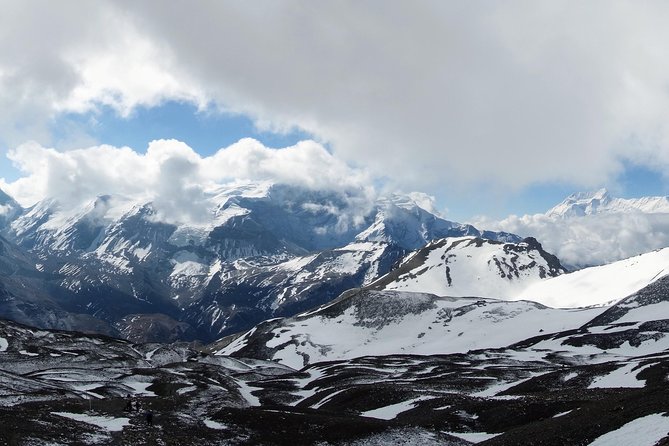
Tea-house accommodation is included, which is one of the most useful inclusions in a trekking package. You get a place to sleep along the route without arranging each night separately.
Tea houses are practical rather than luxurious. The supplied details do not promise private rooms, attached bathrooms, heating, or a particular standard of comfort, so ask what is included at each stop. Hot showers and Wi-Fi are specifically listed as extra expenses, along with water and snacks.
Food is also outside the package. This gives you some control over spending, but it means the $769.24 starting price needs context. Budget for meals each day, drinks, water, internet access if you want it, and any personal purchases in the villages.
A porter is optional and costs extra. If you prefer to carry only a light daypack, adding porter support may make the trek more comfortable. If you plan to carry your own gear, pack carefully and keep the load realistic for a 12-day route with high-altitude walking.
Tips are not included. You should plan a separate amount for your guide, porter if hired, and other staff. The exact amount is not provided, so ask the operator for current local guidance rather than guessing.
Guide support from Bimal, Nabin, and the wider team
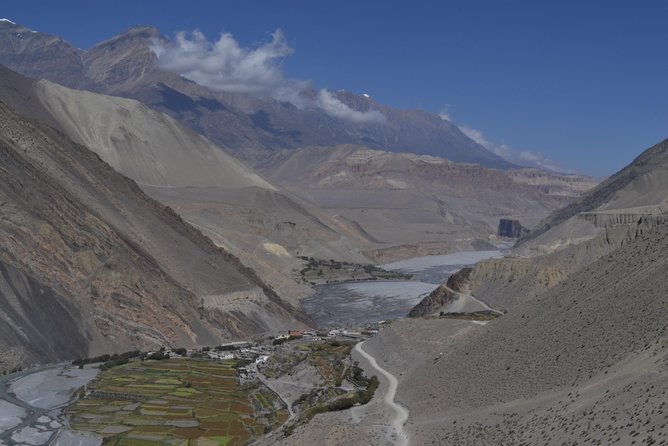
The guide is one of the strongest reasons to consider this package. A government-licensed, trained trekking guide is included, along with the guide’s expenses. That matters when the route reaches high elevations and weather can affect plans.
Bimal is named as a team member who helped with problems and made the trek feel welcoming. Nabin is identified as an experienced guide with strong knowledge of the region and local culture. These names do not guarantee who will lead your departure, but they give you useful examples of the kind of support associated with the operator.
A good guide does more than point toward the next village. You want someone who can help judge your pace, explain the area, manage practical problems, and respond sensibly if conditions change. One account also describes a guide gauging the group’s abilities and helping the group feel safe. That is exactly the sort of attention I would want on this route.
Because the maximum group size is 20, ask how many people are currently booked. A group of 20 can feel quite different from a small party, especially on narrow trails or during meal and lodging arrangements. The guide ratio and porter arrangements are worth clarifying too.
Fitness, altitude, and the weather rule
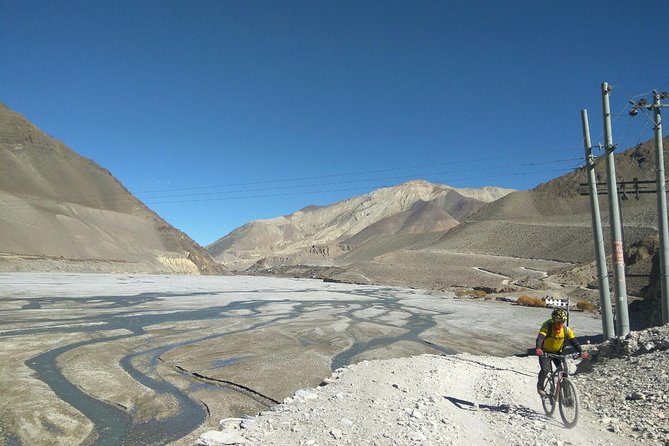
The trip requires a moderate physical fitness level. That phrase should be taken seriously. This is not a sightseeing bus route with occasional short walks. It is a 12-day trek through changing elevations, including a lake at 4,919 meters.
You should be comfortable walking for extended periods and managing uneven mountain trails. The supplied details do not state daily distances, elevation gain, or rest days, so request those figures before booking. They will tell you far more than the general fitness label.
Altitude is the main consideration. The route rises from low valleys into alpine country, and Tilicho Lake is particularly high. Your guide can help monitor your condition, but you need to speak up early if you feel ill. Do not push on simply because the schedule says so.
Weather also affects the departure. If poor weather causes cancellation, you are offered another date or a full refund. That policy is reassuring, but it does not remove the need for flexible plans. I would avoid placing an important international connection immediately after the trek.
How the $769.24 price measures up
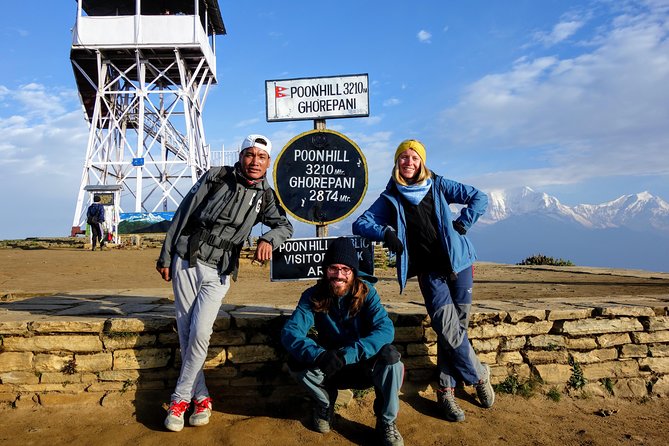
At $769.24 per person, the package offers a useful base for a guided Nepal trek. The price includes several costs that can add up quickly: tea-house lodging, licensed guide support, required permits, TIMS, taxes, and ground transportation.
The value is strongest if you want one company to handle the paperwork and route logistics while you focus on walking. It is also useful for a first Nepal trek, since the guide and permit arrangements are already part of the package.
The value is less clear if you expect a fully inclusive holiday. Meals, city expenses, snacks, hot showers, Wi-Fi, water, porter service, and tips are all extra. You should calculate those additions before comparing this package with a higher-priced option that includes more daily costs.
I would also compare the precise transport plan and lodging standard. Two 12-day treks can have very different costs if one includes more road transfers, better rooms, or porter service. The headline figure is attractive, but the details decide the final value.
Who should book this trek
I think this trip suits you best if you want a classic Himalayan route with strong scenery, local villages, forest changes, and a guide handling the major formalities.
It is especially suitable for a first Nepal trek if you have a reasonable fitness base and prefer organized support. The guide can help with route decisions, local customs, pace, and practical issues. The positive experiences associated with Bimal and Nabin also suggest that personal support is a central part of the service.
It may not suit you if you want luxury lodging, included meals, a private guide, or a slow schedule with plenty of spare days. The group may reach 20 people, and the high point at Tilicho Lake requires a sensible approach to altitude.
Before booking, ask for the full day-by-day plan, daily walking times, maximum altitude reached on each day, expected group size, guide assignment, porter price, meal costs, and transport details. Those answers will turn a promising outline into a clear decision.
Should you book the Annapurna Circuit Trek?
Book it if you want a guided, value-focused trek with tea-house lodging, permits, transport, and major Annapurna scenery built into one package. The mix of rhododendron forest, dry mountain valleys, the Kali Gandaki Gorge, and Tilicho Lake gives the route real variety.
I would book only after confirming the daily schedule and extra costs. The $769.24 price is a good starting point, not the full trip budget. If you accept basic lodging, pay-as-you-go meals, and a physically demanding route, this can be a rewarding first taste of Nepal’s high country.
Free cancellation is available up to 24 hours before the start time for a full refund. Changes made within 24 hours are not accepted, and a weather cancellation brings either another date or a full refund.
FAQ
How long is the Annapurna Circuit Trek?
The trek lasts approximately 12 days.
Where does the experience take place?
The experience is based in Kathmandu, Nepal, and includes ground transportation according to the planned route.
What is included in the price?
The price includes tea-house accommodation during the trek, a government-licensed trekking guide and the guide’s expenses, required permits and TIMS paperwork, government and local taxes, and ground transportation as set out in the route plan.
Are meals included?
No. Meals in the city and during the trek are not included.
Is a porter included?
No. Porter service is available for an additional cost.
Is a guide included?
Yes. A trained, experienced, government-licensed trekking guide is included.
What major natural sights are part of the trek?
The route includes views of Annapurna I, Dhaulagiri, and Machhapuchhre, plus access to Tilicho Lake and the Kali Gandaki Gorge.
How high is Tilicho Lake?
Tilicho Lake is located at 4,919 meters.
How fit do I need to be?
You should have a moderate level of physical fitness.
How many people can join the activity?
The maximum group size is 20 people.
Can I cancel for a full refund?
Yes. You can cancel at least 24 hours before the experience start time for a full refund. If poor weather causes the experience to be canceled, you are offered another date or a full refund.
Just added around Kathmandu
- Everest Base Camp Trek★ 5.0 · 3 reviews
- Everest Base Camp Trek★ 5.0 · 7 reviews
- 15 Days Private Everest Base Camp Trek★ 5.0 · 30 reviews
- Everest Base Camp Trek★ 5.0 · 57 reviews
- 14 Days of Adventure Trekking to Everest Base Camp★ 5.0 · 2 reviews
- 14-Day Everest Base Camp Trek★ 5.0 · 20 reviews
- From Kathmandu: Private 14-Day Everest Base Camp Trek★ 5.0 · 20 reviews
- 14 Days Everest Base Camp Trek★ 5.0 · 4 reviews
Annapurna Base Camp Treks, compared.
Trekking in Annapurna/Langtang/Everest/Upper Mustang regions
Read our review →
Kathmandu to Annapurna Base Camp (ABC) 5-Day Trek
Read our review →Browse the lists this trek appears in