Review · NEPAL
Kathmandu: Chisapani Nagarkot 3-Days 2-Nights Trek
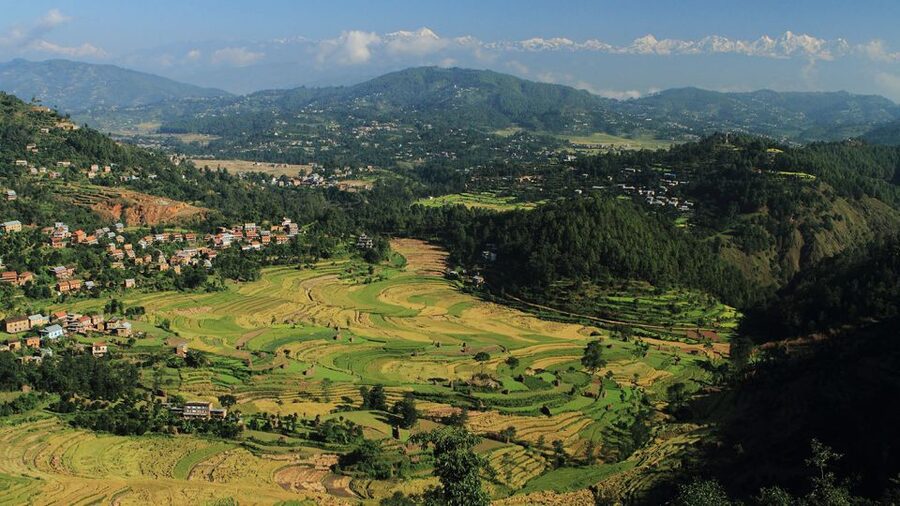
The best part of this trek is the contrast: you leave Kathmandu by car and soon walk through forest, Tamang villages, terraced fields, and mountain viewpoints. At Chisapani and Nagarkot, clear mornings can reveal Langtang Himal and other Himalayan ranges without the altitude risks of a longer Himalayan trek. The route feels like a real journey, not a string of roadside viewpoints.
I like the private hotel transfers, which remove a lot of fuss at both ends, and I like having an English-speaking guide who can adjust the pace and explain local life. Guides such as Dipak Karki, Ramesh, and Govinda Pathak have been praised for being friendly, attentive, and easy to talk with. The catch is the long hiking days, especially Day 2, plus weather that can hide the mountains entirely.
Key points to know before booking
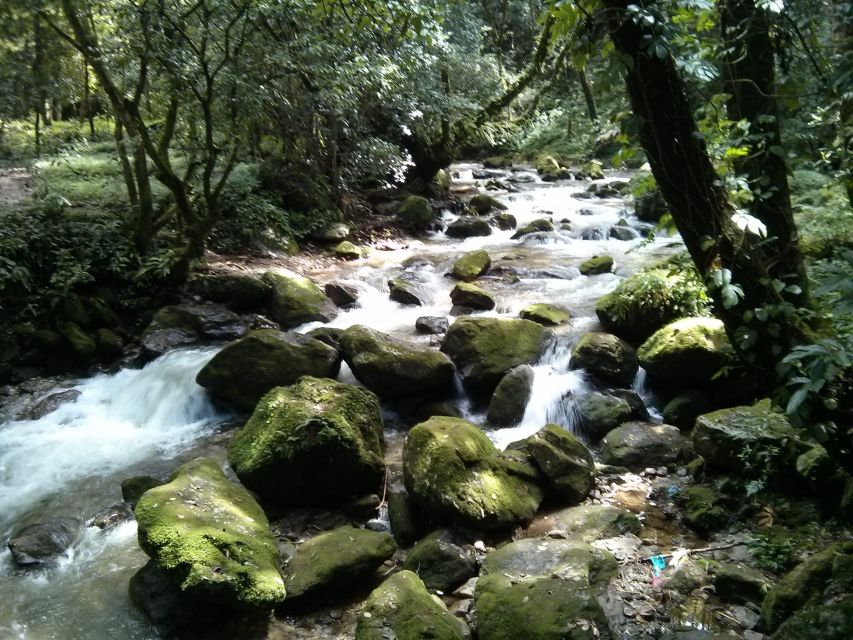
- Three distinct hiking days: Walk from Sundarijal to Chisapani, Chisapani to Nagarkot, then Nagarkot to Changu Narayan.
- Mountain views depend on weather: Langtang and other Himalayan peaks are possible, but clouds and monsoon rain can block them.
- A tough first day: The route begins with a steep stair climb beside a water pipe and includes five to six hours of hiking.
- The longest day reaches about 25 kilometers: Day 2 crosses forests, villages, and fields before the final climb to Nagarkot.
- Comfort improves on the second night: Chisapani uses the best available lodge, while Nagarkot includes a room with an attached bathroom.
- The price covers the basics: At $190 per person, you get transfers, permits, guide service, breakfasts, and accommodation, but not lunch, dinner, drinks, or a porter.
Why this short Nepal trek works
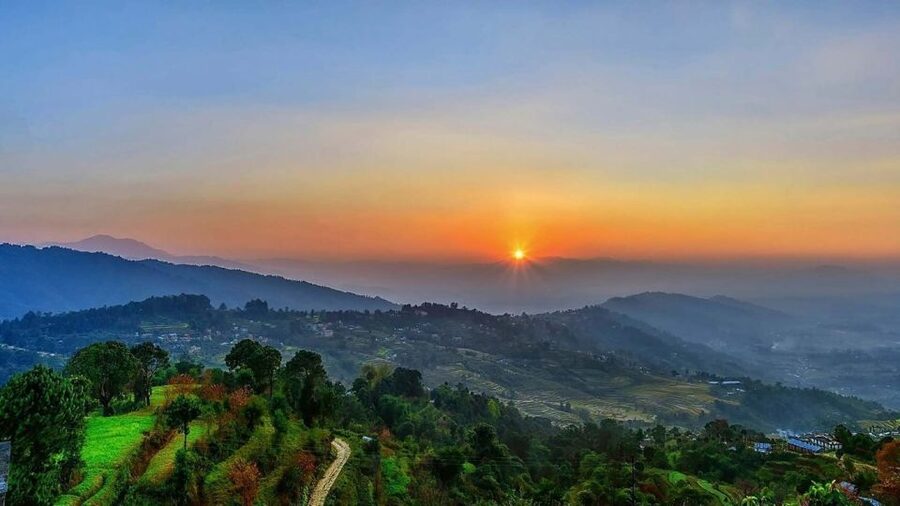
This is a good choice if you want a taste of Himalayan trekking but do not want to commit to a high-altitude route. The highest overnight point is Nagarkot at about 2,175 meters, and Chisapani sits at 2,165 meters. Those elevations can still feel demanding during a long walk, but this is a very different proposition from trekking deep into the high mountains.
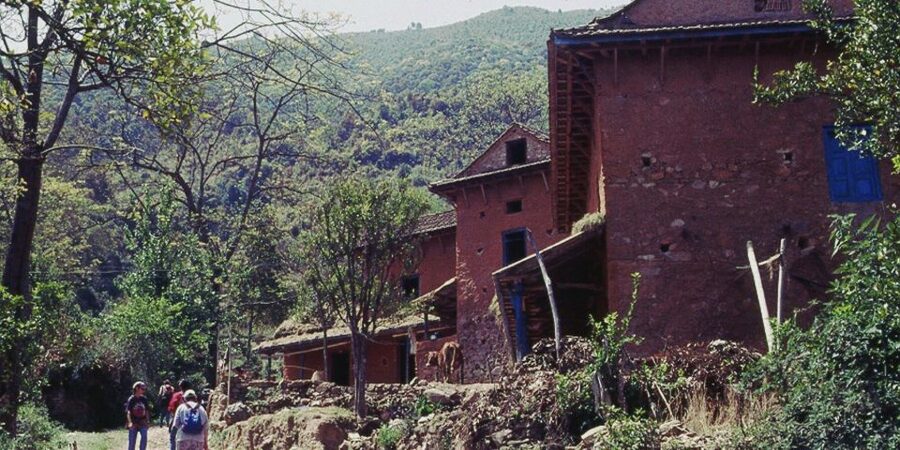
The route also gives you more than mountain views. You pass through Shivapuri National Park, Tamang villages, working farmland, and older settlements. The final approach to Changu Narayan adds a major cultural stop, with a temple dating to 323 A.D. That mix makes the trek worthwhile even on a cloudy day.
This is a private experience with an English-speaking guide, and that matters on a route with several climbs and changing trail conditions. Guides including Dipak Karki, Ramesh, and Govinda Pathak have been singled out for setting a comfortable pace, explaining Nepalese culture and nature, and helping with practical problems. If you are traveling alone, that personal support can make a three-day trek feel much less intimidating.
A few more treks around Nepal worth a look
- Everest Base Camp Trek – 14 Days
★ 5.0 · 1,499 reviews - Everest Base Camp Trek
★ 5.0 · 842 reviews - Everest Base Camp Helicopter Tour landing at Everest View Hotel
★ 5.0 · 668 reviews
Day 1: Sundarijal to Chisapani through Shivapuri National Park
Your day starts with hotel pickup inside Kathmandu Valley and a private drive of about one hour to Sundarijal, at 1,460 meters. This short transfer gets you away from the city quickly and places you at the trailhead without asking you to arrange local transport before breakfast.
The walking begins uphill beside a large water pipe descending from the Sundarijal Reservoir. Do not treat this as a gentle warm-up. The first day includes plenty of stairs and uphill walking, and the full hike takes about five to six hours. You will want proper hiking shoes, water, and a pace that leaves something in reserve for the later climb.
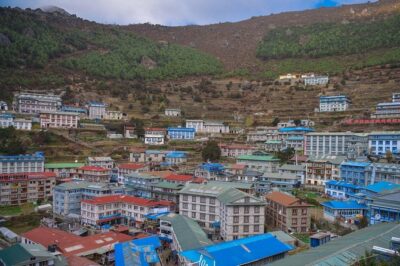
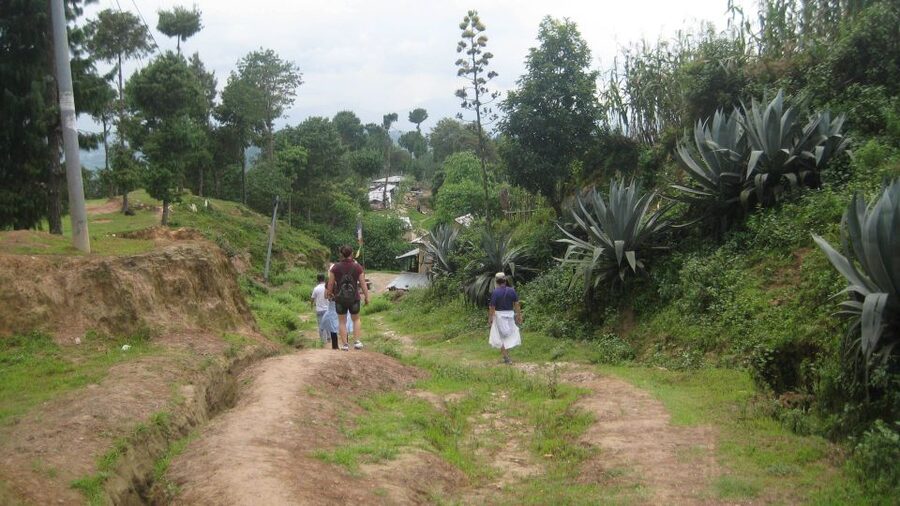
The trail enters Shivapuri National Park, where forest replaces the city traffic and roadside noise. You then continue toward Mulkharka Village before passing through a Tamang village. These settlements give the day a human scale. You are not simply walking through trees, you are moving between communities and farmland on a route used by local people.
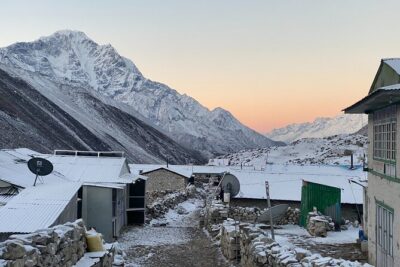
Chisapani sits at about 2,165 meters and is the reward for the climb. From here, clear conditions can open views toward Langtang Himal. Sunset is another reason to reach the village before dark, although clouds can erase the show. The overnight stay is in the best available lodge, with breakfast included.
Keep your expectations practical. Chisapani accommodation is functional rather than polished. One person found the room unprepared and had to manage without toilet paper, so pack a small personal supply and do not expect the same standard you might find in Nagarkot. The views and location are the point of this stop, not hotel-style service.
Day 2: Chisapani to Nagarkot across villages and fields
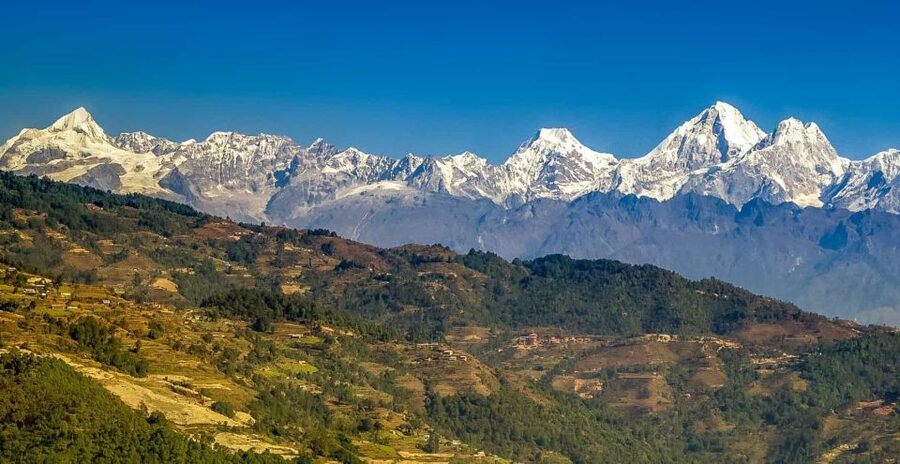
After breakfast, the trail climbs through forest before descending toward Jhule and Chauki Bhanjyang. This changing rhythm is one reason the second day feels varied, but it also makes the mileage deceptive. You are not walking on a flat path from one village to the next.
The route crosses villages and terraced fields before reaching Kattike Bhanjyang. Farming and village life become a bigger part of the day here, and you get a better feel for the settled hills around Kathmandu Valley. The scenery is not only about distant peaks. Terraces, forest, and small communities fill much of the walk.
From Kattike Bhanjyang, you climb again to Nagarkot, which is at about 2,175 meters. This final uphill section can feel hard after several hours on the trail. One account put the day at roughly 25 kilometers, so you should be prepared for a genuinely full day rather than a relaxed village stroll.
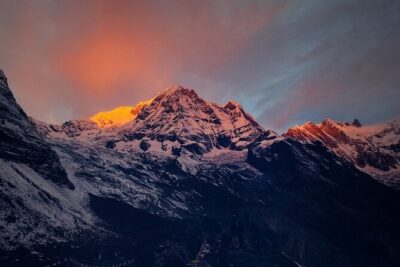
Nagarkot is one of the main reasons people choose this route. On a clear day, the viewpoint can reveal Langtang Himal and other Himalayan ranges. The view is never guaranteed, though. Booking during a season with better visibility improves your odds, but even October or spring can bring clouds.
The accommodation is generally a step up from Chisapani. Your room includes an attached bathroom, and the Nagarkot stop has been praised for helpful staff and good food. Food beyond the included breakfast is not part of the $190 price, so carry cash for lunch, dinner, and drinks.
The long second day is both the trek’s strength and its main warning. You see the greatest mix of forests, farms, villages, and mountain viewpoints, but you pay for it with distance. If you prefer short walks and long afternoons, this route may feel rushed.
Day 3: Nagarkot sunrise and the walk to Changu Narayan
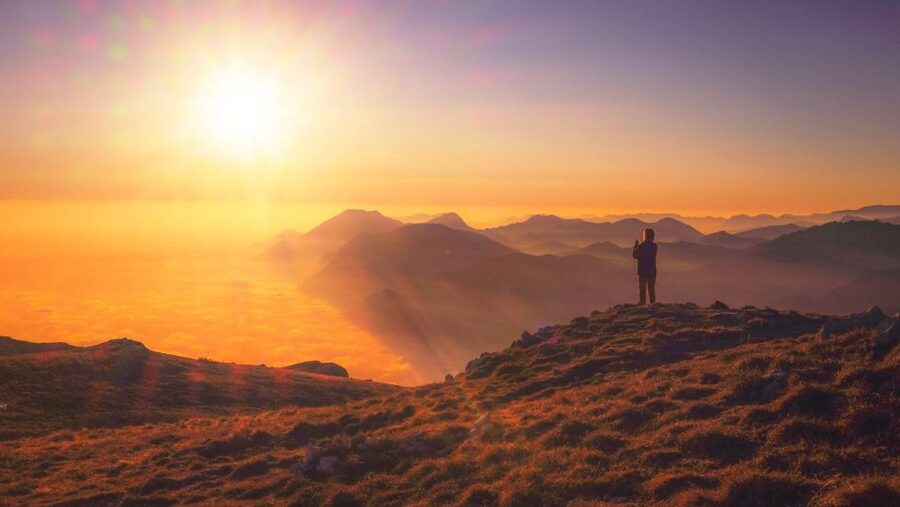
The final day begins early, with a wake-up before sunrise. This is your best chance to see the Himalayas before daytime haze and cloud build up. From Nagarkot, you look toward the mountains as the light changes, though clear skies remain essential.
After breakfast, you hike downhill toward Changu Narayan, passing via Telkot. The walk takes about three to four hours and is generally less demanding than the first two days. It is still a real descent, so trekking poles may help if you find downhill stairs hard on your knees.
Along the way, you get a bird’s-eye view toward Bhaktapur and Kathmandu. This gives the final day a different feel from the forest and mountain walking earlier in the trek. You are looking back toward the valley and the city rather than only ahead toward the peaks.
The walk ends at Changu Narayan, home to a temple dating to 323 A.D. This is a strong finish because the trek closes with cultural interest, not just a vehicle pickup. After visiting the temple area, your private vehicle takes you back to your Kathmandu hotel, a drive of about one hour.
The final day can also be adapted when weather turns bad. During heavy rain, one guide arranged a ride back to Kathmandu after the walk was stopped partway through. That flexibility is useful, but you should still bring rain gear rather than assume the route will stay dry.
Same trailhead, a different route:
- Everest Base Camp Trekking
★ 5.0 · 485 reviews - Annapurna Circuit Trek with Tilicho Lake
★ 5.0 · 368 reviews - Everest Base Camp Trekking – 13 Day
★ 5.0 · 365 reviews - Everest Base Camp Trek
★ 5.0 · 350 reviews
The guides make a real difference
The trail is not presented as a self-guided route with a printed map. You have a licensed English-speaking guide, and the quality of that relationship can shape the whole trip.
Dipak Karki, also called Mr. Dip by one group, has been praised for keeping people comfortable, explaining the route and Nepal in general, and bringing a light sense of humor. Ramesh has been described as especially helpful for solo hikers, with strong English and good communication before and during the trek. Govinda Pathak has been praised for his explanations about the mountains and nature, as well as his friendly manner.
Those names do not guarantee who will lead your departure. The important point is what you should expect from the guide role: pacing, route support, local information, and help when plans need to change. On steep first-day stairs or the long second day, that support is worth more than a guide who simply walks ahead.
The private format is also useful for solo visitors and small groups with different hiking speeds. You can discuss breaks and comfort directly with your guide. Still, the guide cannot remove the distance or the climbs, so be honest about your fitness at the start.
What the $190 price really covers
At $190 per person, the package is not just a bed and a trail escort. It includes hotel pickup in Kathmandu, private transport to Sundarijal, private transport from Changu Narayan back to Kathmandu, accommodation for two nights, breakfasts, national park and hiking permits, a licensed guide, and taxes.
That is a fair value if you want a private trek with transport arranged at both ends. You avoid the cost and trouble of organizing a vehicle to the trailhead, finding the route, and arranging the return from Changu Narayan. The private transfers are especially useful after three days of walking.
The price does not include lunch, dinner, drinks, or a porter. You should budget separately for meals and carry only what you need, since a porter is available only if you arrange and pay for one. A light day pack is much more pleasant on the stairs and long stretches of Day 2.
One booking note is worth taking seriously: confirm exactly what is included before you pay, and save a copy of the agreed details. The package information has caused confusion in the past when inclusions changed between booking and the trek date. Clear written confirmation protects both you and the operator.
Weather, seasons, and what you may actually see
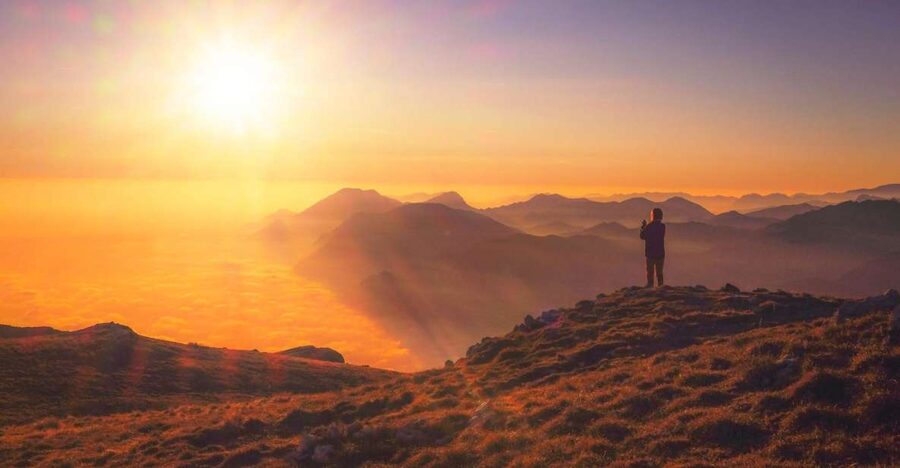
The Himalayan views are the headline, but they are weather dependent. Clear mornings can show Langtang Himal and other ranges from Chisapani and Nagarkot. Cloud, haze, or rain can turn those viewpoints into ordinary hill walks.
Monsoon months are wetter, but conditions can still surprise you. A June departure had clear weather and excellent views, while another trek in heavy rain had to be shortened on the final day. That means monsoon trekking is possible, but you should accept muddy or wet conditions and bring proper rain gear.
Autumn and spring are sensible times to seek better visibility, yet no season guarantees a clear mountain panorama. Your trip still has value in poor weather because the forest, terraces, villages, and Changu Narayan remain part of the route. Just do not pay for this trek expecting a guaranteed wall of snow peaks.
Pack a windbreaker, rain gear, warm clothing, and hiking shoes. Temperatures can change between the city, the forest, and the exposed viewpoints. Toilet paper is a sensible extra for Chisapani.
Who should book this trek
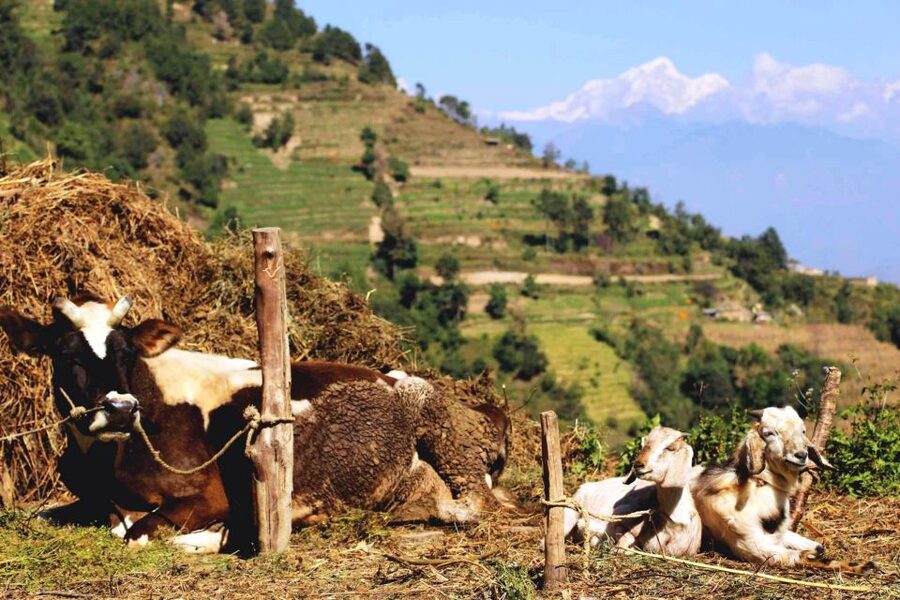
I would choose this trek if you have three days, want a moderate Himalayan introduction, and care about village scenery as much as peak views. It works well for solo visitors, couples, and small groups who want a private guide and arranged transport.
You should be comfortable with five to seven hours of walking per day. The first day has many stairs, and the second can reach roughly 25 kilometers. The final day is easier, but it still includes a long descent.
This is not the right choice if you want guaranteed mountain visibility, short walks, luxury accommodation, or all meals included. It is also not ideal if you dislike changing hotel standards. Chisapani is basic, while Nagarkot offers a more comfortable overnight stay.
Free cancellation up to 24 hours before departure and the option to reserve without paying immediately give you useful flexibility. Pickup is limited to Kathmandu Valley inside the ring road, so confirm that your hotel qualifies.
Should you book the Chisapani to Nagarkot trek?
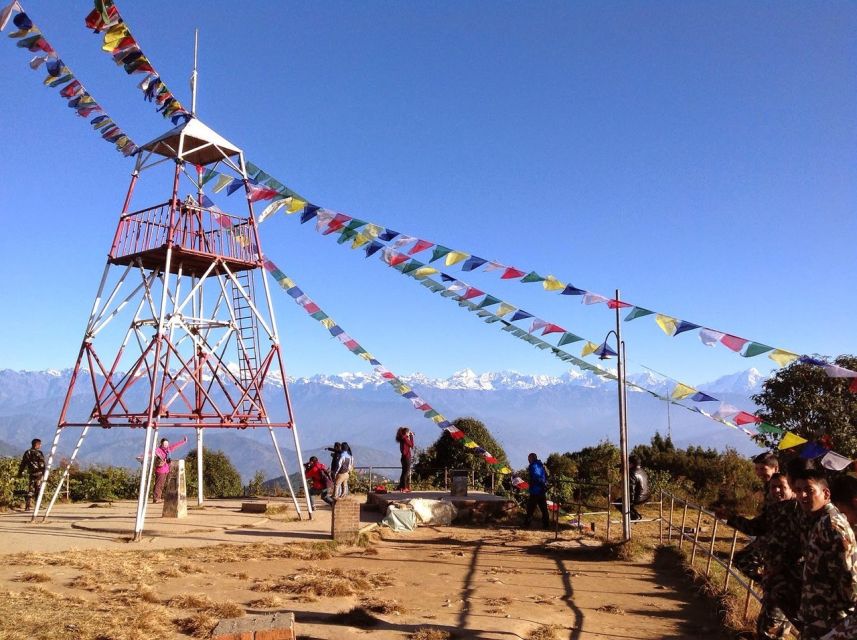
Book it if you want a compact, well-supported route with forests, villages, terraced fields, sunrise, and a historic temple at the finish. The $190 cost makes sense for private transfers, permits, guide service, breakfasts, and two nights of accommodation, especially if you are short on time.
Go in with realistic expectations. The best mountain views depend on luck, Day 2 is long, and Chisapani accommodation may be basic. Bring rain gear, warm layers, extra toilet paper, and enough money for meals and drinks. If you can accept those limits, this is a rewarding way to get out of Kathmandu and into the hills without signing up for a high-altitude expedition.
FAQ
How long is the Chisapani Nagarkot trek?
The trek lasts three days and two nights. Day 1 takes about five to six hours, Day 2 about six to seven hours, and Day 3 about three to four hours, followed by roughly a one-hour drive back to Kathmandu.
Where does the trek start and finish?
The trek starts at Sundarijal, reached by private vehicle from Kathmandu. It finishes at Changu Narayan, where a private vehicle takes you back to your Kathmandu hotel.
Are Himalayan mountain views guaranteed?
No. Clear weather can reveal Langtang Himal and other Himalayan ranges from Chisapani and Nagarkot, but cloud, haze, and rain may block the views.
What accommodation is included?
You stay in the best available lodge or guest house in Chisapani, with breakfast. In Nagarkot, accommodation includes breakfast and an attached bathroom.
Are meals included?
Breakfast is included at both overnight stops. Lunch, dinner, and drinks are not included, so you should budget separately for them.
What should I bring?
Bring a windbreaker, rain gear, hiking shoes, and warm clothing. Extra toilet paper is also a practical addition for the basic Chisapani lodge.
Just added around Nepal
- Everest Base Camp Trek★ 5.0 · 3 reviews
- Everest Base Camp Trek★ 5.0 · 7 reviews
- 15 Days Private Everest Base Camp Trek★ 5.0 · 30 reviews
- Everest Base Camp Trek★ 5.0 · 57 reviews
- 14 Days of Adventure Trekking to Everest Base Camp★ 5.0 · 2 reviews
- 14-Day Everest Base Camp Trek★ 5.0 · 20 reviews
- 14 Days Everest Base Camp Trek★ 5.0 · 4 reviews
- From Kathmandu: Private 14-Day Everest Base Camp Trek★ 5.0 · 20 reviews
Nepal Trekking Tours, compared.

Everest Base Camp Helicopter Tour landing at Everest View Hotel
Read our review →