
Review · CHINA
10 Days Tibet Everest Base Camp and Namtso Small Group Tour
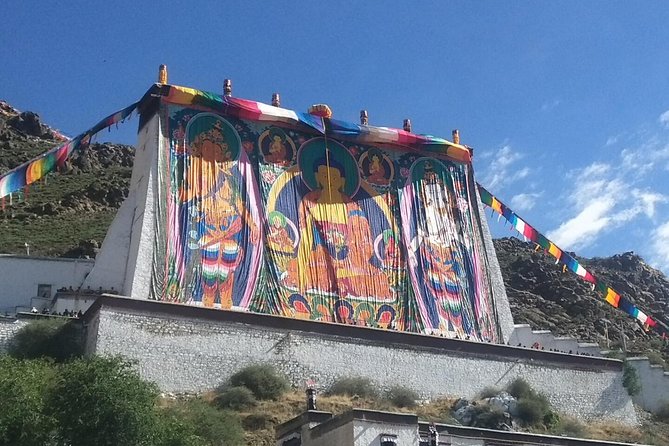
Tibet’s big payoff comes in huge doses here: Potala Palace, Everest Base Camp, and Namtso Lake all fit into one demanding 10-day route. You’ll also visit working monasteries, old villages, mountain passes, and roadside lakes with an English-speaking Tibetan guide in a group capped at 12 people.
I like the practical setup: permits, airport or train pickup, hotels, breakfasts, transport, and an oxygen cylinder are arranged for you. I also like the human side, especially the chance to walk Barkhor Street with pilgrims and locals, watch monks debate at Sera, and stop in Dadong Village. The main caution is altitude and long road days. One day is listed at 12 hours, and the advertised plan contains a few details you should confirm before paying.
Key points to know before booking
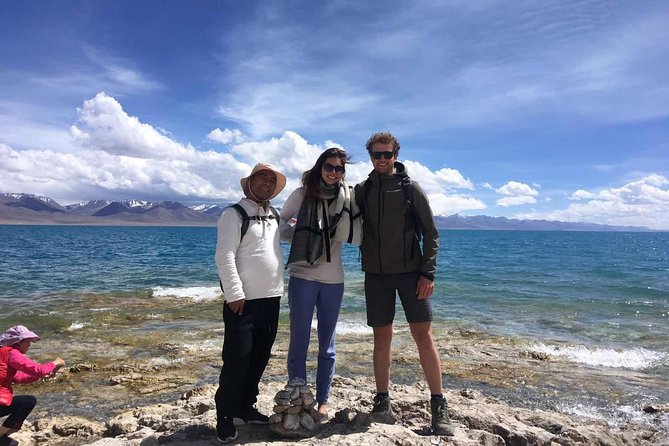
- Everest Base Camp is reached by road: You’ll see the mountain from Rongbuk Monastery and use the Everest Base Camp shuttle bus and platform service.
- The route reaches serious altitude: Gampala Pass rises to 4,790 meters, Gyatsola Pass to 5,248 meters, and Namtso sits at about 4,700 meters.
- The guide makes a major difference: Guides named in connection with this tour include Lobsang, Tseyang, Ga Rong, Tenzin, and Bai, though your assigned guide may be different.
- The price covers the hard-to-arrange parts: Permits, local transport, accommodation, breakfasts, entrance fees as described, and Lhasa pickup are included.
- You need time for permits: Book at least 20 days ahead and provide passport and China visa copies to the operator.
- Expect a road trip, not a relaxed city holiday: There are long drives, shared rooms, high passes, and a dormitory bed at Rongbuk Guest House.
Why this route works for a first Tibet visit
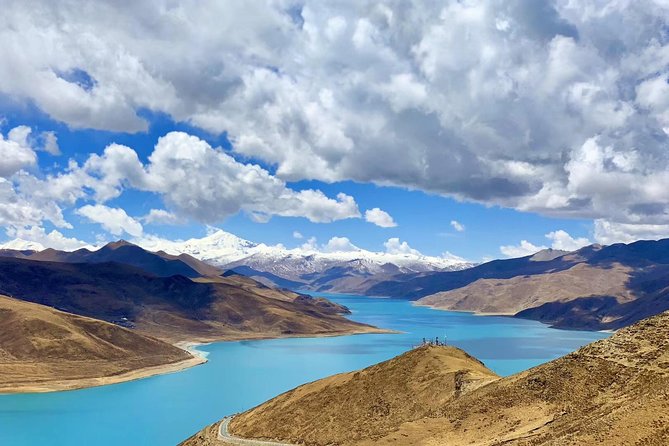
This tour is built around contrast. You begin in Lhasa, where grand religious sites and city life sit close together, then move through villages, monasteries, glacial passes, and high-altitude lakes. The route finishes with Everest and Namtso, two of Tibet’s most memorable natural sights.
For a first visit, that mix is useful. You do not have to choose between cultural sites and mountain scenery. The trade-off is pace. You spend much of the trip in a van or minibus, and the road distances are substantial. The itinerary mentions more than 2,000 kilometers, while another line refers to a 15-day journey even though the tour is sold as 10 days. Ask the operator to confirm the exact schedule before booking.
The group size is limited to 12. That is small enough for questions and easier movement than a large coach group, but it is still a shared trip. You will need to accept group timing at monasteries, meal stops, photo stops, and hotel departures.
More Everest Base Camp Treks in the world:
- Everest Base Camp Trek – 14 Days
★ 5.0 · 1,499 reviews - Everest Base Camp Trek
★ 5.0 · 842 reviews - Everest Base Camp Helicopter Tour landing at Everest View Hotel
★ 5.0 · 668 reviews
Days 1 to 3: Lhasa’s palaces, temples, and village life
Your Tibetan guide meets you at the airport or train station and takes you into downtown Lhasa. The transfer follows the Yarlung Tsangpo River and offers a first look at the high country before you settle into the city.
Do not treat arrival day as a sightseeing day. Lhasa is high, and the best use of your first hours is to rest, drink water, and let your body adjust. A welcome dinner is included when the group meets in Lhasa, giving you a low-pressure introduction to the guide and other group members.
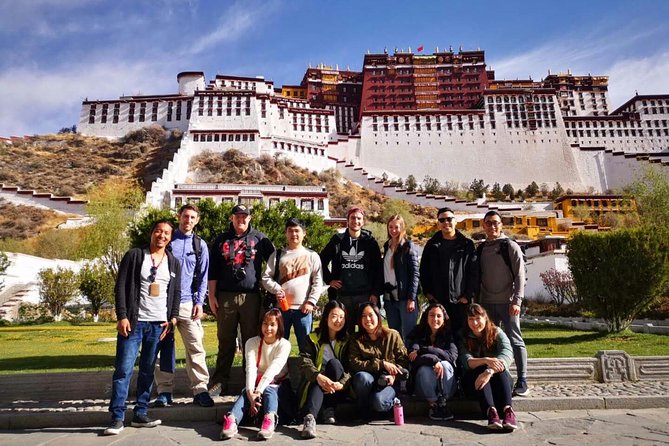
Day 2 begins at Potala Palace, the former winter palace of the Dalai Lama. The visit is scheduled for about 90 minutes, so expect a focused tour rather than an unhurried examination of every room. The palace is the visual centerpiece of Lhasa, but its importance is not just architectural. Its rooms and collections connect Tibetan religious leadership with centuries of political and spiritual life.
After lunch, you visit Jokhang Temple. The temple’s central image is a statue of Buddha Sakyamuni shown at age 12, and the building remains an important place of pilgrimage. Give yourself time to notice the movement around the temple, not just the interior. Devotees circle the building, pray, and make offerings as part of daily religious practice.
Barkhor Street surrounds Jokhang. This is one of the best places on the route to walk rather than simply take photographs from the minibus. You can follow the kora, the religious circuit around the temple, browse the old market, and possibly share Tibetan tea with local people in a tea house. The walking tour is a strong feature because it puts you close to ordinary Lhasa life.
Day 3 adds Dadong Village and Sera Monastery. Dadong is about 25 kilometers southwest of central Lhasa and is described as a well-preserved Tibetan village. The four-hour visit gives you a break from major monuments and lets you see older village buildings and a quieter setting.
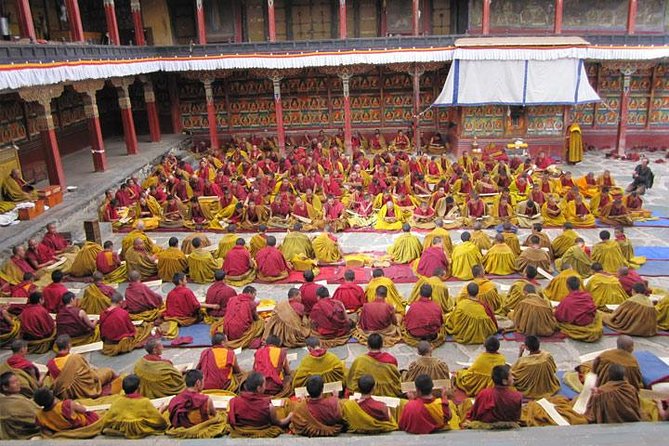
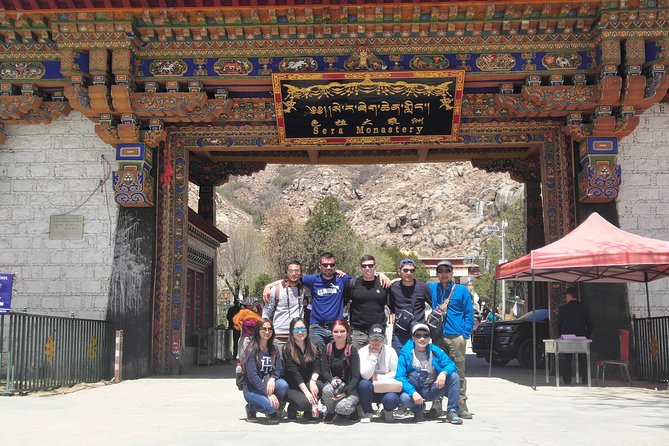
Sera Monastery is one of the three major Gelug monasteries in Tibet. Its monk debates, usually held from about 3 to 5 in the afternoon, are the key event. The debates are lively and physical, with questions, answers, gestures, and quick exchanges. Your guide can explain what you are seeing, which matters because the rhythm may otherwise seem like a performance with rules you do not know.
The guide team is one of the tour’s most important variables. The names associated with this operator include Lobsang, praised for helping a group member on temple steps, Tseyang, Ga Rong, Tenzin, and Bai. Their reported strengths include warmth, responsibility, and clear explanations of Tibetan culture and Buddhism. You cannot select your guide from the information provided, so treat these names as examples rather than a promise.
Day 4: Yamdrok Lake, mountain passes, and Gyantse
The road from Lhasa toward Shigatse crosses Gampala Pass at about 4,790 meters. From the pass, you get a view of Yamdrok Yumtso, also called Yamdrok Lake, at roughly 4,400 meters.
The lake is surrounded by snow-covered mountains, and the short 30-minute stop is designed for a broad view and photographs. Do not expect a lakeside walk or a long time by the water. At this altitude, even a short stop can feel more tiring than the clock suggests.
You then pass Karola Glacier and Manak Dam Lake. At Simila Mountain Pass, you can hang prayer flags. These roadside stops give the day variety, but the experience depends heavily on weather, road conditions, and visibility. The tour company notes that bad weather, monastery closures, and similar events can force changes.
The day ends in Gyantse, historically Tibet’s third-largest city after Lhasa and Shigatse. This is an important transition point. The route begins to feel less like a city tour and more like a high-altitude expedition by road.
Days 5 and 6: The long road to Everest Base Camp
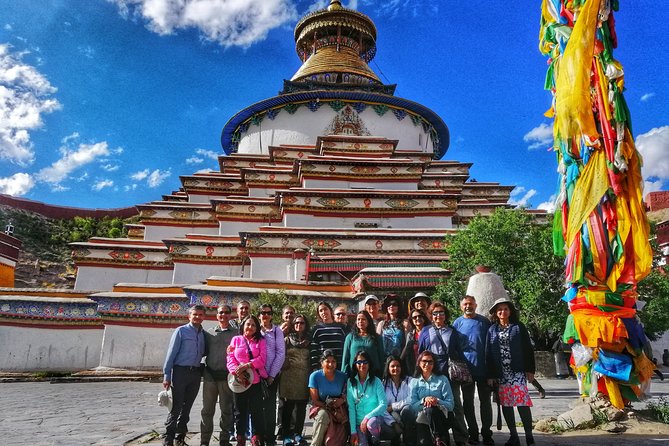
Day 5 is the hardest travel day. After the required permit arrangements, you drive toward Lhatse for lunch, then cross Tsola Pass at about 4,600 meters and Gyatsola Pass at approximately 5,248 meters before entering the Qomolangma National Nature Preserve.
The schedule gives this section about 12 hours. That is not a minor detail. You will spend most of the day seated in the vehicle, with stops shaped by the route and road conditions. The views are the reward, but this is not a good choice if you want a gentle holiday or dislike long mountain drives.
The oxygen cylinder in the vehicle is a sensible safety provision. It does not remove the need to take altitude seriously. You should have a moderate level of physical fitness, move slowly at stops, and tell your guide if you feel unwell. The tour is not described as a trek, but high passes, stairs, cold conditions, and long days still put demands on you.
At Rongbuk, accommodation is in a guest-house dormitory bed. This is the most basic night of the trip and one of the details that can surprise people who focus only on the headline price. The dormitory arrangement is part of the Everest experience, but you should be comfortable with shared lodging and limited comfort.
Day 6 brings the trip’s defining sight. From Rongbuk Monastery, you can watch sunrise appear over Mount Everest and see the mountain as a snow-covered pyramid. The visit is listed at about an hour, so the timing matters. Bring warm layers and be ready to leave early if the group is scheduled for sunrise.
The route includes the Everest Base Camp shuttle bus and platform service. That helps reduce the road burden near the site, but you should not picture a technical climb or a remote expedition. This is a scenic and cultural visit to the Everest area, reached with permits and organized transport.
A few more treks around the world worth a look
- Mount Etna: Trek to 3000m with cable car and 4×4
★ 4.6 · 3,823 reviews - Bali: Mount Batur Sunrise Trek With Guide and Breakfast
★ 4.8 · 3,461 reviews - From Chania: Full-Day Samaria Gorge Trek Excursion & Guide
★ 4.6 · 3,191 reviews - Mount Etna: Summit Crater Trek with Cable Car
★ 4.8 · 1,875 reviews
Day 7: Tashilunpo Monastery and the return toward Lhasa
Tashilunpo Monastery is the seat of Tibet’s second-highest incarnation, the Panchen Lama. The visit lasts about two hours and gives you another chance to understand Tibetan Buddhist institutions beyond the famous sites in Lhasa.
Afterward, the group drives about 280 kilometers back toward Lhasa. Again, the key point is time in the vehicle. You will see more of Tibet from the road, but there may be limited freedom to stop whenever a view catches your eye.
This is where an attentive guide earns their keep. A good guide can turn a long transfer into a lesson in local geography, religion, and daily life. The operator’s guide team has been praised for being friendly, patient, and willing to explain Tibetan culture. Ask questions as you go. This route rewards curiosity.
Days 8 and 9: Namtso Lake at high altitude
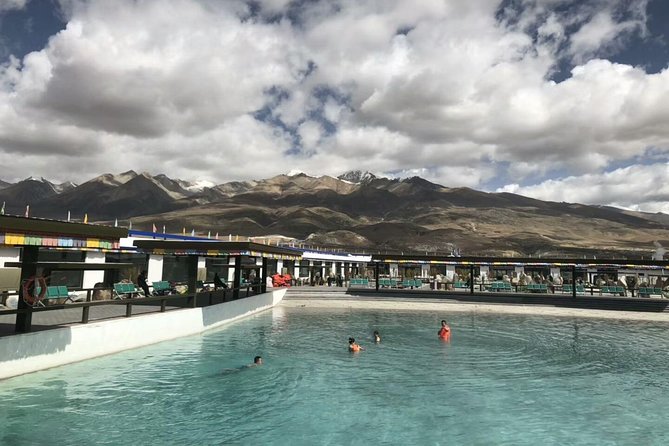
Day 8 takes you from Lhasa to Namtso, one of Tibet’s four holy lakes and the world’s highest saline lake. The route includes views toward the snow-covered Nyenchen Thanglha mountain range, so the drive itself is part of the experience.
At Namtso, the group visits Zhaxi Peninsula, the largest of five holy islets in the lake. These islets are linked with the Five Buddhas, and the peninsula offers a broad view across the water. The planned visit lasts about two hours, enough for a walk and photographs if you are feeling well.
Namtso is high, at roughly 4,700 meters. The lake can be more physically demanding than its easy-looking shoreline suggests. Walk slowly, keep water with you, and avoid turning a short visit into a race for the best photograph.
Day 9 adds an off-road vehicle and tourist shuttle bus to the Stone Elephant Gate on the northern shore. The stop itself is listed as only one minute, which likely reflects a brief scheduled viewpoint rather than a full activity. Confirm the exact timing if this sight matters to you.
The Namtso portion is valuable because it gives you a different kind of mountain setting from Everest. Everest is a single dramatic peak. Namtso is open water, high passes, distant ranges, and sacred geography. Together they make the natural side of the tour feel varied rather than repetitive.
What the $1,329 price really covers
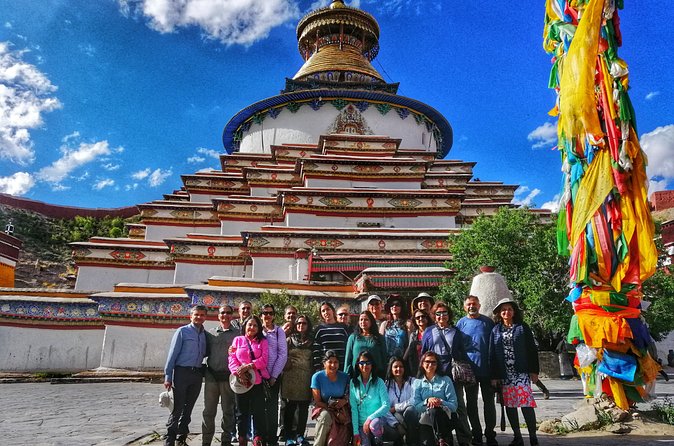
At $1,329 per person, based on double occupancy, the price is reasonable for a tightly regulated Tibet route if you value convenience. The package includes Tibet Travel Permit and other required permits, an English-speaking Tibetan guide, an experienced local driver, fuel, airport or train pickup and drop-off in Lhasa, hotels, nine breakfasts, drinking water, a map, liability insurance, an oxygen cylinder, and the listed sightseeing transport.
It also includes the welcome dinner and the Rongbuk accommodation. The price is not all-inclusive, however. You pay for your own flights or train to Lhasa, lunches, most dinners, tips, and a Chinese visa where required. Single-room accommodation costs extra and depends on availability.
There is one point worth clarifying in writing. The inclusion section says entrance fees for listed sites are included, while several individual itinerary entries say admission is not included. Ask the operator which fees are covered, especially for Potala Palace, Jokhang Temple, Yamdrok Lake, Karola Glacier, Everest-area sites, and Namtso.
The tour’s value also comes from paperwork. Independent arrangements in Tibet are not simple, and the permit process requires planning. Book at least 20 days ahead, and provide passport and China visa copies by the requested deadline.
Visa rules, pickups, and practical limits
Your visa route depends on how you enter Tibet. If you fly from Kathmandu, the instructions say not to apply for a China visa in advance because you need a Tibet Group Visa through a travel agency and the Chinese Embassy in Kathmandu. If you enter from another Chinese city by flight or train, you need a China visa from the Chinese Embassy in your home country.
That distinction is important. Ask the operator which documents apply to your exact route before booking transport.
Pickup is available from the Lhasa airport or train station, but it must be arranged by the supplier. The activity begins at 9:00 a.m., and it ends back at the meeting point in Lhasa. Service animals are allowed. The operator also notes that conditions such as bad weather or monastery closures can alter or cancel activities.
Cancellation is generous only if you act early. You can receive a full refund when you cancel at least six full days before the start time. A cancellation two to six days ahead receives 50 percent, while a cancellation less than two days ahead is nonrefundable.
Who should book this Tibet tour?
You should consider it if you want the main Tibetan sights handled in one package, prefer a small group to a large coach, and can accept long drives, high altitude, and basic lodging at Rongbuk. It suits first-time visitors who want cultural sites in Lhasa plus Everest and Namtso without arranging permits and local transport themselves.
It is less suitable if you want a slow schedule, private rooms every night, flexible meal choices, or a walking-focused holiday. The route is physically moderate on paper, but altitude makes ordinary walking harder. You also need patience when the itinerary changes because of weather or site closures.
FAQ
How long is the Tibet Everest Base Camp and Namtso tour?
The tour is advertised as lasting 10 days. One itinerary note refers to a 15-day journey and more than 2,000 kilometers, so you should confirm the final day-by-day schedule with Tibet Vista before booking.
What is included in the tour price?
The package includes Tibet Travel Permit and other necessary permits, an English-speaking Tibetan guide, local transport and fuel, Lhasa airport or train pickup and drop-off, accommodation, nine breakfasts, drinking water, a Tibet map, liability insurance, an oxygen cylinder, the welcome dinner, listed entrance fees, and Everest shuttle and platform services as described.
Are flights or trains to Lhasa included?
No. Your flight or train ticket to Lhasa is not included, although the operator can help arrange it.
What type of accommodation is provided?
Hotels are based on twin sharing with breakfast. At Rongbuk, the accommodation is a dormitory bed at the guest house. A single-room supplement is available only if space allows and costs extra.
How far in advance should I book?
Book at least 20 days ahead so the operator can obtain the Tibet Permit. You must provide copies of your passport and China visa at least 20 days before the travel date.
Is this tour physically demanding?
You need moderate physical fitness. The route crosses passes above 4,700 meters, includes long drives, and reaches Namtso at about 4,700 meters. An oxygen cylinder is carried in the vehicle, but you still need to pace yourself and tell your guide if you feel unwell.
Should you book it?
Book this tour if your priority is seeing Lhasa, Everest Base Camp, and Namtso in one organized trip, with permits and transport taken care of. The strongest reasons are the small group, local English-speaking guide, thoughtful cultural stops, and the rare chance to combine Sera’s monk debates and Barkhor’s pilgrimage circuit with Everest and Namtso.
Before paying, confirm the exact 10-day schedule, entrance-fee coverage, room arrangements, and visa route. If you are prepared for high altitude, long road days, and a dormitory night at Rongbuk, this offers a strong introduction to Tibet at a fair package price.
Just added around the world
- Everest Base Camp Trek★ 5.0 · 3 reviews
- Everest Base Camp Trek★ 5.0 · 7 reviews
- 15 Days Private Everest Base Camp Trek★ 5.0 · 30 reviews
- Everest Base Camp Trek★ 5.0 · 57 reviews
- 14 Days of Adventure Trekking to Everest Base Camp★ 5.0 · 2 reviews
- 14-Day Everest Base Camp Trek★ 5.0 · 20 reviews
- From Kathmandu: Private 14-Day Everest Base Camp Trek★ 5.0 · 20 reviews
- 14 Days Everest Base Camp Trek★ 5.0 · 4 reviews
Everest Base Camp Treks, compared.
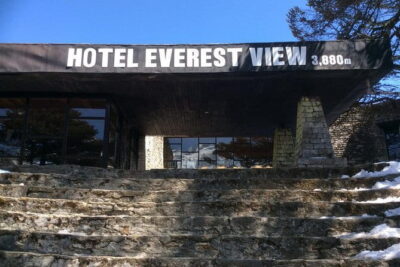
Everest Base Camp Helicopter Tour landing at Everest View Hotel
Read our review →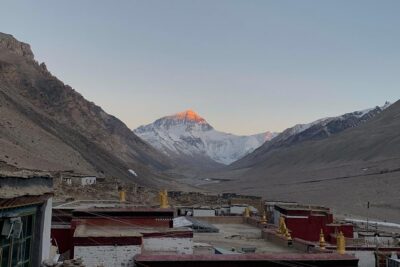
Tibet Tour 8 Days Lhasa to Everest Base Camp Small Group Tour
Read our review →
Dubai: Private Luxury Everest Yacht Cruise from Dubai Marina
Read our review →
Browse the lists this trek appears in