
Review · KATHMANDU
14-Days Private Everest Base Camp Trek Activity
The big prize here is not simply reaching Everest Base Camp. It is the slow approach through Sherpa villages, suspension bridges, Buddhist mani walls, high valleys, and a procession of huge peaks. By the time you reach Gorakshep and the Khumbu Glacier, the mountain scenery feels earned rather than delivered from a viewpoint.
I like the private format, since your group can move at its own pace with a guide rather than joining a large departure. I also like the two proper acclimatization days, one in Namche Bazaar and another in Dingboche. The main drawback is that this is a demanding high-altitude walk with basic teahouse lodging, uncertain Lukla flights, and insurance and other expenses left outside the $1,600 price.
Key points before you book
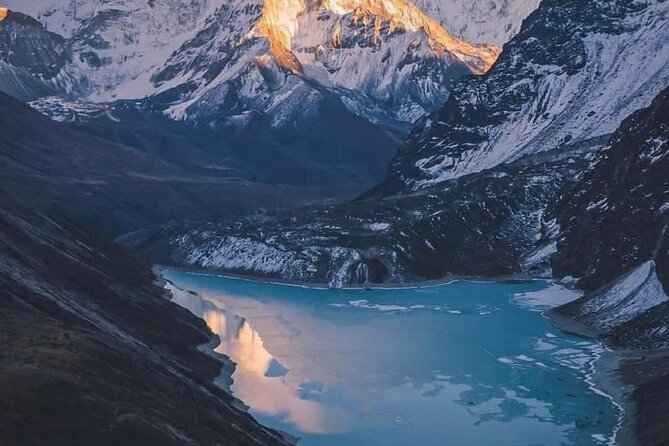
- Kala Patthar at sunrise: The early climb gives you the clearest stated viewpoint of Everest, Ama Dablam, Pumori, and nearby peaks.
- Two acclimatization stops: Namche Bazaar and Dingboche break up the ascent and give your body time to adjust.
- Private guiding: Only your own group participates, with pickup offered and a guide leading the route.
- Sherpa villages and mountain culture: Phakding, Namche, Khumjung, Tengboche, and Dingboche make the trek more than a mountain photo mission.
- Teahouse-based adventure: Expect simple accommodation, rocky trails, suspension bridges, and meals listed as included throughout the 14 days.
- A demanding return: The route comes back through Pheriche, Namche, and Lukla, with a flight to Kathmandu before your final departure.
What the $1,600 price means in practice
At $1,600 per person, this trek offers a substantial amount of guiding over 14 days, plus airport pickup, the route through the Everest region, meals, and the return flight from Lukla to Kathmandu as described in the schedule. The price is easier to judge if you see it as a guided mountain expedition rather than a sightseeing tour.
The included meals are breakfast, lunch, and dinner for the trip. Accommodation may be in a three-star or five-star Kathmandu hotel, depending on the package selected, while the mountain portion uses teahouses. That difference matters. Kathmandu lodging can feel comfortable, but the higher you walk, the more basic the setting becomes.
You should budget separately for travel insurance and any expense not specifically listed. The wording also leaves some costs unclear, so I would ask before paying exactly what is covered by the $1,600 price: domestic flights, permits, porter support, beverages, extra nights, and equipment are not all spelled out in the supplied details.
The private setup adds value if you want personal attention or are traveling with friends and family. It may be less attractive if you are looking for the lowest possible price or enjoy meeting a large mixed group. The company has arranged other demanding routes, including Three Passes, Gokyo, and Island Peak trips, but this particular plan is the standard Everest Base Camp route.
More Everest Base Camp Treks in Kathmandu:
- Everest Base Camp Trek – 14 Days
★ 5.0 · 1,499 reviews - Everest Base Camp Trek
★ 5.0 · 842 reviews - Everest Base Camp Helicopter Tour landing at Everest View Hotel
★ 5.0 · 668 reviews
Kathmandu arrival and Thamel preparation
Your first day begins at Tribhuvan International Airport, where a representative meets you and transfers you to your hotel. The welcome includes a marigold garland and a drink, followed by an explanation of the next day’s plan.
This is a useful low-key start. You can rest after your flight, meet your guide, and check any last-minute gear in Thamel, Kathmandu’s main tourist market. The schedule specifically allows time to look around Thamel and prepare for the mountains, which is sensible. Do not treat arrival day as a full sightseeing day. Use it to recover, organize your bag, and make sure you understand the next morning’s movement to Lukla.
The accommodation level depends on the package you choose. The itinerary says three-star or five-star hotel, so confirm which one applies to your booking. Pickup is offered, and the experience has mobile ticketing, making the first arrival fairly straightforward.
Lukla to Phakding, your first Himalayan walking day
After landing at Lukla, you meet the trekking team, eat breakfast at a teahouse, and begin toward Phakding. This first walk is gentler than the days ahead because Phakding sits lower than Lukla.
The route follows rocky paths past mani walls and chortens, then descends through Cheplung. You also get a view of Mt. Khumbila, a mountain with strong importance in the local Sherpa region. The scenery begins at once, but this is still an adjustment day. You are learning how to walk with a pack, how to pace yourself, and how the trail works.
A practical point: the schedule describes permits being handled along the way, including the Pasang Lhamu Rural Municipality permit and the Sagarmatha National Park permit later near Monjo. Keep your documents accessible and let the guide handle the local process.
The hard climb into Namche Bazaar
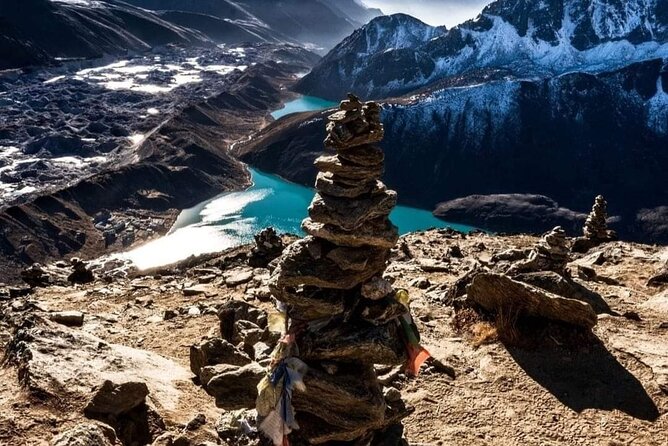
Day three is one of the first serious tests. You pass through Monjo, complete the national park permit process, and continue to Jorsalle for lunch. After that comes the famous uphill section, including suspension bridges and the Tenzing Hillary suspension bridge.
The trail follows the Dudh Koshi River before climbing through alpine and juniper forest toward Namche Bazaar. This section can feel long because the route gains height steadily. The best advice is simple: slow down before you feel exhausted. Your guide should help set a pace that protects your energy for the days ahead.
Namche is more than an overnight stop. It is the main trading and service center in the Khumbu Valley, with restaurants, cafés, ATMs, and fast internet services listed in the itinerary. It is also the last place on this route described as having this level of convenience. Enjoy it, but do not assume the mountain portion will offer the same options.
A few more treks around Kathmandu worth a look
- 14-Day Private Annapurna Base Camp Trek
★ 5.0 · 180 reviews - 14 Days Private Tour Everest Base Camp Trek
★ 5.0 · 105 reviews - 15 Days Private Everest Base Camp Trek
★ 5.0 · 30 reviews - 5 Day Private Guided Trekking in Annapurna Base Camp
★ 5.0 · 25 reviews
Namche Bazaar and Khumjung for acclimatization
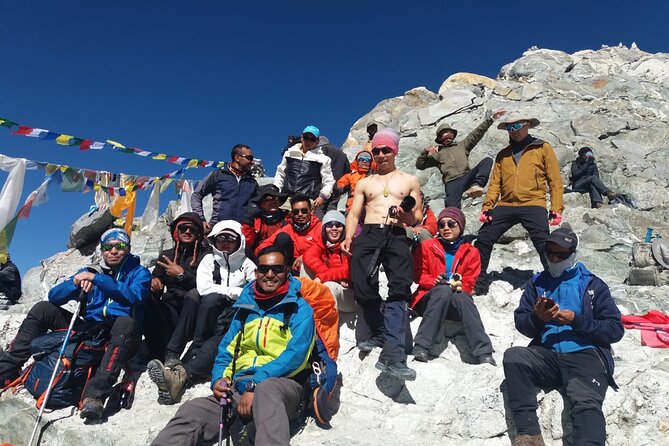
The fourth day is intended for altitude adjustment. The itinerary names Khumjung as the stop, while also describing Namche as the base for this rest day. Either way, the purpose is clear: you do not simply keep climbing every day.
This pause is one of the strongest features of the plan. Acute mountain sickness becomes a real concern as you gain height, and a rest day gives your body time to respond. The available description does not set out a fixed walking program for the day, so ask the operator whether your group will take a short hike toward Khumjung, stay around Namche, or follow another acclimatization plan.
The local setting is part of the value. Namche developed as a trading point between local Sherpa communities and people from Tibet. You get a chance to see a working mountain town, not just a collection of lodges serving hikers.
Tengboche and the Ama Dablam views
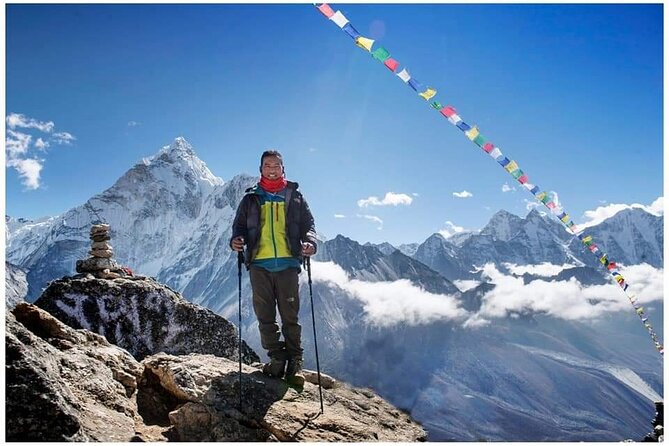
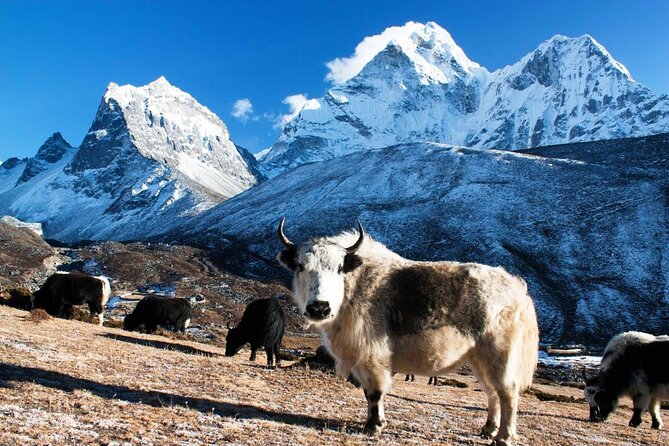
From Namche, the trail heads toward Tengboche along rocky, dusty paths. The reward is a closer look at Ama Dablam, Khangtega, and other major peaks. The route passes through forest before reaching Tengboche, and the day involves sustained uphill walking.
Watch your footing on small stones and uneven ground. You also share the path with yaks, which carry supplies in the region. The practical rule is important: step to the side and give the animals room. Do not stand in the middle of the trail, and do not try to squeeze past them.
Tengboche is one of the memorable mountain settlements on the route because the forest gives way to wider high-country views. The plan calls for a teahouse overnight. As with the rest of the trek, expect the accommodation to be functional rather than luxurious.
Dingboche and the second altitude break
Day six continues toward Dingboche, with the route climbing through drier vegetation and windy open sections. You cross a small stream by suspension bridge and then walk over rocky ground toward the settlement.
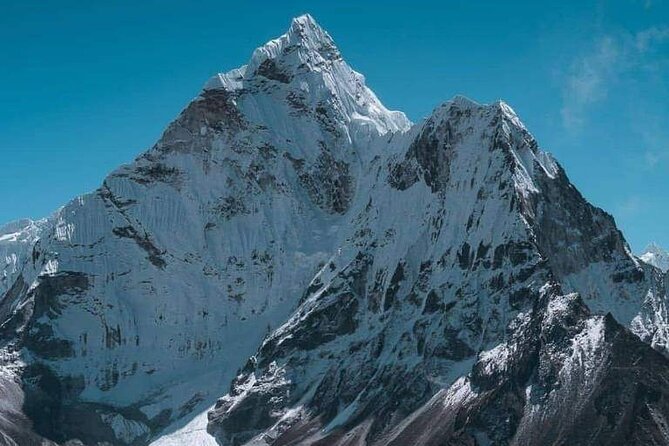
Dingboche sits at about 4,410 meters, so the next day is reserved for acclimatization. This is a key safety feature, not wasted time. The itinerary describes a three to four-hour hike to a nearby viewpoint, where you can see Tawache, Thamserku, Lobuche West, and a particularly fine view of Ama Dablam.
You will feel the altitude here. Even a moderate uphill walk takes more effort, and the dry air can make the day tiring. Move steadily, drink as directed by your guide, and pay attention to symptoms such as unusual headache, nausea, or loss of coordination. The supplied information does not state a detailed medical procedure, so ask your operator how altitude problems are handled before departure.
Lobuche, Thukla Pass, and the high valley
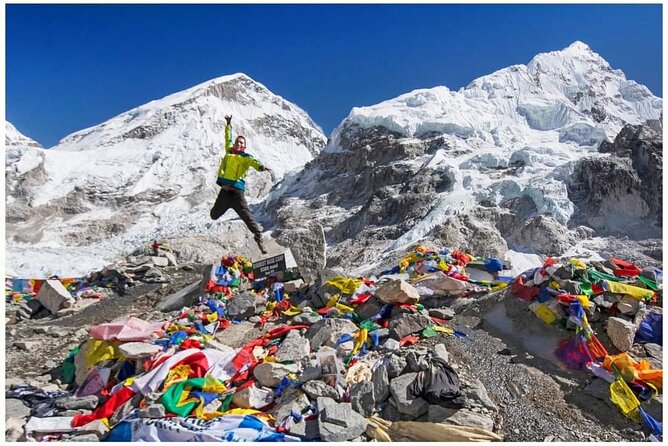
The trail from Dingboche heads toward Thukla through a broad, dry Himalayan valley. The walking is fairly smooth at first, with views toward Tawache, Cholatse, Arakamche, and Lobuche Peak.
After lunch at Thukla, the route climbs steeply to Thukla Pass. This is a place to slow down. The altitude is higher, the stones can be loose, and the trail is not described as fully managed. From the pass, you can see Pumori, Khumbutse, and other peaks. After another hour of walking, you reach Lobuche.
This is one of the days when the private format may help. A guide can adjust breaks to the group’s condition instead of forcing everyone to match a fixed large-group rhythm. Still, private does not mean easy. The route remains physically serious.
Reaching Everest Base Camp from Gorakshep
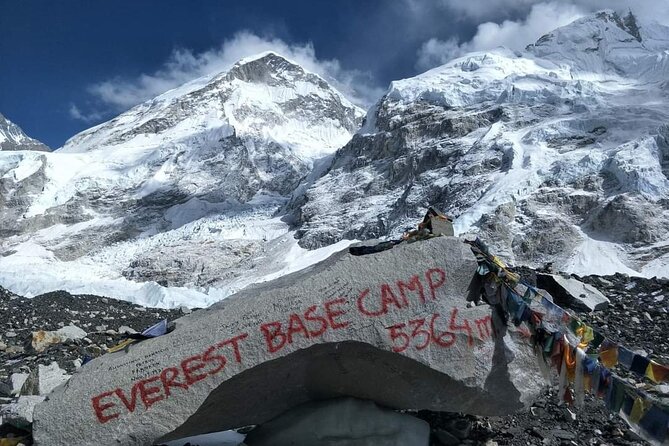
Day nine brings the trek’s central goal. You first reach Gorakshep, the highest overnight stop in this plan and the settlement closest to Everest Base Camp. From there, after breakfast, you walk beside the Khumbu Glacier through a broad valley and over rocky ground toward Base Camp.
The itinerary gives roughly three hours for the Everest Base Camp portion. Conditions on the route can make that feel longer, especially after several days at altitude. The reward is the setting: glacier, moraine, and giant peaks surrounding the route. You are close to Everest, but the mountain itself is not necessarily the dominant view from Base Camp. The experience is more about standing at the foot of the route and seeing the immense Himalayan world around you.
You return to Gorakshep for the night. Keep your expectations realistic about comfort. This is the high point of the trek in terms of altitude and one of the most basic sections in terms of lodging.
Kala Patthar sunrise and the descent to Pheriche
The next morning starts early with a climb to Kala Patthar. This is the route’s best stated viewpoint, offering a 360-degree view toward Everest and surrounding peaks. The reason for the early start is the light. Sunrise can turn the high mountains gold before clouds build later in the day.
The path is steep, and the altitude makes the short climb demanding. The itinerary allows about three hours. Take it slowly, and dress for a cold start. From the top, you descend to Gorakshep for breakfast, then continue downhill to Pheriche.
This is a fine piece of planning because it gives you both the Base Camp walk and the classic high viewpoint. If you had to choose between the two, Kala Patthar is likely the stronger place for broad mountain views, while Base Camp carries the emotional weight of reaching the famous destination.
Returning through Namche and Lukla
From Pheriche, the route descends toward Namche Bazaar. You pass through Phungi Tenga and several villages, following familiar scenery in reverse. Downhill walking sounds easy, but long descents can be hard on knees and ankles, especially over loose stones.
The following day continues to Lukla. This is described as a steep descent, so use care rather than racing for the finish. The schedule allows time for a celebration with guides and porters, including food and a party. That closing moment matters. Porters and guides make the route possible, and acknowledging their work is a fitting end to the walk.
Day thirteen brings the flight back to Kathmandu, with a transfer to your hotel and time to rest. The itinerary does not provide a backup day for a delayed flight, which is worth asking about before booking. Mountain air travel can affect plans, and your international departure is scheduled for day fourteen.
Guides, group size, and the human side
This is a private activity, so only your own group participates. That gives you more control over pace and breaks, though the exact group size is not stated. Ask how many guides and porters will accompany your party and who your lead guide will be.
Several names are connected with the operator’s past trekking work: Bishal, Deepak, Dipak, and Basnta. Bishal is described as both a guide and the company owner in one account, while Dipak and porter Basnta were praised for professional care on an Everest Base Camp trip. Deepak was associated with a Three Passes trek and help on glacier sections. These names are useful when you contact the company, but do not assume one will lead your trip. Request the current guide’s name and experience.
The most consistent praise centers on organization, helpful guiding, and personal care. That is exactly what you want on a high-altitude route. Still, ask clear questions before departure rather than relying on general promises.
Who should book this trek?
You should consider it if you want a private, guided route with two acclimatization days, organized transfers, and a full 14-day schedule from Kathmandu and back. It suits someone with moderate physical fitness who is ready for long uphill and downhill days on rocky trails.
It is not a good fit if you want luxury lodging, easy access, or a flexible sightseeing holiday. The price does not include insurance, and other unlisted costs may apply. You also need to accept the possibility that weather can affect the experience. If poor weather cancels the activity, the stated policy offers another date or a full refund. Cancellation is free up to 24 hours before the start time, but changes or cancellations inside that window are not refunded.
FAQ
How long is the Everest Base Camp trek?
The activity lasts approximately 14 days, including arrival in Kathmandu, the trek from Lukla, the return flight, and departure from Nepal.
Is this a private tour?
Yes. Only your own group participates in the activity.
Is airport pickup included?
Pickup is offered. On arrival in Kathmandu, a representative meets you at Tribhuvan International Airport and transfers you to the hotel.
What accommodation is used?
Kathmandu accommodation may be in a three-star or five-star hotel, depending on the selected package. The mountain portion uses teahouses.
Are meals included?
Breakfast, lunch, and dinner are listed as included for the 14-day experience.
Is travel insurance included?
No. Insurance is specifically listed as an exclusion.
What level of fitness is required?
A moderate level of physical fitness is required. The route includes long uphill and downhill walks, rocky trails, steep sections, suspension bridges, and high-altitude hiking.
Does the trek include Kala Patthar?
Yes. The itinerary includes an early morning hike to Kala Patthar for views of Everest and nearby peaks.
What happens if bad weather cancels the experience?
If poor weather causes cancellation, you are offered a different date or a full refund. The same applies if the minimum number of participants is not met.
Just added around Kathmandu
- Everest Base Camp Trek★ 5.0 · 3 reviews
- Everest Base Camp Trek★ 5.0 · 7 reviews
- 15 Days Private Everest Base Camp Trek★ 5.0 · 30 reviews
- Everest Base Camp Trek★ 5.0 · 57 reviews
- 14 Days of Adventure Trekking to Everest Base Camp★ 5.0 · 2 reviews
- 14-Day Everest Base Camp Trek★ 5.0 · 20 reviews
- From Kathmandu: Private 14-Day Everest Base Camp Trek★ 5.0 · 20 reviews
- 14 Days Everest Base Camp Trek★ 5.0 · 4 reviews
Everest Base Camp Treks, compared.
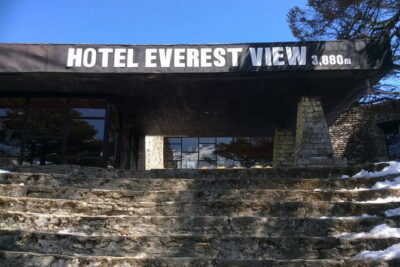
Everest Base Camp Helicopter Tour landing at Everest View Hotel
Read our review →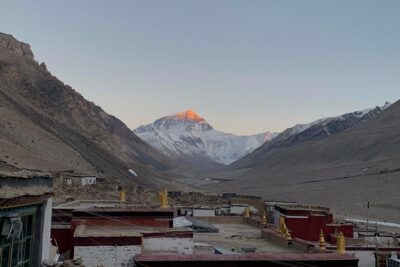
Tibet Tour 8 Days Lhasa to Everest Base Camp Small Group Tour
Read our review →
Dubai: Private Luxury Everest Yacht Cruise from Dubai Marina
Read our review →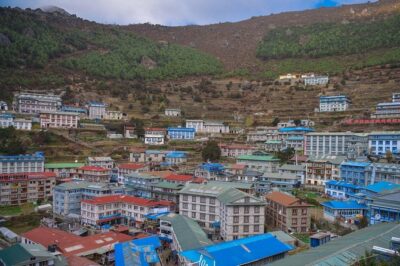
Browse the lists this trek appears in