
Review · KATHMANDU
12 Day Everest Base Camp Guided Trek
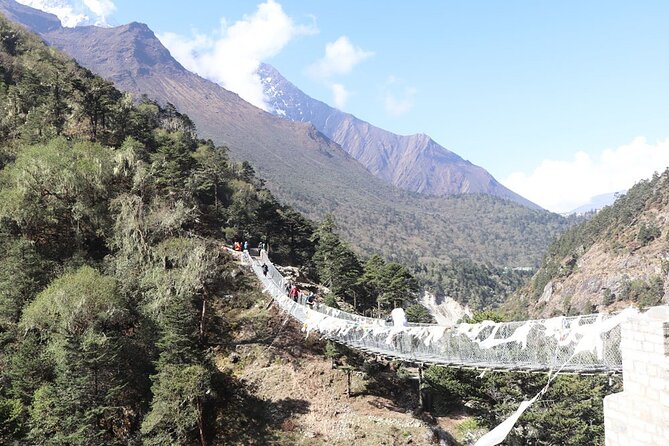
The finest part of this 12-day Everest Base Camp trek is the steady change in scenery. You begin beside the Dudh Koshi River, pass through pine and rhododendron forests, cross suspension bridges, and finish among the ice and rock of the Khumbu Glacier. The final goal is Everest Base Camp, but the views of Ama Dablam, Lhotse, Nuptse, Pumori, and Everest make the whole route worthwhile.
I like the two built-in acclimatization days, one in Namche Bazaar and one in Dingboche. I also like the practical package: domestic flights, permits, mountain lodging, three meals a day, a guide, and emergency helicopter arrangements are included. The main drawback is the pace. This is a demanding high-altitude trek, not a casual walk, and a porter is extra if you do not want to carry your own bag.
Key points to know before you book
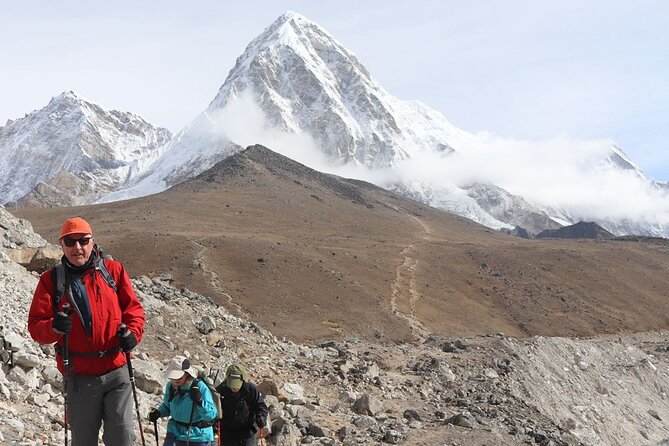
- The highest walking point is Kala Patthar at 5,545 meters, where the sunrise view is often the visual highlight of the trip.
- Namche Bazaar and Dingboche provide two acclimatization days, giving your body time to adjust before the hardest walking.
- The group can include up to 14 people, though smaller departures are possible.
- Recent guides named in the feedback include Raj, Bir, Arjun, Suraj, Dhana, and Rajan, with particular praise for care, communication, and handling illness on the trail.
- The $1,300 price includes flights, permits, lodging, guides, and meals, but not Nepal visa costs, insurance, drinks, personal expenses, or porter service.
- The trek finishes at Everest Base Camp but does not climb Mount Everest, an important distinction for first-time trekkers.
What the $1,300 price really covers
At $1,300 per person, this is a fairly complete trekking package rather than a bare route arrangement. You receive airport transfers, the Kathmandu to Lukla and Lukla to Kathmandu flights, 11 nights in trekking lodges, a guide, national park and TIMS permits, a sleeping bag, down jacket, and duffel bag if needed.
You also receive 11 breakfasts, 11 lunches, and 11 dinners. That matters because food becomes more expensive as you climb, and arranging every meal yourself would be awkward in remote villages.
The package does not include a hotel, tours, or meals in Kathmandu. You must also pay for your Nepal entry visa, travel insurance, drinks, hot showers, internet, laundry, phone use, bar bills, and guide tips. Porter service is listed as an extra, so ask about the current cost before departure if you do not want to carry your own main bag.
The emergency helicopter arrangement is included, but the flight itself is to be paid by your travel insurance company. You should treat comprehensive trekking insurance as essential, not optional. Check that it covers high-altitude trekking and helicopter evacuation.
More Everest Base Camp Treks in Kathmandu:
- Everest Base Camp Trek – 14 Days
★ 5.0 · 1,499 reviews - Everest Base Camp Trek
★ 5.0 · 842 reviews - Everest Base Camp Helicopter Tour landing at Everest View Hotel
★ 5.0 · 668 reviews
Day 1: Lukla to Phakding beside the Dudh Koshi
The adventure begins with an early morning flight to Lukla, a small mountain airport. The flight is scheduled to take about 35 minutes, and the first views from the plane introduce you to the scale of the Himalayas before you have taken a step.
At Lukla, your guide introduces the porters and the group begins walking along the left bank of the Dudh Koshi River. The first day takes about three to four hours and ends at Phakding.
This is a sensible opening stage. You start walking at roughly 2,860 meters rather than heading straight to a much higher village, so the body gets a gentle introduction to the altitude. The route is not technically difficult, but you should resist the temptation to rush. The slow pace begins immediately.
Day 2: The long climb to Namche Bazaar
The trail follows the Dudh Koshi and crosses it several times before entering Sagarmatha National Park at Jorsale. After lunch, the route becomes more demanding as you continue toward Namche Bazaar.
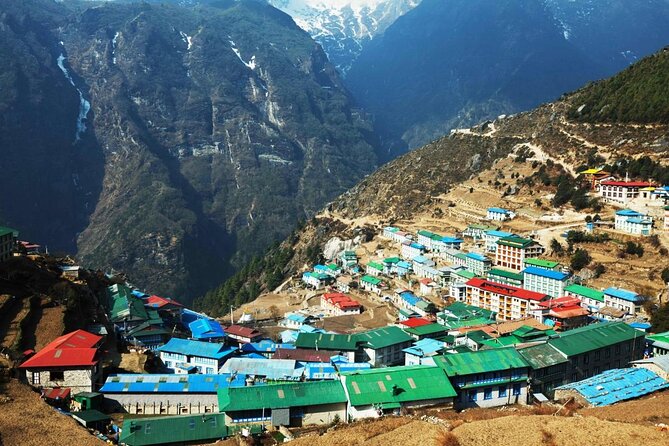
Namche sits at about 3,440 meters and is surrounded by mountain ridges. The approach includes pine forest, a plateau used for the Saturday market, and a final climb into the village. You will find more lodges, tea shops, and souvenir stalls here than in the smaller settlements below.
This is one of the most important days for pacing. The climb can feel hard even though the distance may look reasonable on paper. Your guide should keep an eye on how you are feeling, and the strongest aspect of this company’s service appears to be that sort of daily care. Named guides including Raj, Bir, Arjun, and Suraj are repeatedly praised for checking on group members, explaining the next day, and helping when someone became sick.
Day 3: Acclimatization in Namche Bazaar
Namche is not a rest day in the lazy sense. It is an acclimatization day, designed to help your body adjust to thinner air before you go higher.
You can use the day to walk around the village and take a short side trip. The exact activity is not fixed in the details provided, so do not expect a particular excursion to be guaranteed. The value is simply in spending another night at the same elevation rather than climbing higher too quickly.
Namche is also a useful place to buy small supplies, enjoy a tea shop, and contact home if the lodge has working internet. Charges for internet, hot showers, laundry, and phone use are not included. Keep expectations practical: services become less predictable as you move up the valley.
A few more treks around Kathmandu worth a look
- Everest Base Camp Trek 15 days | Local Guide | Flexible Itinerary
★ 5.0 · 27 reviews - From Kathmandu: 12-Day Everest Base Camp Guided Trekking
★ 5.0 · 26 reviews - 5 Day Private Guided Trekking in Annapurna Base Camp
★ 5.0 · 25 reviews - Everest Base Camp Trek With Local Expert Sherpa Guide
★ 5.0 · 15 reviews
Day 4: Rhododendron forest and Tengboche Monastery
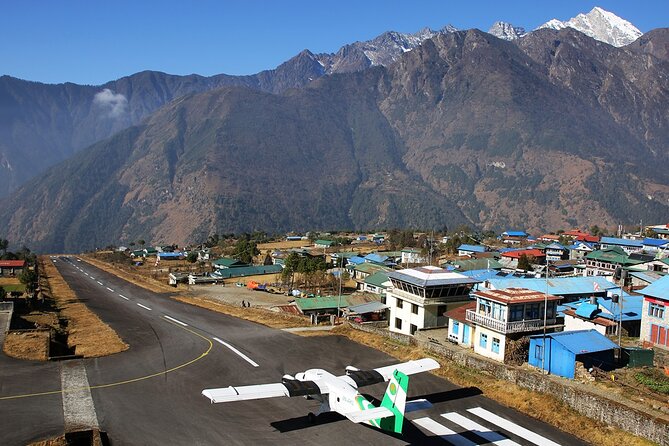
The route leaves Namche along a ridge trail with fine views of Thamserku, Kantega, and Kusum Kanguru. Parts of the path are relatively level, but the day also includes a descent to the river at Phunki Tenga and a climb through rhododendron forest.
The destination is Tengboche, home to a famous monastery. Its setting is one of the route’s great rewards, with Ama Dablam and other peaks rising beyond the green hills and river valley.
This day shows why the trek is more than a march toward a famous base camp. Forest, village life, Buddhist monuments, and enormous peaks all appear in one walk. The climb after Phunki Tenga can feel steep, so save energy for the final approach.
Day 5: Pangboche and the approach to Dingboche
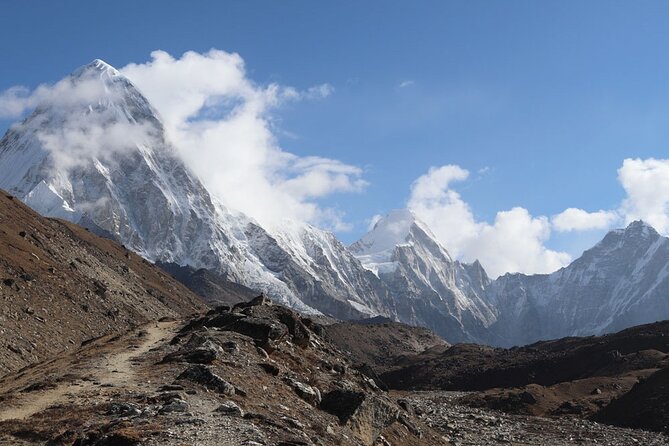
The morning begins with a descent through rhododendron forest to the Imja Khola. You cross a suspension bridge, then follow a long Mani stone wall into Pangboche.
From Pangboche, the route continues through summer pasture toward Dingboche. The scenery becomes more open as the trees thin out and the mountains feel closer. Ama Dablam and the Lhotse-Nuptse ridge provide the main visual drama.
Dingboche sits at around 4,410 meters, so this is a major step upward. Even if you are fit at home, you may notice the altitude here. Walk slowly, drink regularly, and tell your guide about headaches, nausea, unusual tiredness, or trouble sleeping.
Day 6: A second acclimatization day in Dingboche
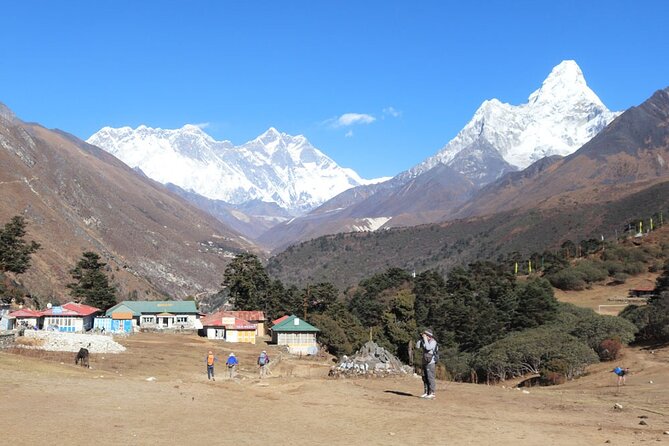
Dingboche gives you another acclimatization day before the route climbs higher. The valley leads toward Island Peak, and the views include Ama Dablam, Lhotse, and the surrounding high ridges.
The walk is short, with time to relax in the afternoon. Side walks are possible, but the exact route depends on the group and the guide. This is a good day to avoid overconfidence. You may feel fine in the morning and then notice the altitude later.
The two acclimatization days are a major strength of this program. A shorter schedule might look attractive, but removing rest days would make the upper section harder and could increase the chance of turning back. The slow, slow approach is not wasted time here. It is part of reaching Base Camp safely.
Day 7: Dugla, the Khumbu Glacier, and Lobuche
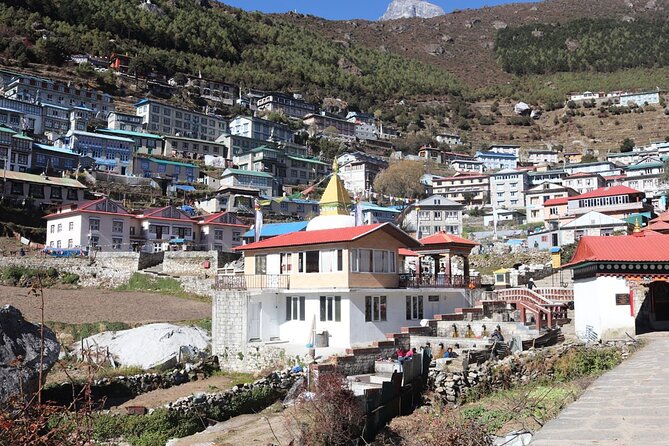
The trail heads north from Dingboche and soon reaches a Mani prayer stupa. The route offers views down toward Pheriche, as well as Mt. Tawache, Ama Dablam, Pokalde, Kongma Tse, and the great wall of Nuptse.
After about two hours, the trail from Pheriche joins near Dugla at about 4,595 meters. You cross a small wooden bridge over the Khumbu Glacier river, then climb a steep hill. At the top, views toward Pumori and Everest open up.
The final stretch to Lobuche can be tiring. The air is thin, the ground is rough, and the scenery is more exposed. This is one of the days when a guide’s judgment matters. Recent accounts place strong emphasis on guides helping people through difficult moments and adjusting support when someone felt unwell.
Day 8: Everest Base Camp from Gorakshep
The trail from Lobuche follows a rocky moraine beside the Khumbu Glacier. You can see glacial ponds and ice formations below, although the route is not a smooth mountain path. Expect uneven rock, slow progress, and plenty of pauses.
You reach Gorakshep for lunch and leave your main belongings at the lodge. This is the last place on the route with lodge accommodation. From there, you continue to Everest Base Camp with a lighter load.
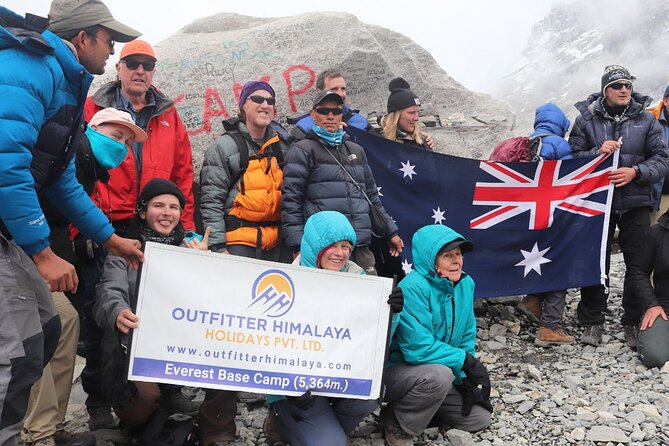
Reaching Base Camp is the emotional center of the trek. You stand among the moraine and ice of the Khumbu region with the highest mountains around you. The views and the sense of distance from ordinary life make the long approach feel worthwhile.
The return to Gorakshep follows the same route, and you spend the night there. This is a long and demanding day, especially at altitude. The schedule is achievable for fit trekkers, but it is not easy.
Day 9: Sunrise at Kala Patthar and descent to Pheriche
You start early for the climb to Kala Patthar at 5,545 meters. The goal is sunrise, when the peaks catch the first light. From the summit, you can see Everest, Pumori, Lingtren, Khumbutse, Nuptse, Lhotse, Ama Dablam, Thamserku, and other Himalayan peaks.
This is often the best viewpoint of the entire route. Everest itself is not always the most dramatic peak from Base Camp, but Kala Patthar gives you a broad mountain panorama and a clear sense of the surrounding ridges.
After returning to Gorakshep for breakfast, you descend to Pheriche. Going down is easier on the lungs, though the uneven trail can still be hard on knees and legs. The early start and high elevation make warm clothing important.
Days 10 to 12: Returning through Tengboche, Namche, and Lukla
Day 10 follows the route back toward Namche Bazaar, passing through Tengboche. You again have views of Ama Dablam, green hills, and the river valley. The descent is easier than the climb, but there are still short uphill sections.
Day 11 is the final walking day. You cross the Bhote-Koshi River several times and finish with a final uphill climb of about 45 minutes into Lukla. It is a pleasant end to a demanding journey, though tired legs can make even a short climb feel substantial.
On Day 12, you walk to Lukla airport after an early breakfast and fly back to Kathmandu. Flights depend on weather, so keep your wider Nepal plans flexible. The cancellation terms allow a full refund if you cancel at least six full days before departure. Changes made closer to the start date have reduced or no refund, and poor weather may lead to a new date or a full refund.
Lodges, food, and group size
Accommodation is in trekking lodges for 11 nights. Standards are basic, particularly at higher elevations, but the package provides a bed and meals without requiring you to arrange each stop yourself.
The price includes breakfast, lunch, and dinner during the trek. Drinks, bottled or treated water, hot and cold beverages, and bar bills cost extra. Bring enough money for these daily purchases and for personal expenses.
The maximum group size is 14. That is large enough to provide company but small enough for a guide to keep track of the group. Some departures have been much smaller, with four people in one recent account. A small group can make the pace feel more personal, but group size depends on the departure date.
Who will enjoy this trek most
You should have a strong level of physical fitness. You do not need mountaineering skills for this guided walk, but you do need to handle long days, steep sections, rough rock, cold conditions, and high altitude.
This trek suits you if you want:
- A guided route with permits and flights arranged
- A classic Everest Base Camp experience rather than a short mountain visit
- Built-in acclimatization days
- Mountain lodge accommodation and included meals
- A group setting with a maximum of 14 people
- Support from guides and porters, with porter service available separately
It is less suitable if you dislike early starts, shared trekking lodges, basic facilities, or walking for many consecutive days. If you prefer a private schedule, ask about a smaller or private departure before booking.
Should you book the 12-day Everest Base Camp trek?
I would consider this a strong choice for a fit first-time Himalayan trekker who wants the major Everest route with the main logistics handled. The package offers good value because the $1,300 includes the Lukla flights, permits, guide, lodging, meals, transfers, and basic cold-weather equipment when needed.
The best reason to choose it is the structure. The route allows time in Namche and Dingboche, includes the essential viewpoints, and uses a guide team with a strong record of personal care. The main caution is that the price is not all-inclusive once you add insurance, drinks, tips, personal expenses, and possibly a porter.
Book it if you are ready for a serious physical challenge and want Everest Base Camp without organizing every lodge and flight yourself. Before paying, confirm the current flight arrangements, porter cost, insurance requirements, group size for your date, and the exact equipment available.
FAQ
How long does the Everest Base Camp trek take?
The experience lasts approximately 12 days, including the flight from Kathmandu to Lukla, the trek to Everest Base Camp, the return to Lukla, and the flight back to Kathmandu.
What is the highest point on the route?
Kala Patthar is the highest walking point listed, at 5,545 meters. The route also reaches Everest Base Camp, but the elevation of Base Camp is not specified in the provided details.
Are flights from Kathmandu to Lukla included?
Yes. The package includes a flight ticket from Kathmandu to Lukla and the return flight from Lukla to Kathmandu, including airport tax.
Are meals included during the trek?
Yes. The package includes 11 breakfasts, 11 lunches, and 11 dinners during the trekking portion.
Is accommodation included?
Yes. The package includes 11 nights in trekking lodges. Hotels, tours, and meals in Kathmandu are not included.
Is a porter included?
No. Porter service is listed as an additional cost if you need it. A sleeping bag, down jacket, and duffel bag may be provided if necessary and must be returned after the trek.
How large can the group be?
The maximum group size is 14 people. Some departures may be smaller.
Do I need travel insurance?
Yes. Travel insurance is compulsory. It should be able to cover the high-altitude trek and emergency helicopter service, since helicopter costs are intended to be paid by the insurance company.
Just added around Kathmandu
- Everest Base Camp Trek★ 5.0 · 3 reviews
- Everest Base Camp Trek★ 5.0 · 7 reviews
- 15 Days Private Everest Base Camp Trek★ 5.0 · 30 reviews
- Everest Base Camp Trek★ 5.0 · 57 reviews
- 14 Days of Adventure Trekking to Everest Base Camp★ 5.0 · 2 reviews
- 14-Day Everest Base Camp Trek★ 5.0 · 20 reviews
- 14 Days Everest Base Camp Trek★ 5.0 · 4 reviews
- From Kathmandu: Private 14-Day Everest Base Camp Trek★ 5.0 · 20 reviews
Everest Base Camp Treks, compared.
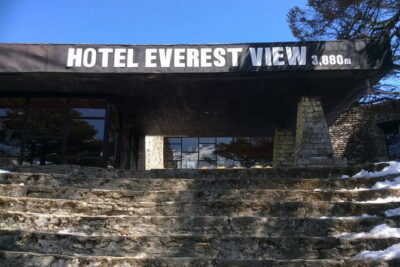
Everest Base Camp Helicopter Tour landing at Everest View Hotel
Read our review →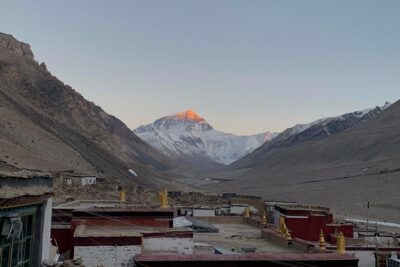
Tibet Tour 8 Days Lhasa to Everest Base Camp Small Group Tour
Read our review →
Dubai: Private Luxury Everest Yacht Cruise from Dubai Marina
Read our review →
Browse the lists this trek appears in