
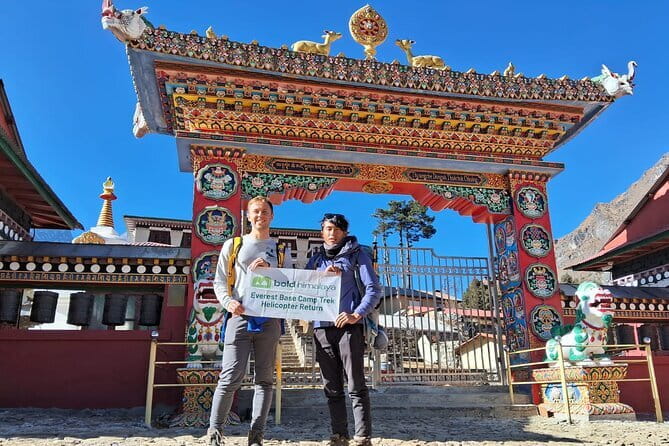
Review · KATHMANDU
Everest Base Camp Trek with Helicopter Flight Back
The clever part of this 10-day Everest Base Camp trek comes at the end: after reaching Everest Base Camp and climbing Kala Patthar, you return to Kathmandu by helicopter instead of walking back down the same trail. You get the full high-altitude approach, then trade a long return for a short flight over the Himalayas.
I like the built-in acclimatization day at Dingboche, and I like that park fees, TIMS, meals, a guide, gear, and the Kathmandu to Lukla flight are included. The main catch is important: the helicopter flight from Gorak Shep to Kathmandu is extra, and porters, tips, travel insurance, and international flights are also outside the price.
Key points to know before booking
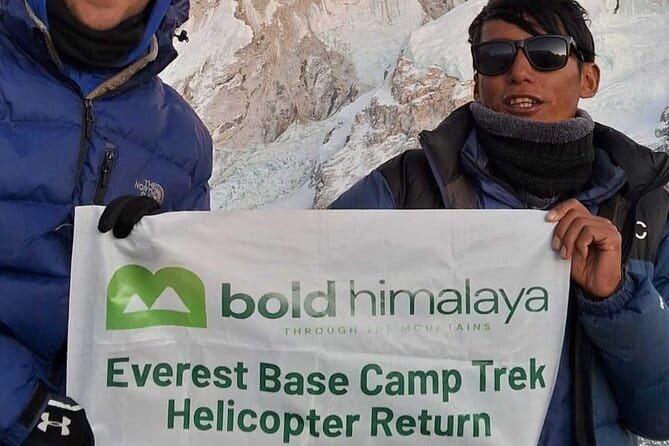
- Kala Patthar at 5,550 meters: The sunrise climb gives you a powerful final mountain view before the helicopter ride.
- Classic route without the long walk back: You still trek through Namche Bazaar, Tengboche, Dingboche, Lobuche, and Everest Base Camp.
- Acclimatization is built in: Day 7 in Dingboche gives your body time to adjust before the highest section.
- Helicopter cost is separate: The listed price of $446.50 does not cover the flight from Gorak Shep to Kathmandu.
- Private group format: Only your group takes part, with pickup from Tribhuvan Airport and private transport included.
- Strong guide support: Guides such as Surendra have been praised for safety and dedication, while manager Sobit has handled trip planning and communication.
Why the helicopter return changes the trek
The standard Everest Base Camp route is not hard only because of the climb toward Base Camp. The return walk also takes several days, often along the same trail. This trip removes that second half.
That makes the experience attractive if you have about 10 days, want to reach Base Camp, or prefer to spend your energy on the walk up rather than the walk down. You still face the difficult altitude, cold nights, basic mountain lodging, and long trekking days. The helicopter is a shortcut at the end, not a way around the demanding part.
The flight also adds a special final view. From Gorak Shep, you leave the high valley by air and see the mountains from a new angle before transferring back to your Kathmandu hotel. Poor weather can affect this plan, so you should keep some flexibility in your schedule.
At $446.50 per person, the package has good value on paper because it includes a guide, meals, permits, domestic airfare, accommodation in Kathmandu, trekking equipment, and taxes. But you must add the helicopter cost to understand the real total. Since the helicopter is listed separately, ask Bold Himalaya for the current price and confirm what happens if weather prevents the flight.
More Everest Base Camp Treks in Kathmandu:
- Everest Base Camp Trek – 14 Days
★ 5.0 · 1,499 reviews - Everest Base Camp Trek
★ 5.0 · 842 reviews - Everest Base Camp Helicopter Tour landing at Everest View Hotel
★ 5.0 · 668 reviews
Day 1: Kathmandu arrival and a useful briefing
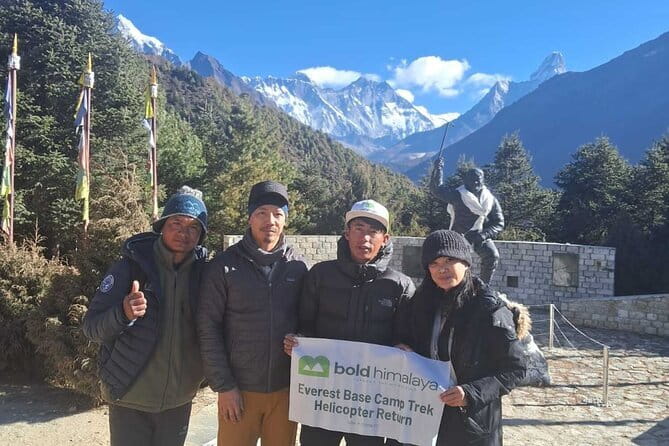
Your trip begins at Tribhuvan International Airport in Kathmandu. Bold Himalaya provides pickup and transfers you to a hotel, listed as Hotel Thrive or a similar twin-sharing property, with breakfast included.
The evening briefing is more useful than it may sound. This is when you can review the walking plan, check your equipment, ask about altitude, and make sure you understand the flight arrangements. The included sleeping bag, down jacket, trekking poles, duffle bag, cap, and trip certificate can help reduce the amount of gear you need to bring.
The package also includes one cultural show and dinner program in Kathmandu. That gives you a short introduction to Nepalese culture before the trek, though the main cultural experience comes later, in Sherpa villages and mountain communities along the route.
Day 2: Lukla to Phakding through the lower Khumbu
The domestic flight from Kathmandu to Lukla is one of the trip’s memorable transitions. You leave the city and arrive at Lukla Airport, a small mountain airfield surrounded by Himalayan scenery. Depending on seasonal flight operations, the first flight may leave from Ramechap rather than Kathmandu, so confirm the departure point before you travel.
From Lukla, the route descends toward Phakding. You walk through alpine forest and begin following the Dudh Koshi River. It is a shorter opening day, listed at about four hours, which gives you time to adjust to the trail and the change in altitude.
Do not treat this day as a warm-up with no consequences. The early start, flight, and first hours of walking can leave you tired. Keep your day pack light, carry water, and avoid racing ahead simply because the distance looks modest.
Day 3: Suspension bridges and the climb to Namche Bazaar
The route from Phakding to Namche Bazaar takes about six hours and introduces the classic Khumbu trekking experience. You cross suspension bridges over the Dudh Koshi and pass through Sherpa villages framed by forest and mountain views.
Namche is more than an overnight stop. It is the main trading center in the region and the key point for adjusting to higher altitude. The approach becomes more demanding as you climb toward town, so a steady pace matters more than speed.
The guide’s role is especially useful here. An experienced guide can watch your pace, explain the route, and help you judge how your body is responding. The company’s guide Surendra has been specifically praised for keeping trekkers safe and staying focused on getting them through the route.
More Helicopter Flights in Kathmandu:
- Everest Base Camp Helicopter Tour landing at Hotel Everest View
★ 5.0 · 218 reviews - Everest Base Camp Trek with Helicopter Return from Gorakshep to Lukla
★ 5.0 · 161 reviews - Everest Base Camp helicopter tour with landing
★ 5.0 · 61 reviews - Everest Base Camp Helicopter Tour landing at Everest View Hotel.
★ 5.0 · 34 reviews
Day 4: Namche rest day and Everest View Hotel
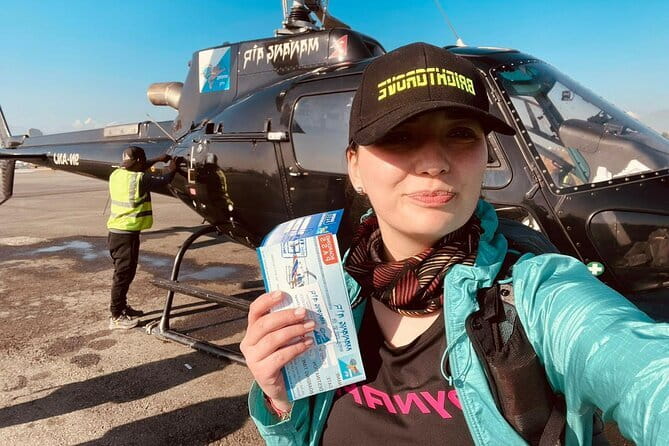
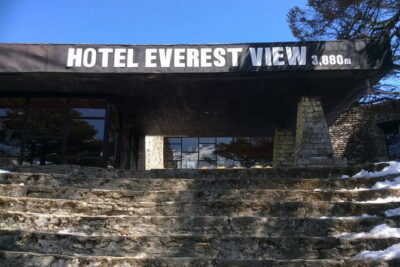
The rest day in Namche is not a day of doing nothing. You explore the town, visit the Sherpa Museum, and hike to the Everest View Hotel for broad mountain views. The walk is a practical way to gain altitude during the day, then sleep lower in Namche.
This day helps your body adjust before the route climbs higher. It also gives you time to learn more about Sherpa culture and the history of mountaineering in the region. The Everest View Hotel is a major visual highlight, but cloud can affect what you see, so keep your expectations sensible.
I like this part of the schedule because it avoids pushing straight from Lukla into the high country. Still, the five-hour activity period can feel tiring after the previous day. Use the rest of the day for food, water, and sleep rather than trying to pack in every possible stop.
Day 5: Tengboche and its mountain views
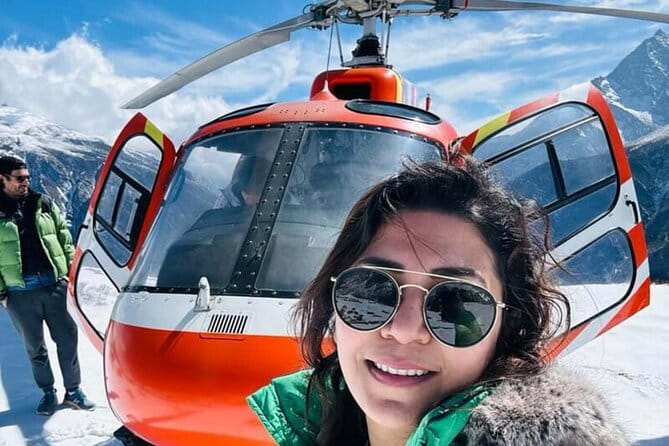
You continue to Tengboche, also spelled Tyangboche, after lunch in Phungi Thanga. The day takes about six hours and brings you closer to the high mountain zone.
This section is known for views of Everest, Lhotse, and nearby peaks. You also visit the famous Tengboche Monastery, an important cultural and religious site along the route. The setting gives the trek a stronger sense of place than a simple point-to-point hike.
The route is not effortless. You gain height, and the mountain air feels thinner as the day goes on. Take short, regular breaks and follow the guide’s pace. Lodging at this stage is in trekking accommodation, not luxury hotels, even though the company emphasizes comfort and has arranged hot water in its accommodation service in some difficult conditions.
Day 6: Pangboche, Somare, and Dingboche
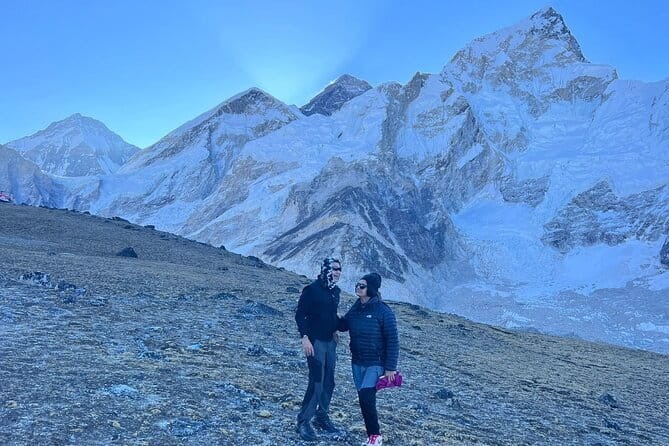
The trek to Dingboche takes around six hours. You cross a suspension bridge over the Imja Khola, walk through rhododendron forest, and pass villages including Pangboche and Somare.
Dingboche sits at a key point in the itinerary. From here, the vegetation becomes thinner and the surroundings feel more exposed. You are now preparing for Lobuche, Gorak Shep, and Base Camp, where altitude becomes the central challenge.
The included meals cover breakfast, lunch, and dinner for the trekking days. That is a real convenience because you do not need to plan every meal on the trail. Dessert and bar bills are not included, so keep some local currency available for extras.
Day 7: Dingboche acclimatization and Nagarjun Peak
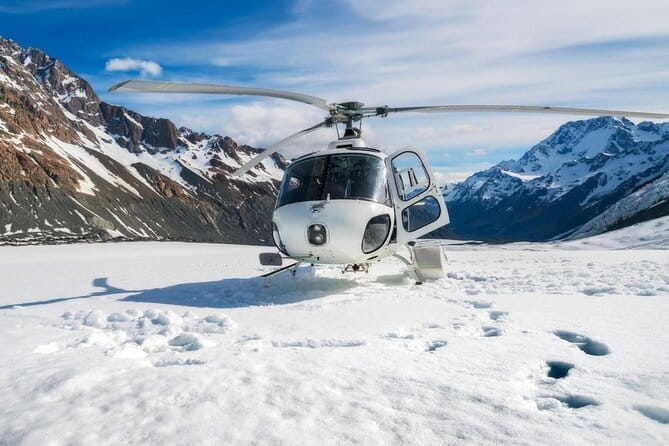
The second day in Dingboche is one of the most important features of this trip. You explore the valley and hike toward Nagarjun Peak, with the climb lasting about five hours.
The goal is not simply to collect another viewpoint. You gain altitude during the day, then return to Dingboche to sleep before going higher. The route offers broad mountain views and a chance to test your legs before the toughest walking begins.
This is where a moderate level of fitness becomes important. You do not need to be an elite athlete, but you should be ready for repeated days of uphill and downhill walking at high altitude. If you develop symptoms of altitude illness, tell your guide immediately rather than trying to prove you can continue.
Day 8: Thukla Pass and Lobuche at 4,940 meters
The route to Lobuche takes about six hours and reaches 4,940 meters. You pass through Thukla Pass, where memorials honor climbers who died on Himalayan expeditions. It is a quiet and serious place, and it gives the trek emotional weight beyond the mountain views.
From there, the route continues toward Lobuche with close views of glaciers and surrounding peaks. The air is thin, and even simple tasks can take longer. You should keep your pack light, drink regularly, and trust the guide’s advice about pace and rest.
Overnight accommodation here is basic trekking lodging. The package includes a sleeping bag and down jacket if you need them, but you should still bring suitable base layers, gloves, socks, and a warm hat. A provided sleeping bag cannot replace personal cold-weather clothing.
Day 9: Everest Base Camp and Gorak Shep
This is the long highlight day. You trek to Gorak Shep at about 5,170 meters, leave your gear, and continue to Everest Base Camp at 5,364 meters. The total walking time is listed at around seven hours.
The route brings you near the Khumbu Icefall, one of the most recognizable features of the Everest region. Base Camp itself is not a village or a comfortable resort. It is a high mountain staging area, and conditions can be cold, rocky, and tiring.
After visiting Base Camp, you return to Gorak Shep for the night. Leaving your larger gear behind for the final approach makes the walk more manageable. Even so, you should expect a demanding day. At this altitude, the same distance feels much harder than it would at home.
You may find the return to Gorak Shep less exciting than the walk out, but it is necessary. Save energy for the next morning, when you climb Kala Patthar before the helicopter flight.
Day 10: Kala Patthar sunrise and the flight home
The final morning begins early with a climb to Kala Patthar at 5,550 meters. This is the highest point on the itinerary and the place for panoramic views of Everest and the surrounding peaks.
The climb is short in distance compared with the full Base Camp route, but the altitude makes it hard. Sunrise adds a time pressure, and you may be walking in cold conditions. Bring your warmest layers and keep your expectations flexible if weather blocks the views.
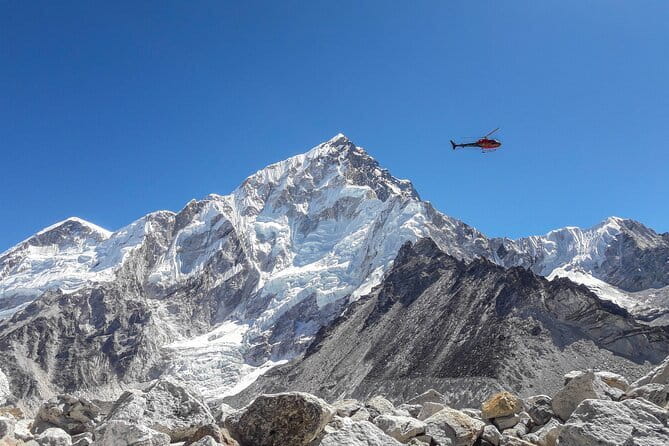
After returning to Gorak Shep, you board a helicopter for Kathmandu. The flight is the practical reward for completing the approach without walking the long route back through Pheriche, Namche, and Lukla.
This part needs careful planning. The helicopter flight is not included in the $446.50 package, and the experience depends on suitable weather. If the flight is canceled due to poor conditions, the operator offers a different date or a full refund under the stated policy. Ask how a delay would affect your onward travel plans before booking international flights.
What the price includes, and what it does not
The listed price includes:
- A trekking guide, including salary, food, accommodation, and insurance
- The domestic flight to Lukla according to the route
- Private transportation
- One Kathmandu hotel night with breakfast
- Breakfast, lunch, and dinner during the trek
- Sagarmatha National Park fees, Pasang Lhamu Rural Municipality fees, and TIMS
- Sleeping bag, down jacket, trekking poles, and a duffle bag if needed
- A cap and trip certificate
- One cultural show and dinner in Kathmandu
- Government taxes and service charges
The exclusions matter just as much. The helicopter flight from Gorak Shep to Kathmandu is extra. International airfare, travel insurance, tips, porter service, dessert, and bar bills are also not included.
The absence of porter service is worth noting. You should ask exactly how much of your luggage you carry and what the duffle bag arrangement means for your group. If you want a porter, budget for that separately and confirm the details before departure.
Guide care, comfort, and group style
This is a private activity, so only your group participates. That gives you more control over pace and rest stops than a large shared departure, although the mountain route still imposes its own schedule.
The company has received particularly strong praise for attentive care. Guide Surendra and porter Doma Ghale have been credited with keeping a couple safe and helping them complete the trek. The manager, Sobit, has also been described as attentive from the first inquiry, which is useful when a route includes flights, altitude, weather, and a helicopter connection.
Accommodation should be understood in two parts. Kathmandu offers a standard hotel room on a twin-sharing basis. Along the trail, you stay in trekking lodges, where comfort can vary. The company has handled changes caused by difficult weather and arranged hot water and comfortable accommodation in challenging circumstances, but you should not expect five-star conditions in the high mountains.
Who should book this Everest trek?
I would choose this trip if you want the classic Everest Base Camp experience but have limited time for the return walk. It also suits you if the helicopter flight is part of the appeal and you are comfortable paying its separate cost.
You should think twice if your budget is tight, if you want a fully self-contained price, or if you dislike fixed high-altitude schedules. The walking is demanding, and the helicopter depends on weather.
The trip is a good match for people with moderate fitness who can manage several consecutive days of trekking. It is not a casual sightseeing tour. The highest nights are cold, the air is thin, and Day 9 can be exhausting even for a fit person.
Should you book it?
Book it if reaching Everest Base Camp matters more to you than taking the traditional return route. The built-in acclimatization day, private format, included trekking equipment, and guide support make the plan practical.
Before paying, get the current helicopter quote, confirm the seasonal flight point for Lukla, ask about porter arrangements, and check the insurance requirement. Once those costs are clear, this can be a sensible way to experience the Everest trail with a faster and memorable finish.
FAQ
How long is the Everest Base Camp trek with helicopter return?
The experience lasts approximately 10 days, beginning with arrival and briefing in Kathmandu and ending with the Kala Patthar climb and helicopter flight back to Kathmandu.
Is the helicopter flight included in the $446.50 price?
No. The helicopter flight from Gorak Shep to Kathmandu is specifically excluded, so you need to pay that cost separately.
Is the Kathmandu to Lukla flight included?
Yes. A domestic flight to Lukla according to the itinerary is included, though the departure may be from Ramechap instead of Kathmandu during some seasons.
Are meals included during the trek?
Yes. The package includes nine breakfasts, eight lunches, and eight dinners. Dessert and bar bills are not included.
Is this a private tour?
Yes. Only your group participates in the activity, and private transportation is included.
What happens if bad weather prevents the helicopter flight?
This experience requires good weather. If it is canceled because of poor weather, you are offered a different date or a full refund under the stated cancellation terms.
Just added around Kathmandu
- Everest Base Camp Trek★ 5.0 · 3 reviews
- Everest Base Camp Trek★ 5.0 · 7 reviews
- 15 Days Private Everest Base Camp Trek★ 5.0 · 30 reviews
- Everest Base Camp Trek★ 5.0 · 57 reviews
- 14 Days of Adventure Trekking to Everest Base Camp★ 5.0 · 2 reviews
- 14-Day Everest Base Camp Trek★ 5.0 · 20 reviews
- From Kathmandu: Private 14-Day Everest Base Camp Trek★ 5.0 · 20 reviews
- 14 Days Everest Base Camp Trek★ 5.0 · 4 reviews
Everest Base Camp Treks, compared.
Everest Base Camp Helicopter Tour landing at Everest View Hotel
Read our review →
Tibet Tour 8 Days Lhasa to Everest Base Camp Small Group Tour
Read our review →
Dubai: Private Luxury Everest Yacht Cruise from Dubai Marina
Read our review →
Browse the lists this trek appears in