
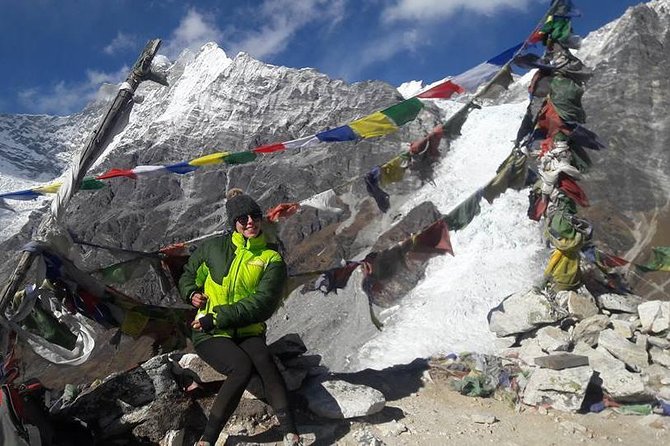
Review · KATHMANDU
Comfort in Himalayas-Langtang Valley trek
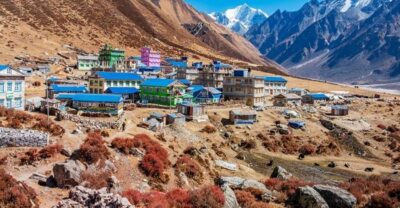
The best part of the Langtang Valley trek is how quickly you leave Kathmandu’s traffic behind and reach high Himalayan scenery. In ten days, you pass through Tamang and Bhotia villages, rhododendron and pine forests, and the mountain heart of Kyanjin Gompa, with peaks rising beyond 7,000 meters.
I like that the price includes a porter, permits, meals, transport, and accommodation, so the big costs are settled before you start. I also like the private format: your group travels with a government-licensed guide rather than being folded into a large crowd. The main caution is the road journey to Syabrubesi, listed at about eight hours, and the trek still demands moderate fitness.
Key points
- Kyanjin Gompa at 3,870 meters: Your high point includes a full day for rest and a local hike.
- A direct route from Kathmandu: The trek begins with a long drive to Syabrubesi, keeping the approach relatively simple.
- Snow peaks and forest trails: Look for views of Langtang Lirung, Langtang Ri, Ganchenpo, Dorji Lakpa, Ganesh, and Manaslu Himalaya.
- Full-board trekking support: Breakfast, lunch, dinner, tea or coffee, lodging, a guide, porter, permits, and a first-aid kit are included.
- Private group format: Only your party participates, which can make the pace and daily routine easier to manage.
- A recovery story: Choosing this route supports local communities rebuilding after the 2015 earthquake.
Why Langtang Works for a First Himalayan Trek
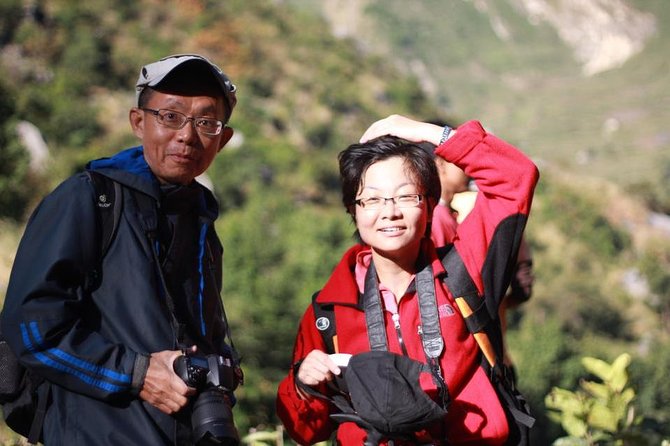
Langtang is a practical choice if you want a serious mountain trip without committing to a long, highly technical expedition. The route starts in Kathmandu, travels by road to Syabrubesi, and then follows the valley upward through settlements and forest.
That accessibility does not make it effortless. You still reach Kyanjin Gompa at 3,870 meters, and the schedule includes several six-hour walking days. The trip is described as moderately challenging, so you should arrive able to walk for extended periods and handle uneven mountain trails.
I like the balance here. You get a proper Himalayan setting, high peaks, village life, and a day to rest at altitude, but the itinerary does not require you to carry your main bag. Your porter handles the baggage while you concentrate on your steps, water, clothing, and views.
The private setup also matters. You are not working around a large group’s pace, though the exact arrangements for adjusting the schedule should be confirmed before departure. The available information names a government-licensed guide but does not provide the guide’s name.
More Langtang Treks in Kathmandu:
- Langtang Valley Trek
★ 5.0 · 140 reviews - Langtang Valley Trek
★ 5.0 · 61 reviews - Langtang Valley Trek
★ 5.0 · 50 reviews
Day 1 in Kathmandu: A Simple Start
Your first day is for arrival, airport pickup, and transfer to your Kathmandu hotel. Hotel accommodation is included according to the itinerary, which is useful after an international flight and before the early mountain routine begins.
Do not expect this day to be a sightseeing program. Its value is practical: you meet the local staff, settle in, and prepare for the road trip. Lunch and dinner in Kathmandu are not included, so plan to pay for those yourself.
The booking information gives a meeting time of 12:15 am. That is unusually early, and it may refer to a transfer or departure arrangement rather than a normal daytime meeting. I would confirm the exact pickup time and location with Mount Face Nepal before arrival.
Day 2: The Eight-Hour Road to Syabrubesi
The route begins with a drive from Kathmandu to Syabrubesi, at about 1,440 meters. The journey is listed at eight hours by bus, so this is a full transport day rather than a gentle warm-up hike.
That long drive is the trade-off for Langtang’s access. You avoid a domestic flight and reach the trailhead by road, but mountain roads can make the day tiring. The included ground transport covers the Kathmandu to Syabrubesi and return journey by bus.
Syabrubesi is the gateway to the walking portion of the trip. Accommodation on the trek is included, described as the best available accommodation, but the exact lodge names and room arrangements are not given. You should expect simple mountain lodging rather than city-hotel comfort.
Day 3: Forest Walking to Lama Hotel
From Syabrubesi, you walk to Lama Hotel at 2,470 meters. The planned walking time is about six hours, making this your first substantial trek day.
This section introduces the forest character of the route. Rhododendron, magnolia, birch, and pine are all part of the scenery, and spring can bring wildflowers. The appeal is not only the high peaks. The changing trees and rising valley give you a sense of moving through several mountain zones.
A porter carries your baggage, but you still need a daypack with essentials. Keep water, rain protection, warm layers, snacks, sunscreen, and personal medication with you. The tour includes food and drinks during the trekking period, including breakfast, lunch, dinner, and coffee or tea, but other hot, soft, cold drinks and alcohol cost extra.
A few more treks around Kathmandu worth a look
- Everest Base Camp Trek – 14 Days
★ 5.0 · 1,499 reviews - Everest Base Camp Trek
★ 5.0 · 842 reviews - Everest Base Camp Helicopter Tour landing at Everest View Hotel
★ 5.0 · 668 reviews - Everest Base Camp Trekking
★ 5.0 · 485 reviews
Day 4: Reaching Langtang Village at 3,430 Meters
The trail continues from Lama Hotel to Langtang Village, with about six hours of walking. At 3,430 meters, this is a noticeable rise from the previous night, so steady pacing matters more than speed.
The route passes through traditional Tamang and Bhotia villages. These communities give the walk a human scale. You are not simply moving from lodge to lodge. You are passing through places shaped by mountain life, local trade, and the needs of people living along the valley.
The 2015 earthquake is part of Langtang’s modern story, and the trip is presented as a way to support local rebuilding. That does not replace careful questions about how money is distributed, but staying locally and using local trekking staff gives your visit a direct economic role.
At this height, the evening may feel noticeably cooler, and your body may begin to notice the altitude. The schedule does not list a separate acclimatization day here, so follow your guide’s advice and report headaches or unusual symptoms promptly.
Day 5: The High Valley and Kyanjin Gompa
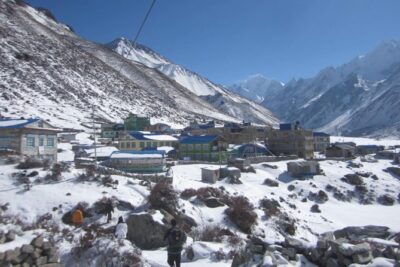
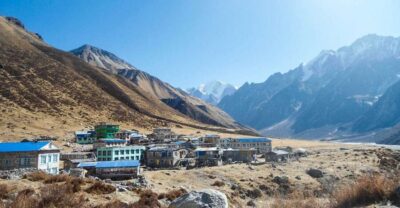
Day five takes you from Langtang Village to Kyanjin Gompa, at 3,870 meters. The walk is shorter, about four hours, which gives you time to settle in at the highest overnight point.
This is where the trek’s mountain scenery takes center stage. The route is associated with views of Langtang Lirung, Langtang Ri, Ganchenpo, Dorji Lakpa, and other high Himalayan peaks. The description also notes views toward the Ganesh and Manaslu ranges farther west.
The exact visibility will depend on weather. Mountain scenery is never guaranteed on a clock, so keep your expectations flexible. Even in cloud, the change in vegetation, altitude, and valley shape makes this a strong part of the route.
Kyanjin Gompa is not just a stopping point. It is the base for the next day’s rest and hike, giving you a chance to enjoy the high valley without immediately packing up and descending.
Day 6: A Rest Day at 3,870 Meters
The full day at Kyanjin Gompa is one of the smartest parts of the plan. It is described as a rest and hiking day, allowing you to adjust to the altitude and see more of the surrounding area.
The program does not name a specific summit, viewpoint, or hike length, so you should not book this expecting a particular peak climb. Instead, treat it as flexible mountain time. Your guide can help determine how much walking is sensible, while you enjoy the scenery around the settlement.
This day also gives the trek a better rhythm. You have climbed steadily for several days, and a pause prevents the route from becoming a simple march upward and back down. At nearly 3,900 meters, rest is not wasted time.
Wildlife is another possible attraction around Langtang. The area is associated with the rare red panda and other mammals, but sightings are not promised. Consider wildlife a bonus, not the reason to choose this trip.
Days 7 and 8: Returning Through Lama Hotel and Syabrubesi
The return begins with a seven-hour trek from Kyanjin Gompa to Lama Hotel. Descending usually feels different from climbing, but a long downhill day can still be hard on knees and ankles.
You then walk about five hours from Lama Hotel back to Syabrubesi. The repeated scenery may look familiar, but the direction, light, and weather can change what you notice. This is also a useful chance to appreciate the valley as a connected route rather than a series of isolated stops.
The itinerary gives you two nights of walking on the descent instead of rushing from the high point to the road in one day. That is a sensible choice for comfort. You have time to finish the trail at a manageable pace before the bus ride back to Kathmandu.
Day 9: Back to Kathmandu
The return drive from Syabrubesi to Kathmandu is another long road day. Once back in the capital, you transfer to the included hotel.
At this point, the included city accommodation is especially useful. You have a place to wash up, sort your belongings, and prepare for departure rather than arranging a hotel at the last minute.
A farewell dinner is included before departure. It gives the trip a clear ending and is one of the smaller inclusions that adds convenience. Lunch and dinner in Kathmandu during other parts of the visit remain outside the price, so keep that distinction in mind.
What $815 Covers, and What It Does Not
At $815 per person, the value depends on how much of the trekking infrastructure you would otherwise arrange yourself. The price includes airport pickup and drop-off, Kathmandu hotel stays, bus transport, trekking accommodation, full-board meals, a licensed guide, a porter, permits, the TIMS card, taxes, staff insurance and salaries, equipment for the guide and porters, a first-aid kit, and a farewell dinner.
That is a substantial package. You are not paying only for walking days. You are also paying for planning, local support, staff, road transfers, paperwork, and meals in the mountains.
Several expenses remain yours:
- Nepal entry visa and international airfare
- Lunch and dinner in Kathmandu
- Travel insurance
- Personal trekking equipment
- Laundry, shopping, gifts, and souvenirs
- Alcohol and other drinks
- Tips for trekking staff
- Any item not specifically included
Travel insurance deserves special attention. It is not included, and the trip reaches 3,870 meters. The supplied details do not specify coverage requirements, evacuation arrangements, or altitude-related terms, so ask the operator and choose coverage suited to a high-altitude trek.
Food, Lodging, and Baggage
You receive breakfast, lunch, and dinner during the trekking period, along with coffee or tea. This takes away one of the daily chores of mountain travel, though you should budget for drinks outside those inclusions.
Lodging in Kathmandu and the best available accommodation during the trek are included. The wording does not promise a particular hotel standard, private bathroom, heating, or room type. If those details matter to you, ask before paying.
The porter service is a major comfort benefit. You can walk with a smaller daypack while your main baggage is carried separately. The supplied information does not state a baggage weight limit, so confirm that point in advance and pack with respect for the porter’s load.
Who Should Book This Trek?
This trip suits you if you have moderate physical fitness, want a guided Himalayan route, and prefer a private group to a large departure. It is also a good match if you value having the main logistics handled, from permits and transport to meals and baggage support.
It may suit couples especially well. The private arrangement lets your group share the route without adapting to strangers, though the pace still needs to follow safe mountain practice.
You should think twice if you dislike long bus rides, basic mountain accommodation, or sustained walking days. The eight-hour journey each way and the six to seven-hour trek days are real parts of the experience, not minor footnotes.
The two available ratings are both five-star, with praise focused on the overall quality of the hike and the support of the guiding company. That is encouraging, but the small number of ratings means you should still ask clear questions about the guide, lodging, transport, baggage allowance, and emergency procedures.
Booking Details and Cancellation
Confirmation is provided at booking, and the experience is offered as a private activity. Free cancellation is available if you cancel at least 24 hours before the local start time. Cancellations made inside that window are not refunded, and changes are not accepted within 24 hours.
Because the listed start time is 12:15 am, confirm the date and pickup hour carefully. A midnight time can easily cause a simple calendar mistake.
Should You Book the Langtang Valley Trek?
I would choose this trek if you want a manageable introduction to Nepal’s high valleys with a guide, porter, meals, and permits bundled into one price. The route gives you forest, villages, high peaks, Kyanjin Gompa, and a full rest day without requiring you to organize each piece yourself.
I would not book it without checking the practical gaps first. Ask for the guide’s name, the exact hotel and lodge standards, baggage limits, the plan for altitude concerns, and the precise pickup time. If those answers are clear and you are ready for long road and walking days, $815 offers solid value for a private, supported Langtang experience.
FAQ
How long is the Langtang Valley trek?
The full program lasts approximately 10 days, including arrival and departure days in Kathmandu, the drive to and from Syabrubesi, and the trekking days.
Is the tour private?
Yes. Only your group participates in the activity.
What level of fitness is required?
You should have a moderate physical fitness level. The itinerary includes walking days of about four to seven hours and reaches Kyanjin Gompa at 3,870 meters.
Is a guide included?
Yes. A government-licensed guide is included.
Is a porter included?
Yes. A porter carries your baggage during the trek.
Are meals included?
Breakfast, lunch, and dinner are included during the trekking period. Coffee or tea is also listed. Lunch and dinner in Kathmandu, alcohol, and other drinks are not included.
Are permits and transport included?
Yes. The price includes the required trekking permits, TIMS card, and bus transport between Kathmandu and Syabrubesi.
Just added around Kathmandu
- Everest Base Camp Trek★ 5.0 · 3 reviews
- Everest Base Camp Trek★ 5.0 · 7 reviews
- 15 Days Private Everest Base Camp Trek★ 5.0 · 30 reviews
- Everest Base Camp Trek★ 5.0 · 57 reviews
- 14 Days of Adventure Trekking to Everest Base Camp★ 5.0 · 2 reviews
- 14-Day Everest Base Camp Trek★ 5.0 · 20 reviews
- From Kathmandu: Private 14-Day Everest Base Camp Trek★ 5.0 · 20 reviews
- 14 Days Everest Base Camp Trek★ 5.0 · 4 reviews
Langtang Valley Treks, compared.
Trekking in Annapurna/Langtang/Everest/Upper Mustang regions
Read our review →
7 Days Langtang Valley Private Trek From Kathmandu
Read our review →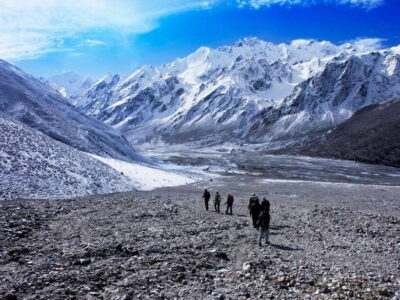
Browse the lists this trek appears in