
Review · KATHMANDU
Langtang Valley Trek
The Langtang Valley Trek gives you big Himalayan scenery without the long approach or extreme altitude of Nepal’s highest routes. From Kathmandu, you travel by local bus to Syabrubesi, then walk through forests, mountain villages, yak country, and broad valleys beneath the Langtang range.
I like the practical eight-day length and the small-group limit of 15 people. I also like that the $700 price covers seven teahouse nights, trekking meals, park and TIMS fees, a guide, and porter support. The main drawback is simple: six to seven hours of walking each day, with basic lodging and long bus rides, requires decent fitness and patience.
The strongest part of the setup is the human support. Guides such as Ram Krishna, Ram, and Lochan Gurung have been praised for care, safety, and help when walkers tire. Still, guide assignments can vary, so you should confirm who will lead your departure.
Key points to know before you book
- Short Himalayan access: The trailhead at Syabrubesi is reached from Kathmandu by local bus, making Langtang practical when you have less than two weeks.
- Seven nights in teahouses: Expect basic mountain lodging rather than hotel comfort, with meals included during the trekking days.
- Six to seven hours on foot: This is not a gentle sightseeing walk. You need moderate physical fitness and clothes suited to hiking.
- Tamang culture and yak country: The route combines mountain scenery with local lifestyles, villages, and high meadows where yaks graze.
- Useful gear support: A sleeping bag, down jacket, and duffel bag can be borrowed on request and must be returned after the trek.
- Small-group help: Groups range from a minimum of two people to a maximum of 15, with one porter assigned for every two trekkers.
Why Langtang works well in eight days
Many Nepal treks demand a large block of vacation time before you even reach the walking trail. Langtang is more manageable. The route begins after a drive from Kathmandu, and the advertised plan gives you seven nights on the trail before returning to the city.
That shorter format is the chief reason I would point active visitors toward this trek. You still get high mountain views, village life, forests, open valleys, and time above the ordinary road network. You do not need to commit to a two or three-week expedition.
The route is described as relatively easy compared with higher Himalayan treks, but that label needs a little care. You will still walk roughly six to seven hours each day. The issue is not only altitude. Long days, uneven ground, changing weather, and basic accommodation can wear you down.
I would think of this as a moderate mountain trek, not a casual hike. You should be comfortable walking for most of a day and carrying your personal essentials, even though porters handle the larger shared loads.
More Langtang Treks in Kathmandu:
- Langtang Valley Trek
★ 5.0 · 140 reviews - Langtang Valley Trek
★ 5.0 · 61 reviews - Kathmandu: 6-Day Limitless Langtang Trek
★ 5.0 · 21 reviews
From Kathmandu to Syabrubesi by local bus
The journey begins in Kathmandu, with pickup offered as part of the arrangement. Transport to Syabrubesi is by local bus, followed by the return trip to Kathmandu at the end.
A local bus keeps the cost down and places you in the ordinary flow of Nepali transport. That is useful for the budget, but it is not the polished part of the trip. Road travel can take time, and the experience is best approached with a flexible mood.
This transfer matters when planning your energy. Your trek does not begin with a quiet, easy morning at a trailhead. You first have to reach the valley by road, then settle into the rhythm of walking and teahouse nights.
The supplied information identifies Incredible Treks as the provider and lists the route beginning at Syabrubesi. It does not give exact departure times or a detailed breakdown of every walking day, so ask for the final day-by-day schedule before you leave Kathmandu.
Walking through forests, villages, and Tamang country
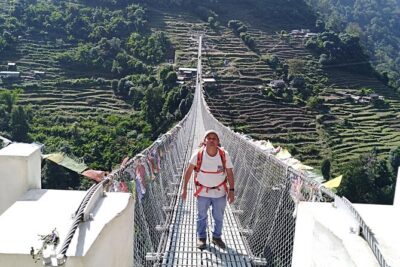
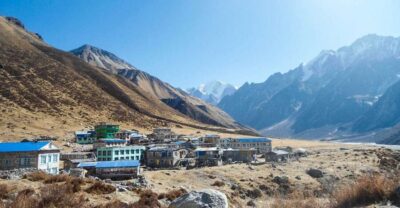
The appeal of Langtang is its mix of scenery and culture. You are not simply marching toward a high viewpoint. The route takes you through wide mountain valleys, forested stretches, villages, and Himalayan meadows.
Tamang culture is an important part of the experience. The trek gives you a chance to see local lifestyles and learn about the communities that live along the route. Your English-speaking guide is especially useful here. A good guide can explain what you are seeing and help you move through villages with courtesy.
You can also expect to see yaks grazing in higher meadows. That detail gives the route a strong sense of place. The mountains are spectacular, but the working life of the valley helps keep the trek grounded in something more than scenery.
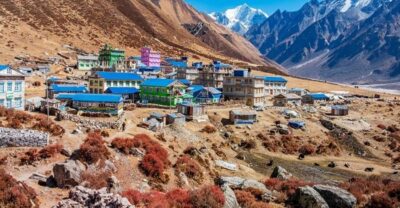
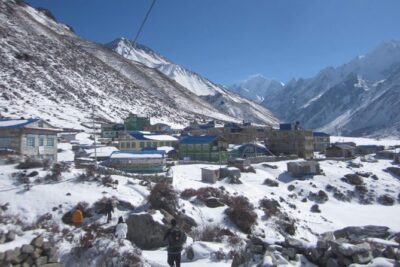
The views include snow-capped ranges and the Langtang mountains. Conditions will affect what you see, so you should not treat clear panoramas as guaranteed. The route itself, with its changing views and settlements, remains the central attraction.
What a typical trekking day feels like
The available plan does not provide named stops for each of the eight days, but it does set a clear daily pattern: about six to seven hours of hiking, followed by a night in a basic mountain lodge.
That rhythm is demanding but manageable for a fit walker. You will spend much of the day outside, then return to a simple teahouse setting for food and rest. Meals during the trek are included according to the itinerary, covering breakfast, lunch, and dinner.
Basic teahouse accommodation is part of the bargain and part of the character of the route. You should not book this expecting private hotel comforts. The value comes from having a bed, meals, a guide, porter support, and a route through the mountains bundled into one price.
The lack of detail about individual villages and overnight stops is worth noting. If you care about exact distances, room arrangements, or altitude changes, request those details before booking. It is reasonable to want to know what each walking day involves.
A few more treks around Kathmandu worth a look
- Everest Base Camp Trek – 14 Days
★ 5.0 · 1,499 reviews - Everest Base Camp Trek
★ 5.0 · 842 reviews - Everest Base Camp Helicopter Tour landing at Everest View Hotel
★ 5.0 · 668 reviews - Everest Base Camp Trekking
★ 5.0 · 485 reviews
Local guides and porters make a real difference
The guide and porter structure is one of the better features of this trip. You receive a licensed English-speaking trekking guide, and the stated ratio is one porter for every two trekkers.
That ratio can make long walking days much easier. You still need to carry a daypack with personal essentials, but your porter handles the heavier load. Be sure to pack responsibly and ask about weight limits, since the supplied details do not state one.
The guide is more than a person who points out the trail. In the supplied experiences, Ram Krishna is described as cheerful, caring, and especially attentive to a younger family member. Ram and other porters are noted for helping when walkers became tired. Lochan Gurung received particularly strong praise from people who had used him on more than one Nepal trek.
Those names come from individual departures, not a promise that one of them will lead your trip. Ask for the assigned guide if personal continuity matters to you. The consistent point is that guide care and porter support are central to the value of this trek.
A guide also helps with the practical side of mountain walking. One account highlights feeling safe and receiving help with highland health concerns. That does not replace travel insurance or medical preparation, but it is useful support when you are far from Kathmandu.
The gear loan can save money
You can request a sleeping bag, down jacket, and duffel bag for the trek. These items must be returned afterward.
This is a meaningful benefit if you do not already own cold-weather trekking gear. A suitable down jacket and sleeping bag can cost a lot to buy for one trip, especially if you are not planning more mountain travel.
The wording matters: the equipment is available on request, not automatically guaranteed without prior communication. I would confirm the sizes, warmth ratings, condition, and collection arrangements before departure.
You are still responsible for personal trek equipment. The included gear does not mean you can arrive without proper hiking clothes, footwear, rain protection, or other personal items. The only stated clothing advice is to bring clothes suitable for hiking, so ask the provider for a current packing list.
What the $700 price really covers
At $700 per person, this trek offers good value if you want a supported Himalayan route rather than an independent walk. The package includes seven nights of basic teahouse accommodation, transport between Kathmandu and Syabrubesi by local bus, trekking meals, national park fees, TIMS fees, taxes, a licensed English-speaking guide, and porter services.
It also includes breakfast, lunch, and dinner during the trekking portion. That removes much of the daily planning and makes budgeting easier once you are on the trail.
The price does not include accommodation in Kathmandu, lunch and dinner in the city, personal drinks, bottled water, laundry, phone bills, alcoholic drinks, or other personal spending. Tips for field staff are also separate.
The largest financial gap is insurance. Emergency evacuation, medical care, accidental cover, and helicopter rescue are not included. You need personal insurance that specifically covers trekking and emergency rescue. This is not an optional detail in Nepal’s mountains.
At this price, I see the trip as a practical middle ground. You are not paying for luxury, but you are getting the costly basics of organized trekking: permits, transport, staff, meals, and mountain lodging.
The real drawbacks to weigh
The first drawback is comfort. Seven nights in basic teahouses can mean simple rooms and limited facilities. The information does not promise private rooms, hot showers, heating, or reliable internet, so you should not assume those comforts.
The second is transport. Local buses help keep the price reasonable, but the road portion may feel tiring before and after the trek. If you prefer private vehicles and a smoother schedule, this package may not suit you.
The third is limited itinerary detail. Only Incredible Treks is named as the itinerary stop, while the day-by-day walking villages are not listed. Before booking, ask for daily distances, overnight locations, expected elevation, and the plan for bad weather.
Finally, the phrase relatively easy should not make you careless. Six to seven hours of walking is a serious commitment. A moderate fitness level is required, and children must be accompanied by an adult.
Who should book this Langtang trek
I would recommend it to an active visitor who wants Himalayan scenery, local culture, and organized support in a compact eight-day plan. It suits people who value a small group, do not need luxury lodging, and want porters to handle larger bags.
It is also a good fit if you are borrowing gear for the trip. The jacket, sleeping bag, and duffel bag option can reduce the amount you need to purchase or carry from home.
I would hesitate to recommend it to anyone seeking a soft adventure with short walks and hotel beds. It may also be a poor fit if you need a tightly scheduled itinerary with private transport and detailed accommodation information already fixed.
The maximum group size of 15 is reasonable, while the minimum booking size of two means solo visitors cannot book this exact arrangement alone. Pickup is offered, and the mobile ticket format is convenient, but you should still confirm meeting details and transport timing.
Cancellation is free up to 24 hours before the experience begins. After that point, the amount paid is not refunded, and changes made within 24 hours are not accepted.
Final call: a strong value trek with basic comforts
Book this Langtang Valley Trek if you want a genuine mountain walk without giving up guide support, meals, permits, and porter help. The scenery, Tamang culture, yak meadows, and snow-capped peaks give the route plenty of character, while the eight-day length fits a shorter Nepal visit.
Go in with realistic expectations. You will walk long days, sleep simply, ride a local bus, and pay separately for insurance, Kathmandu lodging, drinks, tips, and personal expenses. Confirm the detailed route and guide name before departure.
For a fit visitor who values care, safety, and practical value over polish, this is a sensible way to reach the Himalayas.
FAQ
How long is the Langtang Valley Trek?
The trek lasts approximately eight days and includes seven nights of teahouse accommodation.
How many hours do you walk each day?
You should expect to hike around six to seven hours each day.
Where does the trek begin?
The route begins at Syabrubesi, which you reach from Kathmandu by local bus.
Is transport from Kathmandu included?
Yes. Local bus transport from Kathmandu to Syabrubesi and back to Kathmandu is included.
Are meals included?
Breakfast, lunch, and dinner are included during the trekking portion. Lunch and dinner in Kathmandu are not included.
What type of accommodation is provided?
You stay for seven nights in basic teahouses, also described as mountain lodges, during the trek.
Is a guide included?
Yes. The package includes a licensed English-speaking trekking guide.
Are porters included?
Yes. Porter services and related expenses are included, with one porter provided for every two trekkers.
Can I borrow trekking gear?
A sleeping bag, down jacket, and duffel bag can be provided on request. These items must be returned after the trek.
What is not included in the price?
The price does not include Kathmandu accommodation, Kathmandu lunch and dinner, personal drinks, bottled water, laundry, phone bills, alcoholic drinks, tips, personal trekking equipment, insurance, or emergency evacuation costs.
Just added around Kathmandu
- Everest Base Camp Trek★ 5.0 · 3 reviews
- Everest Base Camp Trek★ 5.0 · 7 reviews
- 15 Days Private Everest Base Camp Trek★ 5.0 · 30 reviews
- Everest Base Camp Trek★ 5.0 · 57 reviews
- 14 Days of Adventure Trekking to Everest Base Camp★ 5.0 · 2 reviews
- 14-Day Everest Base Camp Trek★ 5.0 · 20 reviews
- From Kathmandu: Private 14-Day Everest Base Camp Trek★ 5.0 · 20 reviews
- 14 Days Everest Base Camp Trek★ 5.0 · 4 reviews
Langtang Valley Treks, compared.
Trekking in Annapurna/Langtang/Everest/Upper Mustang regions
Read our review →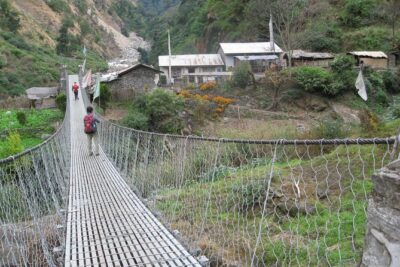
7 Days Langtang Valley Private Trek From Kathmandu
Read our review →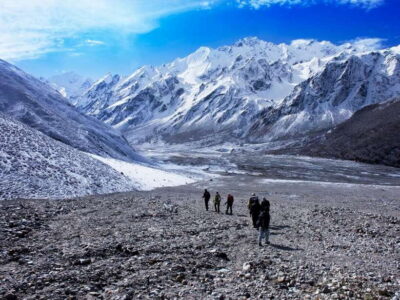
Browse the lists this trek appears in