
Review · KATHMANDU
Kathmandu: 6-Day Limitless Langtang Trek
Langtang gives you a real Himalayan trek without the long commitment of Everest or Annapurna. In six days, you travel from Kathmandu into a quiet valley of river trails, waterfalls, Tamang villages, monasteries, and high mountain views. The optional climb to Kyanjin Ri at 4,770 meters is the big prize, but it is also the part that demands the most from your legs and lungs.
I like two things here. First, the route brings you into daily mountain life rather than keeping you on a sightseeing bus. Second, the guides make a real difference. Names such as Niraj, Mahesh Aryal, Bipin, Dipesh, and Ghanshyam are repeatedly connected with careful pacing, clear briefings, and help when the trail gets tough. The main consideration is that this is more demanding than the word moderate may suggest, with some days lasting up to eight hours on steep ground.
Key points at a glance
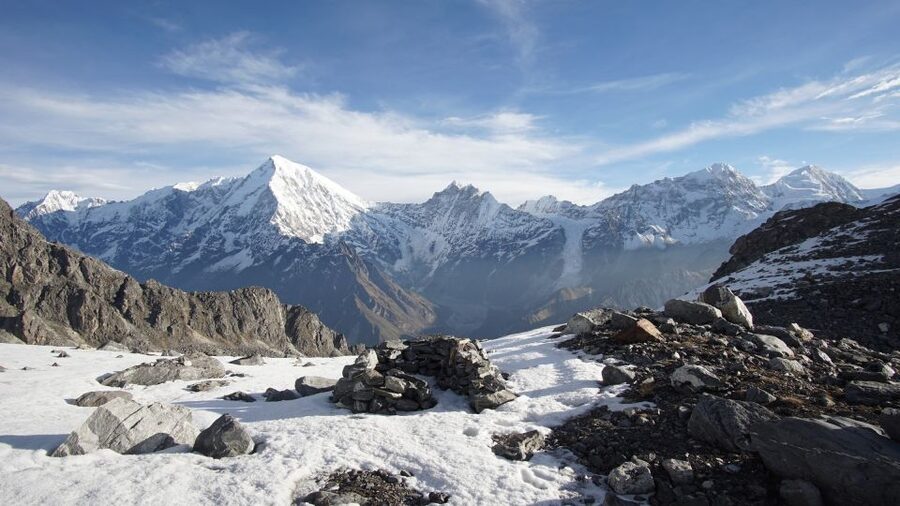
- Kyanjin Ri is optional: You can hike to 4,770 meters for wide Himalayan views, or skip the summit and enjoy Kyanjin Gompa at a lower altitude.
- The route feels personal: This is a private group with an authorized guide, not a large convoy moving through the valley.
- Tamang culture is part of the walk: Villages, monasteries, local lodges, and a cheese factory add substance to the mountain scenery.
- Five nights in the mountains are included: Accommodation, permits, staff costs, and transport are covered, while meals apply to the Full Package.
- The drive is part of the adventure: The road from Kathmandu to Syabrubesi takes about six hours on winding mountain roads.
- Pack for cold nights: January conditions can be chilly, and warm clothes, gloves, a sleeping bag, and a jacket are listed as essentials.
What six days in Langtang really gives you
The Langtang Valley Trek is a good choice if you want your first Himalayan experience to include both scenery and local life. You are not simply walking toward a viewpoint, taking a picture, and turning around. The route follows the Langtang River, passes through forest and mountain settlements, and gradually takes you into a higher world of glacial valleys and snow-covered peaks.
At $181 per person, the price looks particularly strong for a package that includes hotel pickup and drop-off, shared transport, permits, an English-speaking guide, five nights of private accommodation, staff expenses, and luggage storage. Check the booking option carefully, though. The information specifies meals for the Full Package only, and drinks, bottled or boiled water, showers, battery charging, and personal expenses cost extra.
The private-group format is useful for pacing. You can discuss the next day with your guide, slow down if the altitude catches up with you, or decide whether Kyanjin Ri is sensible for your group. That flexibility matters more here than a polished sightseeing schedule.
More Langtang Treks in Kathmandu:
- Langtang Valley Trek
★ 5.0 · 140 reviews - Langtang Valley Trek
★ 5.0 · 61 reviews - Langtang Valley Trek
★ 5.0 · 50 reviews
Day 1: Kathmandu to Syabrubesi, then the river trail to Pahiro
Your first day combines a long road journey with a short walk. The drive from Kathmandu to Syabrubesi takes about six hours, following winding mountain roads and opening views across the hills. Road conditions can make this a tiring start, so do not expect a relaxed transfer with a precise arrival time.
From Syabrubesi, you walk for about two hours toward Pahiro. The trail enters forest and follows the Langtang River, giving you a gentle introduction to the valley. This section is valuable because it lets your body shift from city pace to trekking pace before the longer hiking days begin.
Pahiro sits at about 1,550 meters, or 5,085 feet. You spend the night there. The accommodation is described as private, but you should still expect a practical mountain lodge rather than a city hotel. This is also the point to organize your day pack, refill what you need, and ask the guide about the next day’s elevation gain.
Day 2: Forest, waterfalls, and the climb to Ghoda Tabela
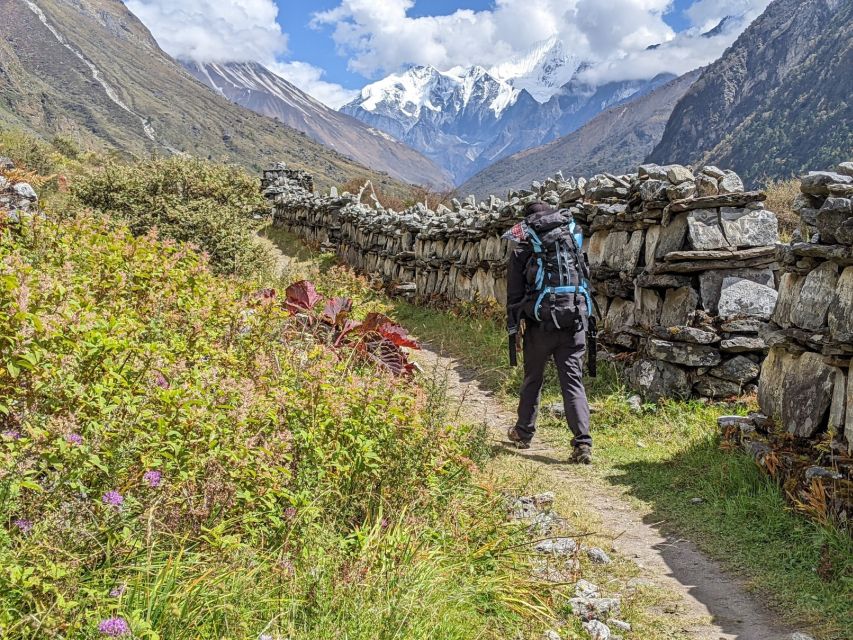
The second day is where the trek begins to feel serious. You walk from Pahiro to Ghoda Tabela, with the route passing through forest, small villages, and waterfalls. The scenery changes as you gain height, and the sound of the river remains a steady companion.
The scheduled hiking time is about six hours, though actual timing depends on your pace and trail conditions. One important detail is that the trip has been described as taking up to eight hours a day on steep sections. I would prepare for the longer end of that range rather than treating six hours as a guarantee.
Ghoda Tabela is at roughly 2,900 meters, or 9,514 feet. That is a substantial increase from Pahiro, so the guide’s role becomes important. The strongest reports about this trip focus on regular check-ins, clear plans for the next day, and guides who do not push people past their limits. You should tell your guide early if you have a headache, unusual fatigue, or trouble sleeping.
The stop itself is less about a single attraction and more about the sense of entering the high valley. Forest gives way to bigger mountain views, and the evening is a chance to rest before the next major climb.
Day 3: Reaching Kyanjin Gompa at 3,870 meters
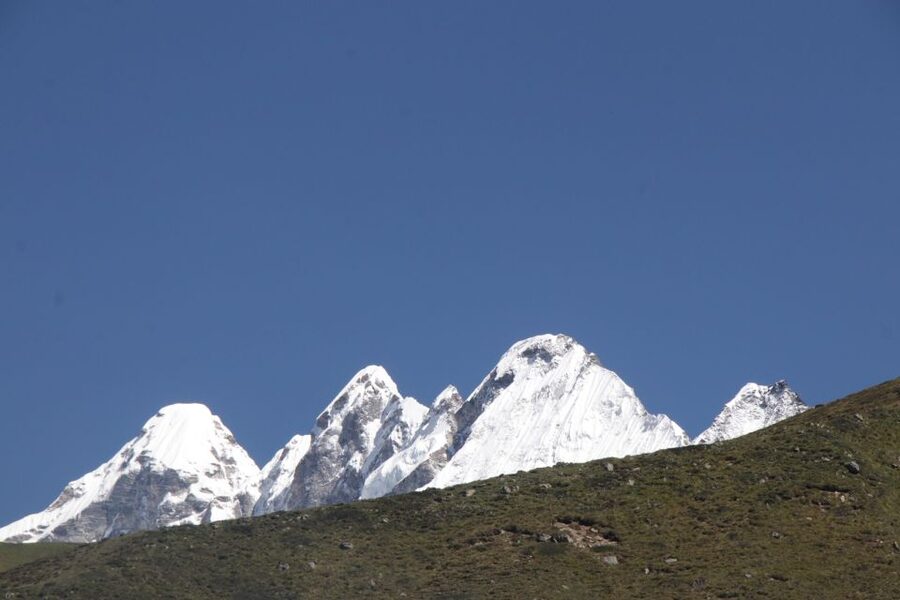
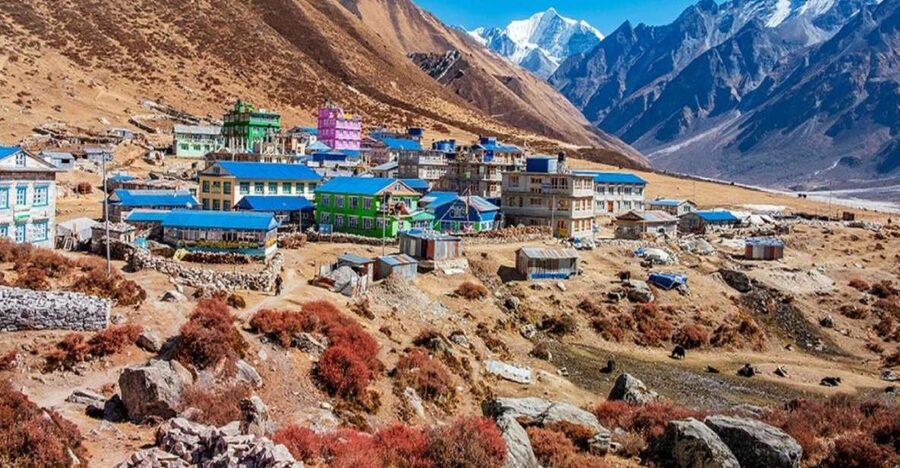
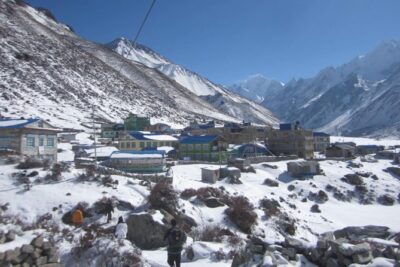
The walk from Ghoda Tabela to Kyanjin Gompa is one of the most rewarding parts of the route. You continue through the Langtang Valley, with mountain views opening around you as the trail rises. The destination sits at about 3,870 meters, or 12,696 feet, so the scenery improves at the same time that the altitude becomes more demanding.
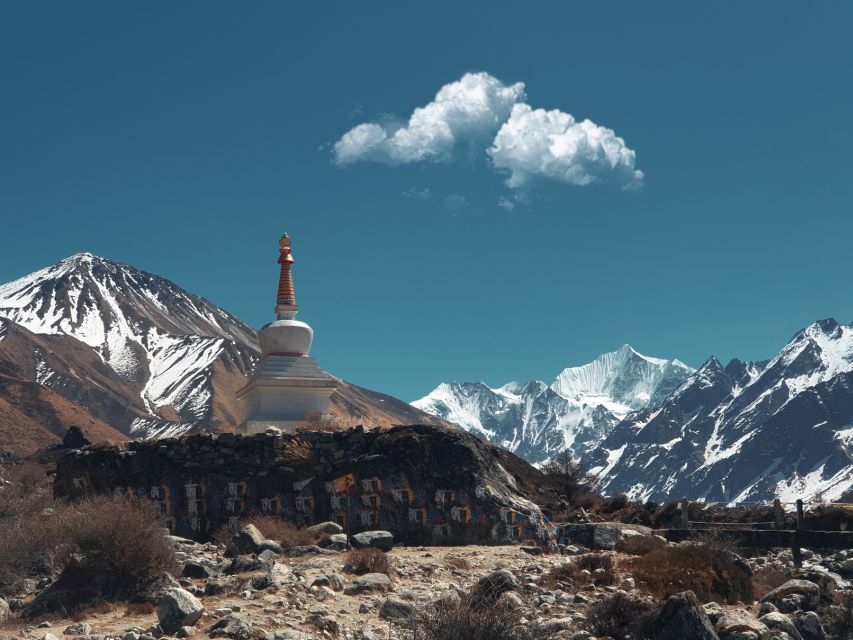
Kyanjin Gompa is not just a sleeping stop. You can explore the village, visit monasteries, learn about local religious traditions, and stop at a cheese factory. The area also offers a direct connection with Tamang culture, including the warm, practical hospitality found in the mountain lodges.
This is the day when your guide’s local knowledge adds real value. Mahesh Aryal, for example, is noted for explaining the route, the natural surroundings, animals, and other trekking options, while also reviewing the plan at the end of the day. A good guide can point out what you might otherwise walk past, from local food production to the way mountain communities manage daily life at altitude.
You may feel the elevation here. Keep the afternoon easy, drink as advised by your guide, and resist the urge to turn every hour into a sightseeing mission. Kyanjin Gompa rewards a slower pace.
A few more treks around Kathmandu worth a look
- 6 Days Poon Hill – Ghandruk Circuit Trek from Kathmandu
★ 5.0 · 10 reviews - Kathmandu: 6 Days Langtang Valley Trek with Kyanjin Ri
★ 5.0 · 7 reviews - From Kathmandu: 6-Day Langtang Valley Guided Trek
★ 5.0 · 2 reviews - Kathmandu: Langtang Valley 6-Day all inclusive Guided Trek
★ 5.0 · 2 reviews
Day 4: Kyanjin Ri and the long return to Thangsyap
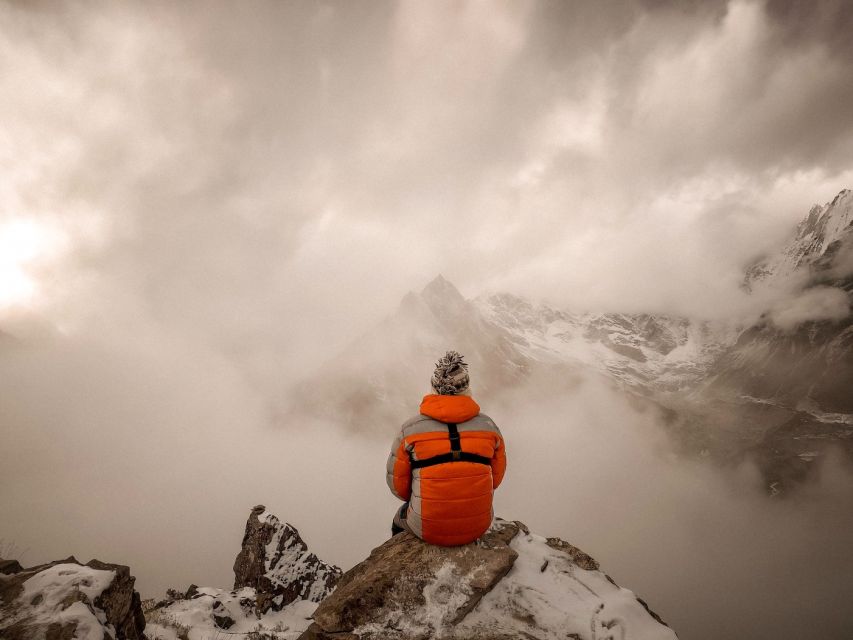
Day four is the most flexible and most physically demanding part of the itinerary. The stated plan takes you from the Kyanjin area toward Kyanjin Ri, with a summit height of 4,770 meters, or 15,649 feet. The climb is optional, and that is a sensible feature. You can have an excellent trek without reaching the top.
The ascent is steep. It is not a casual walk after breakfast, and the high altitude can make every step feel slower. Set out only if you feel well and your guide agrees that the conditions and your pace are suitable. A sunrise attempt is possible according to the experience described by one participant, but the schedule details do not promise a particular departure time, so confirm that directly before you go.
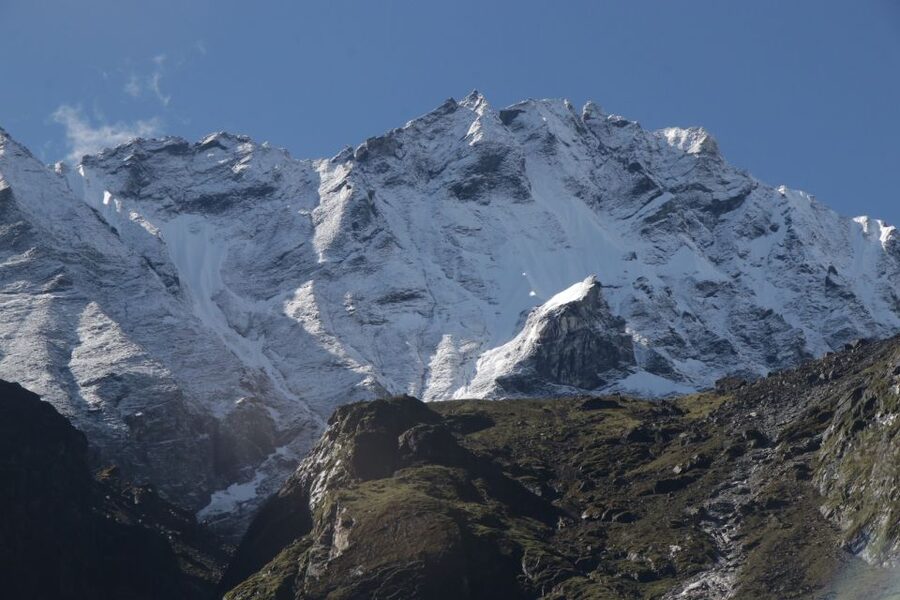
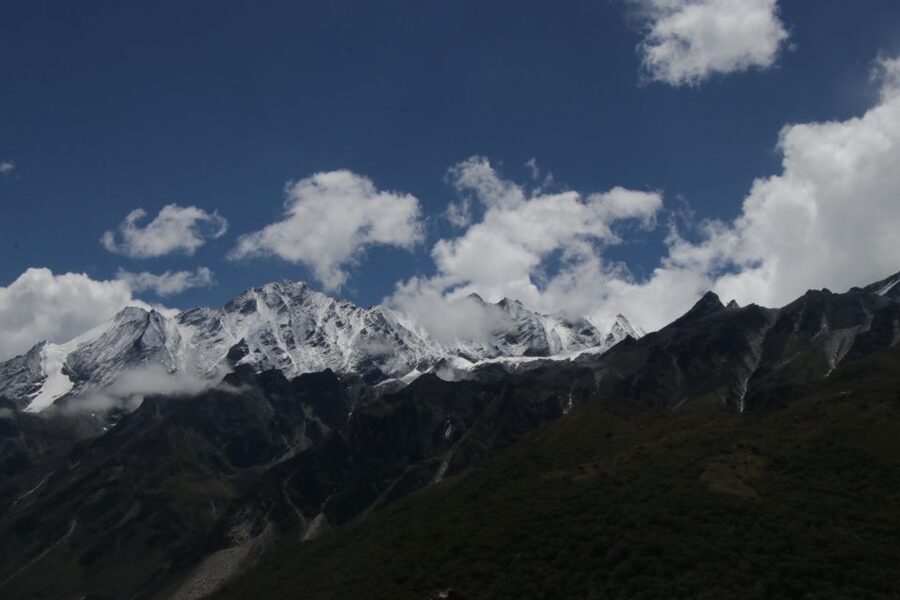
From Kyanjin Ri, you can expect broad views of snow-covered peaks and the glacial valley. The reward is not only the summit itself, but the change in scale. The villages and trails below become small, while the surrounding mountains take over the view.
After the climb, you retrace the route and continue toward Thangsyap, listed at about 3,200 meters, or 10,498 feet. That makes this a long day, especially if you complete the summit. If you skip Kyanjin Ri, the day should be less strenuous, but you still need to follow the group plan and allow time for the return route.
The itinerary describes this day as a spiritual experience as well as a mountain walk. That fits the setting around Kyanjin Gompa, where monasteries and quiet valley views give the stop a calm quality. The key point is to treat the summit as an option, not a test of character.
Day 5: Descending beside the Langtang River
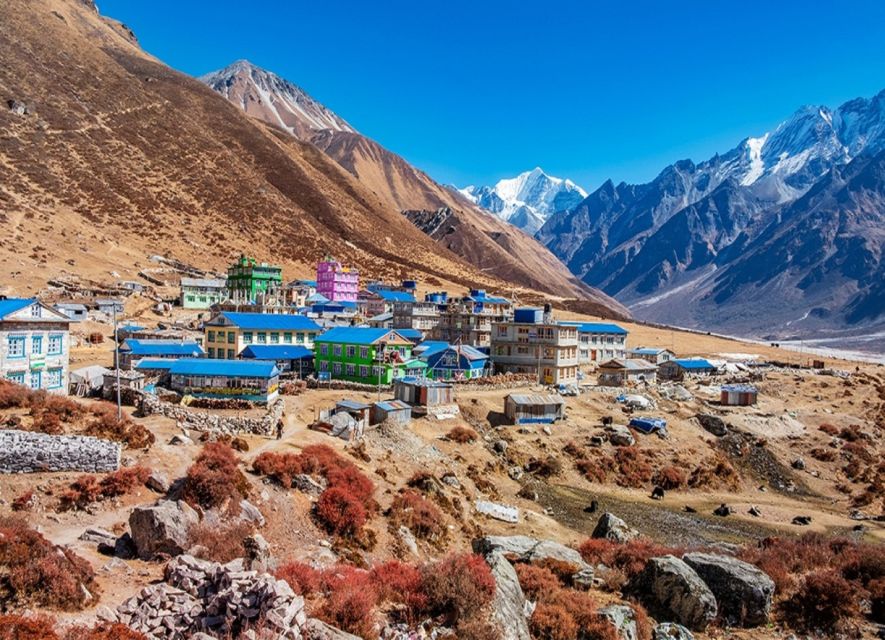
From Thangsyap, you return to Syabrubesi at approximately 1,550 meters. The trail retraces earlier ground, but downhill walking gives you a different view of the forest, waterfalls, villages, and river corridor.
Do not underestimate the descent. After several days on uneven ground, your knees and feet may feel the effort more clearly than they did on the way up. Hiking poles would be useful, although they are not specifically included in the package, so bring or arrange them if you rely on them.
The lower altitude usually feels easier, and Syabrubesi offers a welcome chance to relax before the drive back to Kathmandu. This is also the evening to check that you have all your belongings, settle personal expenses, and thank the guide and support staff. Porter service is not included in the basic details and may cost extra, although one participant described excellent porter help. Confirm your porter arrangements before departure rather than assuming they are part of the $181 price.
Day 6: The shared bus back to Kathmandu
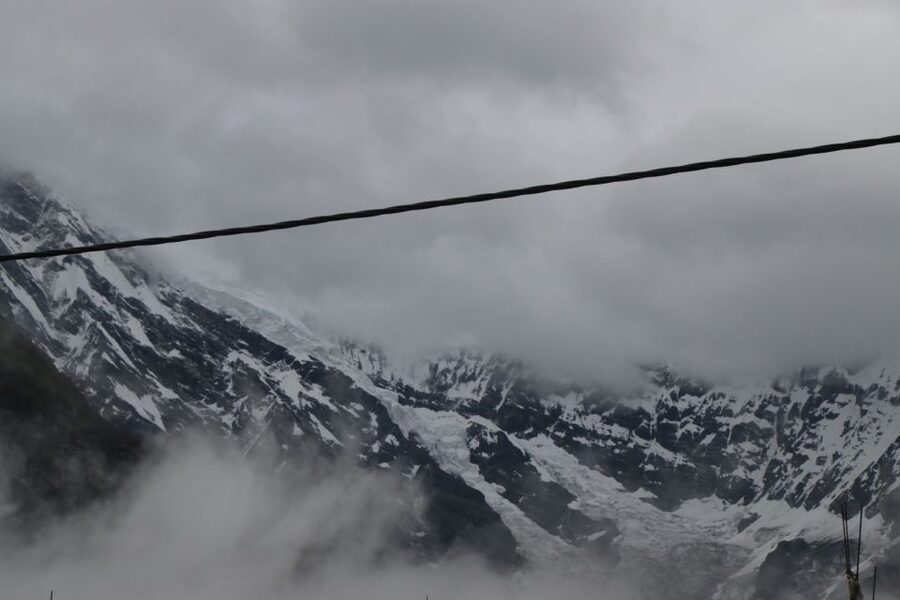
The final day is a return drive from Syabrubesi to Kathmandu by shared bus. The transport is covered according to the itinerary and depends on the number of people in your group. The journey can be tiring after five nights on the trail, but it gives you one last look at the roads and hills that connect the valley with the capital.
The schedule does not include extra hotel nights in Kathmandu or Pokhara if you arrive early, leave late, or return ahead of plan for a reason outside the planned itinerary. If you have an international flight soon after the trek, leave plenty of breathing room rather than booking a tight connection.
Guides are central to the experience
The strongest part of this trek is the guiding. Several named guides receive praise for being friendly, patient, attentive, and good at explaining what happens next. Niraj is associated with strong support on steep climbs and helped one group reach around 4,700 meters after extending the trip to eight days.
Mahesh Aryal is praised for checking how people feel, explaining the next day’s route, helping with backpacks when the trail became difficult, and choosing suitable lodges. Bipin is described as organized and helpful with food, lodge arrangements, and questions about Nepal, yak keeping, and sports. Dipesh and Ghanshyam are also connected with patient support, clear information, and a reassuring approach for first-time and solo trekkers.
Guide assignments can change, so you should not assume a particular person is guaranteed unless the operator confirms it. Still, the consistent pattern is useful: this trip works best when you communicate honestly about your pace and health. The guide can help you decide how hard to push, but you must speak up.
How the $181 price works in practice
The price is good value if you choose the Full Package and make use of the included services. You receive:
- Hotel pickup and drop-off
- Shared transportation listed in the itinerary
- An authorized English-speaking guide
- Trekking permits and required paperwork
- Five nights of private accommodation
- Staff wages, food, accommodation, equipment, insurance, and transport
- Luggage storage
- Government taxes
Hindi and Nepali guiding are also available. Porters cost extra, and the package does not cover drinks, bottled or boiled water, showers, laundry, phone calls, charging, bar bills, or personal purchases.
Travel and rescue insurance is not included. You should arrange it before the trek, especially because the route reaches 4,770 meters and includes remote mountain sections. International flights and the Nepalese visa fee are also outside the price.
Free cancellation is available up to 24 hours before the activity for a full refund, and you can reserve now and pay later. Starting times depend on availability, so check the date and departure details before committing.
What to pack for cold nights and high trails
The required packing list is sensible for a six-day mountain route. Bring your passport or ID, hiking shoes, trekking clothes, a jacket, gloves, hat, sunglasses, sunscreen, towel, sleeping bag, flashlight, and other trekking gear.
Warm layers matter. January can be cold at night, even though the lodges may have a fire in the dining area. One participant specifically advised bringing warm clothing and medication. Keep essentials in a day pack, while larger luggage can be stored or carried with porter support if arranged.
You should also budget for water and personal charging needs. Bottled or boiled water and battery recharge are not included, so ask the guide how these are handled on your route.
Who should choose this Langtang trek?
This trip suits you if you want a compact Himalayan route with culture, monasteries, mountain scenery, and a manageable group size. It can work for first-time trekkers, couples, families with suitable fitness, and solo hikers who want guide support without joining a large group.
It is less suitable if you want a soft walking holiday. The climb to Kyanjin Ri is hard, and the route includes steep sections and long days. Pregnant women should not book this activity, as it is specifically listed as unsuitable.
I would also think carefully if your schedule is extremely tight. The six-hour drive to Syabrubesi and the shared bus ride back can be affected by mountain road conditions. The trek is short by Himalayan standards, but it is not rushed-free.
Should you book it?
Book this Langtang trek if you want a strong first taste of Nepal’s high country for a low listed price, and if you value personal guiding more than luxury. The route gives you forest, rivers, Tamang villages, monasteries, a cheese factory, and a genuine high-altitude option at Kyanjin Ri.
Before paying, confirm three things: whether your price includes the Full Package meals, whether a porter is needed and what it will cost, and who your guide will be. Pack warmly, arrange insurance, and keep your return-to-Kathmandu plans flexible. If you accept the long road transfers and the physical demands, this is a practical and memorable way to reach the Langtang Valley in only six days.
FAQ
How long is the Langtang trek?
The activity lasts six days, including transport from Kathmandu to Syabrubesi and the return journey to Kathmandu.
What is the highest point on the trek?
The optional Kyanjin Ri climb reaches about 4,770 meters, or 15,649 feet. Kyanjin Gompa is at approximately 3,870 meters.
Is Kyanjin Ri included for everyone?
No. The climb is optional because the ascent is steep and difficult for some people.
What languages can the guide speak?
Guides are available in English, Hindi, and Nepali.
Are meals included?
Breakfast, lunch, and dinner are included for the Full Package. Drinks, bottled or boiled water, and personal purchases are not included.
Is a porter included?
Porter service is not included in the listed inclusions. Extra porter charges may apply.
What should I bring?
Bring your passport or ID, hiking shoes, trekking gear, jacket, gloves, hat, sunglasses, sunscreen, towel, sleeping bag, and flashlight. Warm clothing is especially useful for cold nights.
Just added around Kathmandu
- Everest Base Camp Trek★ 5.0 · 3 reviews
- Everest Base Camp Trek★ 5.0 · 7 reviews
- 15 Days Private Everest Base Camp Trek★ 5.0 · 30 reviews
- Everest Base Camp Trek★ 5.0 · 57 reviews
- 14 Days of Adventure Trekking to Everest Base Camp★ 5.0 · 2 reviews
- 14-Day Everest Base Camp Trek★ 5.0 · 20 reviews
- From Kathmandu: Private 14-Day Everest Base Camp Trek★ 5.0 · 20 reviews
- 14 Days Everest Base Camp Trek★ 5.0 · 4 reviews
Langtang Valley Treks, compared.
Trekking in Annapurna/Langtang/Everest/Upper Mustang regions
Read our review →
7 Days Langtang Valley Private Trek From Kathmandu
Read our review →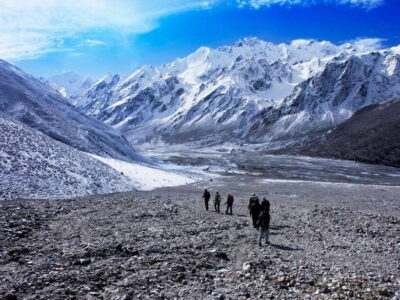
Browse the lists this trek appears in