
Review · KATHMANDU
Kathmandu: 6 Days Langtang Valley Trek with Kyanjin Ri
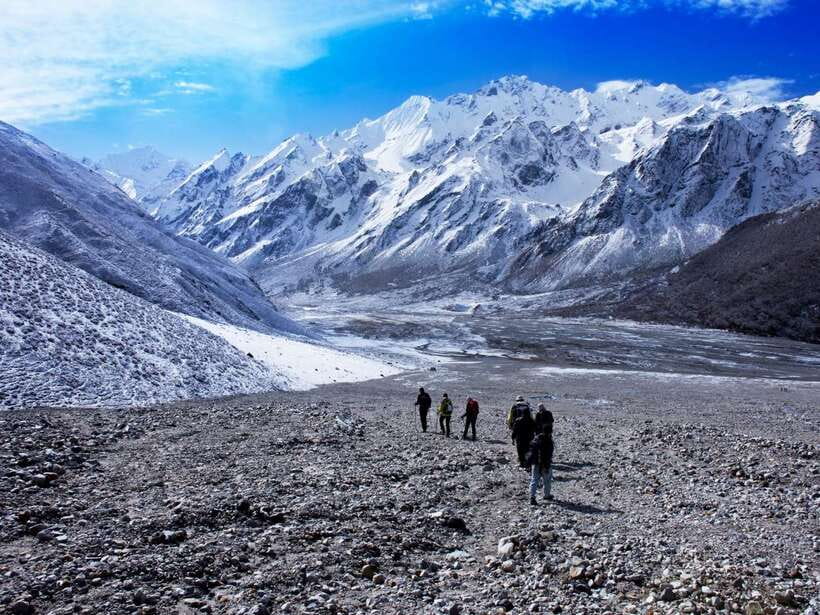
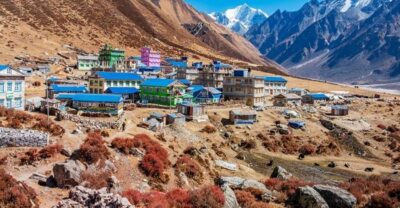
Kyanjin Ri is the big prize here. You reach Kyanjin Gompa at 3,870 meters, then have the option to climb higher for broad views of snowy peaks and glacial valleys. The sunrise start, when conditions are clear, gives this six-day trek a memorable finish.
I like the mix of Tamang village life and mountain scenery, and I like that the trip includes permits, five nights, guide support, and transport for $179. Guides such as Ghanshyam and Sudarshan have been praised for adjusting the pace and checking on trekkers. The main caution is altitude: the schedule climbs quickly, so Kyanjin Ri should remain optional, not a test of pride.
Key points at a glance
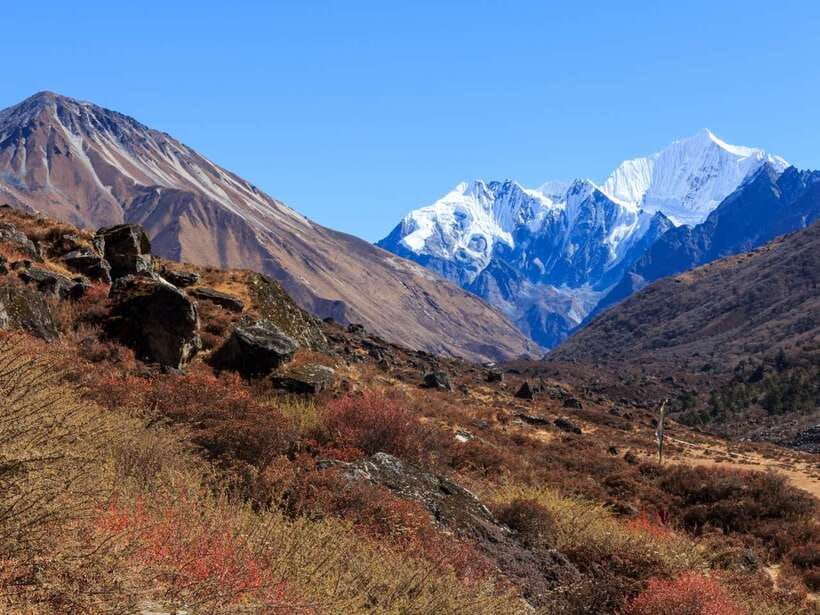
- Kyanjin Ri at 4,770 meters: Add a demanding early hike for wide Himalayan views and possible sunrise color.
- Tamang culture along the trail: Walk through mountain villages, visit Kyanjin Gompa, and see how local hospitality shapes the trek.
- A useful six-day format: Reach the main valley, spend time at Kyanjin, then return to Kathmandu without committing to a two-week expedition.
- Good value at $179: Permits, five nights, transport, guide costs, and meals on the full package are included.
- Private group, shared road transport: Your trekking group is private, but the Kathmandu to Syabrubesi transport is listed as shared according to party size.
- Porter service costs extra: Many people will find a porter worthwhile, especially with cold-weather gear and a sleeping bag.
Why Langtang works well in six days
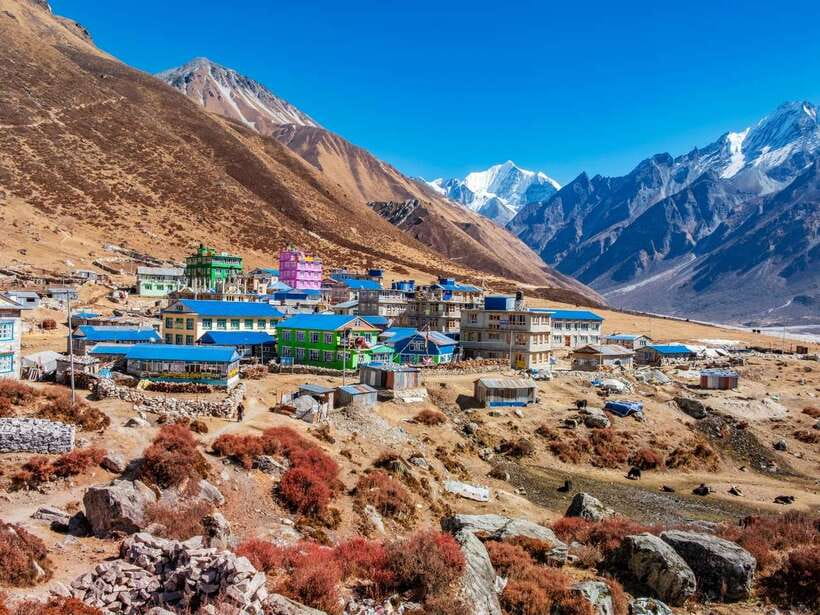
Langtang Valley gives you a real Himalayan trek without the longer time commitment of Everest Base Camp or the Annapurna Circuit. The route follows the Langtang River, passes through forest and mountain settlements, and finishes at Kyanjin Gompa, a high village framed by serious peaks.
The appeal is variety. One day brings winding roads and a short walk near Syabrubesi. Another follows waterfalls through forest. Later, the trees thin out and the mountains take over. You also meet Tamang communities, visit a monastery, and stop at a local cheese factory.
That combination makes the trek a good first taste of Nepal. You are not simply walking from lodge to lodge. You get cultural contact, changing scenery, and a clear high point in Kyanjin Ri.
The six-day schedule is also its limitation. There is not much spare time for a slow acclimatization plan. You gain altitude from Pahiro at 1,550 meters to Ghoda Tabela at 2,900 meters, then reach Kyanjin Gompa at 3,870 meters on the third trekking day. Some people handle that well. Others need more rest.
You should take headaches, nausea, unusual tiredness, or loss of appetite seriously. The route may change with weather or seasonal conditions, and the guide can adjust the pace, but no schedule can remove the effects of altitude.
More Langtang Treks in Kathmandu:
- Langtang Valley Trek
★ 5.0 · 140 reviews - Langtang Valley Trek
★ 5.0 · 61 reviews - Langtang Valley Trek
★ 5.0 · 50 reviews
Day 1: Kathmandu to Syabrubesi and Pahiro
The first day begins with hotel pickup in Kathmandu and a long road journey toward Syabrubesi. The drive follows mountain roads through villages and green countryside before reaching the trailhead area.
Road travel is part of the experience here, but it is not the polished part. The route is scenic, and it gives you a look at rural Nepal before you start walking. It can also be tiring, especially after an early pickup and several hours on winding roads.
From Syabrubesi, you walk toward Pahiro at 1,550 meters. The path follows the Langtang River and enters quiet forest. This first walk is a useful transition from city travel to mountain pace.
You spend the night in Pahiro. It is a modest beginning rather than a dramatic mountain viewpoint, but that is fine. The important thing is to settle into your boots, check your gear, and start drinking water regularly.
Day 2: Forest trails, waterfalls, and Ghoda Tabela
The trail from Pahiro to Ghoda Tabela at 2,900 meters brings more walking and a sharper gain in height. You follow forest paths, cross village areas, and pass waterfalls along the way.
This is one of the more attractive sections for people who enjoy the walk itself, not just the final viewpoint. The forest gives shade, the river keeps you company, and the sound of falling water breaks up the climb.
You also begin to see more of the snow-covered peaks. The route is not a simple stroll, though. The change from 1,550 meters to 2,900 meters matters, and you should use the day to notice how your body responds.
The guide is important here. Ghanshyam, named by several people who took this trek, was praised for taking regular care with pace, health, breaks, and practical questions. Sudarshan was also praised for adjusting the route to a trekker’s speed. Those details matter more than a fast walking time.
Ghoda Tabela is an overnight stop at a useful altitude before the push to Kyanjin Gompa. Keep the evening simple. Eat, rest, prepare warm clothing, and do not treat a lack of symptoms as proof that altitude will not affect you tomorrow.
Day 3: Reaching Kyanjin Gompa at 3,870 meters
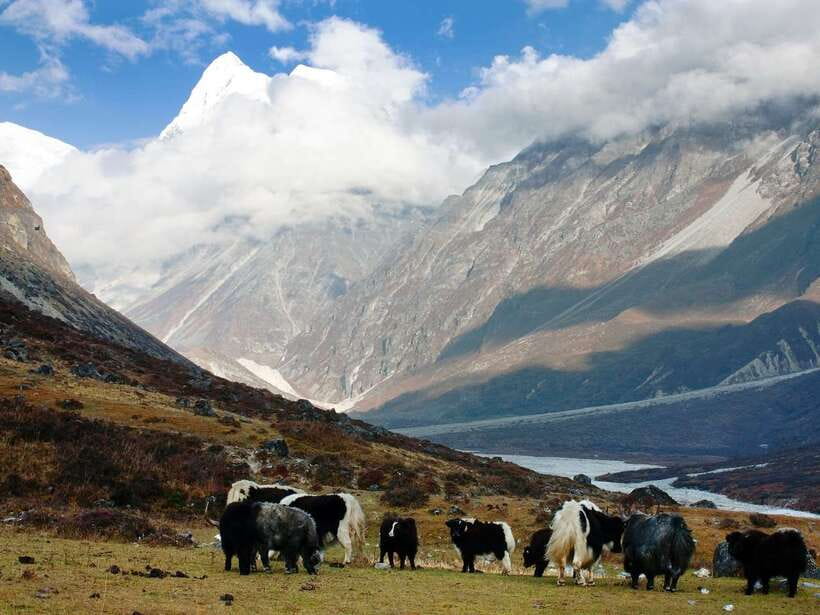
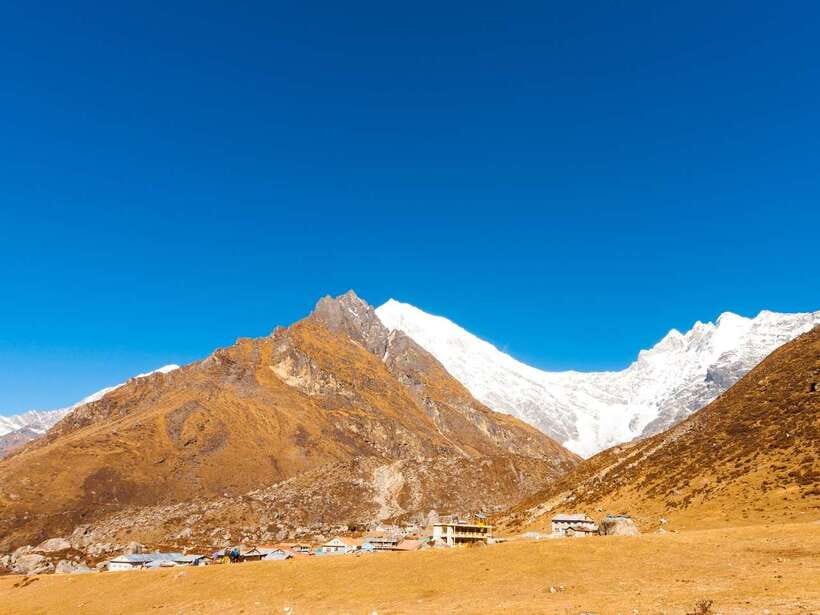
The third trekking day takes you to Kyanjin Gompa, the emotional center of the trip. The trail continues through the Langtang Valley, with Tamang villages and stronger views of the surrounding peaks.
Kyanjin Gompa is more than a place to sleep. You can visit the historic monastery, meet local residents, and stop at the cheese factory. The cheese tasting adds a small but memorable local detail to a day that could otherwise become a march toward a high lodge.
The village setting is also why this route feels personal. You are walking through communities rather than passing only through empty mountain country. The warm welcome and friendly guide support are recurring strengths of this experience.
At 3,870 meters, Kyanjin is high enough that you should slow down. A short walk can feel harder than expected. Give yourself time to eat and rest, and tell the guide if you have a headache, nausea, fatigue, or no appetite.
The overnight stay here is valuable even though the itinerary moves on the next day. It gives you a chance to look around the village and decide whether Kyanjin Ri is sensible. You do not need to climb it to have completed the Langtang Valley trek.
A few more treks around Kathmandu worth a look
- Kathmandu: 6-Day Limitless Langtang Trek
★ 5.0 · 21 reviews - 6 Days Poon Hill – Ghandruk Circuit Trek from Kathmandu
★ 5.0 · 10 reviews - From Kathmandu: 6-Day Langtang Valley Guided Trek
★ 5.0 · 2 reviews - Kathmandu: Langtang Valley 6-Day all inclusive Guided Trek
★ 5.0 · 2 reviews
Day 4: Optional Kyanjin Ri, then down to Thangsyap
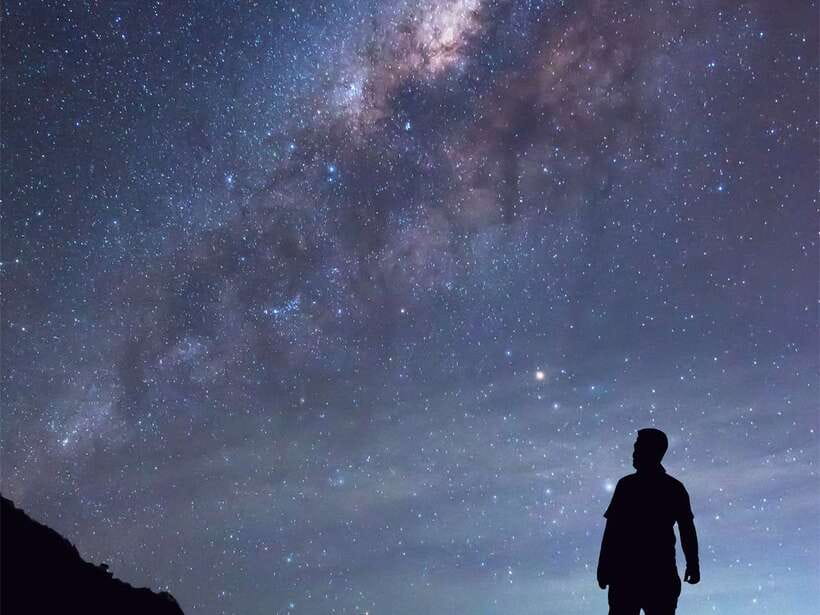
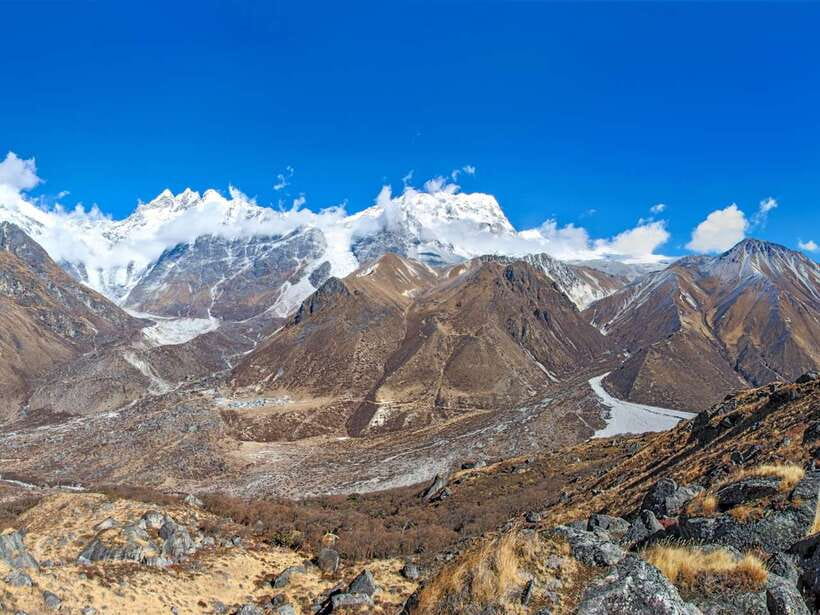
The optional Kyanjin Ri hike is the trip’s toughest and most rewarding add-on. The summit reaches 4,770 meters, and the climb offers views across snow-covered peaks and glacial valleys.
An early morning start is the best choice when weather allows. A clear sunrise from Kyanjin Ri can turn the mountains into the day’s main event. One trekker also reported wildlife sightings on the way, though you should treat that as a possibility rather than a promise.
This climb is not a casual viewpoint walk. The height is significant, and the ascent can be challenging even for fit hikers. If you are not feeling well, skip it. The sensible decision is to preserve your health for the descent and the return journey.
After returning to Kyanjin Gompa, you descend to Thangsyap at 3,200 meters. That drop helps, but it still makes for a full day. The combination of an early climb and several hours of descent can be tiring.
This is where a guide who listens becomes especially useful. The experience works best when the Kyanjin Ri climb is treated as an option based on conditions, health, and energy. It should not be treated as a compulsory badge.
Day 5: Returning through the Langtang Valley
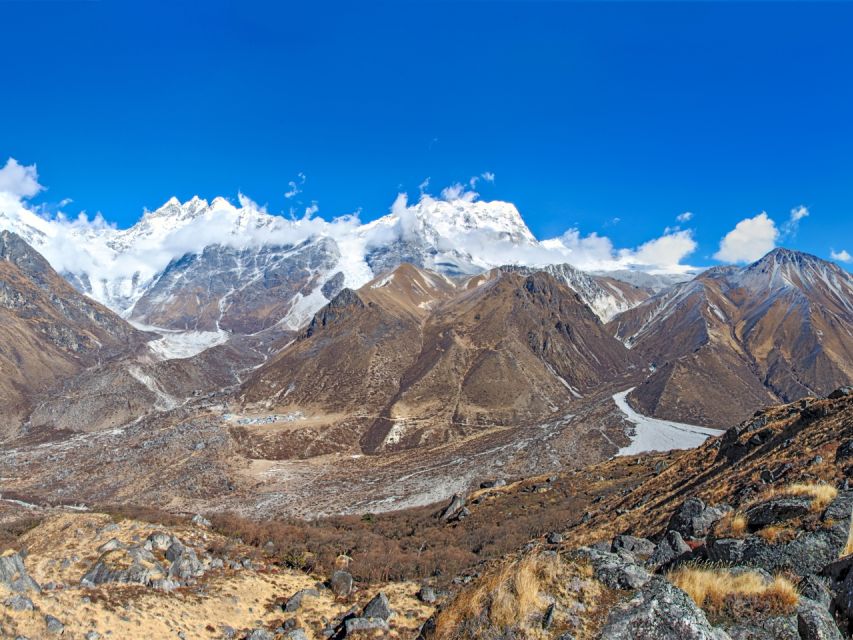
The walk from Thangsyap back to Syabrubesi at 1,550 meters retraces much of the route. Some people dislike returning on the same trail, but here it gives you a chance to see familiar places from a new angle.
You descend through forest and follow the Langtang River. Going downhill is easier on your lungs, but it can be demanding on knees and ankles. Trekking poles can help, though the supplied information only specifically requires hiking shoes and trekking gear rather than naming poles.
This is also a good day to reflect on the change in scenery. Near the end of the trek, you are back among greener forest and lower villages. The high valley feels far away, even though it was only a day earlier.
You spend the night in Syabrubesi. That overnight stop avoids making the road journey immediately after a long descent, which is a practical choice. It gives you time to rest before the return to Kathmandu.
Day 6: The road back to Kathmandu
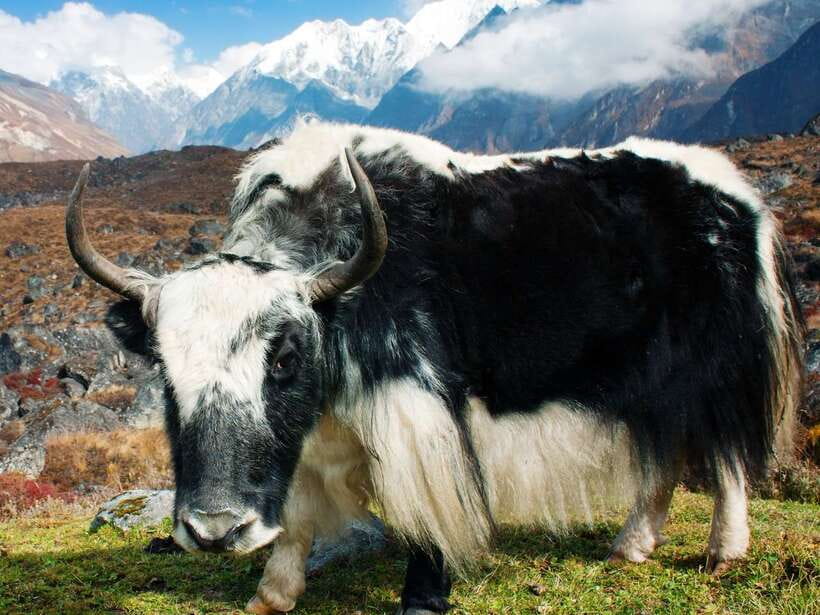
The final morning is for the drive from Syabrubesi to Kathmandu. You leave the Langtang region by road, passing again through mountain villages and countryside.
The return trip is not a sightseeing day with a fixed set of stops. Its value is practical: you finish the loop without needing to arrange your own transport. Hotel drop-off is included, and the driver is expected to meet you at your hotel with a sign showing your last name.
Because road conditions and weather can affect timing, do not plan an important flight or fixed appointment too close to the scheduled return. Extra nights in Kathmandu are not included if you arrive early, depart late, or return from the mountain outside the planned schedule.
What the $179 price really covers
At $179 per person, this is strong value if you choose the full package and use the included services. The price includes hotel pickup and drop-off, trekking permits, required paperwork, the Trekkers’ Information Management System fee, five nights of private accommodation during the trek, transport according to the itinerary, and guide-related staff costs.
Meals are included for the full package, covering breakfast, lunch, and dinner during the trek. That is a major saving compared with paying for each meal separately, but check the package option carefully when booking because the meal inclusion is specifically tied to the full package.
A porter is extra. This is worth budgeting for. You need a sleeping bag, warm layers, gloves, a jacket, water, sunscreen, sunglasses, and trekking equipment. Carrying all of that at altitude can make the walk much harder. One person who used a porter considered it the right decision, and I agree that this is a practical place to spend extra money.
Drinks are not included. You also pay for bottled or boiled water, showers, battery charging, laundry, phone calls, bar bills, and personal purchases. Travel and rescue insurance are not included either. That last item is not optional in spirit: high-altitude trekking deserves proper coverage.
International flights and the Nepalese visa fee are also outside the price. If you need an extra night in Kathmandu or Pokhara because of an early arrival, late departure, or an unscheduled early return, that cost is yours.
Guides, pace, and group setup
The booking is for a private group, with a live guide who can speak English or Hindi. The group format should suit you if you want more control over walking speed and breaks than you would get in a large fixed group.
Named guides connected with this experience include Ghanshyam and Sudarshan. Ghanshyam was repeatedly praised for being caring, cheerful, flexible, and attentive to health. He also explained things along the trail and helped first-time trekkers feel at ease. Sudarshan was praised for adjusting breaks and pace, with porter Projol also noted for professional support.
That does not mean you should assume one specific guide will always lead your departure. It does show what to ask for before leaving: confirm your guide’s name, clarify the porter fee, ask what meal package you selected, and discuss how the itinerary will be handled if weather changes.
The private format is slightly misleading if you picture private road transport throughout. The trekking group is private, while transport is listed as shared according to the number of people. That is normal for a route like this, but it is worth knowing before you book.
Best seasons and what to pack
The strongest trekking periods are mid-March through April and October through mid-November. Autumn generally brings less wind and warmer temperatures. Late March and April can add rhododendron blooms at lower elevations.
Weather can still shift, and the itinerary may change with seasonal conditions. You need proper hiking shoes, a sleeping bag, flashlight, sunscreen, gloves, water, a jacket, trekking gear, sunglasses, and your passport or ID card.
Pack for both warm lower valleys and cold high areas. The supplied gear list is short, so check your personal needs before departure. Alcohol and drugs are not allowed.
You also need travel and rescue insurance, even though it is not included. Make sure your policy covers trekking at the elevations on this route, especially if you plan to attempt Kyanjin Ri.
Who should book this Langtang trek?
I would recommend this trip to you if you want a shorter Nepal trek with serious mountain views, local village contact, and an optional high climb. It suits first-time trekkers who want a guide, provided they understand that altitude and long walking days still require preparation.
It is also a good choice if you value support. The guide can explain the Tamang culture, help with communication, arrange accommodation, and adjust the pace. English and Hindi support make the trip easier for many people, though you should state your language needs in advance.
I would be more cautious if you need a slow altitude program, dislike retracing a trail, or want every cost included. The six-day schedule is efficient, but it is not generous. The porter fee, drinks, insurance, water, and personal expenses can add to the headline price.
Should you book it?
Book this Langtang Valley trek if you want a compact, well-supported route with a memorable high point at Kyanjin Gompa and the option to climb Kyanjin Ri. The $179 starting price is appealing because it covers key permits, accommodation, transport, guide support, and meals on the full package.
Before paying, confirm the meal plan, porter cost, shared transport details, guide assignment, and insurance requirements. Most important, be honest about your condition at altitude. Kyanjin Ri is optional, and the best version of this trip is the one that gets you back to Kathmandu healthy, happy, and still eager for your next walk in Nepal.
FAQ
How long is the Langtang Valley trek?
The experience lasts six days, including transport from Kathmandu to Syabrubesi, the trek through Langtang Valley, the return to Syabrubesi, and the drive back to Kathmandu.
Is Kyanjin Ri included?
The optional hike to Kyanjin Ri is part of the itinerary as an add-on choice. The summit reaches 4,770 meters, and you should only attempt it if your health, energy, and weather conditions are suitable.
What is included in the $179 price?
The package includes hotel pickup and drop-off, trekking permits, required paperwork, the Trekkers’ Information Management System fee, five nights of accommodation, transport listed in the itinerary, guide and staff expenses, and all applicable government tax. Meals are included with the full package.
Is a porter included?
No. Porter service costs extra. The guide is included, but you should arrange and budget for a porter separately if you do not want to carry your own trekking equipment.
Which languages can the guide speak?
Live guide support is available in English and Hindi.
What are the best months for this trek?
The main trekking seasons are mid-March to April and October to mid-November. Autumn usually brings less wind and warmer temperatures, while late March and April may bring rhododendron blooms at lower elevations.
Just added around Kathmandu
- Everest Base Camp Trek★ 5.0 · 3 reviews
- 15 Days Private Everest Base Camp Trek★ 5.0 · 30 reviews
- Everest Base Camp Trek★ 5.0 · 7 reviews
- Everest Base Camp Trek★ 5.0 · 57 reviews
- 14 Days of Adventure Trekking to Everest Base Camp★ 5.0 · 2 reviews
- 14-Day Everest Base Camp Trek★ 5.0 · 20 reviews
- From Kathmandu: Private 14-Day Everest Base Camp Trek★ 5.0 · 20 reviews
- 14 Days Everest Base Camp Trek★ 5.0 · 4 reviews
Langtang Valley Treks, compared.
Trekking in Annapurna/Langtang/Everest/Upper Mustang regions
Read our review →
7 Days Langtang Valley Private Trek From Kathmandu
Read our review →
Browse the lists this trek appears in