Review · KATHMANDU
Chisapani Nagarkot Trekking
The best thing about the Chisapani Nagarkot trek is how much mountain country it packs into three days. You begin near Kathmandu, walk through forest and Tamang villages, sleep in simple guesthouses, and finish at Changu Narayan without spending two weeks on a remote trail.
I like the easy planning: meals, guide, guesthouses, and transport are included. I also like the mix of Himalayan viewpoints and ordinary village life, including terraced fields and traditional homes. The tradeoff is real physical effort. The first day includes a steep climb, and one lodging approach involved more than 100 flights of stairs.
Key points before you book
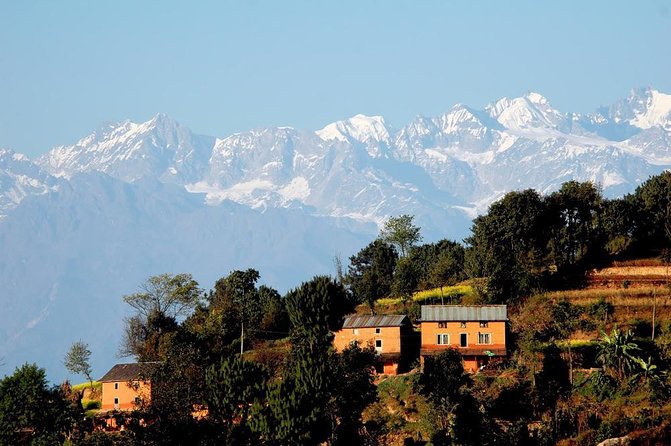
- Three compact trekking days: Walk from Sundarijal to Chisapani, Chisapani to Nagarkot, then Nagarkot to Changu Narayan.
- Mountain views depend on weather: Clear mornings and evenings offer the best chance of seeing Himalayan peaks, including views toward Everest.
- Simple guesthouse stays: Two nights are included, but this is trail lodging, not a polished Kathmandu hotel.
- Meals are covered: Two breakfasts, three lunches, and two dinners are included. Drinks are extra.
- Moderate fitness is required: The route includes forest paths, village trails, terraced areas, and steep stairs.
- Small-group format: The maximum group size is 15 people, with a licensed English-speaking guide.
A short trek with a real change of scenery
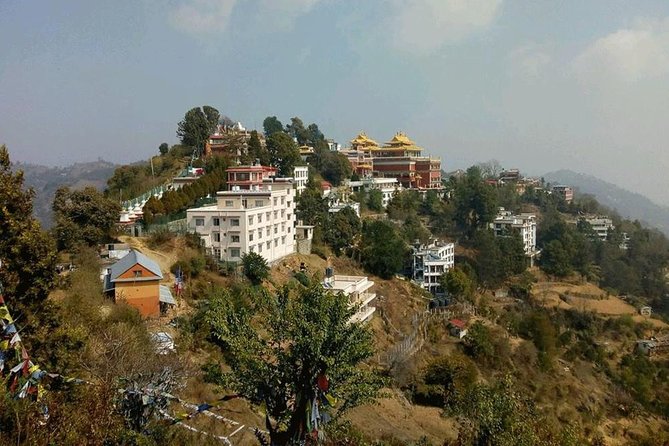
At $350 per person, this is not the cheapest way to leave Kathmandu for a few days. It can be a fair value if you want the main arrangements handled for you. The price covers two nights in guesthouses, seven meals, a guide, private surface transfers, and government taxes.
That package matters on a short trip. You do not need to find a vehicle to Sundarijal, arrange a return from Nagarkot, or negotiate trail lodging after you arrive. You still need to pay for drinks, tips, and the Changu Narayan admission fee, but the main costs are clear from the start.
I would view this as a guided introduction to trekking in Nepal, not as a wilderness expedition. You will remain close to Kathmandu and pass through settled areas. That is part of the appeal. You get mountain air, forest, villages, and sunrise viewpoints without the long travel time and altitude concerns of a much larger Himalayan trek.
The published rating is 4.4 from five reviews, so the sample is small. One detailed account raises a useful warning: the first night required a surprisingly strenuous climb of more than 100 flights of stairs, and the dinner served was basic saimin noodles. Plan for modest food and lodging rather than hotel-level comfort.
A few more treks around Kathmandu worth a look
- Everest Base Camp Trek – 14 Days
★ 5.0 · 1,499 reviews - Everest Base Camp Trek
★ 5.0 · 842 reviews - Everest Base Camp Helicopter Tour landing at Everest View Hotel
★ 5.0 · 668 reviews
Day 1: Sundarijal to Chisapani through Tamang country
The morning begins at 6:30 am from Outshine Adventure’s meeting point at Paknajol Chock in Kathmandu. A private vehicle takes you to Sundarijal, at about 2,200 meters. Hotel pickup is listed as an available feature, but the stated meeting point is Paknajol Chock, so confirm the exact pickup arrangement before departure.
From Sundarijal, the walk heads toward Mulkharka village. The area is home to Tamang residents, and the route gives you an early look at village life rather than taking you straight into a tourist compound. You then continue through forest toward the eastern ridge and Shivapuri forest, where oaks and rhododendrons line the trail.
The day takes about five hours. On paper, that sounds manageable. In practice, the climb can feel harder than the time suggests, especially if you are not used to uneven ground or long stair sections. The report of more than 100 flights of stairs to the first night’s lodging is the sort of detail that should shape your packing and expectations.
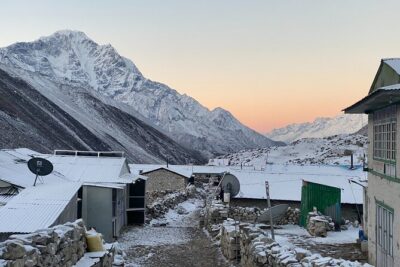
Chisapani sits at about 2,300 meters. The overnight stay is in a guesthouse, with dinner included. You should expect a basic mountain stop, not a private resort. Bring patience, a small daypack, and enough personal items to avoid hauling a large suitcase along the trail.
The forest is one of the strongest parts of this first day. You are not simply walking from one hotel to another. The route passes through woodland and a Tamang settlement, giving the trek a human setting as well as mountain scenery.
Day 2: The six-hour route from Chisapani to Nagarkot
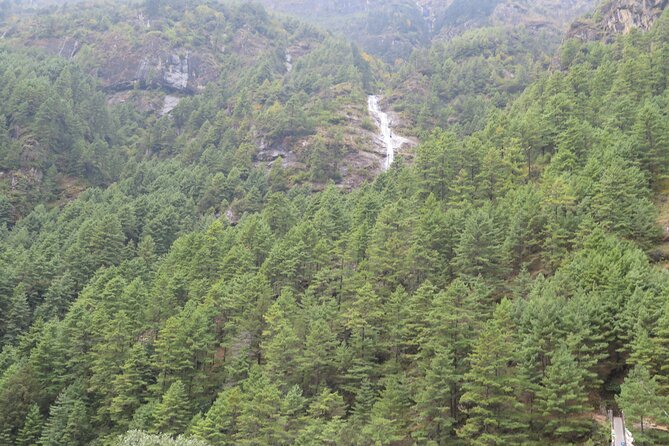
The second day begins with northern mountain views when the weather is clear. Your first major section leads to Chauki Bhanjag, a walk of about two and a half hours. From there, the trail continues toward Nagarkot through smaller paths and rural surroundings.
This is the longest day, at roughly six hours. The route is not a quick transfer between viewpoints. You need to be ready for a full day on foot, with changing surfaces and regular climbs and descents. Since lunch is included, you do not need to arrange the midday meal yourself, but drinks are not included.
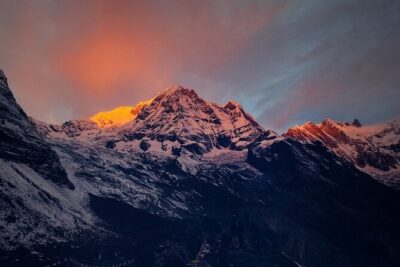
Nagarkot sits at about 2,175 meters and is one of the best-known hill destinations near Kathmandu. Its main draw is the broad Himalayan view. In clear conditions, the range may stretch from Dhaulagiri in the west past Everest toward Kanchenjunga in the east.
That promise needs a weather disclaimer. Mountain views are never guaranteed, particularly from a short trek scheduled on fixed dates. The route still has value in cloudier weather because of the villages, forest paths, and walking itself, but you should book for the whole experience rather than for a guaranteed Everest sighting.
The evening is planned around sunset from Nagarkot. This is a good use of the location. After a long walking day, you do not need another major activity. You can settle into the hill station and watch the light change over the mountains if the sky is open.
Nagarkot also has a more developed, weekend-hill-station feel than Chisapani. That contrast is useful. Chisapani offers a quieter trail stop, while Nagarkot is a familiar retreat for people from Kathmandu. If you want total solitude, this route may feel too connected to the city. If you want scenery without a remote expedition, that same connection is convenient.
Day 3: Sunrise, village paths, and Changu Narayan
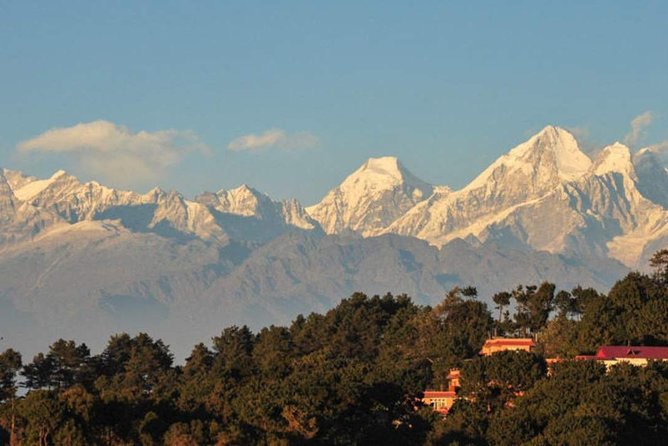
The final morning starts early for sunrise over the eastern Himalayan ranges. Everest may be visible in clear conditions, but again, weather controls the view. An early start is sensible because the light is often best before haze builds.
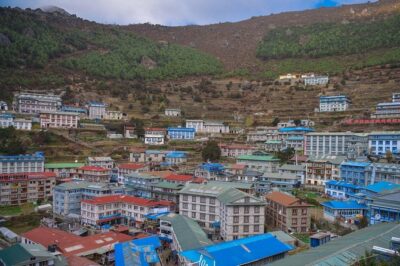
After breakfast, the walk continues to Changu Narayan, also written as Changunarayan in the route description. The hike takes about four hours. It passes terraced fields, traditional Tamang villages, and ocher-colored homes. This is the most culture-focused part of the trek.
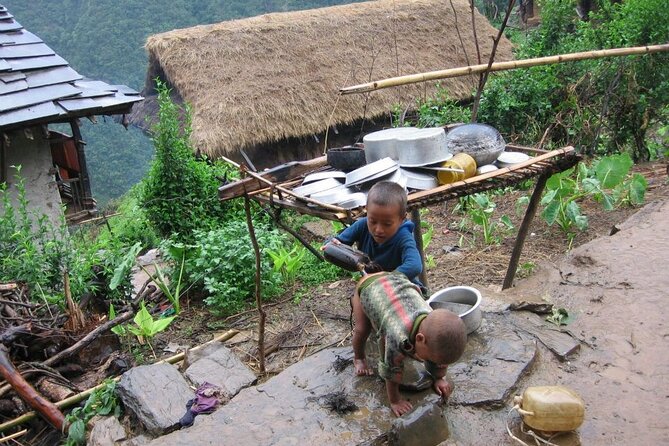
The route offers a close look at life near Kathmandu that can still feel distinctly rural. You may see local people making raksi, a local alcoholic drink prepared through a simple distillation process. The wording here matters: you may have the chance to see it, but it is not guaranteed as a scheduled demonstration.
The first part of the day focuses on village life and local customs. The second part becomes more natural, with deciduous forest along the trail. That change gives the final walk a pleasant rhythm. You begin among homes and fields, then return to woodland before reaching the temple area.
Admission to Changu Narayan is not included. Keep a little extra money available for that fee, along with drinks and any other personal expenses. The tour includes the return surface transfer from Nagarkot to Kathmandu, but the activity description says the experience ends back at the meeting point, so confirm how the Changu Narayan finish connects with the vehicle arrangement.
Same trailhead, a different route:
- Everest Base Camp Trekking
★ 5.0 · 485 reviews - Annapurna Circuit Trek with Tilicho Lake
★ 5.0 · 368 reviews - Everest Base Camp Trekking – 13 Day
★ 5.0 · 365 reviews - Everest Base Camp Trek
★ 5.0 · 350 reviews
What the guesthouses and meals are really like
Two nights of guesthouse accommodation are included. That is useful because it keeps the trek simple, but you should not read guesthouse as boutique hotel. The available information points to basic trail lodging, and the stair climb to the first night’s accommodation reinforces that this may not be easy-access accommodation.
Meals included are:
- Two breakfasts
- Three lunches
- Two dinners
That covers the full walking period, which is a strong practical feature. You can start each day with breakfast, walk without searching for lunch, and finish with dinner already arranged.
Food may be plain. One account describes saimin noodles at the first guesthouse and expresses disappointment with the meal. I would pack a few familiar snacks and keep expectations sensible. Meals on a short Nepal trek are mainly fuel, not the centerpiece of the trip.
Drinks are not included. Carrying water is important, though the supplied information does not specify water stations or a refill system. You should ask the operator what is available before setting out.
Fitness, stairs, and what to pack
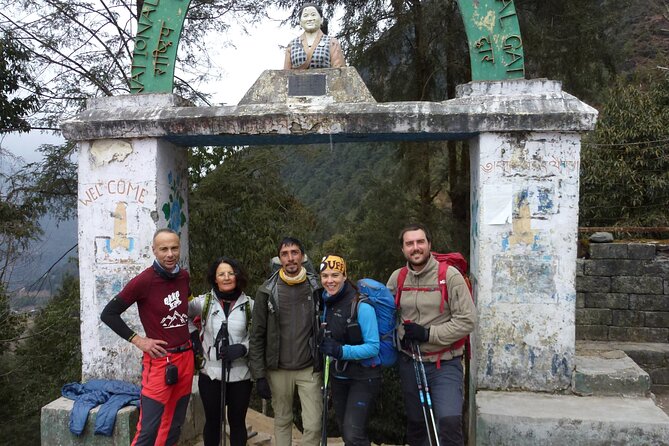
The trip requires a moderate level of physical fitness. That is not just a standard form. The first day can include a very steep staircase climb, and the second day lasts about six hours. You should be comfortable walking for several hours and handling uneven trail sections.
A sensible packing list includes:
- Comfortable walking shoes with good grip
- A small bag for three days
- Layers for changing temperatures
- Rain protection
- Personal medication
- Snacks
- Money for drinks, tips, and the temple admission
- A valid passport
The tour requires a current valid passport on the day of travel. The group can contain up to 15 people, so you should expect a shared guided experience rather than a private trek. A licensed English-speaking guide accompanies the group and provides route support and information.
The guide is especially useful on a route that combines trails, villages, and several points of interest. Still, do not assume that every cultural stop is a formal presentation. The experience seems to work best when you treat the guide as a practical companion who helps with direction, timing, and local context.
How the $350 price measures up
The price makes the most sense for someone who values convenience. You are paying for a three-day package with accommodation, meals, guiding, taxes, and key transfers. Private vehicle transport to Sundarijal and from Nagarkot to Kathmandu removes two awkward pieces of planning.
It is less compelling if you already know Nepal well, can arrange local transport cheaply, and prefer to choose your own guesthouses and meals. Independent planning may cost less, but it also puts more responsibility on you.
The group limit of 15 keeps the experience from becoming a huge organized outing, though it is not a private trek. Ask about pickup details, expected guesthouse standards, and the exact return arrangement before paying. The supplied tour information is clear about the broad route, but a few operational details deserve confirmation.
The free cancellation window is useful: you can cancel for a full refund up to 24 hours before the start time. Changes or cancellations inside that window are not accepted for a refund. Cutoff times use local time in Nepal.
Who should book this trek
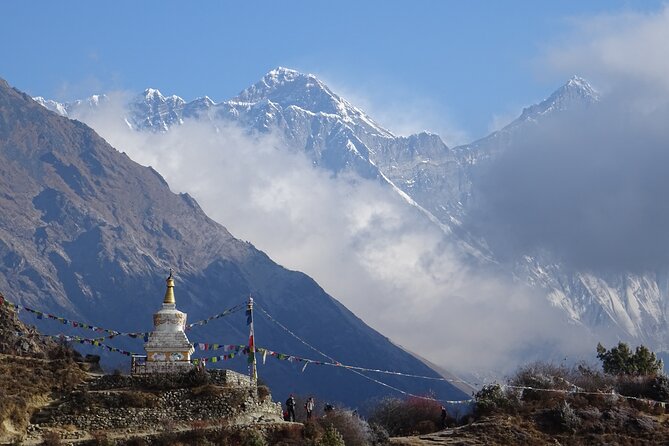
I would recommend it to you if you have three days, want mountain views, and prefer an organized route close to Kathmandu. It suits first-time trekkers who want a manageable introduction without committing to a longer high-altitude journey.
It also works well for people who care about villages and everyday rural life, not just photographs of peaks. The Tamang settlements, terraced fields, forest sections, and chance to see raksi production give the route more character than a simple viewpoint trip.
I would hesitate to recommend it if you want luxury lodging, guaranteed clear mountain views, or a gentle walking holiday. The stairs can be demanding, the food may be basic, and the longest day requires steady effort. The route is short, but short does not mean effortless.
Should you book the Chisapani Nagarkot trek?
Book it if you want a compact, guided Nepal trek with meals and transport arranged, and you are comfortable with basic guesthouses and steep walking. The route offers a good mix of forest, villages, mountain viewpoints, Nagarkot sunset, and Changu Narayan culture.
Skip it if your priority is comfort or a guaranteed Himalayan panorama. Before booking, confirm the pickup point, the guesthouse setup, the stair-heavy first day, and the return vehicle details. With those expectations in place, $350 can be reasonable for three active days near Kathmandu.
FAQ
How long is the Chisapani Nagarkot trek?
The experience lasts approximately three days. The walking times are about five hours on day one, six hours on day two, and four hours on day three.
Where does the trek start?
The stated meeting point is Outshine Adventure Pvt Ltd at Paknajol Chock, Kathmandu 44600, Nepal. The tour also lists hotel pickup in Kathmandu as an available feature.
What time does the tour start?
The stated start time is 6:30 am.
Is accommodation included?
Yes. Two nights in guesthouses along the trail are included.
Are meals included?
Yes. The package includes two breakfasts, three lunches, and two dinners.
Is a guide provided?
Yes. A local government-licensed English-speaking guide accompanies the trek.
What places does the trek visit?
The route includes Chisapani, Nagarkot, and Changu Narayan Temple. It also passes through Sundarijal, Mulkharka village, Chauki Bhanjag, forest, terraced fields, and Tamang villages.
Is transportation included?
Yes. Surface transport from Kathmandu to Sundarijal and from Nagarkot to Kathmandu by private car is included.
Is the Changu Narayan admission fee included?
No. The admission ticket for Changu Narayan is not included.
How physically difficult is the trek?
A moderate physical fitness level is required. The first day includes a steep climb, and one account describes more than 100 flights of stairs leading to the first lodging. The second day is the longest, at about six hours of walking.
Just added around Kathmandu
- Everest Base Camp Trek★ 5.0 · 3 reviews
- Everest Base Camp Trek★ 5.0 · 7 reviews
- 15 Days Private Everest Base Camp Trek★ 5.0 · 30 reviews
- Everest Base Camp Trek★ 5.0 · 57 reviews
- 14 Days of Adventure Trekking to Everest Base Camp★ 5.0 · 2 reviews
- 14-Day Everest Base Camp Trek★ 5.0 · 20 reviews
- From Kathmandu: Private 14-Day Everest Base Camp Trek★ 5.0 · 20 reviews
- 14 Days Everest Base Camp Trek★ 5.0 · 4 reviews
Kathmandu Trekking Tours, compared.
Everest Base Camp Helicopter Tour landing at Everest View Hotel
Read our review →