
Review · KATHMANDU
Everest Base Camp Trek 15 days | Local Guide | Flexible Itinerary
Everest Base Camp is the headline, but the real reward is the slow approach through Sherpa villages, suspension bridges, monasteries, and high mountain valleys. This 15-day route gives you two proper acclimatization days, which is one of the smartest features for a trek that reaches 5,545 meters.
I like the practical package: flights, permits, meals, porters, a sleeping bag, down jacket, and hiking poles are included. I also like the return route through Phortse and Mong Danda, which adds quieter trails and new views instead of sending you back over exactly the same ground. The main caution is simple: this is a demanding high-altitude trek, not a sightseeing holiday, and weather can disrupt the Lukla flights.
Key points to know before you book
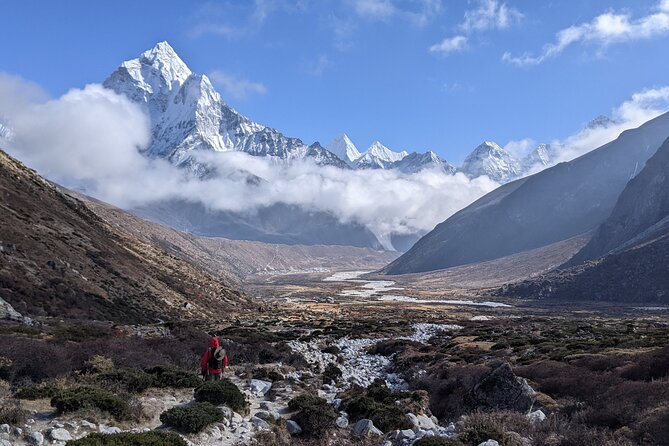
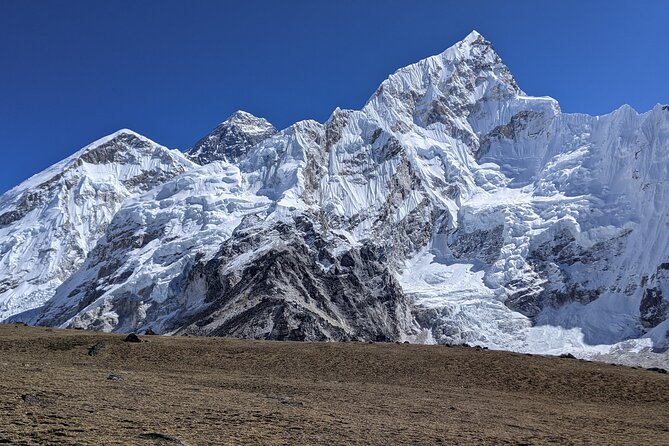
- Kala Patthar reaches 5,545 meters: The early climb gives you the clearest planned view of Everest, Lhotse, Nuptse, and nearby peaks.
- Two acclimatization days are built in: You spend one day around Namche Bazaar and another in Dingboche, with short side walks rather than full rest.
- The return uses a quieter route: Phortse and Mong Danda offer a change of scenery after Base Camp.
- Most major trek costs are covered: Domestic flights, permits, meals, tea-house lodging, porters, and loaned gear are included.
- You trek with a private group: Only your own party takes part, with an English-speaking, licensed local guide.
- The package is practical but not all-inclusive: Insurance, tips, hot showers, charging, snacks, drinks, Kathmandu meals, and extra nights cost more.
What the $1,890 price really covers
At $1,890 per person, this trek sits in the sensible middle ground for an organized Everest Base Camp trip. The price is not just for a guide and a route plan. It includes Kathmandu airport transfers, the flights between Kathmandu or Ramechhap and Lukla, national park and local permits, tea-house accommodation, meals during the trek, porters, and several useful pieces of cold-weather equipment.
The included gear matters. You can borrow a sleeping bag, down jacket, and hiking poles, then return them at the end. That saves you from buying bulky equipment for one trip. The porter system is also clearly set out: one porter carries up to 20 kilograms for two people, or 10 kilograms from each person.
Domestic flights allow 10 kilograms of main luggage and 5 kilograms of hand luggage per person. You need to pack carefully. Heavy bags, extra clothing, and large toiletries can quickly push you past the limit.
The price does not include international flights, a Nepal visa, travel insurance, tips, hot showers, battery charging, snacks, drinks, Kathmandu lunches and dinners, or extra accommodation. The stated insurance estimate is $200 per person, and the policy must cover trekking up to 6,000 meters. Do not treat that as optional. High-altitude evacuation and medical care can be expensive.
You also need a personal budget for tea-house extras. The included meals are breakfast, lunch, and dinner during the trekking days, but personal beverages and snacks are separate. Charging and hot showers also cost extra along the trail.
More Everest Base Camp Treks in Kathmandu:
- Everest Base Camp Trek – 14 Days
★ 5.0 · 1,499 reviews - Everest Base Camp Trek
★ 5.0 · 842 reviews - Everest Base Camp Helicopter Tour landing at Everest View Hotel
★ 5.0 · 668 reviews
Arrival in Kathmandu and the early flight to Lukla
Day one is deliberately light. A representative meets you at Tribhuvan International Airport and takes you to your hotel. Use this time to settle in, check your bags, and meet your guide. The tour is private, so your walking pace and day-to-day conversations are limited to your own group rather than a large mixed party.
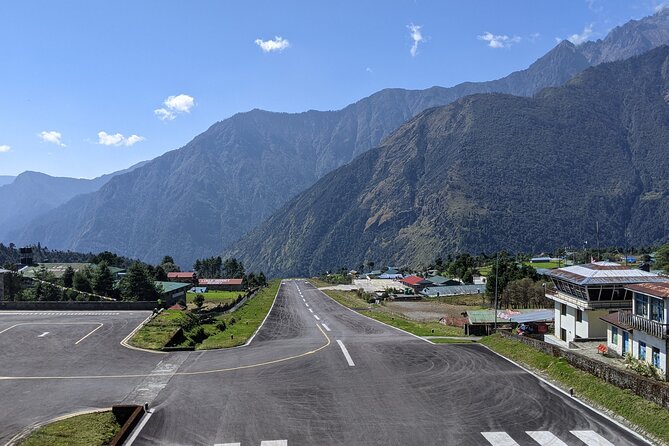
Day two begins early with the flight to Tenzing-Hillary Airport in Lukla, at about 2,810 meters. The flight itself is short, roughly one hour, but the mountain weather makes timing less predictable. The schedule can change, and the operator states that poor weather may lead to a new date or a full refund if the experience is canceled.
Lukla is the gateway to the Everest region. You start walking from here, not from a roadhead, so the trip quickly feels like a real trek. Keep your hand luggage organized and your daily essentials accessible. The baggage limit is strict, and delays are easier to handle when your important items are with you.
Lukla to Namche Bazaar through the Hillary Bridge
The first substantial walking day follows the Dudh Koshi valley toward Namche Bazaar, the main Sherpa town in the region. The route takes about five hours according to the schedule, with a famous suspension bridge section and the Hillary Bridge listed as a stop.
This is an important transition day. You leave the lower valley and begin gaining height, with the trail passing through Sherpa settlements and wooded sections before reaching Namche at about 3,440 meters. The town is not simply an overnight stop. It is the first major place where altitude begins to affect your body.
The walking time may sound modest, but the trail includes ups and downs, and the first day can feel longer than the distance suggests. Go slowly. Your guide’s job is not to race you to the lodge. It is to help you settle into the rhythm needed for the days ahead.
Namche and Hotel Everest View acclimatization
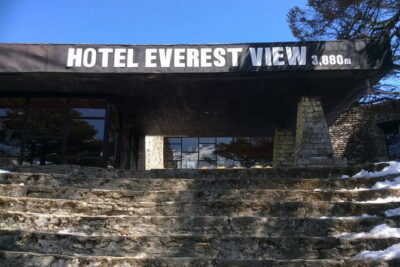
Day four is an acclimatization day in Namche. You do not spend the whole day lying in bed. The plan includes a side excursion toward Hotel Everest View, with about an hour listed for the stop.
This is a useful design choice. You gain height during the day, then sleep again at Namche, helping your body adjust without forcing you to spend a night at the higher elevation. The day also gives you time to walk through Namche, meet local people, and enjoy the surrounding peaks at a less hurried pace.
Altitude symptoms vary. A headache or shortness of breath can happen, but serious symptoms need to be reported at once. The itinerary is designed to reduce risk, not remove it. You should still have suitable insurance, follow your guide’s advice, drink regularly, and avoid turning the acclimatization day into a hard workout.
A few more treks around Kathmandu worth a look
- 12 Day Everest Base Camp Guided Trek
★ 5.0 · 40 reviews - From Kathmandu: 12-Day Everest Base Camp Guided Trekking
★ 5.0 · 26 reviews - 5 Day Private Guided Trekking in Annapurna Base Camp
★ 5.0 · 25 reviews - Everest Base Camp Trek With Local Expert Sherpa Guide
★ 5.0 · 15 reviews
Tengboche Monastery and the trail to Dingboche
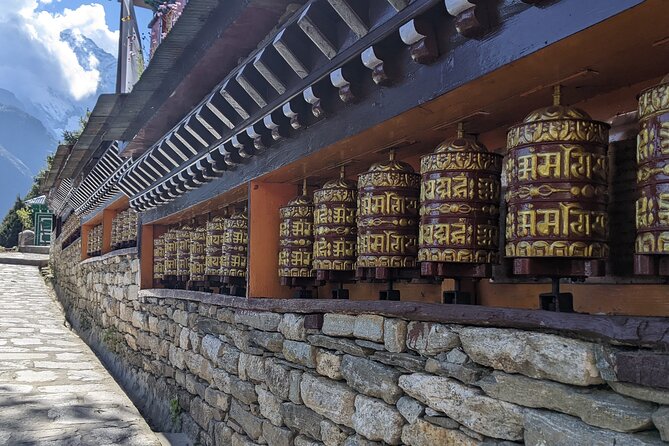
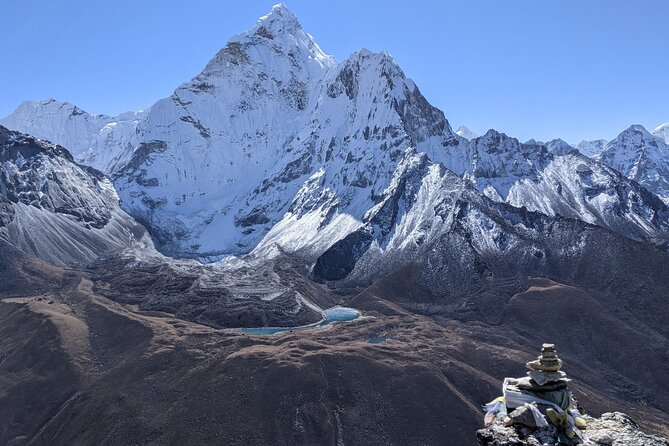
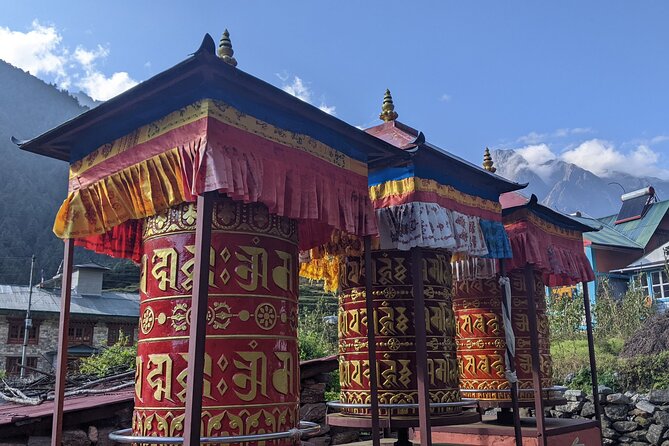
From Namche, the route continues to Tengboche, reached after roughly five hours of walking. The trail offers views of Ama Dablam, Thamserku, and the surrounding mountain walls. Tengboche Monastery is the cultural highlight of this section and gives the trek a strong connection to local Buddhist life.
The path then follows the Imja Khola toward Dingboche on day six. You cross a bridge and pass the point where routes toward Pheriche and Dingboche separate. The walk takes about four to five hours, with a steady rise in elevation.
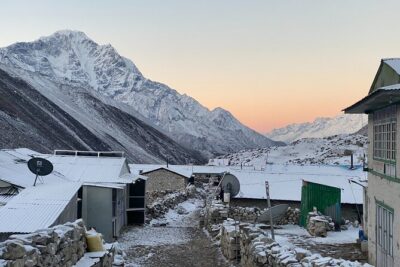
Dingboche sits high enough that the air feels noticeably thinner. Tea-house life becomes more basic as you move farther from Lukla. The included lodge accommodation is described as clean and comfortable, but you should not expect hotel-style facilities. Hot showers and battery charging are extra, and both may be limited by availability.
A second acclimatization day at Dingboche
Day seven is another acclimatization day, and this is one of the strongest parts of the plan. Dingboche offers short side excursions that let you stay active without committing to a full trekking day.
I like this pacing because the next stages are demanding. You are about to walk toward Lobuche, Everest Base Camp, and Kala Patthar, all at elevations where a rushed itinerary can become unsafe. The extra day also gives your guide time to watch how you are coping before the route gets harder.
You need to be honest here. A private tour does not mean the guide can make altitude disappear. If you are unwell, the responsible choice may be to stop, descend, or change the plan. A flexible itinerary is valuable only when it is used for safety rather than speed.
Dingboche to Lobuche and the memorial stones
After the rest day, the route climbs toward Thukla and Lobuche. The schedule describes a morning walk with broad Himalayan views and a stop at Thukla, a significant point on the route.
The Thukla area is also associated with memorial stones honoring climbers and Sherpa workers who died in the Everest region. This section can feel solemn. It gives you a moment to remember that the trail is beautiful but serious, and that high mountains demand respect.
Lobuche is a basic high-altitude settlement. Nights can be cold, and comfort becomes less important than rest, food, and keeping warm. Pack your down jacket where you can reach it quickly, not buried at the bottom of your bag.
Everest Base Camp at 5,364 meters
Day nine is the central goal: Everest Base Camp at 5,364 meters. The walk follows the route past the Khumbu Glacier and toward the camp area. You may see expedition activity depending on the season, but the exact appearance of Base Camp changes throughout the year.
Base Camp itself is not the best place for a full panorama of Everest. Its appeal is more personal and physical. You have walked for days through increasingly thin air, crossed high valleys, and reached the point used by climbers preparing for the summit route.
The glacier and rough moraine make this a demanding day. Take short steps and keep your focus on footing. The guide and porter team are there to support you, but you still need to manage your own pace and hydration.
Kala Patthar at 5,545 meters
The following morning starts early for the climb to Kala Patthar, the highest point on the itinerary at about 5,545 meters. The listed stop is brief, but the climb itself is the key effort of the day.
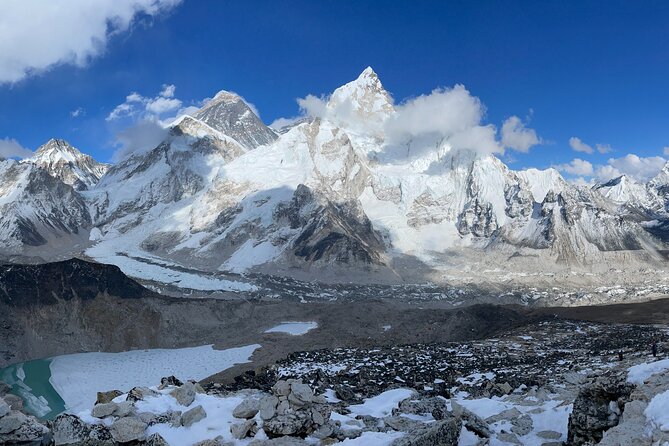
Kala Patthar is prized for its view toward Everest, Lhotse, Nuptse, and other major peaks. An early start improves your chance of clear mountain views before clouds build later in the day. It also means a cold, dark beginning, so prepare your layers the night before.
This ascent can be tougher than Base Camp because the trail rises steeply over a shorter distance. You may feel every step. The reward is the classic Everest panorama that Base Camp does not always provide.
After Kala Patthar, you begin descending toward Pangboche. The drop in elevation usually feels welcome, although your legs will be tired. This is the point where a good guide matters most: you still need to walk safely after reaching the trip’s highest point.
Returning through Phortse and Mong Danda
Days eleven and twelve take a less crowded route through Phortse and toward Mong Danda. This is a smart change from a simple return along the outward trail. You see different views of Ama Dablam, Thamserku, and Tengboche Monastery, while passing through the trail connection toward the Gokyo region.
The route descends to the river coming from Gokyo Lake, reaches Phortse Thanga at about 3,680 meters, and then climbs toward Mong Danda. That climb is easy to underestimate. Descending from the Everest area does not mean every day is effortless, and this section still includes an uphill push.
I particularly like this part for people who want more than a checklist walk to Base Camp. It adds variety and a quieter feel, though it may be less suitable if you are exhausted or struggling with altitude. The flexible itinerary gives the guide room to respond to conditions, but you should ask before booking how much adjustment is possible for your group.
Lukla, Kathmandu, and the final day
Day thirteen follows the route toward Lukla through Toktok, Phakding, Ghat, and Cheplung. The final 200 meters up to Lukla are a reminder that even the last day on foot can include a climb.
Once in Lukla, you have time to enjoy the evening and recognize that the main walking section is complete. Day fourteen brings the early flight back toward Kathmandu, followed by hotel check-in and free time.
Again, weather matters. Lukla flights can be delayed, so do not schedule an international departure too close to the return flight. The formal itinerary places departure from Nepal on day fifteen, with an airport transfer arranged according to your flight schedule. That extra day is useful if the flight system shifts, but I would still avoid a tight connection.
Food, lodging, porters, and the human side
Tea-house lodging is part of the experience. You sleep in local lodges, eat from lodge menus, and spend evenings close to the people who live along the route. The operator emphasizes hygiene and clean, comfortable accommodation, but facilities become more limited at higher elevations.
Meals are included throughout the trekking portion: 13 dinners, 14 breakfasts, and 12 lunches are specified. Snacks, drinks, and personal treats are not included. Bring some preferred snacks from Kathmandu if you have strong dietary needs, but do not assume every item will be available at altitude.
The porters carry the main load, while you carry your day pack. One porter serves two people and carries up to 20 kilograms total. Pack with restraint and respect the stated limit. Your comfort should not depend on asking porters to carry more than planned.
Several past trips connected with this company specifically praised guides and porters by name, including Raj, Suren, Sonam, Sagar, Ram, Rabin, Prakash, and Jal. Your assigned team may be different, but the pattern is clear: the human support is a major part of the experience. Guides are described as attentive, encouraging, and focused on safety, which matters far more than polished presentation on a high-altitude route.
Who should book this trek
You should consider this trip if you have strong physical fitness, can handle long walking days, and want a private, locally guided route with a sensible acclimatization plan. It suits people who value Sherpa villages, monasteries, tea houses, and mountain scenery as much as the Base Camp photograph.
It is less suitable if you want a soft adventure with dependable hotel comfort, flexible meal choices, or no early mornings. You also need to accept possible flight changes, extra charges for showers and charging, and the physical risks of walking above 5,000 meters.
Cancellation is free up to 24 hours before the scheduled start. Changes or cancellations inside that window are not refundable, and weather-related cancellations may lead to another date or a full refund. Check the local cut-off time before making changes.
Should you book the Everest Base Camp Trek?
I would book this trek if I wanted a well-supported classic EBC route with two acclimatization days, a private group, and a return through Phortse and Mong Danda. The included flights, permits, meals, porter support, and loaned gear give the $1,890 price solid value.
I would not book it without suitable insurance, realistic fitness, and some financial room for extras. Ask about current flight arrangements, the guide assigned to your departure, and how the flexible itinerary works if altitude or weather causes trouble.
For a demanding but thoughtfully paced first journey to Everest Base Camp, this is a strong option. The mountain views are the draw, but the local guide, Sherpa communities, monastery visits, and quieter return trail give the trip its lasting character.
FAQ
Is the Everest Base Camp trek private?
Yes. This is a private activity, so only your own group takes part.
How high does the trek go?
Everest Base Camp is at 5,364 meters. Kala Patthar is the highest point, at about 5,545 meters.
Are flights to and from Lukla included?
Yes. Flights between Kathmandu or Ramechhap and Lukla are included for all group members and staff.
What luggage allowance is provided for the domestic flights?
The stated allowance is 10 kilograms for a main bag and 5 kilograms for hand luggage, for 15 kilograms total per person.
Is travel insurance included?
No. Travel insurance is not included. It must cover trekking up to 6,000 meters, and the stated estimate is $200 per person.
Can I cancel for a full refund?
You can cancel at least 24 hours before the experience start time for a full refund. Cancellations or changes made less than 24 hours before the start are not accepted for a refund.
Just added around Kathmandu
- Everest Base Camp Trek★ 5.0 · 3 reviews
- Everest Base Camp Trek★ 5.0 · 7 reviews
- 15 Days Private Everest Base Camp Trek★ 5.0 · 30 reviews
- Everest Base Camp Trek★ 5.0 · 57 reviews
- 14 Days of Adventure Trekking to Everest Base Camp★ 5.0 · 2 reviews
- 14-Day Everest Base Camp Trek★ 5.0 · 20 reviews
- From Kathmandu: Private 14-Day Everest Base Camp Trek★ 5.0 · 20 reviews
- 14 Days Everest Base Camp Trek★ 5.0 · 4 reviews
Everest Base Camp Treks, compared.
Everest Base Camp Helicopter Tour landing at Everest View Hotel
Read our review →
Tibet Tour 8 Days Lhasa to Everest Base Camp Small Group Tour
Read our review →
Dubai: Private Luxury Everest Yacht Cruise from Dubai Marina
Read our review →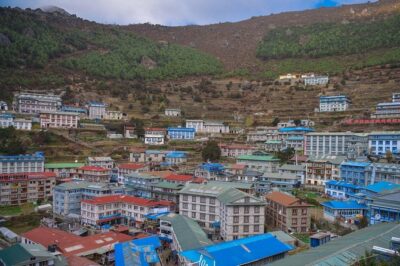
Browse the lists this trek appears in