
Review · KATHMANDU
Annapurna View Trek
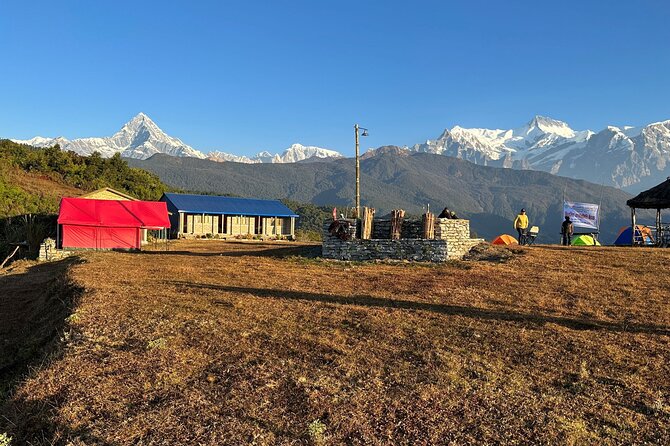
Poon Hill gives you the big Himalayan payoff without asking you to spend weeks on the trail. From the 3,210-meter viewpoint, you can see the Annapurna and Dhaulagiri ranges, with more than 20 high peaks visible in clear morning light. I especially like the short five-day format and the way the walk combines mountain views with Gurung villages, terraced fields, waterfalls, and rhododendron forest.
I also like that the $750 price includes the major pieces that can make a Nepal trek complicated: transport, permits, meals, lodging, guide, staff costs, and airport transfers. The main caution is the pace. The Ulleri to Ghorepani day includes about five to six hours of walking after a four-hour drive from Pokhara, and Poon Hill requires an early climb on a steep trail.
Key points to know before booking
- Poon Hill at 3,210 meters: The trek’s main reward is a high viewpoint over Annapurna, Dhaulagiri, Mustang, Pokhara, and surrounding peaks.
- A compact Himalayan trek: Five days gives you a taste of Nepal’s mountain country without committing to a long high-altitude route.
- Private group format: Only your group participates, so the trip has a more personal feel than a large scheduled departure.
- Transport is largely arranged: Kathmandu to Pokhara, Pokhara to Ulleri, and Ghandruk back to Pokhara are included, by road or optional flight where stated.
- Village and forest scenery: You walk through rhododendron woods, past waterfalls, terraced fields, and Gurung settlements.
- Plan for extra costs: Drinks, showers, laundry, battery charging, bottled or boiled water, tips, insurance, and personal purchases are not included.
Why Poon Hill works for a short Nepal trek
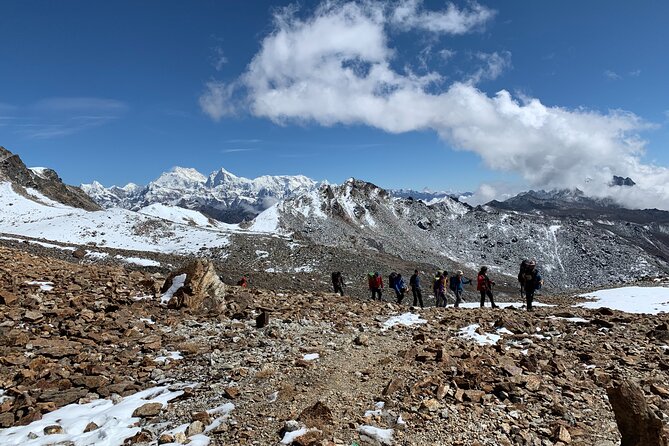
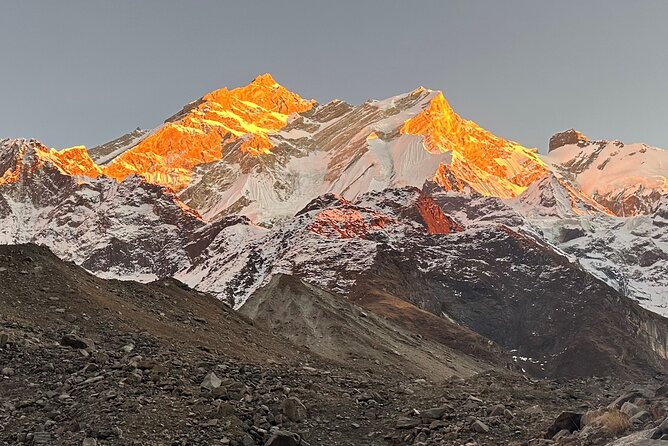
The Annapurna region is a good choice when you want a real Himalayan walking trip but do not have the time or experience for a longer expedition. You are not climbing Annapurna itself. Instead, you are walking through the foothills and mountain villages, with impressive views of Annapurna, Machhapuchhre, Dhaulagiri, Nilgiri, and other high peaks.
That distinction matters. This is a trekking holiday, not a mountaineering trip. You get a strong sense of achievement from reaching Poon Hill, but the route remains accessible to most people who can handle several hours of uphill and downhill walking.
The highest point is about 3,210 meters, or 10,529 feet. That is high enough for dramatic views and a possible need to pace yourself, but much lower than the summit routes used for major Himalayan climbs. You should still take the altitude seriously, especially if you are not used to walking uphill for long periods.
The scenery changes often. You begin with road travel and then enter a world of stone paths, forest, terraces, waterfalls, and small settlements. In trekking season, rhododendrons add color to the woods, while birds and butterflies bring plenty of life to the trail.
More Annapurna Treks in Kathmandu
- Annapurna Circuit Trek with Tilicho Lake
★ 5.0 · 368 reviews - Annapurna base camp trek 5 Days
★ 5.0 · 252 reviews - 14-Day Private Annapurna Base Camp Trek
★ 5.0 · 180 reviews
Kathmandu to Pokhara: a long first day
Day one connects Kathmandu with Pokhara. By road, the journey takes about seven hours. An optional flight is available, though the supplied details do not specify its cost or exact schedule.
This day is mostly about getting into position for the trek. The long road journey can be tiring, so I would treat it as a travel day rather than expect much sightseeing. If you choose the flight, confirm the added price and arrangements before departure.
The tour includes transport between Kathmandu and Pokhara in both directions. Airport pickup and drop-off in a private vehicle are also included, which is useful after an international flight or when you are handling luggage, permits, and trekking gear.
The private format helps here. You are not being folded into a large group with a fixed pace. The guides named in connection with this trip include Pasang and Dorje, and the strongest praise centers on careful organization, friendly support, and help with transport and trek arrangements.
Ulleri to Ghorepani: the hardest walking day
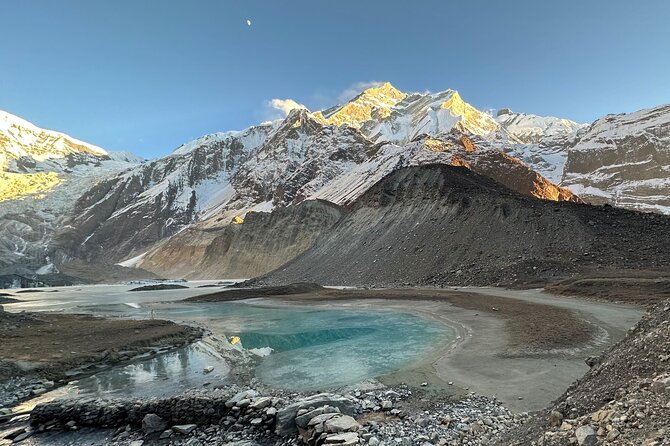
Day two begins with a drive from Pokhara to Ulleri, taking about four hours. From Ulleri, you walk to Ghorepani at roughly 2,640 meters. The trek is listed at about five to six hours.
This is the day to respect. You have a long road transfer followed by the longest walk in the schedule. The route gains height and includes steep sections, so comfortable shoes and a steady pace matter more than speed.
The reward is the changing scenery. You move through terraced farmland and forest toward the mountain settlement of Ghorepani. Rhododendron woods are a key feature of this section, particularly during the trekking season when the flowers may be in bloom.
Ghorepani is more than a place to sleep. It is your base for the early morning climb to Poon Hill. The accommodation is in a guesthouse, with lodging and meals included according to the itinerary. Do not expect a luxury hotel experience. The value is in having a simple place to rest along the route, with the main practical needs covered.
Because the day is long, pack a small day bag with water, warm layers, snacks if you want them, and a headlamp or phone light if supplied by your own gear. The tour does not include bottled or boiled water, so you should budget for drinking water or ask the guide about the available arrangements.
Poon Hill before breakfast
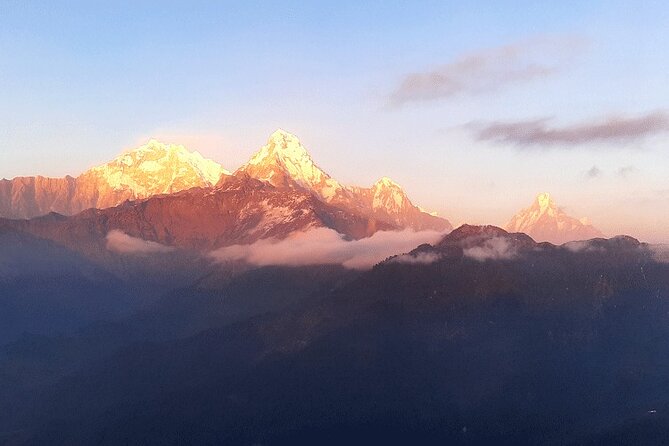
The early climb from Ghorepani to Poon Hill is the defining moment of the trek. The trail is steep, and the climb begins before breakfast so you can reach the viewpoint for the morning light.
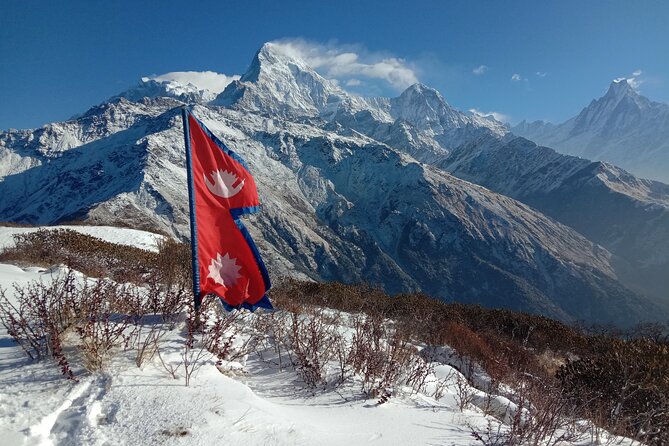
At 3,210 meters, Poon Hill offers views toward Mustang, Pokhara, Annapurna, and the Dhaulagiri range. On a clear morning, more than 20 high peaks may be visible. The close-up mountain views are the reason this short route has such a strong reputation.
You have time at the viewpoint for photographs and a hot coffee or tea before returning to Ghorepani for breakfast. The return walk is easier than the climb, but it still adds effort to an already active day.
Weather controls the quality of the view. No tour operator can guarantee clear skies, so you should book this trek for the walk itself as well as the panorama. The forest, villages, terraces, waterfalls, and local culture remain worthwhile even if clouds hide some of the peaks.
Same trailhead, a different route:
- Everest Base Camp Trek – 14 Days
★ 5.0 · 1,499 reviews - Everest Base Camp Trek
★ 5.0 · 842 reviews - Everest Base Camp Helicopter Tour landing at Everest View Hotel
★ 5.0 · 668 reviews - Everest Base Camp Trekking
★ 5.0 · 485 reviews
Ghorepani to Tadapani through rhododendron forest
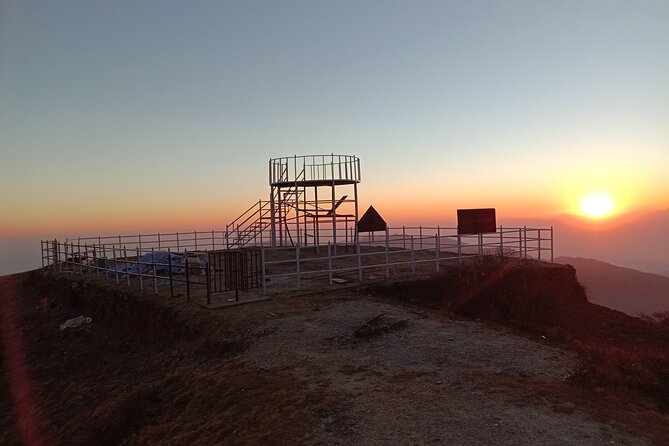
After breakfast, you continue east toward Tadapani. The walk takes about four to five hours, and the guesthouse there sits at roughly 2,830 meters.
This section gives you a different rhythm from the Poon Hill climb. You cross a nearby ridge, descend through rhododendron forest, and pass waterfalls along the way. The trail is not just a route between sleeping places. It is the part where the Annapurna region’s plant life, birds, butterflies, and rural setting become the main attraction.
Tadapani is another simple mountain stop. Accommodation is included, along with meals listed in the itinerary. Since personal expenses such as showers, laundry, phone calls, bar bills, and battery charging are excluded, carry some Nepalese currency for small purchases.
The schedule is sensible in one respect: the Poon Hill sunrise walk is followed by a manageable four to five-hour route rather than another full day of driving. Still, you should expect tired legs. The combination of an early start, uneven paths, and repeated climbs can make this feel like a full day.
Ghandruk and the return to Pokhara
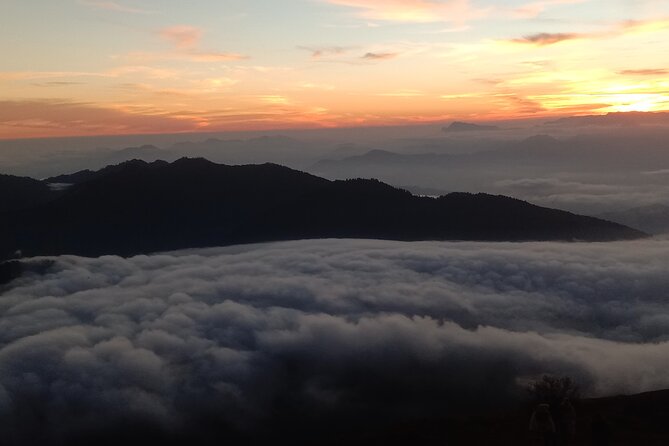
Day four takes you from Tadapani to Ghandruk, with about three hours of walking before the drive back to Pokhara. Ghandruk is a Gurung village and one of the cultural highlights of the route.
The village setting gives the trek a human scale. You are not only looking at mountains from a viewpoint. You are passing through a living community connected to the hills, fields, and trails around it. The itinerary does not promise a formal cultural program, so the experience is best understood as a walk through a mountain village rather than a staged performance.
The drive from Ghandruk to Pokhara is included, but the exact duration is not clearly stated. Ask for the expected road time when you book, since mountain roads can make a short distance take longer than it appears on a map.
Returning to Pokhara after the walk gives you a softer finish to the trekking section. You are no longer sleeping at altitude, and the following day is reserved for returning to Kathmandu.
Pokhara to Kathmandu and the five-day rhythm
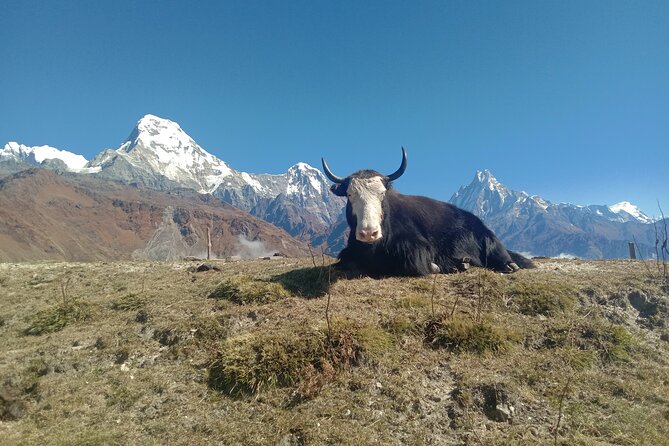
Day five brings you back to Kathmandu by road or optional flight. The route is included in the package, but the flight option may involve an additional charge, so confirm the details before departure.
The five-day schedule is best for someone who wants a focused taste of the Annapurna region. You see three important trekking stops, reach Poon Hill, and return without adding extra days for acclimatization or side routes.
That compact schedule also leaves little room for delays. Road conditions, weather, and flight schedules can affect the plan. If you have an international departure immediately after returning to Kathmandu, allow plenty of extra time rather than booking a tight connection.
What the $750 price really covers
At $750 per person, this is not simply a price for guiding you along a trail. The package includes accommodation, meals listed in the itinerary, national park fees, the Annapurna Conservation Area permit, and the Trekkers’ Information Management System fee.
It also covers a government-certified professional guide, first-aid medical kit, staff salaries, staff insurance, equipment, food, and accommodation. Transport is included between Kathmandu and Pokhara, Pokhara and Ulleri, and Ghandruk and Pokhara. Airport pickup and drop-off in a private vehicle are included as well.
That makes the price easier to understand. You are paying for a managed trip with permits, road transfers, staff support, and lodging arranged in advance. For a first Nepal trek, that can be good value because you avoid sorting out each part separately.
You still need a personal spending budget. Alcohol, extra luggage, Nepalese visa fees, travel and rescue insurance, tips, phone calls, laundry, bar bills, battery charging, extra porters, showers, and bottled or boiled water are excluded.
The lack of travel and rescue insurance is especially important. You should arrange your own policy before departure. The tour includes a first-aid kit, but that is not a replacement for insurance.
Food, lodging, and practical comfort
Meals are included according to the itinerary, with breakfast, lunch, and dinner marked where applicable. The exact menus are not provided, so you should ask about dietary needs before booking if this is important to you.
Accommodation is described as guesthouse lodging along the trail. Think practical mountain accommodation rather than resort comfort. The benefit is that you stay close to the walking route and do not have to arrange rooms each night.
Power, hot water, showers, and phone access may involve separate charges. The tour specifically lists battery recharge, showers, phone calls, and personal purchases as extra costs. Carry backup charging equipment if you rely heavily on your phone for photos or navigation.
Your guide is a major part of the experience. Pasang is specifically associated with organizing airport transfers, explaining trek details, and helping make the trip easy to manage. Dorje is also named as part of the guiding team on one departure. The guide is expected to hold professional certification from the Nepal government.
Who should book this trek
I would recommend the Annapurna View Trek to a first-time trekker who wants mountain scenery, village life, and a clear five-day plan. It also suits a parent and older teenager who can manage long walking days, as well as a solo visitor who prefers private support rather than joining a large group.
The route is described as suitable for most people, but that does not mean effortless. You need to be comfortable walking for four to six hours, including uphill and downhill sections. The second day is the biggest test, and the Poon Hill climb starts early on a steep trail.
This is not the best choice if you want a slow holiday with short walks. It is also not designed for someone seeking technical climbing, remote wilderness, or a long high-altitude expedition. Its strength is the mix of accessibility and scenery.
The private format is useful if you want to ask questions, walk at a reasonable pace, or get direct help with transport and lodging. It may cost more than a basic group trek, but the included services make the comparison less simple than looking only at the headline price.
Booking details and cancellation
Pickup is offered, mobile ticketing is available, and confirmation is received at booking. The meeting time is listed as 7:15 a.m., so confirm the exact pickup location and departure plan before the first morning.
Service animals are allowed, and the experience is near public transportation. The activity is private, with only your group participating. Free cancellation is available if you cancel at least 24 hours before the local start time. Cancellations or changes made inside that window are not accepted for a refund.
Should you book the Annapurna View Trek?
Book it if you want a short, organized walk with a strong mountain viewpoint and a real taste of village life. The combination of Poon Hill, Ghorepani, Tadapani, Ghandruk, forest trails, and included transport gives you plenty for five days.
Before paying, confirm the optional flight costs, the exact Ghandruk to Pokhara drive time, meal arrangements, drinking water options, and what type of guesthouse room is provided. Also arrange travel and rescue insurance and set aside money for tips and personal expenses.
I would choose this trek for a first visit to Nepal when time is limited. You get an honest mountain experience, but you should arrive ready for long walking days, an early Poon Hill start, and simple accommodation.
FAQ
How long does the Annapurna View Trek take?
The tour lasts approximately five days, beginning and ending in Kathmandu.
What is the highest point of the trek?
The highest point is Poon Hill at about 3,210 meters, or 10,529 feet.
Is transport from Kathmandu to Pokhara included?
Yes. Transport between Kathmandu and Pokhara is included, with travel by road or an optional flight where available. Confirm any additional flight cost before booking.
How long is the walk from Ulleri to Ghorepani?
The walk from Ulleri to Ghorepani takes approximately five to six hours, after about four hours of driving from Pokhara.
Are meals included?
Yes. Meals are included according to the itinerary, including breakfast, lunch, and dinner where specified.
Are trekking permits included?
Yes. The package includes national park fees, the Annapurna Conservation Area permit, and the Trekkers’ Information Management System fee.
Is this a private tour?
Yes. Only your group participates in the activity.
What costs are not included?
Nepalese visa fees, travel and rescue insurance, tips, alcohol, excess luggage, personal expenses, phone calls, laundry, bar bills, battery charging, extra porters, showers, and bottled or boiled water are not included.
Just added around Kathmandu
- Everest Base Camp Trek★ 5.0 · 3 reviews
- Everest Base Camp Trek★ 5.0 · 7 reviews
- 15 Days Private Everest Base Camp Trek★ 5.0 · 30 reviews
- Everest Base Camp Trek★ 5.0 · 57 reviews
- 14 Days of Adventure Trekking to Everest Base Camp★ 5.0 · 2 reviews
- 14-Day Everest Base Camp Trek★ 5.0 · 20 reviews
- From Kathmandu: Private 14-Day Everest Base Camp Trek★ 5.0 · 20 reviews
- 14 Days Everest Base Camp Trek★ 5.0 · 4 reviews
Annapurna Base Camp Treks, compared.




Trekking in Annapurna/Langtang/Everest/Upper Mustang regions
Read our review →


Kathmandu to Annapurna Base Camp (ABC) 5-Day Trek
Read our review →Browse the lists this trek appears in