
Review · KATHMANDU
Annapurna Circuit Trekking 12 Days
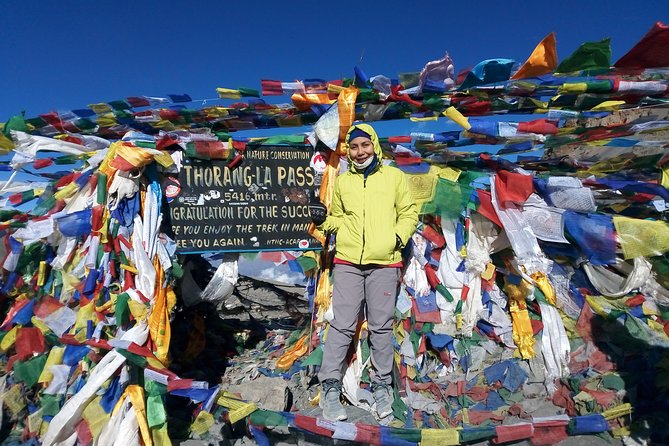
The great appeal here is the chance to tackle Nepal’s famous Annapurna Circuit with a private team rather than a large group. You start early in Kathmandu, travel toward Pokhara and the Annapurna region, and spend the trip moving through one of Nepal’s best-known high-altitude trekking areas.
I like the flexible meals, since breakfast, lunch, and dinner are selected from the menu rather than fixed in advance. I also like the personal attention promised by a private trip, especially with guide Raj, who is praised for daily briefings and careful attention to food, water, and lodging. The main caution is simple: this is a serious mountain trek, not a gentle sightseeing holiday, and the published details do not provide a full day-by-day route.
Key points to know before booking
- A 12-day private trek begins and ends at Thamel Marg in Kathmandu.
- A 5:00 am start gets the first travel day moving early.
- Guide Raj is noted for clear daily instructions and strong familiarity with the Annapurna route.
- Menu-based meals let you choose breakfast, lunch, and dinner, with tea and coffee included.
- Moderate fitness is required, with high-altitude walking forming the heart of the trip.
- The $1,179.49 price offers personal service, but you should budget separately for drinks, alcohol, water, insurance, and unexpected costs.
Why the Annapurna Circuit remains such a strong choice
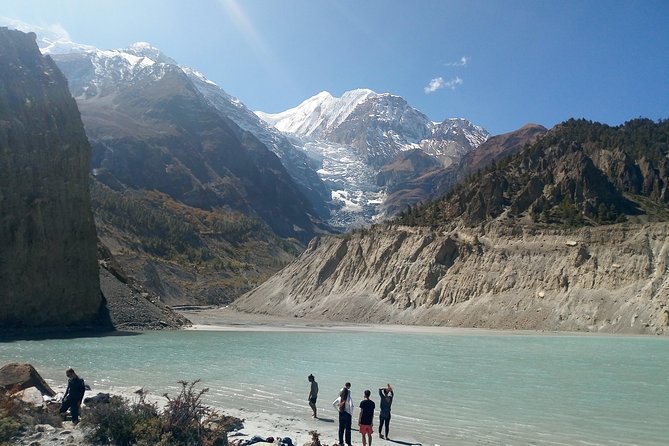
Nepal gives you several famous trekking regions, but Annapurna has an especially broad appeal. The area is known for major Himalayan views, established trekking routes, and easier access from Kathmandu than some more remote mountain destinations.
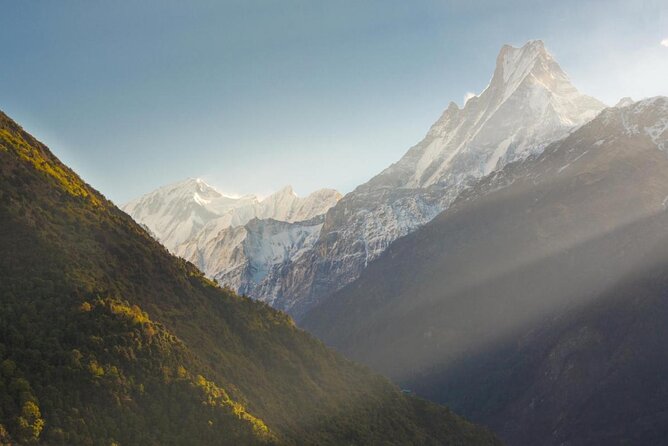
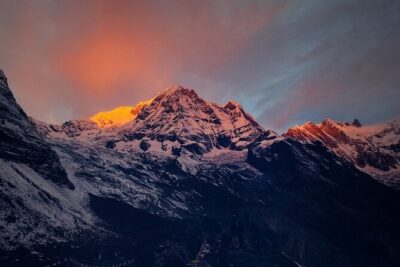
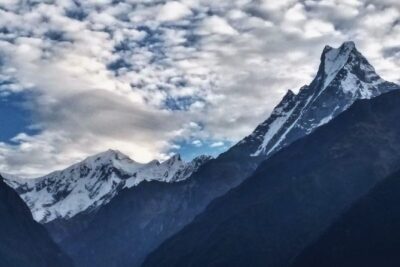
The Annapurna massif is the centre of the region. Mt. Annapurna reaches 8,019 meters, or 26,545 feet, making it the tenth-highest mountain in the world. You do not need to climb the mountain itself to appreciate its scale. The appeal lies in walking through the wider mountain region and seeing the peaks rise above the route.
The trip begins in Kathmandu, but the mountain experience takes shape after the long journey toward Pokhara. The drive from Kathmandu to Pokhara is described as taking about seven to eight hours. That is a substantial road day, so you should be ready for an early start and a long stretch in a vehicle before the walking becomes the main event.
Pokhara is a useful gateway because it is a lakeside city known for adventure tourism. It gives the trip a change of pace from Kathmandu and places you closer to the Annapurna region. The transition is part of the experience, but it also means the first day may feel more like transport than trekking.
More Annapurna Treks in Kathmandu
- Annapurna Circuit Trek with Tilicho Lake
★ 5.0 · 368 reviews - Annapurna base camp trek 5 Days
★ 5.0 · 252 reviews - 14-Day Private Annapurna Base Camp Trek
★ 5.0 · 180 reviews
What a 12-day schedule means in practice
The advertised duration is about 12 days and 6 hours 30 minutes. That includes the overall organized experience rather than twelve nonstop days on a trail. The published information does not provide every overnight stop, walking distance, or elevation gain, so you should ask for the final route before paying if those details matter to you.
You can safely expect the trip to combine road transport, mountain walking, overnight arrangements, and a return to Kathmandu. The precise balance depends on the route selected by the operator and current road conditions.
A 12-day schedule is useful for someone who wants a serious taste of the Annapurna region without committing to a much longer expedition. At the same time, high-altitude trekking cannot be judged only by the number of calendar days. The pace, overnight elevations, and rest arrangements matter greatly.
I would ask these questions before departure:
- Which villages and mountain passes are included?
- How many hours do you walk on a typical day?
- What is the highest overnight point?
- Are permits, transport, accommodation, and guide costs included?
- What happens if weather or road conditions alter the route?
Those questions are not nitpicking. They help you understand what the price covers and how demanding the trek will feel.
The 5:00 am departure from Kathmandu
The meeting point is on Thamel Marg in Kathmandu, with pickup offered. The stated start time is 5:00 am, which is very early even by trekking standards.
An early departure can be useful because it puts you on the road before the day gets fully underway. It also gives the group more time for the long transfer toward Pokhara. If you are staying in Thamel, confirm the pickup arrangement and exact meeting instructions in advance.
This is a private activity, so only your group participates. That gives you more room to discuss pace, food, and practical needs with the guide. It may also make the trip easier for friends or family members with different levels of fitness than a fixed large-group departure would.
The tradeoff is that a private trek depends heavily on the quality of your guide and communication. Raj is specifically named in the available trip information. His role includes explaining what to do and avoid before each day, and taking care of basic needs such as food, water, and accommodation. That kind of steady communication is valuable in the mountains, where small misunderstandings can become tiring problems.
The road to Pokhara and the Annapurna region
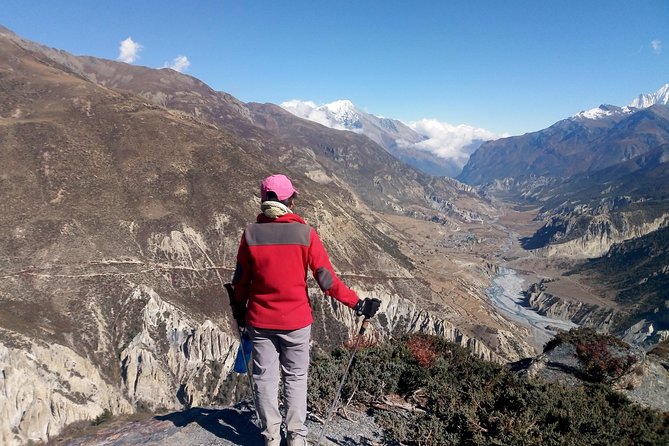
The drive from Kathmandu to Pokhara takes about seven to eight hours. You should treat it as a full travel day, not a quick transfer.
Pokhara is described as a lakeside city and an important base for adventure tourism. Its location makes it a natural staging point for the Annapurna region. The city also gives you a chance to shift from the crowded capital to a place more closely tied to outdoor trips.
The trip description does not state the vehicle type, road condition, or whether the transport is shared or private. Ask before departure. These details affect comfort, especially after an early start and before several days of walking.
The Annapurna region attracts more than 100,000 trekkers each year, according to the supplied information. That popularity tells you two useful things. First, the route has broad appeal and is an established choice for Himalayan trekking. Second, you should not expect complete solitude. If you want a remote expedition with no other people around, this may not be the right match.
Same trailhead, a different route:
- Everest Base Camp Trek – 14 Days
★ 5.0 · 1,499 reviews - Everest Base Camp Trek
★ 5.0 · 842 reviews - Everest Base Camp Helicopter Tour landing at Everest View Hotel
★ 5.0 · 668 reviews - Everest Base Camp Trekking
★ 5.0 · 485 reviews
Food, drinks, and the freedom to choose
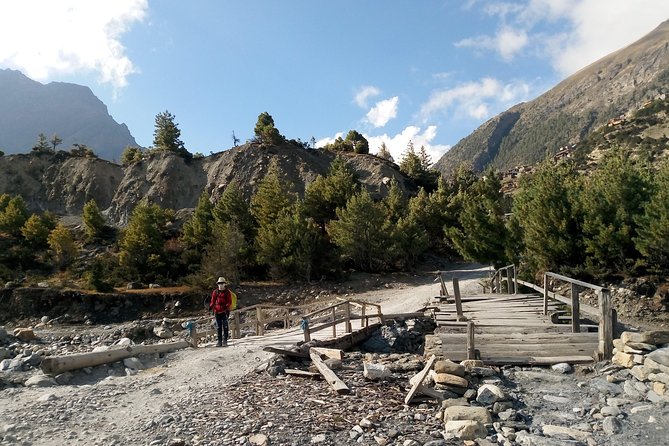
Breakfast, lunch, and dinner are included, with meals selected from the menu. That is a practical arrangement because appetites change during a long trek. You may want a larger breakfast before walking, a lighter lunch on a busy day, or a familiar dish when mountain food stops sounding exciting.
Tea and coffee are also included. The information says you can take all types of tea and normal coffee, which is welcome during cold mornings and long travel days.
The flexible menu system is one of the better features for people with different tastes. It is also worth clarifying what counts as an included meal and what does not. Alcoholic drinks, bar bills, mineral water, and cold drinks are excluded. The stated price also excludes insurance and unexpected expenses.
That means you should carry a separate spending budget. Bottled water and soft drinks can add up over a multi-day trek, particularly if you choose them regularly. The exact cost depends on the route and local prices, neither of which is specified here.
The menu approach does not mean every choice is available everywhere. Mountain supply chains can be limited, and the trip details do not promise a particular cuisine or dietary plan. If you have allergies or strict food requirements, discuss them with the operator before booking.
High altitude and the fitness question
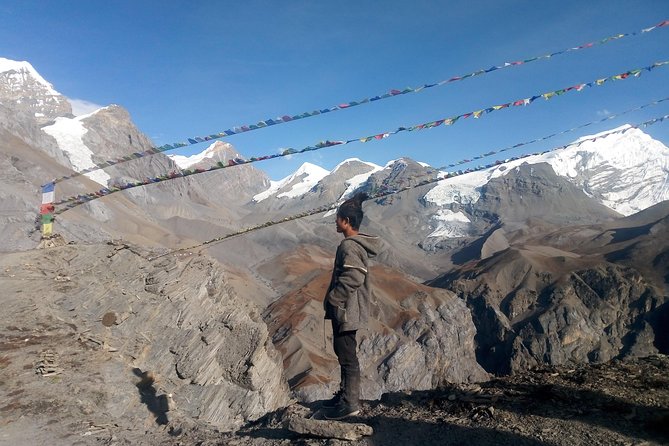
The activity requires a moderate physical fitness level. That phrase should be taken seriously. You do not need to be an elite athlete, but you should be comfortable with repeated days of walking and the physical strain of high altitude.
The Annapurna region includes major mountain elevations, and the trip is specifically described as a high-altitude trek. Altitude affects people differently. Fitness alone does not guarantee an easy adjustment, so ask the operator how the schedule handles acclimatization and what support is available if you feel unwell.
Your preparation should focus on steady endurance rather than speed. Regular hill walking, stair climbing, and long walks with a light pack can help. The supplied information does not state the daily walking hours, pack arrangements, or elevation profile, so do not assume the route will suit you until you receive those details.
A guide who gives clear daily briefings can be a real advantage. Raj is praised for explaining daily do’s and don’ts and for keeping track of food, water, and lodging needs. You should still speak up early if you feel tired, dizzy, or unwell. Good guiding works best when you communicate honestly.
The value of a private guide
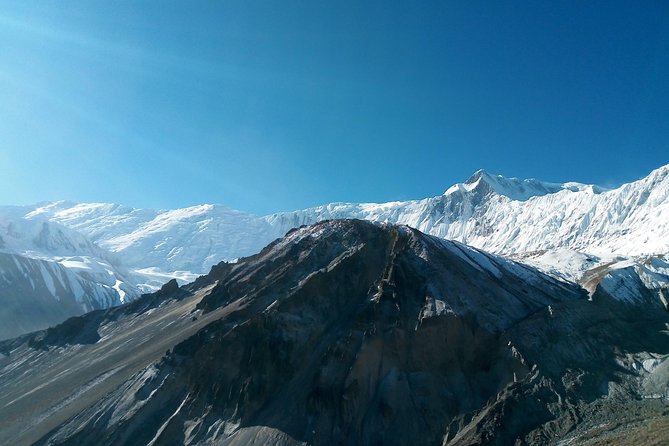
The private format is the strongest reason to choose this trip over a basic group departure. You and your companions are the only participants, so discussions about pace and daily needs should be more direct.
That can be especially helpful for a first high-altitude trek. One person who used this type of service described it as a first high-altitude trek and first trek in Nepal, with the team easing earlier worries. The useful lesson is not that the route becomes easy. It is that a capable guide can make an unfamiliar trip feel more manageable.
Another detailed account describes Raj as a warm, attentive leader with strong mountain skills. The practical praise is more important than the friendly wording: he gave daily instructions, handled basic requirements, and shared information about the trek.
Still, a private format is not automatically better for every person. Solo hikers who enjoy meeting a rotating group may prefer a larger departure. A private trip is best for people who value control, direct communication, and a guide focused on their own group.
Price, inclusions, and the real budget
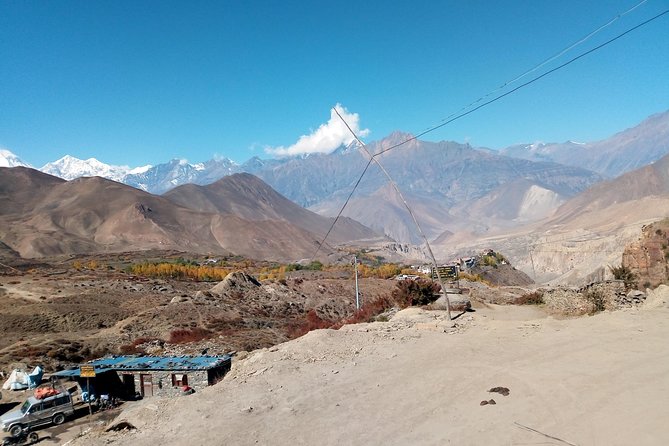
The listed price is $1,179.49 per person. For a private 12-day Himalayan trek with meals and guide support, that can offer good value, but the value depends on what is included beyond the points listed.
Included items are breakfast, lunch, dinner, tea, and coffee. Pickup is offered, and the activity begins and ends at the Kathmandu meeting point. The details do not clearly spell out every transport, lodging, permit, or porter arrangement, so confirm these before booking.
The excluded costs are important:
- Alcoholic beverages and bar bills
- Mineral water and cold drinks
- Client insurance
- Unforeseen expenses
- Any lunch or dinner charges not covered by the included meal arrangement, as the wording about menu choices is not fully clear
That last point deserves clarification. The information labels breakfast, lunch, and dinner as included, but the exclusion note also refers to lunch, dinner, and bar bills. Ask the operator to provide a written breakdown so you are not guessing once you are on the route.
Free cancellation is available if you cancel at least 24 hours before the local start time. A cancellation made less than 24 hours in advance is not refunded, and late changes are not accepted. That is useful flexibility, but it does not replace travel insurance.
Who will get the most from this trek
I would recommend this experience to someone who wants a private introduction to the Annapurna region and prefers a guide-led trip over arranging every detail alone.
It suits you especially well if you value:
- A private group rather than a shared departure
- Menu-based meals
- Direct help from a trekking guide
- A fixed 12-day framework
- A first serious high-altitude trekking experience
- A route connected to Kathmandu and Pokhara
I would be more cautious if you need a fully detailed itinerary before booking, have strict dietary or medical needs, or want a relaxed holiday with little physical effort. The biggest missing pieces are the exact daily route, overnight locations, walking times, and full list of included services.
Should you book the Annapurna Circuit Trek?
Book it if you want a private Himalayan trek with guide support and you are prepared for early starts, long transport, moderate fitness demands, and additional spending on drinks and unexpected costs.
The strongest reasons are the private format, the attention associated with guide Raj, flexible menu-based meals, and the chance to reach the Annapurna region through Pokhara. The main reason to pause is the limited route detail. Before you commit, request the complete day-by-day plan, elevation profile, accommodation details, transport arrangements, and exact inclusions.
If those answers match your needs, the $1,179.49 price can be a sensible way to approach one of Nepal’s best-known trekking regions without handling every arrangement yourself.
FAQ
Where does the Annapurna Circuit trek start?
The activity starts at Thamel Marg, Kathmandu 44600, Nepal.
What time does the trek start?
The stated start time is 5:00 am.
Where does the activity end?
The activity ends back at the meeting point in Kathmandu.
How long does the experience last?
The advertised duration is approximately 12 days and 6 hours 30 minutes.
Is pickup available?
Yes, pickup is offered.
Is this a private tour?
Yes. Only your group participates in the activity.
What level of fitness is needed?
You should have a moderate physical fitness level. The experience is a high-altitude trek.
Are meals included?
Breakfast, lunch, and dinner are listed as included, with food selected from the menu. Tea and coffee are also included.
What costs are not included?
Alcoholic beverages, bar bills, mineral water, cold drinks, insurance, and unforeseen expenses are excluded. The meal wording should be confirmed with the operator before booking.
Who operates the trek?
The experience is operated by Nepal Himalayan Hiker (P) Ltd.
Just added around Kathmandu
- Everest Base Camp Trek★ 5.0 · 3 reviews
- Everest Base Camp Trek★ 5.0 · 7 reviews
- 15 Days Private Everest Base Camp Trek★ 5.0 · 30 reviews
- Everest Base Camp Trek★ 5.0 · 57 reviews
- 14 Days of Adventure Trekking to Everest Base Camp★ 5.0 · 2 reviews
- 14-Day Everest Base Camp Trek★ 5.0 · 20 reviews
- From Kathmandu: Private 14-Day Everest Base Camp Trek★ 5.0 · 20 reviews
- 14 Days Everest Base Camp Trek★ 5.0 · 4 reviews
Annapurna Base Camp Treks, compared.
Trekking in Annapurna/Langtang/Everest/Upper Mustang regions
Read our review →
Kathmandu to Annapurna Base Camp (ABC) 5-Day Trek
Read our review →Browse the lists this trek appears in