
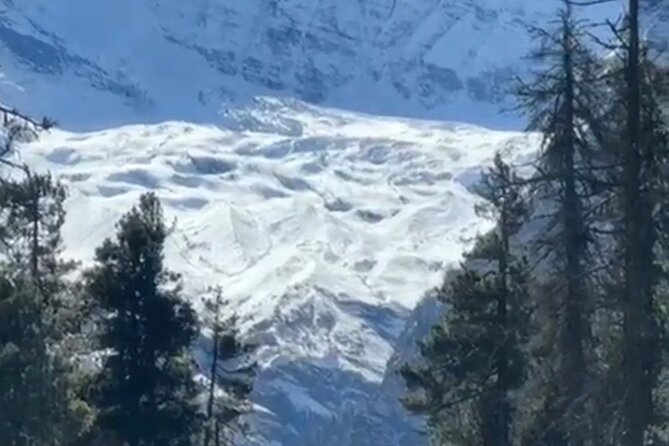
Review · KATHMANDU
8 Days Private Guided Trekking in Annapurna Circuit with Pickup
The real draw here is the Thorong La crossing at 5,416 meters, reached after days of walking through pine forest, high alpine country, and mountain villages. You also get the cultural shift from the lower Marsyangdi Valley to Manang and sacred Muktinath, all in a brisk eight-day schedule.
I like the practical value: permits, seven breakfasts, seven lunches, seven dinners, a guide, and shared transport are included. I also like the private format, since guides such as Sobit, Sirjan, Garap, Bijay, and Ramesh have been praised for sorting gear, adjusting pace, and helping when altitude became a problem. The main caution is the pace. This is a serious high-altitude trek, not a gentle walking holiday.
Key points before you book
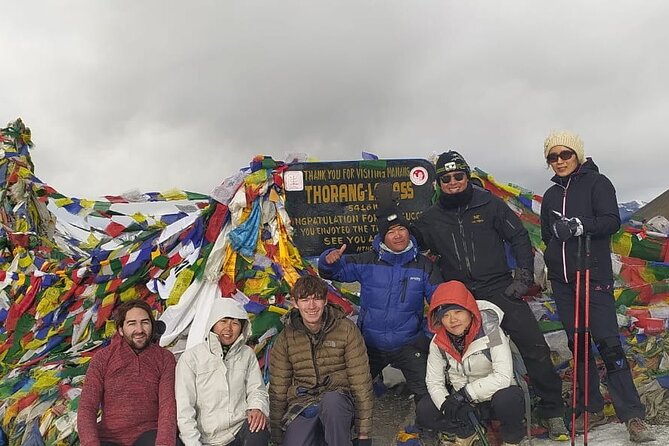
- Thorong La is the centerpiece: You reach 5,416 meters before descending to Muktinath at 3,800 meters.
- The route starts with long road transfers: Day one includes driving from Kathmandu, Pokhara, or Chitwan to Besisahar and then by jeep to Chame.
- Manang provides an acclimatization day: The optional walk to Gangapurna Lake gives you a useful lower-key day before higher elevations.
- The price covers many essentials: Guide costs, permits, meals, first-aid medicine, some seasonal fruit, and shared transport are included.
- This is a private group trip: Only your own booking group participates, though transportation is shared.
- The schedule needs checking: Day six lists Thorong High Camp, while day seven refers to Thorong Phedi, so confirm the exact overnight plan before departure.
A fast route into the high Himalayas
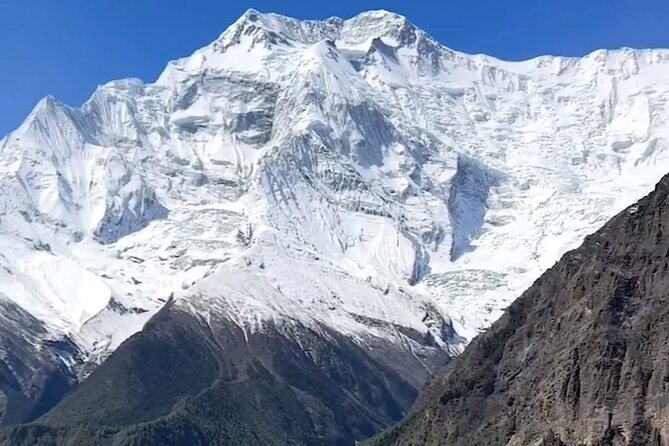
This eight-day trip packs a major section of the Annapurna Circuit into a short window. You move from Besisahar and Chame to Upper Pisang, Manang, Yak Kharka, Thorong La, Muktinath, and finally Pokhara.
That compact schedule is the tour’s strength and its weakness. You spend less time arranging permits, meals, transport, and mountain accommodation yourself. But you have little spare time if weather, road delays, or altitude problems disrupt the plan.
The $260 price is unusually useful for a trek with permits, food, guiding, and transport included. It is not the price of a fully private vehicle throughout. The ride to Chame and the Jomsom to Pokhara leg use shared transportation, so you should value efficient connections more than complete control over every departure.
You should also note the wording around the route. The schedule describes a private tour, but transport is shared. In practice, that means your walking group is private while some road journeys may include other people.
More Annapurna Treks in Kathmandu
- Annapurna Circuit Trek with Tilicho Lake
★ 5.0 · 368 reviews - Annapurna base camp trek 5 Days
★ 5.0 · 252 reviews - 14-Day Private Annapurna Base Camp Trek
★ 5.0 · 180 reviews
Day one: Besisahar and the rough road to Chame
The first day is mainly about reaching the trail. You drive to Besisahar, then continue by jeep to Chame, with the combined journey listed at about six hours.
Besisahar is the gateway to the Annapurna Circuit. From there, the road carries you farther into the valley, reducing the amount of lower-altitude walking and making the eight-day plan possible. The trade-off is clear: you spend a large part of the first day seated in a vehicle rather than on foot.
This transfer can also shape the mood of the whole trip. You are not easing into a long trek with short village walks. You are moving quickly toward the high mountains, so pack water, snacks, and anything you need close at hand for the drive.
The tour does not charge an admission fee at these stops. More important, the package includes the shared transfer from your location in Kathmandu, Pokhara, or Chitwan to Besisahar and then by jeep to Chame. Confirm your pickup time and exact meeting point before departure.
Day two: Forests, Dhikur Pokhari, and Upper Pisang
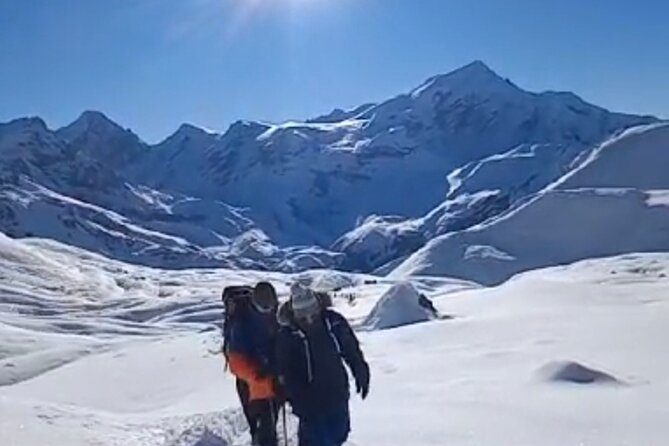
The second day gives you the first proper taste of walking, with about five hours through dense forest and mountain scenery. Annapurna II comes into view, and you pass through Dhikur Pokhari before reaching Lower Pisang and then climbing to Upper Pisang.
The move from Lower Pisang to Upper Pisang is worth noticing. You are not simply passing through one stop and checking into the nearest room. The route gains height and places you in a more elevated village setting, with closer views toward the Annapurna range.
This is also a good day to get a feel for your guide’s style. The operator’s guides have been praised for humor, local cultural explanations, gear checks, and sensible pacing. Guides named in past bookings include Sobit, Sirjan, Garap, Bijay, and Ramesh, though the person assigned to your group may differ.
The five-hour estimate is manageable for someone with moderate fitness, but the elevation gain matters. Keep the pace steady. This is not the day to prove how fast you can walk.
Day three: Ngawal and the Manang valley
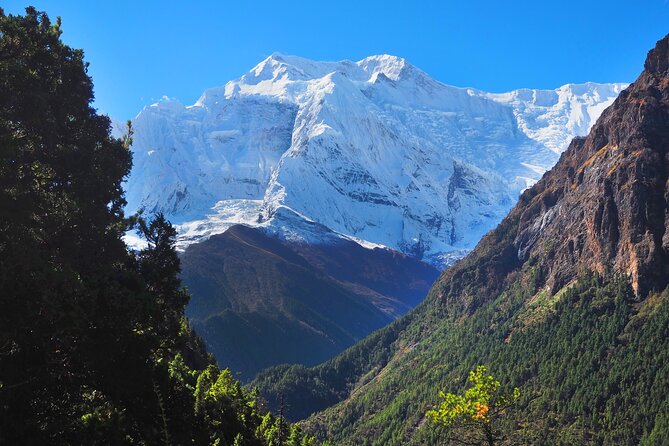
Day three takes about six hours and leads toward Manang via Ngawal. The route is a strong mix of open mountain views, high villages, and changing terrain.
Ngawal is an important part of the day because it gives you a higher route toward Manang and broad views of the Annapurna range. From there, you continue to Manang, where the next day is set aside for acclimatization.
The schedule says you spend the night in Manang. That matters because the following rest day is not wasted time. At this altitude, a pause helps your body adjust before the route climbs toward Yak Kharka and Thorong La.
The biggest practical issue is that the itinerary is ambitious. Six hours of walking after two days of travel and trekking can leave you tired, especially if you are still adjusting to altitude. Tell your guide early if you have a headache, unusual fatigue, poor sleep, or nausea. One guide, Sirgan, has been specifically praised for helping when altitude sickness became a serious concern, but good judgment from you remains essential.
Same trailhead, a different route:
- Everest Base Camp Trek – 14 Days
★ 5.0 · 1,499 reviews - Everest Base Camp Trek
★ 5.0 · 842 reviews - Everest Base Camp Helicopter Tour landing at Everest View Hotel
★ 5.0 · 668 reviews - Everest Base Camp Trekking
★ 5.0 · 485 reviews
Day four: Manang and Gangapurna Lake
Day four is designed as an acclimatization day in Manang, with an optional hike to Gangapurna Lake. The listed walking time is about five hours, although the exact amount depends on how far you go.
I like this part of the plan because it gives you a choice. You can take a gentler day in Manang or add a higher walk if you feel well. The Gangapurna area provides striking mountain views without forcing you to carry your full trekking schedule forward.
The key word is optional. Do not treat this as a test. If your body needs rest, a shorter outing or a quiet day is the smarter choice. The purpose is to prepare for the next stages, not to collect another distance record.
Use this day to check your equipment. One previous guide, Garap, was praised for adjusting a trekker’s gear and pacing, which is exactly the sort of practical help that matters here. Ask your guide to check layers, footwear, poles, and your day pack before the route gets higher.
Day five: Letdar and Yak Kharka
The trek continues through alpine terrain toward Yak Kharka, passing Letdar along the way. The walking time is listed at about five hours.
This is where the route begins to feel more exposed and demanding. Forest becomes less central, the air is thinner, and the surrounding terrain takes on a stark mountain character. The reward is a closer connection with the high Annapurna country, but comfort becomes more basic and your pace should slow.
Yak Kharka is a practical overnight stop before Thorong High Camp. Treat the evening as preparation time. Eat the included dinner, drink enough water, organize warm layers, and keep the next morning’s essentials within reach.
Meals are a genuine part of the package here. Seven breakfasts, seven lunches, and seven dinners are included, along with some seasonal fruit. Extra meals, drinks, bar bills, and tips are not included, so keep money available for anything outside the stated meal plan.
Day six: Toward Thorong High Camp
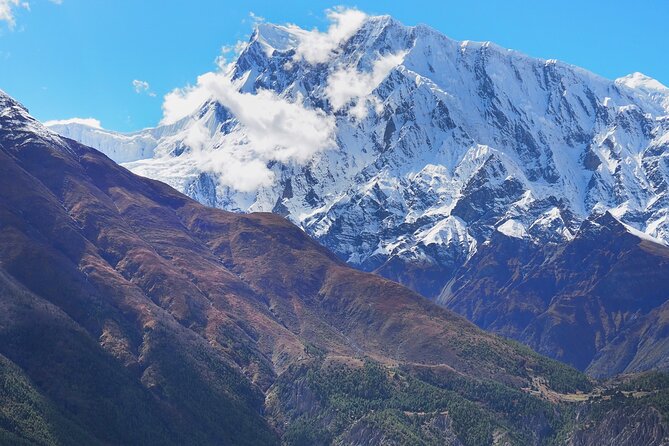
The sixth day is listed as a four-hour trek from Yak Kharka to Thorong High Camp at 4,450 meters. This is a shorter walking day, but the altitude makes it one of the most important.
You are positioning yourself for the pass rather than sightseeing at a relaxed pace. The air is thin, and even a moderate climb can feel hard. Walk slowly, follow the guide’s pace, and speak up at the first sign of trouble.
There is one detail you should clarify before booking. Day six names Thorong High Camp, but day seven describes the route from Thorong Phedi to Muktinath. Those two places are part of the same high-pass approach, but they are not identical overnight points. Ask the operator where you will sleep on day six and how the walking times are calculated.
This is also the point where travel insurance matters most. Insurance is not included, and the package does not promise evacuation coverage. A suitable policy for high-altitude trekking is a sensible personal responsibility.
Day seven: Thorong La, Muktinath, and the descent to Jomsom
Day seven is the hard centerpiece: an early start, a climb to Thorong La at 5,416 meters, a descent to Muktinath at 3,800 meters, and a drive to Jomsom. The total walking time is listed at about six hours.
The pass is physically demanding, but the route’s changing views make the effort worthwhile. You climb through a high, severe mountain setting, reach the prayer-flag-marked pass, then descend toward Muktinath. The change in altitude and terrain is dramatic.
Muktinath is a sacred site associated with Lord Vishnu. The itinerary gives you the chance to pay respect at this important temple area after crossing the pass, adding a cultural purpose to what could otherwise be a purely physical challenge.
The descent is not automatically easy. Going downhill after reaching 5,416 meters can punish tired knees, and the morning start may come after a restless night. Use trekking poles if needed. Poles are available from the operator if you request them, along with a sleeping bag.
The day ends with a drive to Jomsom. That combination of a major pass crossing, a long descent, and road travel makes day seven very full. Ask how much time is planned in Muktinath, since the available schedule may depend on road conditions and the group’s pace.
Day eight: The long ride from Jomsom to Pokhara
The final day is a scenic jeep journey from Jomsom to Pokhara, listed at about six hours. You finish beside Pokhara’s lakeside setting rather than returning to Kathmandu.
This ending is practical for people who want to continue in Pokhara. It is less appealing if you expect a final easy walking day, since the last stretch is another long ride over varied terrain.
The transfer is shared, so do not expect the same privacy as on the trekking portion. Still, having the Jomsom to Pokhara connection arranged is a major convenience after the pass crossing. It removes the need to organize a separate return journey while you are tired.
What the $260 price really includes
At $260 per person, the package offers strong value if you want the main arrangements handled for you. The price includes:
- A guide whose insurance, salary, food, and accommodation are covered
- Annapurna Conservation Area permits
- A TIMS card
- Shared transport from Kathmandu, Pokhara, or Chitwan to Besisahar and Chame
- Shared transport from Jomsom to Pokhara
- Seven breakfasts, seven lunches, and seven dinners
- Sleeping bag and trekking poles if needed
- Some seasonal fruit
- First-aid medicine
- Government tax and official expenses
- A trip certificate and service charge
That list removes several costs that can quietly add up on a self-arranged trek. You are not separately paying for the main permits, guide wages, or standard meals.
The exclusions also deserve attention. Extra meals, tips, travel insurance, and bar bills are yours to cover. The package does not list accommodation for you directly, but the guide’s accommodation is included, and the schedule clearly assumes overnight stays along the route. Confirm whether your own lodging is fully covered and what standard to expect before paying.
The group discount may improve the price for larger bookings. Since the trip is private, it is especially worth asking for the total cost for your exact group size rather than relying only on the per-person figure.
The guide can make or break this trek
High-altitude trekking is not just about finding the trail. Your guide needs to notice when you are moving too fast, manage transport changes, help with gear, and make sensible decisions if someone feels unwell.
The strongest pattern in the guide feedback is practical support. Sobit is linked with organizing food, accommodation, and transport. Sirjan is praised for humor, local culture, and help with altitude trouble. Garap is noted for adjusting equipment and pacing, while Bijay and Ramesh are associated with strong personal support during the trek.
Those names give you useful questions to ask. Can you request a particular guide? How many people can one guide safely support? Who makes the decision if someone needs to descend? The package includes first-aid medicine, but that is not a substitute for travel insurance or professional evacuation cover.
Who should book this eight-day route?
This trip suits you if you have moderate physical fitness, limited time, and a strong interest in seeing the Annapurna Circuit’s high section without arranging every detail yourself. It also works well for friends or couples who want their own private walking group.
It is less suitable if you want a slow, flexible trek with plenty of rest days. The itinerary climbs steadily, includes major road transfers, and leaves little spare time. You should also think carefully if you have known health issues. The operator advises consulting a doctor, and that is especially important before a route reaching 5,416 meters.
The private format is useful for mixed-ability groups because the guide can adjust pace more easily than on a large fixed group departure. Still, private does not mean effortless. Everyone in your group needs to be ready for long days, basic mountain conditions, and a demanding pass crossing.
Final call: good value, but confirm the fine print
I would consider this trip if I had eight days and wanted permits, meals, guiding, and key transport bundled into one low-cost plan. The combination of Manang, an acclimatization day, Thorong La, Muktinath, and Pokhara gives you a lot of Himalayan variety in a short time.
Before booking, I would confirm the exact accommodation, the day six overnight point, the shared transport arrangements, and what happens if altitude forces a change. If you are comfortable with a brisk schedule and can prepare properly, this is a practical way to tackle a famous high mountain route. If you prefer more breathing room, look for a longer Annapurna itinerary instead.
FAQ
Where does the trek begin?
The arranged journey starts with transport to Besisahar, followed by a shared jeep to Chame. Pickup is offered from Kathmandu, Pokhara, or Chitwan.
How high does the trek go?
The route reaches Thorong La Pass at 5,416 meters. Muktinath is listed at 3,800 meters, and Thorong High Camp is listed at 4,450 meters.
Is this a private tour?
Yes. Only your own group participates in the private tour or activity. Some transportation, including the jeep transfers, is shared.
Are meals included?
Seven breakfasts, seven lunches, and seven dinners are included. Extra meals, tips, bar bills, and other food or drink outside the included plan are not covered.
Are permits included?
Yes. The Annapurna Conservation Area permit and TIMS card are included in the price.
Are trekking poles and sleeping bags provided?
They are included if you need them. The package also includes first-aid medicine.
What level of fitness is required?
A moderate physical fitness level is required. The route includes several walking days, high altitude, and the demanding crossing of Thorong La Pass.
Can I cancel for a full refund?
You can cancel at least 24 hours before the experience starts for a full refund. Cancellations or changes made less than 24 hours before the start time are not refunded or accepted. If poor weather causes the operator to cancel, you are offered another date or a full refund.
Just added around Kathmandu
- Everest Base Camp Trek★ 5.0 · 3 reviews
- Everest Base Camp Trek★ 5.0 · 7 reviews
- 15 Days Private Everest Base Camp Trek★ 5.0 · 30 reviews
- Everest Base Camp Trek★ 5.0 · 57 reviews
- 14 Days of Adventure Trekking to Everest Base Camp★ 5.0 · 2 reviews
- 14-Day Everest Base Camp Trek★ 5.0 · 20 reviews
- From Kathmandu: Private 14-Day Everest Base Camp Trek★ 5.0 · 20 reviews
- 14 Days Everest Base Camp Trek★ 5.0 · 4 reviews
Annapurna Base Camp Treks, compared.
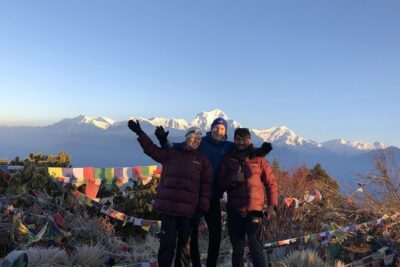
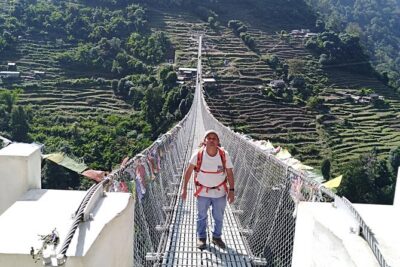
Trekking in Annapurna/Langtang/Everest/Upper Mustang regions
Read our review →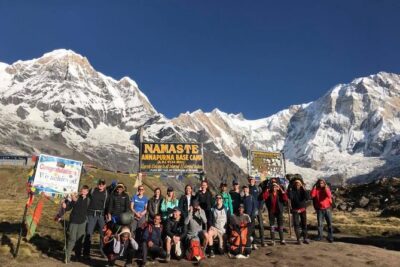
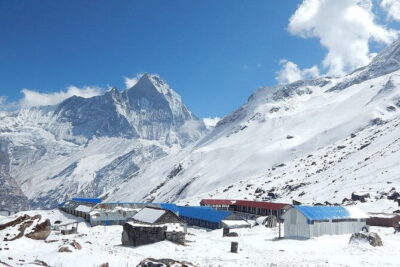
Kathmandu to Annapurna Base Camp (ABC) 5-Day Trek
Read our review →Browse the lists this trek appears in