
Review · KATHMANDU
14 days Annapurna Base Camp Trek
Annapurna Base Camp gives you a fine taste of Nepal in one trip: sacred Kathmandu sites, Pokhara’s lakeside setting, traditional mountain villages, and a high bowl ringed by giant peaks. I especially like the Poon Hill sunrise and the route’s passage through Gurung, Magar, and Thakali communities. The steady mix of culture and mountain walking keeps the trip from feeling like one long uphill grind.
I also like that permits, transport, a licensed English-speaking trek leader, and porter support are covered. The main catch is the effort: this is called a moderate trek, but long days, steep stone stairs, and the altitude near base camp demand solid fitness. Food and drinks are extra, and the eight lodge nights are room only, so your final cost will be higher than the advertised price.
Key points to know before booking
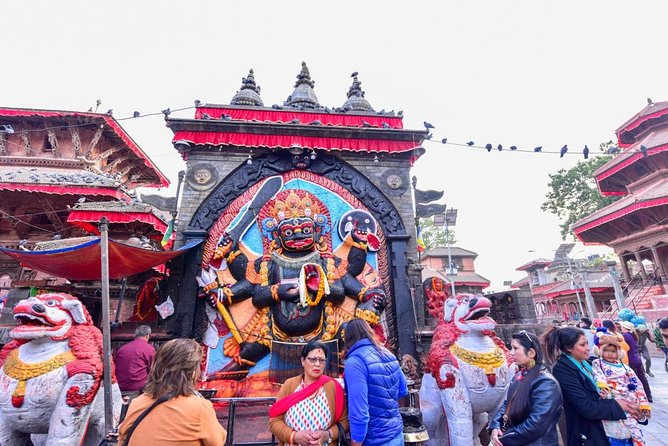
- Poon Hill adds a superb sunrise stop before the trail turns deeper into the Annapurna Sanctuary.
- The route includes long stair sections, especially between Chhomrong, Sinuwa, and the river crossings.
- An early 3 a.m. start may be needed if you want sunrise at Annapurna Base Camp.
- Eight nights use local mountain lodges, while Kathmandu stays include four-star accommodation or a similar property.
- A porter carries up to 18 kilos, shared between two clients.
- The $1,028.41 price covers permits and transport, but not trekking meals, gear, tips, or rescue insurance.
Kathmandu begins the trip with temples and old royal squares
Your trip starts at Tribhuvan International Airport, where you are met and taken to a hotel in Thamel. Thamel is a practical base for the first night, with shops, restaurants, and easy access to the pre-trek briefing. Use the afternoon to rest, sort your bags, and ask questions about the trail.
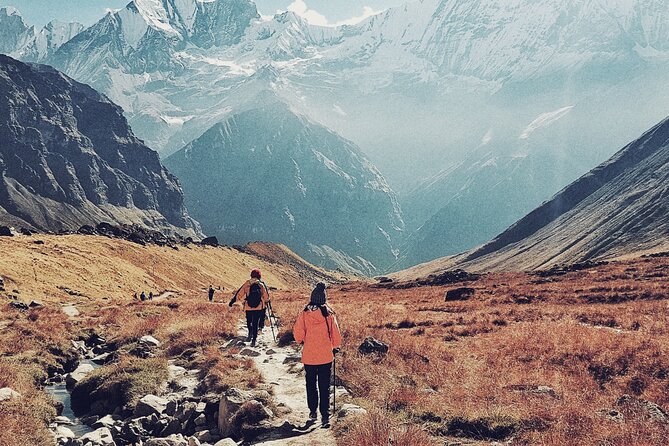
The second day is a useful cultural introduction rather than a throwaway city stop. At Kathmandu Durbar Square, you see an old royal center filled with temples and carved buildings. The visit lasts about an hour, and the entrance fee is not included.
You then climb to Swayambhunath, often called the Monkey Temple. The hilltop setting gives you broad views across Kathmandu Valley, while the white stupa, gilded spire, prayer flags, and Buddha’s watchful eyes provide a clear introduction to Nepal’s Buddhist traditions. Allow for steps here, especially if your legs are still adjusting after the flight.
The final stop is Boudhanath Stupa, where you have about two hours. This large white Buddhist stupa is one of Kathmandu’s most important religious sites. Its open plaza and prayer flags offer a calmer end to the sightseeing day, though entrance fees remain your responsibility.
The hotel plan includes three nights at Yatri Suites & Spa or a similar four-star property in Kathmandu, plus two nights at Hotel Crystal Palace or a similar hotel. The schedule places Kathmandu accommodation at the beginning and end of the trip, giving you a little breathing room around the trek.
More Annapurna Treks in Kathmandu
- Annapurna Circuit Trek with Tilicho Lake
★ 5.0 · 368 reviews - Annapurna base camp trek 5 Days
★ 5.0 · 252 reviews - 14-Day Private Annapurna Base Camp Trek
★ 5.0 · 180 reviews
Pokhara and the road to Ulleri
Day three moves you to Pokhara, a city known here for its Lakeside area beside the water. You have about four hours at Lakeside, enough for a relaxed walk, a meal, or time by the shore before the hard walking begins.
The next morning, transport takes you toward Nayapul, the usual entry point for this part of the Annapurna region. From there, you walk toward Ulleri. The route passes terraced farmland and small settlements, then reaches Tikhedhunga before the trail turns sharply uphill.
The climb to Ulleri is a proper first test. You can expect roughly six hours of walking, and the steep section after Tikhedhunga is made harder by the stone steps. The scenery helps, but do not mistake the first day for a gentle warm-up. Keep your pace slow and save energy for the days ahead.
The company provides transport described as an Asian Heritage private jeep for the return to Pokhara. The itinerary also includes the necessary transportation between the major points, which saves you from arranging local transfers yourself.
Ghorepani and the early climb to Poon Hill
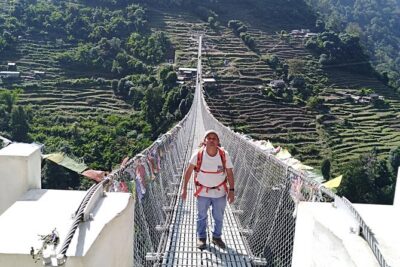
From Ulleri, the trail becomes more pleasant for many walkers. You pass through rhododendron and pine forests, cross small bridges, and continue toward Ghorepani. This day lasts about seven hours, but the walking is described as easier than the Ulleri climb.
Upper Ghorepani gives you views toward Dhaulagiri, which rises to 8,167 meters, along with other high peaks. The village is an important overnight stop because it positions you for the early climb to Poon Hill.
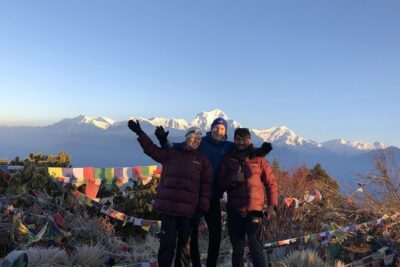
Poon Hill sits at 3,210 meters. The plan is to leave early enough to catch the first sunlight on Annapurna and Dhaulagiri. The ascent is short compared with the full trek, but the morning timing means you will be walking before breakfast and in the coldest part of the day.
After returning to Ghorepani for breakfast, you continue through rhododendron forest toward Tadapani at 2,650 meters. The whole day may take about eight hours, making it one of the longer days on the schedule. I would treat Poon Hill as a highlight, but also as a warning that the itinerary often combines an early start with a full day on foot.
Chhomrong and the long staircase section
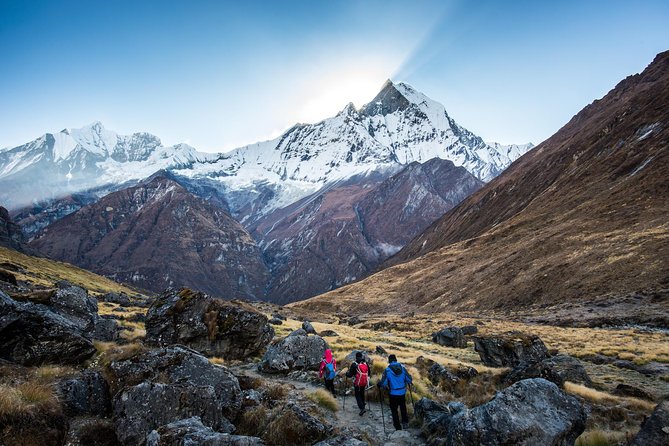
From Tadapani, the trail descends toward the Kimrung River, follows rice fields and small settlements, then climbs to Chhomrong. The walk takes about six hours. Chhomrong is a useful mountain village stop with views toward Fishtail and Annapurna South.
The following day covers less distance but can feel harder. You descend more than 2,000 stone steps to cross the Chhomrong River, then climb again to Sinuwa. After Sinuwa, the trail continues through bamboo forest toward Bamboo village and Dovan.
This is a good example of why distance alone does not tell you how tiring a trekking day will be. Repeated steps put more strain on your knees and thighs than a steady path. The itinerary lists about seven hours, but your own pace, rest breaks, and pack weight will matter.
The description refers to large lemur colonies around Bamboo village. You might find wildlife in the trees, but do not treat a sighting as part of the promised experience. The dependable attraction is the forest, river corridor, and changing mountain vegetation.
Same trailhead, a different route:
- Everest Base Camp Trek – 14 Days
★ 5.0 · 1,499 reviews - Everest Base Camp Trek
★ 5.0 · 842 reviews - Everest Base Camp Helicopter Tour landing at Everest View Hotel
★ 5.0 · 668 reviews - Everest Base Camp Trekking
★ 5.0 · 485 reviews
Deurali and Machhapuchhare Base Camp
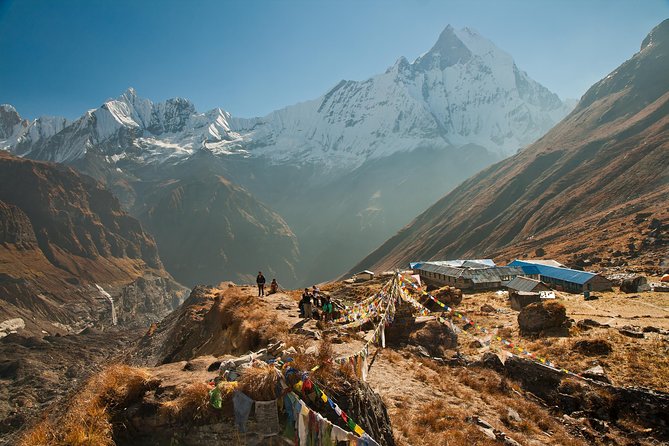
The route continues through rhododendron and bamboo forest toward Deurali and Hotel Himalaya. After Hotel Himalaya, the forest becomes drier and the trail climbs steeply toward Hinku Cave. It then drops closer to the river before rising again to Deurali at 2,920 meters.
This day is about seven hours and combines several changes in height and trail character. After a rest at Deurali, you follow the Modi Khola and continue toward Machhapuchhare Base Camp, often shortened to MBC. The river gives you a clear line through the valley, while the mountain views become more immediate.
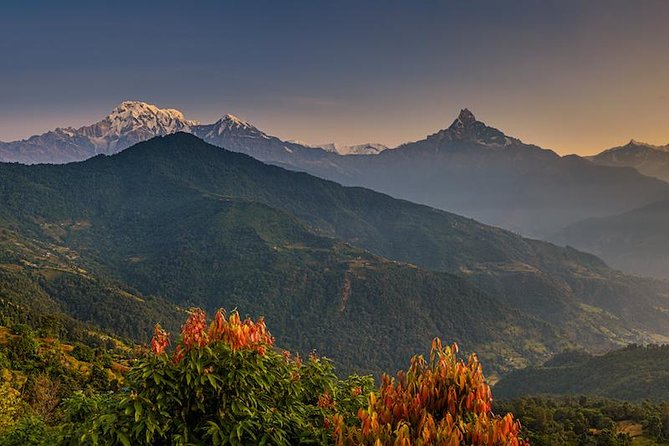
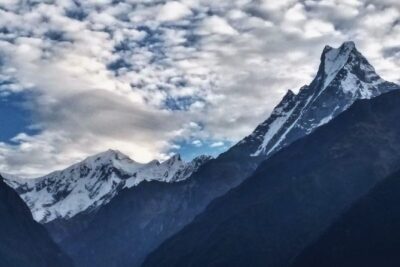
Machhapuchhare, also called Fishtail, can look different as you change direction. The route description makes a point of the mountain’s changing shape, and this is one of the trip’s pleasures: you are not seeing the same peak from one fixed viewpoint.
At MBC, you are already high enough for altitude to matter. The schedule moves quickly toward Annapurna Base Camp, so follow your guide’s pace and pay attention to how you feel. The package includes staff costs, guide accommodation, equipment, and insurance for the staff, but your own emergency evacuation insurance is not included.
Annapurna Base Camp before sunrise
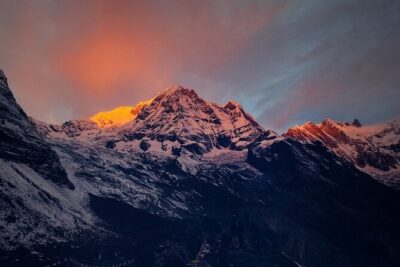
The main goal comes on day ten. If you want sunrise at Annapurna Base Camp, you may need to wake at about 3 a.m. and walk for roughly two hours. The early start is demanding, particularly after several consecutive trekking days, but it gives you the best chance of seeing the sanctuary in first light.
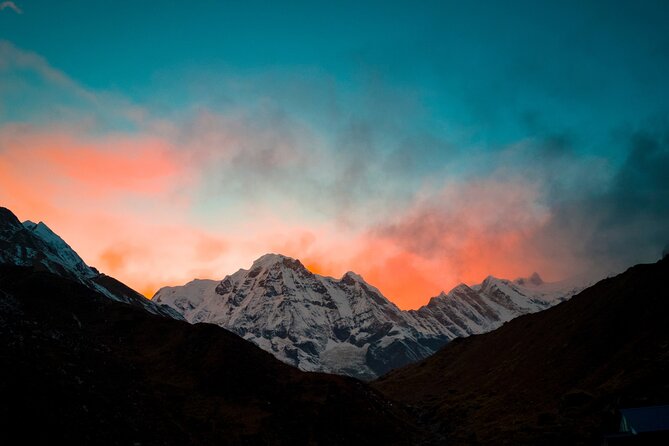
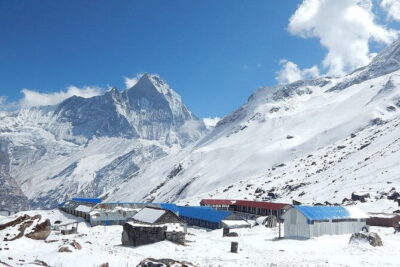
Annapurna Base Camp sits inside an oval-shaped high plateau surrounded by mountains. From here, the views include Machhapuchhre, Hiunchuli, Annapurna South, Annapurna I, Annapurna III, Gandharvachuli, and Gangapurna.
The setting is the reward for the staircases, river crossings, and early mornings. You are not simply reaching a viewpoint above a valley. You are entering a mountain bowl with peaks rising around you on several sides.
The day totals about six hours, according to the schedule, but your experience will depend on the pace, conditions, and length of time spent at base camp. The guide is there to manage the walking group and help with the route, but you should still bring warm layers, water, and a headlamp for the pre-dawn start.
Descending through Bamboo to Jhinu
After the base camp visit, the trail retraces much of the route through Himalaya, Dovan, Bamboo, and Sinuwa. You then cross the Chhomrong River and climb the stone steps before taking the route toward Jhinu.
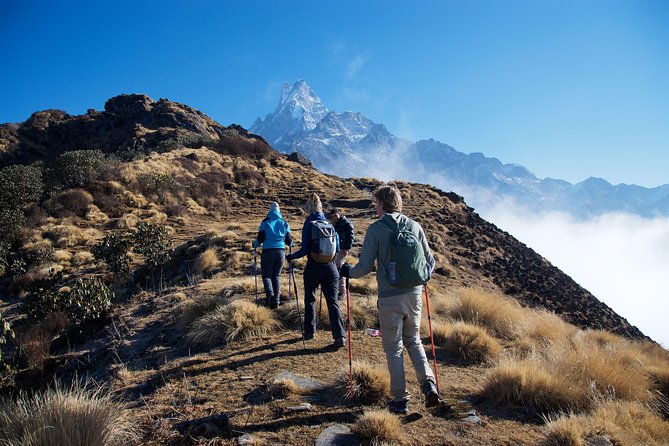
The walking time is listed at about seven hours. Descending can sound easier than climbing, but steep steps often make it tough on tired knees. Trekking poles, if part of your personal gear, would be useful, though the package does not provide personal trekking equipment.
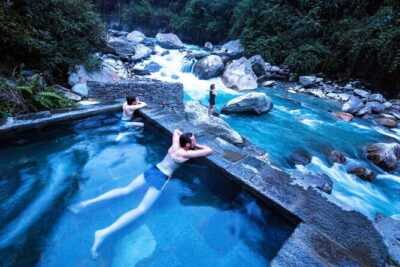
Jhinu is a welcome change because it has hot springs. After several days at altitude and on rough paths, the chance to rest in warm water gives the final part of the trek a clear sense of relief. The hot springs are an included stop in the route plan, but food, drinks, and personal expenses remain yours to pay.
The last trekking day leads through more villages, farmland, tea houses, and stone steps toward Nayapul. This section is easier than the high route, with more signs of daily village life. At Nayapul, a private jeep transfers you back to Pokhara.
Pokhara to Kathmandu and what is included
You spend the night in Pokhara before returning by road to Kathmandu. The journey is listed at about eight hours, so this is not a quick hop. After arriving in Kathmandu in the late afternoon, you return to your hotel for the final night.
The package includes accommodation, but the arrangement changes during the trip:
- Three nights in Kathmandu at Yatri Suites & Spa or a similar four-star hotel, with breakfast.
- Two additional Kathmandu nights at Hotel Crystal Palace or a similar property, with breakfast.
- Eight nights in locally available trekking lodges, on a room-only basis.
- Annapurna Conservation Area permits, TIMS, and other required permits.
- Transportation listed in the schedule.
- A government-licensed English-speaking trek leader.
- Porter support, with one porter carrying up to 18 kilos shared between two clients.
- Staff wages, insurance, equipment, accommodation, taxes, and listed breakfasts.
The meal details need careful reading. Breakfast is included at the Kathmandu hotels, and the package specifies five breakfasts. Meals and drinks during the trek are not included, so budget for them separately. Personal gear, tips for the guide, porter, and drivers, donations, room upgrades, and emergency rescue evacuation insurance are also excluded.
Is $1,028.41 good value?
At $1,028.41 per person, this is a useful price for a private 14-day program that combines city sightseeing, mountain transport, permits, lodges, a guide, and porter service. You are not paying only for a trail walk. You are also paying for the planning and logistics needed to move from Kathmandu to Pokhara, through the Annapurna route, and back again.
The strongest value comes from the permits, staff costs, and transport. Handling those items independently can take time and creates more chances for confusion. Having porter support also lets you carry a smaller daypack, although you still need to keep your belongings within the shared 18-kilo limit.
The price is less inclusive than some first-time trekkers might expect. Trekking food and drinks are extra, and local lodge accommodation is basic compared with the Kathmandu hotels. Add a budget for tips, personal equipment, entrance fees at the Kathmandu heritage sites, and insurance that covers high-altitude emergency evacuation.
The trip is private, with only your own group participating. That can make the walking pace and daily routine more manageable than a large group departure, but the supplied information does not give a maximum group size. Ask the operator how many people will be in your party before paying.
Who will enjoy this Annapurna route?
I would recommend this trip to you if you want a first serious Himalayan trek with a guide, but also want Kathmandu and Pokhara included. It suits people who enjoy long walking days, village scenery, forest trails, and a clear mountain goal.
You should be comfortable with:
- About six to eight hours of walking on several days.
- Steep uphill and downhill stone steps.
- A 3 a.m. start for an Annapurna Base Camp sunrise.
- Basic lodge accommodation during the trek.
- Paying separately for meals, drinks, personal gear, and tips.
- Carrying a daypack while a porter handles shared luggage.
This is not the right choice if you want a soft sightseeing holiday with occasional short walks. The word moderate should not hide the effort involved. A reasonable level of fitness is required, and the route includes a large amount of hiking.
Booking confirmation is provided at the time of purchase, and passport name, number, expiry date, and country are required for every participant. Service animals are allowed, and the route is near public transportation in its city sections. For cancellation, a full refund is available if you cancel at least six full days before the start time. The stated policy offers a 50 percent refund for cancellations two to six full days before departure, with no refund inside two days.
Should you book it?
Book this Annapurna Base Camp trek if you want a well-arranged route with the major landmarks in place: Kathmandu’s sacred sites, Poon Hill, Ghorepani, Chhomrong, Machhapuchhare Base Camp, Annapurna Base Camp, and Jhinu’s hot springs.
I like the combination of cultural stops and mountain walking, along with the practical help of a licensed guide and porter. I would book it only after confirming the exact hotel names, meal arrangements, group size, and what personal gear you need to bring.
The best fit is an active first-time Himalayan trekker who values support but does not need luxury in the mountains. If that sounds like you, the price offers a solid framework for reaching one of Nepal’s most memorable mountain settings.
FAQ
How long is the Annapurna Base Camp trek?
The full experience lasts approximately 14 days, including Kathmandu sightseeing, travel to and from Pokhara, the trek, and airport transfer.
Where does the tour begin?
The tour begins at Tribhuvan International Airport in Kathmandu, Nepal. The listed start time is 8:30 a.m.
Is transportation included?
Yes. Transportation mentioned in the schedule is included, including airport transfers, travel to the trekking area, the return from Nayapul to Pokhara by private jeep, and the journey from Pokhara back to Kathmandu.
Are meals included?
Breakfast is included at the Kathmandu hotels, with five breakfasts specified in the package. The eight trekking lodge nights are room only, and food and drinks are not included.
What accommodation is provided?
You receive three nights at Yatri Suites & Spa or a similar four-star hotel in Kathmandu, two nights at Hotel Crystal Palace or a similar Kathmandu hotel, and eight nights in locally available trekking lodges.
Is a guide included?
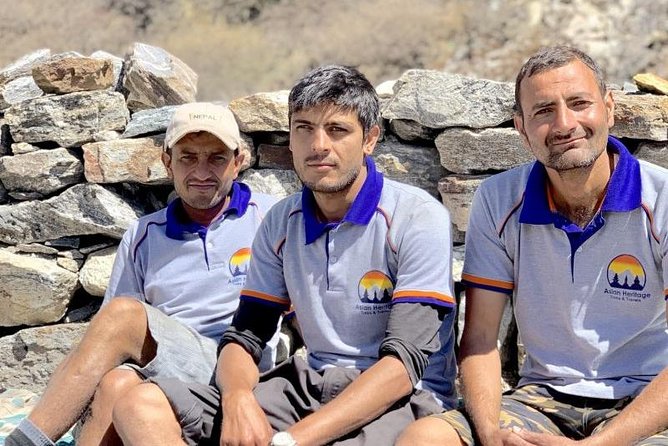
Yes. The package includes an experienced, English-speaking, government-licensed trek leader. Staff costs, including salary, insurance, equipment, and accommodation, are also included.
How much luggage can the porter carry?
One porter can carry up to 18 kilos of luggage, shared between two clients.
Are entrance fees included?
Entrance fees to the World Heritage sites in Kathmandu are not included. Personal trekking gear, tips, donations, room upgrades, personal expenses, and emergency rescue evacuation insurance are also excluded.
Just added around Kathmandu
- Everest Base Camp Trek★ 5.0 · 3 reviews
- Everest Base Camp Trek★ 5.0 · 7 reviews
- 15 Days Private Everest Base Camp Trek★ 5.0 · 30 reviews
- Everest Base Camp Trek★ 5.0 · 57 reviews
- 14 Days of Adventure Trekking to Everest Base Camp★ 5.0 · 2 reviews
- 14-Day Everest Base Camp Trek★ 5.0 · 20 reviews
- From Kathmandu: Private 14-Day Everest Base Camp Trek★ 5.0 · 20 reviews
- 14 Days Everest Base Camp Trek★ 5.0 · 4 reviews
Annapurna Base Camp Treks, compared.
Trekking in Annapurna/Langtang/Everest/Upper Mustang regions
Read our review →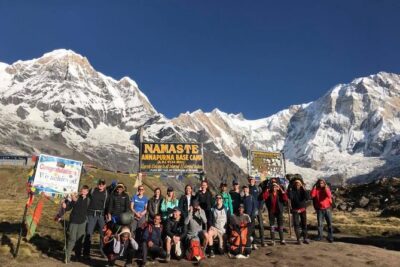
Kathmandu to Annapurna Base Camp (ABC) 5-Day Trek
Read our review →Browse the lists this trek appears in