
Review · KATHMANDU
Annapurna Base Camp Trek
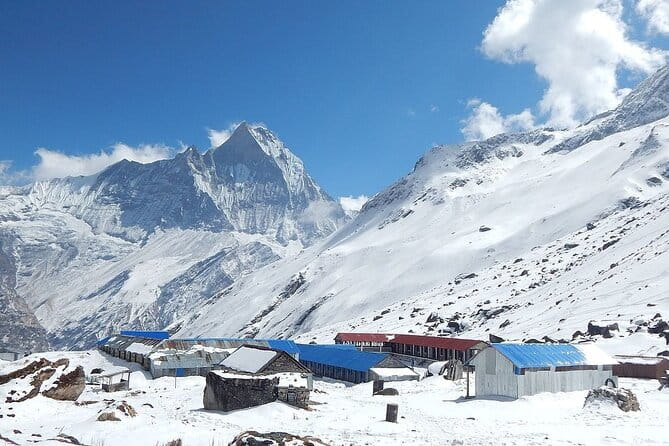
Annapurna Base Camp is the star here: a high mountain bowl ringed by some of Nepal’s finest peaks, reached on foot through Gurung villages, rhododendron forest, and bamboo-filled valleys. I like that this 11-day plan includes permits, meals, a guide, porter support, and the long Kathmandu to Pokhara transfers, so you have fewer pieces to arrange yourself.
I also like the steady route from Ghandruk to Sinuwa, Deurali, Base Camp, and back through Jhinu Danda. The organization and helpfulness of the guides and porters have earned strong praise, but keep your expectations clear: the word luxury means added trekking comfort, not a five-star mountain resort. You’ll stay in the best available teahouse rooms and 3-star city hotels.
Key points to know before booking
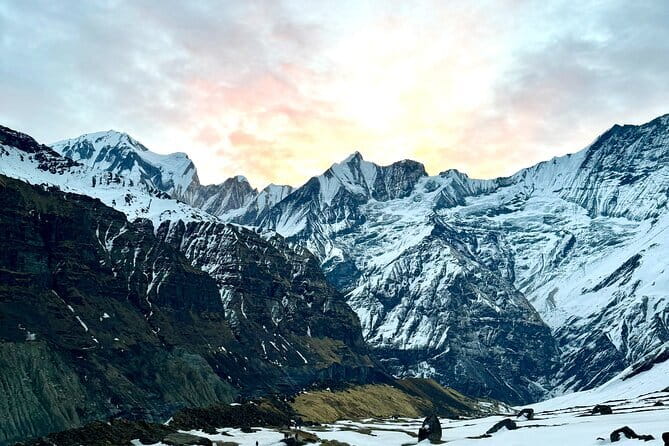
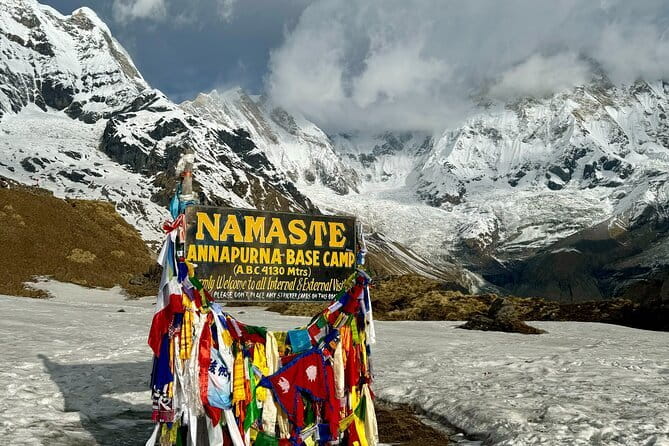
- Annapurna Base Camp reaches 4,130 meters: The final approach is serious but follows a clear, staged route.
- Ghandruk starts the walking portion: You get Gurung village scenery before the trail enters forest and mountain valleys.
- Porter service is included: One porter carries the shared load for every two trekkers.
- Meals are covered during the trek: Breakfast, lunch, dinner, and tea or coffee are included, while city lunches and dinners are not.
- Kathmandu to Pokhara is by tourist bus: Allow 7 to 8 hours each way for the 200-kilometer road journey.
- This is a private activity: Only your own group participates, although group discounts are available.
What this Annapurna route actually feels like
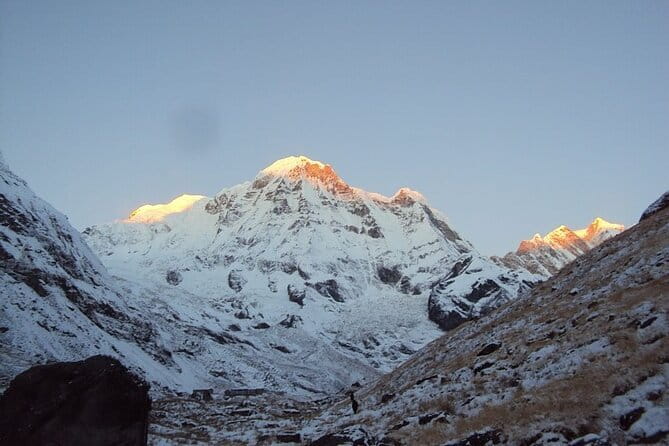
This is a classic Himalayan walking trip with a practical 11-day frame. You begin in Kathmandu, travel to Pokhara, walk into the Annapurna region, reach Base Camp, then return by a different lower route through Jhinu Danda before heading back to Kathmandu.
The trek is not a nonstop high-altitude test. The early days begin at lower elevations, then the route rises through Ghandruk, Sinuwa, and Deurali. The highest point is Annapurna Base Camp at 4,130 meters, or 13,550 feet. That gradual gain is useful, but the walking days still run about five to seven hours.
I like the way this route mixes human and natural scenery. You pass traditional Gurung settlements, Buddhist monasteries, forest paths, and mountain viewpoints rather than simply marching from lodge to lodge. The most memorable moments should come from the change in surroundings: village life near Ghandruk, thick bamboo forest farther up, and the open mountain setting around Base Camp.
The trip is described as luxury, but I would read that as a comfort-oriented trekking package. You receive a sleeping bag, duffel bag, full-board trekking meals, and a porter. In the mountains, accommodation is in the best available twin-sharing teahouses. In Kathmandu and Pokhara, you stay in 3-star hotels with breakfast.
More Annapurna Treks in Kathmandu
- Annapurna Circuit Trek with Tilicho Lake
★ 5.0 · 368 reviews - Annapurna base camp trek 5 Days
★ 5.0 · 252 reviews - 14-Day Private Annapurna Base Camp Trek
★ 5.0 · 180 reviews
Days 1 and 2: Kathmandu arrival and the long road to Pokhara
Your first day is deliberately light. A representative meets you at Tribhuvan International Airport and drives you 30 to 45 minutes to your Kathmandu hotel. Breakfast is listed for the day, and the schedule leaves room to settle in before the walking begins.
Day 2 brings the first major practical test: the drive to Pokhara. The distance is about 200 kilometers, but the trip takes 7 to 8 hours by tourist bus. That tells you something important about this package. You save the cost and planning hassle of a separate domestic flight, but you give up most of a day to the road.
Pokhara sits at about 822 meters and is the staging point for the trek. Its lakeside setting gives you a gentler change of pace before the trail starts. I would treat this road day as part of the adventure, not as a quick transfer. Pack water, snacks, and something to occupy you during the long ride, since meals in Pokhara beyond breakfast are not included.
Day 3: Ghandruk begins the walking
From Pokhara, you drive about 41 kilometers to Nayapul, then walk roughly 5 kilometers for three to four hours to Ghandruk. The drive takes two to three hours, so this is a manageable first trekking day.
Ghandruk is a strong choice for the first overnight stop. It is a traditional Gurung village at 1,940 meters, and the setting gives you an early taste of local mountain life before the trail moves into narrower valleys. The day combines road travel and a short walk, which helps your body adjust without throwing you straight into a long climb.
Breakfast, lunch, and dinner are included here. Accommodation is twin-sharing in the best available teahouse, not a private luxury lodge. That distinction matters if you are comparing this trip with a high-end hotel-based holiday.
Day 4: Ghandruk to Sinuwa through forest
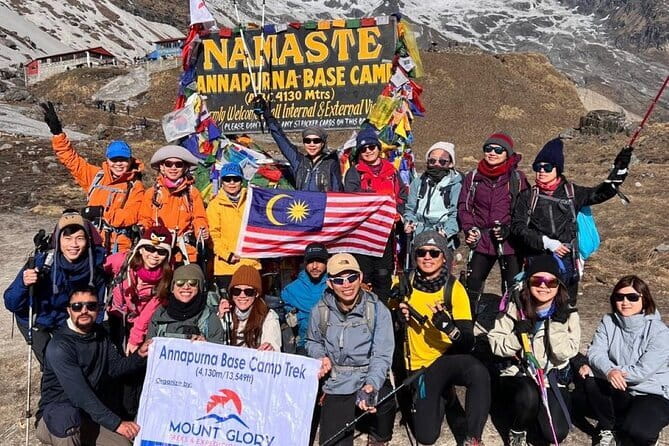
The next stage covers about 12 kilometers and takes six to seven hours. You descend toward the Kimrong Khola, then climb again toward Sinuwa at 2,340 meters.
This is a proper trekking day, with the sort of up-and-down rhythm that can feel harder than the distance suggests. The route through forest keeps the scenery varied, and the changing elevation gives you a useful introduction to the physical demands ahead.
Sinuwa is not the highest stop, but it marks a clear shift from village approach to mountain corridor. Your guide’s pacing matters here. You should keep a steady speed, take sensible breaks, and avoid treating the first big day as a race.
The package includes all three meals plus tea or coffee during the trekking portion. Bottled water, alcoholic drinks, and other personal beverages cost extra, so budget for hydration.
Same trailhead, a different route:
- Everest Base Camp Trek – 14 Days
★ 5.0 · 1,499 reviews - Everest Base Camp Trek
★ 5.0 · 842 reviews - Everest Base Camp Helicopter Tour landing at Everest View Hotel
★ 5.0 · 668 reviews - Everest Base Camp Trekking
★ 5.0 · 485 reviews
Day 5: Bamboo country and Deurali
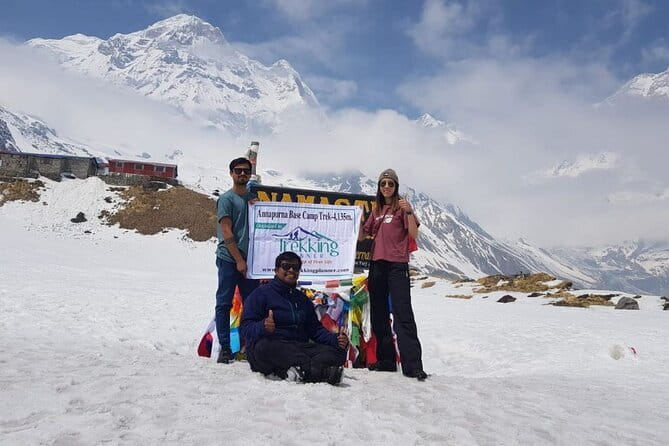
Day 5 takes you about 10 kilometers to Deurali. Plan on six to seven hours of walking, with the trail rising through lush bamboo forest toward 3,200 meters.
This section is one of the route’s most atmospheric stretches. Bamboo, shaded paths, and the sound of mountain streams create a different feel from the open views around Ghandruk. The forest also gives you shelter from strong sun, though wet or slippery trail conditions can affect the pace.
Deurali is where the altitude starts to matter more. At 3,200 meters, you are high enough that a normal walking day may feel demanding. The schedule does not list a separate acclimatization day, so you should tell your guide promptly about headaches, unusual fatigue, nausea, or other altitude concerns.
You sleep in a teahouse and eat breakfast, lunch, and dinner. The included sleeping bag is a useful comfort item at this elevation, but you still need suitable warm clothing and personal gear.
Day 6: The main reward, Annapurna Base Camp at 4,130 meters
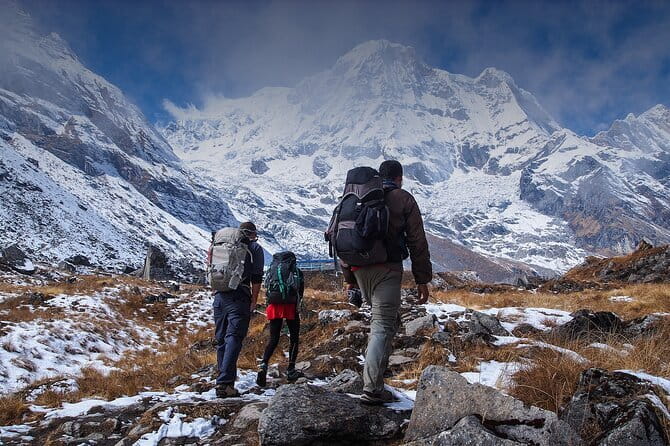
The route from Deurali to Annapurna Base Camp covers about 9 kilometers and takes six to seven hours. This is the day most people have in mind when they book.
The trail carries you toward the high mountain amphitheater around Base Camp. Machhapuchhre Base Camp is one of the named points along this section, and the views open toward Annapurna and Machhapuchhre. At 4,130 meters, the destination is high enough to demand respect, even if the walking distance looks modest on paper.
I would focus less on speed and more on keeping a comfortable rhythm. The altitude can make each uphill section feel longer than expected. Your guide is there for route support and pacing, while the porter arrangement keeps your personal load lighter.
The overnight setting is a major part of the experience. You are surrounded by Himalayan peaks rather than staying in a city hotel, but mountain teahouse comfort is basic. Expect the package to provide practical shelter and meals, not polished rooms or hotel-style facilities.
Day 7: Descent from Base Camp to Bamboo
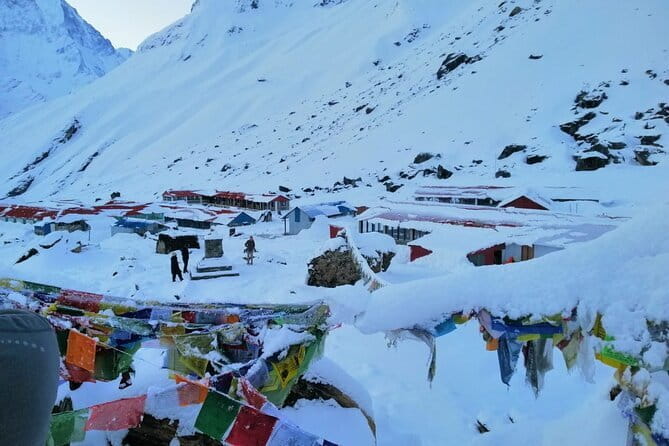
After the Base Camp morning, you retrace much of the route on a long descent of about 13 kilometers. The schedule lists six to seven hours and Bamboo as the overnight destination at 2,310 meters.
Descending is easier on the lungs but can be tough on knees, especially after the high point. Trekking poles, careful foot placement, and properly fitted footwear will help. The drop in altitude should feel welcome, and the return to bamboo forest brings warmer air and thicker vegetation.
This is also a day when a porter is especially helpful. You can concentrate on the trail instead of carrying a full load, while the guide keeps the group moving at a sensible pace.
Day 8: Bamboo to Jhinu Danda and its lower-altitude finish
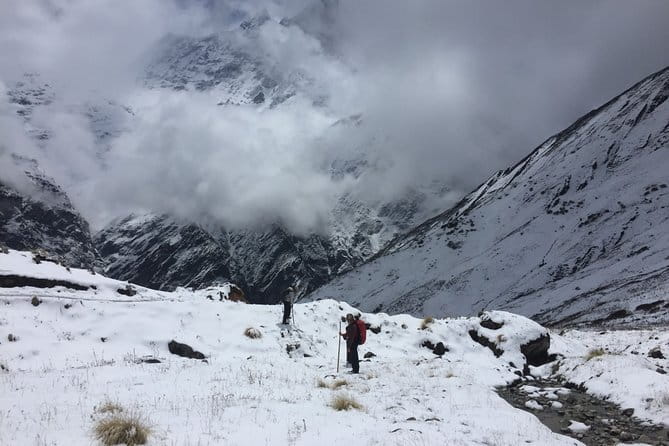
The walk to Jhinu Danda covers around 11 kilometers and takes five to six hours. At 1,780 meters, Jhinu is much lower than Base Camp and gives the trek a pleasant change of tone.
The route passes through forest and continues the return toward the lower valleys. Compared with the high section, this day should feel warmer and more relaxed, though there are still climbs and descents. Jhinu Danda is a useful stop because the itinerary does not simply rush you back to Pokhara in one exhausting push.
The plan specifically highlights Jhinu Danda, but it does not state that a hot spring visit is included. Do not assume that every popular local activity is part of the package. Ask the operator if you want to know what free time or optional stops are available there.
Day 9: Short final walk and return to Pokhara
The final walk is about 6 kilometers, followed by a two to three-hour drive back to Pokhara. The schedule indicates a descent to either Siwa or Ghandruk Phedi before the road transfer, so the exact finishing point may depend on conditions and local arrangements.
This shorter day is well placed after the longer descent from Base Camp. You get a last stretch on foot without adding another full trekking day. Once in Pokhara, breakfast and lunch are included, but dinner is not, so plan for that expense.
Pokhara is also where the trip shifts back to city accommodation. The 3-star hotel provides more predictable comfort after several nights in teahouses. Breakfast is included, while other city meals and personal expenses remain yours.
Days 10 and 11: Back to Kathmandu and home
Day 10 repeats the 200-kilometer road journey to Kathmandu, again taking about 7 to 8 hours by tourist bus. Breakfast and dinner are included on this day, though you should expect the road to consume most of your time.
The final morning includes airport transport, with a listed drive of 30 to 45 minutes. Breakfast is provided, and any spare time depends on your flight schedule. I would avoid booking a very tight international connection after a long road return unless the operator confirms the timing works.
Airport pickup and drop-off are included, which makes the arrival and departure days easier to manage. The meeting point is Tribhuvan International Airport in Kathmandu.
What the $240 price includes, and what it does not
At $240 per person, this is an unusually broad package for an 11-day itinerary. The value comes from having the major trekking essentials bundled together:
- Airport transfers in Kathmandu
- Tourist bus transport between Kathmandu and Pokhara
- ACAP and TIMS permits
- Kathmandu and Pokhara hotel accommodation with breakfast
- Trekking teahouse accommodation
- Trekking meals with tea or coffee
- An English-speaking, government-licensed guide
- One porter for every two trekkers
- A first aid kit
- Duffel bag and sleeping bag
- Government taxes, service charges, and a farewell dinner
The low price also requires careful reading. International flights, the Nepal visa, travel and rescue insurance, tips, bottled water, alcoholic drinks, hot showers, laundry, phone calls, and personal purchases are not included.
Lunch and dinner in Kathmandu and Pokhara are also excluded. The meal breakdown lists 11 breakfasts, eight dinners, and seven lunches, so you should budget for city meals separately. Tips for the guide, porters, and driver are not included either.
I would confirm the exact hotel and teahouse standard before paying, especially because the package uses both luxury language and practical 3-star and twin-sharing teahouse accommodation. The price is attractive for someone who wants the key logistics handled, but it is not a no-extra-cost holiday.
Who should book this trek
You should consider this trip if you want a well-organized route to Annapurna Base Camp without arranging permits, buses, accommodation, food, and porters yourself. It suits people with a moderate level of fitness who can manage six to seven hours of walking on several days.
The private format is useful if you want your own group rather than joining strangers. At the same time, group discounts may make the price more appealing for friends or families booking together.
You should think twice if you want high-end hotels throughout, private rooms at every mountain stop, short transfers, or a slow acclimatization schedule with built-in rest days. The route is active, the road journeys are long, and teahouse conditions are simpler than the word luxury may suggest.
The strongest practical asset is the human support. The guide, porter, and driver services are central to the experience, and the available feedback gives special weight to careful organization, warm assistance, and professional trekking support. Names of individual guides are not provided, so request your guide’s details before departure if that matters to you.
Cancellation is flexible up to 24 hours before the start for a full refund. Poor weather or failure to reach the minimum number of participants can lead to a new date, a different experience, or a full refund.
Should you book the Annapurna Base Camp Trek?
I would book this trek if you want the classic Annapurna Base Camp route at a low advertised price and value practical support over polished luxury. The itinerary gives you village scenery, forest, high mountain views, a proper Base Camp night, and a gentler finish through Jhinu Danda.
Before booking, confirm the meaning of luxury, the exact hotel and teahouse arrangements, the meal counts, the transfer schedule, and what insurance and tipping budget you should carry. If those points suit you, the package offers a straightforward way to reach 4,130 meters with permits, meals, a licensed guide, porter support, and the major transfers already arranged.
FAQ
How long is the Annapurna Base Camp Trek?
The scheduled experience lasts approximately 11 days, including arrival and departure days in Kathmandu, road travel to and from Pokhara, and the trek itself.
Where does the experience start?
The meeting point is Tribhuvan International Airport in Kathmandu, Nepal. Airport transfers in Kathmandu are included.
How high is Annapurna Base Camp?
Annapurna Base Camp is listed at 4,130 meters, or 13,550 feet.
Is transportation from Kathmandu to Pokhara included?
Yes. Tourist bus transportation from Kathmandu to Pokhara and back is included. Each drive covers about 200 kilometers and takes approximately 7 to 8 hours.
Are trekking meals included?
Yes. Breakfast, lunch, dinner, and tea or coffee are included during the trekking portion. Lunch and dinner in Kathmandu and Pokhara are not included.
Is a guide provided?
Yes. The package includes an experienced, English-speaking, government-licensed trekking guide.
Is porter service included?
Yes. One porter is provided for every two trekkers. The package also includes a duffel bag and sleeping bag, which must be returned after the trek.
Can I cancel for a full refund?
You can receive a full refund if you cancel at least 24 hours before the experience start time. Changes or cancellations made less than 24 hours ahead are not accepted for a refund.
Just added around Kathmandu
- Everest Base Camp Trek★ 5.0 · 3 reviews
- Everest Base Camp Trek★ 5.0 · 7 reviews
- 15 Days Private Everest Base Camp Trek★ 5.0 · 30 reviews
- Everest Base Camp Trek★ 5.0 · 57 reviews
- 14 Days of Adventure Trekking to Everest Base Camp★ 5.0 · 2 reviews
- 14-Day Everest Base Camp Trek★ 5.0 · 20 reviews
- From Kathmandu: Private 14-Day Everest Base Camp Trek★ 5.0 · 20 reviews
- 14 Days Everest Base Camp Trek★ 5.0 · 4 reviews
Annapurna Base Camp Treks, compared.




Trekking in Annapurna/Langtang/Everest/Upper Mustang regions
Read our review →


Kathmandu to Annapurna Base Camp (ABC) 5-Day Trek
Read our review →Browse the lists this trek appears in